18 Historical Artifacts That Shouldn’t Exist
History books tell us neat, orderly stories about human progress—stone tools led to bronze, which led to iron, and civilization marched forward in predictable steps. But archaeology has a way of throwing curveballs that make historians scratch their heads and question everything they thought they knew.
These artifacts don’t fit the timeline. They represent technology that seems too advanced for their time, craftsmanship that shouldn’t have been possible with available tools, or knowledge that supposedly hadn’t been discovered yet. Here are 18 historical artifacts that challenge our understanding of the past.
The Antikythera Mechanism
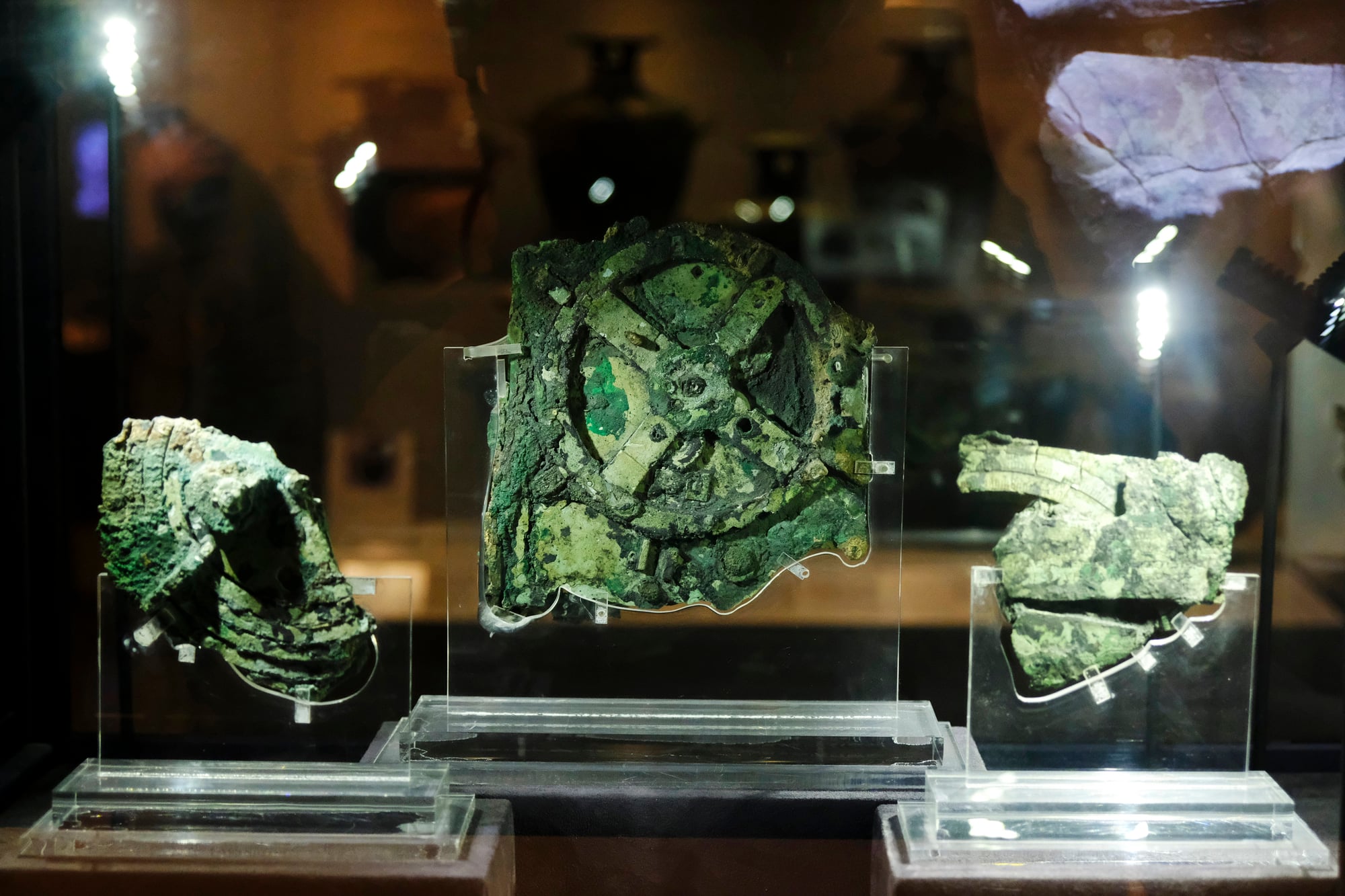
Found in a shipwreck off the Greek coast in 1901, this bronze device looked like a corroded lump of metal for decades. When researchers finally examined it properly, they discovered something extraordinary: a sophisticated analog computer from around 100 BCE.
The mechanism contains at least 37 interlocking bronze gears that could predict eclipses, track planetary movements, and calculate the timing of the Olympic Games. Ancient Greeks weren’t supposed to have this level of mechanical precision for another thousand years.
The Baghdad Battery
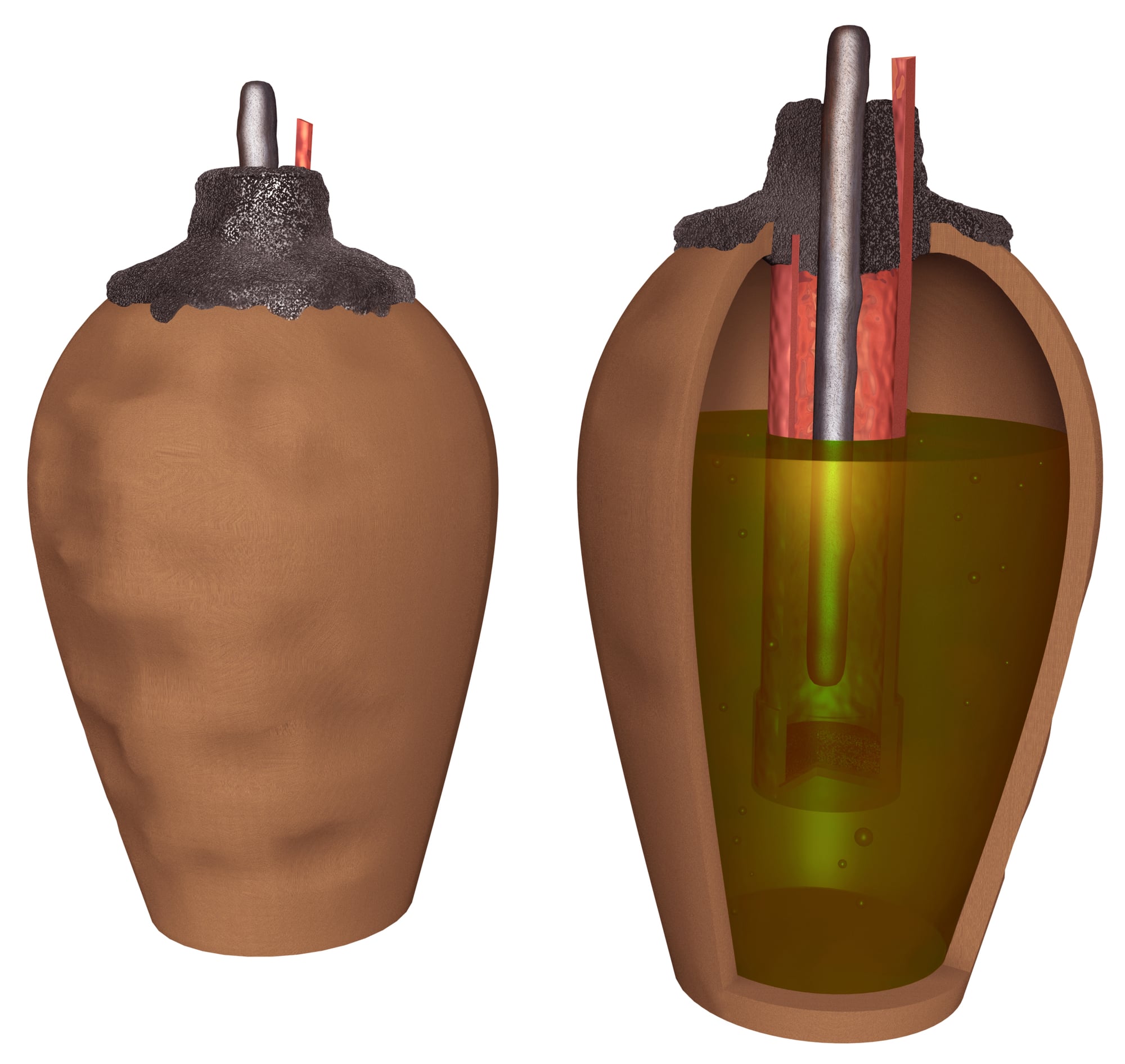
Discovered in 1936 near Baghdad, these clay jars contain copper cylinders and iron rods that function exactly like galvanic cells when filled with an acidic solution. Dating from around 250 BCE to 250 CE, they produce about 1.1 volts of electricity.
While some scholars argue they were used for electroplating jewelry, the fact remains that humans weren’t supposed to understand electrical principles until the 18th century. The jars work perfectly as batteries, raising uncomfortable questions about ancient technological knowledge.
Like Go2Tutors’s content? Follow us on MSN.
The Coso Artifact
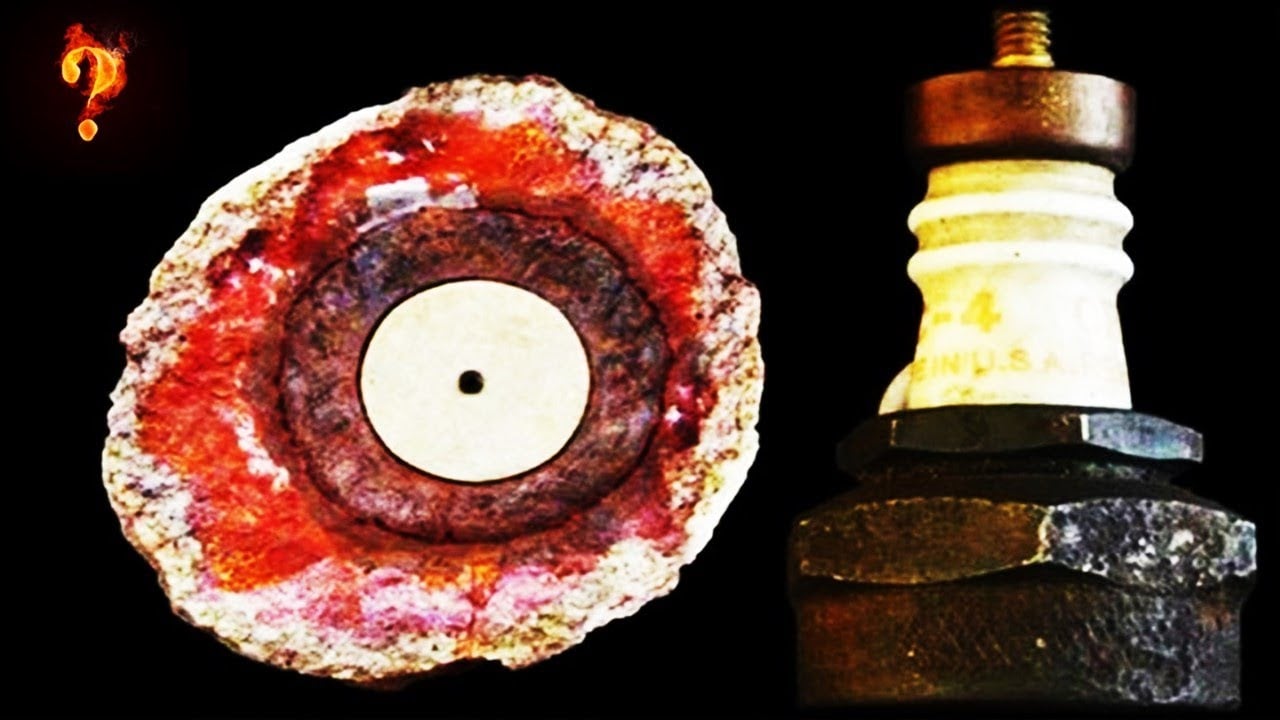
In 1961, rock hounds Wallace Lane, Virginia Maxey, and Jack Breslin found what appeared to be a 500,000-year-old geode in California’s Coso Mountains. When they cut it open, they found a metallic cylinder surrounded by what looked like a ceramic collar—resembling a modern spark plug.
X-rays revealed internal components similar to 1920s-era spark plugs, but the surrounding rock suggested an impossibly ancient age. Despite decades of debate, no one has satisfactorily explained how a modern-looking device ended up in supposedly prehistoric stone.
The London Hammer

Discovered embedded in Cretaceous limestone in Texas, this ordinary-looking hammer presents an extraordinary puzzle. The wooden handle and iron head appear completely modern, yet they were found in 140-million-year-old rock.
The metal shows unusual purity levels that would be difficult to achieve even with modern techniques. While some suggest the limestone formed around the hammer through rapid mineralization, the artifact continues to baffle geologists and archaeologists who can’t explain its presence in such ancient stone.
The Aiud Wedge
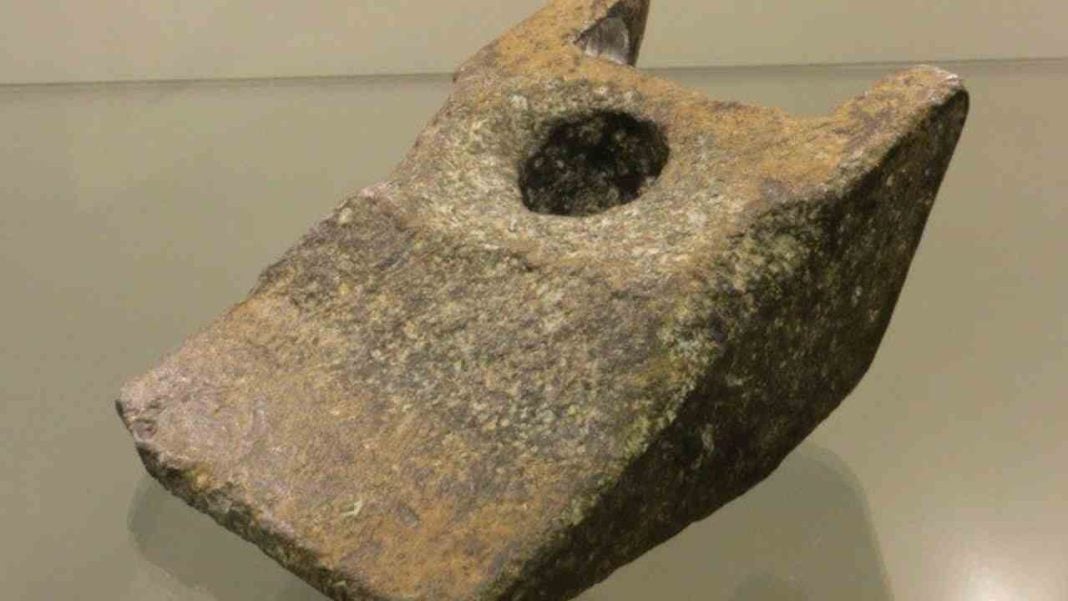
Romanian workers digging along the Mures River in 1974 unearthed three objects buried together: two mastodon bones and a mysterious aluminum wedge. The bones dated to around 20,000 years ago, but aluminum wasn’t isolated as a pure metal until 1825 and wasn’t produced commercially until the 1880s.
The wedge shows signs of wear and has a patina suggesting considerable age. Laboratory analysis confirmed it’s 89% aluminum with traces of copper, zinc, lead, and other metals—a composition that doesn’t match any known natural occurrence.
Like Go2Tutors’s content? Follow us on MSN.
The Dropa Stones
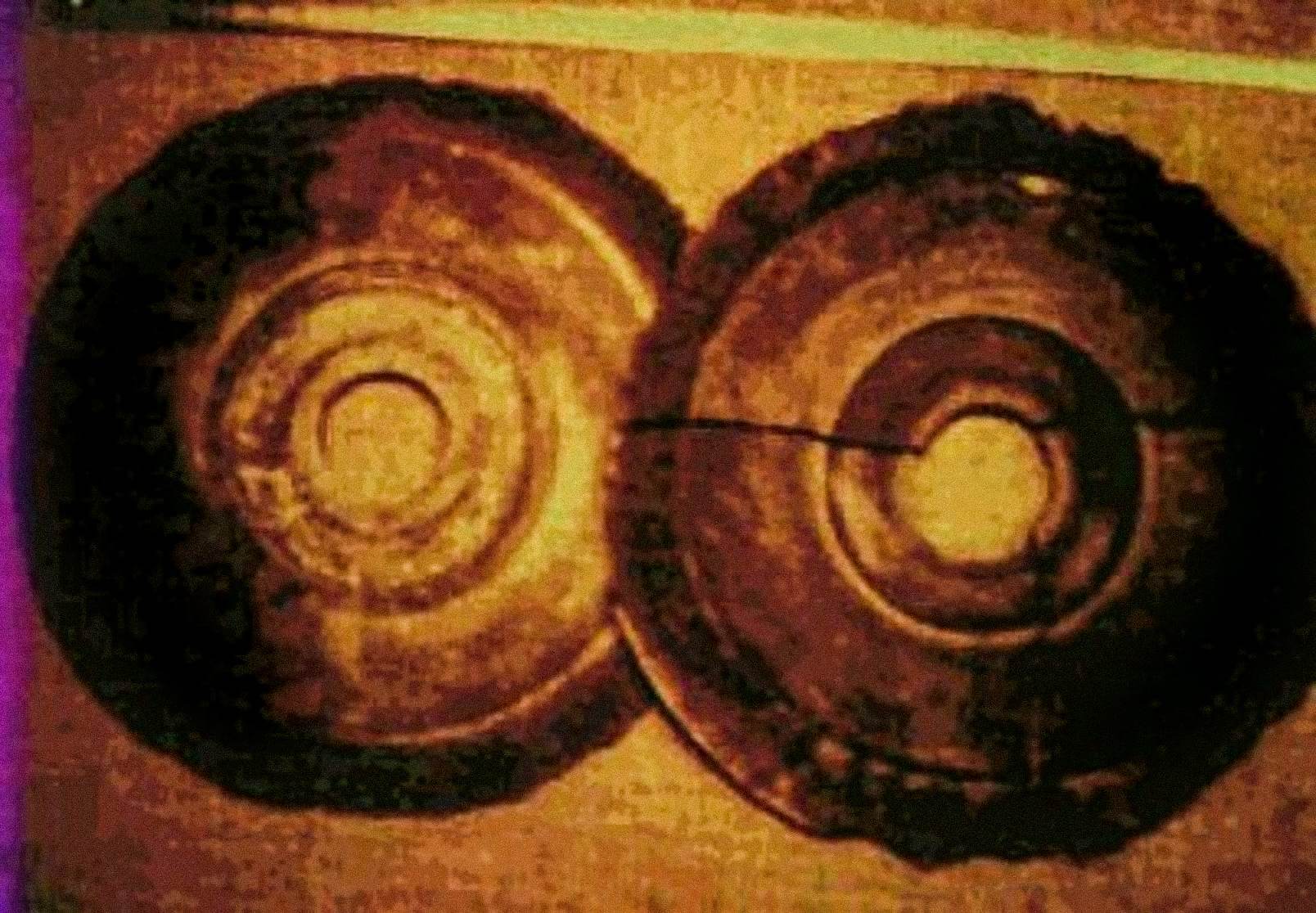
Found in caves along the China-Tibet border in 1938, these 12,000-year-old stone discs feature spiral grooves filled with tiny hieroglyphic-like symbols. Chinese archaeologist Chi Pu Tei claimed to have deciphered the symbols, revealing a story about crashed spacecraft and stranded extraterrestrial visitors.
While mainstream archaeology dismisses these claims, no one has provided a convincing alternative explanation for the discs’ purpose or the meaning of their intricate markings. The stones remain one of archaeology’s most controversial discoveries.
The Piri Reis Map
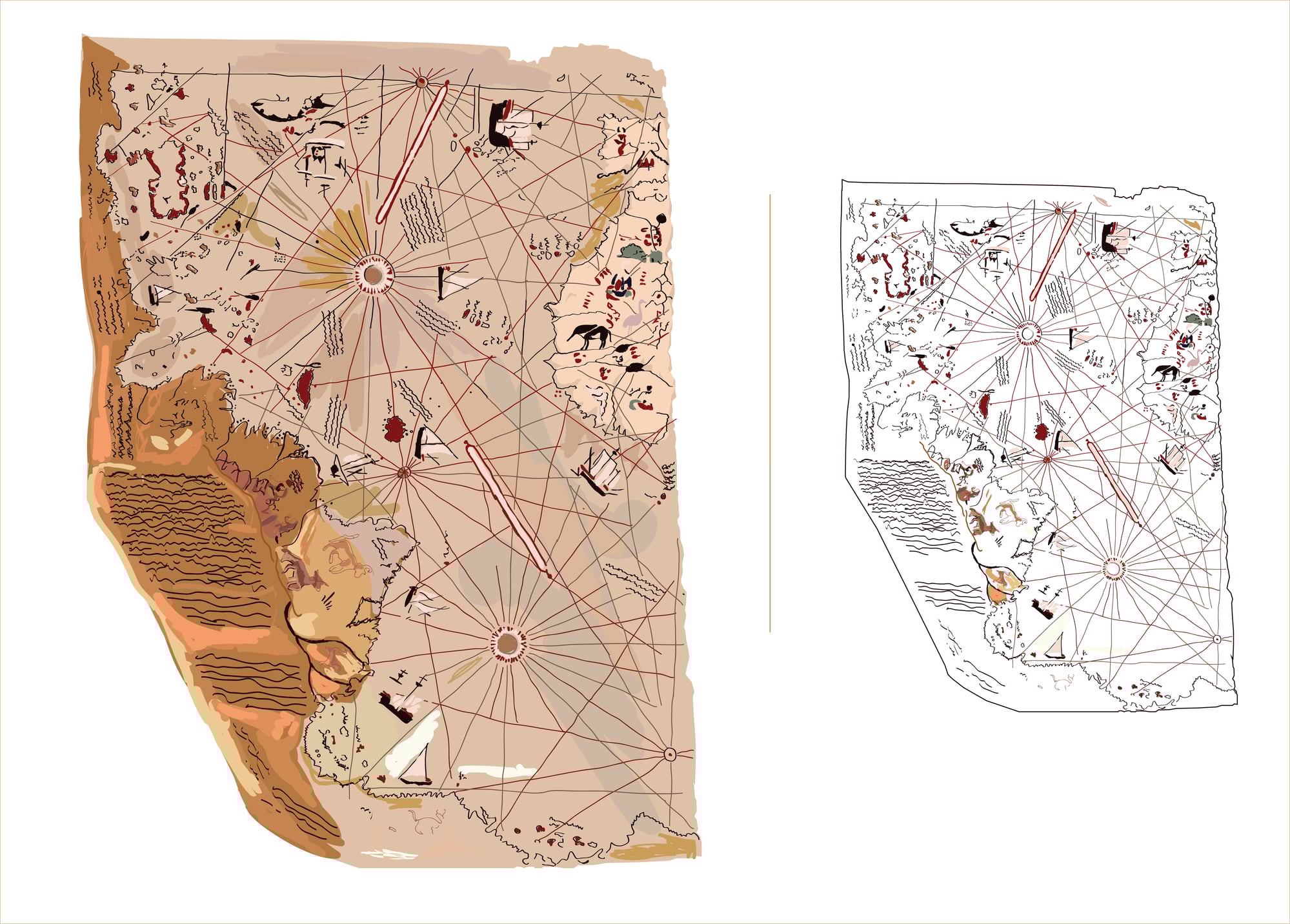
Turkish admiral Piri Reis created this world map in 1513 using ancient source materials, some allegedly dating back to Alexander the Great’s time. The map accurately depicts coastlines of South America and Antarctica—including features beneath the Antarctic ice sheet that weren’t discovered until the 20th century.
It shows Antarctica’s northern coast as it would appear without ice, something that shouldn’t have been possible since Antarctica was completely frozen for millions of years before human civilization began. The map’s accuracy regarding unexplored territories continues to puzzle historians and geographers.
The Nazca Lines

These massive geoglyphs carved into Peru’s desert floor between 500 BCE and 500 CE create perfect images of animals, plants, and geometric shapes that can only be fully appreciated from the air. The lines maintain laser-straight accuracy across miles of terrain, demonstrating advanced mathematical and surveying knowledge.
Some designs span over 1,200 feet, requiring precise planning and execution that seems impossible without aerial perspective. The Nazca people had no known flying capabilities, yet they created artwork that serves no apparent purpose unless viewed from above.
Like Go2Tutors’s content? Follow us on MSN.
The Crystal Skulls
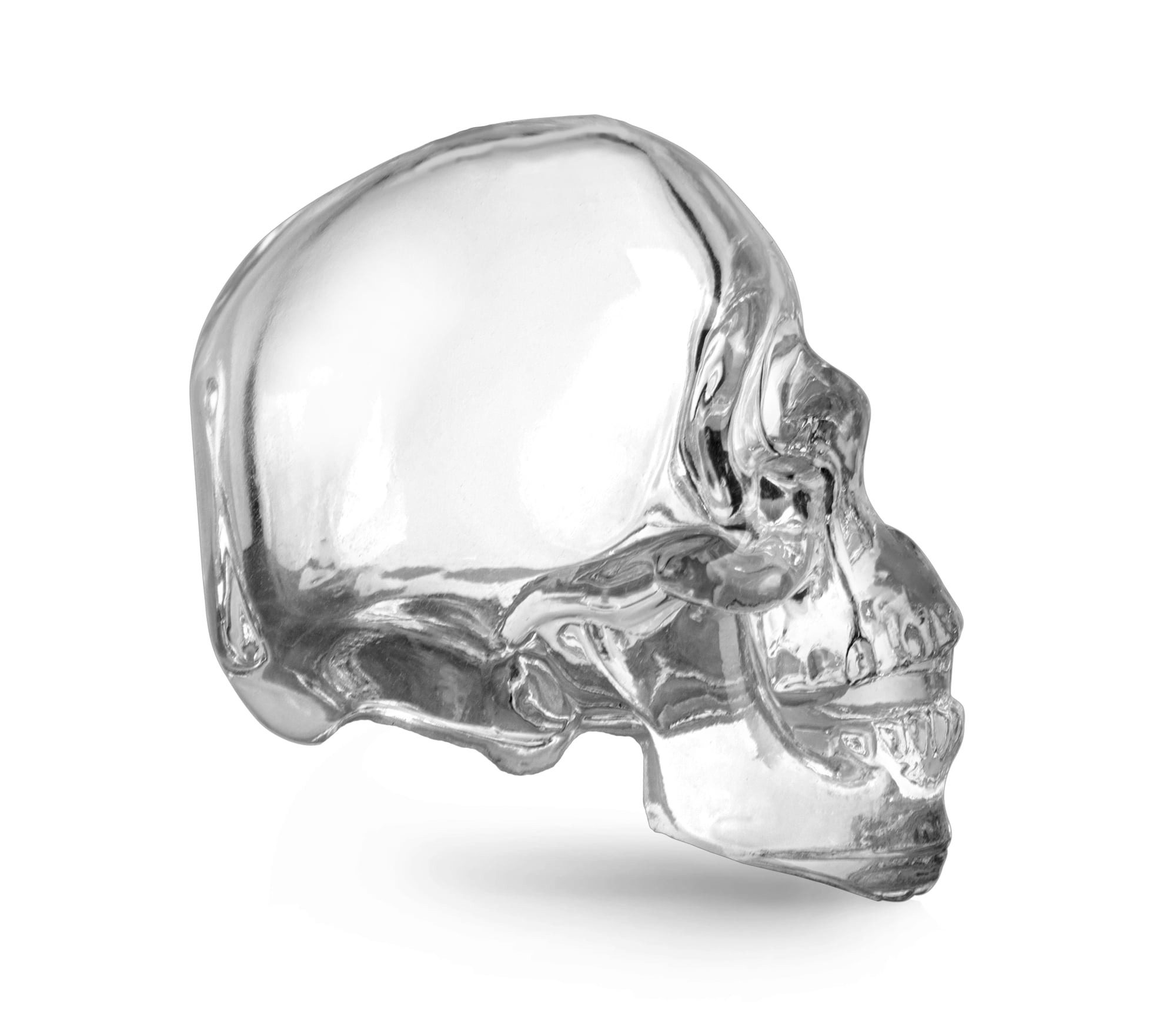
These life-sized human skulls carved from single pieces of quartz crystal have sparked decades of controversy. The most famous specimen, supposedly found in a Mayan temple, displays impossible craftsmanship—no tool marks, perfect optical properties, and anatomical accuracy that rivals modern medical models.
Quartz crystal rates 7 on the Mohs hardness scale, making it extremely difficult to carve with primitive tools. While some skulls have been exposed as modern fakes, others continue to defy explanation regarding their creation methods and actual age.
The Saqqara Bird
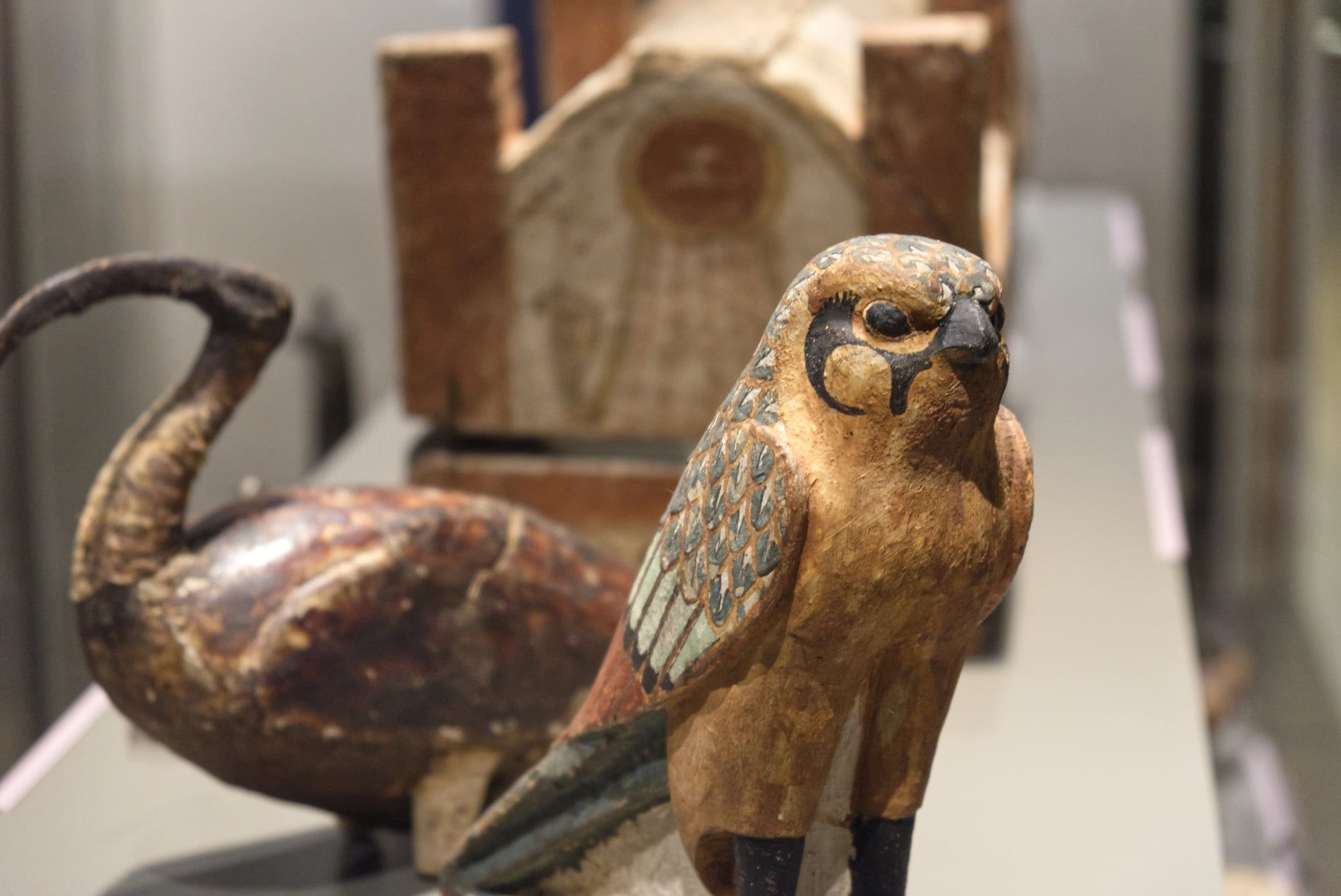
This wooden artifact from ancient Egypt, dating to around 200 BCE, looks remarkably like a modern glider. The bird-shaped object has perfectly aerodynamic proportions, swept-back wings, and a vertical tail fin—features that serve no decorative purpose but are essential for flight.
When aeronautics expert Khalil Messiha built a scaled model, it flew successfully. Ancient Egyptians weren’t supposed to understand aerodynamic principles, yet this artifact suggests they might have grasped concepts that wouldn’t be formally understood until the Wright brothers’ era.
The Voynich Manuscript
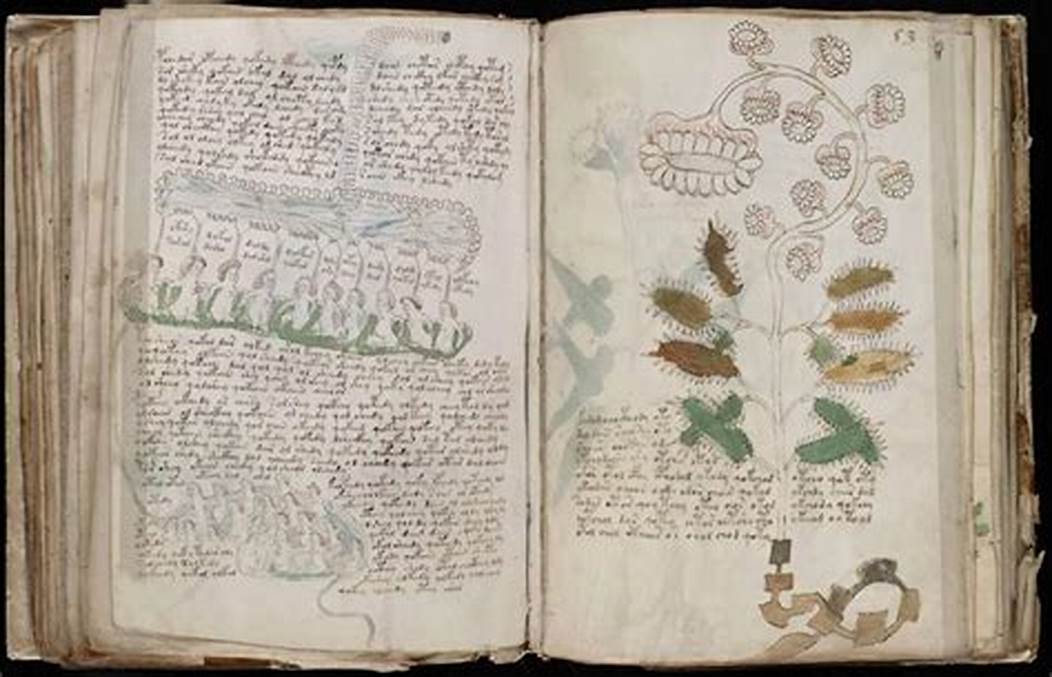
Written in the 15th century, this 240-page book contains text in an unknown language or code that has resisted all attempts at translation. The manuscript includes detailed botanical illustrations of plants that don’t exist, astronomical diagrams showing unknown celestial phenomena, and medical drawings depicting impossible anatomical structures.
Professional cryptographers, linguists, and computer algorithms have all failed to crack its meaning. The manuscript suggests knowledge systems completely outside our historical understanding.
Like Go2Tutors’s content? Follow us on MSN.
The Maine Penny

This single Norse coin, officially called the Goddard coin, was discovered at a Native American archaeological site in Maine during the 1950s. Minted in Norway between 1065–1080 CE, it predates Columbus by 400 years and provides physical evidence of Norse presence in North America.
The coin’s discovery at an indigenous site suggests trade relationships between Vikings and Native Americans that aren’t documented in any historical records. This small artifact rewrites our understanding of pre-Columbian contact between Europe and the Americas.
The Kingoodie Artifact

Discovered in a Scottish quarry in the 1840s, this iron nail was found embedded in Devonian sandstone dating to 360–408 million years ago. The nail shows clear signs of human manufacture—a squared head, tapered point, and consistent thickness that couldn’t occur naturally.
Workers found it while breaking apart rock that had never been disturbed, making contamination unlikely. The artifact challenges our entire understanding of when humans first appeared on Earth, suggesting the presence of tool-making beings hundreds of millions of years before our species supposedly evolved.
The Ica Stones
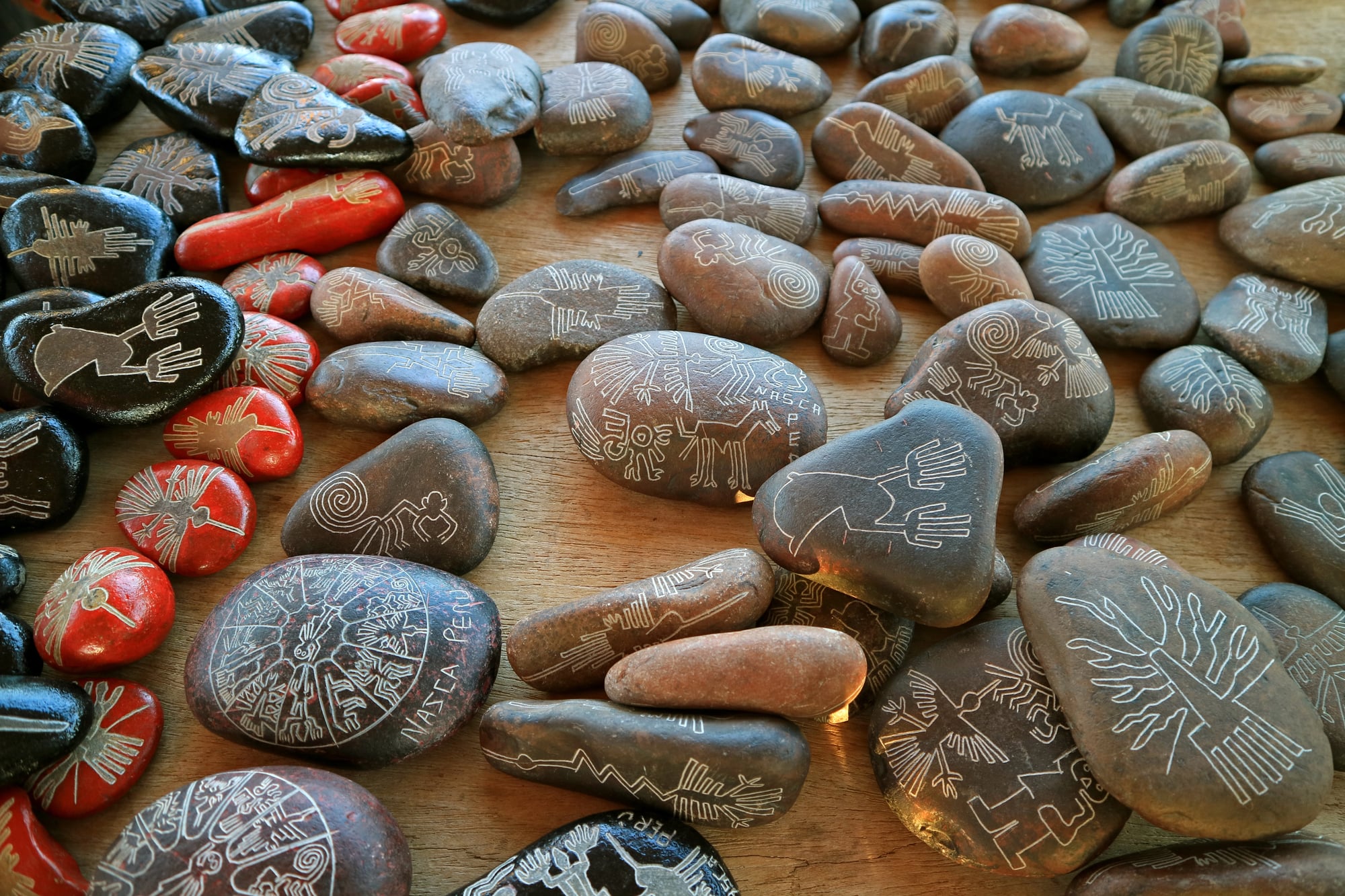
Thousands of carved stones found near Ica, Peru, depict humans alongside dinosaurs, advanced surgical procedures, and maps of unknown continents. The stones show heart transplants, brain surgery, and other medical techniques that weren’t developed until modern times.
Some images appear to show telescopes and other optical instruments. While skeptics claim they’re modern hoaxes, the sheer number of stones (over 15,000) and the consistency of their artistic style suggest either an elaborate fraud or evidence of impossible ancient knowledge.
Like Go2Tutors’s content? Follow us on MSN.
The Delhi Iron Pillar

Standing in India for over 1,600 years, this wrought iron column shows virtually no corrosion despite Delhi’s harsh climate. The pillar contains 99.72% pure iron—a purity level that would be difficult to achieve even with modern blast furnaces.
Ancient metallurgists somehow created rust-resistant iron using techniques that remain mysterious. The pillar’s composition includes trace amounts of phosphorus that form a protective layer, but recreating this process using period-appropriate methods has proven impossible for modern scientists.
The Ubaid Lizardmen
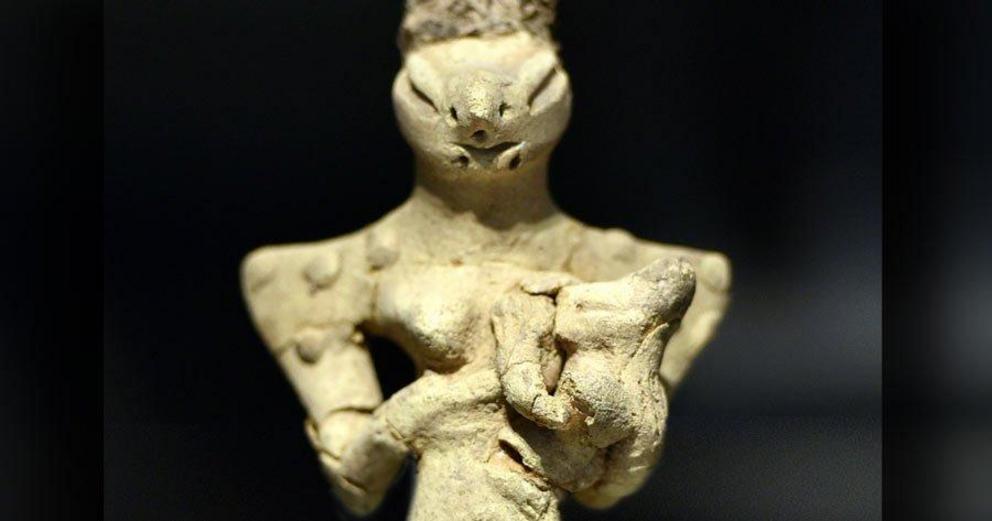
These 7,000-year-old figurines from Mesopotamia depict humanoid beings with elongated skulls, lizard-like faces, and reptilian features. Found at several archaeological sites, they consistently show the same non-human characteristics across different periods and locations.
The figurines appear in both ceremonial and domestic contexts, suggesting they represented familiar beings rather than mythological creatures. No known human culture from this period created similar representations, making these artifacts unique in the archaeological record.
The Grooved Spheres
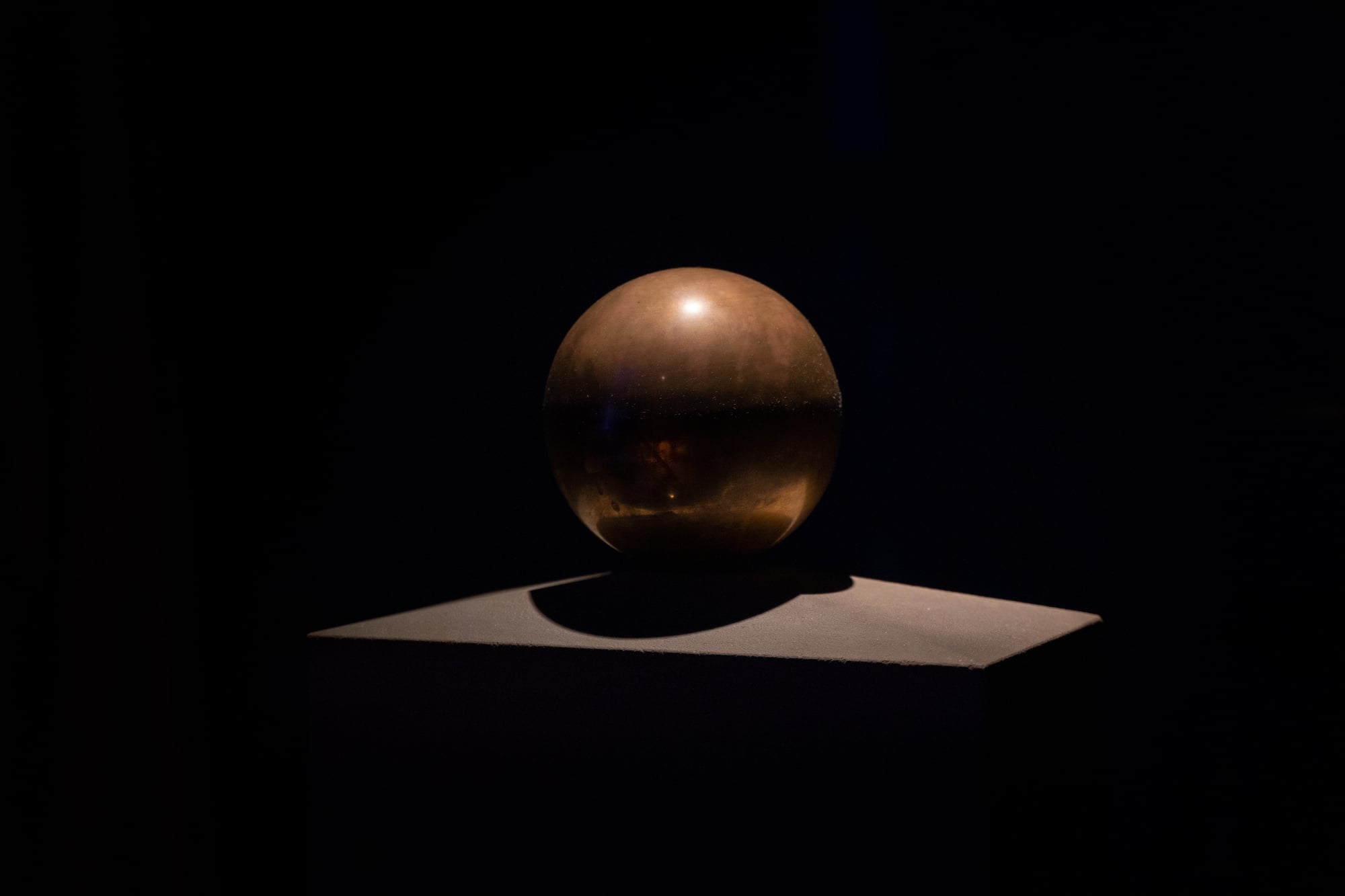
Miners in South Africa have discovered hundreds of metallic spheres embedded in Precambrian rock dating back 2.8 billion years. These perfectly round objects feature three parallel grooves around their circumference and are made of pyrophyllite, a soft mineral that wouldn’t naturally form such precise shapes.
The spheres measure about one inch in diameter and show no signs of natural formation processes. Their geometric perfection and consistent appearance across multiple sites suggest intelligent design at a time when Earth supposedly contained only simple microorganisms.
Like Go2Tutors’s content? Follow us on MSN.
The Tecaxic-Calixtlahuaca Head

This small Roman-style head was found in a pre-Columbian burial site in Mexico’s Toluca Valley during the 1930s. The artifact shows clear Roman artistic influences—realistic facial features, classical proportions, and sculpting techniques unknown in pre-Columbian America.
Thermoluminescence dating confirms the artifact’s pre-Columbian age, ruling out post-conquest contamination. The head suggests trans-oceanic contact between the Roman Empire and ancient Mexico, challenging our understanding of ancient global connections.
When the Past Refuses to Fit

These artifacts represent more than just historical curiosities—they’re evidence that human history might be far more complex and mysterious than textbooks suggest. Whether they indicate lost civilizations, forgotten technologies, or simply gaps in our archaeological understanding, they remind us that the past still holds secrets waiting to be uncovered.
Each discovery forces us to question assumptions about human capability and ancient knowledge. Perhaps our ancestors were more sophisticated than we give them credit for, or perhaps history itself is more fluid than we’ve been taught to believe.
More from Go2Tutors!

- 18 Unexpectedly Valuable Collectibles You Might Have Lying Around
- 20 Little-Known Historical Battles That Had Huge Consequences
- 20 Historical Artifacts That Scientists Can’t Explain
- 15 Inventions That Were Immediately Banned After Being Created
- 20 Actors Who Were Almost Cast in Iconic Roles
Like Go2Tutors’s content? Follow us on MSN.