Richest Countries by Natural Resource Value
Some countries work incredibly hard to build their economies. Others were simply born sitting on top of a fortune.
Natural resources — oil, gas, minerals, timber, freshwater — form the foundation of national wealth in ways that no amount of policy or planning can fully replicate. A country that strikes oil or holds the world’s largest coal deposits starts the race several laps ahead.
But raw resource value doesn’t always translate to prosperity for ordinary people. Some of the wealthiest nations by resource estimates remain deeply poor in practice.
Others have turned their underground riches into modern economies that fund infrastructure, education, and quality of life. The gap between what’s in the ground and what ends up in people’s hands tells its own story.
Here are the countries that sit atop the largest natural resource wealth on Earth.
Russia — The Undisputed Giant
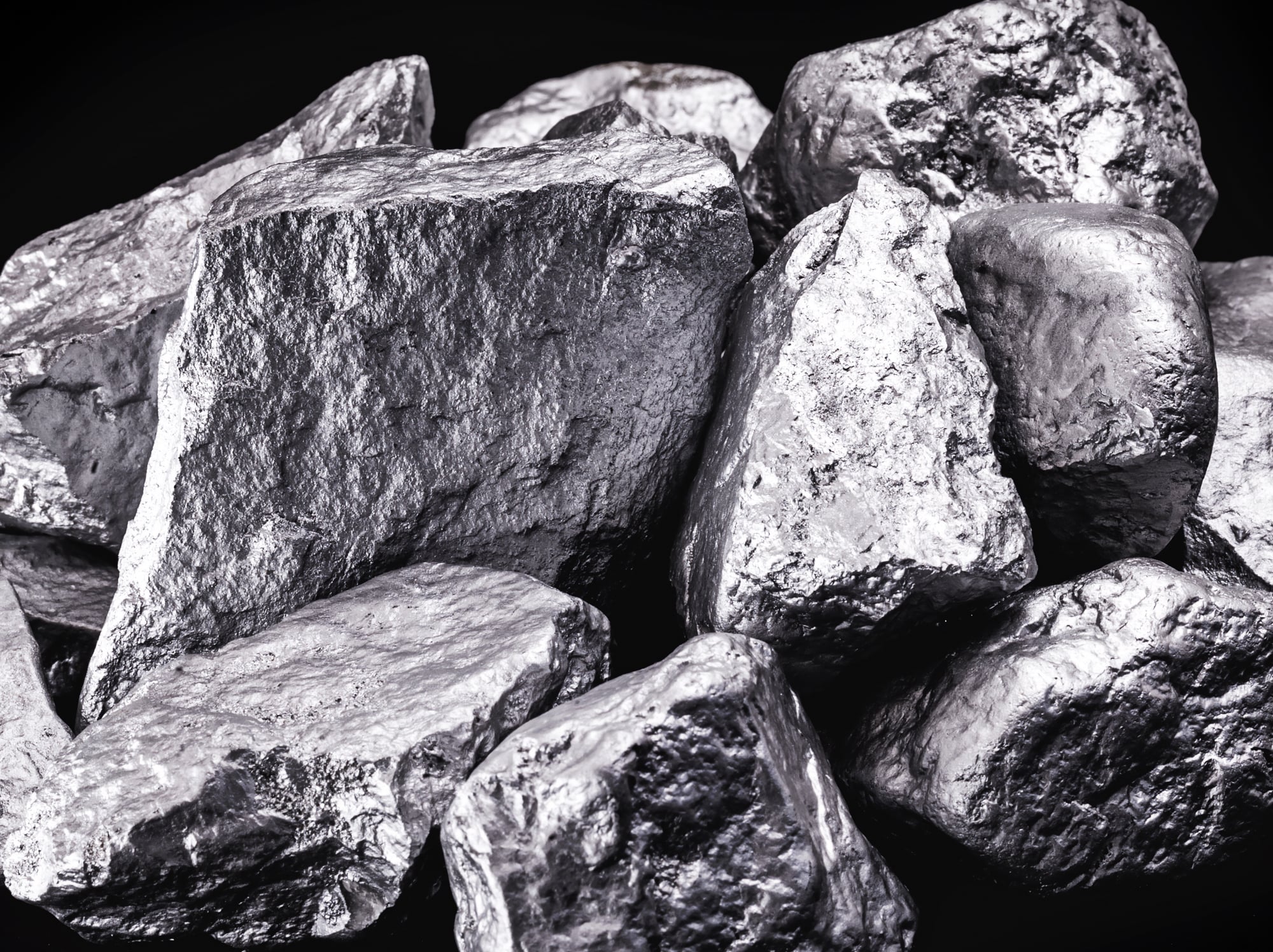
Russia holds an estimated $75 trillion in natural resources, making it the single wealthiest country in the world by this measure. The country sits on vast reserves of oil, natural gas, coal, timber, gold, and rare earth metals.
Siberia alone contains resources that most nations can only dream of. The sheer geographic size of Russia plays a major role.
Stretching across 11 time zones, it covers a huge portion of the planet’s most resource-rich terrain. Oil and gas dominate the export economy, but Russia also controls significant quantities of diamonds, nickel, and platinum.
Its timber reserves are the largest in the world, covering nearly 800 million hectares of forested land.
United States — Diversity Over Dominance
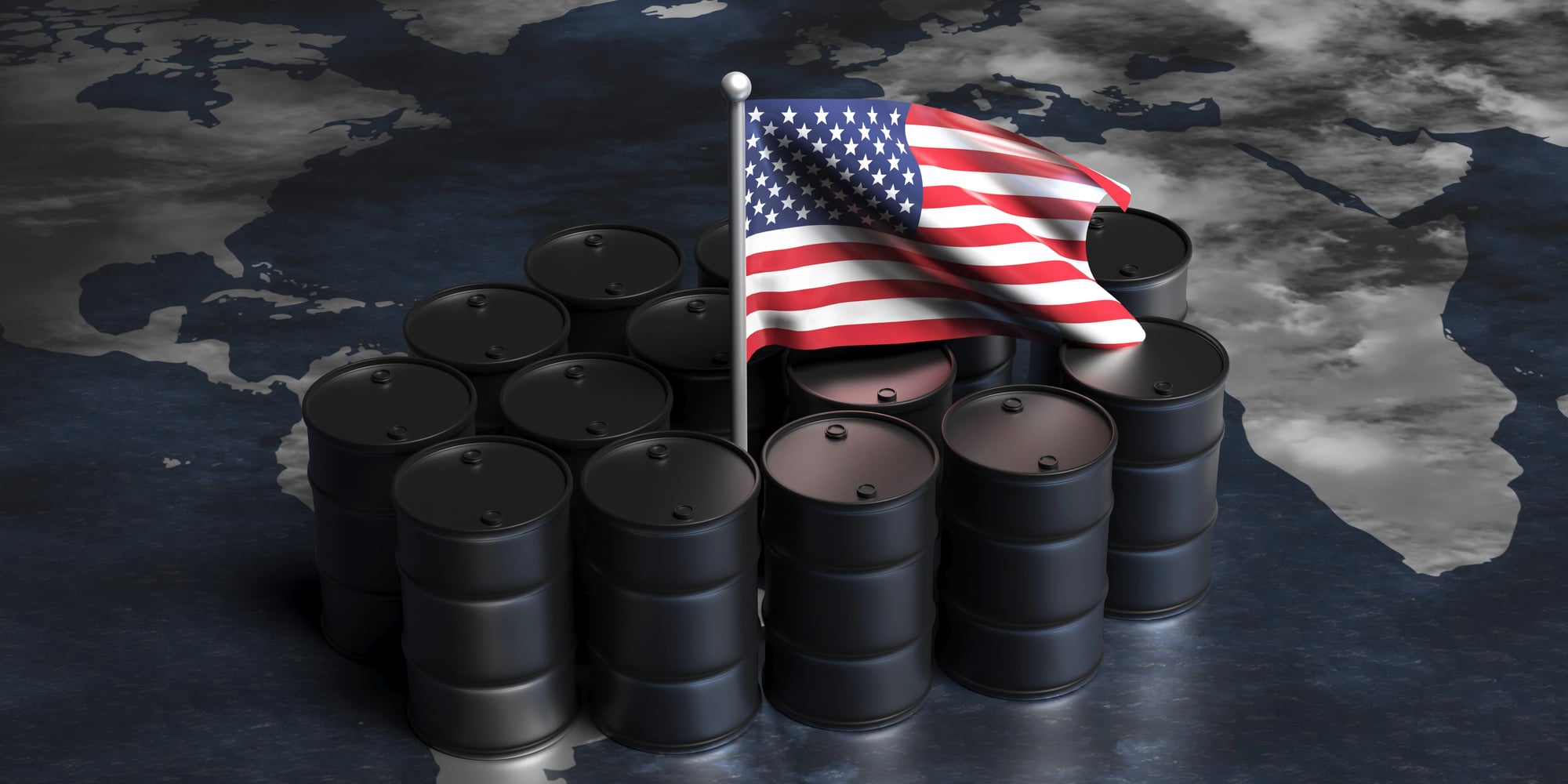
The United States holds an estimated $45 trillion in natural resources and ranks second globally. What makes the U.S. stand out is variety.
Coal, copper, oil, natural gas, timber, gold, and freshwater are all found in substantial quantities across the country. The Appalachian region holds enormous coal deposits.
Texas and Alaska supply significant oil. The western states carry gold, silver, and copper.
This diversity means the U.S. economy doesn’t depend on any single commodity, which gives it a kind of stability that single-resource nations rarely achieve.
Saudi Arabia — Black Gold On A Massive Scale
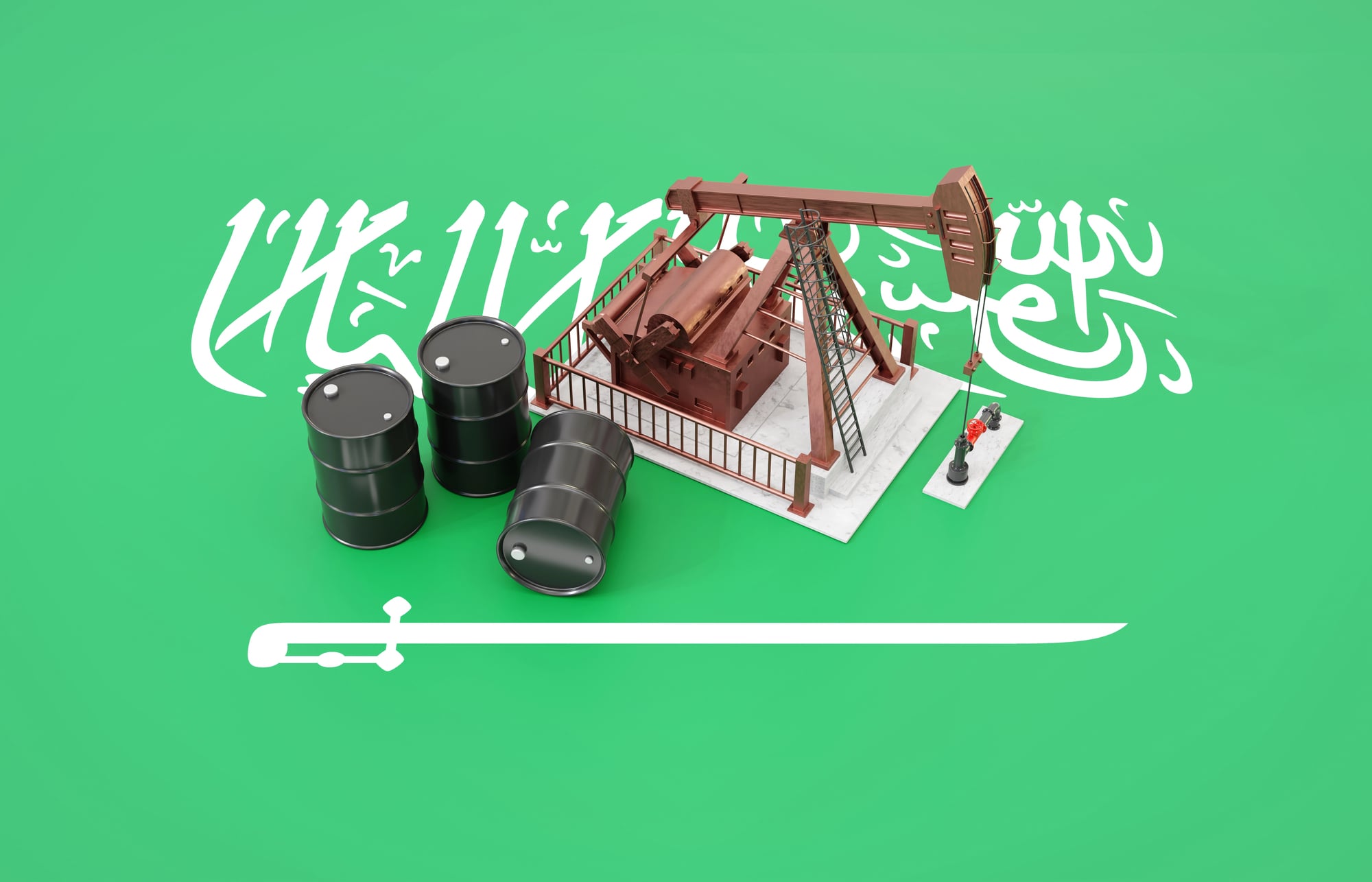
Saudi Arabia’s natural resource wealth is estimated at around $34 trillion, driven almost entirely by petroleum. The country holds roughly 17% of the world’s proven oil reserves — the second largest in the world — and has built an entire civilization around extracting and exporting it.
The Saudi economy has long understood that oil won’t last forever. Vision 2030, the country’s long-term development plan, is an attempt to wean itself off hydrocarbon dependency.
But for now, oil remains king, and the country’s position as a founding member of OPEC gives it outsized influence over global energy markets.
Canada — The Quiet Giant
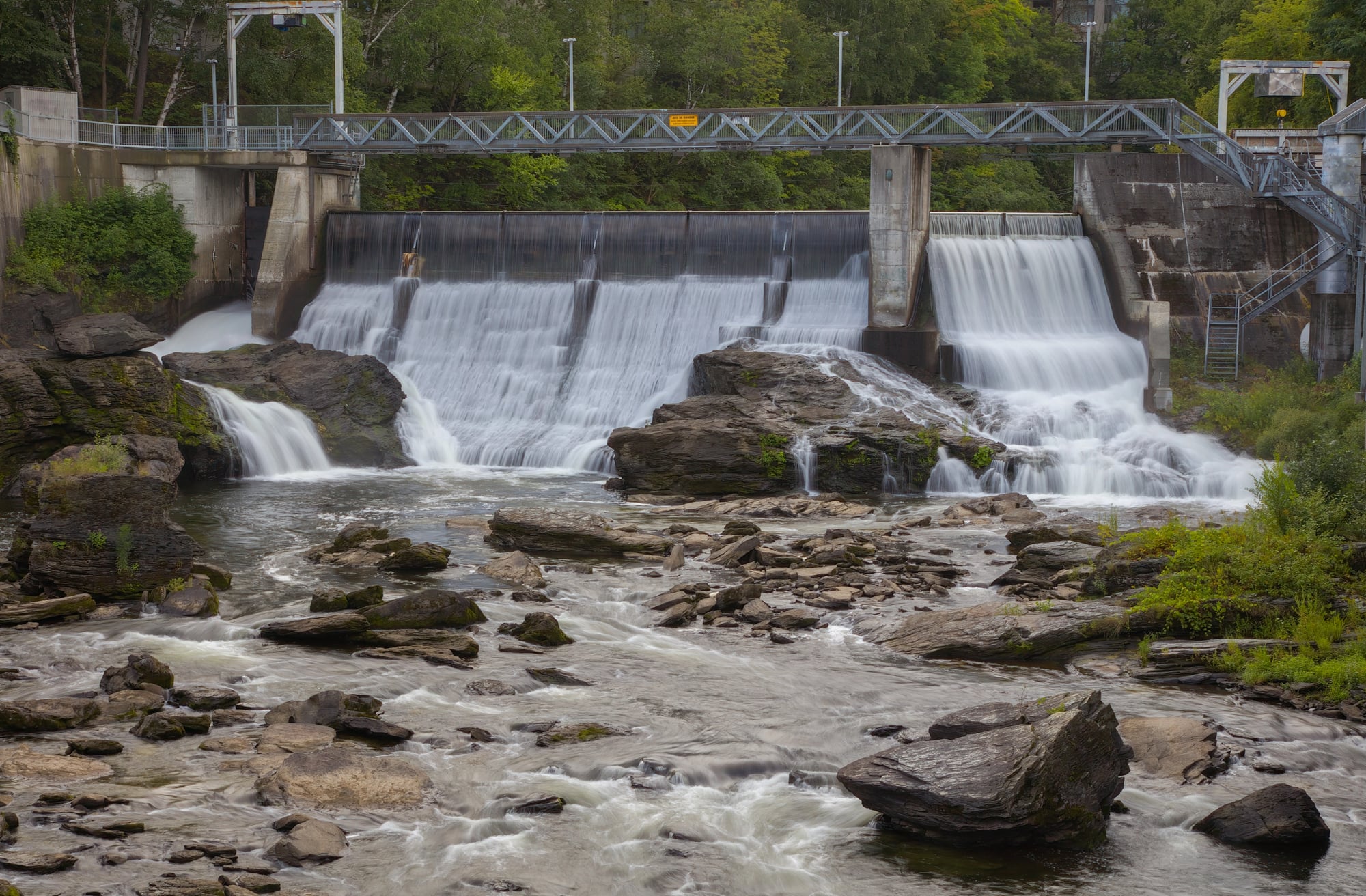
Canada doesn’t get as much attention as Russia or Saudi Arabia in these conversations, but its resource wealth — estimated at around $33 trillion — deserves serious respect. Oil sands in Alberta represent one of the largest petroleum deposits in the world.
Beyond oil, Canada holds massive reserves of uranium, potash, timber, fresh water, and minerals. The country also benefits from a stable political system and strong institutions, which means its resources are actually accessible to global markets.
That combination of wealth and reliability makes Canada one of the most important resource suppliers on the planet.
Iran — Abundant And Underutilized
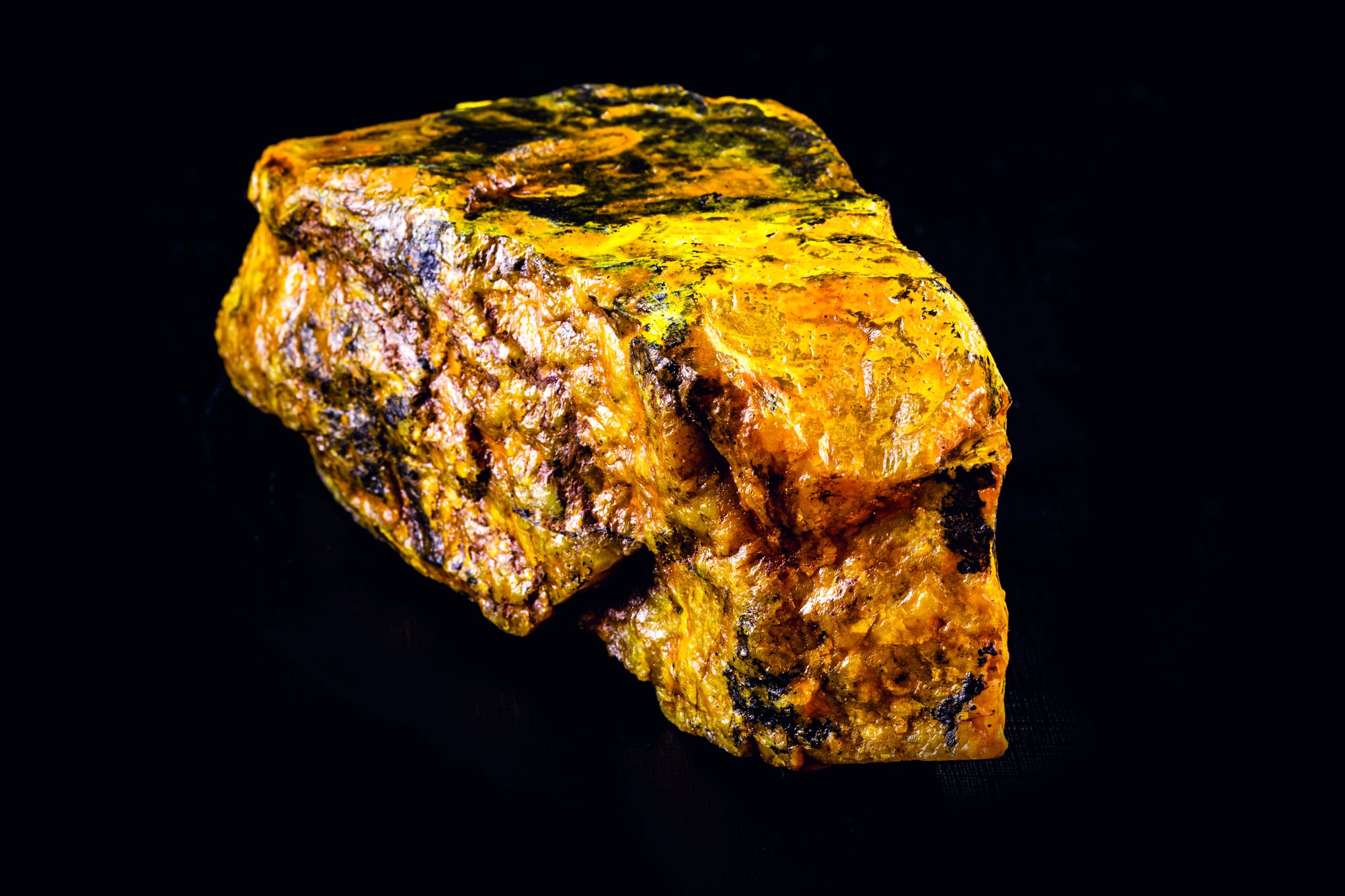
Iran sits on an estimated $27 trillion in natural resources. It holds the world’s second-largest natural gas reserves and fourth-largest oil reserves.
Under different political circumstances, Iran would likely be one of the most economically powerful nations on Earth. Decades of international sanctions have significantly limited the country’s ability to export its resources and attract foreign investment in its energy sector.
Much of the potential wealth remains locked underground, waiting on geopolitical resolution that hasn’t come.
China — Coal And Rare Earths
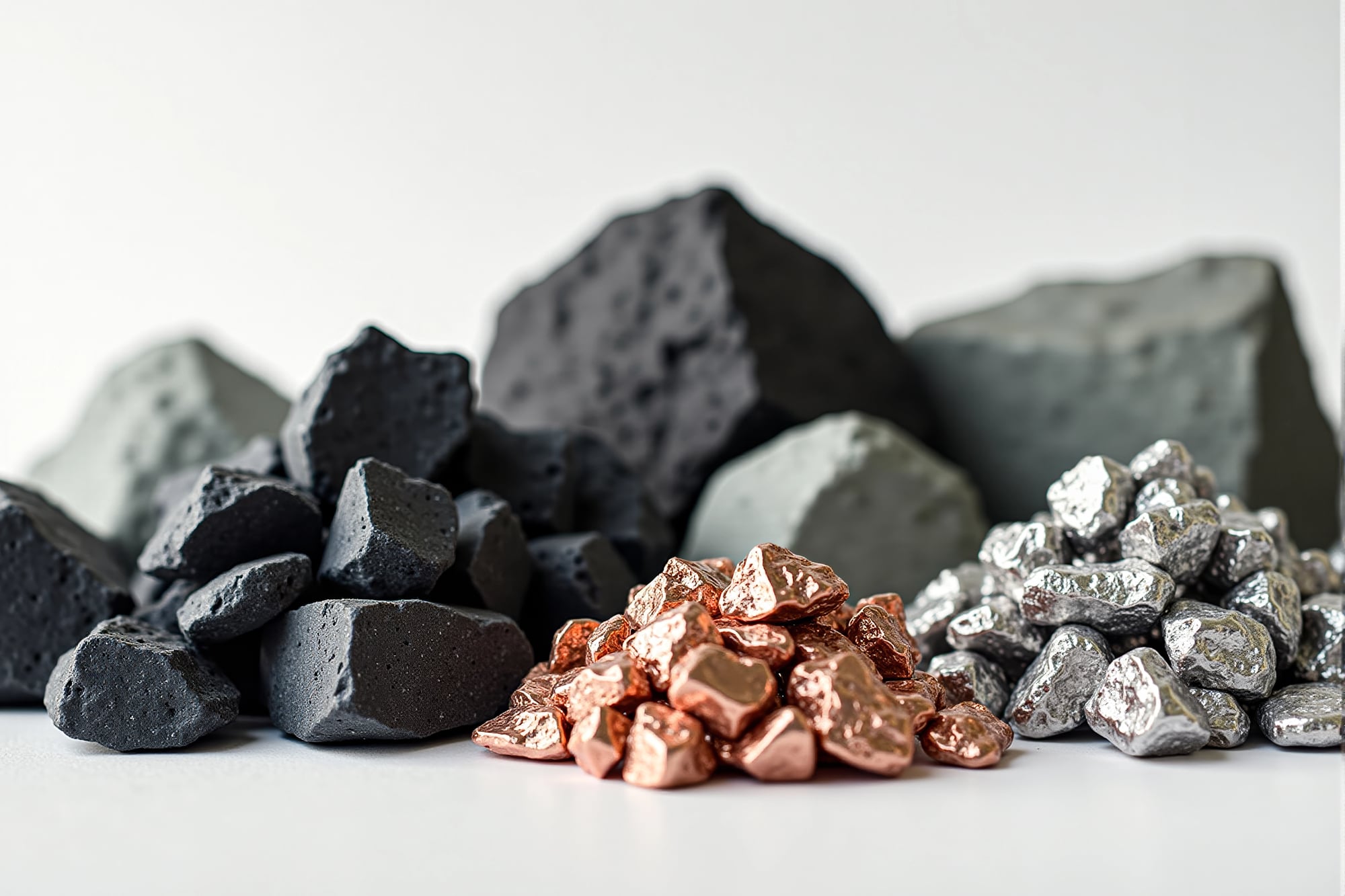
China’s resource wealth is estimated at around $23 trillion, and its dominance in specific categories is remarkable. The country holds the world’s largest reserves of rare earth metals — elements that are critical to electric vehicles, smartphones, and defense technology.
China also sits on enormous coal deposits and produces significant quantities of gold, lead, zinc, and tin. The strategic importance of rare earths, in particular, gives China leverage in global technology supply chains that goes well beyond simple resource value.
Countries that want access to these materials often have to negotiate with Beijing.
Brazil — Riches Beneath The Rainforest
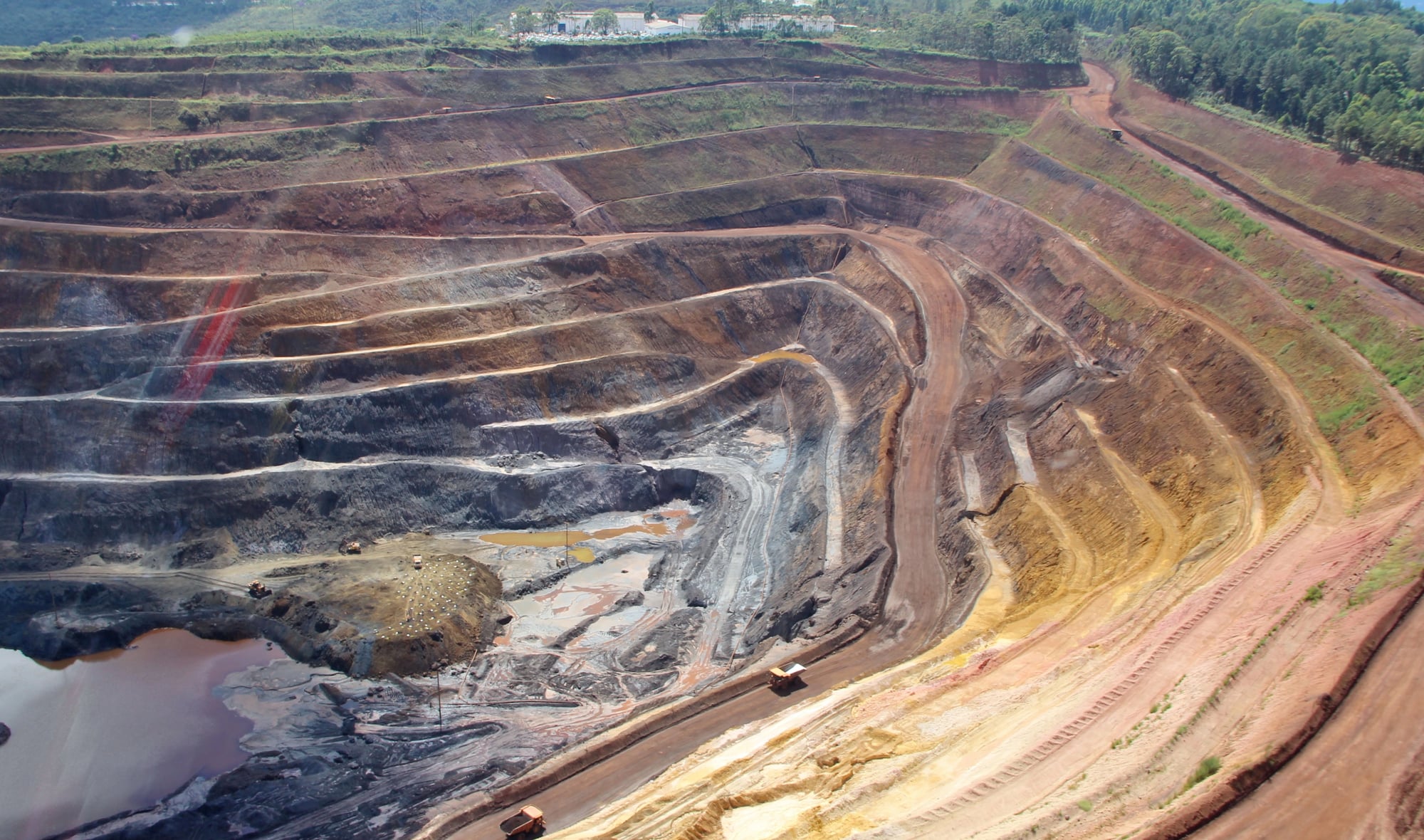
Brazil carries an estimated $21 trillion in natural resource wealth. Iron ore is the headline, with the country holding some of the world’s largest and highest-quality deposits.
But Brazil also produces significant quantities of gold, oil (particularly from deep-water offshore fields), bauxite, and nickel. The Amazon rainforest adds another layer of value — though a contested one.
Its biodiversity and role in global climate regulation represent an ecological wealth that’s extremely difficult to put a price on, and one that’s been under considerable threat from deforestation.
Australia — Mining Country Through And Through
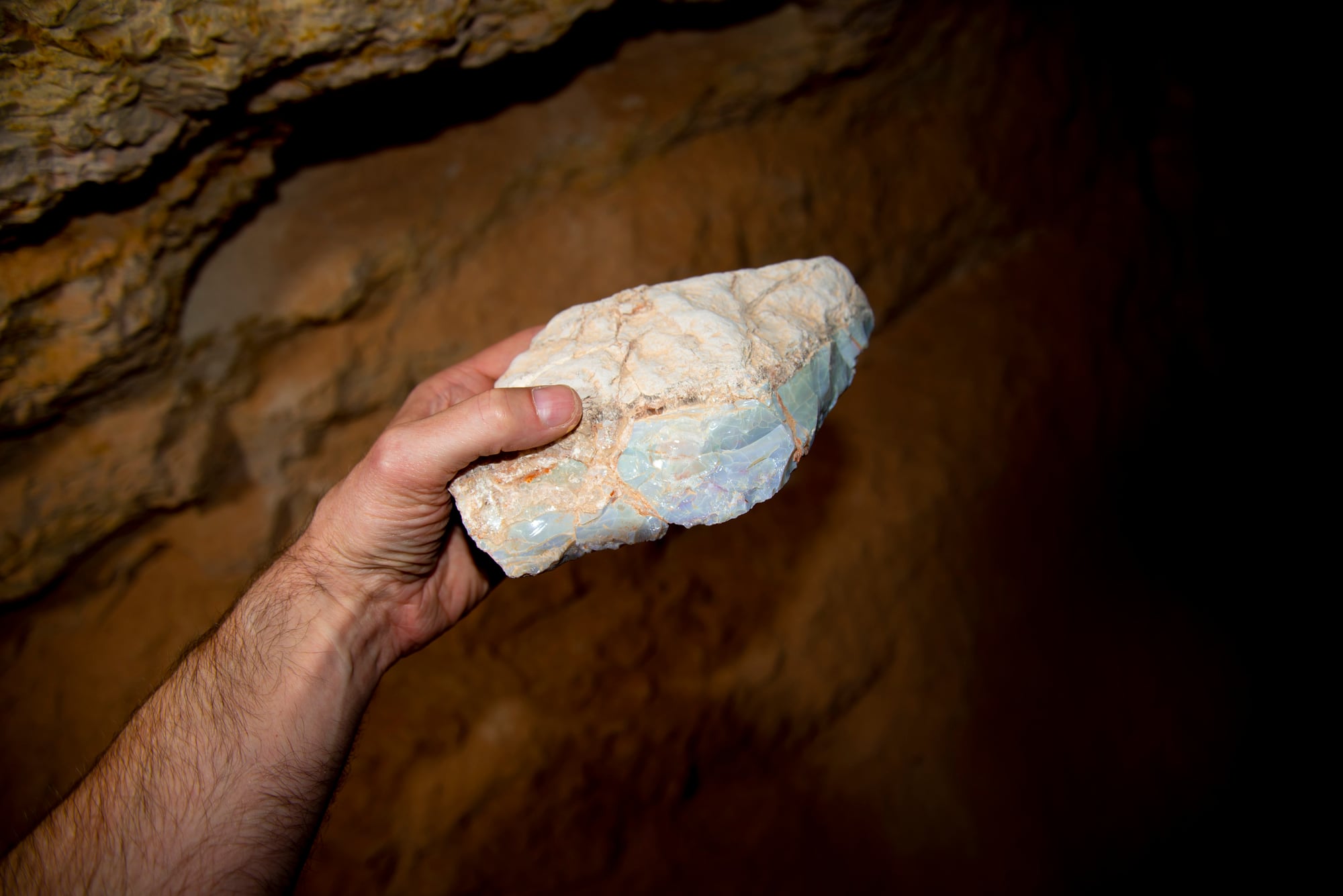
Australia is estimated to hold around $19 trillion in natural resources. Coal, iron ore, gold, uranium, and copper all feature prominently.
The country has built a modern, wealthy economy in large part on the back of mining exports, particularly to Asia. China’s appetite for iron ore has been especially significant.
Australian mines supply a huge share of the raw materials that Chinese steel mills consume. The relationship between the two countries is economically symbiotic even when politically tense.
Iraq — Potential Buried In Instability
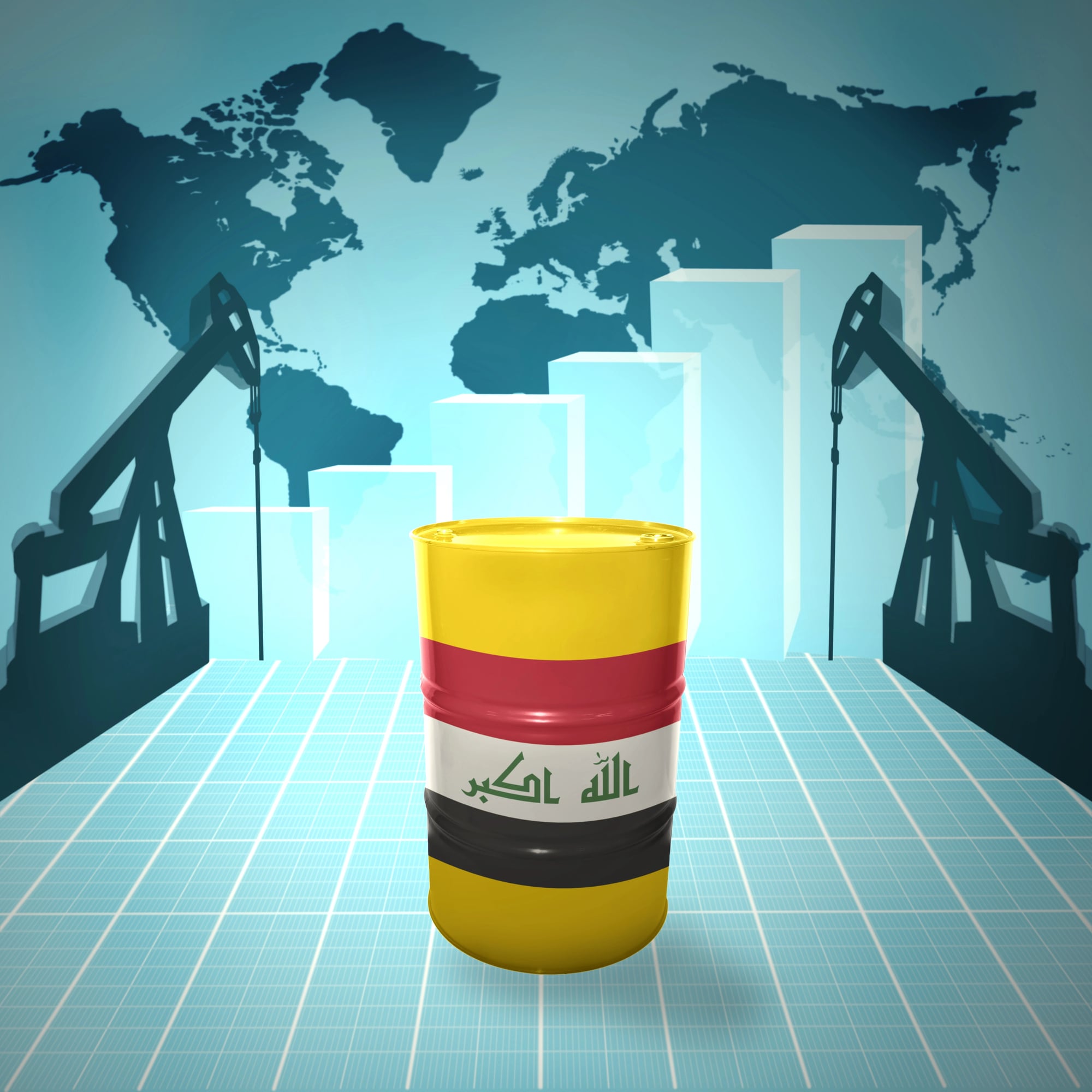
Iraq holds an estimated $15 trillion in natural resources, almost all of it oil. The country sits on the fifth-largest proven oil reserves in the world.
In theory, that wealth should support a prosperous nation. In practice, decades of war, sanctions, occupation, and sectarian conflict have prevented the country from fully capitalizing on what’s underground.
Infrastructure is damaged, corruption is widespread, and investment conditions remain difficult. Iraq’s story is a stark reminder that resource wealth alone doesn’t create stability or prosperity.
Venezuela — Riches That Haven’t Helped
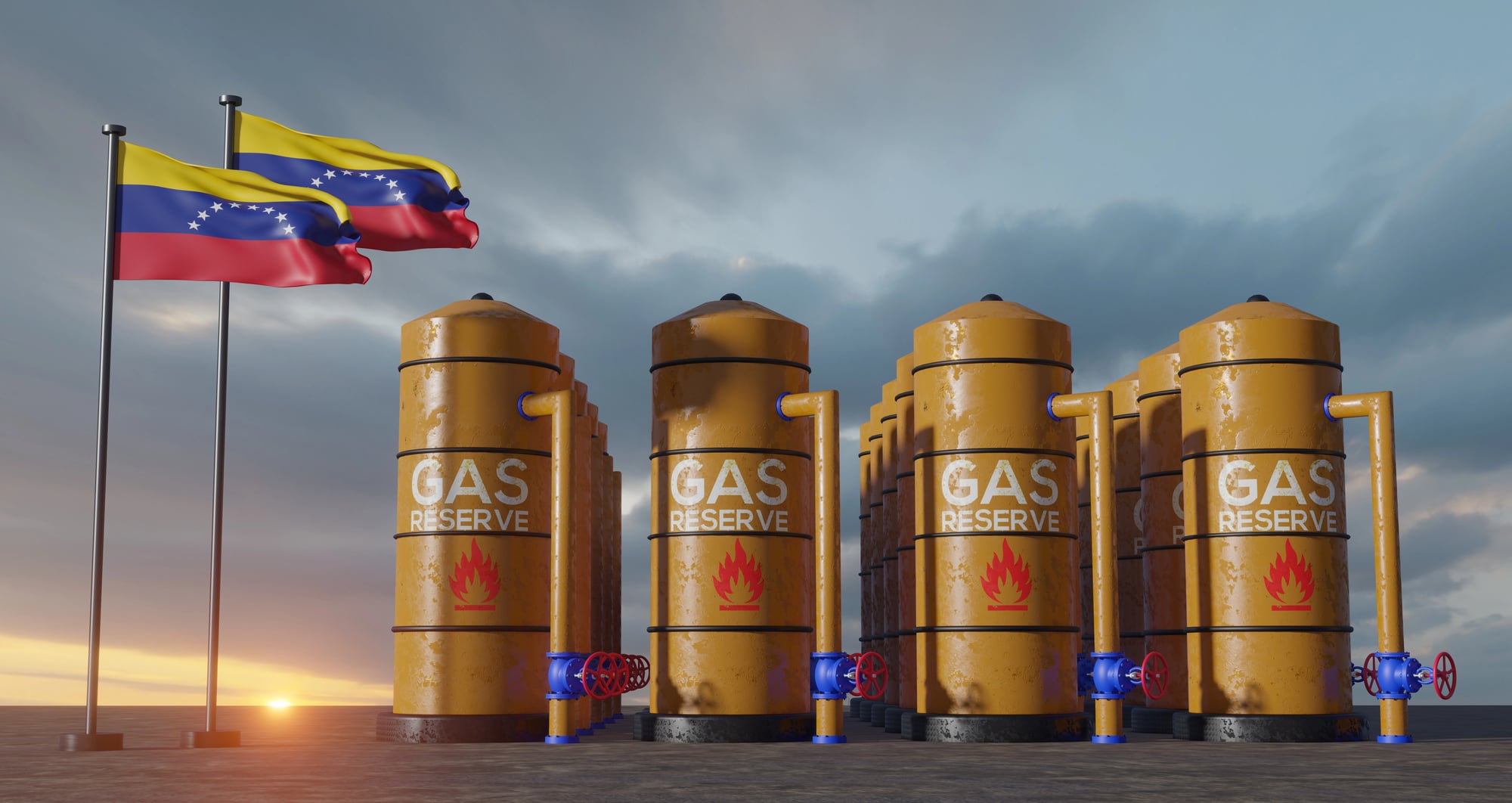
Venezuela holds an estimated $14 trillion in natural resources, with the largest proven oil reserves in the world. That figure has done very little to help ordinary Venezuelans in recent decades.
Economic mismanagement, political crisis, and hyperinflation have produced one of the worst humanitarian disasters in the Western Hemisphere. The country’s oil production has collapsed from its peak, largely because of underinvestment and the exodus of skilled workers.
Venezuela is arguably the clearest example in the world of a country whose natural wealth failed to translate into human welfare.
India — Coal And Iron In Enormous Quantities
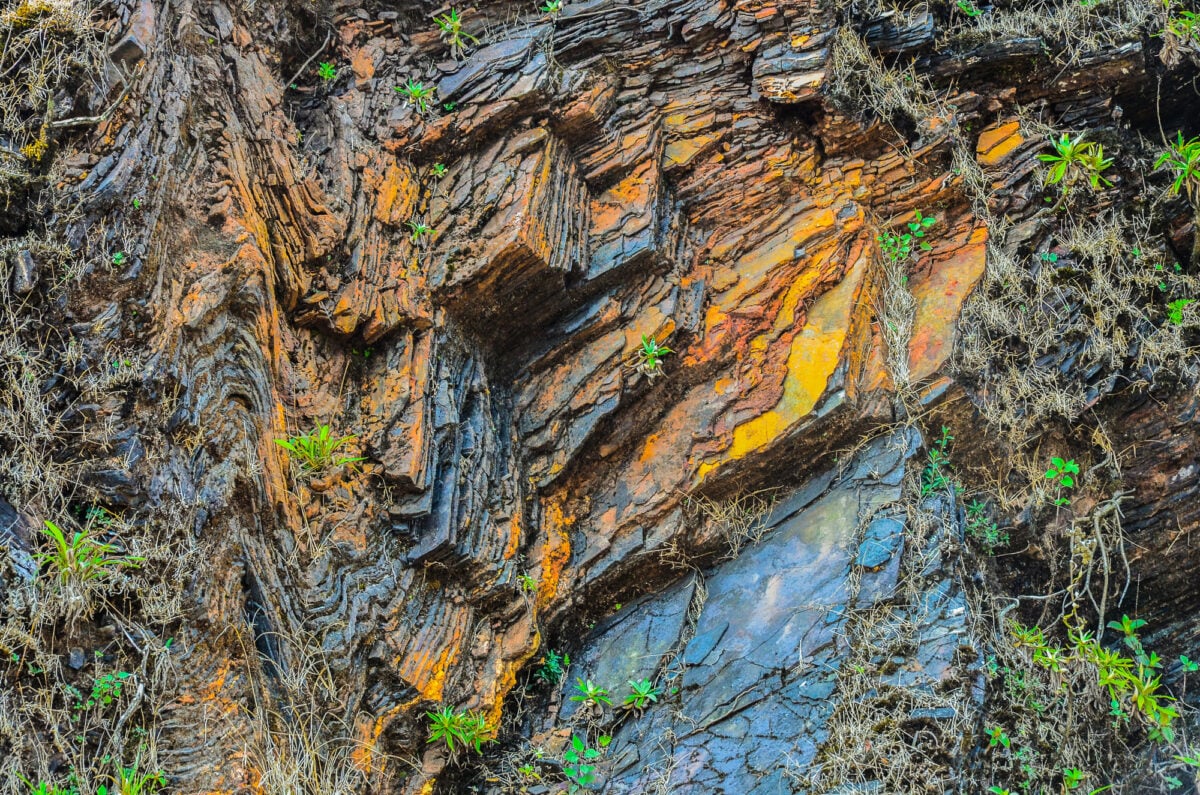
India’s estimated natural resource wealth sits around $13 trillion. The country holds significant coal deposits, making it one of the world’s top producers.
Iron ore, bauxite, manganese, and mica are also found in large quantities. India’s resource picture is complicated by population.
With 1.4 billion people, even large resource quantities get spread thinly when measured per capita. The country is also a major importer of oil, which creates a dependency that its domestic resources don’t fully offset.
Democratic Republic Of Congo — Trillion-Dollar Ground
The Democratic Republic of Congo holds an estimated $24 trillion in untapped mineral wealth — a figure that, if realized, would place it near the very top of this list. Cobalt is the standout resource, with the DRC controlling more than half the world’s known reserves.
Coltan, diamonds, gold, uranium, and copper round out an extraordinary mineral portfolio. The DRC remains one of the poorest countries in the world.
Decades of conflict, corruption, and exploitation — including by foreign corporations and governments — have ensured that the country’s underground wealth has not reached its people. The cobalt story is particularly complex, as the metal is essential for lithium-ion batteries used in electric vehicles, creating demand from the very countries promoting sustainability.
Nigeria — Africa’s Oil Powerhouse
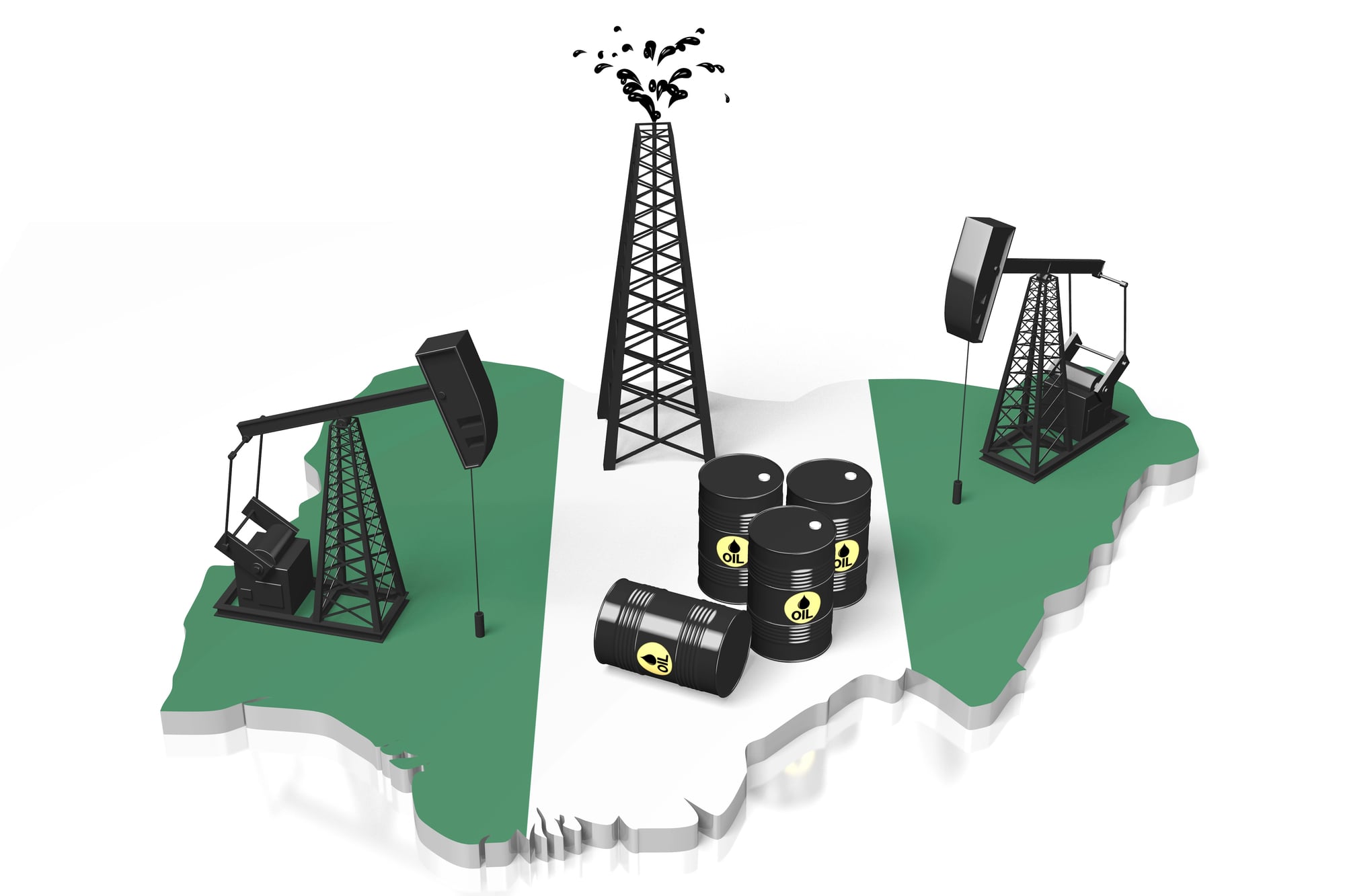
Nigeria’s natural resource wealth is estimated at around $13 trillion, driven largely by petroleum. The country is Africa’s largest oil producer and holds the continent’s largest proven reserves.
Oil accounts for the vast majority of government revenue and export earnings. The Niger Delta, where most of the oil is extracted, has experienced significant environmental damage and social conflict over the decades.
Revenue management has been inconsistent, and the benefits of oil wealth have not reached most of the population evenly.
Qatar — Small Country, Enormous Gas
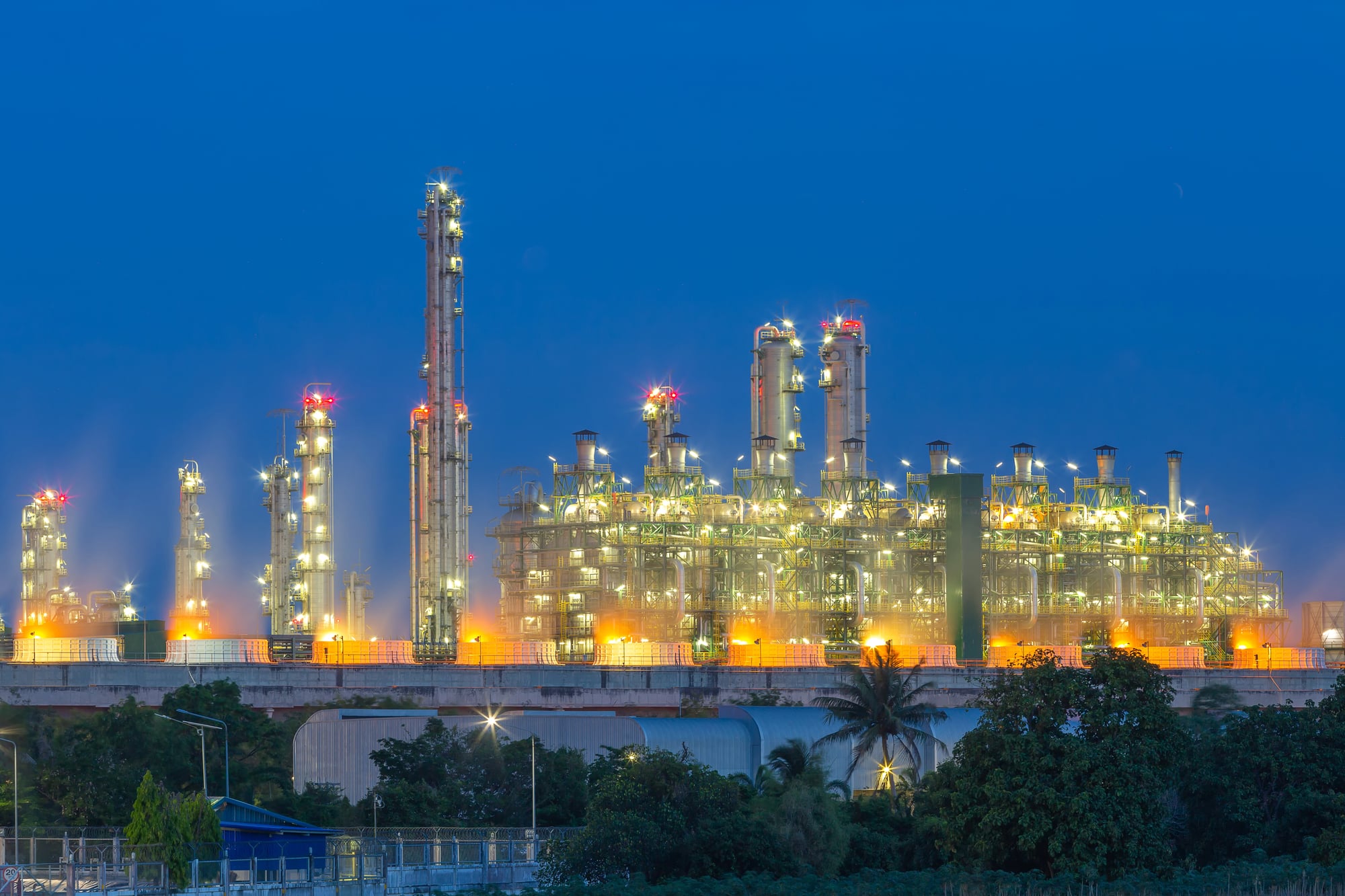
Qatar’s total land area is smaller than Connecticut, but its natural resource wealth — particularly natural gas — is staggering. The North Field, which Qatar shares with Iran, is the world’s largest natural gas field.
Qatar has parlayed that resource into one of the highest per capita incomes on Earth. Unlike many resource-rich nations, Qatar has used its gas revenues to build a sovereign wealth fund — the Qatar Investment Authority — that owns assets worldwide.
The country has made a deliberate effort to convert underground resources into financial assets that generate returns long after the gas runs out.
Kazakhstan — Central Asia’s Sleeping Giant
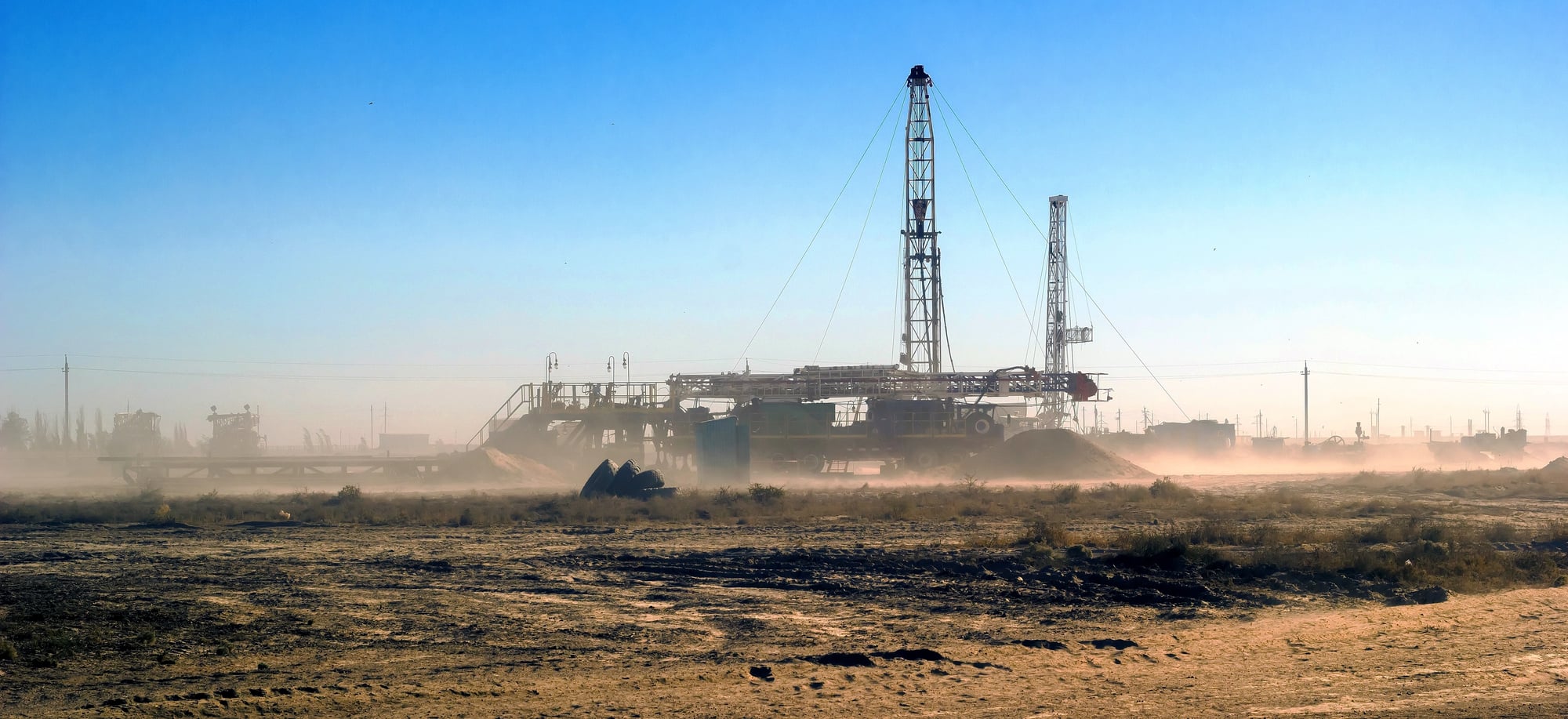
Kazakhstan holds an estimated $16 trillion in natural resources and is one of the world’s top producers of uranium, supplying around 40% of global output.
The country also holds significant oil reserves, particularly in the Caspian region, along with large deposits of coal, copper, zinc, and chromite. Since independence from the Soviet Union in 1991, Kazakhstan has attracted substantial foreign investment into its resource sectors.
The challenge now is translating resource wealth into a diversified economy that can function without depending entirely on commodity prices.
Norway — The Model Everyone Points To
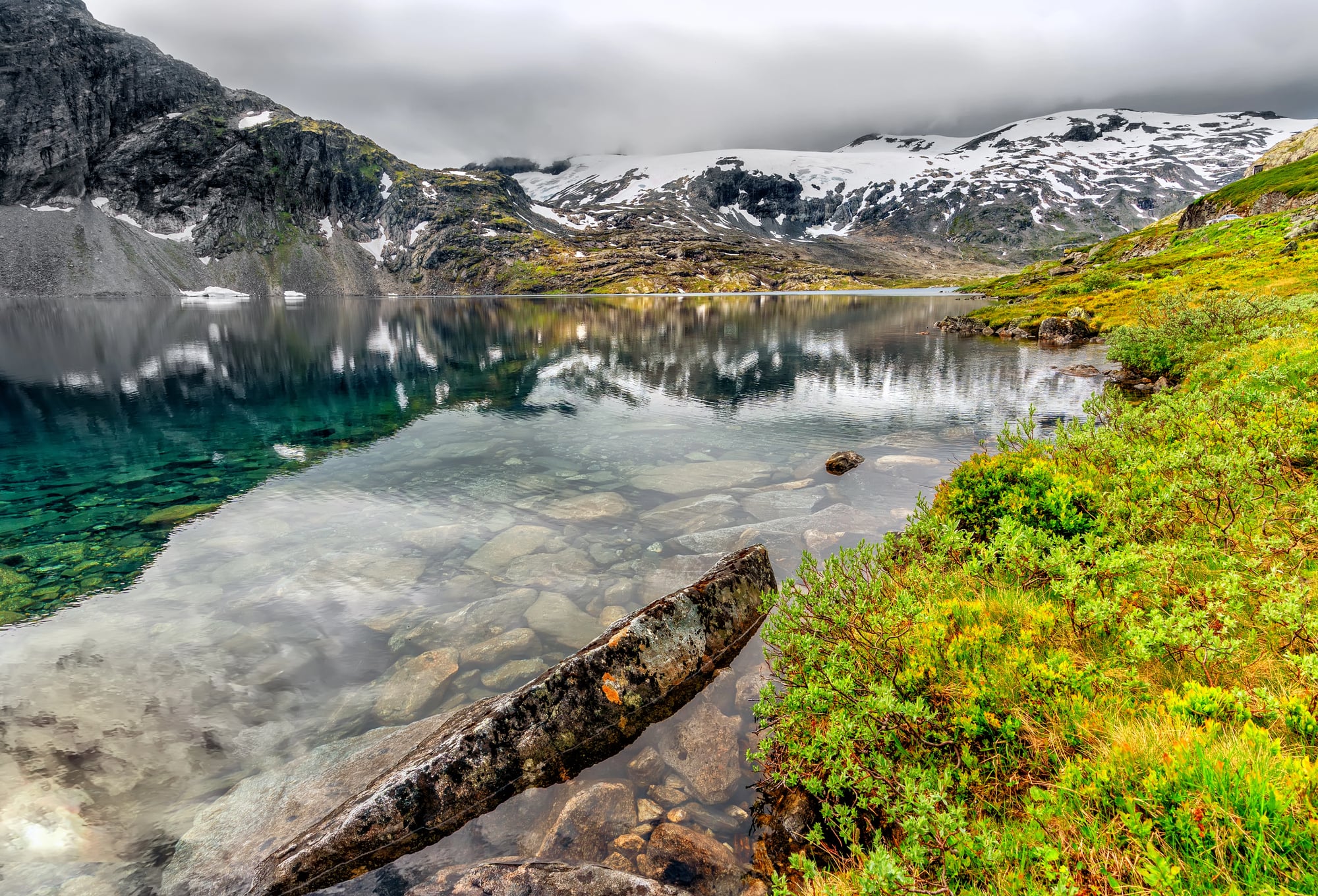
Starting with oil pulled from under cold ocean waves, Norway found a way to grow quiet riches. That pile of money – around 17 trillion dollars – didn’t vanish into quick spending.
Because leaders chose restraint, they created something different: a giant savings account named the Government Pension Fund Global. Known simply as the oil fund by most people, it quietly crossed 1.7 trillion in value.
Size alone makes it stand apart; no other nation manages quite so much through one investment pool. A single person from Norway holds an indirect stake in what ranks among Earth’s biggest pools of invested money.
Often, when nations handle natural riches with care, eyes turn to this Scandinavian state as proof it can work.
Kuwait Small But Rich In Oil

Tiny in size yet sitting on about 6 percent of Earth’s known oil, Kuwait stands out. That stash ties to roughly 8 trillion dollars in natural riches below ground.
Government paychecks come from it. So do city roads, public help programs, household cuts on bills, everyday spending by officials.
Much of daily life links back to black gold flowing from deep beneath the desert. Oil keeps the nation afloat, even though it ranks among the richest per capita globally.
Still, attempts to build other industries haven’t gone far. Behind the numbers, uncertainty grows – what comes next when the wells stop giving?
That question lingers, quiet but heavy.
United Arab Emirates Beyond Oil
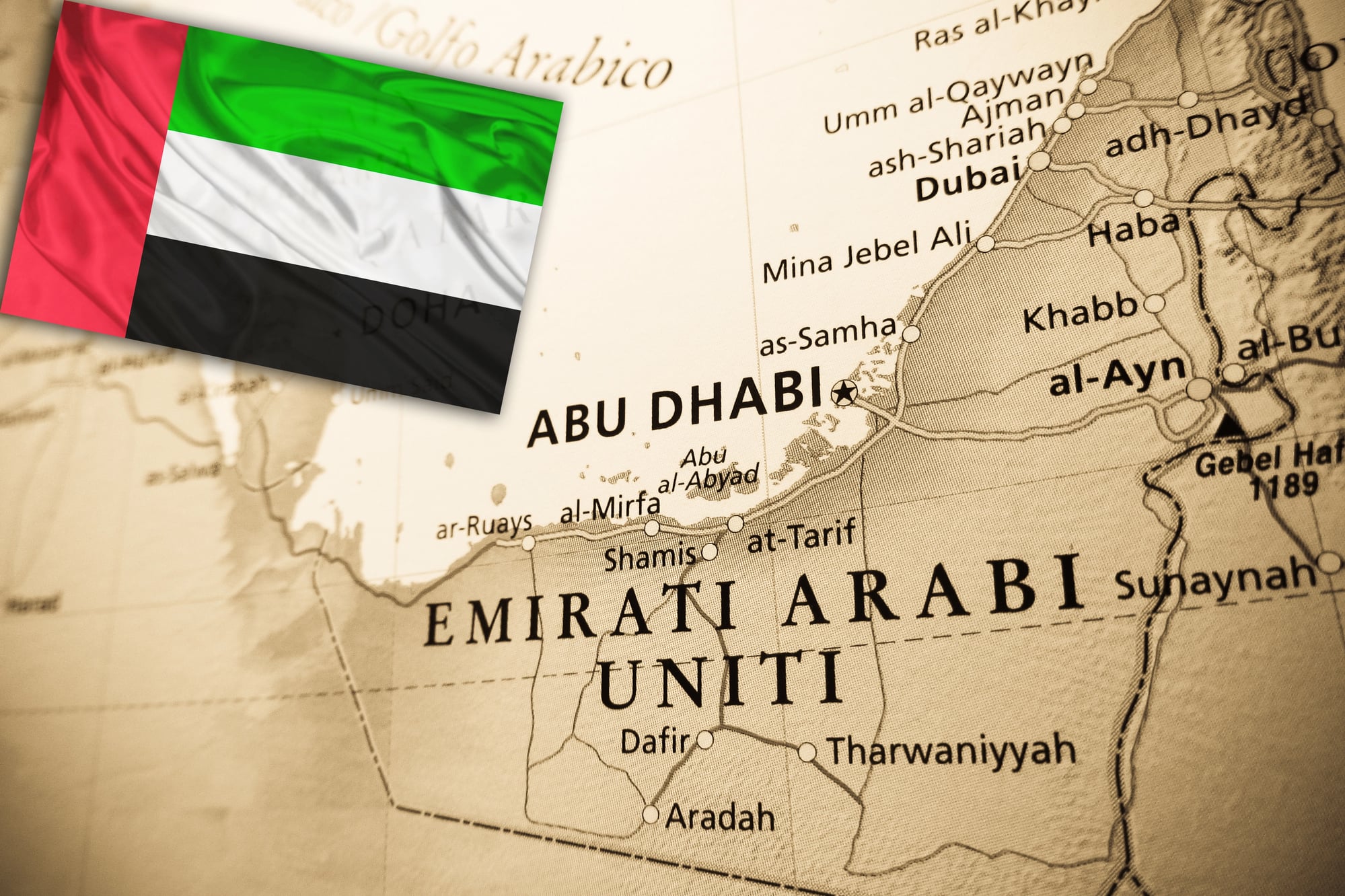
Oil wealth? That belongs mostly to Abu Dhabi, sitting on most of the UAE’s vast energy supplies worth roughly 7 trillion dollars. Elsewhere in the nation, options were slimmer.
So Dubai shifted gears long ago – leaning into travel hubs, shopping draws, and money-handling services instead. Other emirates now mimic that path, moving away from digging things out of the ground toward selling experiences and handling deals.
Oil money shaped the UAE, yet foresight guided what came next. Instead of waiting for reserves to fade, leaders pushed into sun-powered grids and visitor-focused projects.
Big moves also landed banks and traders at its doorstep. Wealth built on crude now fuels global portfolios through giants like the Abu Dhabi Investment Authority.
That fund stands tall, ranked near the top worldwide.
What The Ground Does Not Promise
Rich in oil, minerals, or both – these nations prove abundance alone changes little. Take Iraq.
Wealth beneath its soil contrasts sharply with hardship above ground. Venezuela pumps vast amounts of crude, still its cities crumble under shortages.
Nigeria earns billions from gas exports, though many live without power. The Democratic Republic of Congo holds immense deposits of cobalt and copper, while roads go unrepaired and clinics lack staff.
Resources pile up on balance sheets, but streets tell another story. What counts is not what lies underground, but how leadership handles it.
Outside eyes see big reserves and expect prosperity. Reality turns that assumption upside down.
Not every place rich in natural wealth sees real gains. Take Norway, Qatar, the UAE, Australia, or Canada – each found success not just because of what lies beneath their soil.
What ties them together is deeper than oil or minerals. Strong systems handle money flow, courts uphold agreements reliably.
Stability shapes daily life, making it easier for businesses to commit long term. Talented people stay, drawn by predictability rather than promises.
Trust runs through laws, budgets, leadership. Growth follows when rules hold firm over time.
Something begins with the resource. Everything else depends on what grows from it.
More from Go2Tutors!

- The Romanov Crown Jewels and Their Tragic Fate
- 13 Historical Mysteries That Science Still Can’t Solve
- Famous Hoaxes That Fooled the World for Years
- 15 Child Stars with Tragic Adult Lives
- 16 Famous Jewelry Pieces in History
Like Go2Tutors’s content? Follow us on MSN.



