16 Vintage Electronic Toys That Predicted the Future
Back then, children clutched gizmos that felt lifted from distant futures. Blinking lights danced across plastic cases while electronic chirps filled bedrooms.
To grown-ups, it all sounded like fantasy – impossible noise from impossible machines. Now look: what once flickered in kids’ hands shapes how everyone lives.
Time turned playful hums into common tools tucked inside pockets everywhere. Peering into those vintage electronic playthings? It’s sort of like dusting off a box buried decades ago.
A few of these retro gadgets somehow sketched out the future without anyone noticing at the time.
Speak & Spell
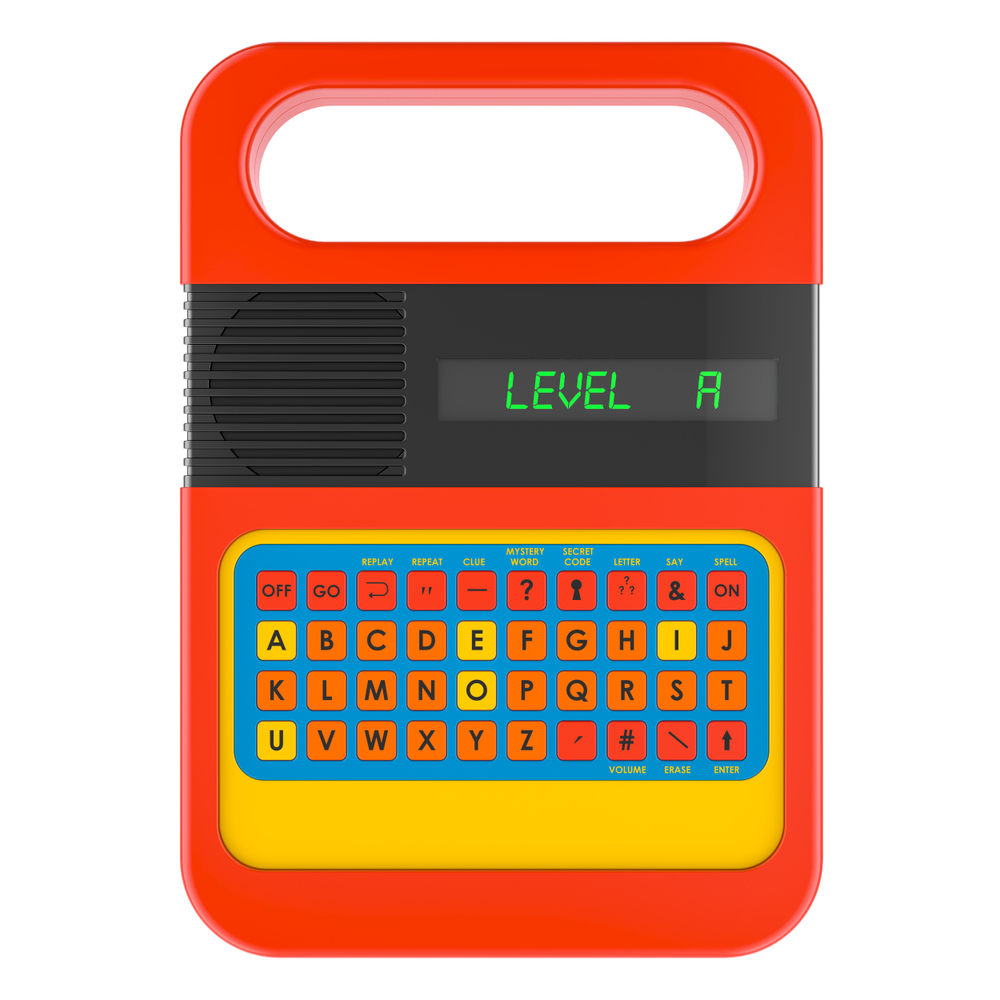
Right off the bat, Texas Instruments dropped a gadget in 1978 that made children stop and stare. Instead of beeps or tones, real words came out – spoken by the machine itself, no recording needed.
Back then, hearing electronics speak felt like stepping into a future film scene. Fast forward to now, modern helpers such as Siri carry echoes of its voice.
That bright yellow box showed how tech might chat back, clearly and on purpose. Sure, the sound was stiff, almost comical – but still, it talked like it meant business.
Simon
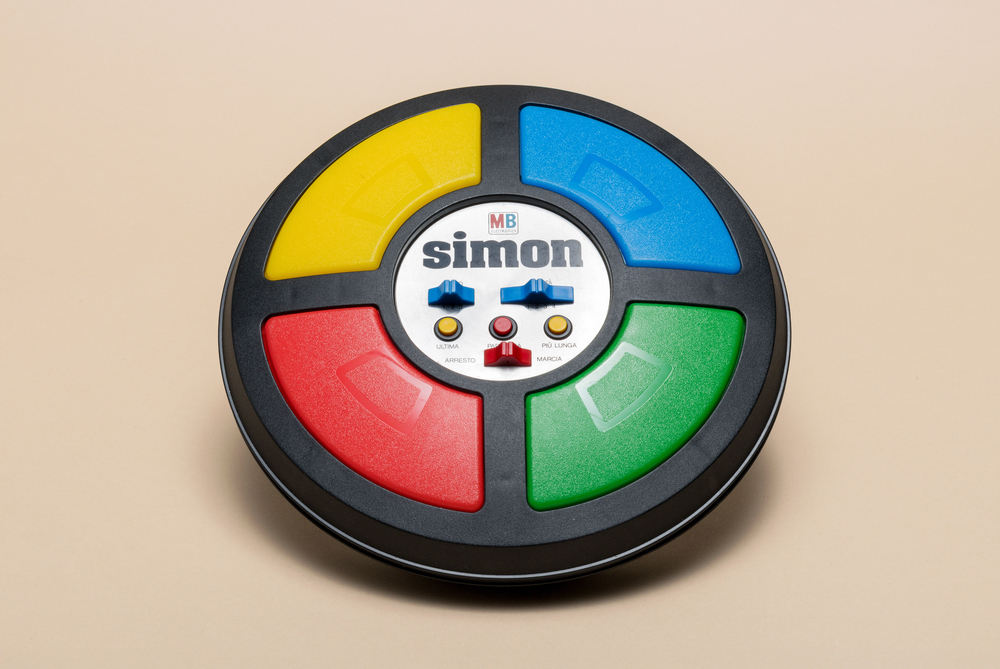
A round toy with four bright buttons showed kids how to remember steps in a pattern. Not just lights but sounds grew harder each time someone played it.
Because of the way people interacted with flashes and tones, thinking stayed sharp without feeling like practice. Long before phones responded to fingers, this gadget acted like they already did.
Patterns tapped in sequence on modern devices? That idea started here, back when disco ruled the radio.
Merlin

From right inside its chunky red shell, fun began fitting into pockets. Though many point to newer gadgets, this was where portable play actually took root.
Back in 1978, Parker Brothers slipped six games into something resembling a magic baton. Buttons clicked, beeps chirped, yet the experience felt oddly magnetic.
Carrying a game around became normal because of it – something we barely question today.
2-XL

A toy built like a robot used 8-track tapes filled with quizzes and lessons. Late 1970s children were drawn to 2-XL because it gave replies that felt personal, despite basic mechanics.
Nowadays, the idea of engaging with machines to learn drives tools such as digital classrooms and mobile study programs. Back then, 2-XL already showed that education sticks more during back-and-forth exchanges instead of one-way talk.
Big Trak

One step at a time, the little vehicle waited for inputs before moving. Back in 1979, Big Trak slipped programming lessons to young minds under the guise of play.
Instead of just rolling ahead, it responded to keystrokes – spin, shift, launch light like a tiny warrior. Yet beneath the fun hid logic, repetition, sequence.
Modern versions do similar things, only now they glow more, link through air, skip wires.
Talking View-Master
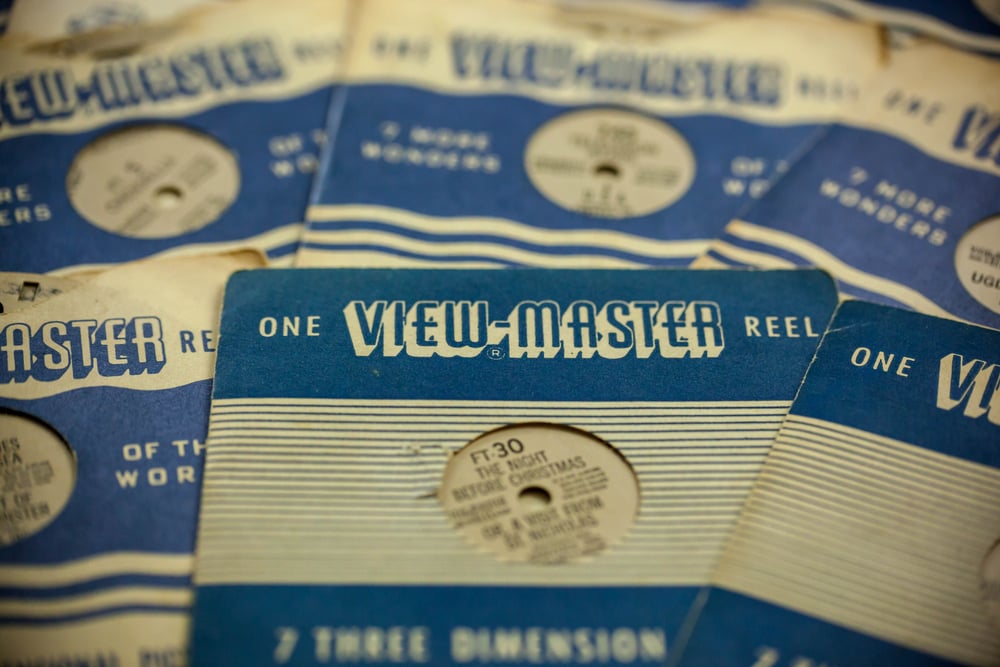
Back in 1939, View-Master started showing pictures in depth. By 1971 though, one model began speaking – recorded voices came alive alongside spinning image discs.
Peering into it, children saw scenes pop out while sound poured from a tiny grille nearby. Because sight joined sound, something like modern classroom tech felt already imagined.
Today’s VR goggles function much alike, only smoother, faster, missing that crisp mechanical snap when flipping views.
Coleco Electronic Quarterback

Handheld sports games started with this 1978 release that let kids play football using just LED lights and buttons. The game displayed players as simple red dots moving across a tiny screen.
Despite the basic graphics, Electronic Quarterback created an entire category of portable sports entertainment. Modern sports video games on phones might look fancier, but they follow the same idea of bringing the field into your hands.
Milton Bradley Microvision
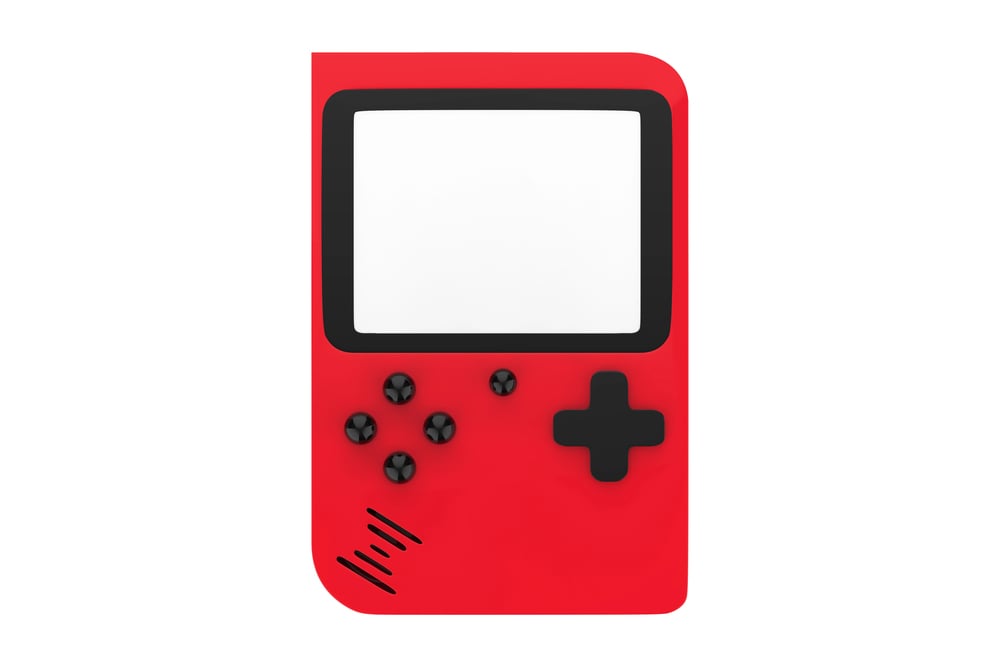
This 1979 device counts as the first handheld game console with interchangeable cartridges. The Microvision had a tiny screen and limited processing power, but it let players swap games without buying a whole new device.
Nintendo’s Game Boy gets most of the credit for portable gaming, but Microvision got there first. The concept of carrying a library of games in your pocket now defines how millions of people spend their commute time.
Alphie

This friendly robot taught preschoolers about letters, numbers, and shapes starting in 1980. Alphie had a slot for cards that kids would insert, and the robot would light up and make sounds based on correct answers.
Educational apps for toddlers now do exactly what Alphie did, just on tablets instead of plastic robots. The toy proved that young children could learn from electronic devices when the interface stayed simple and encouraging.
Mattel Football
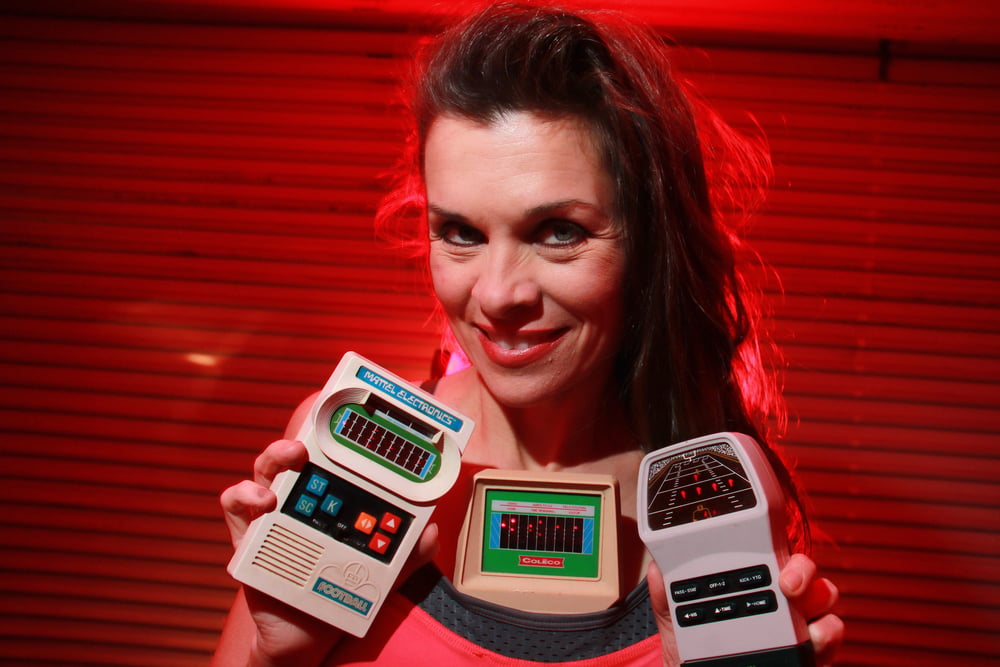
Those simple handheld LED games from Mattel ruled playgrounds in the late 1970s and early 1980s. Football, baseball, and basketball versions let kids play sports using nothing but a few buttons and tiny red lights.
The games were incredibly basic but completely addictive. Mobile gaming on phones follows the same formula of simple controls and quick gameplay sessions that fit into short breaks.
Entex Select-A-Game

This 1981 handheld system let players choose from a small library of games built into one device. The screen used vacuum fluorescent display technology that created surprisingly bright graphics for the time.
Select-A-Game competed with other early portables but never quite caught on. Still, the idea of having multiple game options in one gadget now seems obvious thanks to smartphones and tablets.
Magna Doodle

Though made back in 1974, the toy felt basic even then – yet it quietly pointed toward touchscreens. Instead of pens or pencils, children used a magnet-tipped tool to sketch shapes.
Wipe the image away? Just drag the lever along the base. Today’s digital pads and tools such as iPads with Apple Pencils handle similar tasks more accurately.
What began with Magna Doodle proved a simple idea: users love making marks on mobile screens that clear fast.
Computer Perfection

A round plastic toy from 1979 by Lakeside made kids race against blinking lights and rising beeps. When odd forms popped up in slots, fingers needed to follow fast – no pausing allowed.
As the beat climbed, so did the pressure, training hands and eyes like modern thumb sprints on phones. Instead of code, it used gears and tones to mimic what rhythm challenges do now.
That boxy device? It was doing dance-game drills long before screens caught up.
Code Name: Sector

Back in 1977, Parker Brothers put out a two-person electronic strategy game that stood among the earliest face-off play styles. Hidden bases had to be found by each player through clicks and blinks on a small electric board map.
Though basic, the setup hinted at what team battles over internet connections would feel like decades later. These days folks battle rivals overseas using webcams and headsets – yet Sector beats them all with just lights and toggles.
Quiz Wiz

One beep meant you got it right. Back in 1978, a plastic box made by Coleco turned quizzes into something almost game-like.
Instead of typing or tapping, children slid punch cards inside. A sound signaled each response – simple, sharp, instant.
Learning didn’t need long lectures when feedback came this fast. Long before apps, even before home computers were common, this gadget hinted at what was possible.
Flash forward and schools run on digital systems built around live responses. Yet none of that happens without early experiments using clunky parts and clever timing.
What feels normal today started with blinking lights and cardboard strips.
Paxton’s Pocket Calculator
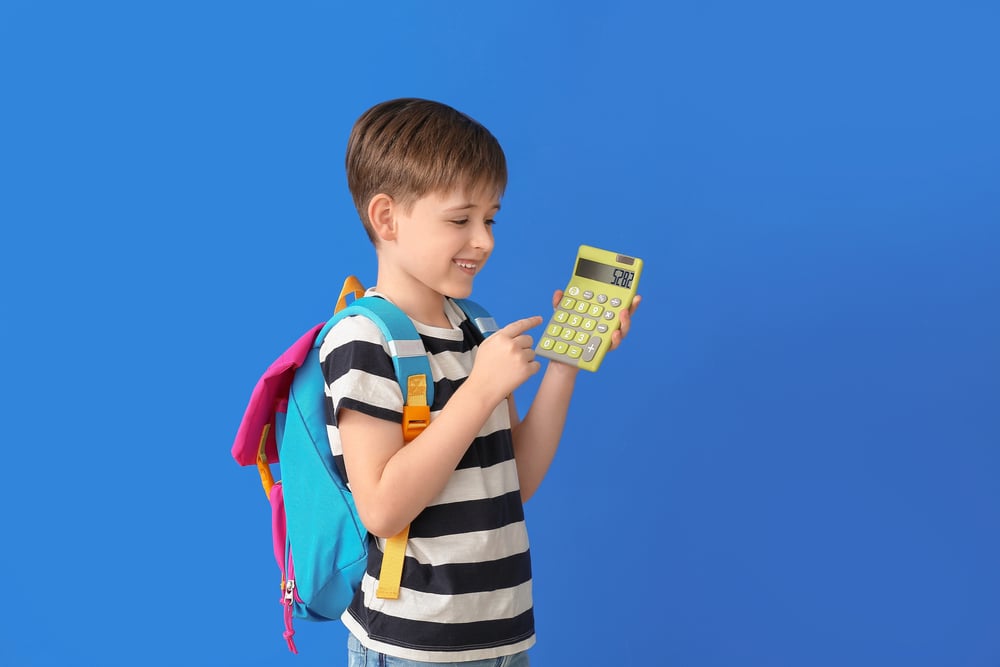
Back in the 1970s, basic handheld calculators started showing up everywhere, yet children were just as excited by them as grown-ups. Math became quicker and easier to handle because of these gadgets, slowly shifting how folks saw numbers.
Today you find calculator apps built into phones, still those first small models revealed a clear desire: portable number-crunching tools had staying power. Instead of bulky machines that weighed like typewriters, suddenly there were ones light enough for a button-up shirt – proof tech was shrinking fast.
Here’s Where Those Playthings Made A Difference

Rainy day distractions turned out to shape how children saw future machines. Because of them, tiny tech felt like an obvious next step.
Even now, phone alerts carry traces of those clunky toy noises from decades ago. A kid fiddling with buttons back then unknowingly previewed life surrounded by screens and signals.
What seemed like simple play was actually quiet preparation for what came later.
More from Go2Tutors!

- The Romanov Crown Jewels and Their Tragic Fate
- 13 Historical Mysteries That Science Still Can’t Solve
- Famous Hoaxes That Fooled the World for Years
- 15 Child Stars with Tragic Adult Lives
- 16 Famous Jewelry Pieces in History
Like Go2Tutors’s content? Follow us on MSN.



