The 15 Most Expensive Tourist Locations in the World
Traveling the world sounds like a dream until you check the price tags on some destinations. Certain places demand serious cash just to step through the door, let alone enjoy what they offer.
From island paradises to alpine villages, some spots have become legendary for their ability to drain bank accounts faster than you can say ‘vacation budget.’
These aren’t your average pricey tourist traps. We’re talking about places where a coffee costs more than a full meal back home, and hotel rooms require you to double-check the currency because surely that can’t be right.
Monaco

This tiny principality squeezed between France and the Mediterranean Sea holds the crown for wallet-crushing luxury. Hotels routinely charge over $500 per night for basic rooms, while upscale properties can hit $2,000 before you even think about breakfast.
The restaurants cater to yacht owners and Formula One fans, with dinner for two easily topping $300 at mid-range spots. Even grabbing a quick lunch will set you back $30 to $50 per person, and that’s without wine.
Zurich

Switzerland’s financial hub makes Monaco look reasonable in some categories. A simple meal at a casual restaurant costs around $40 per person, and coffee runs about $8 for a cup.
Public transportation is efficient but expensive, with day passes hitting $15 to $20. Hotels average $350 per night for standard accommodations.
The city’s famous cleanliness and punctuality come with a premium price tag that applies to everything from groceries to haircuts.
Reykjavik
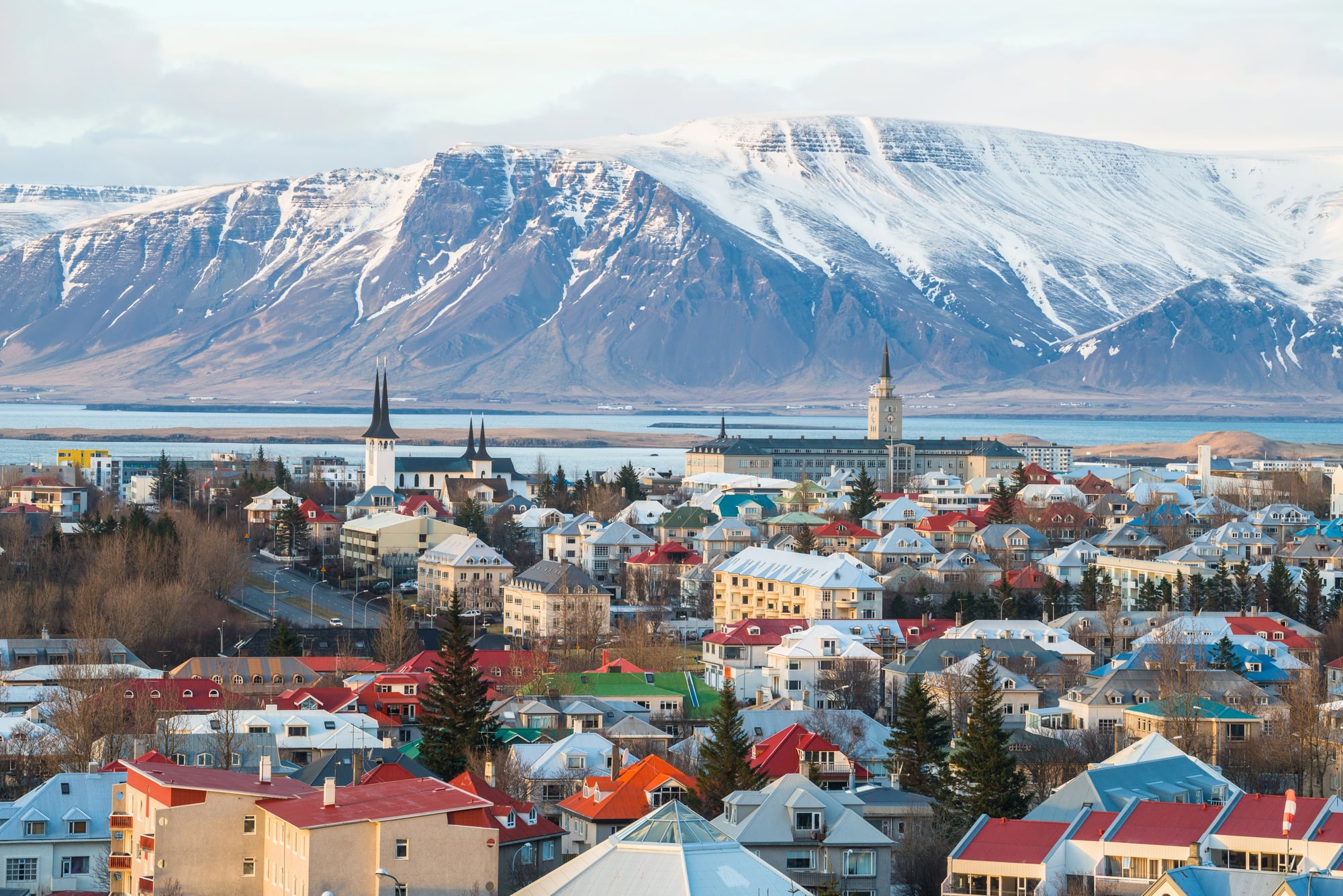
Iceland’s capital has become infamous for its eye-watering costs. A beer at a bar costs $12 to $15, making a night out a serious investment.
Groceries are shockingly expensive because the country imports most food items. Hotel rooms start around $250 per night during peak season.
Even budget travelers struggle here, with hostel beds running $70 to $90. The stunning natural attractions are free, but getting to them and feeding yourself along the way requires deep pockets.
The Maldives
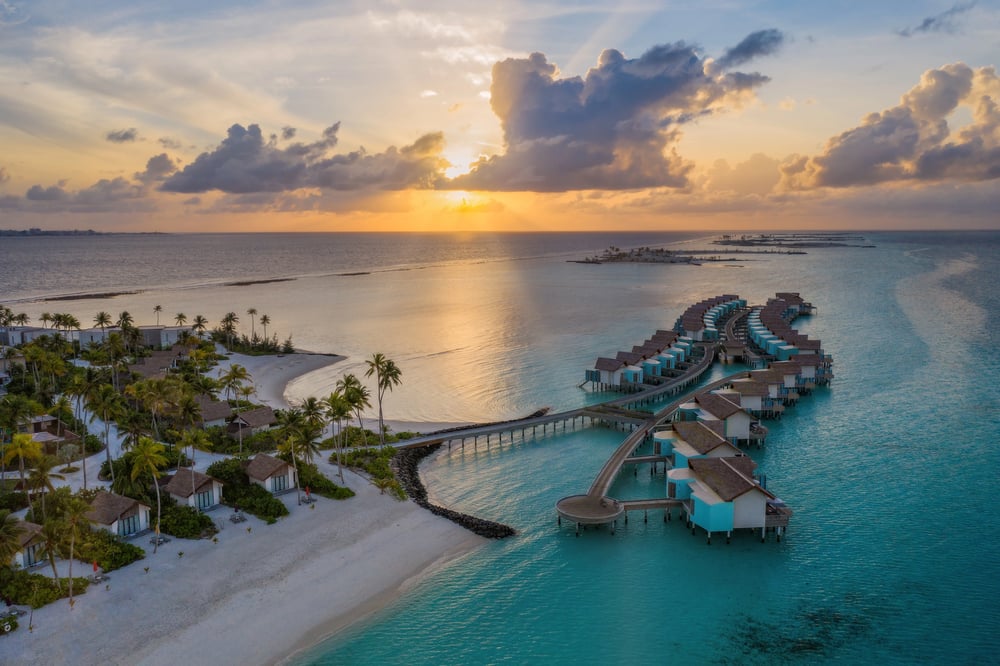
These island resorts in the Indian Ocean perfected the art of luxury pricing. Most visitors stay at all-inclusive resorts where rooms start at $800 per night and climb quickly into the thousands.
Getting there involves expensive flights, then seaplane or speedboat transfers that add hundreds more. A single diving excursion costs $150 to $200.
Meals outside resort packages run $100 per person at waterfront restaurants. The overwater bungalows and crystal-clear lagoons come with price tags that match their Instagram appeal.
Bora Bora
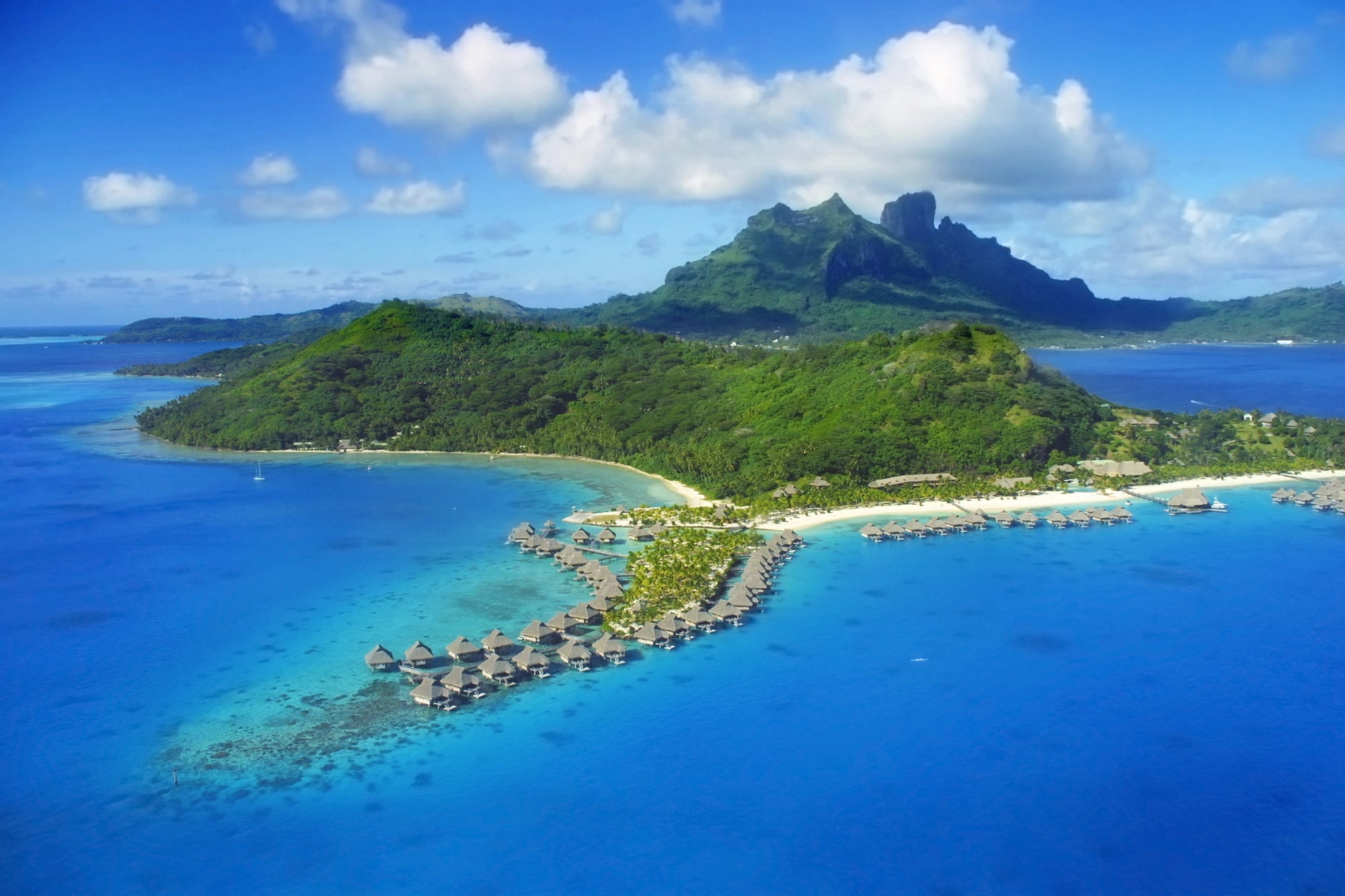
This French Polynesian island rivals the Maldives for tropical expense. Overwater bungalows start at $1,000 per night and top resorts charge $3,000 or more.
Flights from the U.S. cost $1,500 to $2,500 before you even arrive. Restaurant meals average $75 to $150 per person.
Activities like shark feeding tours or jet ski rentals add another $200 to $300 per outing. The turquoise waters and dramatic mountain backdrop justify the cost for some, but budget travelers should look elsewhere.
Norway’s fjord region

Exploring Norway’s famous waterways requires significant funds. Hotels in popular spots like Bergen or Flam charge $300 to $500 per night.
Rental cars cost $100 per day minimum, and gas prices make American drivers weep at $8 per gallon. Restaurant meals run $50 per person for basic fare.
Even camping isn’t cheap, with campsite fees around $40 per night. The ferry rides between fjords add up quickly at $50 to $100 per crossing.
The scenery is worth it, but Norway doesn’t do discounts.
London

Britain’s capital has always been expensive, but recent years have pushed it into another league. Central hotels start at $300 per night for cramped rooms.
The Tube costs $40 for a day pass if you’re hopping around tourist sites. Pub meals now hit $25 to $30 per person.
West End theater tickets run $100 to $200. Even the famous fish and chips costs $20 at decent spots.
Tourist attractions pile on extra costs with many museums now charging $25 to $35 for entry.
Dubai
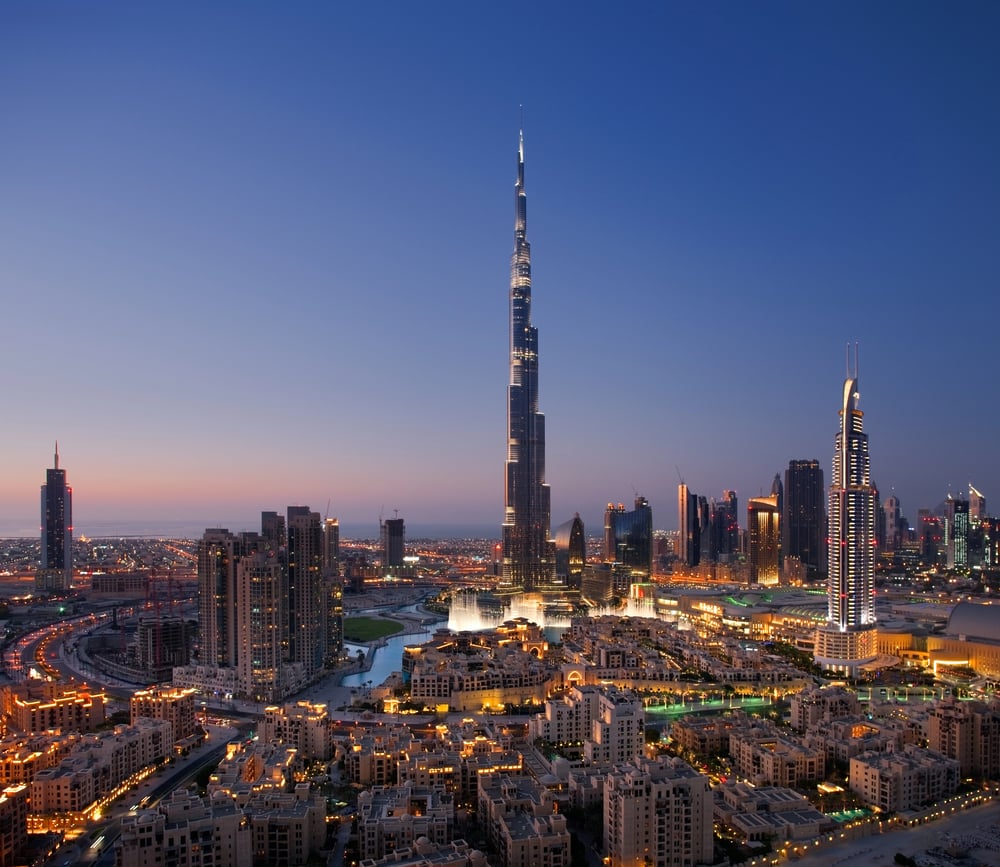
This desert city built on oil money and ambition doesn’t pretend to be affordable. Five-star hotels dominate the skyline, with rooms starting at $400 per night.
Dining at the famous restaurants in Burj Khalifa or Atlantis The Palm costs $150 to $300 per person. Desert safari tours run $100 per person.
Indoor skiing at Mall of the Emirates adds another $80. Alcohol prices shock visitors, with cocktails costing $20 to $30 in hotel bars where drinking is legal.
The gold souks and luxury shopping malls exist to separate visitors from their money.
Macau
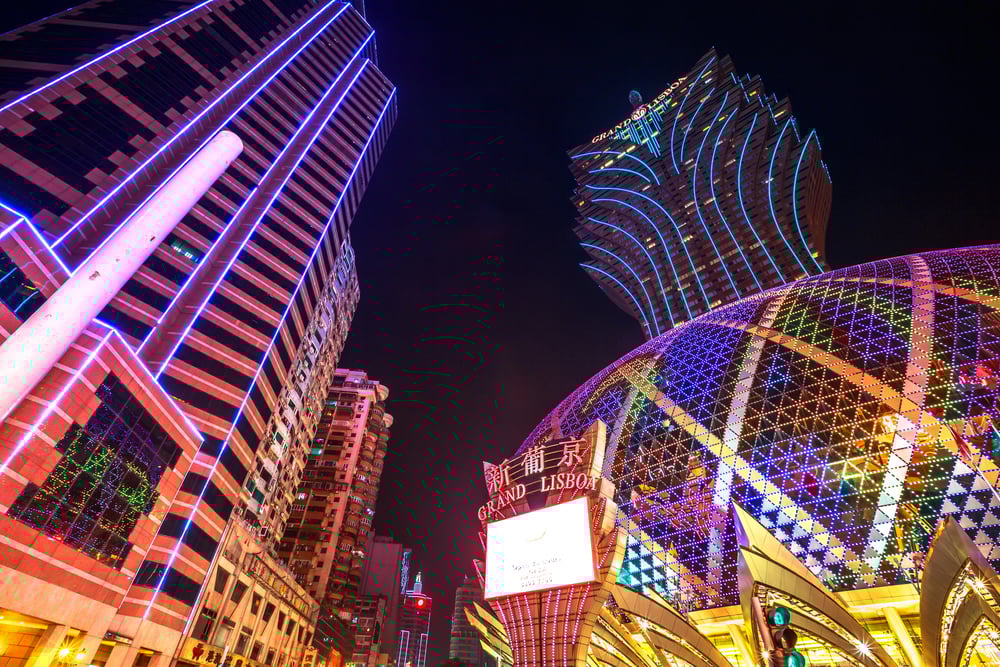
— Photo by bennymarty
The Las Vegas of Asia takes gambling and luxury to extremes. Casino hotels charge $300 to $500 per night on weekends.
Meals at celebrity chef restaurants cost $200 per person. Even street food prices run higher than neighboring Hong Kong.
Show tickets and entertainment run $100 to $200. The Portuguese-influenced architecture and Chinese temples are free, but everything else carries premium pricing.
Day trips from Hong Kong make more financial sense than staying overnight.
Tokyo
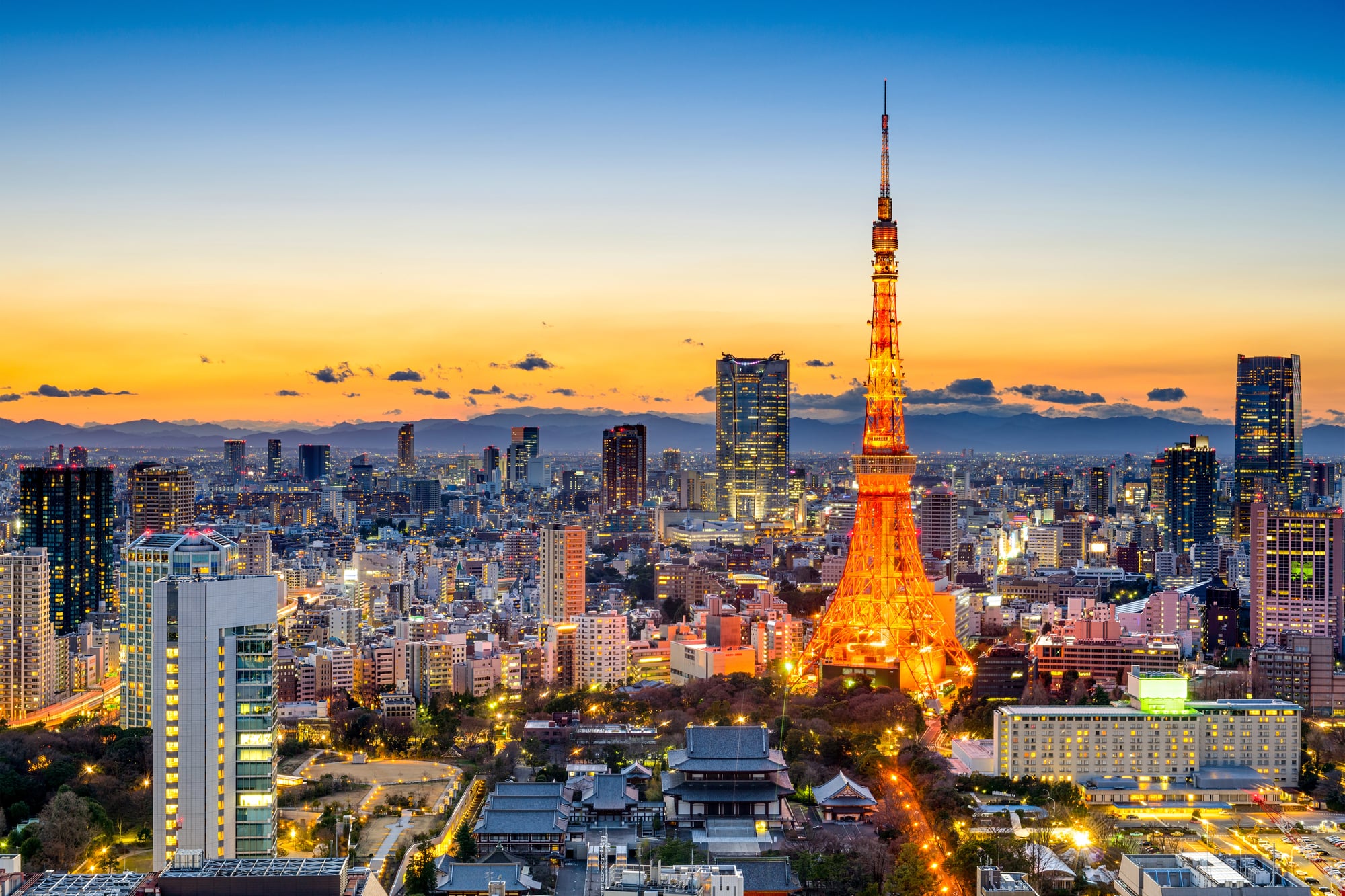
Japan’s capital combines efficiency with expense. Hotels in central areas like Shibuya or Shinjuku start at $250 per night.
Sushi at reputable restaurants costs $80 to $150 per person. Even ramen shops charge $15 to $20 per bowl in tourist areas.
Train passes for visitors run $280 for a week. Theme parks like Tokyo Disneyland cost $80 per ticket.
The vending machines on every corner might seem cheap, but daily expenses add up fast in a city where quality comes standard and so do the prices.
St. Barts
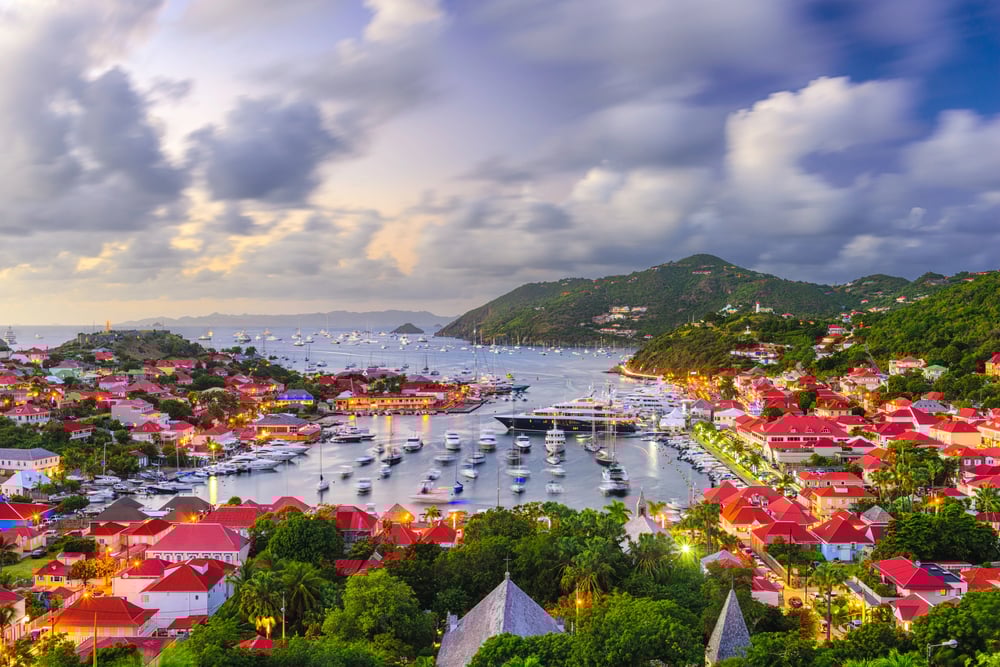
This Caribbean spot is only for rich folks. While villas go from five grand to twenty large a week in peak times, hotels kick off at eight hundred bucks nightly.
Meals out run at least a Benjamin per head. Beach spots want fifty bucks – just for a seat.
Renting a car? That’ll run you a hundred daily, even for the simplest ride. Harbors pack yachts side by side while visitors shrug at sky-high tags.
Local shops sell basics at triple what they do back on the mainland. Sure, French flair brings top-notch meals and vintages, yet those imported goods come with hidden fees from overseas hauls.
The Seychelles
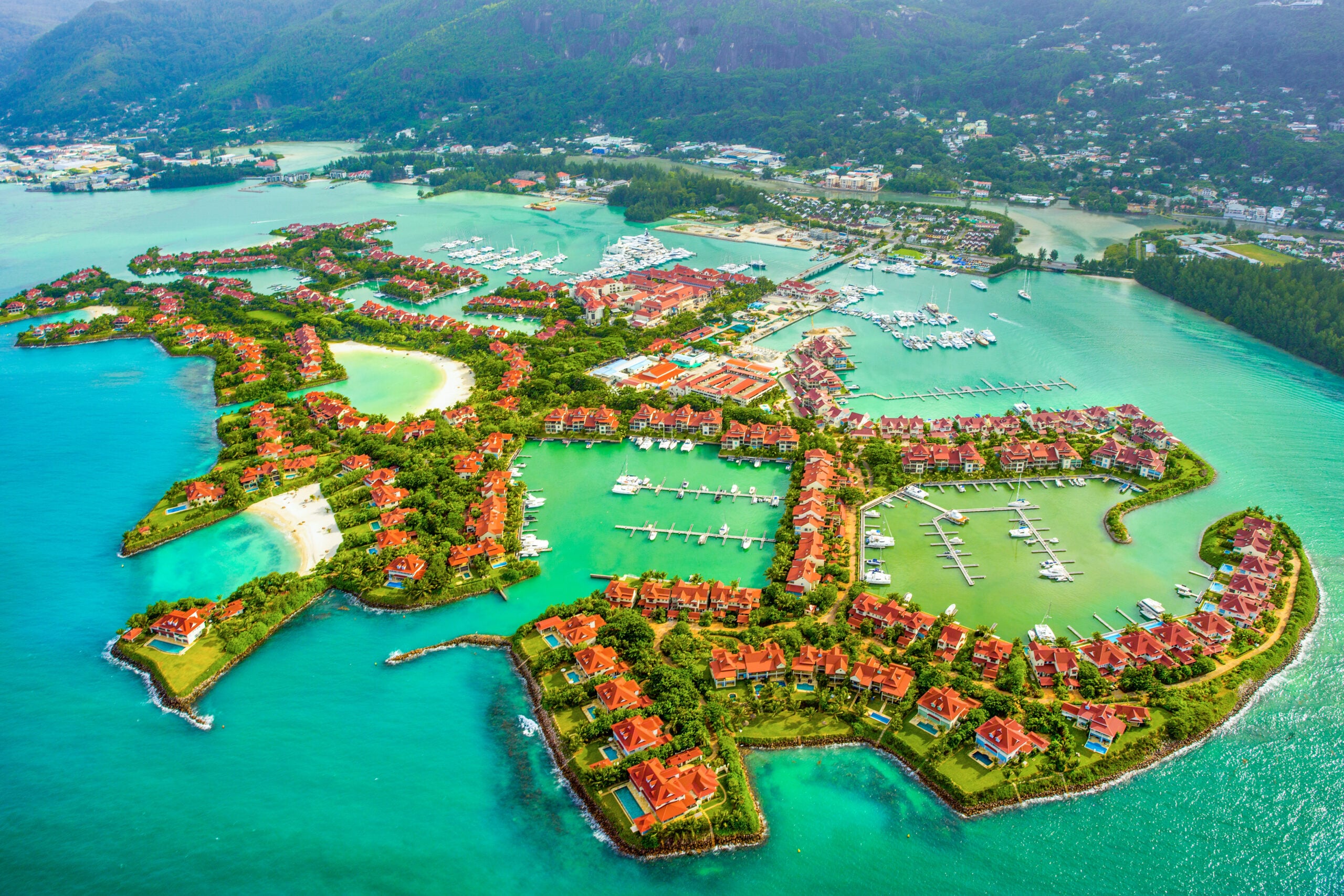
These islands in the Indian Ocean are far out of reach yet come with steep prices. Getting there from Europe or the Middle East sets you back between 1,500 and 2,000 bucks.
A room at a resort begins around six hundred dollars each night. As for seafood meals, expect to pay up to 120 per head – sometimes more.
Getting between islands by plane or ferry sets you back $300 to $500. A snorkel tour runs about $150 each.
Sure, the giant tortoises and untouched shores are stunning – yet just showing up and eating along the way means big spending. Bundled offers can ease costs; even so, this spot doesn’t work for last-minute trips.
Venice
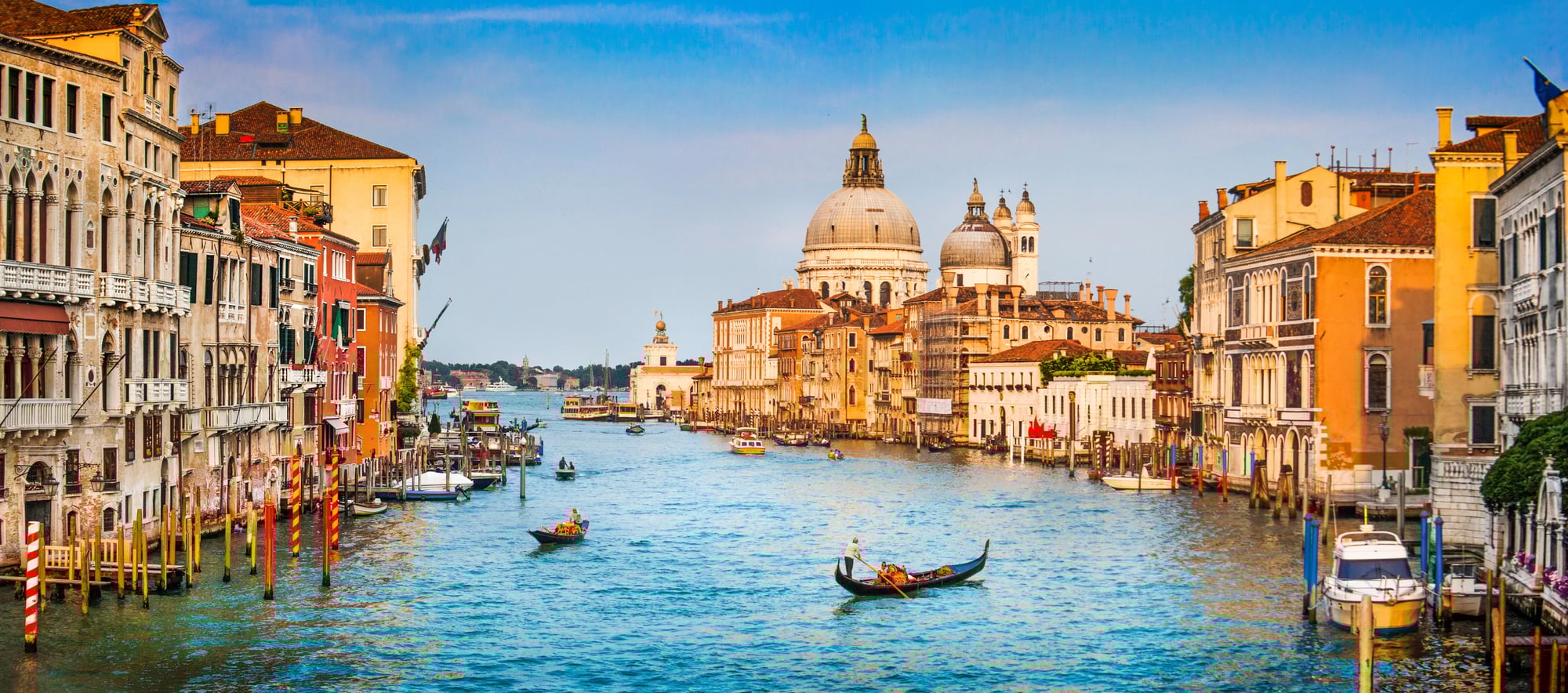
Italy’s crumbling town leans hard on tourists, hiking up prices. Near San Marco Square, hotel rooms grab between 400 and 600 bucks a night.
A half-hour gondola spin sets you back a hundred dollars flat. Eating out in busy spots? Expect to pay around fifty to eighty per plate.
Just grabbing a basic coffee sets you back $12 when you’re sitting at a piazza café. From the airport, water taxis run between $80 and $100.
Tourist fees now tack on another $10 daily per visitor. Sure, Venice looks stunning – yet it’s turning into an exhibit where high prices act like entry tickets.
Gstaad
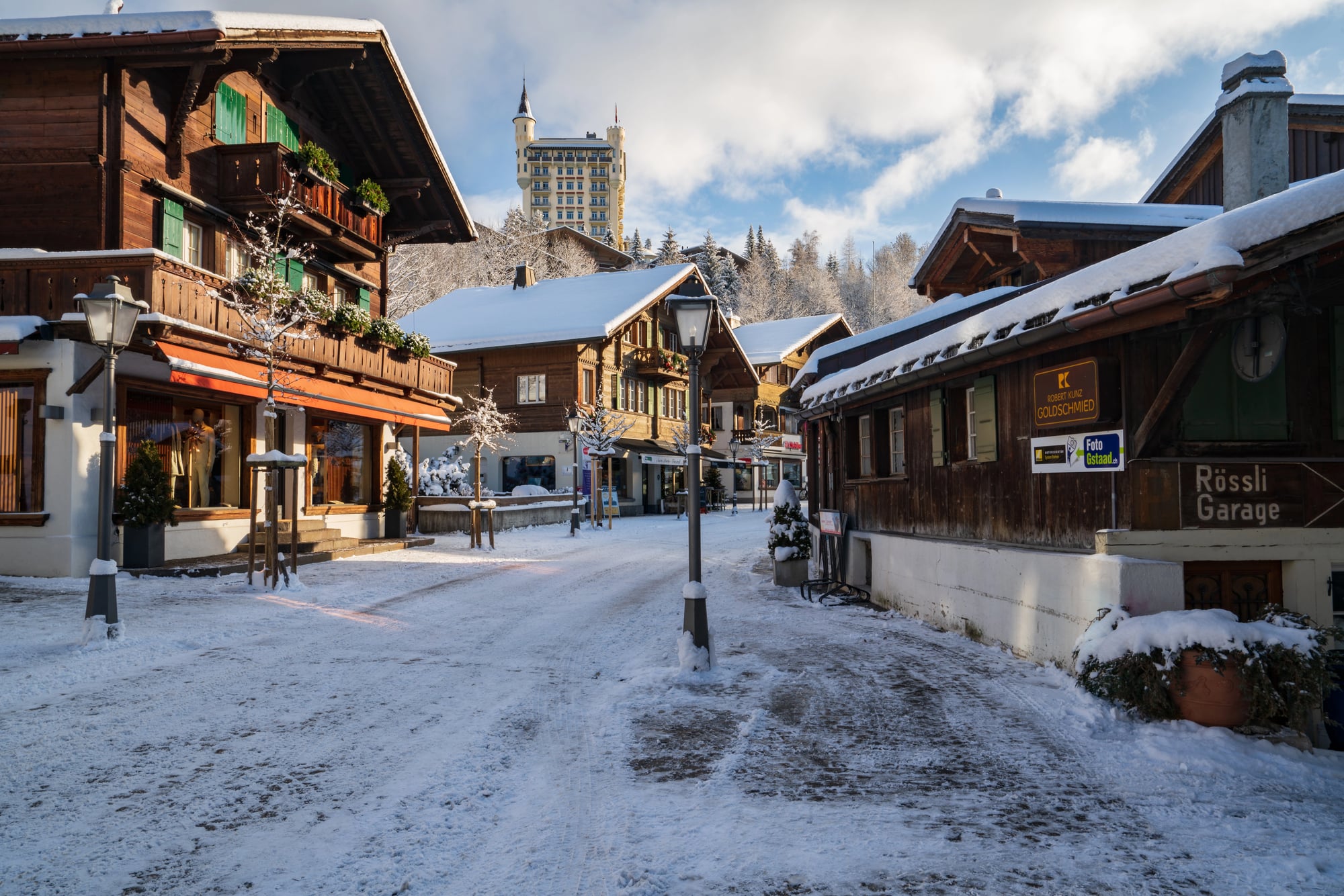
This Swiss mountain town draws kings and movie stars – and there’s a clear cause. Winter stays at ski lodges hit between 800 and 2,000 bucks each night.
A daily lift pass sets you back 85 dollars. Grabbing lunch at peak-level eateries? Around sixty per head.
The shopping areas show off luxury brands like Prada, not your typical tourist trinket spots. Renting skis runs about eighty bucks a day – if you want gear that actually performs well.
Charming vibes remain intact, even though many guests arrive by private jet instead of counting paid time off. Hiking in summer brings modest discounts, yet spending stays on the high end.
Antarctica

The icy continent is the priciest trip out there. Cruises begin around ten grand each for no-frills rooms during three-week sailings.
Getting flights to launch spots in Argentina or New Zealand runs an extra two to three large. If you lack serious winter gear, plan on shelling out another thousand bucks.
A few high-end voyages? They can hit fifty thou a head. The price tag comes from getting to Earth’s farthest corner – yet spotting penguins and ice fields isn’t something you do on a tight wallet.
Tiny cruise boats charge higher daily rates, though they get you nearer to animals.
Where cash disappears quickest

Some places cost a lot – not just because they’re pricey, but due to unique factors. Either they’re faraway islands needing costly supply chains, rich neighborhoods where fancy stuff is normal, or busy travel hubs that jack up rates simply because demand allows it.
Knowing why things get expensive can help visitors prepare smarter. Far-flung spots add extra charges since all goods come from elsewhere.
Affluent zones keep prices steep by staying hard to access. Tourists flock to popular spots, but when prices rise, people start looking elsewhere.
When folks budget ahead, the trip might still feel worth it despite high costs.
More from Go2Tutors!

- The Romanov Crown Jewels and Their Tragic Fate
- 13 Historical Mysteries That Science Still Can’t Solve
- Famous Hoaxes That Fooled the World for Years
- 15 Child Stars with Tragic Adult Lives
- 16 Famous Jewelry Pieces in History
Like Go2Tutors’s content? Follow us on MSN.