16 Weird Stories from the Gold Rush Era
The California Gold Rush of 1849 transformed ordinary people into fortune hunters, sane men into madmen, and quiet valleys into lawless boomtowns overnight. But between the tales of instant wealth and crushing poverty lie the truly bizarre stories that history books often overlook. Below are sixteen strange, wild, and downright weird tales from an era when anything could happen and usually did.
The Great Egg War

Two San Francisco merchants fought a bitter price war over eggs in 1850. When chickens became scarce, one entrepreneur sailed to the Farallon Islands to collect seabird eggs from dangerous cliff faces.
His rival hired pirates to raid the egg boats. Actual gunfights broke out over breakfast ingredients. The “Egg War” lasted three years and claimed several lives.
Emperor Norton’s Golden Delusion
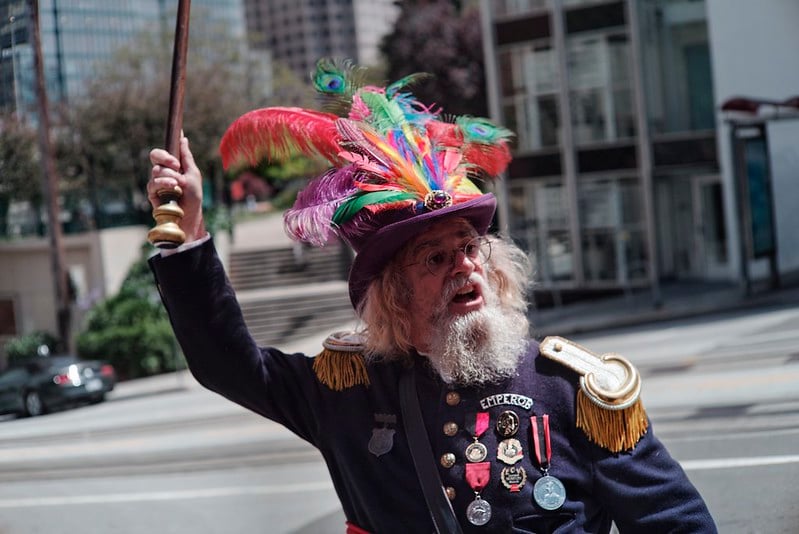
Joshua Norton lost his fortune in a rice speculation scheme during the gold rush. Rather than accept defeat, he declared himself Emperor of the United States in 1859.
San Francisco residents played along with his delusion for decades. Restaurants served him free meals. The city printed special currency bearing his face. When he died in 1880, over 10,000 people attended his funeral.
The Dancing Skeleton of Hangtown
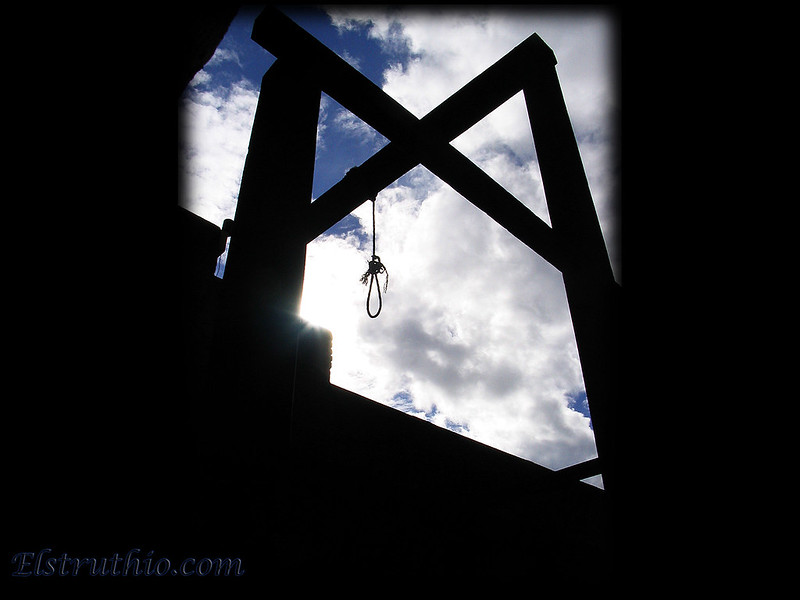
Placerville earned its nickname “Hangtown” through frequent public executions. But one particular hanging went memorably wrong when the rope snapped.
The condemned man survived the fall but broke multiple bones. Still. He danced a grotesque jig while awaiting a second hanging attempt, earning cheers from the bloodthirsty crowd who thought it was part of the show.
Levi Strauss and the Tent Pants
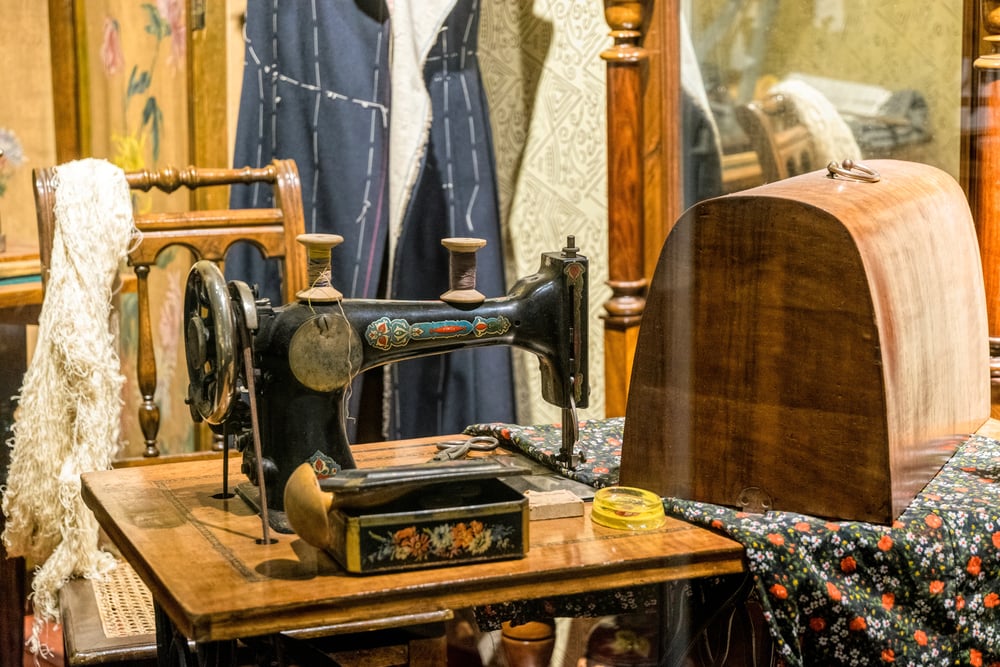
Before becoming the denim king, Levi Strauss sold canvas and duck cloth to miners. When pants proved more profitable than tents, he started making work clothes from tent material.
The first “jeans” were brown canvas reinforced with metal rivets at stress points. Miners complained the rivets got too hot near campfires. Some details took time to perfect:
- Metal rivets were moved away from sensitive areas
- Canvas was replaced with denim
- Brown color switched to indigo blue
- Copper rivets replaced iron ones
The Town That Moved Itself
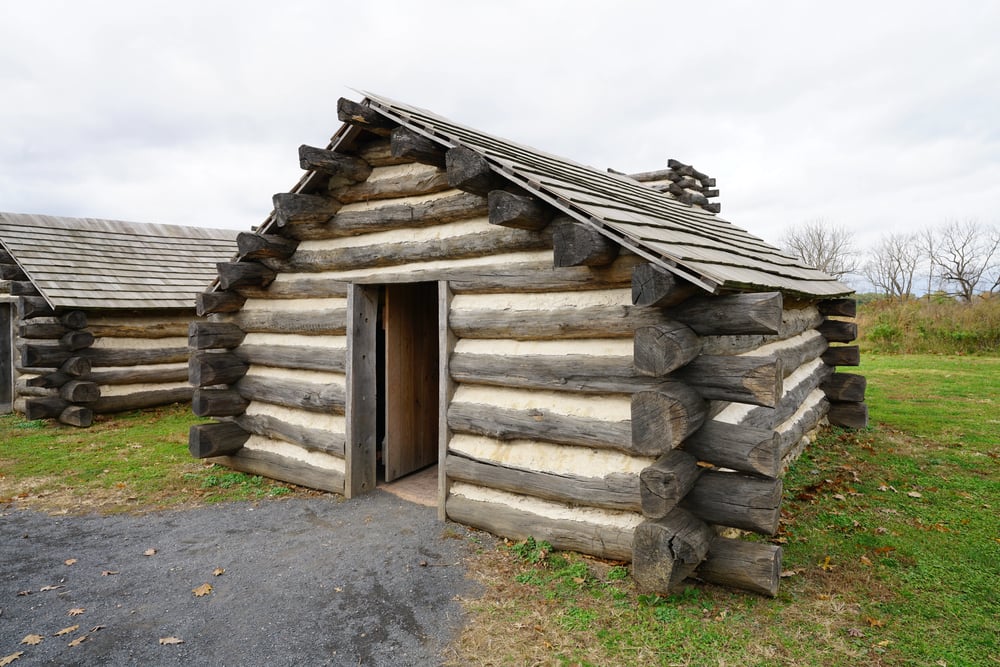
When gold was discovered under the town of Cherokee, California, residents faced a choice. Move the town or lose the gold.
They chose both. Every building was loaded onto logs and rolled to a new location two miles away. The entire relocation took six months and happened while people still lived and worked in the moving structures.
Black Bart the Gentleman Bandit
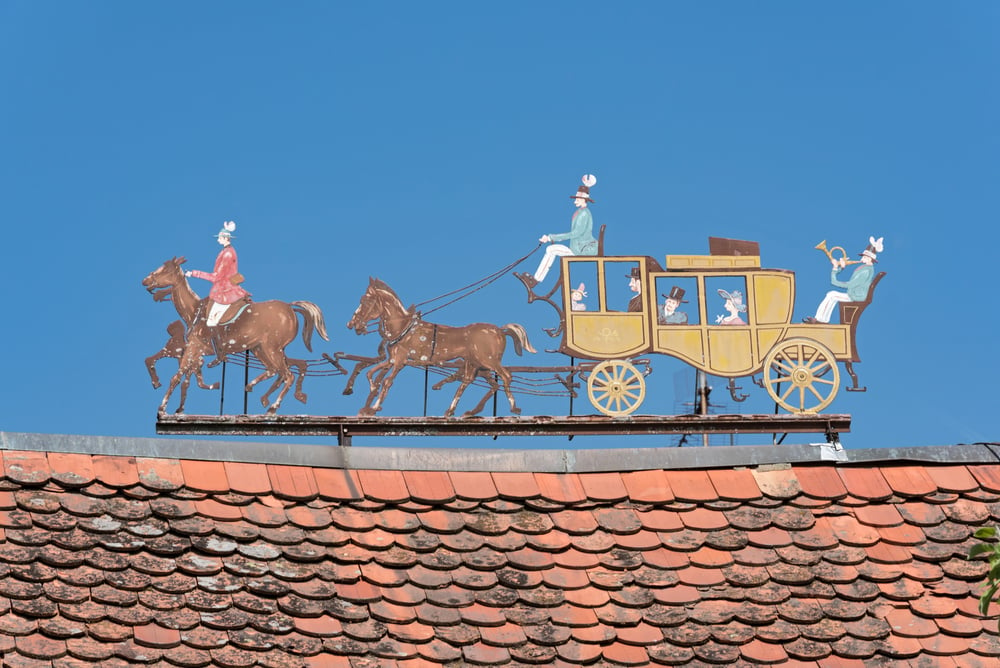
Charles Bowles robbed 28 stagecoaches between 1875 and 1883 while dressed as a proper gentleman. He never fired his shotgun and always left polite thank-you notes signed “Black Bart.”
His signature calling card included terrible poetry. Law enforcement tracked him down through a laundry mark on a dropped handkerchief. The smell of starch and soap betrayed California’s most courteous criminal.
The Camel Experiment
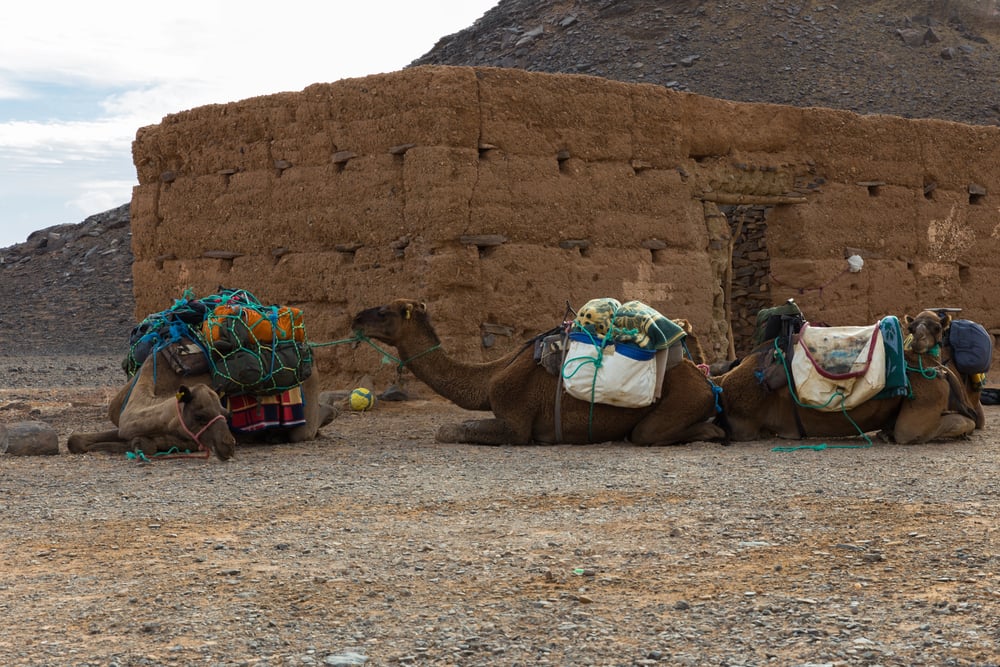
The U.S. Army imported camels to transport supplies across desert regions during the gold rush. The experiment worked too well – camels could carry more weight and needed less water than mules.
But they terrified horses and smelled terrible. Cowboys refused to work with them. After the Civil War, the military abandoned the program and released dozens of camels into the wild.
The Great San Francisco Fire Hoax

A group of volunteer firefighters deliberately set fires in 1851 to create emergencies that required their services. The city paid them for each fire they extinguished.
The scheme unraveled when witnesses saw the same men who reported fires suspiciously close to the starting points. Six volunteer companies were disbanded after the scandal broke.
The Ice King of the Sierra
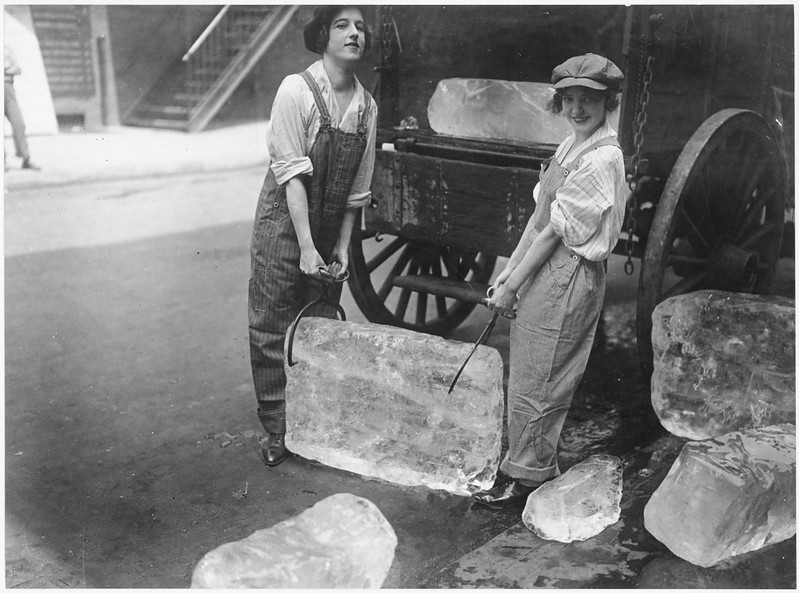
Fredrick Tudor made a fortune shipping ice from New England lakes to California during the gold rush. Each shipment took months and required perfect timing.
Ice blocks were packed in sawdust and stored in insulated ships. A single successful voyage could earn more profit than most miners found in a lifetime. Cold drinks cost more than gold by weight in some mining camps.
The Great Diamond Hoax of 1872

Two prospectors claimed to have discovered a diamond field in Colorado. They salted the area with low-grade gems purchased in London.
Investors poured millions into the fraudulent claim. And the hoax might have continued indefinitely if a geologist hadn’t noticed that emeralds, diamonds, and rubies don’t naturally occur in the same geological formation.
Joaquin Murrieta’s Pickled Head
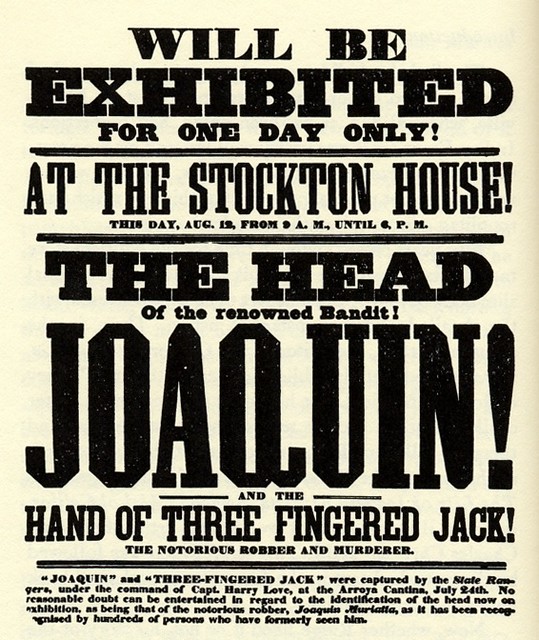
After Mexican bandit Joaquin Murrieta was supposedly killed by rangers in 1853, his severed head was preserved in a jar of alcohol and displayed in saloons.
The gruesome exhibit toured California for decades, earning admission fees. Multiple heads claimed to be the “real” Murrieta appeared in different towns simultaneously. Nobody seemed to care about authenticity.
The Phantom Barber of Nevada City
Someone was sneaking into homes and cutting off chunks of sleeping residents’ hair in the 1870s. The mysterious barber never stole anything else or harmed victims.
Rewards were offered for information. Vigilante groups patrolled the streets. The hair-cutting spree lasted eight months before suddenly stopping. The phantom barber’s identity was never discovered.
Sarah Royce’s Impossible Journey
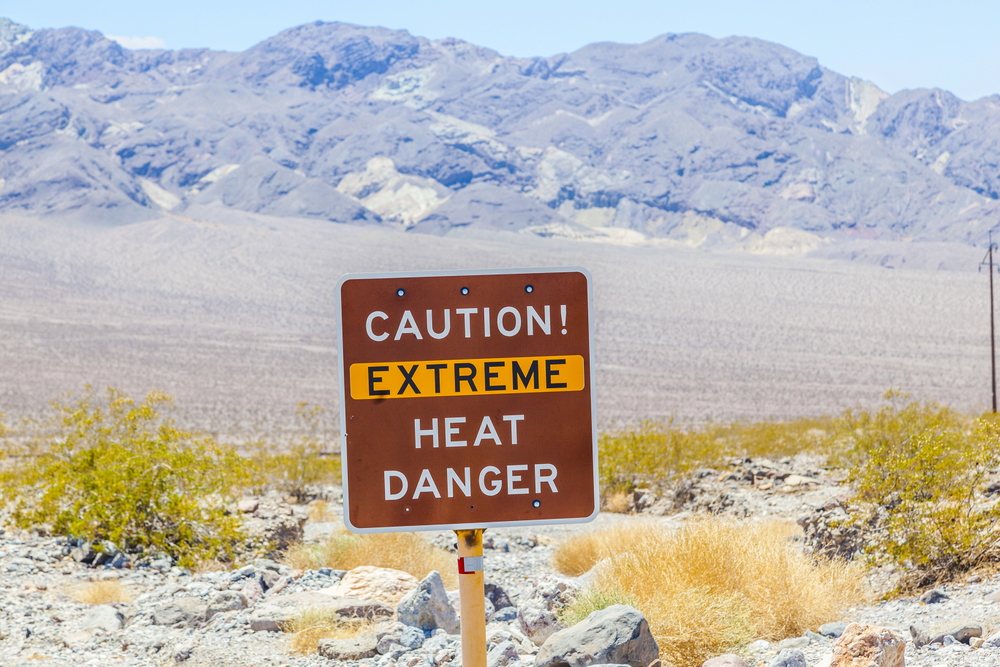
Sarah Royce, mother of future philosopher Josiah Royce, crossed Death Valley with a baby and limited supplies in 1849. Her family became separated from their wagon train and nearly perished.
They survived by following their own wheel tracks backward to find water. The circular journey took them past their own abandoned belongings multiple times before rescue arrived.
The Great Snowshoe Race

Two rival express companies bet their reputations on delivering mail across the Sierra Nevada during the brutal winter of 1867. Both teams used Norwegian snowshoes and specially trained runners.
The race became a matter of civic pride. Towns along the route organized betting pools and provided supplies. The winning team completed the 90-mile journey in 72 hours through blizzard conditions.
The Fortune Cookie Prophet

A Chinese immigrant named David Jung claimed he could predict gold strikes using fortune cookies he baked himself. His cryptic messages attracted desperate miners seeking any edge.
Jung’s fortunes were deliberately vague but his timing was suspiciously accurate. Later investigation revealed he was part of an information network that included surveyors, geologists, and claim office clerks.
The Flying Machine of Angel’s Camp
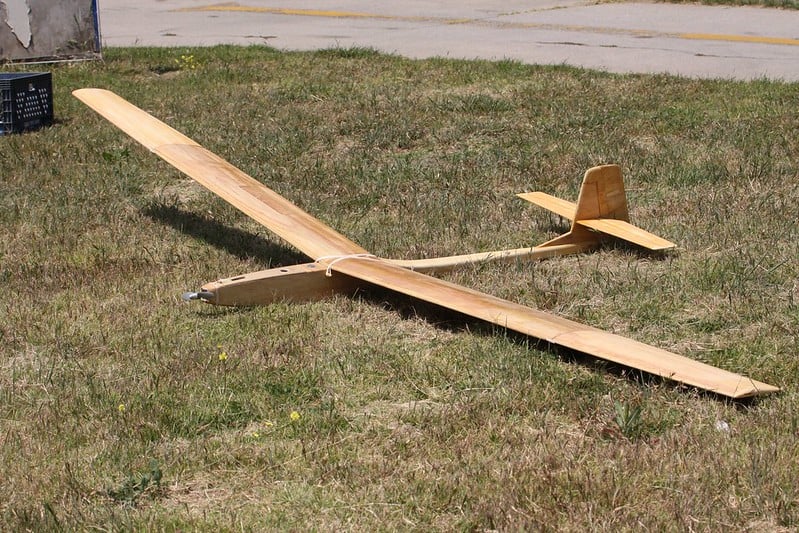
A local blacksmith named John Montgomery built and flew a glider over Angel’s Camp in 1883, decades before the Wright Brothers. His maiden flight lasted several minutes and covered nearly a mile.
Witnesses described the contraption as part bird, part bat, part pure madness. Montgomery continued flying experiments for years but never received recognition for his aviation pioneering.
When Madness Made Perfect Sense

These sixteen tales reveal the gold rush era’s true character – a time when conventional rules dissolved and the impossible became routine. In a world where fortunes appeared overnight and disappeared just as quickly, even the strangest stories seemed perfectly reasonable to people living through history’s wildest economic gamble.
More from Go2Tutors!

- 16 Historical Figures Who Were Nothing Like You Think
- 12 Things Sold in the 80s That Are Now Illegal
- 15 VHS Tapes That Could Be Worth Thousands
- 17 Historical “What Ifs” That Would Have Changed Everything
- 18 TV Shows That Vanished Without a Finale
Like Go2Tutors’s content? Follow us on MSN.