16 Wildest IQ Scores Ever Recorded
Intelligence quotient testing has fascinated researchers and the public for over a century, creating a standardized way to measure cognitive abilities. While the average IQ hovers around 100, some individuals have achieved scores that seem almost superhuman — pushing the boundaries of what we thought possible for human intelligence.
The stories behind these extraordinary scores reveal both the incredible potential of the human mind and the complex nature of intelligence itself. Here’s a list of 16 wildest IQ scores ever recorded.
Marilyn vos Savant – 228

Marilyn vos Savant holds the Guinness World Record for the highest recorded IQ score at 228. She gained fame through her ‘Ask Marilyn’ column in Parade magazine, where she tackled complex puzzles and mathematical problems with remarkable clarity. Her most famous moment came when she correctly solved the Monty Hall problem — initially facing criticism from thousands of mathematicians who later admitted she was right.
William James Sidis – 250-300 (estimated)

William James Sidis is often cited as having one of the highest estimated IQ scores in history, though it wasn’t officially tested using modern methods. Born in 1898, he could read by age two and was fluent in multiple languages before kindergarten. He enrolled at Harvard University at age 11, making him one of the youngest students ever admitted to the prestigious institution.
Terence Tao – 225-230
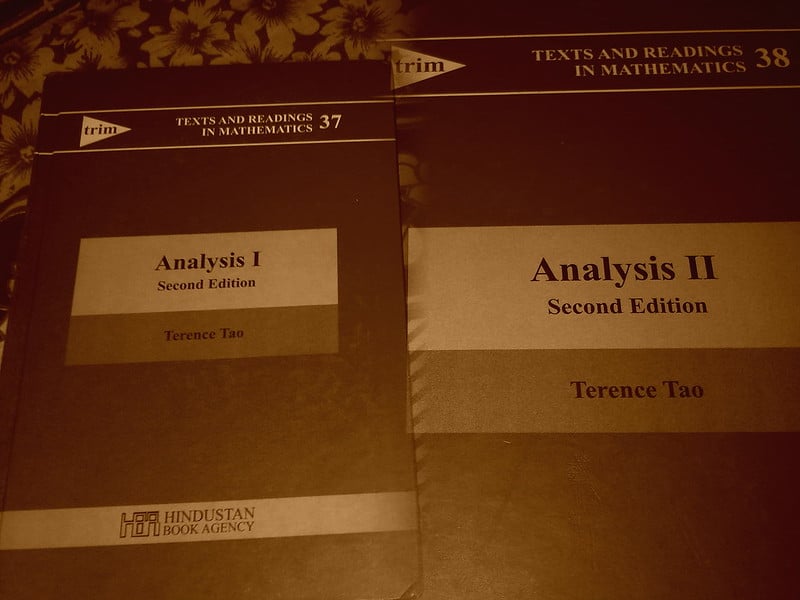
Australian-American mathematician Terence Tao demonstrated exceptional mathematical ability from early childhood — scoring 760 on the math portion of the SAT at age eight. He became the youngest winner of the International Mathematical Olympiad gold medal at age 13. Today, he’s considered one of the greatest living mathematicians while holding the James and Carol Collins Chair in Mathematics at UCLA.
Christopher Hirata – 225

Christopher Hirata achieved a perfect score on the International Physics Olympiad at age 13, becoming the youngest American to win a gold medal in the competition. By age 16, he was working with NASA on projects related to the colonization of Mars — quite a leap from typical teenage concerns. He completed his PhD in astrophysics at Princeton University and now researches dark energy and cosmic microwave background radiation.
Kim Ung-Yong – 210

— Photo by ibogdan
South Korean prodigy Kim Ung-Yong was speaking fluently by age six months and could read multiple languages by age three. NASA invited him to study at age eight, though he later returned to South Korea to pursue a more conventional academic path. His early achievements landed him in the Guinness Book of World Records as having the highest IQ of a child.
Garry Kasparov – 190
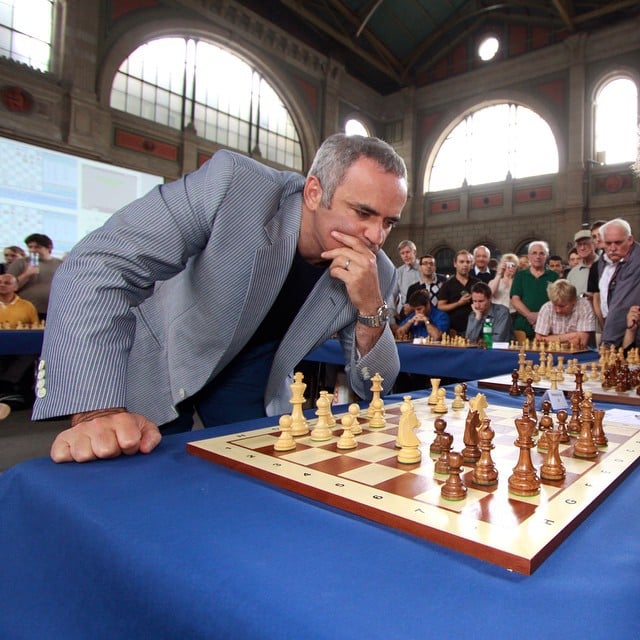
Former world chess champion Garry Kasparov dominated the chess world for decades with his aggressive playing style. His deep strategic understanding became legendary. His famous matches against IBM’s Deep Blue computer in the 1990s marked a pivotal moment in artificial intelligence development, yet beyond chess, he authored numerous books on strategy while serving as a political activist in Russia.
Leonardo da Vinci – 180-220 (estimated)
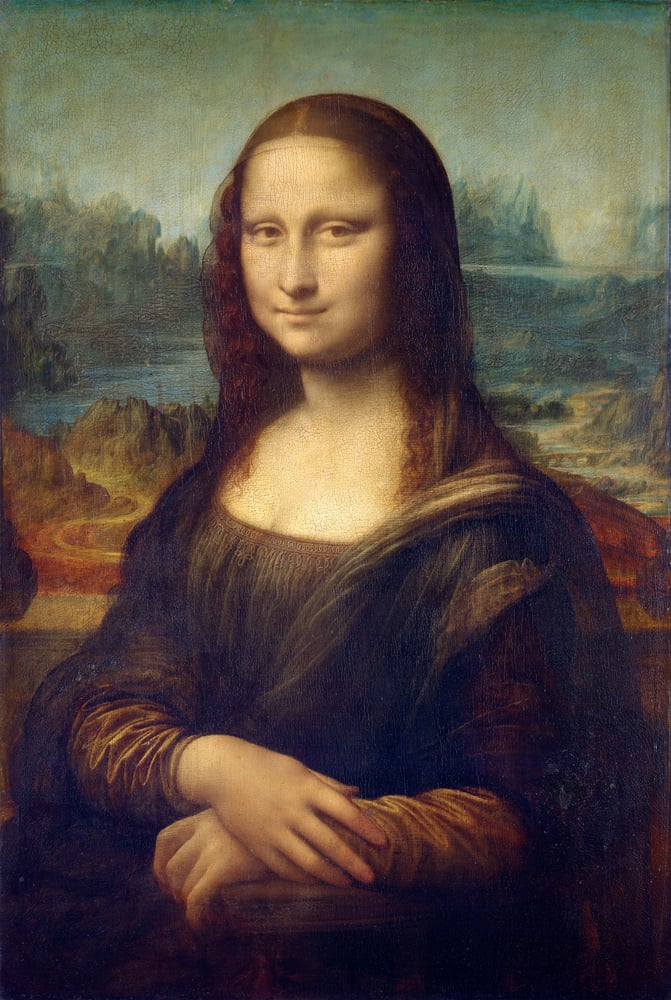
— Illustration by BreizhAtao
Leonardo da Vinci’s estimated IQ reflects his incredible versatility across art, engineering, anatomy, and scientific observation during the Renaissance period. His notebooks reveal a mind that could seamlessly blend artistic creativity with scientific inquiry — producing inventions centuries ahead of their time. From the Mona Lisa to designs for flying machines, his work continues inspiring modern innovation.
Albert Einstein – 160-180 (estimated)

— Photo by Grey82
Albert Einstein revolutionized physics with his theories of relativity, fundamentally changing our understanding of space, time, and gravity. Contrary to popular myth, he was an excellent student who showed early mathematical brilliance — not the struggling student many believe him to have been. His ability to think in abstract concepts and visualize complex physical phenomena led to discoveries that continue shaping modern science.
Johann Goethe – 210 (estimated)

— Photo by Tarkus
German polymath Johann Goethe made significant contributions to literature, science, and philosophy during the late 18th and early 19th centuries. Best known for his literary masterpiece ‘Faust,’ he also conducted groundbreaking research in botany, anatomy, and color theory — proving that genius often refuses to stay within neat boundaries. His ability to excel across such diverse fields demonstrates the kind of intellectual flexibility that high IQ scores attempt to measure.
Gottfried Leibniz – 205 (estimated)
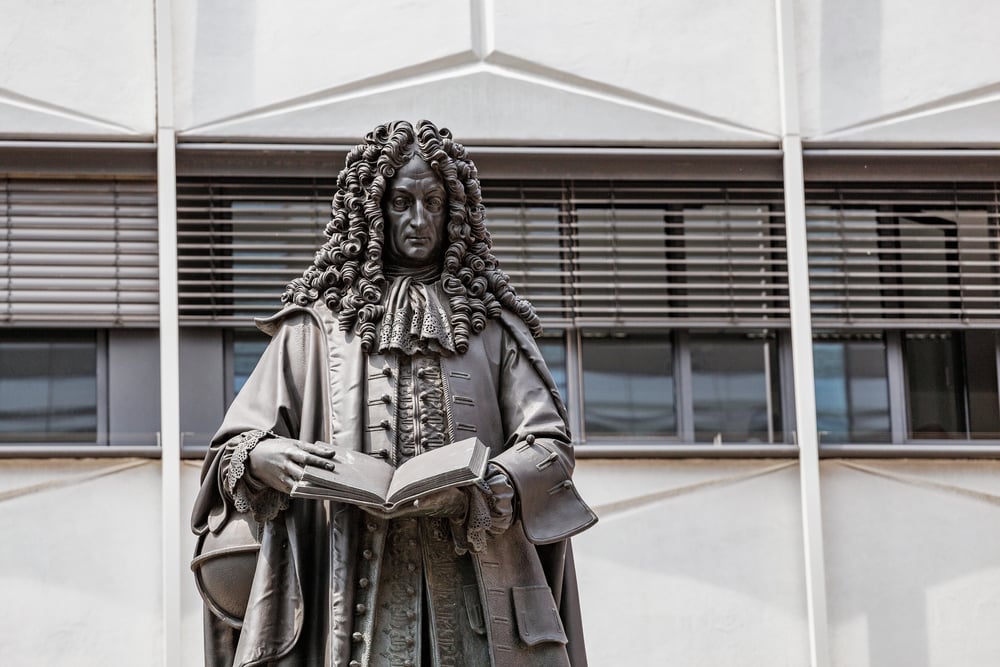
— Photo by frantic00
Gottfried Leibniz independently developed calculus around the same time as Isaac Newton — leading to one of history’s greatest mathematical controversies. Beyond mathematics, he made contributions to philosophy, logic, and early computing concepts with his binary number system. His dream of a universal symbolic language for human thought was centuries ahead of its time, though it sounds remarkably similar to what we’re trying to achieve with artificial intelligence today.
Voltaire – 190-200 (estimated)

French Enlightenment writer Voltaire combined razor-sharp wit with profound philosophical insights that challenged the established order of 18th-century Europe. His satirical works like ‘Candide’ used humor to expose social and political hypocrisies while advancing ideas about religious tolerance and civil liberties. His influence on modern democratic thought can’t be overstated, yet he managed to make serious philosophy entertaining.
John Stuart Mill – 200 (estimated)

British philosopher John Stuart Mill began learning Greek at age three and Latin shortly afterward, demonstrating the kind of early intellectual development often associated with exceptional IQ scores. His works on political economy, logic, and individual liberty helped shape modern liberal democratic theory. His essay ‘On Liberty’ remains one of the most influential works in political philosophy, though it wasn’t exactly light reading for his contemporaries.
Blaise Pascal – 195 (estimated)
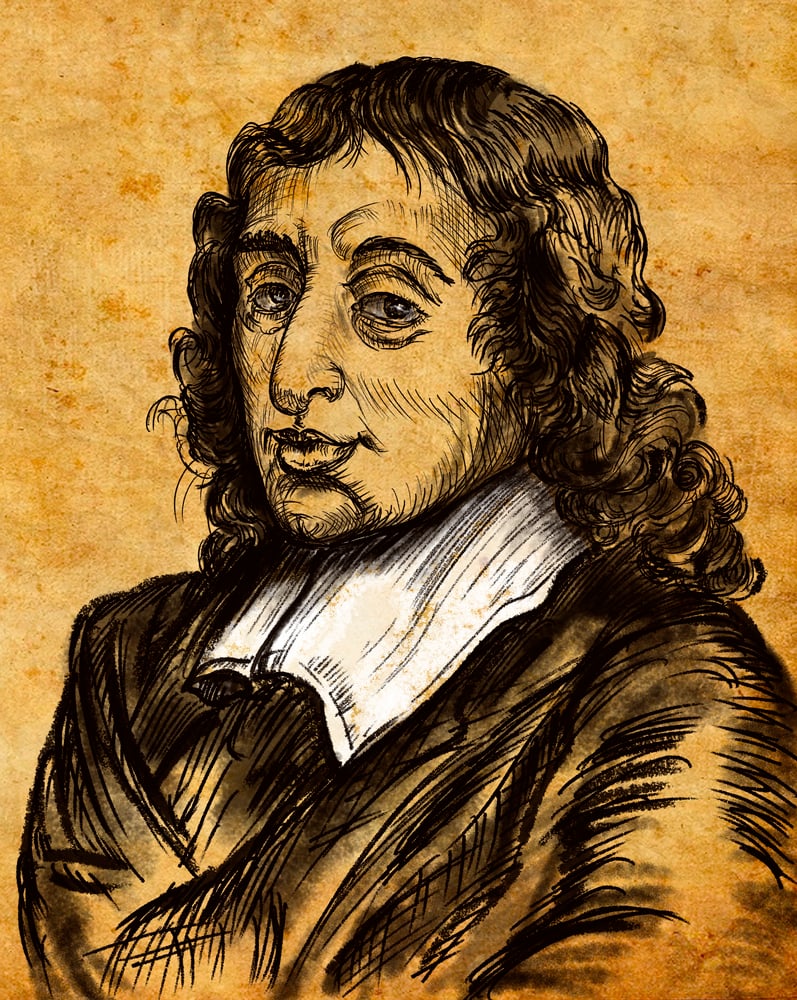
French mathematician and philosopher Blaise Pascal made groundbreaking contributions to mathematics, physics, and religious philosophy before his death at age 39. He invented one of the first mechanical calculators while laying the groundwork for probability theory and fluid dynamics. His philosophical work ‘Pensées’ explores the relationship between reason and faith with remarkable depth, proving that brilliant minds often grapple with life’s biggest questions.
Isaac Newton – 190 (estimated)

Isaac Newton’s laws of motion and universal gravitation provided the foundation for classical physics, remaining unchallenged for over two centuries. His work ‘Principia Mathematica’ is considered one of the most important scientific books ever written, yet Newton himself was reportedly quite difficult to work with. Beyond physics, he made significant contributions to mathematics and optics while even serving as Master of the Royal Mint.
Adragon De Mello – 400 (disputed)

Adragon De Mello’s reported IQ of 400 remains highly controversial, as most psychologists consider such scores impossible with current testing methods. He graduated from the University of California, Santa Cruz at age 11 with a degree in computational mathematics. However, many experts question the validity of his test results, arguing that IQ scores above 200 become increasingly meaningless.
Evangelos Katsioulis – 198

Greek psychiatrist Evangelos Katsioulis holds multiple world records for high IQ test performance across different testing organizations. He founded the World Intelligence Network, which aims to identify and connect highly intelligent individuals globally. His background in psychiatry gives him unique insights into the relationship between exceptional intelligence and mental health, though he’s discovered that high IQ doesn’t always correlate with life satisfaction.
The Numbers Game Today

These extraordinary IQ scores remind us that human intelligence comes in many forms, yet can’t always be captured by a single number. While some of these individuals changed the course of human history, others found that exceptional intelligence brought its own unique challenges. Success and happiness remained elusive despite their cognitive gifts. The debate over what intelligence really means continues evolving as we better understand the complexity of the human mind, though one thing’s certain: these scores represent the outer limits of measured human cognitive ability.
More from Go2Tutors!

- 16 Historical Figures Who Were Nothing Like You Think
- 12 Things Sold in the 80s That Are Now Illegal
- 15 VHS Tapes That Could Be Worth Thousands
- 17 Historical “What Ifs” That Would Have Changed Everything
- 18 TV Shows That Vanished Without a Finale
Like Go2Tutors’s content? Follow us on MSN.