Coldest Capital Cities to Visit
Most people dream of tropical vacations with warm beaches and endless sunshine. But some travelers crave the opposite experience—the kind of cold that takes your breath away and creates landscapes that look like they belong on another planet.
Capital cities in the world’s coldest regions offer unique winter experiences you simply can’t find anywhere else, from frozen rivers you can walk across to architecture designed specifically to withstand brutal temperatures. Here are the capital cities where winter isn’t just a season but a way of life that shapes everything.
Ulaanbaatar, Mongolia
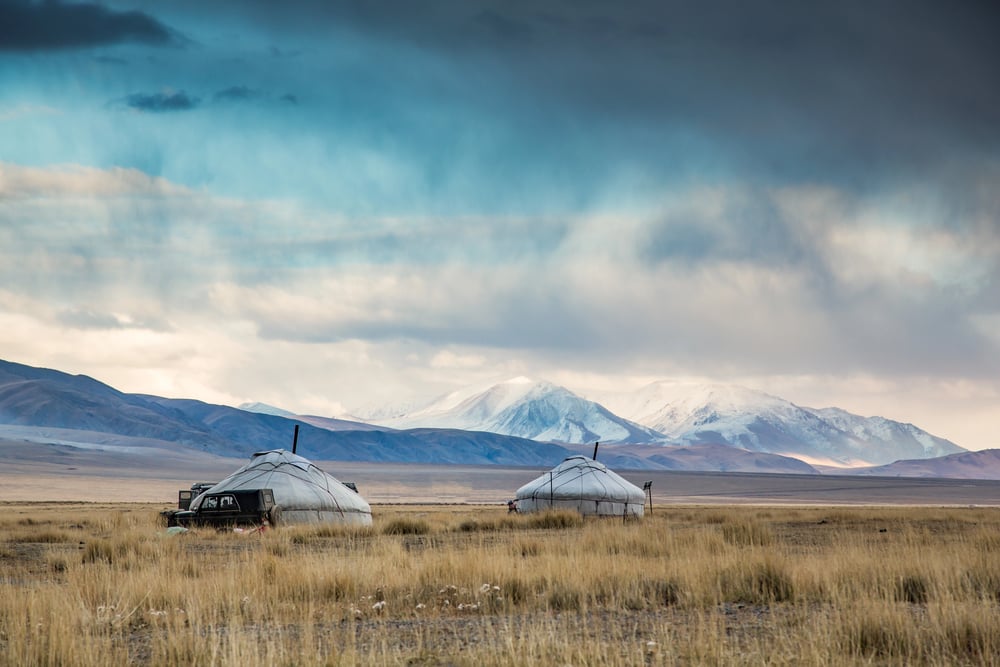
Mongolia’s capital holds the title of coldest capital city on Earth with average January temperatures around minus 4 degrees Fahrenheit. The city sits in a valley surrounded by mountains, which traps cold air and creates temperature inversions that make winters even more brutal.
Temperatures regularly drop below minus 40 degrees during the coldest months. Despite the extreme cold, over 1.5 million people call Ulaanbaatar home and have adapted their entire lives around the climate.
The city features district heating systems and special winter markets where locals bundle up to shop for traditional felt boots and heavy wool clothing.
Astana, Kazakhstan
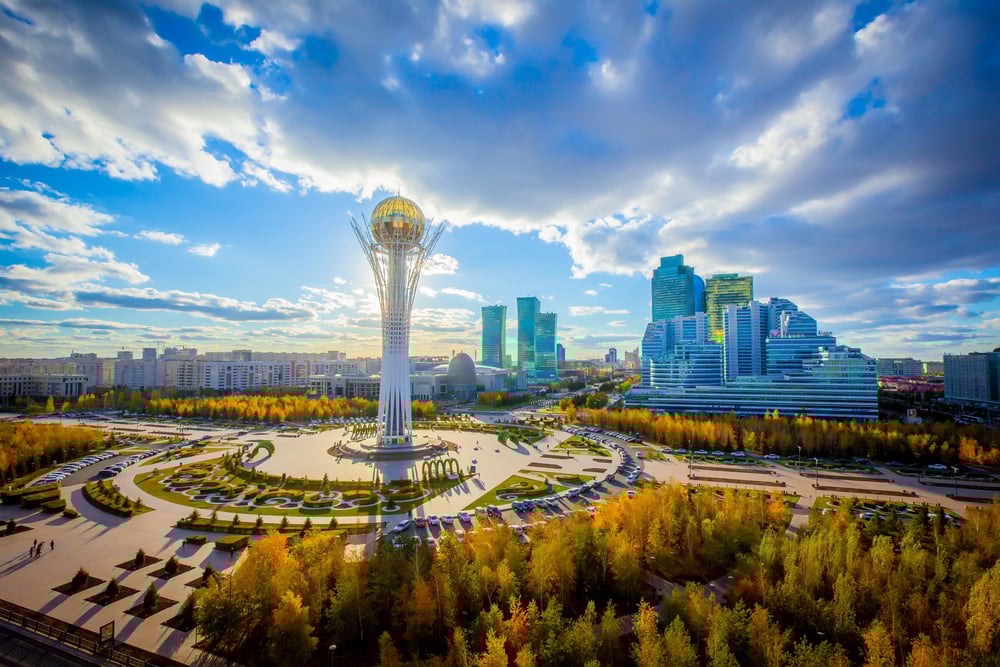
Kazakhstan moved its capital to Astana (now called Nur-Sultan) in 1997, choosing a location where winter temperatures average around 3 degrees Fahrenheit in January. The city experiences some of the most dramatic temperature swings on Earth, with summers reaching 95 degrees and winters plunging to minus 60.
Architects designed many buildings with special materials and engineering to withstand these extremes. The bitter cold creates stunning ice formations along the Ishim River that runs through the city.
Wind chill makes the already freezing temperatures feel even more dangerous, so residents learn to respect winter’s power from childhood.
Moscow, Russia
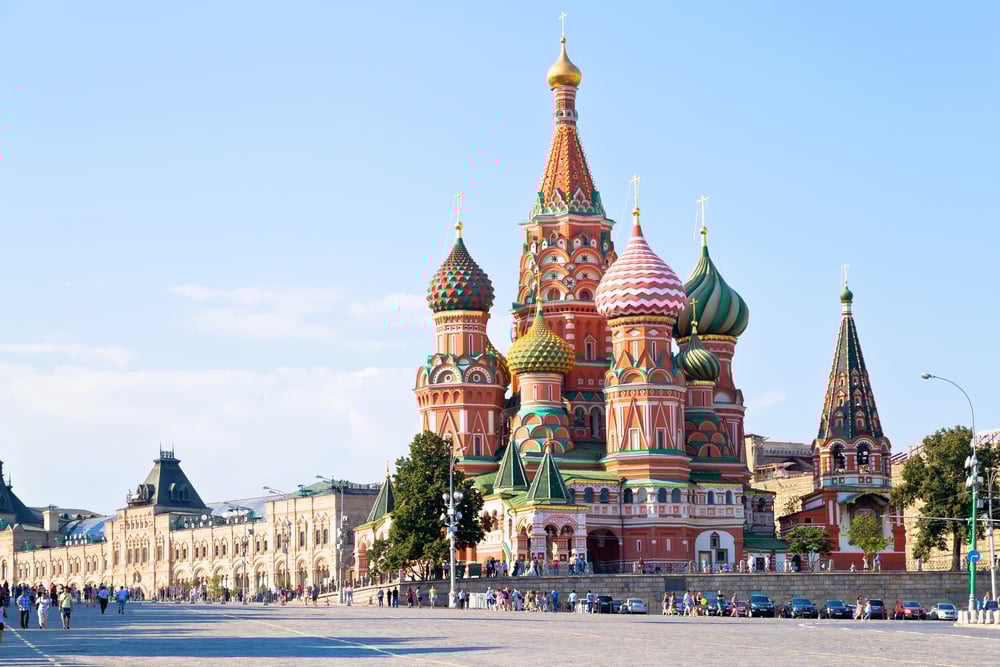
Russia’s capital experiences harsh winters with January averages hovering around 14 degrees Fahrenheit, though temperatures often drop much lower. The city transforms into a winter wonderland with Red Square hosting ice skating rinks and the Moscow River freezing solid enough to walk on.
Russian architecture evolved specifically to handle brutal winters, with thick walls and small windows that preserve heat. Muscovites have developed a culture around winter that includes visiting banyas (traditional saunas) and drinking hot tea constantly.
The Metro system becomes a warm refuge where commuters escape the surface cold.
Helsinki, Finland
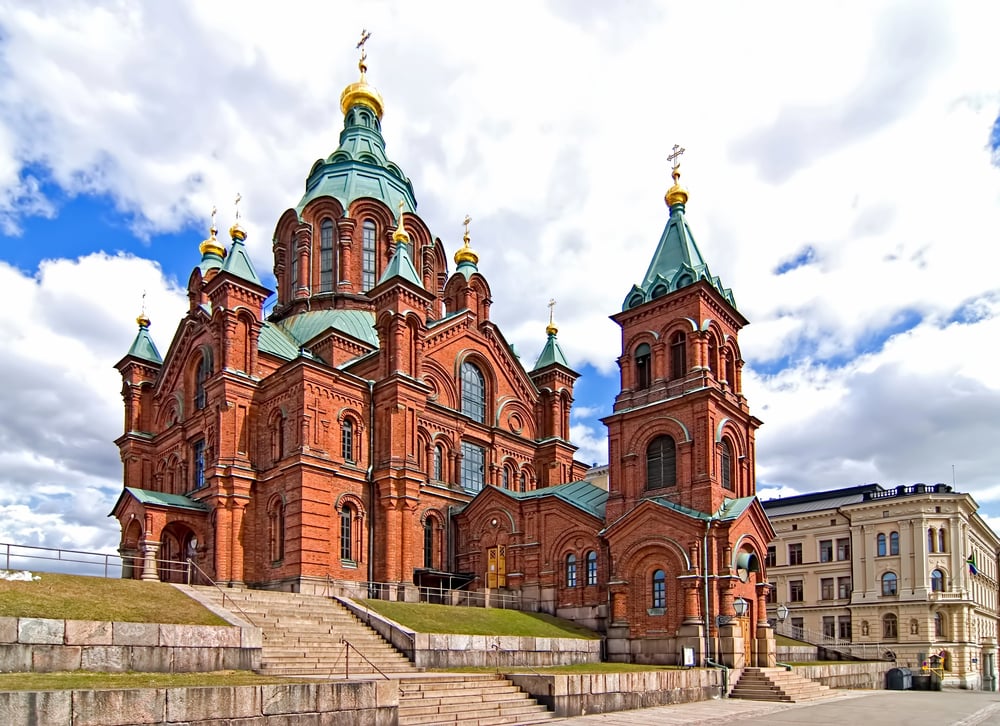
Finland’s coastal capital sits at a northern latitude that guarantees long, dark, cold winters with January temperatures averaging 23 degrees Fahrenheit. The Baltic Sea surrounding the city freezes over during the coldest months, creating eerie ice landscapes.
Helsinki residents embrace the darkness and cold with outdoor winter sports, heated terraces at cafes, and a culture that refuses to let weather stop daily life. The city maintains heated sidewalks in downtown areas to prevent ice buildup.
Finnish design philosophy stems partly from creating cozy, warm interiors that contrast with the harsh outdoor conditions.
Reykjavik, Iceland

Iceland’s capital might surprise people since it’s actually warmer than expected due to Gulf Stream influences, but January still averages around 31 degrees Fahrenheit. The real challenge comes from relentless wind that makes any temperature feel much colder.
Reykjavik gets less than four hours of daylight during the darkest winter days. The city runs almost entirely on geothermal energy, which provides heating even during the coldest weather.
Icelanders have a saying that there’s no such thing as bad weather, only bad clothing, and they mean it.
Tallinn, Estonia
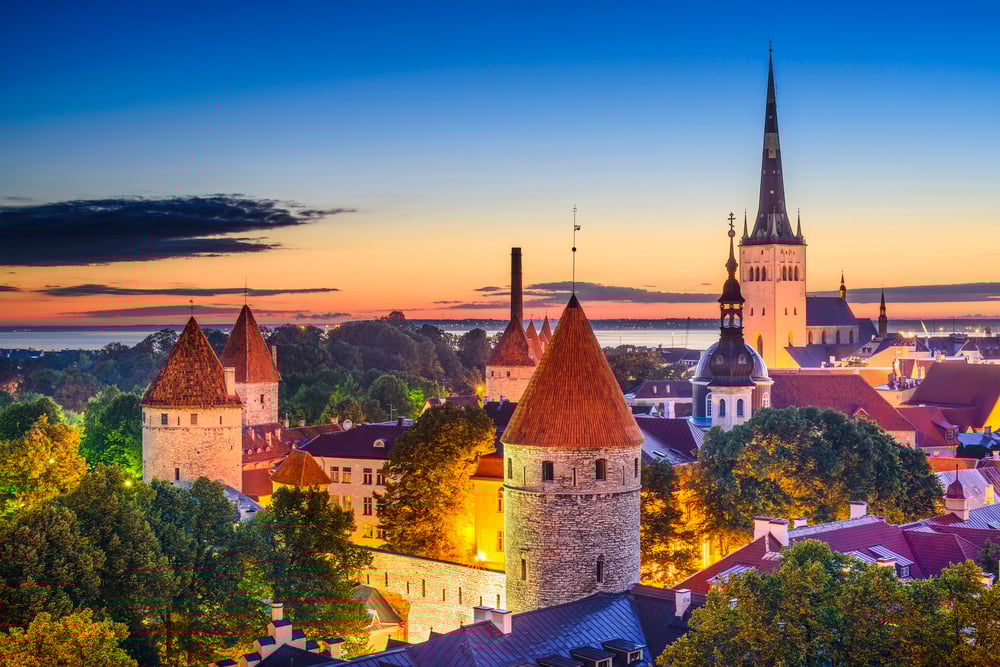
Estonia’s medieval capital faces Baltic winters with January temperatures averaging around 25 degrees Fahrenheit. The Old Town’s cobblestone streets become treacherous ice rinks that locals navigate with special winter boots featuring metal spikes.
Tallinn’s architecture reflects centuries of adaptation to cold weather with thick stone walls and minimal windows. The city’s Christmas markets stay open through winter, with vendors and shoppers bundling up to enjoy mulled wine and traditional foods.
Digital infrastructure helps residents minimize time outdoors, as Estonia leads the world in online government services.
Ottawa, Canada

Canada’s capital endures winters that average 14 degrees Fahrenheit in January, with windchills pushing apparent temperatures far lower. The Rideau Canal freezes solid and transforms into the world’s largest skating rink at 4.8 miles long.
Ottawans treat winter as an opportunity rather than an obstacle, with festivals, outdoor hockey, and ice sculpture competitions. The government installed heated bus shelters and underground walkways connecting major buildings downtown.
Snow removal becomes a massive municipal operation that runs 24 hours a day during heavy snowfall.
Minsk, Belarus
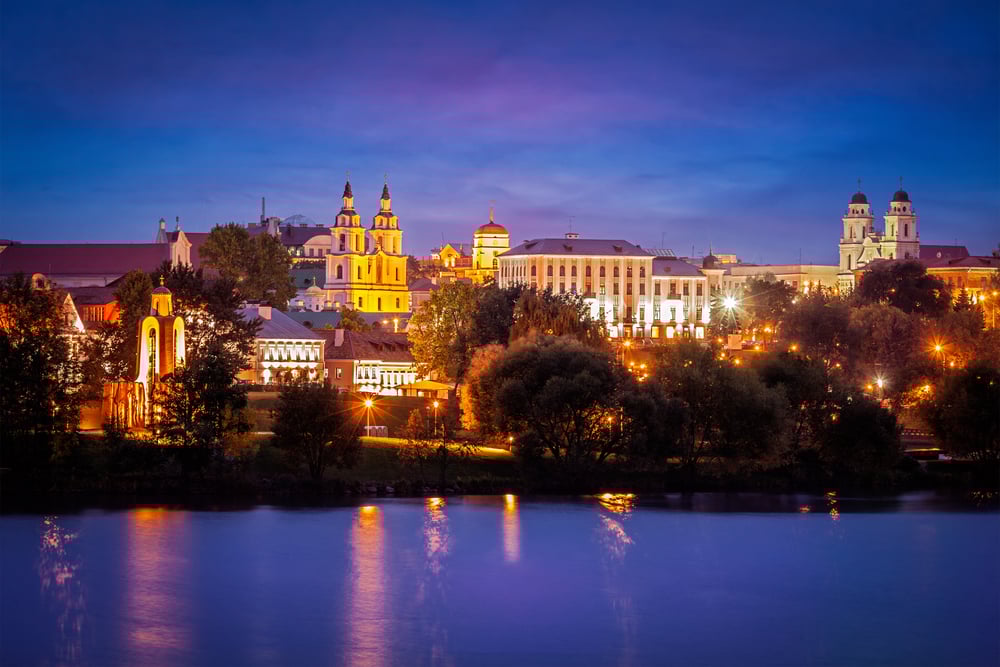
Belarus chose Minsk as its capital despite winters averaging around 19 degrees Fahrenheit in January. Soviet-era architecture dominates the cityscape, with buildings designed for functionality in extreme cold rather than aesthetic appeal.
The city’s wide boulevards become wind tunnels that amplify the cold during winter storms. District heating systems warm most residential buildings, though aging infrastructure sometimes fails during the coldest snaps.
Minsk residents have perfected the art of layering clothing, with fur hats and heavy coats being essential winter gear.
Vilnius, Lithuania
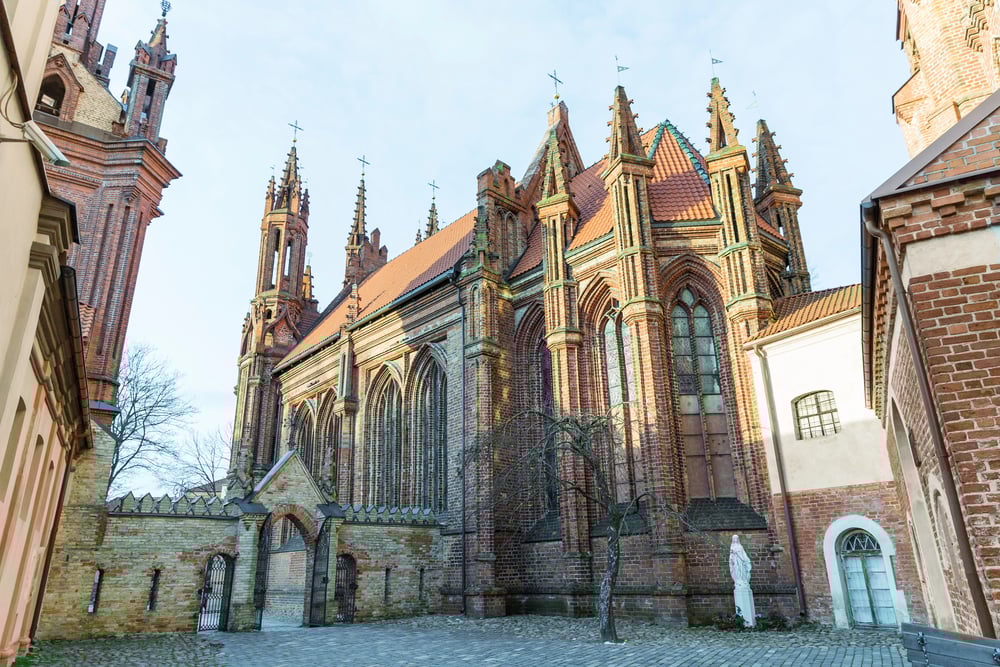
Lithuania’s capital faces winter temperatures averaging 26 degrees Fahrenheit in January, with the old city’s narrow streets providing some wind protection. The baroque architecture wasn’t designed for modern heating systems, making winter particularly challenging in historic buildings.
Vilnius developed a cafe culture partly because people need warm places to gather during long winters. The city lights up elaborately during winter holidays to combat the seasonal darkness.
Local tradition involves ice fishing on frozen lakes just outside the city limits.
Riga, Latvia

Latvia’s capital sits on the Baltic coast where winter averages 26 degrees Fahrenheit and sea winds make it feel much colder. The Daugava River freezes during the coldest winters, though climate change has made this less reliable.
Art Nouveau buildings throughout the city feature beautiful but drafty designs that residents struggle to heat efficiently. Riga hosts winter festivals that celebrate rather than avoid the cold, with outdoor concerts and markets.
The city’s residents have developed a dry sense of humor about their weather, joking that they have two seasons: winter and road construction.
Stockholm, Sweden
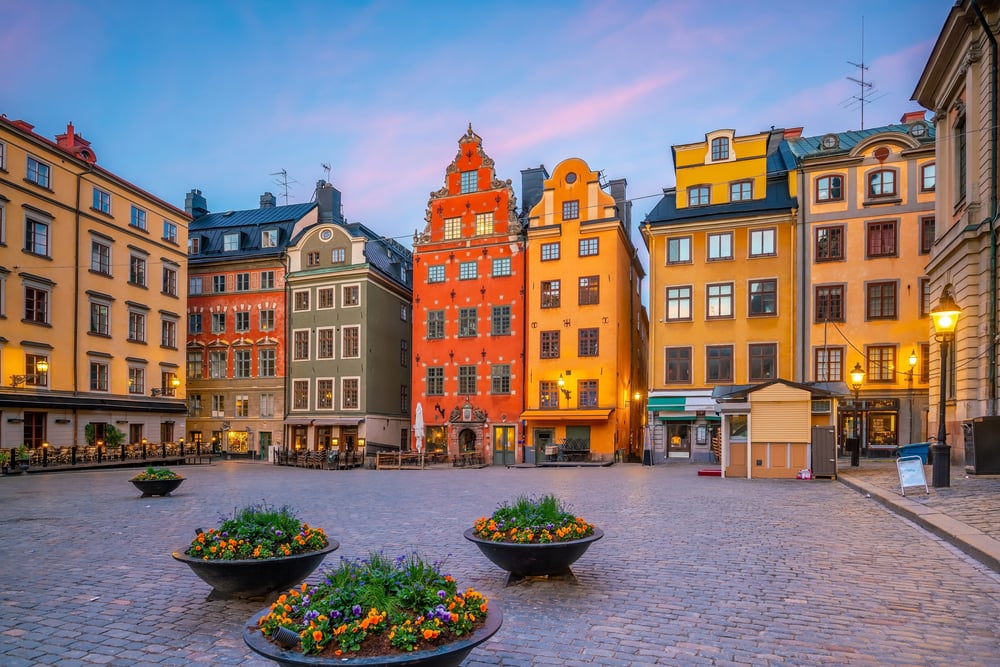
Sweden’s capital spreads across 14 islands where winter temperatures average 27 degrees Fahrenheit, relatively mild for its northern latitude. The archipelago freezes over during cold years, connecting islands that are usually separated by water.
Stockholm’s older buildings feature beautiful tile stoves called kakelugnar that provided heat for centuries. Modern Swedish design emphasizes creating warm, comfortable interior spaces called ‘mysig’ to counter the dark winters.
The city maintains an extensive tunnel system for pedestrians to avoid surface weather.
Oslo, Norway
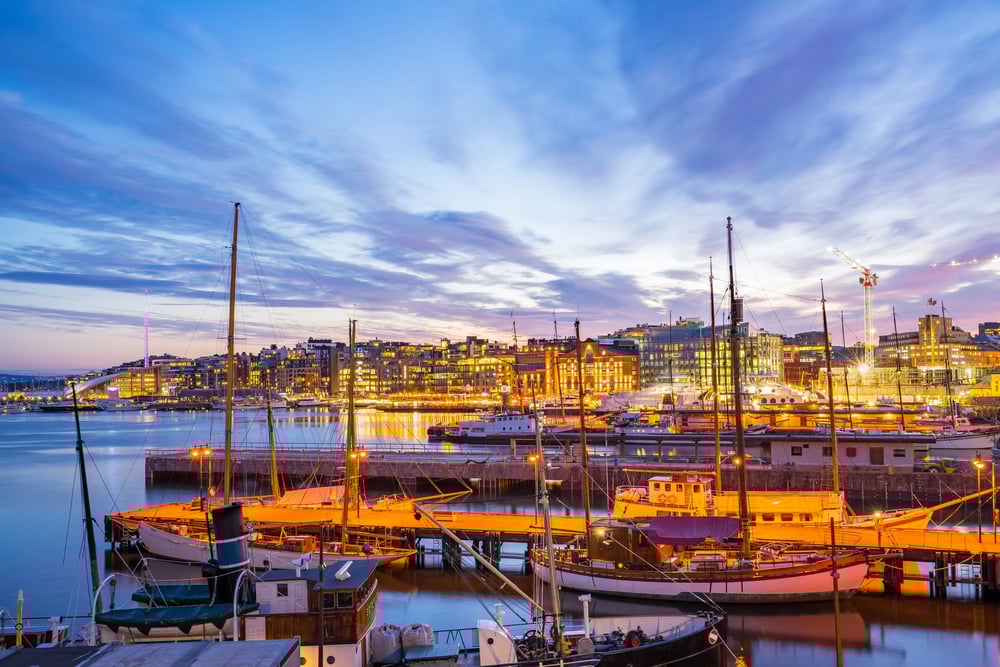
Norway’s capital nestles between forests and fjords where January averages 25 degrees Fahrenheit. Mountains surrounding Oslo create microclimates where temperature can vary significantly across different neighborhoods.
The city built its culture around winter sports, with ski trails accessible by public transportation. Oslo’s building codes require extreme insulation standards that make homes comfortable even during the coldest weather.
Norwegians practice ‘friluftsliv’ or open-air living, which means embracing outdoor activities regardless of temperature.
Sarajevo, Bosnia and Herzegovina

Bosnia’s capital sits in a valley where cold air settles, creating January averages around 30 degrees Fahrenheit. The city hosted the 1984 Winter Olympics on mountains that still offer skiing just outside downtown.
Ottoman-era architecture mixes with Austro-Hungarian and Yugoslav buildings, none of which were designed for modern heating efficiency. Wood and coal heating still supplements or replaces central systems in many neighborhoods.
The cold combines with the city’s elevation to create persistent winter fog that blankets the valley.
Bucharest, Romania

Romania’s capital experiences continental winters with January temperatures averaging 28 degrees Fahrenheit and occasional severe cold snaps. Communist-era construction created massive concrete blocks that are expensive to heat and often poorly insulated.
The Palace of Parliament, one of the world’s largest buildings, costs a fortune to heat during winter. Bucharest’s winter air quality suffers when residents burn wood and coal for supplemental heating.
The city’s parks and lakes freeze over, creating opportunities for ice skating on natural surfaces.
Warsaw, Poland

After World War II, Poland’s capital rose again from ruins. Cold air moves freely over open land without blockage by mountains or forests.
In January, average temperatures sit near 28 degrees Fahrenheit. A network built under Soviet influence delivers heat through pipes underground.
This system continues serving large parts of the city today. Ice forms on the Vistula River when a deep freeze sets in.
Sometimes it thickens so much that walkers step onto it despite warnings. Locals rely on rich meals like beet soup and meaty casseroles.
These dishes stick around not just for taste but for their ability to fuel bodies in long chills.
Prague, Czech Republic
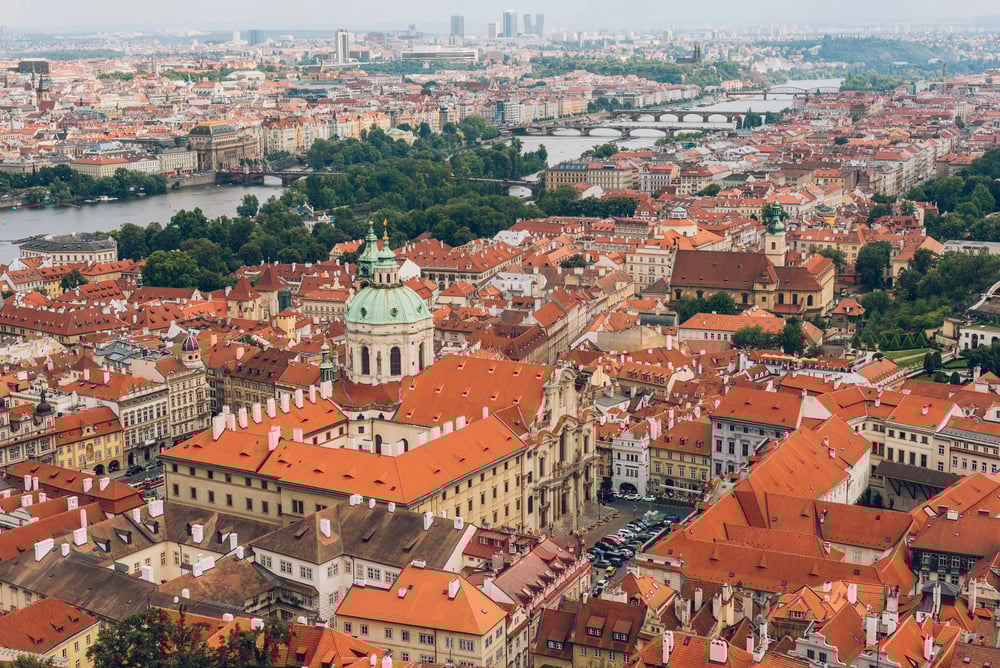
Winter in Prague stays around 31 degrees Fahrenheit, cold enough yet softened by how little extreme frost shows up. Humidity sneaks through coats, making temperatures seem lower than they read.
Old buildings from medieval times line the streets, beautiful under snow but built long before anyone thought about central heating. When ice storms hit, Charles Bridge turns slick, risky to walk on – still packed with people regardless.
Holiday markets pop up with wooden stalls where folks sip hot spiced wine while standing in the chill. Pubs stay busy, full of locals sipping dark beer, escaping the damp air that lingers after sunset.
Winter locks each city in its quiet way
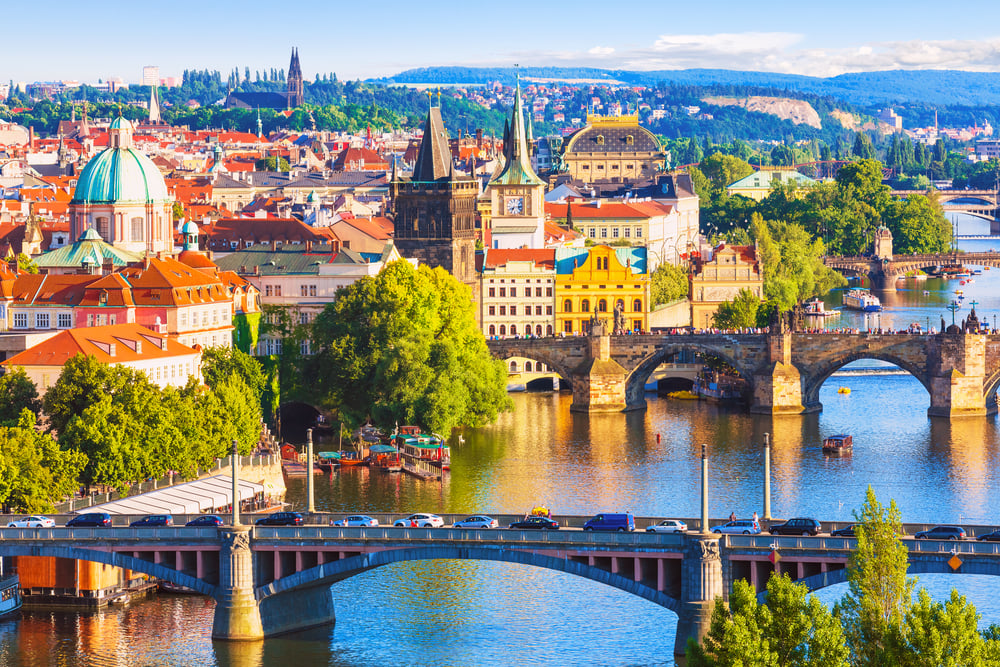
Frozen streets breathe stories of people who live without apology. Not just surviving, but dancing through months when frost owns the air.
Homes rise with walls built to hold warmth like secrets. Meals steam with roots pulled from soil that freezes solid half the year.
Neighbors meet in spaces where breath hangs while laughter cuts through. Life moves slower here, yet never breaks.
Even silence feels deliberate beneath snow-heavy roofs. Celebrations burst bright against long nights, refusing darkness any power.
Each warm room is a quiet win. Cities not tamed by ice – shaped by it.
More from Go2Tutors!

- The Romanov Crown Jewels and Their Tragic Fate
- 13 Historical Mysteries That Science Still Can’t Solve
- Famous Hoaxes That Fooled the World for Years
- 15 Child Stars with Tragic Adult Lives
- 16 Famous Jewelry Pieces in History
Like Go2Tutors’s content? Follow us on MSN.



