16 Wonderful Inventions Created by Clever Children
When adults think about innovation, they picture labs and boardrooms and years of careful planning. Children approach problems differently.
They see something that annoys them and figure out how to fix it — no committees, no market research, just the stubborn belief that things could work better. Some of these kid inventors stumbled onto solutions while playing around in their bedrooms.
Others spent months sketching ideas that grown-ups had somehow missed. What they all share is that peculiar mix of curiosity and impatience that makes childhood such a fertile ground for genuine breakthroughs.
Braille

Louis Braille was fifteen when he perfected the reading system that bears his name. Blind since age three, he’d grown frustrated with the clunky raised-letter method schools used at the time.
The breakthrough came from an unexpected source. A French military officer had developed a “night writing” system using raised dots so soldiers could read messages in darkness.
Braille took that concept and made it elegant — six dots arranged in different patterns, each representing a letter or number.
Popsicles

Frank Epperson left a cup of powdered soda mix and water on his porch one winter night in 1905. He was eleven years old and probably got distracted by something more interesting than stirring his drink properly.
The next morning, he found his mixture frozen solid with the wooden stirring stick standing upright in the center. Most kids would have tossed it and made a fresh cup.
Epperson tasted it instead. He called his accidental creation the “Epsicle” — a name that thankfully didn’t stick when he started selling them eighteen years later.
Trampoline
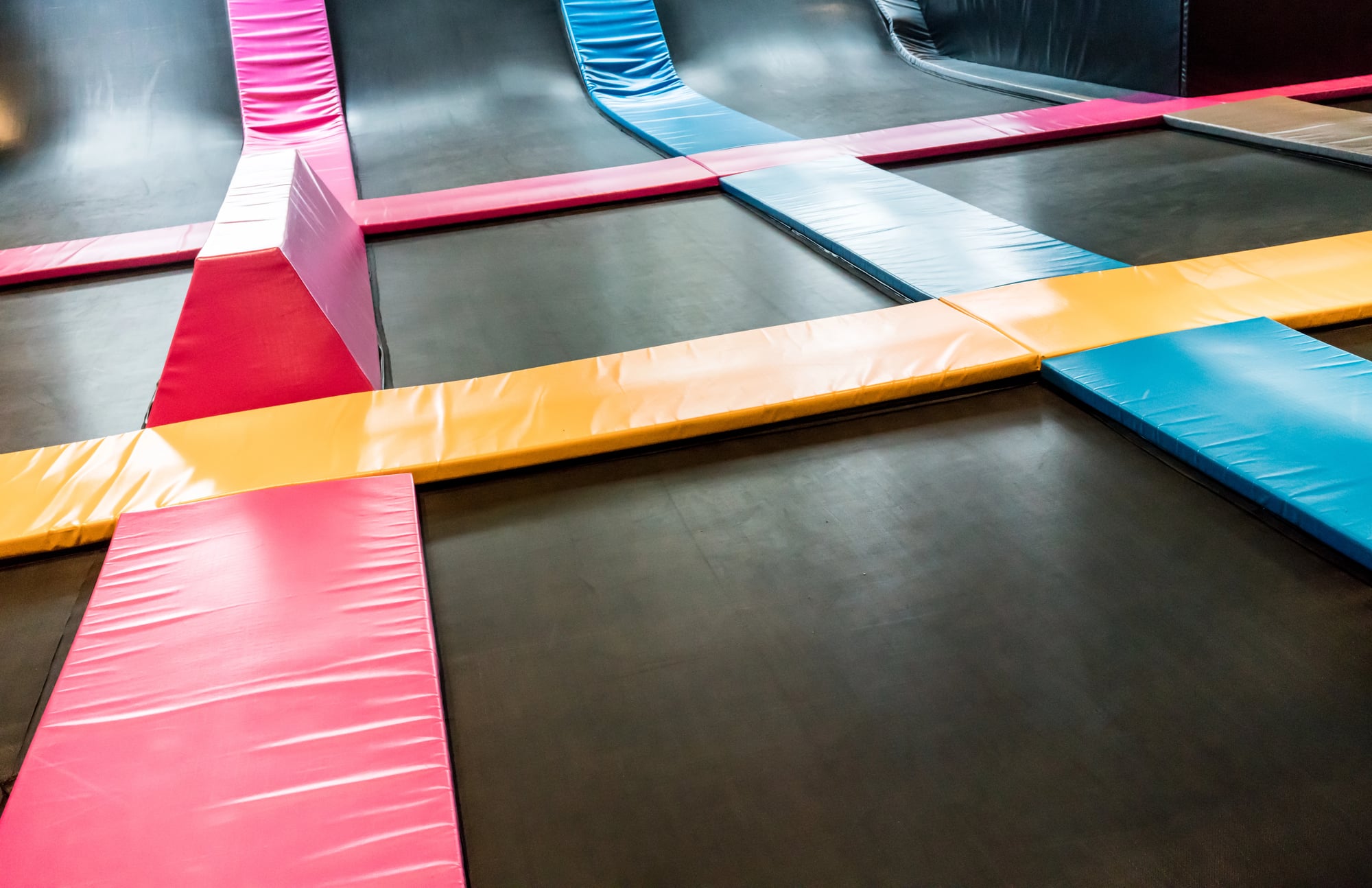
The story of the trampoline begins with George Nissen watching circus acrobats at a show when he was sixteen (though he’d been thinking about the concept since he was eleven, tinkering with ideas in his parents’ garage). What struck him wasn’t the performers’ skill — it was how they bounced briefly on the safety net before dropping to the ground, and how that moment seemed wasted somehow.
Nissen went home and started experimenting: canvas stretched over an iron frame, adjusting the tension until the bounce felt right, then adjusting it again because the first attempt launched him higher than he’d expected (which was both terrifying and exactly what he’d hoped for). He named it after the Spanish word “trampolín,” meaning diving board.
The device would eventually become standard equipment in gymnastics training, though Nissen probably had no idea about any of that when he was just trying to bounce higher than his backyard fence would normally allow.
Earmuffs

Winter makes your ears hurt. Chester Greenwood was fifteen and tired of the problem, so he did something about it.
This was 1873, and most people just accepted that cold ears were part of winter. Greenwood bent some wire into loops and asked his grandmother to sew fur padding onto them.
The result looked odd but worked perfectly. He improved the design over the years and eventually held patents on multiple versions.
Farmington, Maine — his hometown — still celebrates Chester Greenwood Day every December.
Water Skis

Ralph Samuelson was eighteen when he decided that if you could ski on snow, you should be able to ski on water. The logic seemed obvious to him, even if the execution proved tricky.
His first attempts used regular snow skis, which didn’t work at all — they cut through the water instead of gliding on top of it. So he made his own: two pine boards, eight feet long, with leather straps nailed on as bindings.
He bent the tips up by boiling them and clamping them in his mother’s washboiler, then leaving them to dry overnight. The breakthrough came on Lake Pepin in Minnesota in 1922.
Samuelson figured out that leaning back was the key — let the boat pull you up onto the surface instead of fighting it. Water skiing was born, though it would take years for anyone to pay much attention.
Ice Hockey Mask
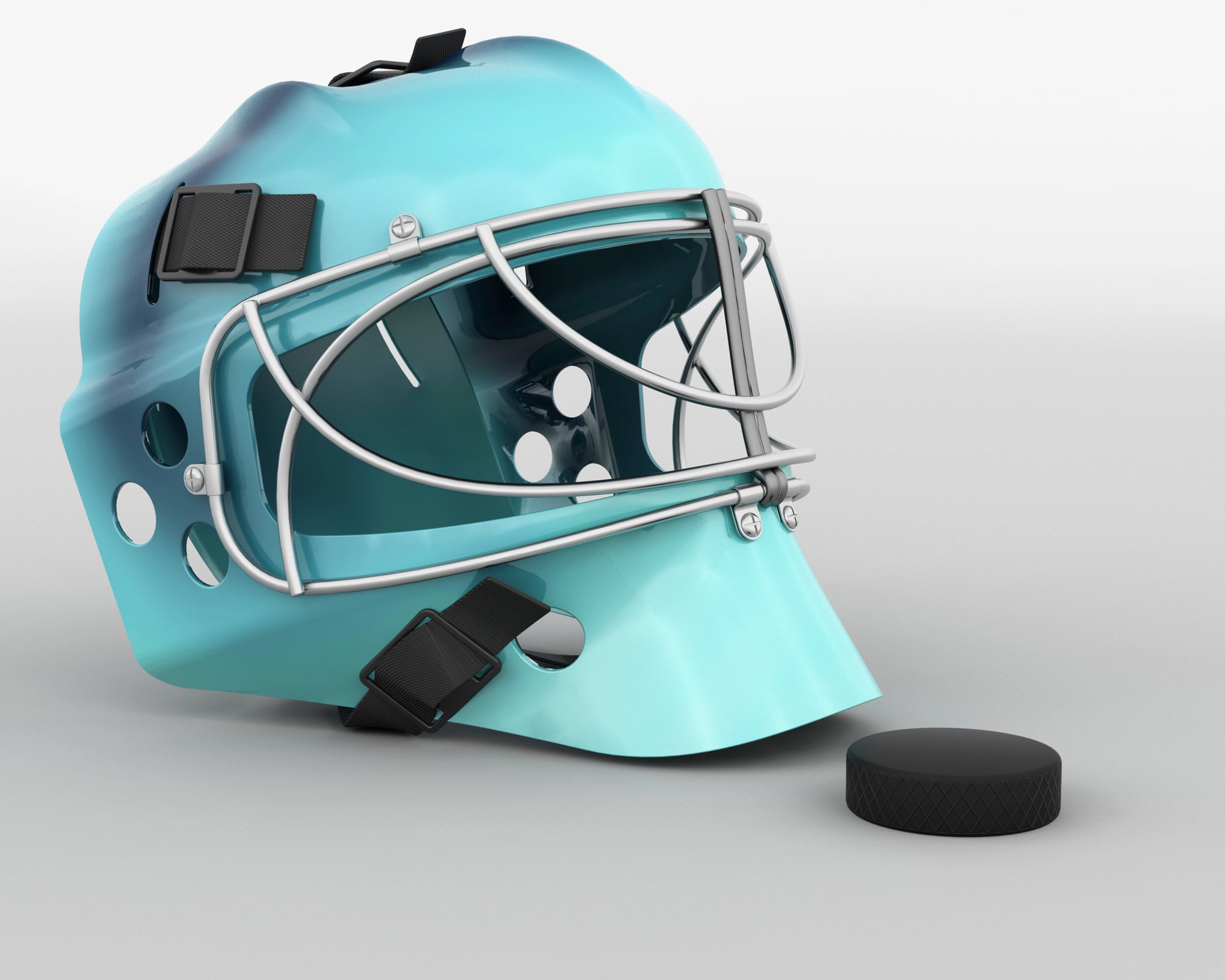
The idea arrives like this: you’re twelve years old, standing in net while your friends fire frozen rubber discs at your face, and it occurs to you that maybe this arrangement could be improved. Jacques Plante wasn’t thinking about revolutionizing hockey when he first strapped on a mask during backyard games in Quebec — he was thinking about keeping his teeth.
The professional version came later, when Plante was already an NHL goalie and took one too many pucks to the face. But the seed of the idea was planted in childhood, in those moments when common sense whispers that protection might be more important than tradition.
Hockey culture fought the mask for years, viewing it as cowardly. The pucks bouncing off goalies’ faces apparently disagreed.
Television

Philo Farnsworth understood how television could work when he was fourteen years old, plowing straight furrows in an Idaho potato field. The rows reminded him of the scanning lines that could build up an image, line by line, the way his plow was covering the field.
The technical execution took years of work and fighting patent battles with RCA. But the core insight — that you could capture and transmit moving images electronically rather than mechanically — belonged to a teenager with dirt under his fingernails.
Farnsworth demonstrated his “image dissector” in 1927. He transmitted the image of a straight line, then rotated the slide ninety degrees.
The line on the receiving screen rotated too. Television had arrived.
Super Soaker
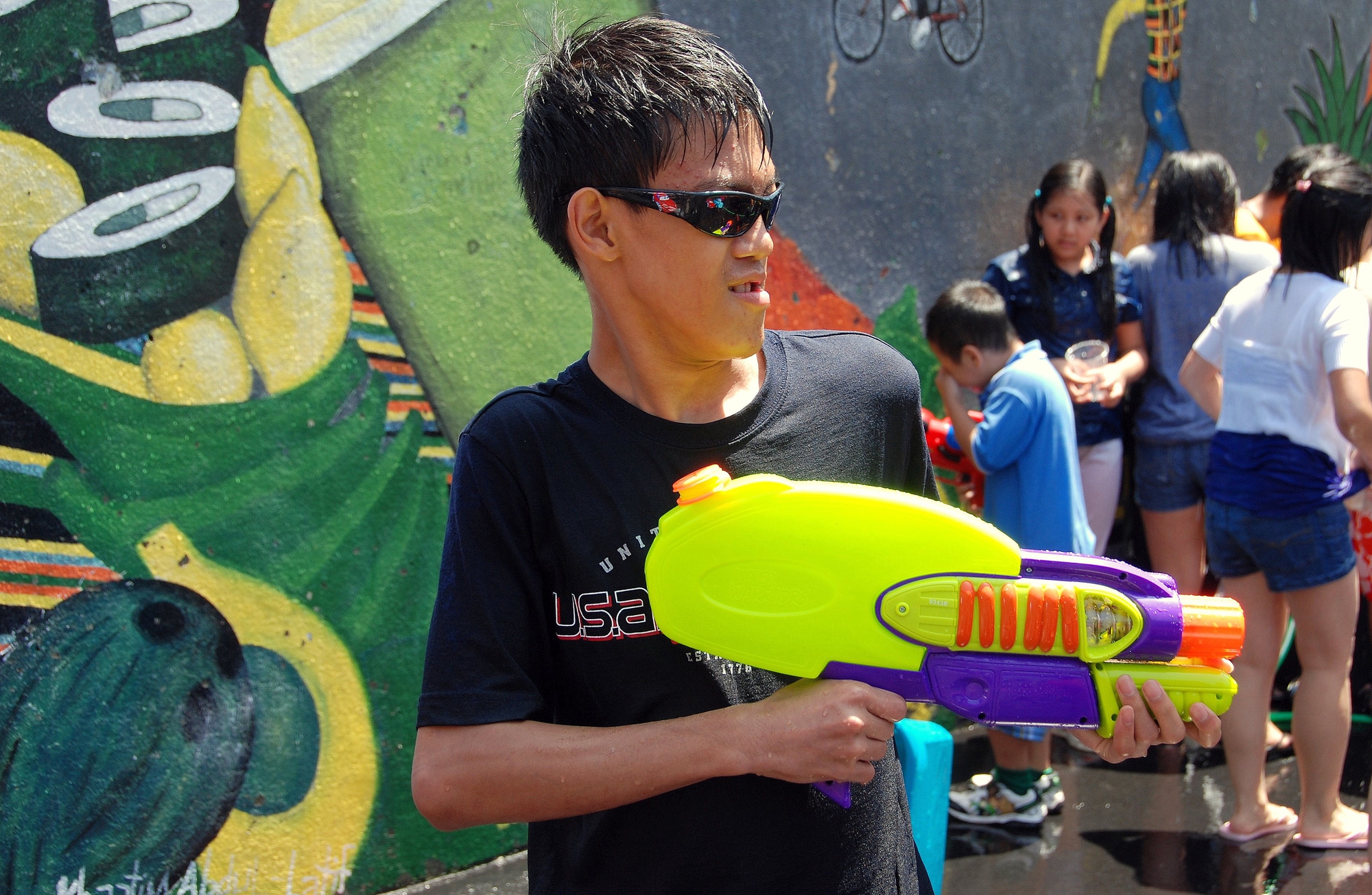
Lonnie Johnson was working on a different invention entirely when he accidentally created the most powerful water gun in history. He was testing a heat pump that used water instead of freon, and when he fired a high-pressure stream across his bathroom, he immediately forgot about heat pumps.
Johnson was an adult by then, but he’d been that kid who took apart radios and built rocket engines in his bedroom. The Super Soaker represented the same impulse that had driven him since childhood: if something doesn’t work the way you want it to, figure out how to make it better.
The toy industry initially wasn’t interested. Water guns were supposed to be simple, cheap plastic things that dribbled weakly.
Johnson’s prototype could shoot a stream thirty feet and soak someone thoroughly. Turns out that’s exactly what kids wanted.
Snowmobile

Joseph-Armand Bombardier was fifteen when he built his first snow vehicle in 1922. He’d been thinking about the problem for years — how to move across snow faster than walking but more reliably than horses.
His solution was beautifully straightforward: take a Ford Model T engine and mount it on skis, with a wooden propeller for thrust. The contraption worked well enough that his father ordered him to take it apart, worried about safety.
Bombardier kept refining the concept. His later designs used tracks instead of propellers and became the foundation for the modern snowmobile industry.
Swim Fins
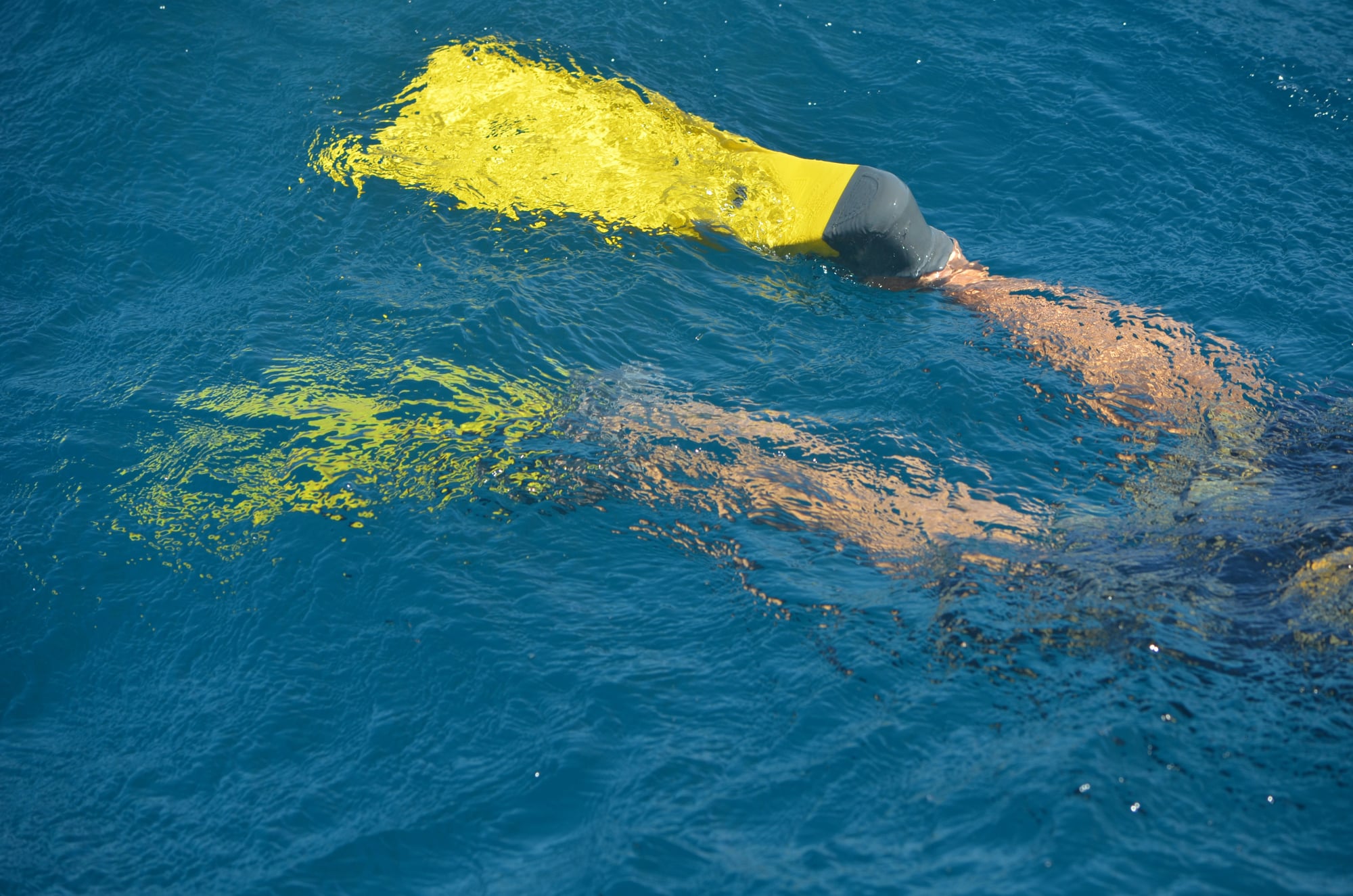
The ocean moves differently when you’re small — the waves seem bigger, the currents stronger, and your legs never quite generate enough power to go where you want to go. Benjamin Franklin was eleven when he decided to solve this problem by strapping wooden paddles to his hands and feet, creating the first swim fins.
This was 1717, and Franklin was already the kind of kid who looked at problems and saw engineering challenges. The wooden paddles worked, though he noted that they tired out his wrists faster than he’d expected.
His later experiments focused on feet-only fins, which proved more practical. Franklin would go on to invent dozens of other things, but swim fins represented something essential about his approach to the world: if your body isn’t quite adapted for something, adapt your tools instead.
Crystal Radio
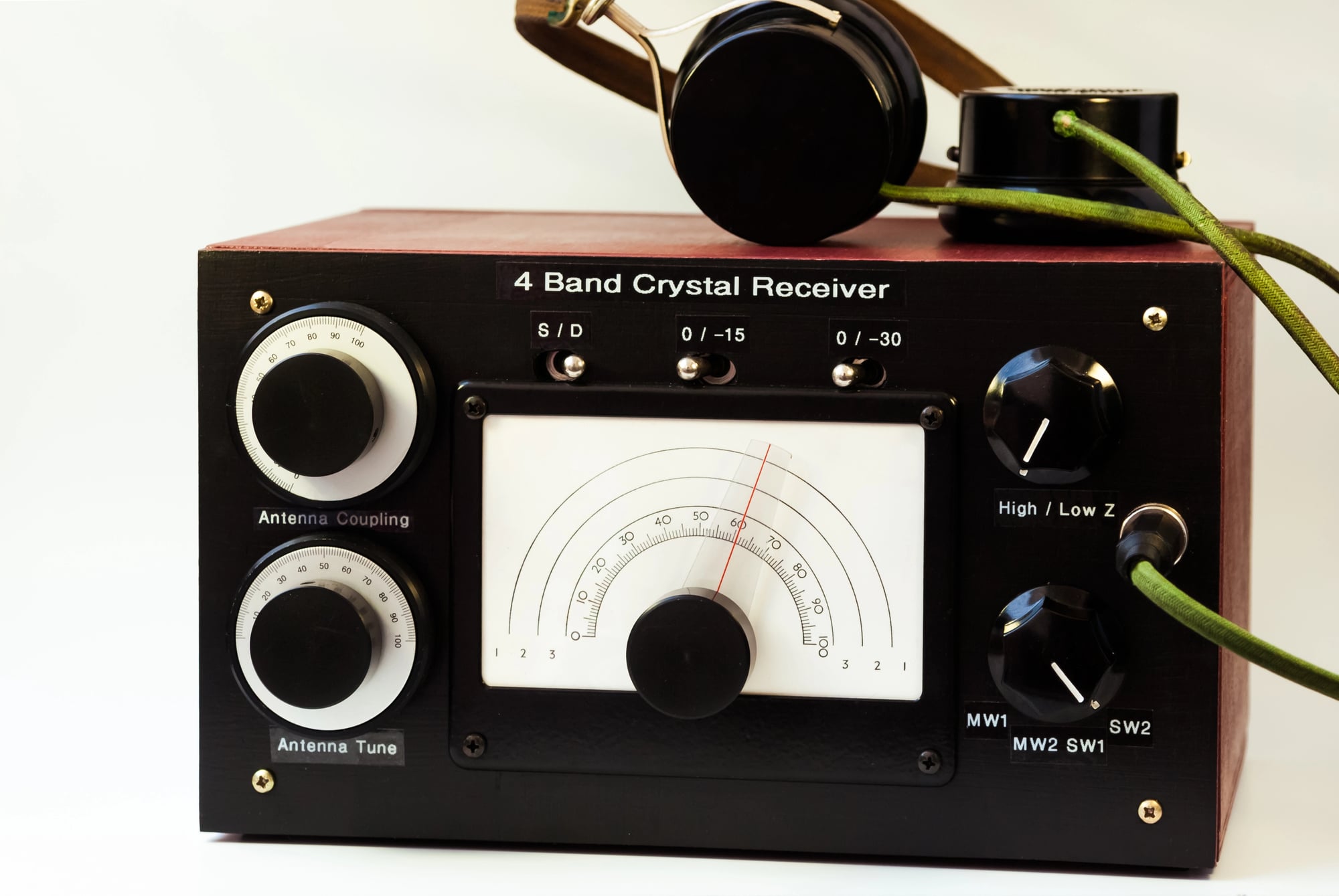
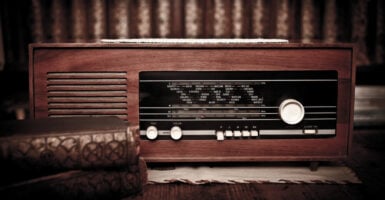
Crystal radios require no external power source. They pull energy from radio waves themselves, converting electromagnetic signals into sound through a crystal detector and some basic components.
Kids built these throughout the early 1900s, often learning electronics by trial and error. The circuits were simple enough to assemble on a bedroom workbench, but the principle behind them was sophisticated — using natural crystals like galena to rectify radio frequency signals into audio.
Many future engineers and inventors got their start winding coils and adjusting crystal detectors, learning that the invisible spectrum around them was full of voices and music, waiting to be captured.
Toy Truck

The first toy truck was built by a child who wanted something that didn’t exist in stores. This was 1920s America, and toy cars were common enough, but trucks were still relatively new on real roads.
Charles Pajeau’s son kept asking for a toy version of the delivery trucks he saw around town. When Pajeau couldn’t find one to buy, they built their own from wood scraps and metal wheels.
The prototype led to a successful toy company, but it started with a kid who noticed that the toy aisle didn’t match the world outside his window. The first mass-produced toy trucks were almost identical to that original homemade version — simple, sturdy, and built to withstand the kind of play that involves crashes, cargo hauling, and imaginative construction sites.
Makin’ Bacon

Abbey Fleck was eight when she got tired of bacon grease splattering all over the stove. Her solution was elegantly simple: hang the bacon strips vertically so the grease would drip down into a tray below.
She designed a plastic rack that held bacon upright in the microwave. The grease collected in a drip tray, the bacon cooked evenly, and no one had to stand over a hot stove getting splattered with grease.
Fleck’s father helped her get a patent and find a manufacturer. Makin’ Bacon became a successful product, proving that some of the best inventions solve everyday annoyances that adults have learned to tolerate.
Wristies

Kathryn Gregory was ten when she invented fingerless gloves with thumb holes. She’d been building a snow fort and kept pulling off her mittens to get a better grip, but then her hands would get too cold to work effectively.
Her solution split the difference: warm fabric covering the palms and backs of her hands, but with fingers free for detailed work. She called them “Wristies” and convinced her mother to help her sew prototypes.
The product caught on with other kids who faced the same problem — needing warmth and dexterity at the same time. Gregory eventually licensed the design to a major manufacturer, but the original insight belonged to a ten-year-old who refused to choose between warm hands and functional fingers.
Colored Car Wax

Like most worthwhile discoveries, this one happened because someone young enough to think the rules didn’t make sense decided to break them anyway. Car wax came in one color — clear — and Robert Patch was six years old when he started wondering why it had to stay that way.
His father worked on cars in their garage, and Patch spent hours watching the process: clean, wax, buff, repeat. The wax protected the paint but didn’t add anything visually.
So Patch started experimenting with food coloring, mixing drops into small amounts of wax to see what would happen. The colored wax not only worked but made small scratches less visible when the color matched the car’s paint.
At six years old, Patch became one of the youngest people ever to receive a U.S. patent.
Modified Fishing Lure

Jeanie Low was ten years old when she realized that fishing lures were designed by people who apparently didn’t understand fish very well. The standard lures moved through water in straight lines, which seemed unnatural to her — real fish dart and weave when they’re trying to escape predators.
Her modified design added a second hook positioned at a different angle, creating an erratic swimming motion that better mimicked injured baitfish. The lure proved more effective at attracting larger fish, particularly bass and pike.
Low’s invention caught the attention of professional fishermen who’d been using the same basic lure designs for decades. Sometimes it takes a ten-year-old to point out that the conventional wisdom might be missing something obvious.
When Innovation Feels Like Play

These inventions share something that gets lost in most adult innovation: they started with someone young enough to believe that problems were meant to be solved, not endured. No market research, no focus groups, just the conviction that if something bothered them, it was worth fixing.
The best part might be how simple most of these solutions turned out to be. Vertical bacon cooking, fingerless gloves, colored wax — ideas so straightforward that adults had somehow spent decades walking right past them.
More from Go2Tutors!

- The Romanov Crown Jewels and Their Tragic Fate
- 13 Historical Mysteries That Science Still Can’t Solve
- Famous Hoaxes That Fooled the World for Years
- 15 Child Stars with Tragic Adult Lives
- 16 Famous Jewelry Pieces in History
Like Go2Tutors’s content? Follow us on MSN.