15 Business Partnerships That Ended in Disaster
Two brilliant minds coming together with a shared vision can create magic. Companies like Apple, Microsoft, and Google all started with partnerships that changed the world. However, for every success story, there’s another tale of ambition, ego, and irreconcilable differences that turned promising collaborations into corporate catastrophes.
Business partnerships resemble marriages in many ways—they begin with high hopes and grand plans, yet when things go wrong, they can get messy fast. Here is a list of 16 business partnerships that crashed and burned spectacularly.
The Beatles and Apple Corps

The Fab Four figured running a business would be as simple as writing hit songs—they were wrong. Apple Corps, founded in 1968, was meant to be a creative haven for artists.
Instead, it became a financial nightmare plagued by poor management and internal fighting that would make corporate boardrooms look peaceful.
Ben & Jerry’s Original Partnership

B. Cohen and J. Greenfield launched their ice cream empire with a $12,000 investment plus a friendship dating back to seventh grade. Their partnership worked beautifully for years—until the company grew into a corporate giant.
Different visions for the future created tension between the childhood friends.
Steve Jobs and John Sculley at Apple
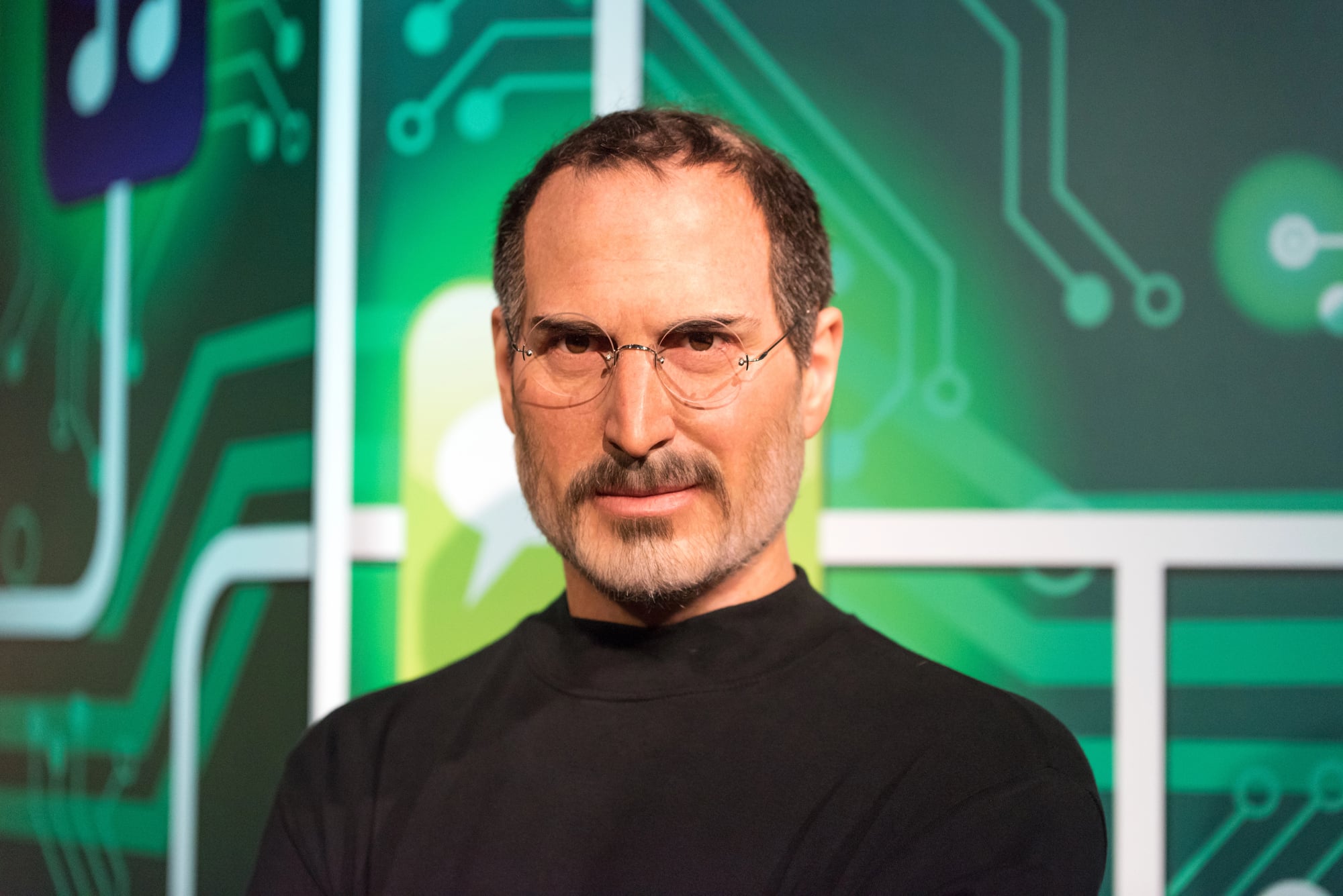
In 1983, Steve Jobs convinced PepsiCo president John Sculley to join Apple with his famous challenge: ‘Do you want to sell sugar water for the rest of your life, or do you want to come with me and change the world?’
Yet their partnership soured quickly.
The Weinstein Brothers

Harvey and Bob Weinstein built a Hollywood empire together, founding Miramax in 1979 before launching The Weinstein Company. For decades, they remained inseparable business partners who revolutionized independent filmmaking while winning countless awards.
Harvey’s 2017 downfall amid numerous assault allegations didn’t just destroy his career—it shattered their partnership and company entirely.
Paul Allen and Bill Gates at Microsoft

Microsoft’s co-founders began as childhood friends sharing a passion for computers, though their partnership grew increasingly strained as the company expanded. Allen felt sidelined by Gates’ aggressive management style while growing frustrated with his diminishing role despite being a co-founder.
His 1982 Hodgkin’s disease diagnosis provided a convenient exit from daily operations.
The Original Google Trio

Larry Page, Sergey Brin, and Eric Schmidt appeared to form the perfect leadership team when Schmidt joined Google as CEO in 2001. The partnership functioned well during Google’s explosive growth phase—Page and Brin handled technical aspects while Schmidt managed business operations.
By 2011, however, the founders wanted more control over their company’s direction.
AOL and Time Warner

This wasn’t merely a partnership—it was supposed to be the merger of the century when AOL acquired Time Warner for $165 billion in 2001. AOL’s Steve Case and Time Warner’s Gerald Levin promised to create a media powerhouse that would dominate the internet age.
Instead, they created one of history’s biggest corporate disasters.
Facebook’s Founding Team

Mark Zuckerberg’s partnerships with Harvard roommates Eduardo Saverin, Dustin Moskovitz, and Chris Hughes started promisingly yet quickly fell apart. Saverin, Facebook’s original CFO and co-founder, found himself frozen out after Zuckerberg moved operations to California without him.
Their relationship deteriorated so severely that Saverin sued Zuckerberg.
YouTube’s Original Founders

Chad Hurley, Steve Chen, and Jawed Karim created YouTube in 2005, though their partnership began fraying almost immediately after Google’s $1.65 billion acquisition. Karim felt marginalized while gradually distancing himself from his co-founders.
The trio’s relationship never recovered from early tensions over credit and recognition.
Yahoo’s Yang and Filo
Yahoo’s co-founders started as Stanford graduate students who created a web directory for fun, yet their partnership became strained as the company struggled to find its identity in the evolving internet landscape. Yang’s decision-making as CEO—particularly rejecting Microsoft’s $44.6 billion buyout offer in 2008—created tension with investors and his co-founder.
Filo focused more on technical aspects while Yang faced criticism for Yahoo’s declining relevance.
BlackBerry’s Mike Lazaridis and Jim Balsillie

Research In Motion’s co-CEOs seemed unstoppable when BlackBerry dominated the smartphone market in the early 2000s. Lazaridis handled technical vision while Balsillie managed business operations, but their partnership crumbled as they failed to respond to the iPhone threat.
Their different approaches to crisis management became apparent when BlackBerry’s market share collapsed.
Snapchat’s Founding Drama

Evan Spiegel and Bobby Murphy successfully built Snapchat into a social media giant, yet their partnership with original co-founder Reggie Brown ended in disaster before the app even launched. Brown claimed he came up with the idea for disappearing messages, though his co-founders pushed him out of the company in 2011.
The legal battle that followed lasted years and reportedly cost Snapchat millions in settlement fees.
Twitter’s Revolving Door of Founders

Twitter’s founding team of Jack Dorsey, Biz Stone, Evan Williams, and Noah Glass couldn’t maintain their partnership for long after creating one of the world’s most influential platforms. Glass was pushed out early in the company’s history, while Dorsey was removed as CEO in 2010 due to management concerns.
The constant leadership changes reflected the underlying tensions that plagued Twitter’s founding partnerships.
WeWork’s Adam Neumann and Miguel McKelvey
WeWork’s co-founders started with a shared vision of reimagining office space, yet their partnership became increasingly unbalanced as Neumann’s ego and erratic behavior overshadowed McKelvey’s more operational role. McKelvey, who handled much of the day-to-day business, found himself sidelined.
When WeWork’s IPO attempt collapsed in 2019 and Neumann was forced out, their partnership effectively ended.
Pandora’s Tim Westergren and Co-founders

Pandora’s founding team of Tim Westergren, Will Glaser, and Jon Kraft created the Music Genome Project with high hopes of revolutionizing how people discover music. However, their partnership faced constant stress as the company struggled financially for years.
By the time Pandora finally found success, the original partnership dynamics had changed significantly.
When Dreams Become Nightmares

These partnership disasters remind us that success in business requires more than just great ideas and initial chemistry between founders. The companies that survived their partnership breakups often did so because they had strong systems and cultures that transcended individual relationships.
Partnerships that thrived long-term were usually those where founders clearly defined roles, communicated openly about problems, and put the company’s interests above personal ego.
More from Go2Tutors!

- The Romanov Crown Jewels and Their Tragic Fate
- 13 Historical Mysteries That Science Still Can’t Solve
- Famous Hoaxes That Fooled the World for Years
- 15 Child Stars with Tragic Adult Lives
- 16 Famous Jewelry Pieces in History
Like Go2Tutors’s content? Follow us on MSN.



