16 Writing Systems That Tell Cultural Stories
Writing systems are like fingerprints—each one uniquely shaped by the culture that created it. From the flowing curves of Arabic script to the intricate characters of Chinese calligraphy, these systems carry far more than just words on a page.
They hold the stories of empires, religious movements, trade routes, and the everyday lives of people who needed to communicate across time and space. Think about it this way: when you see someone’s handwriting, you can often tell something about their personality, education, or even their mood.
Writing systems work the same way for entire civilizations. Here is a list of 16 writing systems that reveal fascinating cultural stories through their development, design, and survival.
Cuneiform
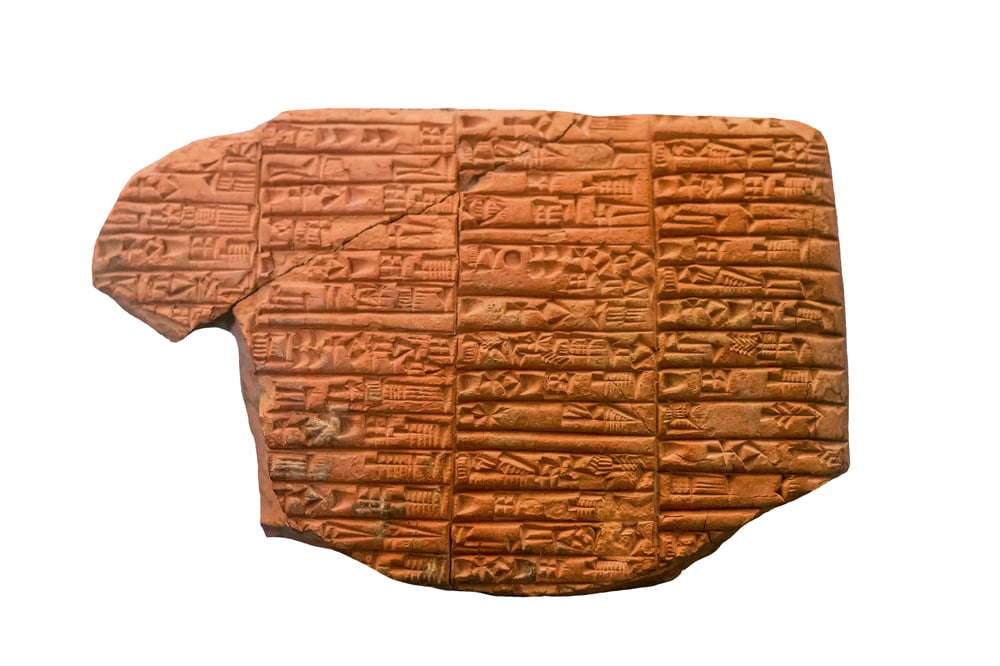
The world’s first writing system emerged around 3200 BCE in ancient Mesopotamia, literally pressed into wet clay with wedge-shaped tools. Cuneiform started as simple pictures for keeping track of grain and livestock but evolved into a complex system capable of recording everything from epic poetry to legal contracts.
The Sumerians, Babylonians, and Assyrians all used this system, spreading it across the Middle East like an ancient version of email.
Egyptian Hieroglyphs
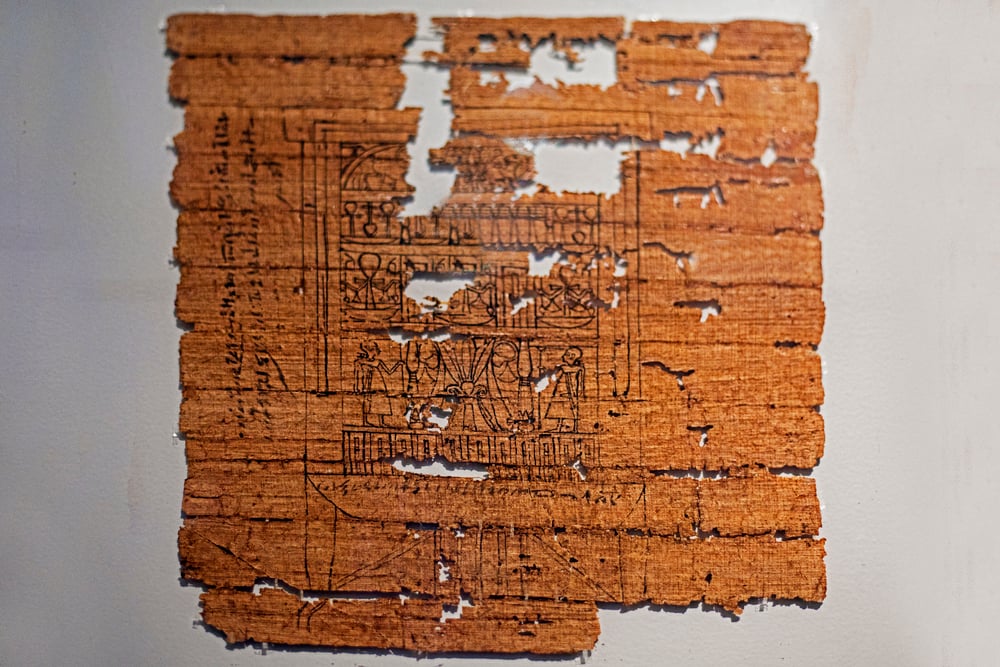
These aren’t just pretty pictures carved into temple walls—hieroglyphs represent one of humanity’s most sophisticated early writing systems. Ancient Egyptians developed three different scripts: hieroglyphic for religious and formal texts, hieratic for everyday writing, and demotic for business and legal documents.
The system survived for over 3,000 years, longer than Christianity has existed, showing just how deeply embedded it was in Egyptian culture.
Like Go2Tutors’s content? Follow us on MSN.
Chinese Characters
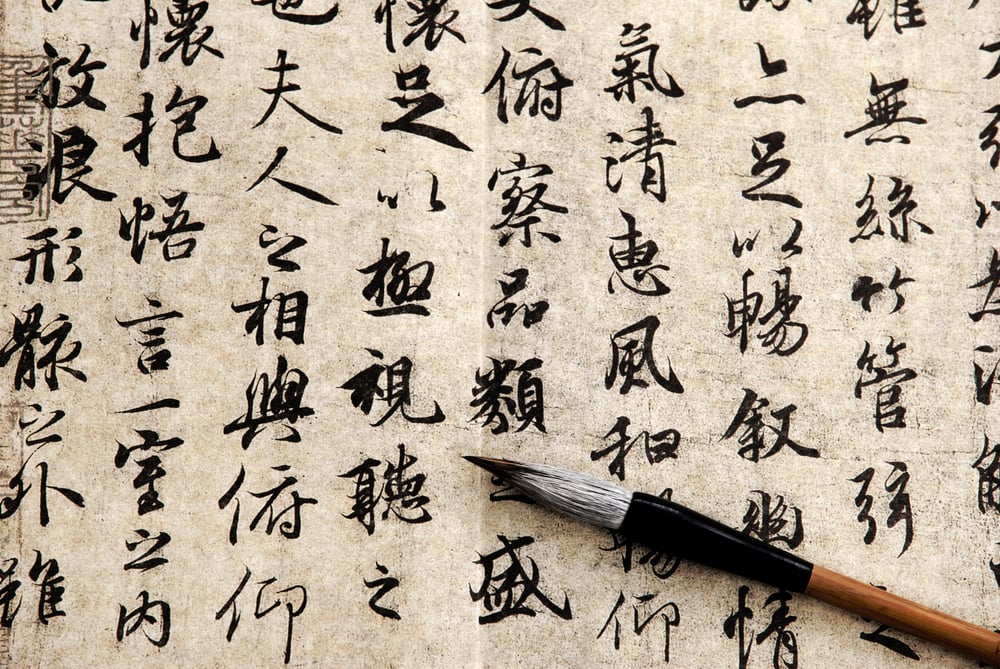
Chinese writing is unique because it’s the only ancient writing system still in active use today, connecting modern Chinese speakers directly to texts written thousands of years ago. Each character represents a concept rather than a sound, which means someone who can’t speak Mandarin might still understand written Chinese if they know the characters.
This logographic system helped unify China’s many spoken dialects under one written language, making it a powerful tool for cultural and political unity.
Arabic Script
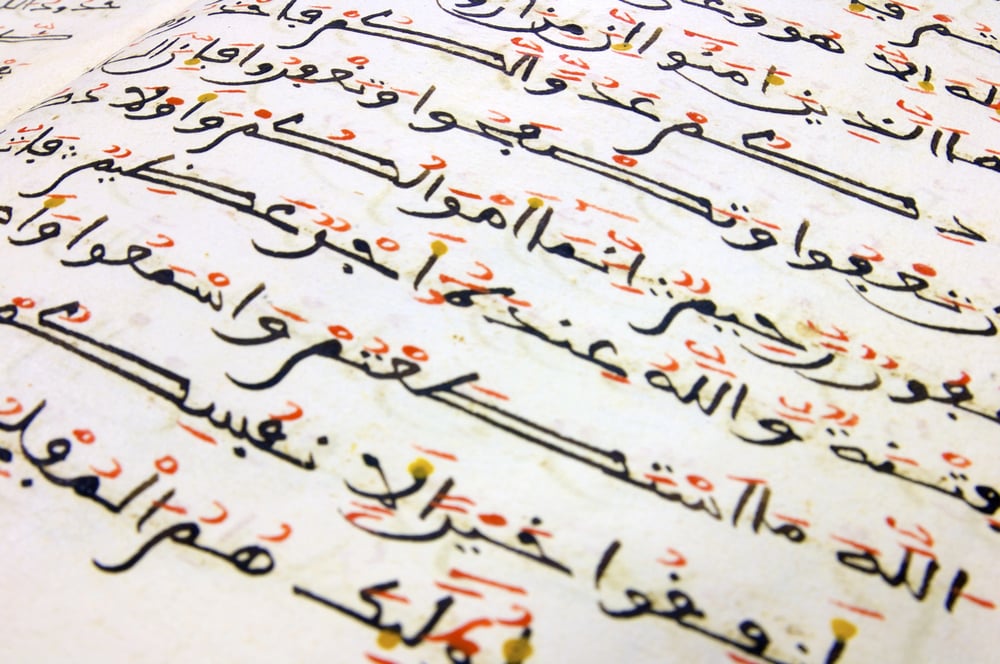
Arabic writing flows from right to left like a river running backward, and its letters change shape depending on where they sit in a word—beginning, middle, or end. This script became the vehicle for spreading Islamic culture and knowledge across three continents, from Spain to Indonesia.
The same letters that record the Quran also preserve works of mathematics, medicine, and philosophy that kept knowledge alive during Europe’s Dark Ages.
Devanagari
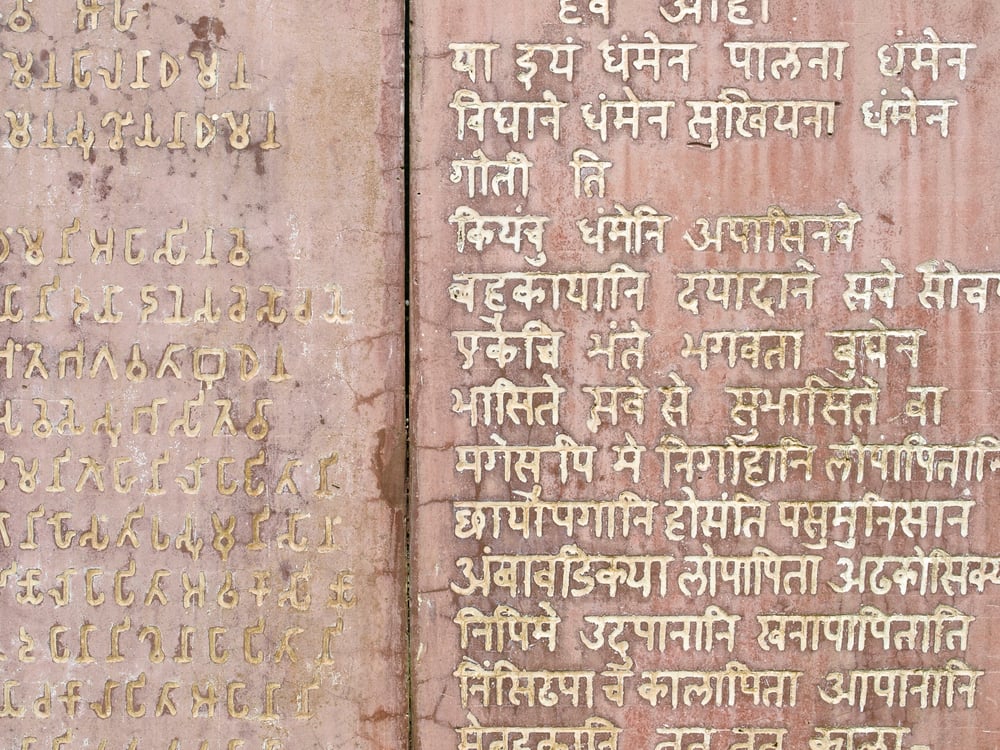
Used for Hindi, Sanskrit, and several other Indian languages, Devanagari literally means ‘script of the gods.’ The writing system features a distinctive horizontal line that runs across the top of words, like a clothesline holding letters together.
This script reflects India’s deep philosophical traditions—even the order of letters follows a logical pattern based on how sounds are produced in the mouth, showing an ancient understanding of phonetics that rivals modern linguistics.
Like Go2Tutors’s content? Follow us on MSN.
Greek Alphabet

The Greeks didn’t invent writing, but they revolutionized it by creating the first true alphabet with separate symbols for both consonants and vowels. This innovation made literacy more accessible than previous systems that required memorizing hundreds of symbols.
Greek became the language of philosophy, science, and the New Testament, spreading throughout the Mediterranean and laying the foundation for most European writing systems.
Latin Alphabet

What you’re reading right now descends from Latin script, which the Romans adapted from the Greeks and spread across their empire. This alphabet became the most successful writing system in human history, now used by over half the world’s population.
The Romans were practical people, and their straightforward, efficient letters reflected their approach to engineering and governance—functional, durable, and built to last.
Cyrillic Script

Created in the 9th century by Byzantine missionaries to spread Christianity among Slavic peoples, Cyrillic represents one of history’s most successful religious and cultural missions. The script combines Greek letters with specially created symbols for sounds that don’t exist in Greek, showing how writing systems adapt to serve new languages.
Today, Cyrillic unites countries from Russia to Bulgaria, serving as a cultural bridge across Eastern Europe and Central Asia.
Like Go2Tutors’s content? Follow us on MSN.
Japanese Scripts
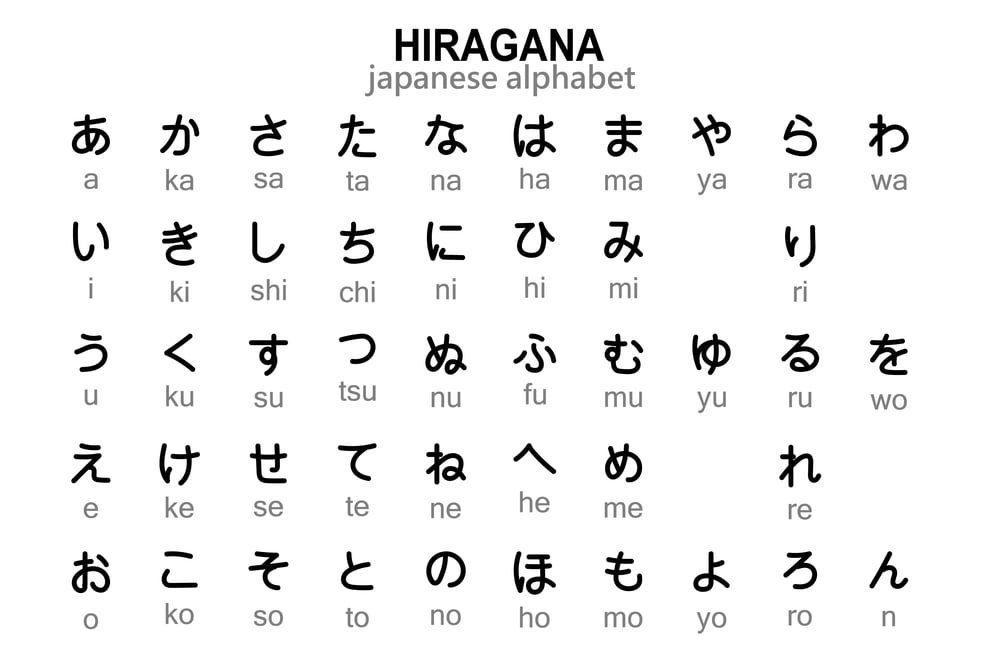
Japan takes the prize for complexity by using three different writing systems simultaneously: hiragana, katakana, and kanji. This reflects Japan’s history of cultural borrowing and adaptation—kanji came from China, while hiragana and katakana were developed locally to handle Japanese grammar that doesn’t work well with Chinese characters.
A single Japanese sentence might switch between all three systems, like code-switching between different cultural influences.
Korean Hangul
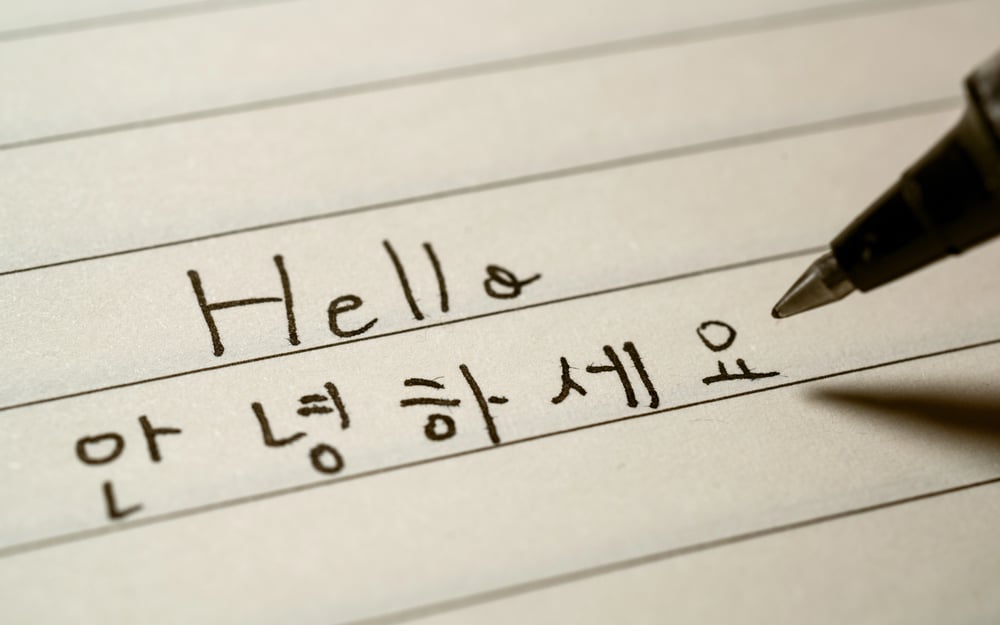
King Sejong created Hangul in the 15th century specifically to increase literacy among common people who couldn’t master Chinese characters. The system is brilliantly logical—letters are grouped into syllable blocks, and the shapes of consonants actually represent the position of the tongue and lips when making those sounds.
Hangul is so efficient that South Korea achieved near-universal literacy faster than almost any other nation in history.
Thai Script
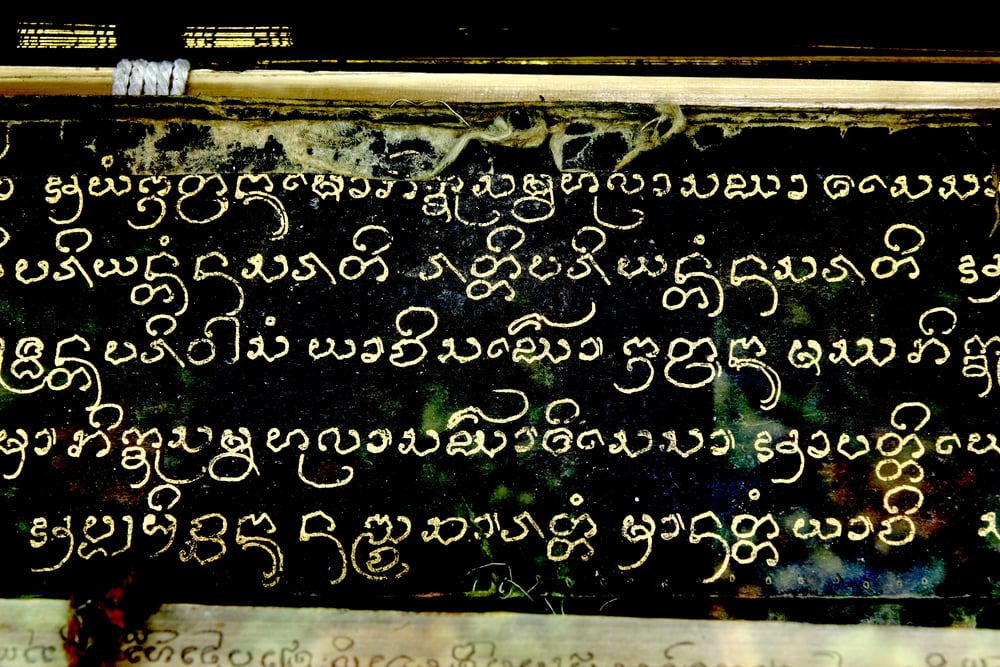
Thai writing looks like a string of connected loops and curves, with no spaces between words—readers must figure out where one word ends and another begins. This reflects the flowing, interconnected nature of Thai culture, where relationships and context matter more than rigid boundaries.
The script includes special marks for tones, essential in a language where changing your pitch can completely change a word’s meaning.
Like Go2Tutors’s content? Follow us on MSN.
Tibetan Script
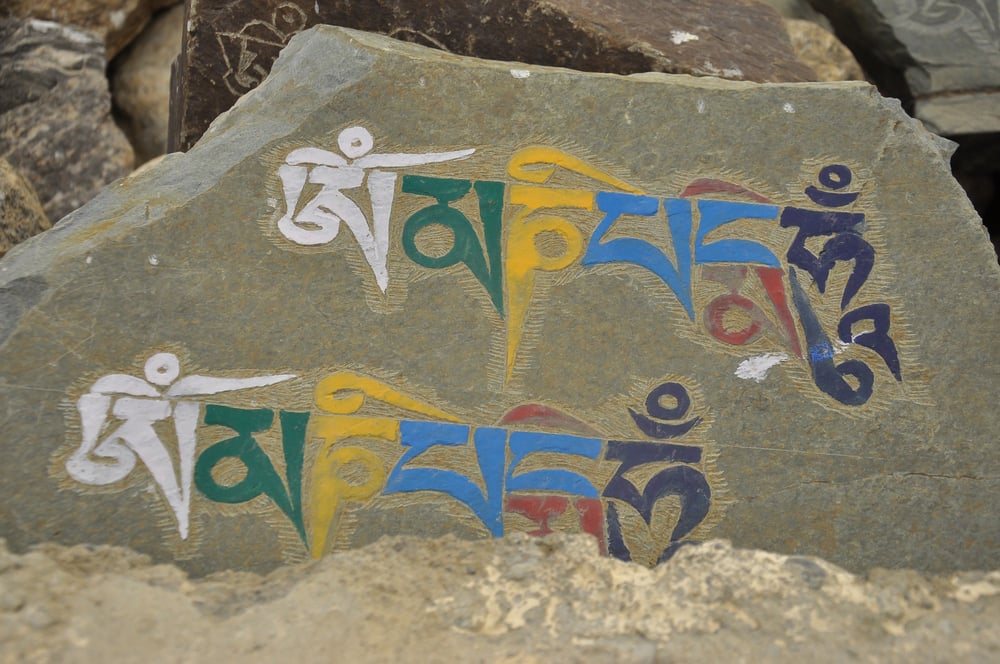
Developed in the 7th century to translate Buddhist texts from Sanskrit, Tibetan script preserves one of the world’s most complete collections of Buddhist philosophy and practice. The writing system climbed the Himalayas along with Buddhism, adapting to high-altitude life where yak-hide manuscripts could survive harsh winters.
Each letter sits on an invisible baseline, stacked vertically like prayer flags fluttering in mountain winds.
Hebrew Script

Hebrew writing carries the weight of religious history, having preserved Jewish culture through millennia of diaspora. The script reads right to left and traditionally includes only consonants, with vowel marks added later for learners—experienced readers fill in the vowels from context, like solving a puzzle.
This writing system survived the destruction of the Temple, the exile from Jerusalem, and countless persecutions, serving as a portable homeland for scattered Jewish communities.
Amharic Script
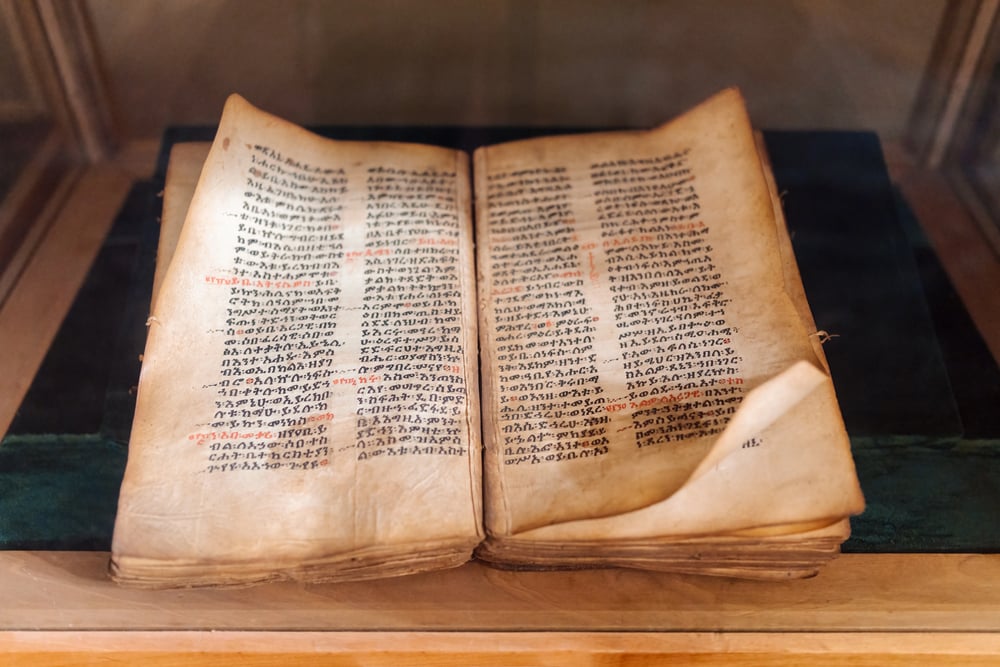
Ethiopia’s Amharic script, called Ge’ez, represents Africa’s oldest indigenous writing system still in use. Each symbol represents a syllable rather than individual sounds, creating a system that looks like a cross between letters and Chinese characters.
This script helped Ethiopia maintain its independence when European colonizers carved up the rest of Africa, serving as a symbol of African literacy and cultural sovereignty.
Like Go2Tutors’s content? Follow us on MSN.
Cherokee Syllabary

Sequoyah created the Cherokee syllabary in the 1820s without being able to read English himself, developing a writing system that perfectly fit his language’s sound structure. Each symbol represents a complete syllable, and Cherokee speakers could learn to read and write in just a few weeks.
This achievement was so remarkable that Cherokee literacy rates briefly exceeded those of the surrounding white population, proving that indigenous cultures could adapt European written language concepts on their own terms.
Mongolian Script
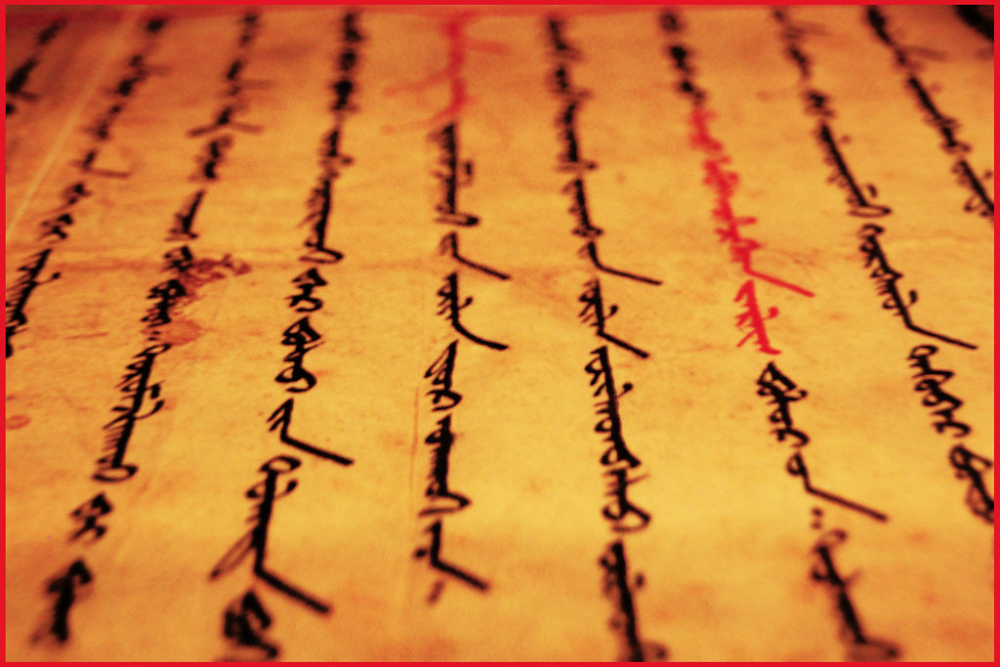
Traditional Mongolian script runs vertically from top to bottom, like a warrior’s banner unfurling in the wind. This orientation made sense for a nomadic culture that wrote on horseback—vertical scrolls were easier to handle while riding than horizontal ones.
The script traveled the Silk Road with Mongol armies and merchants, spreading from Eastern Europe to the Pacific Ocean and preserving the cultural memory of history’s largest contiguous empire.
Scripts as Cultural DNA
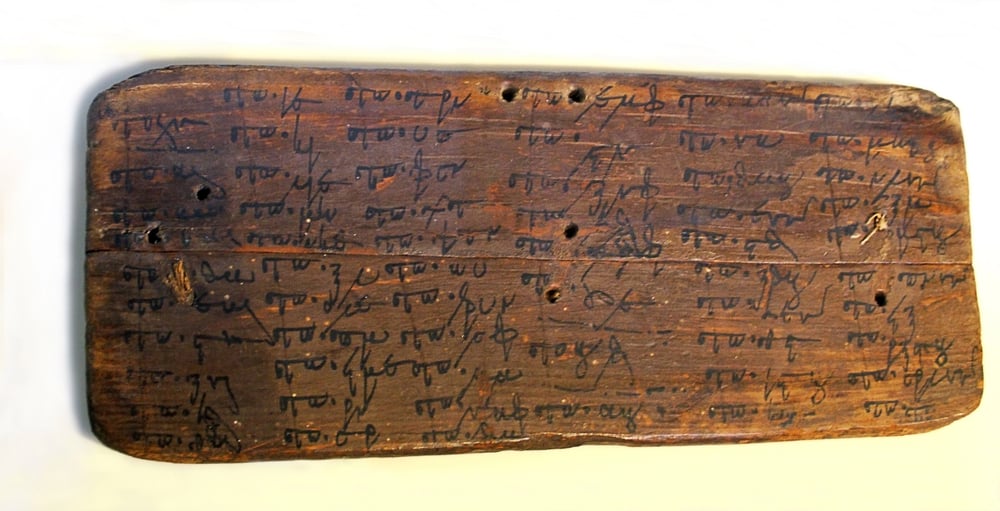
These writing systems prove that how we write reflects who we are as much as what we write. Some, like Chinese characters, emphasize concepts and meaning over sounds. Others, like Arabic script, flow with the rhythm of spoken language.
A few, like Cherokee syllabary, show how quickly cultures can innovate when they need to preserve their voice in a changing world. Today, as keyboards and screens replace pens and paper, these ancient systems continue evolving, carrying their cultural stories into the digital age while reminding us that writing is never just about recording words—it’s about recording ourselves.
Like Go2Tutors’s content? Follow us on MSN.
More from Go2Tutors!

- 16 Restaurant Chains That Went Too Fast
- 12 Things Sold in the 80s That Are Now Illegal
- 15 VHS Tapes That Could Be Worth Thousands
- 17 Historical “What Ifs” That Would Have Changed Everything
- 18 TV Shows That Vanished Without a Finale
Like Go2Tutors’s content? Follow us on MSN.