16 Spacecraft Concepts That NASA (or Other Agencies) Scrapped
Ambitious aspirations and inventive concepts that stretch the limits of human imagination abound in the history of space travel. However, many promising ideas were shelved for each ship that made it to the stars because of financial limitations, technical difficulties, or changing priorities.
These unfulfilled dreams offer intriguing possibilities for our cosmic path. Here is a list of 16 spacecraft concepts that space agencies around the world developed but ultimately abandoned before reaching orbit.
Project Orion
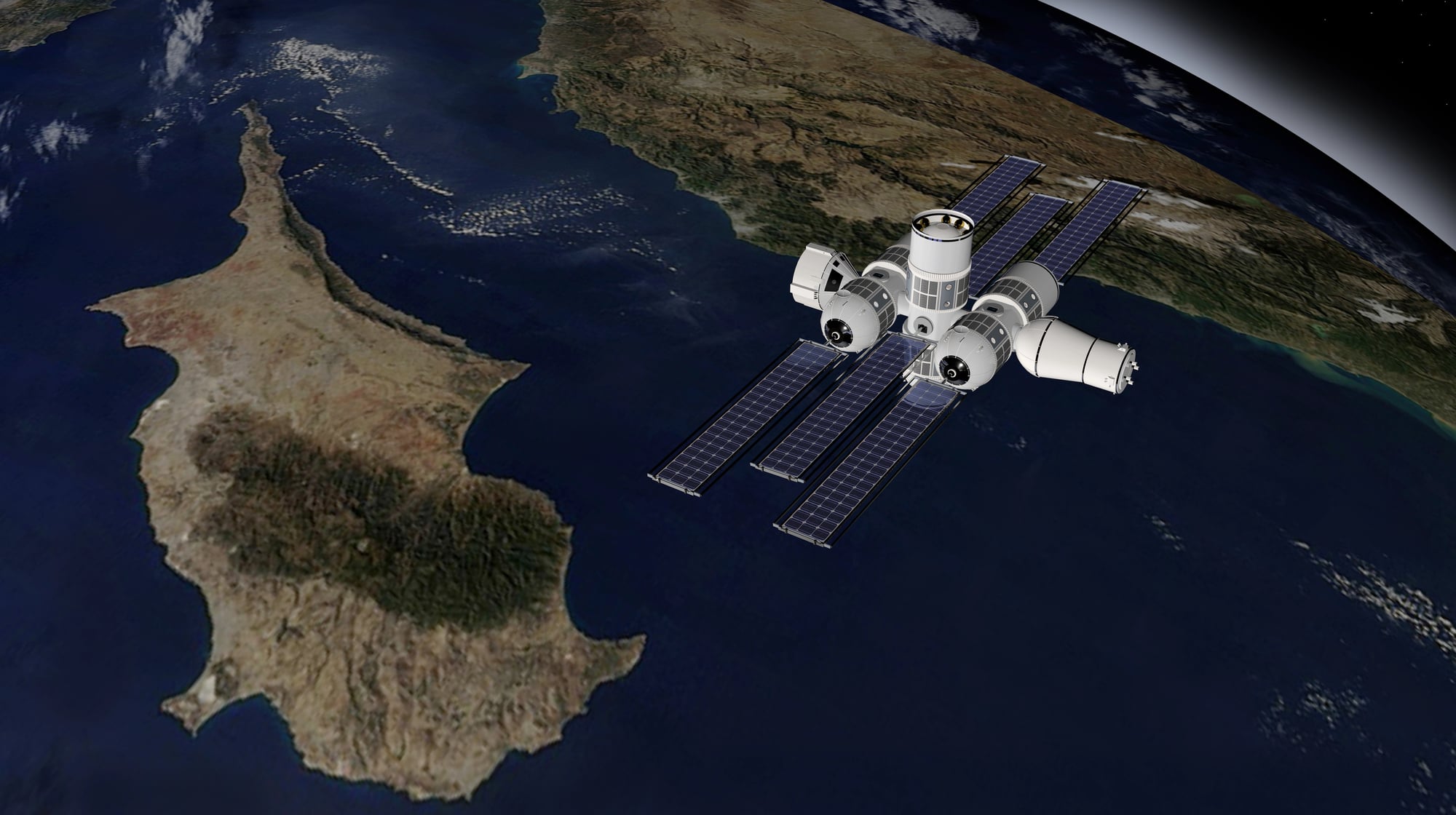
In the late 1950s, NASA and DARPA developed Project Orion, a spacecraft propelled by controlled nuclear explosions. The design could have reached Mars in just 4 months and traveled to Saturn in under 3 years.
Engineers created working prototypes using conventional explosives, but the 1963 Partial Nuclear Test Ban Treaty effectively ended the program despite its tremendous potential for deep space exploration.
Venturestar
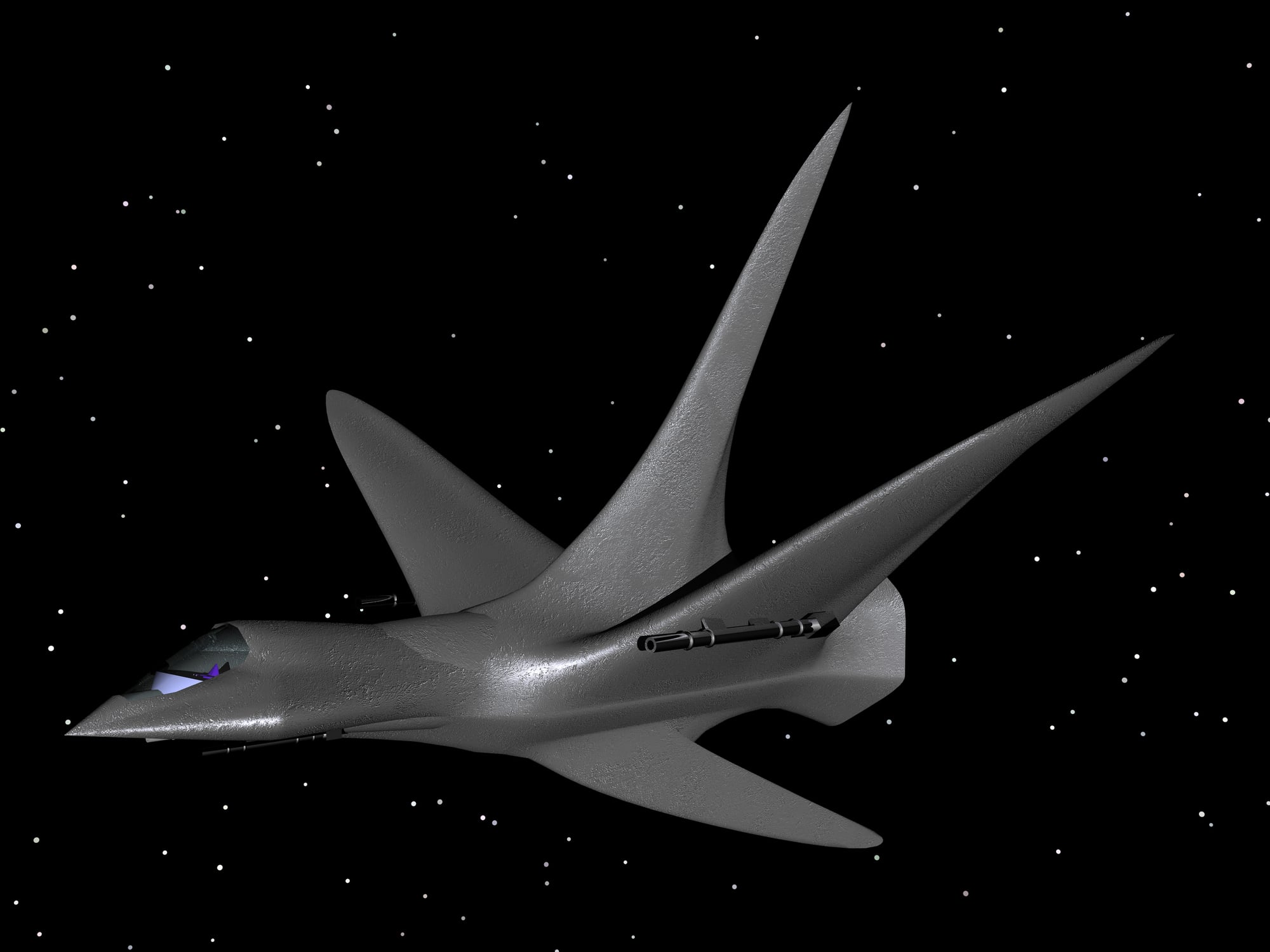
The VentureStar was NASA’s ambitious single-stage-to-orbit reusable spaceplane intended to replace the Space Shuttle at a fraction of the operating cost. The revolutionary design featured a lightweight composite fuel tank and aerospike engines that would maintain efficiency across varying atmospheric pressures.
Technical challenges with the fuel tanks and budget overruns led to the program’s cancellation in 2001, after billions had already been invested in development.
Soviet Lunar Lander
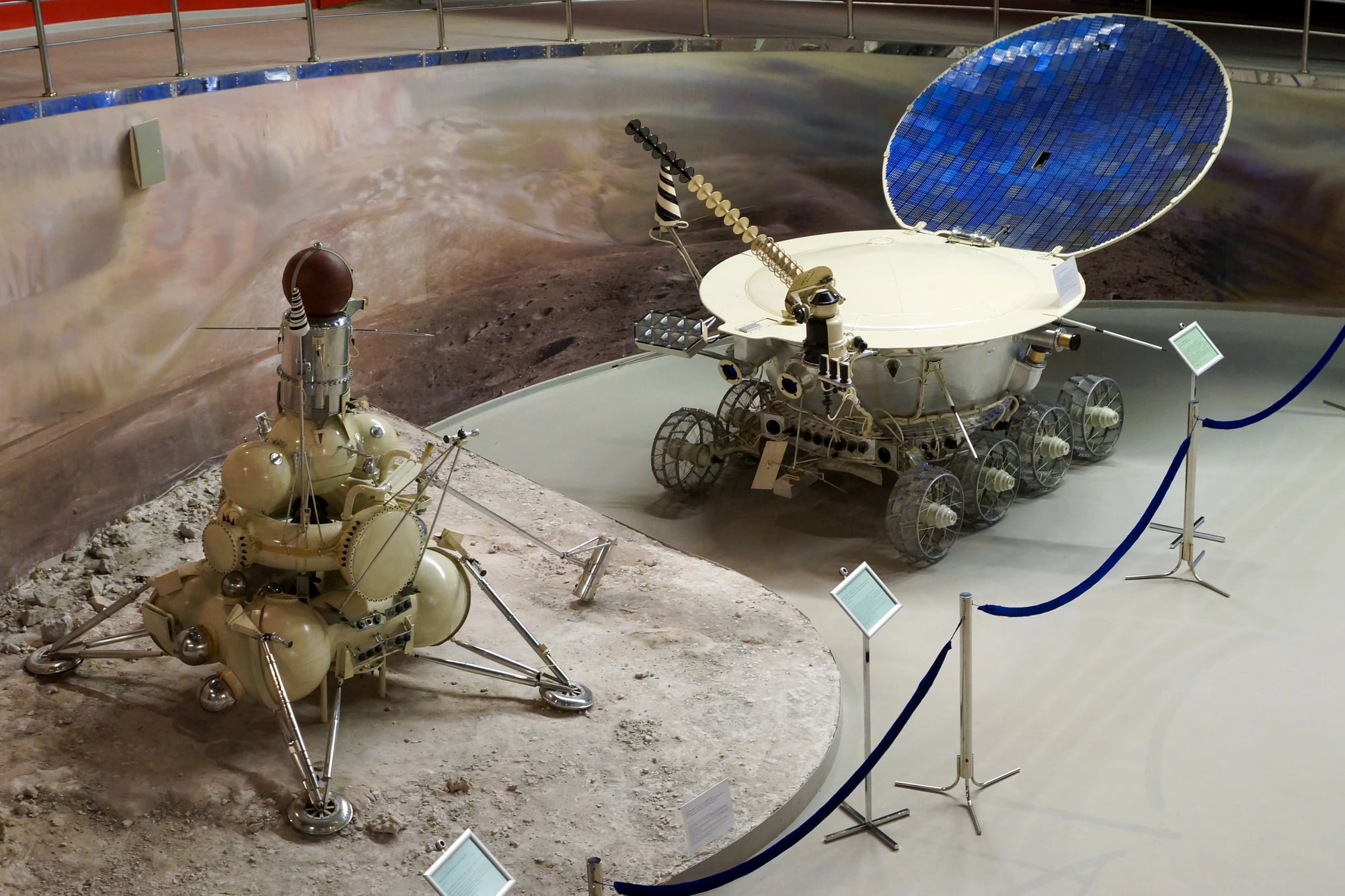
The Soviet Union’s N1-L3 program aimed to land cosmonauts on the Moon before the Americans. Their LK lunar lander was smaller than the American module, with room for just one cosmonaut to descend to the lunar surface.
Four consecutive failures of the massive N1 rocket between 1969 and 1972 forced Soviet officials to cancel the Moon landing program and deny its existence for nearly two decades, despite having built several flight-ready LK landers.
NERVA Nuclear Rocket
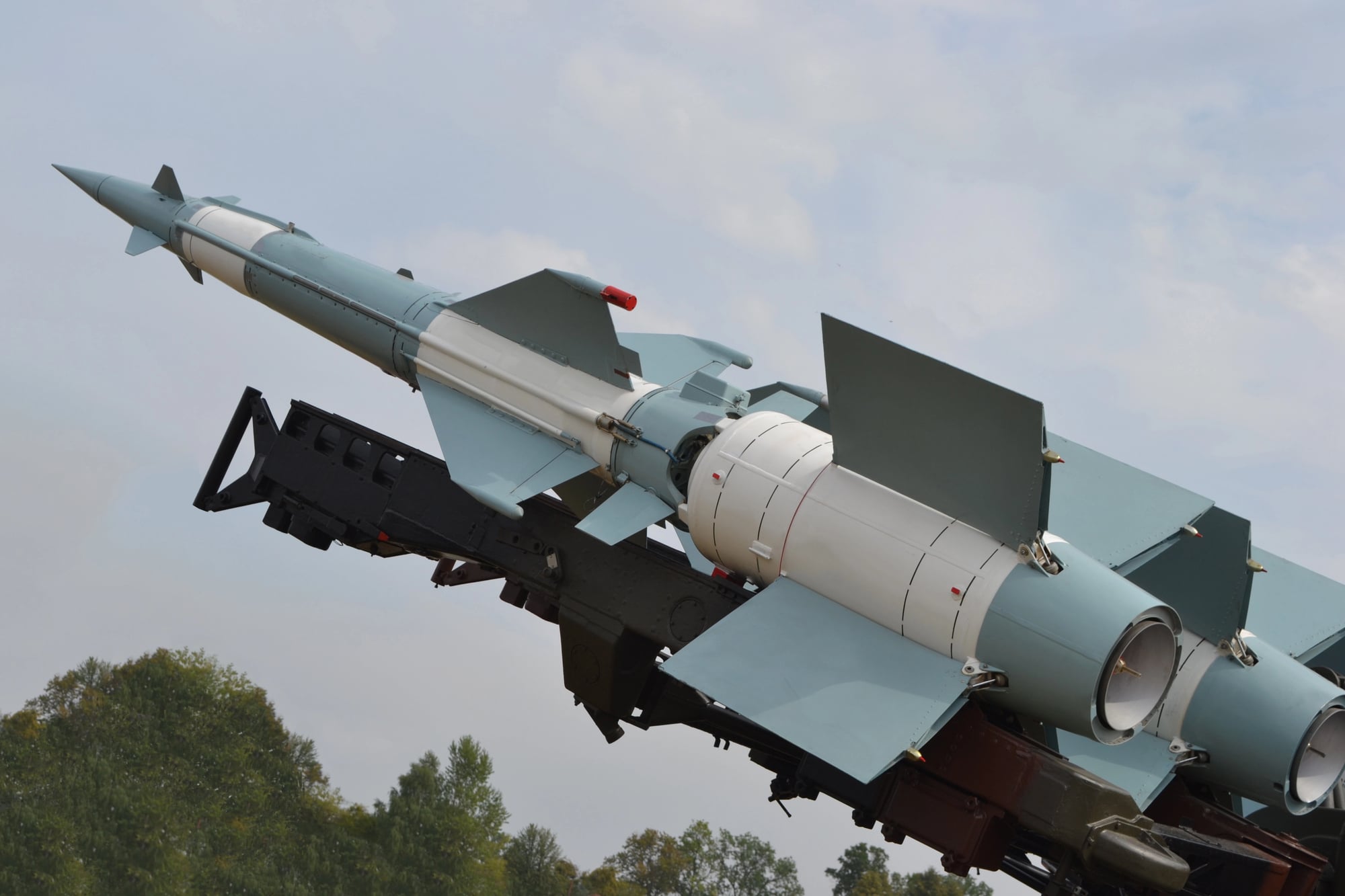
NASA’s Nuclear Engine for Rocket Vehicle Application (NERVA) program successfully developed and tested nuclear thermal rockets between 1955 and 1973. These engines offered twice the efficiency of chemical rockets and were slated to power missions to Mars as early as the 1980s.
The program produced working prototypes that passed ground tests with flying colors, but shifting budget priorities and concerns about nuclear materials in Earth’s orbit led to its cancellation despite technical success.
X-30 National Aerospace Plane

President Reagan’s 1986 announcement of the X-30, a vehicle that could take off horizontally on a standard runway and accelerate to Mach 25, promised to revolutionize space access. With the ability to reach orbit in a single stage, this hypersonic spaceplane made access to space as commonplace as flying.
Even though $1.7 billion was invested in research, the program was terminated in 1993 because of technical issues with air-breathing scramjet engines and sophisticated materials.
Constellation Program
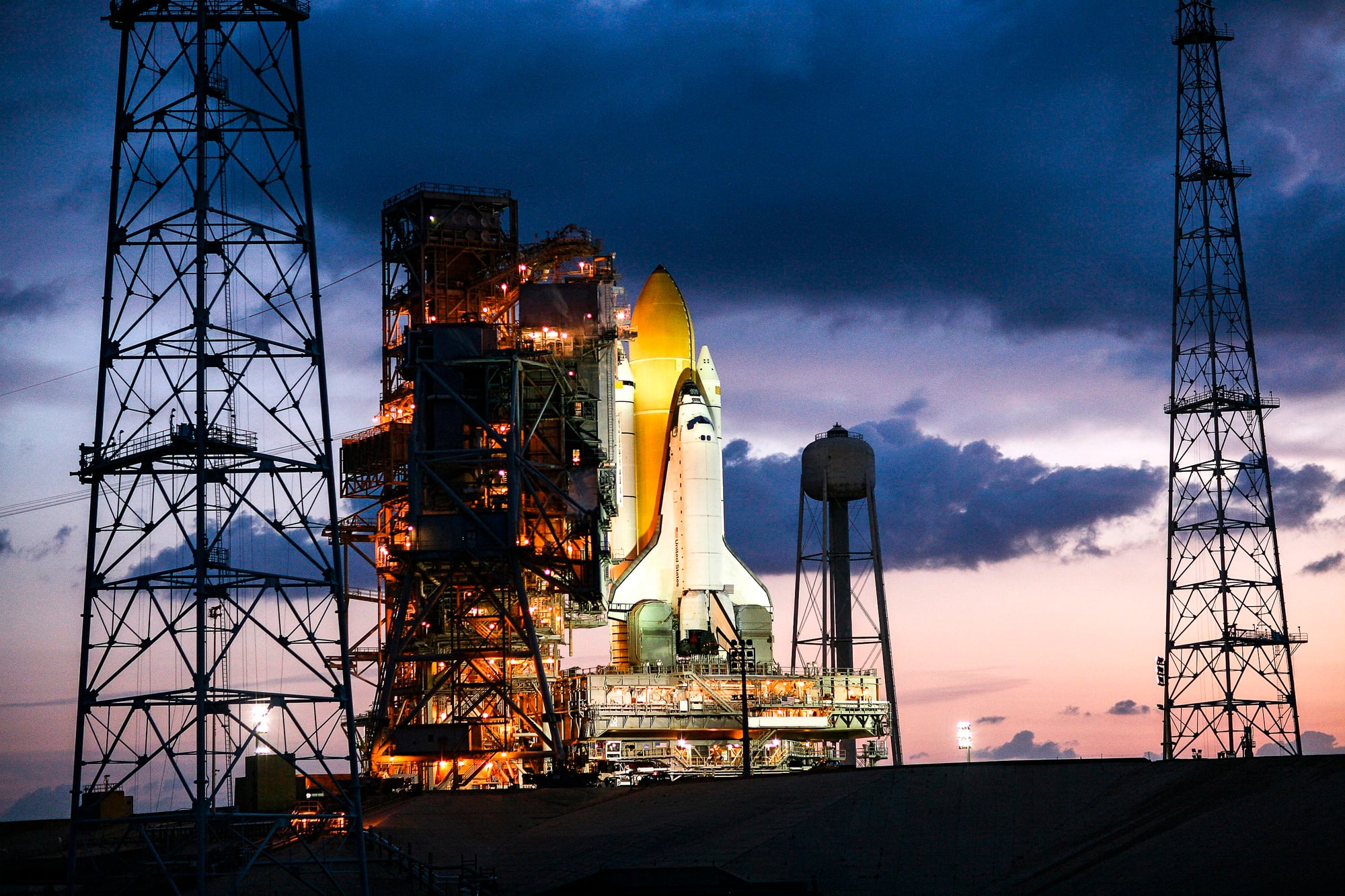
The goal of NASA’s Constellation Program was to send people back to the Moon by 2020 in preparation for trips to Mars. The Altair lunar lander, the Orion crew capsule, and the Ares I and V rockets were all part of the program.
Due to financial limitations and scheduling delays, the Obama administration ended the initiative after investing around $9 billion in research between 2005 and 2010. While certain components were eventually added to the Artemis program, others were dropped entirely.
Soviet Buran Shuttle
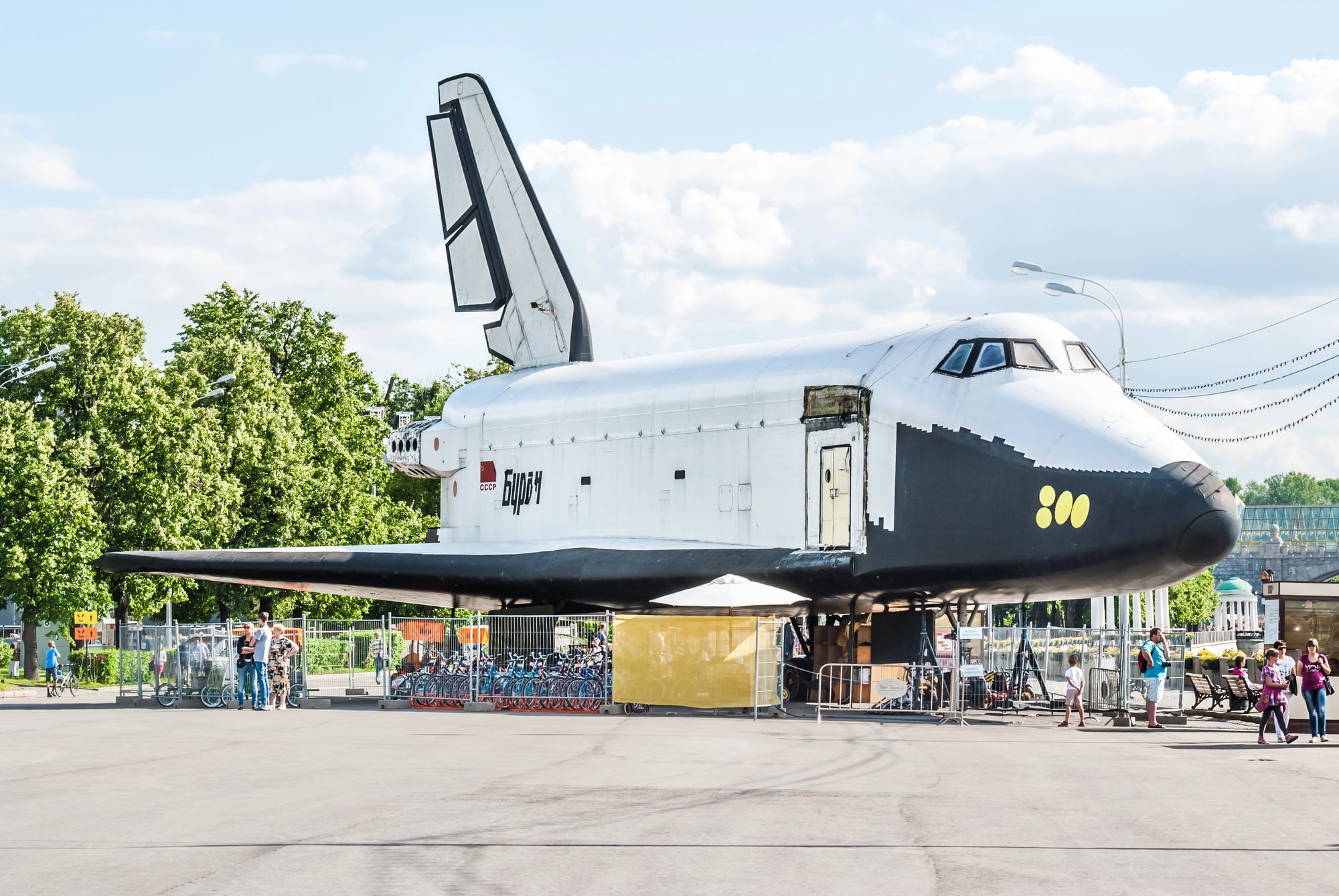
In 1988, the Soviet Buran space shuttle made one successful uncrewed automated orbital trip, showcasing capabilities that even surpassed those of its American equivalent. A fleet of reusable spacecraft with special capabilities, including jet engines for powered landings, was required for the program.
After spending billions on development, the program came to a sudden halt in 1991 with the fall of the Soviet Union, leaving many partially constructed shuttles to collect dust in hangars.
X-33 Prototype

The VentureStar program used the X-33 as a technology demonstrator to verify important technologies such as composite fuel tanks and metallic thermal protection systems. Engineers would have been able to overcome the difficulties associated with single-stage-to-orbit vehicles if the wedge-shaped craft had reached Mach 15 during test flights.
When the composite hydrogen fuel tanks broke during testing in 2001, NASA abandoned the program after spending $1.2 billion, underscoring the tremendous challenges of developing modern spacecraft.
JIMO Jupiter Mission
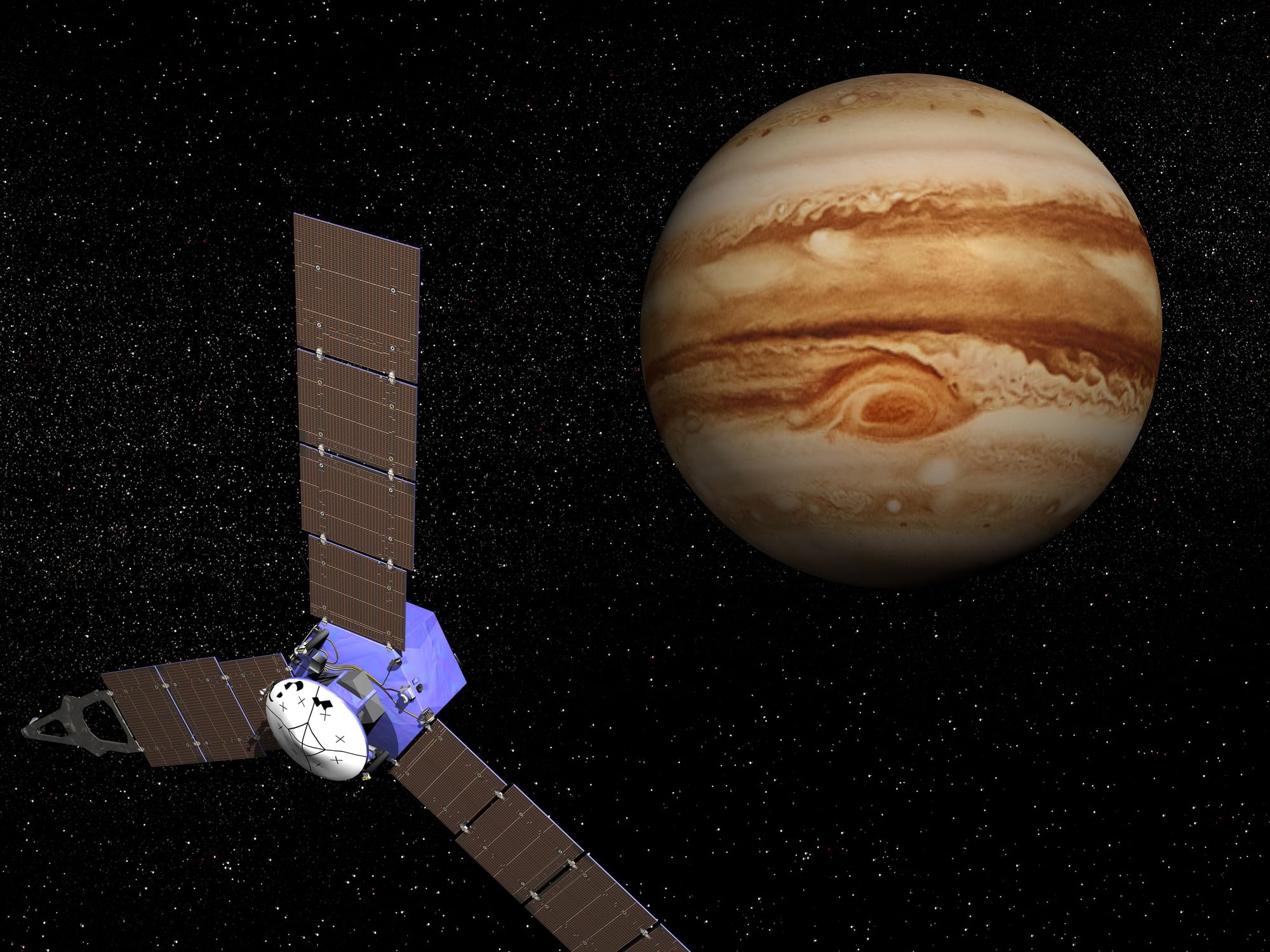
NASA’s Jupiter Icy Moons Orbiter (JIMO) suggested employing nuclear-electric propulsion to conduct an unprecedented in-depth exploration of Europa, Ganymede, and Callisto. Instruments to examine the subterranean oceans that could support extraterrestrial life would have been carried by the spaceship.
The nuclear reactor of the ambitious project would have supplied extraordinary power for propulsion and scientific instruments. Despite its innovative propulsion technology and scientific potential, the program was terminated in 2005 due to budget shortages.
British HOTOL Spaceplane

The Horizontal Take-Off and Landing (HOTOL) spaceplane was designed by British Aerospace in the 1980s as Europe’s answer to affordable space access. The innovative craft featured air-breathing engines that would switch to onboard oxygen once the atmosphere thinned at higher altitudes.
Classification of key engine technologies as military secrets prevented international collaboration, ultimately leading to the project’s cancellation when the British government withdrew funding in 1988.
Hermes Spaceplane
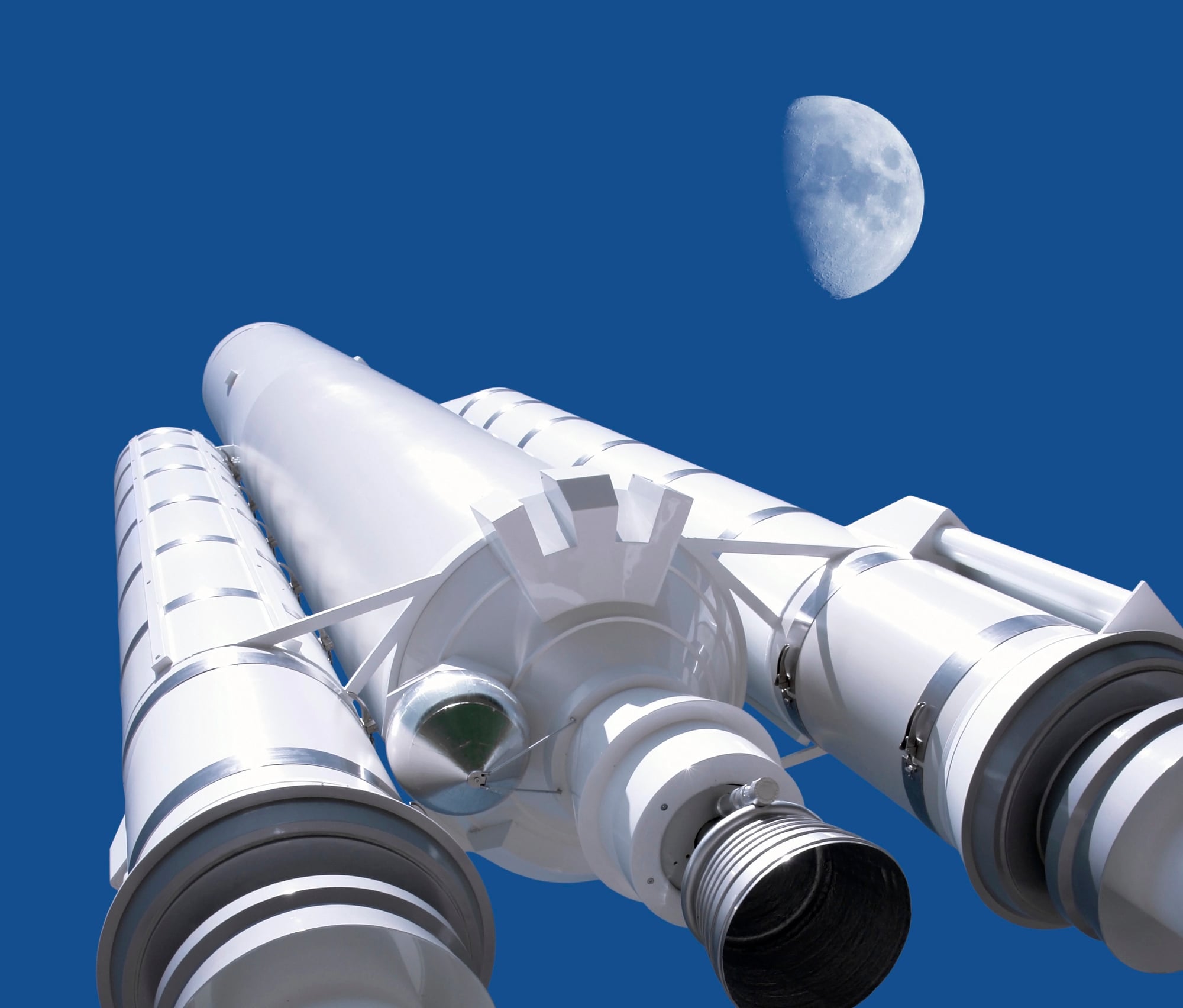
The European Space Agency developed the Hermes spaceplane in the 1980s as Europe’s independent means of sending astronauts to space. The winged vehicle would have launched atop an Ariane 5 rocket and carried up to six astronauts to orbit.
After investing nearly $2 billion in development, ESA canceled the program in 1992 when cost projections doubled to $8 billion. The design influenced later European spacecraft concepts but never progressed beyond detailed blueprints.
Direct Launcher

The DIRECT concept was created by NASA engineers working in their spare time as an alternative to the Constellation Program. The design repurposed existing Space Shuttle components to create a family of heavy-lift vehicles at a fraction of the development cost.
Despite technical merit and potential cost savings of billions, NASA leadership rejected the proposal, preferring the clean-sheet approach of the Constellation Program, which itself was later canceled due to excessive costs.
MAKS Space System

The Soviet MAKS (Multipurpose Aerospace System) concept featured a reusable orbiter carried to altitude on the back of an Antonov An-225 Mriya, the world’s largest aircraft. After separation, the orbiter would ignite its engines to reach space, a concept similar to the later American Pegasus system but scaled for human spaceflight.
Economic turmoil following the Soviet collapse ended the program after substantial development, though the concept continues to influence air-launch designs today.
CORONA Successor
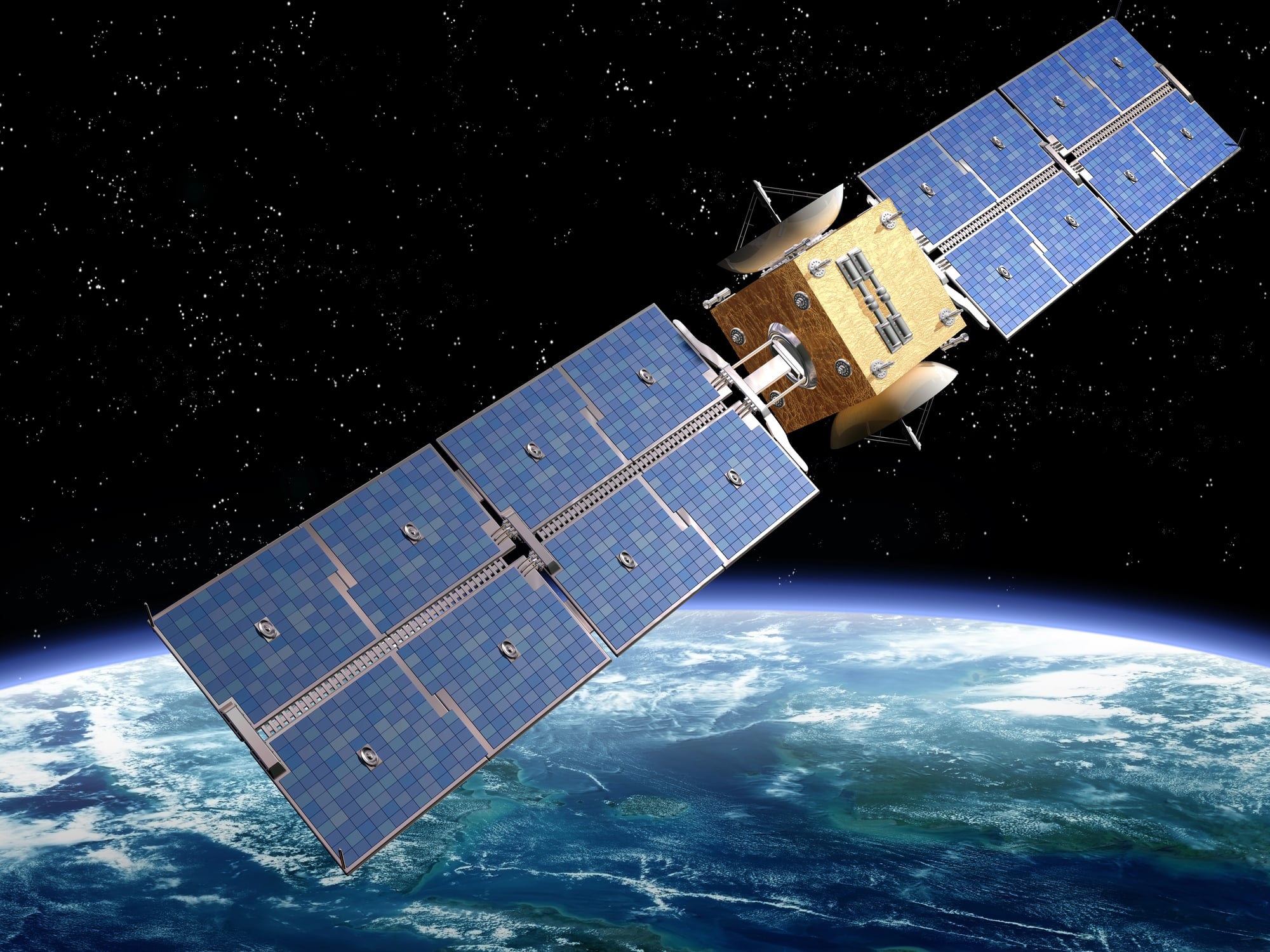
In the 1970s, American intelligence agencies developed advanced successors to the CORONA spy satellite program with ground resolutions approaching just a few inches. The system would have used a revolutionary digital imaging system instead of film returns.
The program was canceled when President Carter signed a directive limiting satellite surveillance capabilities, believing such high-resolution systems would destabilize relations with the Soviet Union. The technology eventually reemerged in later classified programs.
LUNOX Lunar Base
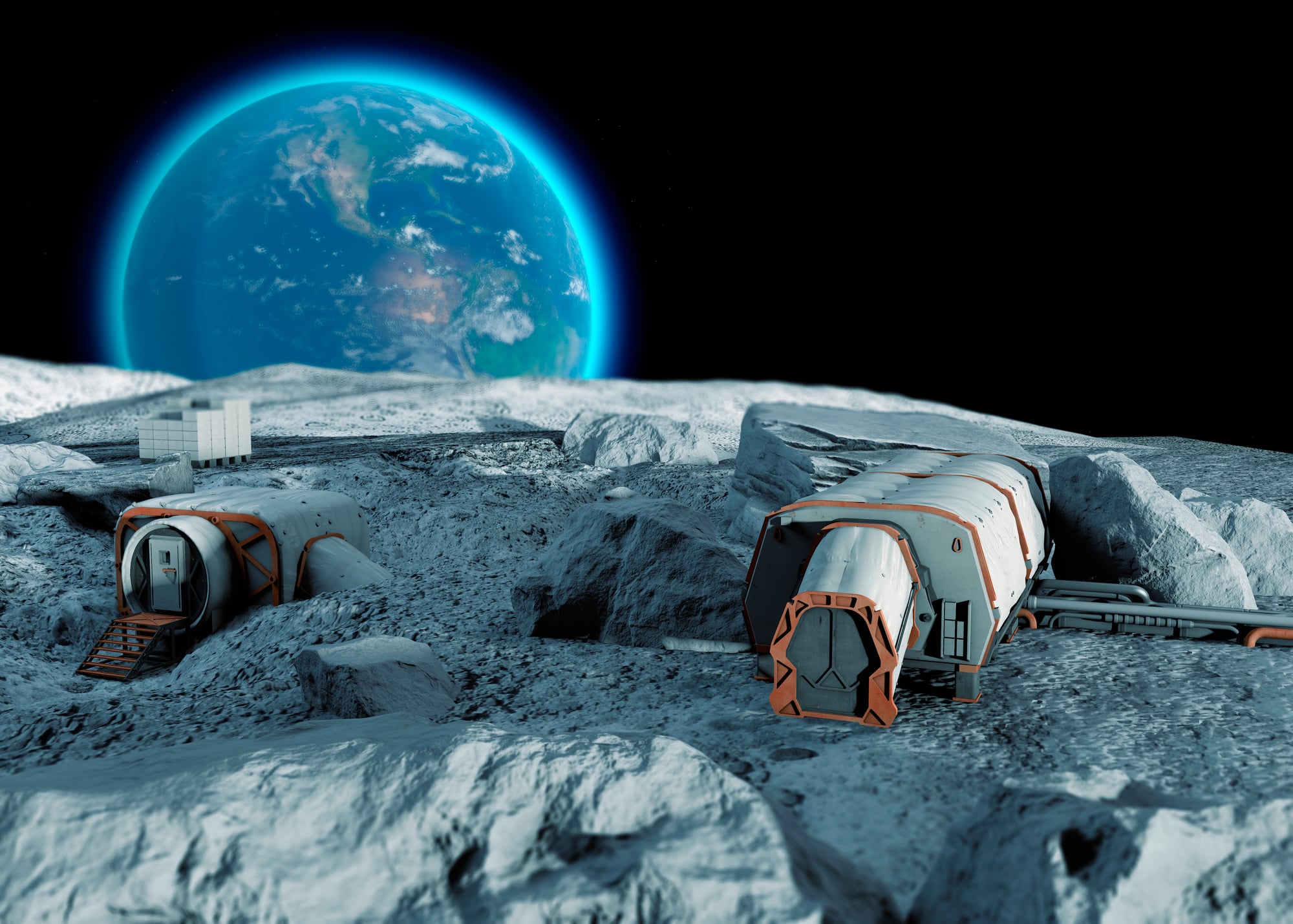
NASA’s LUNOX (Lunar Oxygen) concept from the 1990s centered around a base that would produce rocket propellant from lunar regolith. The innovative approach would have dramatically reduced the cost of sustained lunar operations by leveraging in-situ resources.
Engineers developed detailed plans for oxygen extraction facilities and reusable lunar landers. Shifting NASA’s priorities away from the Moon to Mars exploration led to the concept’s shelving, though similar ideas are now being revisited for the Artemis program.
Dynasoar Space Bomber

The X-20 Dyna-Soar (Dynamic Soarer) was a USAF program to develop a spaceplane that could perform reconnaissance, bombing, space rescue, and satellite maintenance. The winged vehicle would have launched atop a Titan rocket and glided back to Earth, giving it unprecedented flexibility compared to capsule designs.
Despite successful development and the selection of astronauts (including future moonwalker Neil Armstrong), Secretary of Defense McNamara canceled the program in 1963 in favor of the Manned Orbiting Laboratory, which was itself later canceled.
The Dreams That Shaped Reality
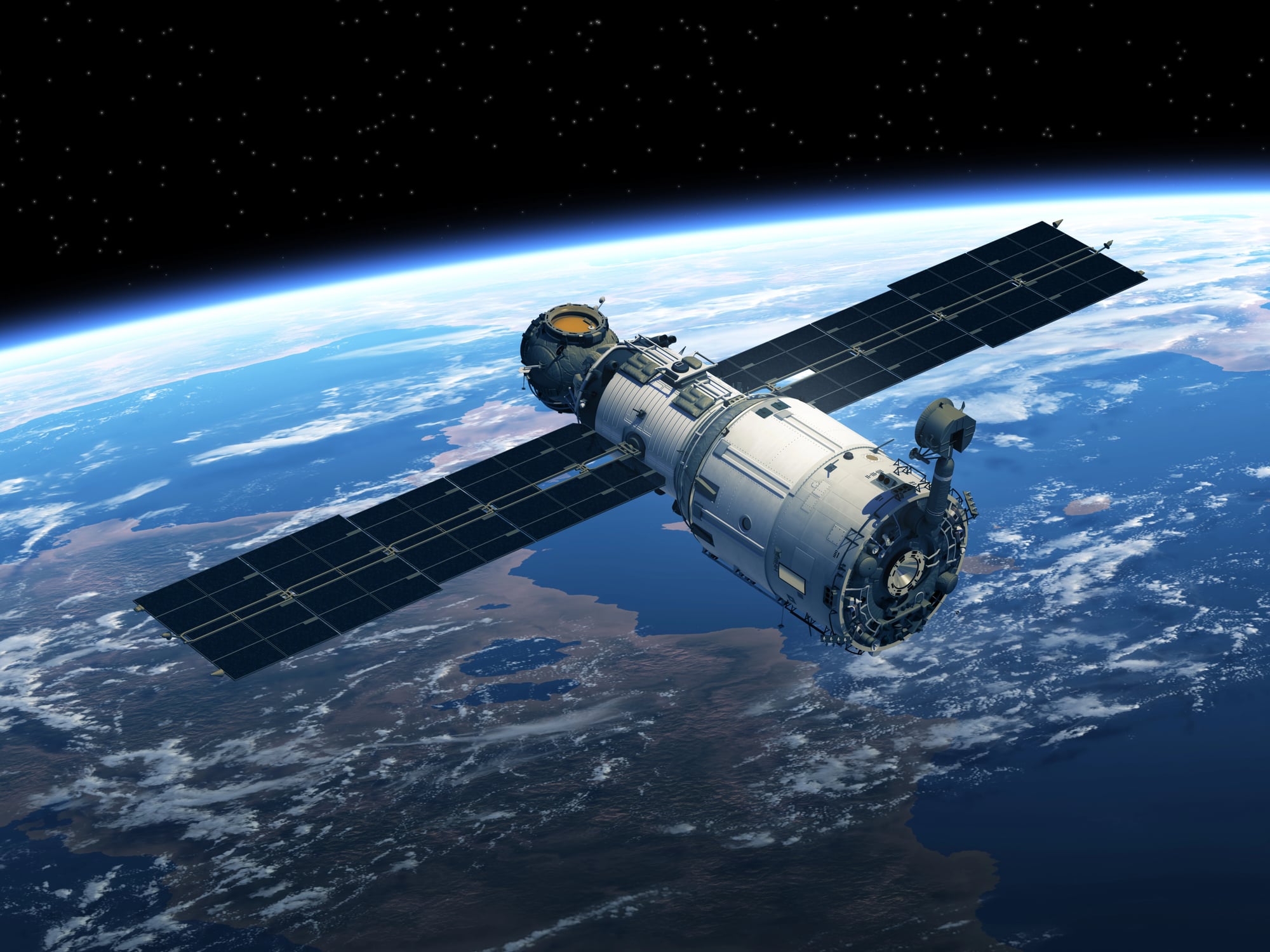
These unrealized spacecraft represent more than just abandoned engineering projects—they served as crucial stepping stones that influenced successful missions. The technical knowledge gained from these ideas directly formed the vehicles that finally reached space and beyond.
These audacious ideas advanced aeronautical engineering and stretched our knowledge of what might be feasible even in failure. Although these spacecraft never flew, their legacy lives in the missions they replaced and the future ideas they still inspire.
More from Go2Tutors!

- The Romanov Crown Jewels and Their Tragic Fate
- 13 Historical Mysteries That Science Still Can’t Solve
- Famous Hoaxes That Fooled the World for Years
- 15 Child Stars with Tragic Adult Lives
- 16 Famous Jewelry Pieces in History
Like Go2Tutors’s content? Follow us on MSN.