15 Everyday Objects That Were First Invented for Space Missions
Space exploration has transformed our world in ways most people don’t realize. While we marvel at cosmic discoveries and astronaut adventures, many common items sitting in our homes actually began as solutions to the unique challenges of space travel.
Here is a list of 15 everyday objects that started their journey among the stars before becoming fixtures in our daily lives on Earth.
Memory Foam
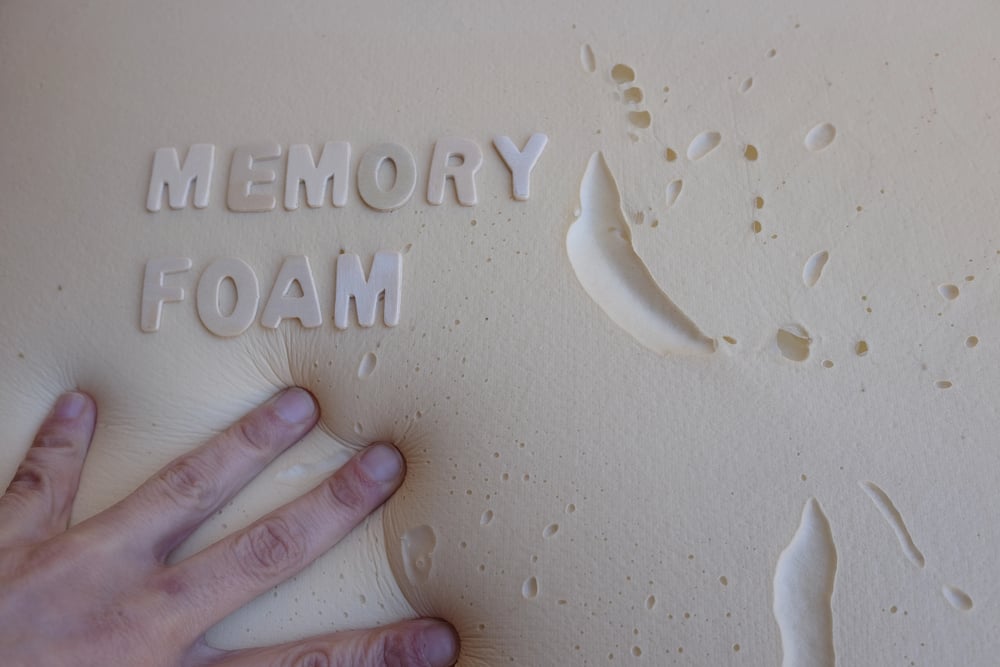
That comfortable mattress helping you sleep might have spacefaring origins. Memory foam was developed by NASA in the 1960s to improve crash protection and comfort in spacecraft cushions.
Engineers created this pressure-absorbing material to help astronauts withstand the intense g-forces during liftoff and reentry. Today, memory foam has revolutionized not just our bedrooms but also appears in helmets, shoes, and office chairs.
Scratch-Resistant Eyeglasses

Clear vision in space was non-negotiable, which led NASA to develop scratch-resistant coatings for astronaut helmet visors. The agency needed a solution for the tiny abrasive particles that could damage equipment in the zero-gravity environment.
This technology was licensed to the eyewear industry in the 1980s and now protects nearly all prescription glasses, sunglasses, and camera lenses from daily wear and tear.
Like Go2Tutors’s content? Follow us on MSN.
Invisible Braces

Straightening teeth became less noticeable thanks to NASA’s advanced ceramic materials originally created for missile tracking systems. These translucent polycrystalline alumina were developed to protect heat-seeking missile equipment but found their way to orthodontists’ offices.
The tough, heat-resistant material proved perfect for creating nearly invisible braces that were stronger than traditional options.
Cordless Vacuum Cleaners
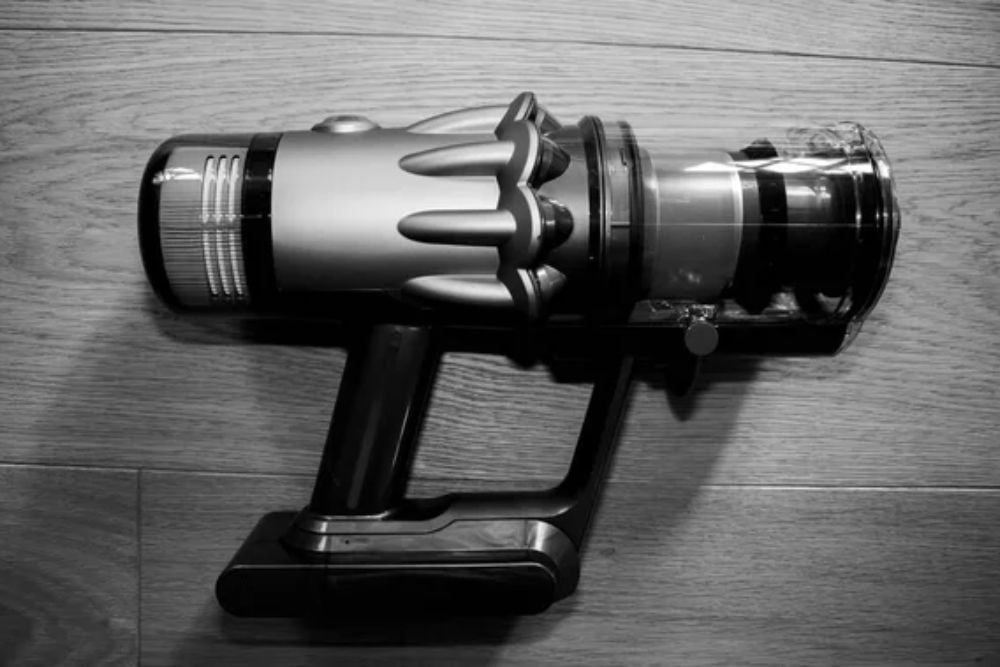
Cleaning up moon dust required special equipment, prompting the development of portable, battery-powered vacuums for the Apollo missions. Engineers needed a way for astronauts to collect soil samples without being tethered to a power source.
Black & Decker worked with NASA to create lightweight, powerful cordless vacuums that evolved into the handheld cleaners many homes now use for quick cleanups.
Infrared Ear Thermometers
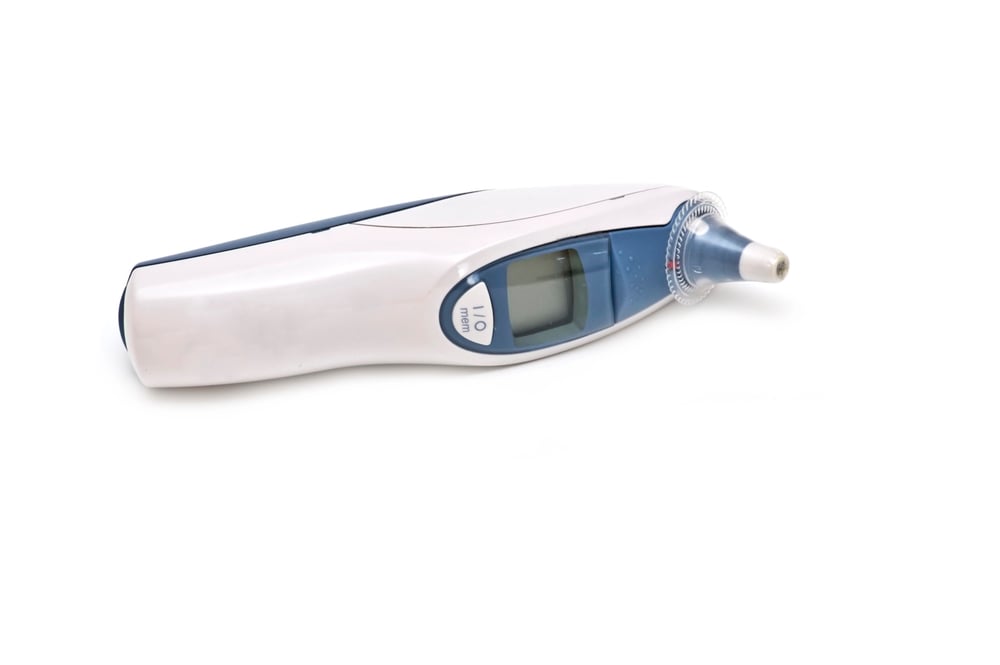
Taking temperatures in space demanded innovation, leading to thermometers that measure infrared energy from the eardrum. Scientists developed this technology to measure the temperature of stars and planets from a distance.
The same principle was adapted to create ear thermometers that could instantaneously read body temperature without contact, now standard equipment in doctors’ offices and home medicine cabinets.
Like Go2Tutors’s content? Follow us on MSN.
Athletic Shoes

Your running shoes have space-age technology underfoot. NASA’s spacesuit boot designs for the Apollo missions introduced shock-absorbing materials and energy-return systems. These innovations were adapted for athletic footwear, with the first “moon boot” technology appearing in running shoes in the 1980s.
The cushioning systems developed for weightless environments now help athletes and everyday people protect their joints on Earth.
Water Filters
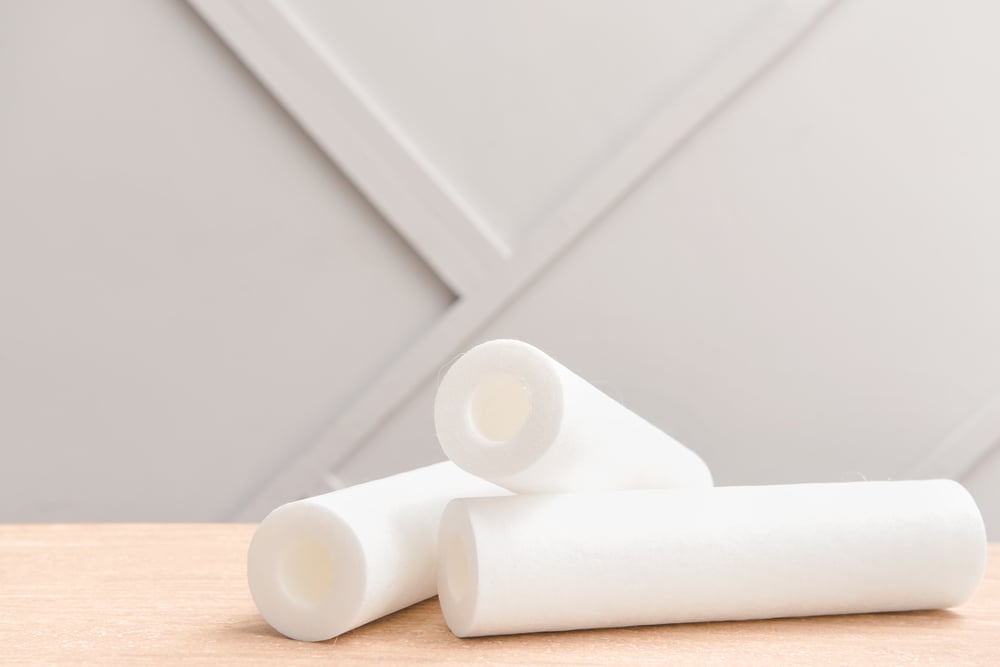
Clean water was essential for extended space missions, prompting NASA to develop advanced filtration systems. Engineers created specialized filters that could purify water while requiring minimal maintenance in space.
This technology was transferred to home water purification systems, using the same principles to remove contaminants, improve taste, and ensure safe drinking water in households worldwide.
LED Lights

Those energy-efficient bulbs illuminating your home were first cultivated to grow plants in space. NASA scientists developed LED technology for plant growth experiments aboard spacecraft in the 1980s.
The low-heat, high-efficiency lights provided ideal growing conditions while conserving power resources. Today, LEDs have revolutionized home lighting, reducing energy consumption by up to 80% compared to traditional incandescent bulbs.
Like Go2Tutors’s content? Follow us on MSN.
Baby Formula
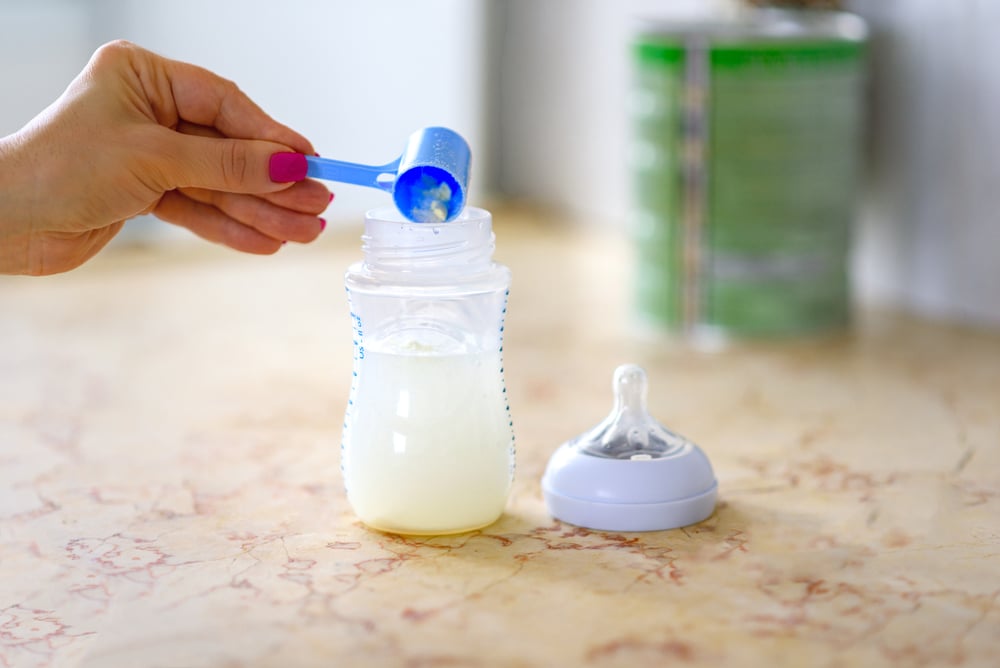
Nutritional breakthroughs for astronauts led to enhancements in infant formula. Researchers discovered a specific algae-based fatty acid that astronauts needed for long-duration missions.
This same nutrient was found to be present in breast milk but absent from early baby formulas. The discovery allowed formula manufacturers to create products closer to breast milk, improving infant development for babies worldwide.
Freeze-Dried Food

That lightweight camping food started as space cuisine. NASA needed to reduce food weight while maintaining nutritional value for the Apollo missions. The freeze-drying process removed water while preserving taste, texture, and nutrients.
Today, hikers enjoy lightweight meals, and many grocery stores carry freeze-dried fruits and vegetables that maintain their flavor and nutritional content without refrigeration.
Digital Image Sensors

Your smartphone camera exists thanks to NASA engineers who pioneered digital imaging technology. In the 1990s, a team at the Jet Propulsion Laboratory developed sensors that could capture images digitally without requiring massive computers.
These Complementary Metal Oxide Semiconductor (CMOS) active pixel sensors revolutionized photography, making cameras smaller and more energy-efficient. This technology now appears in nearly every smartphone, security camera, and medical imaging device.
Like Go2Tutors’s content? Follow us on MSN.
Computer Mouse
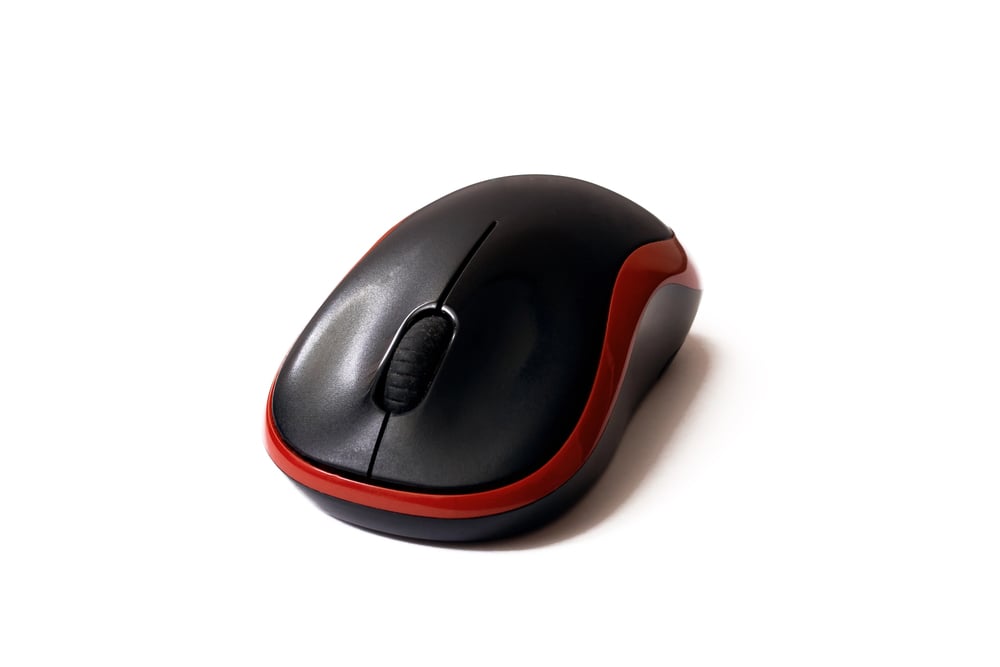
The computer mouse owes its development to space research funding. While not directly created for spacecraft, the mouse was developed at the Stanford Research Institute with NASA funding in the early 1960s.
Engineers were exploring intuitive ways for astronauts to interact with computer systems. This research ultimately led to the point-and-click interface that transformed personal computing and remains fundamental to how we interact with computers today.
Wireless Headsets

Clear communication in space helmets inspired the technology behind modern wireless headsets. NASA needed hands-free, reliable voice communication between astronauts and mission control.
Their miniaturized voice-activated systems became the foundation for wireless headsets that now connect to our phones and computers. The noise-cancellation technology developed for space communications now helps people take calls in noisy environments.
Temper Foam
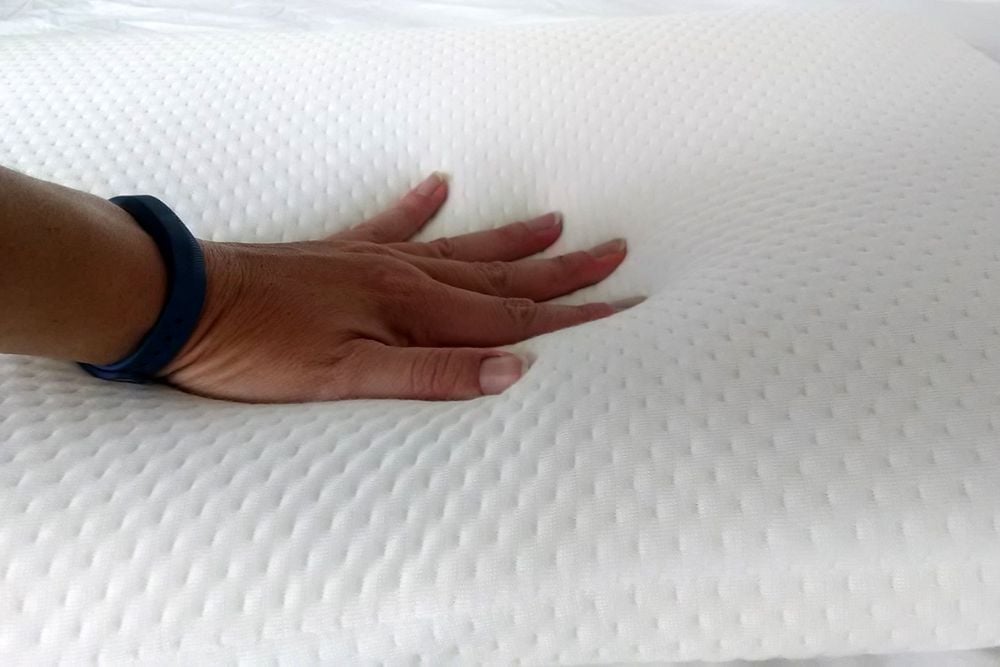
Athletic equipment and prosthetic limbs use a special material that changes firmness based on temperature, originally developed for spacecraft seating. NASA engineers created this remarkable substance to automatically adjust its cushioning properties according to body heat.
The material found applications in professional sports equipment, hospital beds, and prosthetic limbs where custom cushioning prevents injury and improves comfort.
Like Go2Tutors’s content? Follow us on MSN.
Dustbusters

Portable vacuum technology developed for moon rock collection led directly to the creation of the iconic Dustbuster. Black & Decker collaborated with NASA to create lightweight, battery-powered tools that could drill into the moon’s surface to collect samples.
This same motor technology was repurposed for the first truly portable vacuum cleaner that revolutionized home cleaning in the 1980s, making quick cleanups effortless without dragging out full-sized equipment.
The Sky-High Impact of Space Innovation

Space exploration continues to drive innovation that shapes our daily lives. These 15 examples represent just a fraction of the thousands of technologies that have made the journey from spacecraft to our homes.
NASA’s technology transfer program has brought over 2,000 products to market, improving everything from water purification to medical imaging. The next time you use your wireless headphones or memory foam pillow, remember that you’re experiencing a small piece of space history right here on Earth.
More from Go2Tutors!

- 18 Unexpectedly Valuable Collectibles You Might Have Lying Around
- 15 Things Every Teenager in the ’70s Did That Teens Today Wouldn’t Understand
- 15 Strange Things People Have Tried to Ban (And Failed)
- 15 Inventions That Were Immediately Banned After Being Created
- 20 Actors Who Were Almost Cast in Iconic Roles
Like Go2Tutors’s content? Follow us on MSN.