17 Amazon rainforest marvels
The Amazon rainforest is one of the most talked-about places on Earth. Stretching across nine countries in South America, it’s home to a huge variety of plants, animals, and cultures. People often hear that it’s big and important, but there’s so much more to it than that. Some parts feel almost unreal, yet they’re completely natural.
Let’s dive into a list of things that make the Amazon rainforest one of the most fascinating places on the planet.
The Amazon makes its own rain
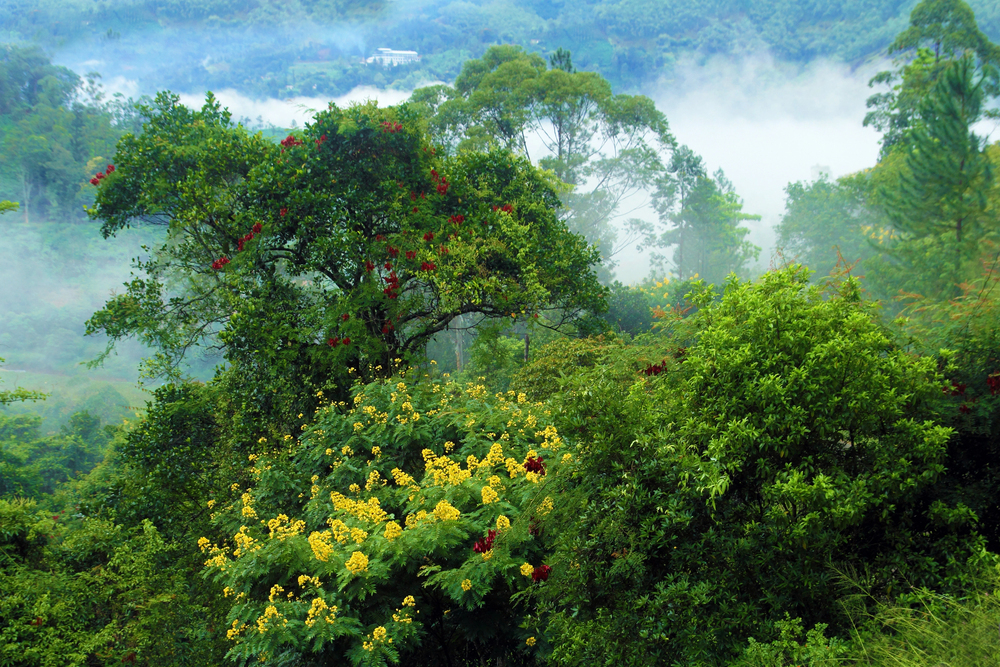
The trees in the rainforest don’t just soak up rainwater—they help create it. Leaves release moisture into the air through a process called transpiration.
That water vapor rises, forms clouds, and then comes back down as rain. This cycle helps keep the forest alive.
Without the trees, the rainfall would drop fast.
It covers over 5.5 million square kilometers
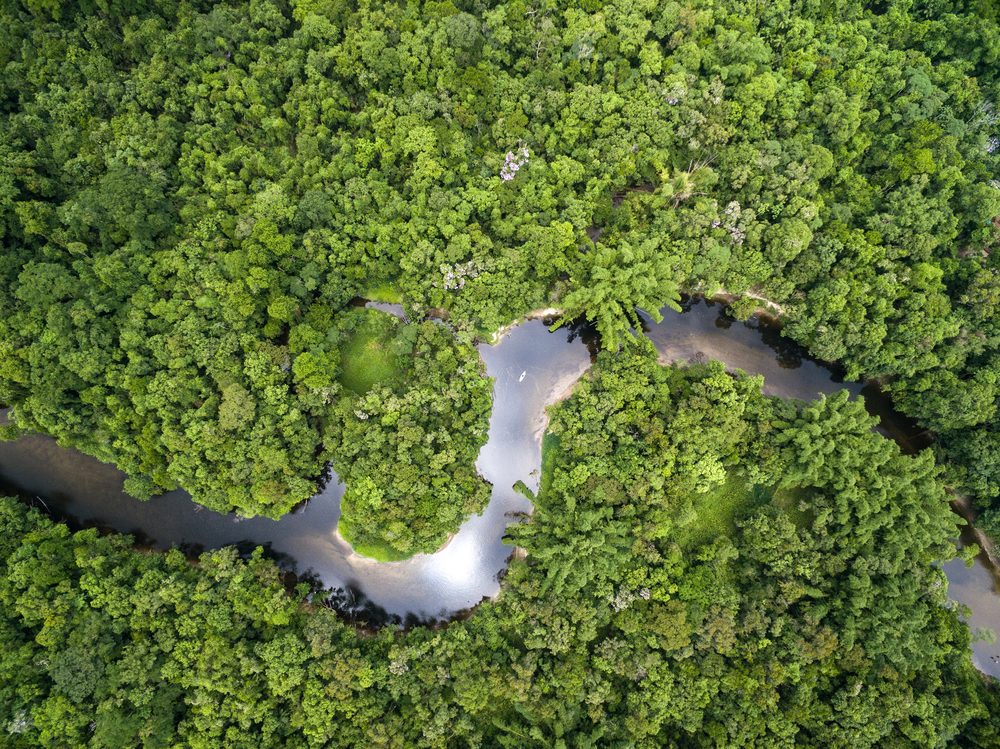
The Amazon is huge. It’s so large that it could fit the whole of India inside it with room to spare.
The forest spreads across countries like Brazil, Peru, Colombia, and six others. Its size plays a big role in the world’s climate.
Losing large parts of it could change weather patterns far beyond South America.
One in ten known species lives there
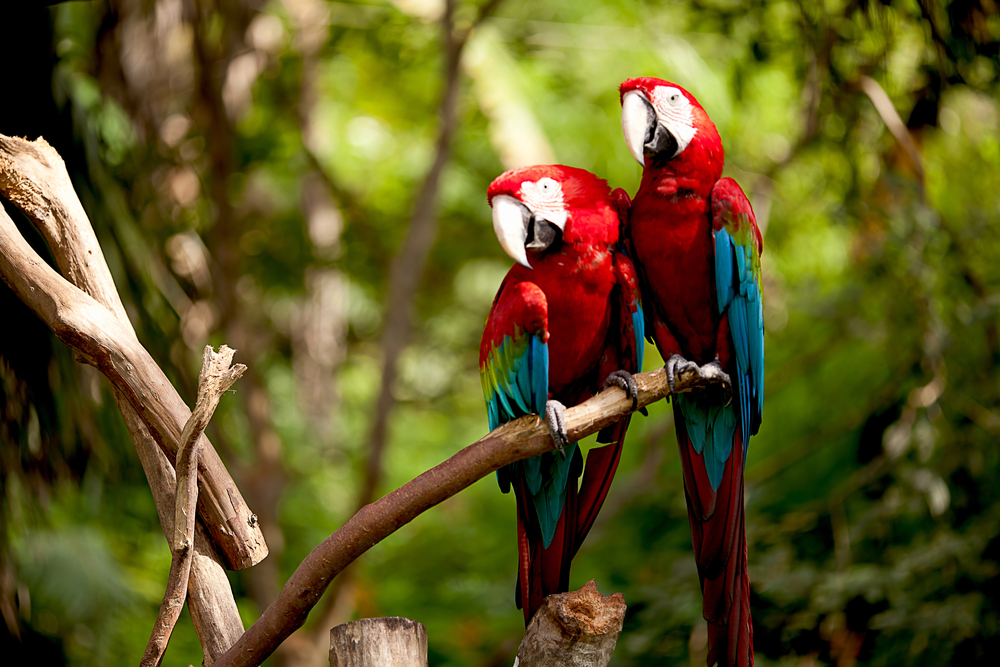
It’s one of the most diverse ecosystems in the world. About 10% of all the known species on Earth can be found in the Amazon.
That includes animals, birds, insects, and thousands of types of plants. New species are still being discovered every year.
Many of them exist nowhere else.
The Amazon River is second only to the Nile—barely
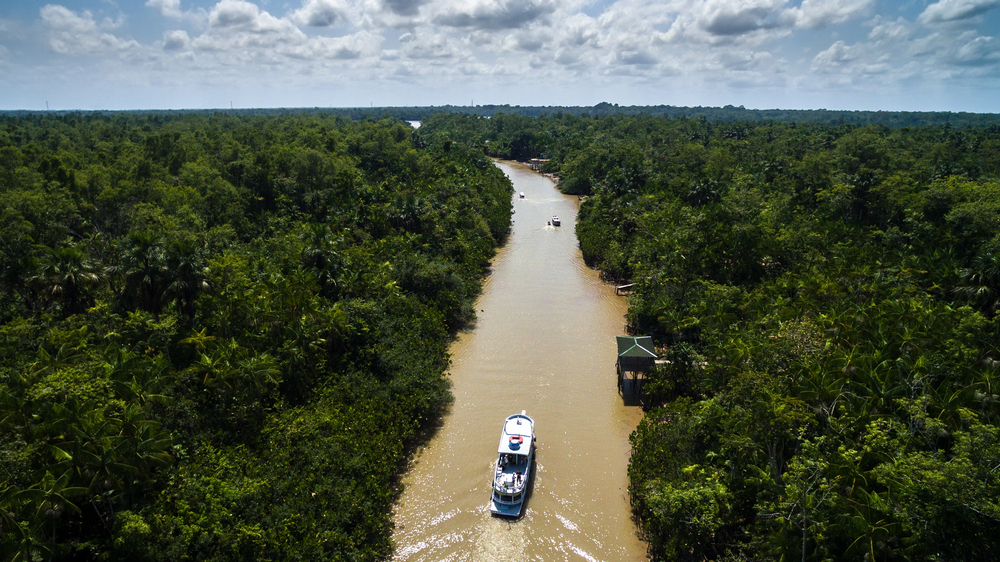
People often think the Nile is the longest river, and that’s mostly true. But the Amazon River isn’t far behind and might even be longer depending on how it’s measured.
What’s certain is that it carries more water than any other river in the world. During the rainy season, it can stretch over 24 miles wide in some places.
That’s more like a moving lake than a river.
It has trees that walk—kind of
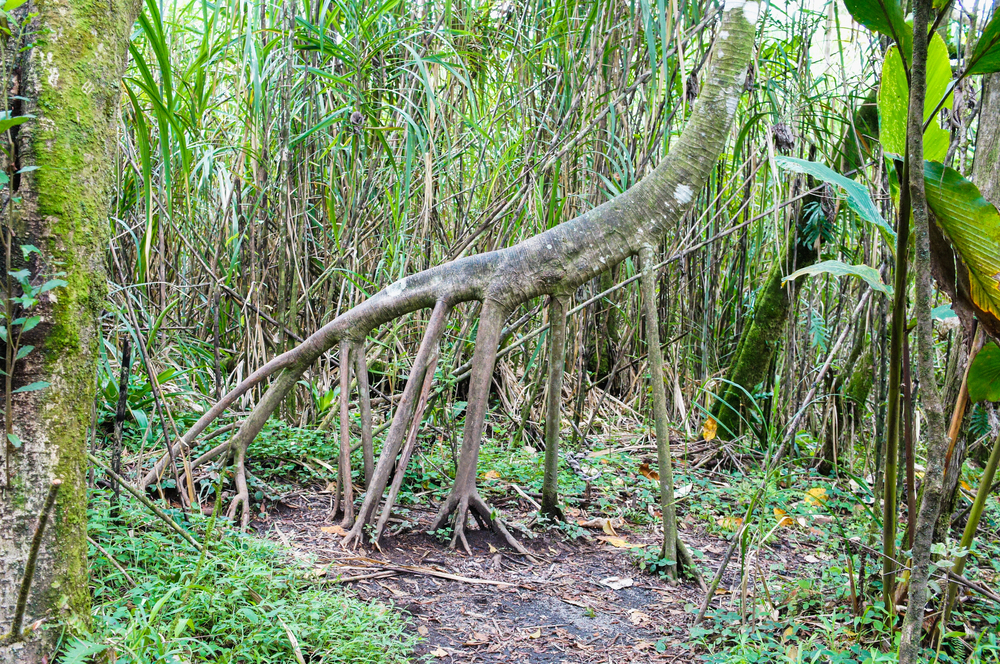
There’s a tree in the Amazon called the “walking palm.” Over time, it appears to shift its roots and “walk” to find better light.
Scientists believe this happens very slowly, over years, by growing new roots in one direction and letting old ones die off. It’s not really walking like a person, but it still looks like it’s on the move.
It’s a strange and clever way to survive.
Pink dolphins swim in its waters
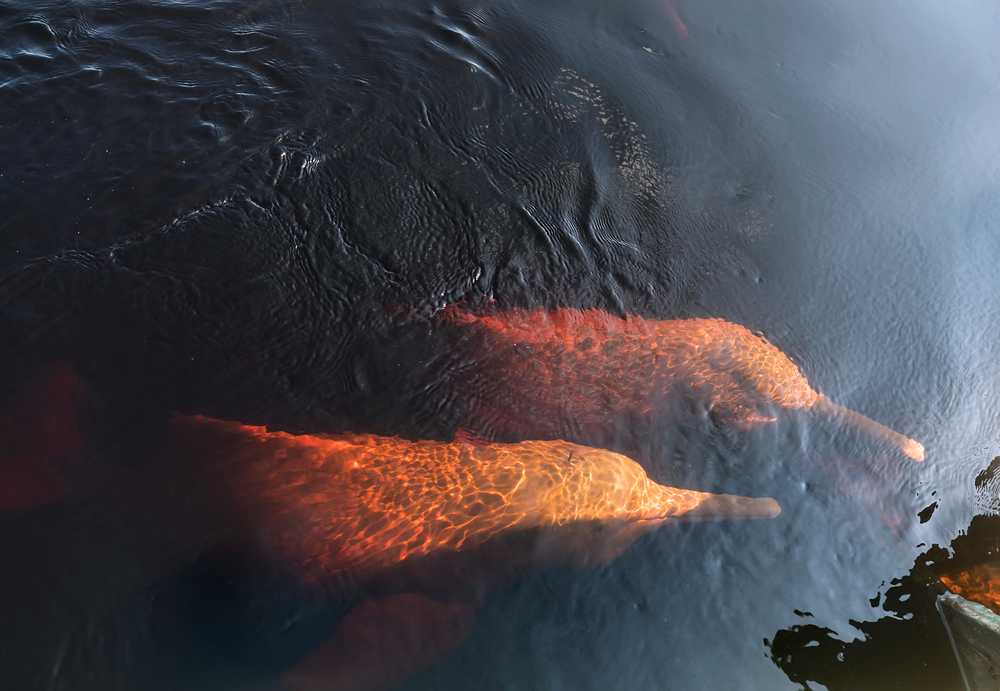
Yes, pink dolphins are real, and they live in the Amazon River. These freshwater dolphins are born gray and turn pink as they age.
Their color becomes stronger when they get excited or active. They use sound, not sight, to move through the cloudy water.
Locals have many old stories about these rare animals.
More species of fish than in the Atlantic Ocean
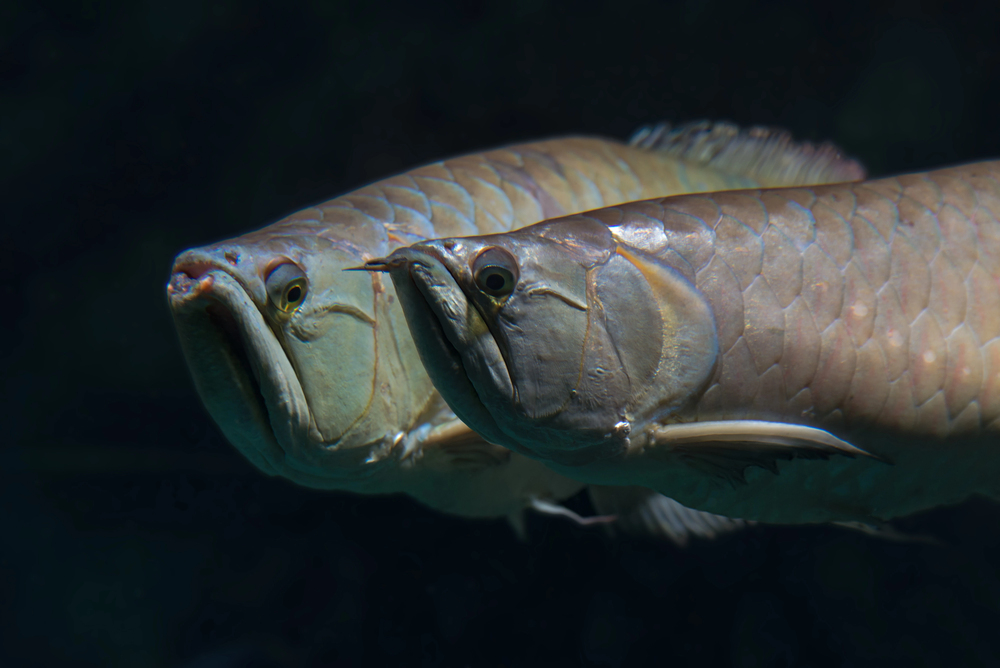
That sounds wild, but it’s true. The Amazon River is home to more than 2,500 known fish species.
Some are colorful, others are tiny, and a few can grow longer than a person is tall. The famous piranha lives here too, though it’s not nearly as scary as movies make it seem.
Scientists believe more fish are still waiting to be discovered.
The rainforest breathes like a living thing
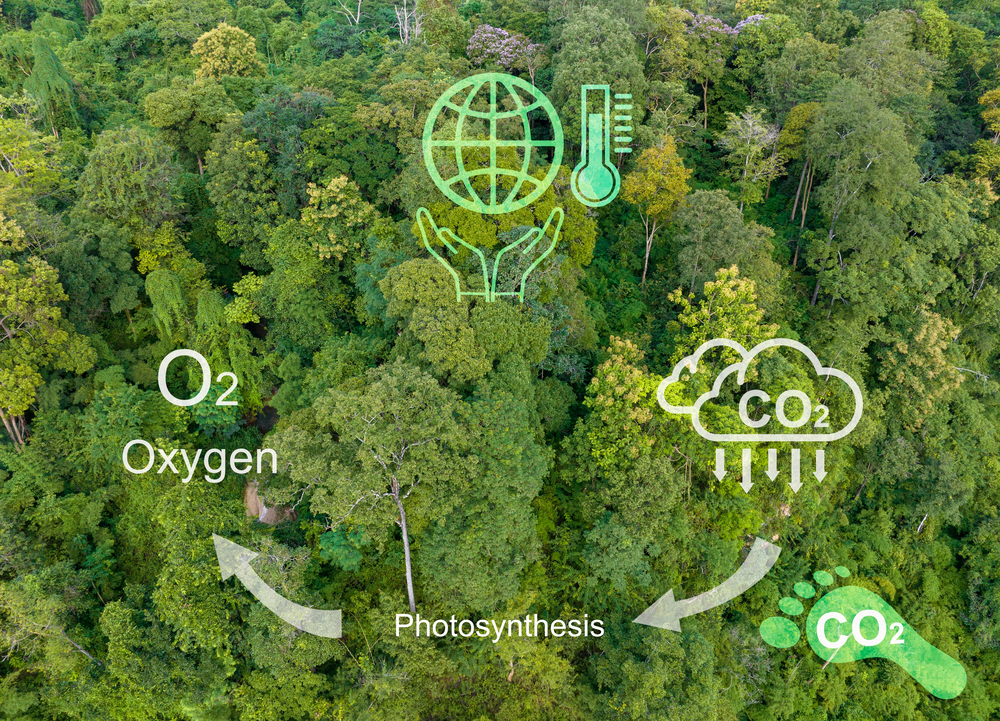
The Amazon takes in carbon dioxide and releases oxygen. During the day, the trees absorb CO₂ and produce oxygen.
At night, they take in oxygen just like animals. This exchange helps balance gases in the atmosphere.
That’s one reason the forest is often called the “lungs of the Earth.”
It has plants with natural healing powers
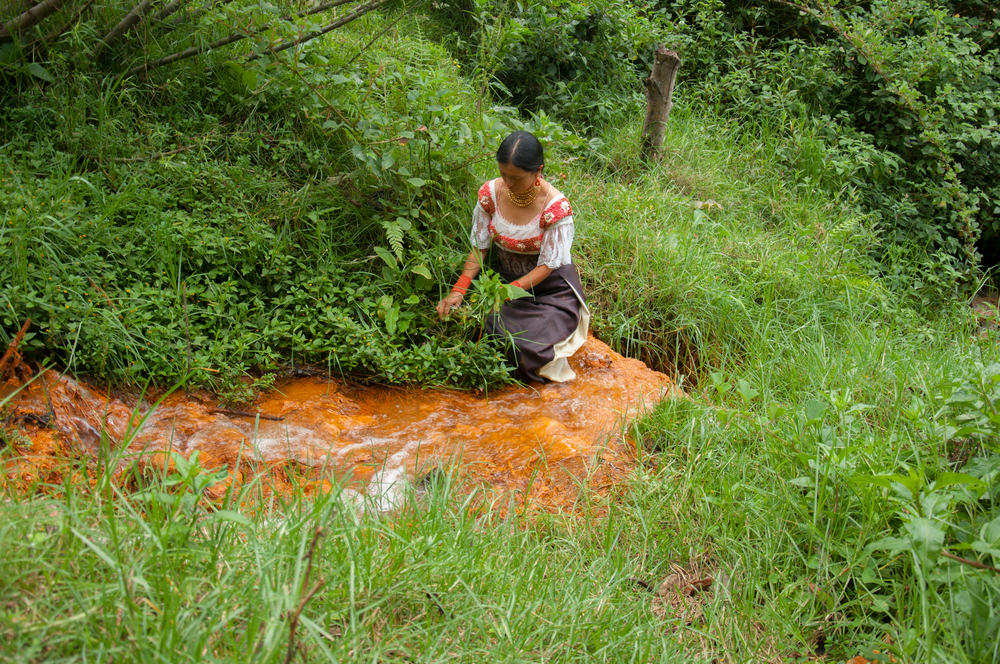
Many modern medicines come from plants found in the Amazon. Local communities have used these plants for centuries to treat pain, infection, and illness.
Scientists continue to study them to find new treatments. Some of today’s well-known drugs trace their roots back to this forest.
It’s like a living pharmacy that still holds secrets.
Millions of insects live there
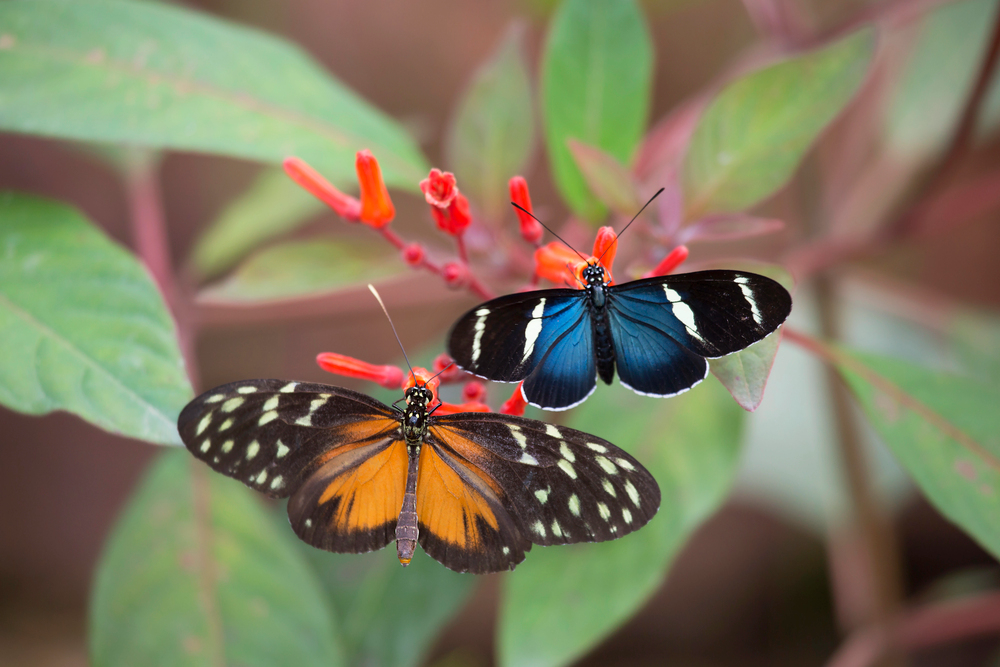
The insect life is hard to imagine. There are ants that can carry leaves over long distances, beetles that glow in the dark, and butterflies the size of a hand.
In one single tree, scientists once counted more than 40 different species of ants. Most insects in the Amazon are harmless, but some play big roles in keeping the ecosystem running.
It’s home to uncontacted tribes
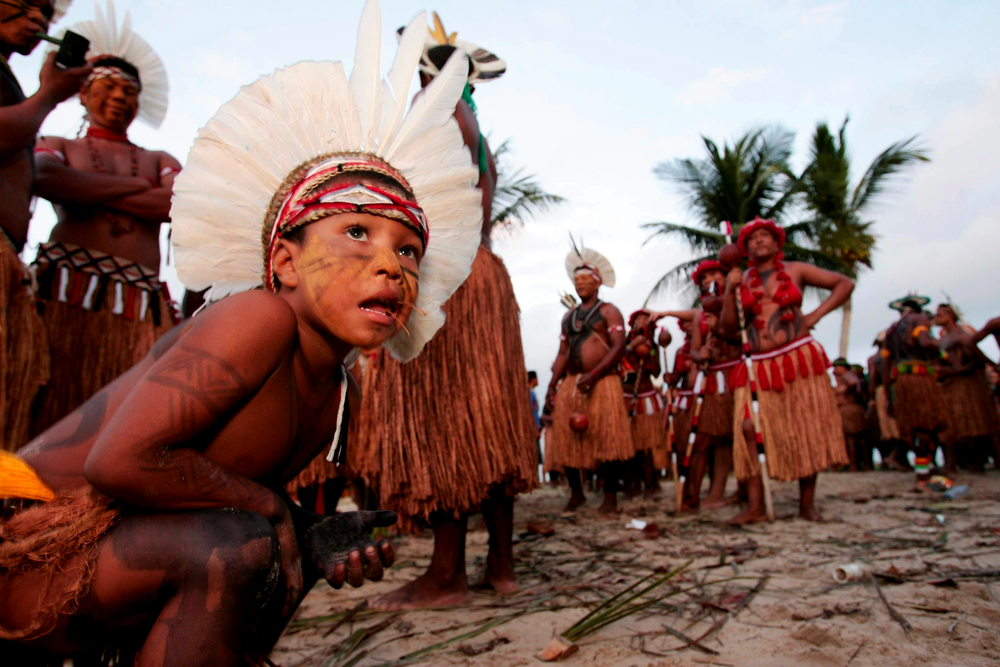
Not everyone in the Amazon has a phone or knows about the outside world. Some small groups of people still live deep in the forest with no contact with modern society.
They rely completely on their surroundings for food, shelter, and medicine. Many governments try to protect their land and privacy.
These communities live in ways that have barely changed in thousands of years.
The canopy is a world of its own
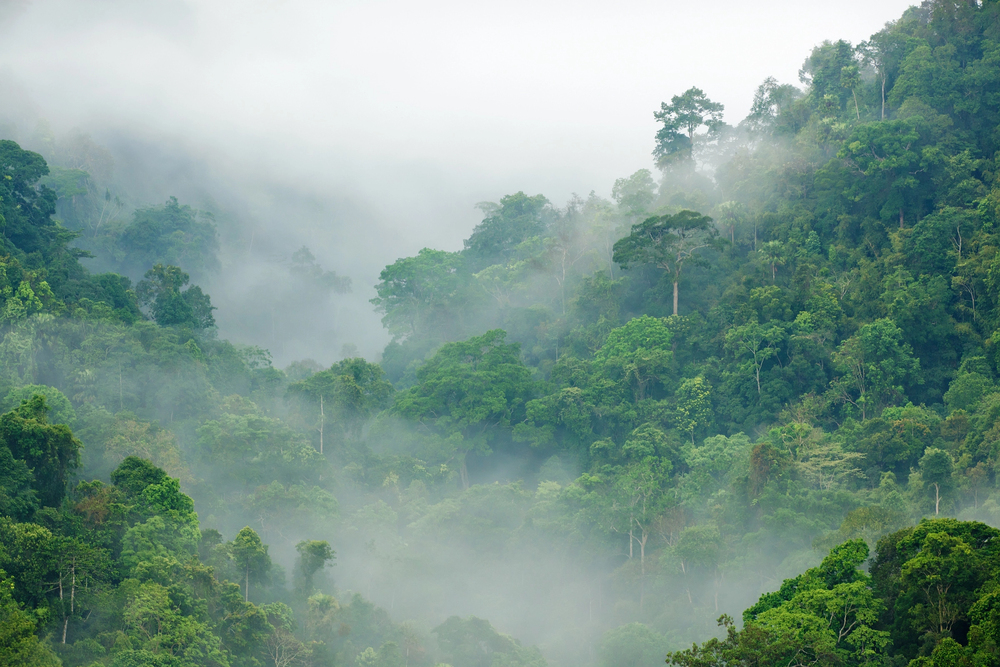
High above the forest floor, there’s another layer called the canopy. This is where tree branches and leaves form a roof that catches sunlight.
Many animals, like monkeys, birds, and insects, live their whole lives up there. Scientists use ropes and towers to study this upper level.
It’s like a second forest floating above the first one.
It helps control the planet’s temperature
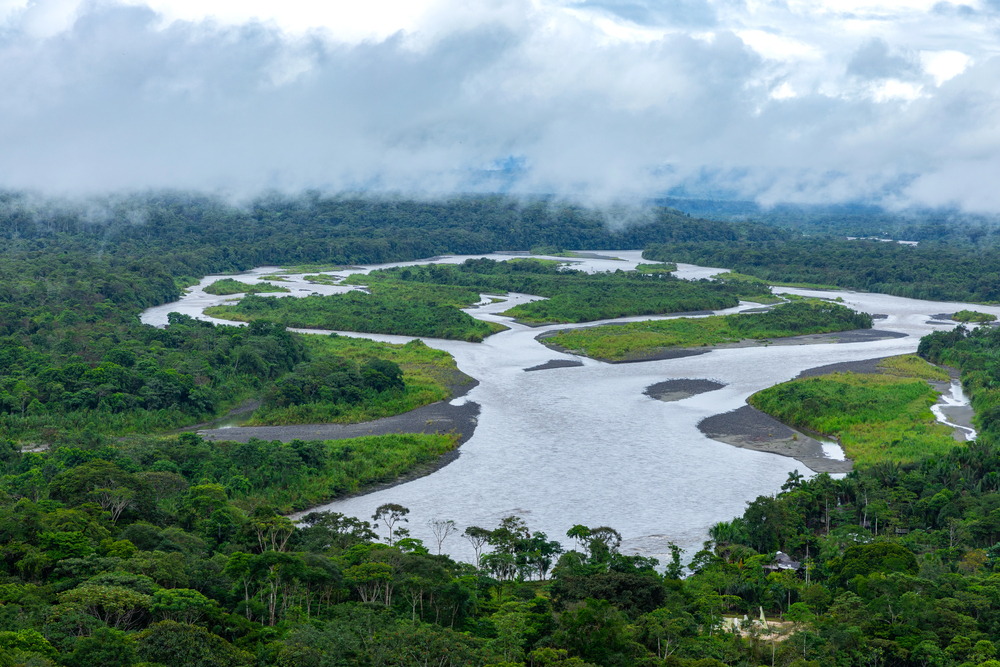
The Amazon doesn’t just affect nearby weather—it influences the whole world. By absorbing sunlight and carbon dioxide, the forest helps keep the Earth’s temperature stable.
When trees are lost, that balance is thrown off. Climate experts warn that too much deforestation could speed up global warming.
So, protecting the Amazon is not just a local issue—it’s global.
Rainforest soil is surprisingly poor
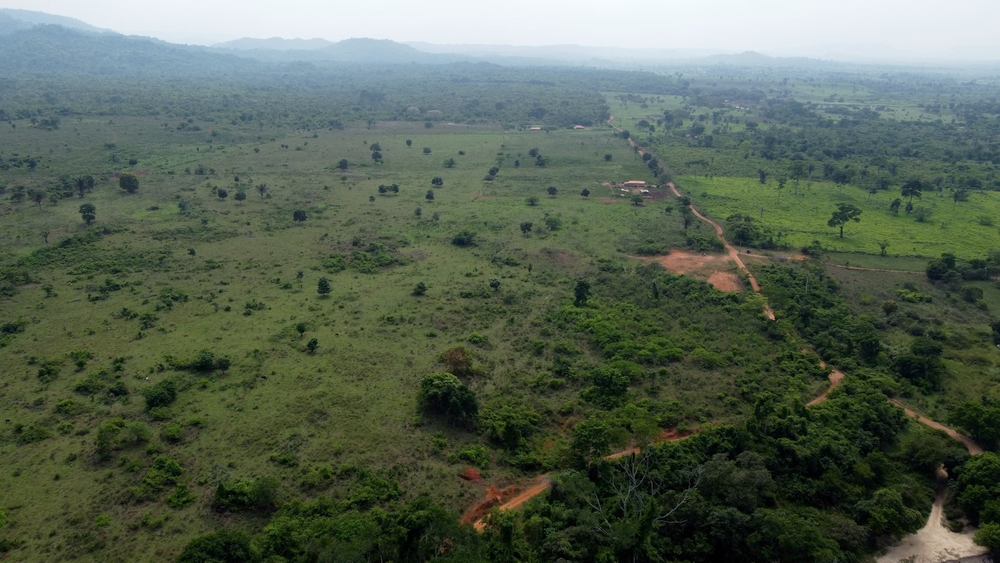
The soil in the Amazon isn’t as rich as you might think. Most of the nutrients are in the trees, leaves, and animals—not in the ground.
That’s why when trees are cut down, the land becomes less useful for farming very quickly. The forest stays alive by constantly recycling its own organic matter.
It’s a fragile system that breaks down if too much is removed.
Fungi there can clean up pollution
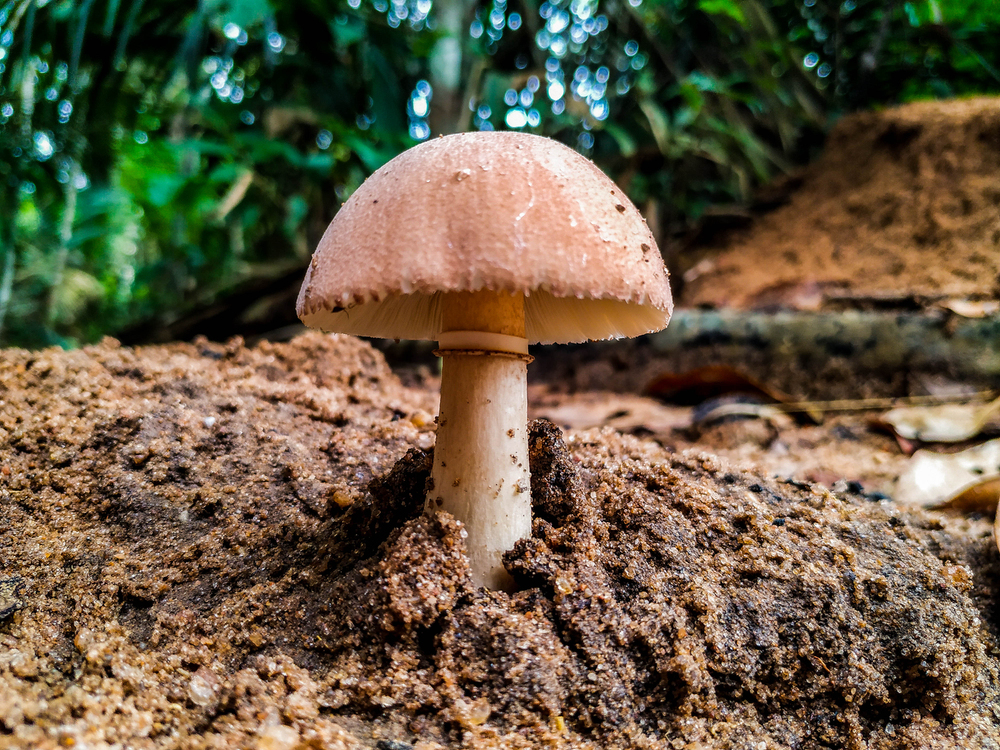
Scientists have found types of fungi in the Amazon that can break down plastic. These fungi don’t need sunlight and can survive in tough conditions.
They might help solve waste problems in the future. If more is learned about them, they could be used to clean up polluted areas.
It’s another example of how nature sometimes holds the answers.
It rains more than 200 days a year
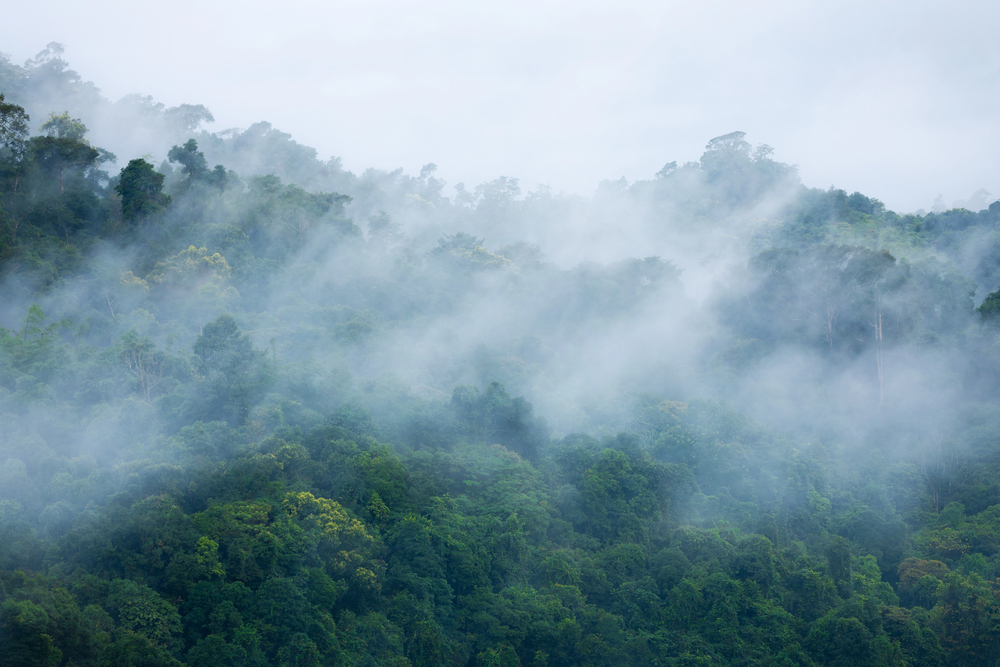
Rain isn’t just a now-and-then thing here—it’s part of daily life. Some parts of the rainforest get rain almost every other day.
This steady water flow supports the trees, rivers, and wildlife. The rain also helps spread seeds and keeps temperatures steady.
But too much rain can also flood areas and change how animals live.
A wonder with no real finish line
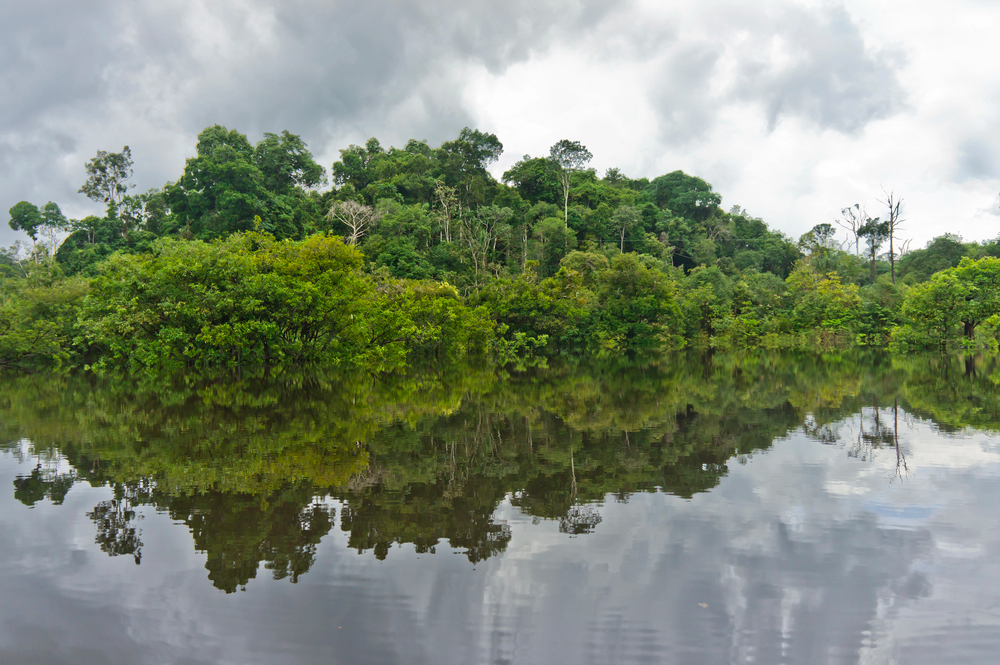
The Amazon isn’t something you can fully understand in one trip or one article. It’s always changing, always growing, and always full of surprises.
Even scientists who spend their lives studying it still find new things. For people everywhere, it’s a reminder of how rich and strange the natural world can be.
And how important it is to protect it while we still can.
A world worth protecting, then and now
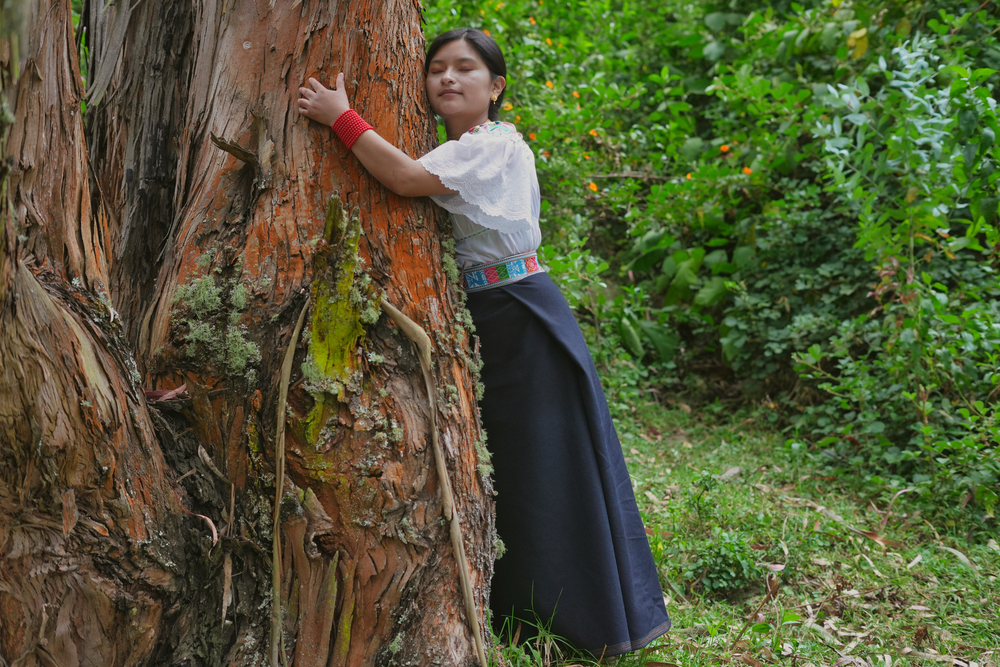
The Amazon rainforest has always been a place of wonder, but now it’s also a place of concern. What once seemed endless now faces real threats from deforestation and climate change.
Every fact and story above shows why the forest matters not just for one region, but for the whole planet. The balance it provides benefits everyone, whether they live near it or not.
Protecting it today means future generations will still be amazed tomorrow.
More from Go2Tutors!

- 16 Historical Figures Who Were Nothing Like You Think
- 12 Things Sold in the 80s That Are Now Illegal
- 15 VHS Tapes That Could Be Worth Thousands
- 17 Historical “What Ifs” That Would Have Changed Everything
- 18 TV Shows That Vanished Without a Finale
Like Go2Tutors’s content? Follow us on MSN.