17 Ancient Games That Required Life-or-Death Skills
Throughout history, games weren’t just about entertainment—they served as training grounds for survival. Ancient civilizations developed contests that honed the exact skills needed to hunt, fight, and navigate their dangerous world. These weren’t casual pastimes but serious preparations for the real challenges of staying alive.
Here’s a list of 17 ancient games that doubled as life-or-death skill training, each one serving a crucial purpose in preparing people for survival.
Pankration
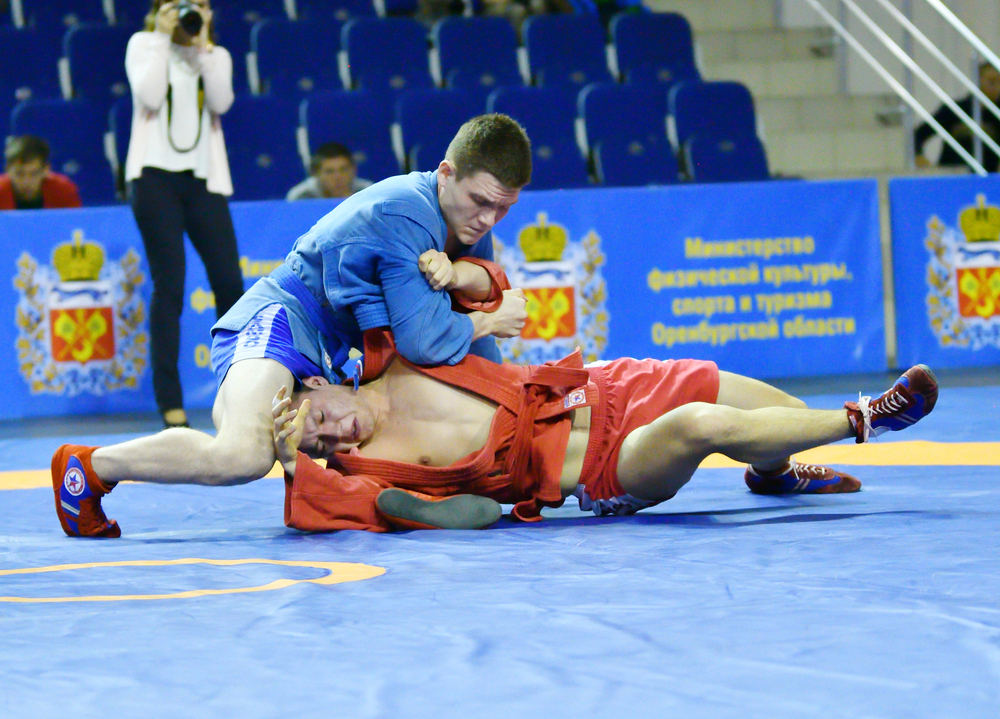
Ancient Greece’s pankration combined wrestling and boxing into one brutal contest where nearly anything went. Fighters could punch, kick, grapple, and choke their opponents using techniques that translated directly to battlefield combat.
The only rules? No eye gouging and no biting—making it excellent preparation for the close-quarters fighting that Greek warriors faced in actual warfare.
Mesoamerican Ballgame
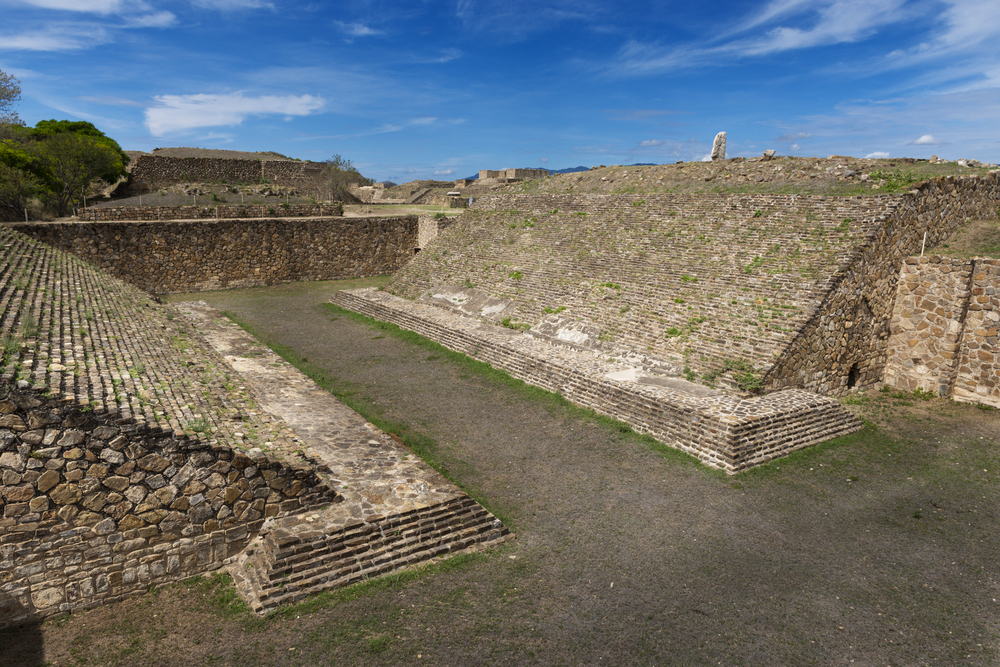
The Maya and Aztec civilizations played a rubber-based game using their hips, elbows, and knees to keep a heavy sphere in motion. This sport developed the precise body control and quick reflexes needed for dodging weapons in battle.
Some versions ended with ritual sacrifice, which added genuine life-or-death stakes to what might otherwise seem like an athletic competition.
Like Go2Tutors’s content? Follow us on MSN.
Knucklebones
Roman soldiers played this game using actual ankle bones from sheep or goats—tossing them like dice while trying to catch them in specific patterns. The hand-eye coordination and finger dexterity required translated perfectly to handling weapons and manipulating small objects during combat.
It also sharpened the quick decision-making skills that could mean the difference between life and death in battle.
Archery Contests
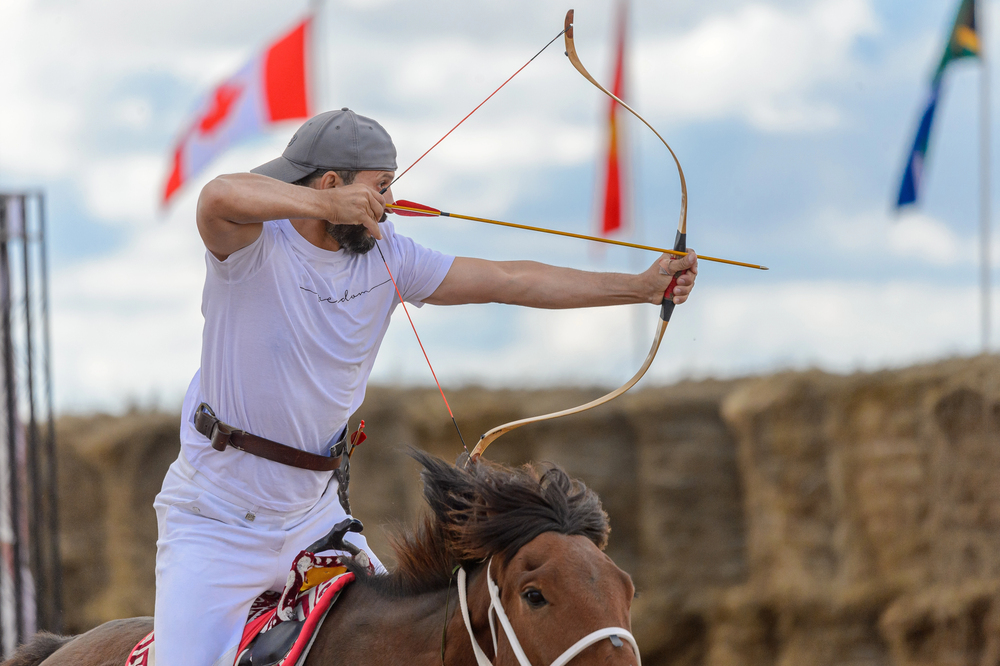
Medieval tournaments featured archery competitions that directly mimicked hunting and warfare scenarios. Participants shot at targets placed at varying distances and angles, often while moving or under time pressure.
These contests maintained the marksmanship skills that communities relied on for both food procurement—and defense against enemies.
Gladiator Training Games
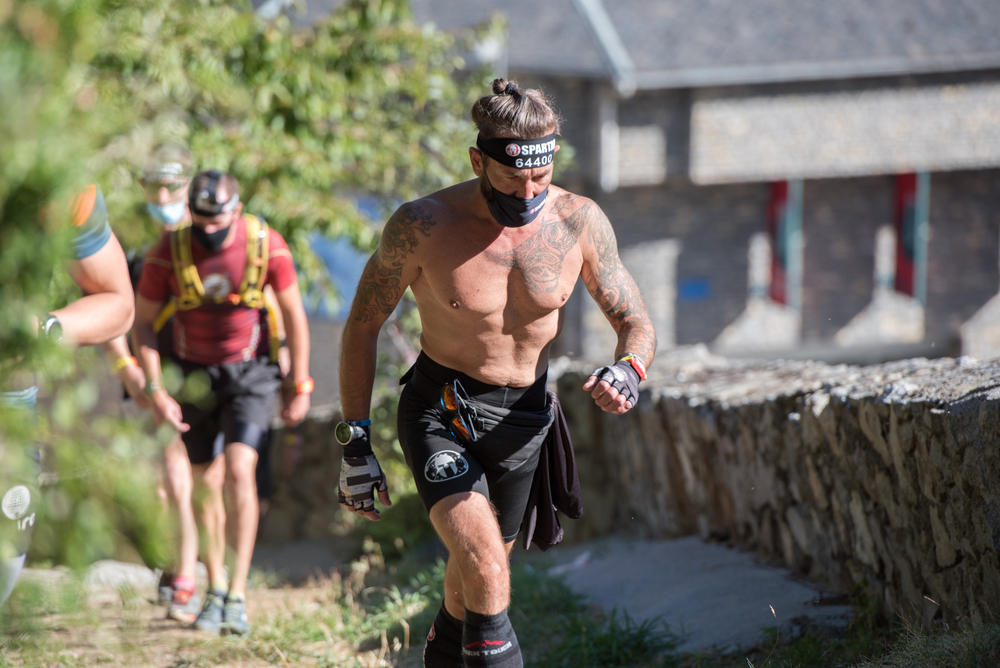
Roman gladiators practiced with wooden weapons in controlled combat scenarios before facing real opponents. These training sessions taught fighting techniques, timing, and the psychological control needed to face death calmly.
The skills developed during practice directly determined whether a gladiator would survive in the arena.
Like Go2Tutors’s content? Follow us on MSN.
Viking Glima Wrestling
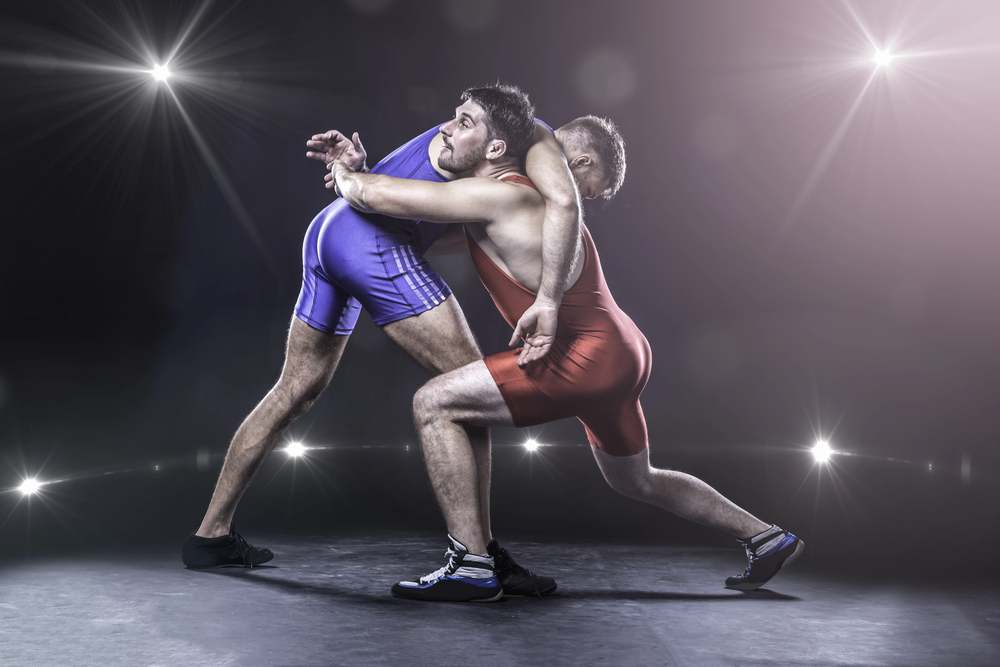
Nordic warriors used this grappling art to develop the close-combat skills essential for Viking raids and battles. Glima emphasized using an opponent’s momentum against them—a technique that worked whether fighting with weapons or bare hands.
The mental toughness required to continue fighting while injured was just as important as the physical techniques.
Native American Lacrosse
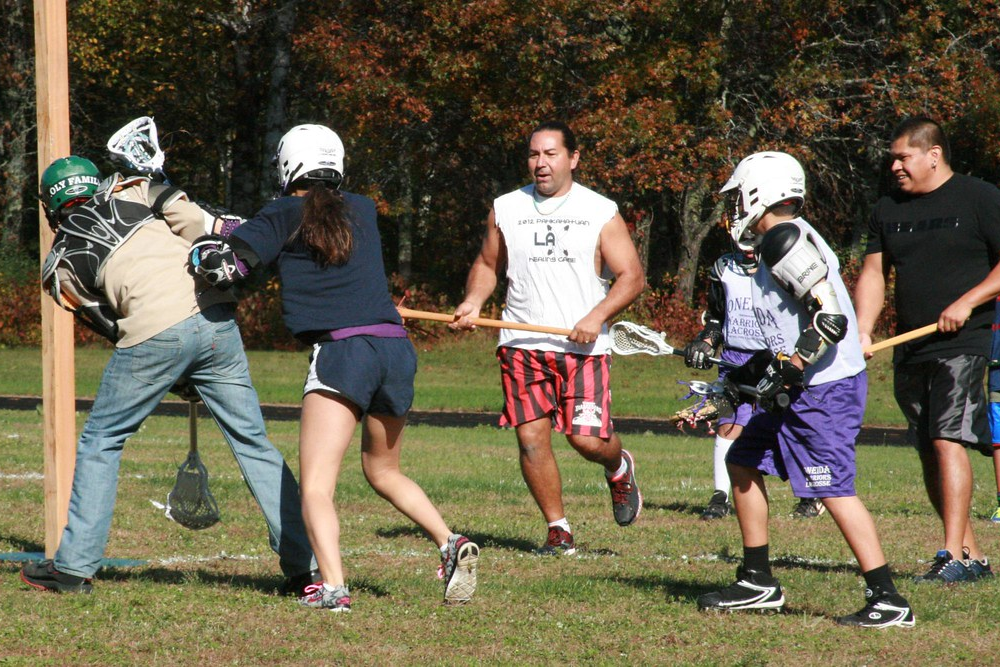
Tribes across North America played this stick-and-leather game to prepare young warriors for battle. The sport required the same running endurance, strategic thinking, and teamwork that successful war parties needed.
Some games involved hundreds of players and lasted for days—building the stamina necessary for long military campaigns.
Persian Chovgan
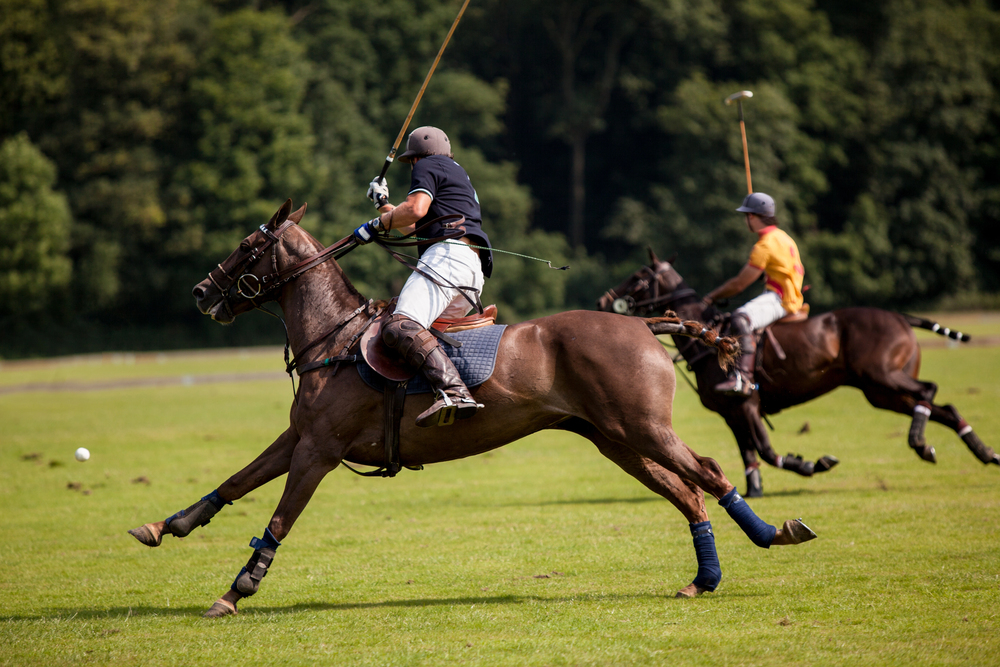
This horseback game using mallets and a small object developed the riding skills that Persian cavalry needed for warfare. Players learned to control their horses with their legs while using their hands for other tasks—exactly what mounted warriors required in battle.
The game also taught the quick directional changes that could save a rider’s life during combat.
Like Go2Tutors’s content? Follow us on MSN.
Chinese Cuju
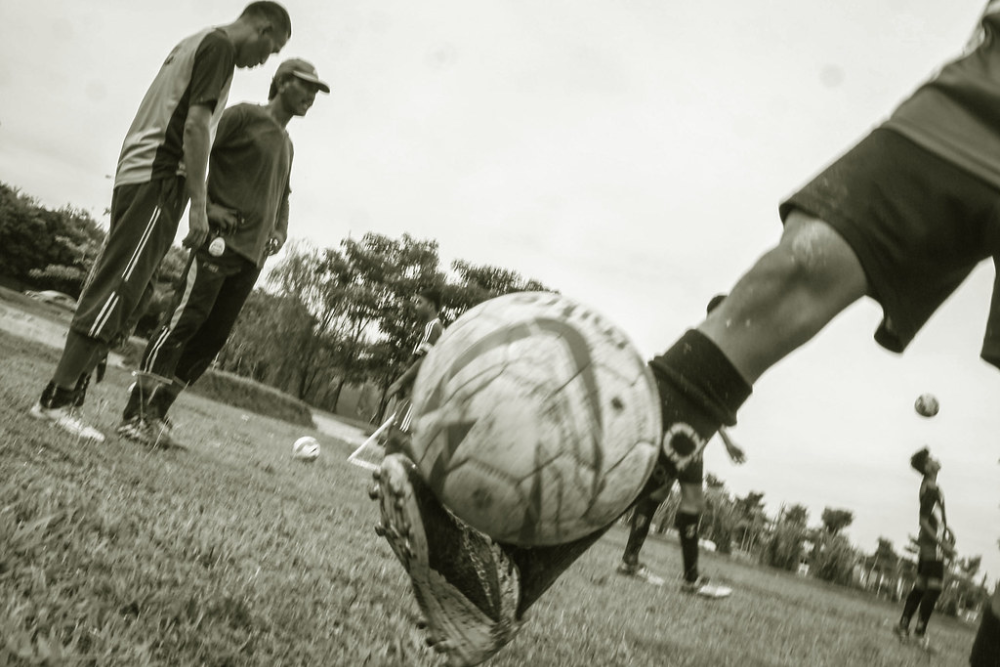
Ancient Chinese players kicked a leather sphere through goals while developing the footwork and balance that martial artists needed. The sport required precise control over body movement—plus the ability to react quickly to changing situations.
These same skills translated directly to hand-to-hand combat and weapon fighting techniques.
Japanese Kemari
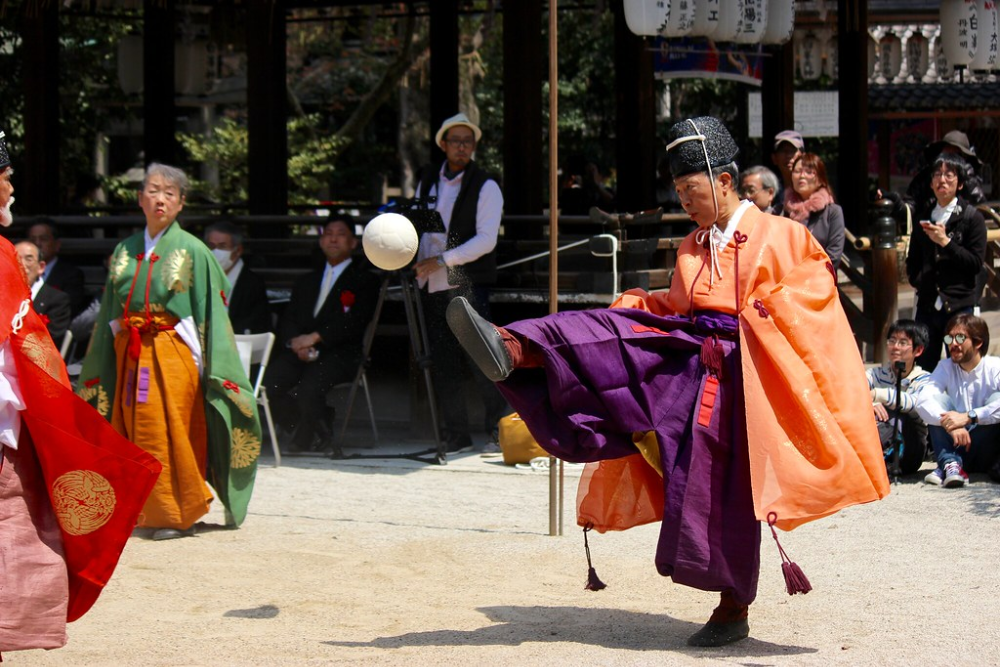
Court nobles in Japan played this kicking game to maintain physical fitness and develop the precise body control required for sword fighting. The cooperative nature of keeping the sphere aloft taught the timing and spatial awareness that samurai needed when fighting multiple opponents—mental discipline was just as important as physical skill in both the game and actual combat.
Inuit Blanket Toss
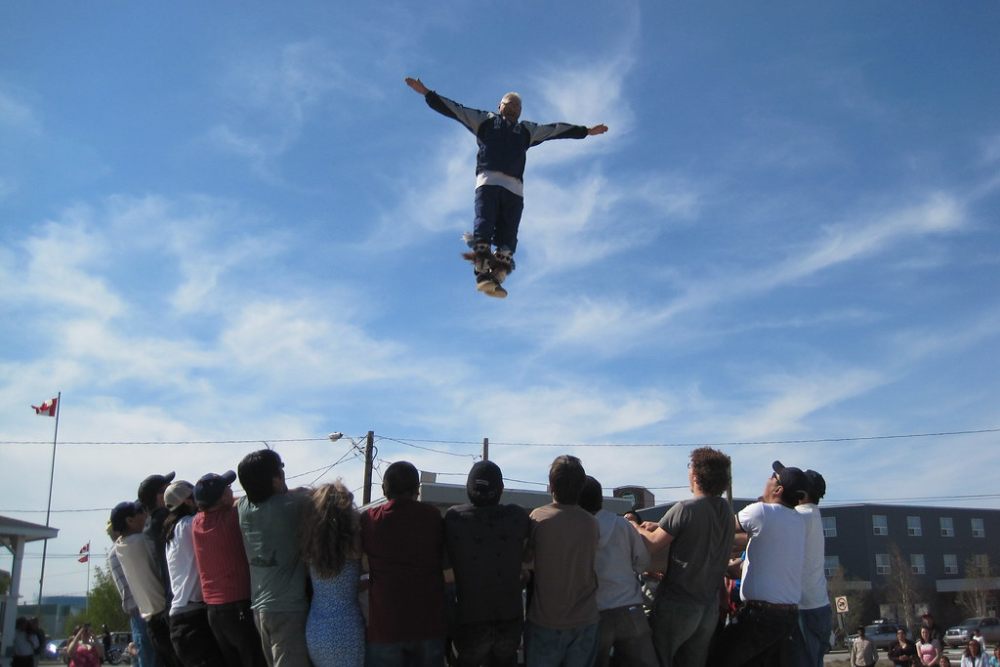
Arctic communities used this activity to scout for game and dangers across the frozen landscape. The person being tossed gained a high vantage point to spot distant threats or hunting opportunities.
The coordination required between the tossers and the scout developed the teamwork essential for survival in harsh Arctic conditions.
Like Go2Tutors’s content? Follow us on MSN.
Aboriginal Spear Throwing
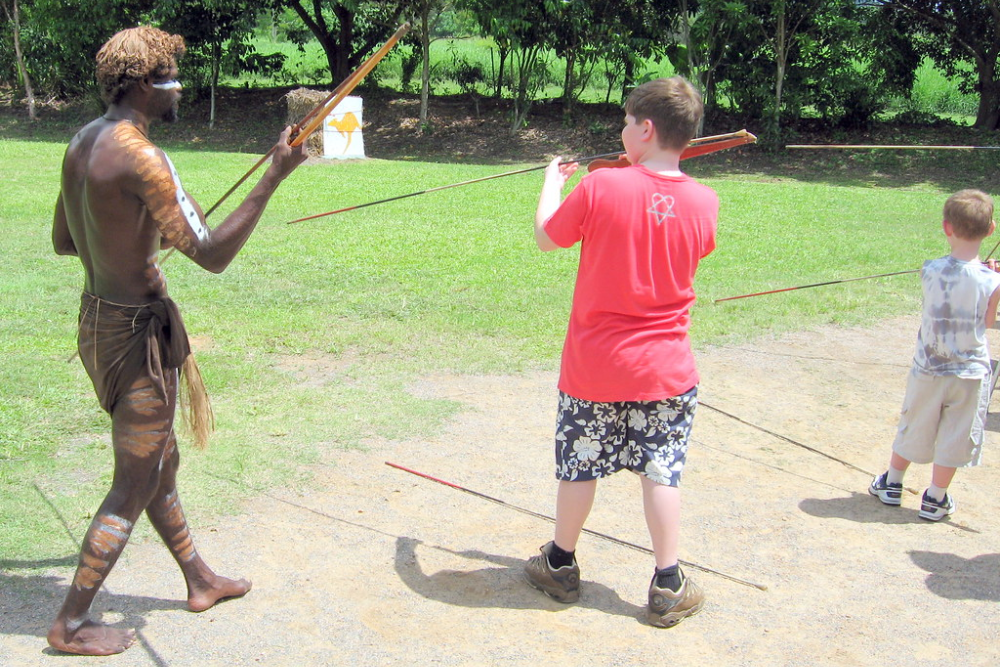
Australian Aboriginal groups competed in accuracy contests using their traditional hunting weapons. These games maintained the precision needed to successfully hunt kangaroos, emus, and other game animals.
The throwing techniques practiced during competition were identical to those used when the tribe’s survival depended on a successful hunt.
Polynesian Surfing
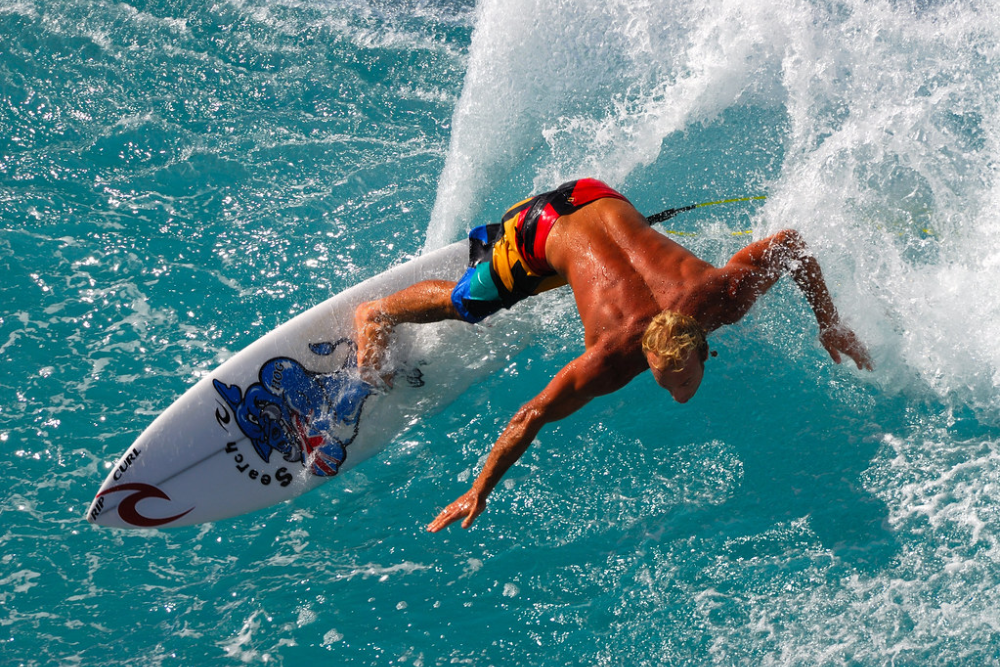
Pacific Island cultures used wave riding to develop the balance and water skills needed for ocean survival. Surfers learned to read wave patterns and ocean conditions, knowledge that proved essential for fishing and inter-island travel.
The physical conditioning from paddling and riding waves built the strength needed for long ocean voyages.
Norse Axe Throwing
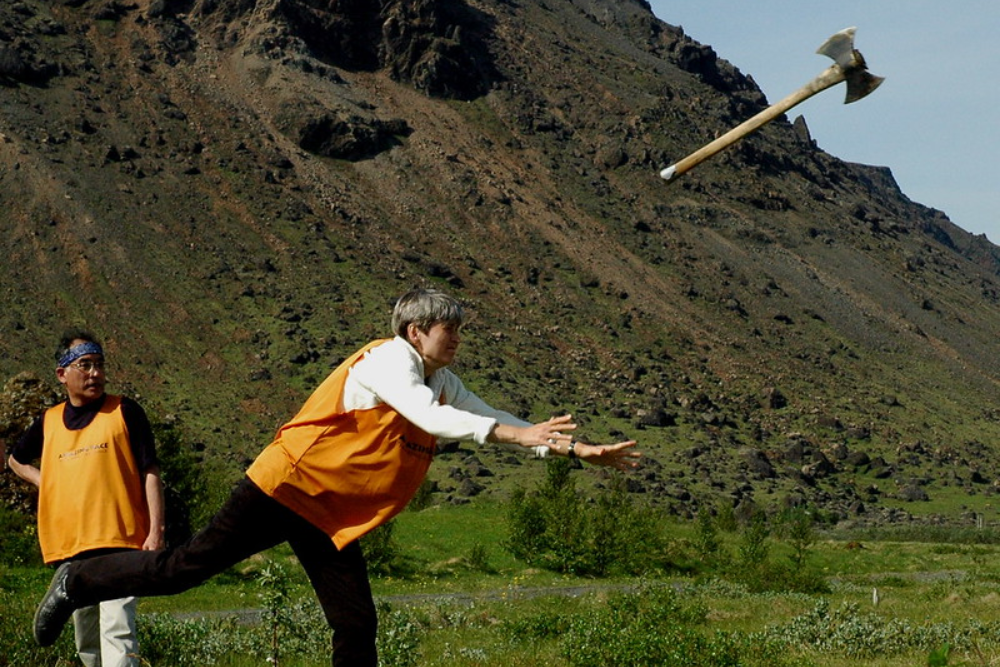
Scandinavian warriors practiced throwing their battle axes at wooden targets to maintain accuracy with these versatile weapons. The contests helped fighters learn the proper range and technique for using axes as both melee weapons and projectiles.
This dual-purpose training was crucial since axes served as both tools and weapons in Norse society.
Like Go2Tutors’s content? Follow us on MSN.
Mongolian Wrestling
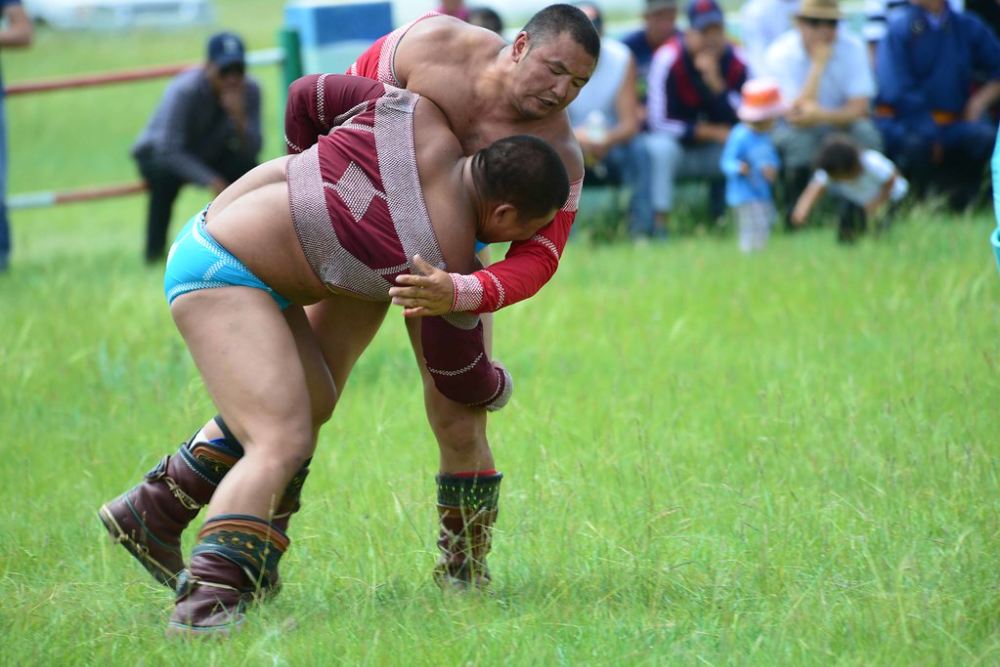
Nomadic herders used this grappling art to develop the strength and balance needed for handling large animals and fighting on horseback. The techniques taught how to use leverage against stronger opponents, skills that applied whether wrestling cattle or enemy warriors.
Mental toughness was equally important, though, as giving up meant losing status in the tribe.
Celtic Hurling
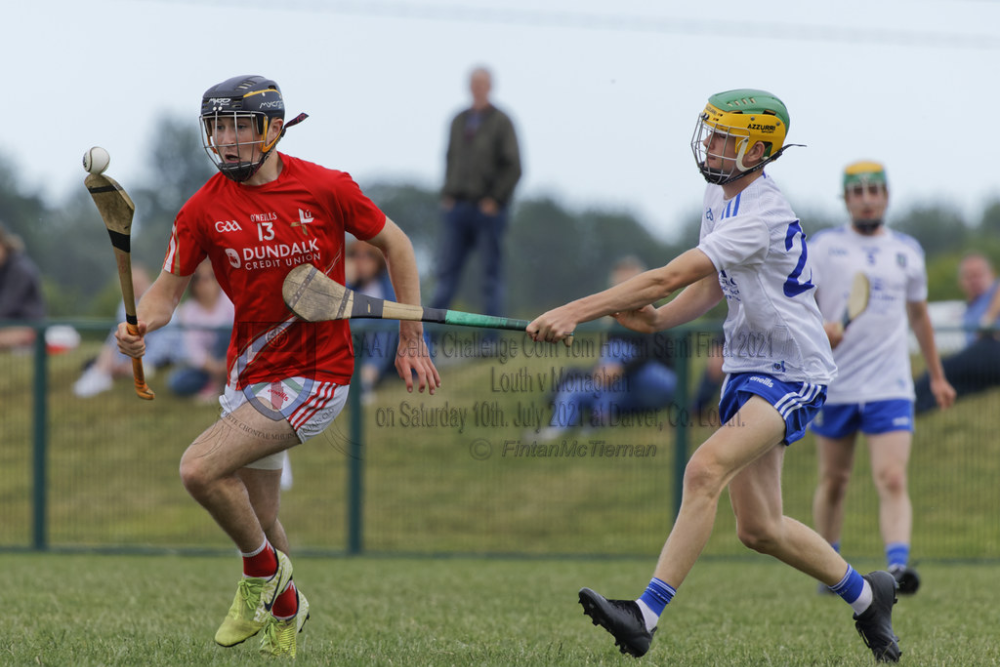
Irish warriors played this stick-and-leather game to develop the reflexes and hand-eye coordination needed for sword and shield combat. The sport required split-second decision making and the ability to track multiple moving objects simultaneously.
These same skills determined whether a warrior could successfully defend against multiple attackers in battle.
Roman Hoop Rolling
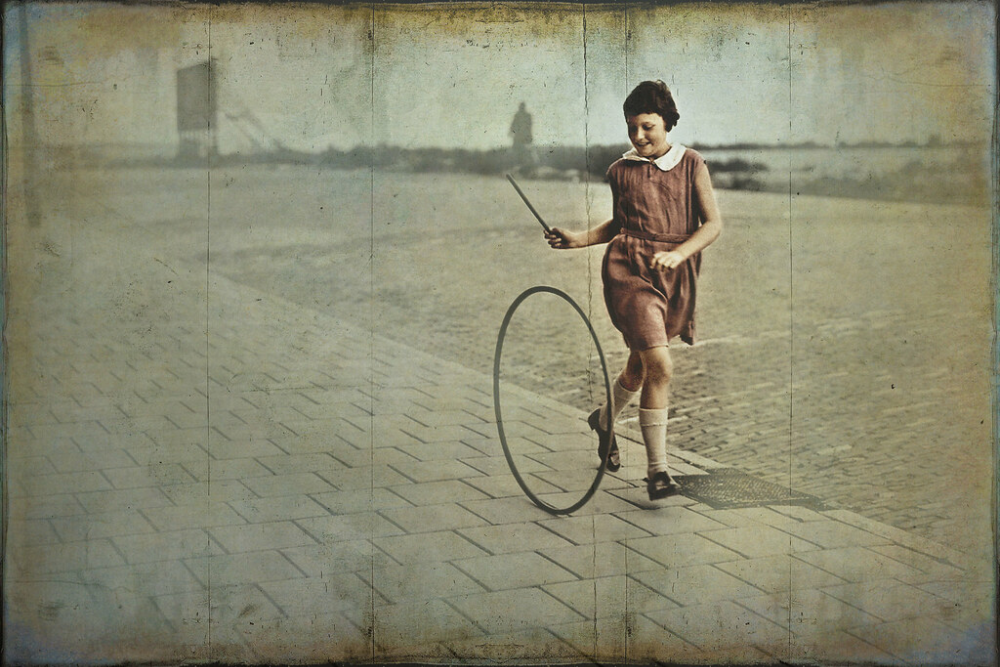
Children in ancient Rome guided metal hoops with sticks to develop the precise hand control needed for using weapons effectively. The game taught steady hands and the ability to maintain focus over extended periods.
These skills translated directly to spear throwing, archery, and sword fighting when the children grew up to become soldiers.
Like Go2Tutors’s content? Follow us on MSN.
When Games Meant Everything
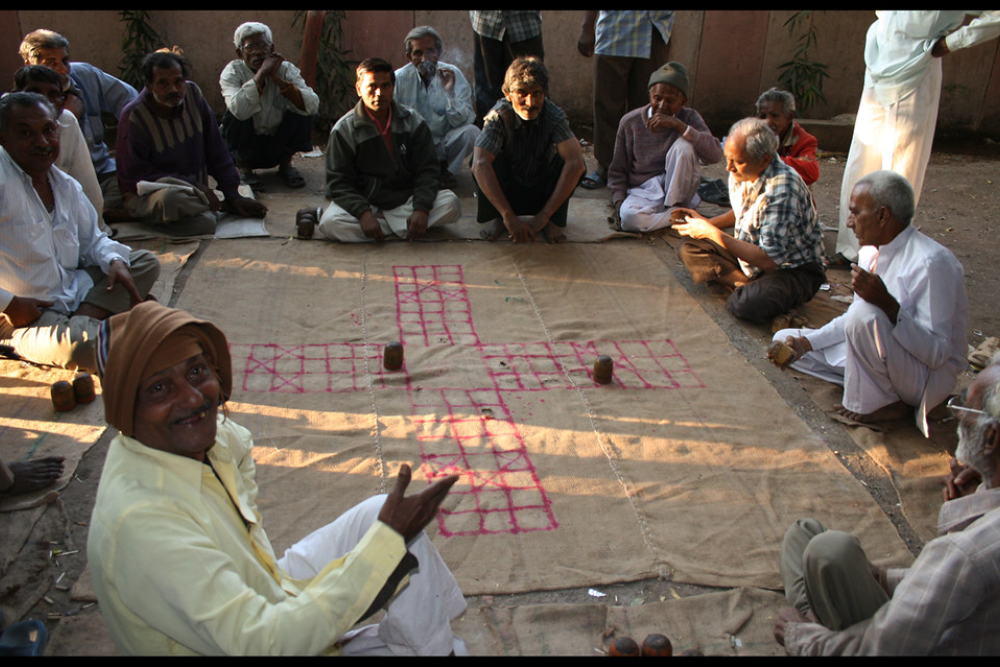
These ancient contests reveal how our ancestors understood that survival required constant preparation. Unlike modern sports that exist purely for entertainment, these games served as essential training that could determine who lived and who died when real danger arrived.
The skills developed through play became the foundation for entire civilizations’ ability to defend themselves and thrive in hostile environments.
More from Go2Tutors!

- 16 Historical Figures Who Were Nothing Like You Think
- 12 Things Sold in the 80s That Are Now Illegal
- 15 VHS Tapes That Could Be Worth Thousands
- 17 Historical “What Ifs” That Would Have Changed Everything
- 18 TV Shows That Vanished Without a Finale
Like Go2Tutors’s content? Follow us on MSN.