17 Historical Quality Standards That Guaranteed Perfection
Throughout history, civilizations have developed rigorous quality standards that would make today’s ISO certifications look like casual suggestions. These weren’t just guidelines—they were often matters of life, death, and reputation that shaped entire industries and cultures.
Here’s a list of 17 historical quality standards that demanded nothing short of perfection from craftsmen, builders, and merchants across the ages.
Babylonian Code of Hammurabi for Builders

King Hammurabi didn’t mess around when it came to construction quality in ancient Babylon around 1750 BCE. His famous code stated that if a builder constructed a house that collapsed and killed the owner—the builder would be executed.
This wasn’t just tough love; it was the ultimate quality assurance program that made architects and builders incredibly meticulous about their work.
Roman Concrete Specifications
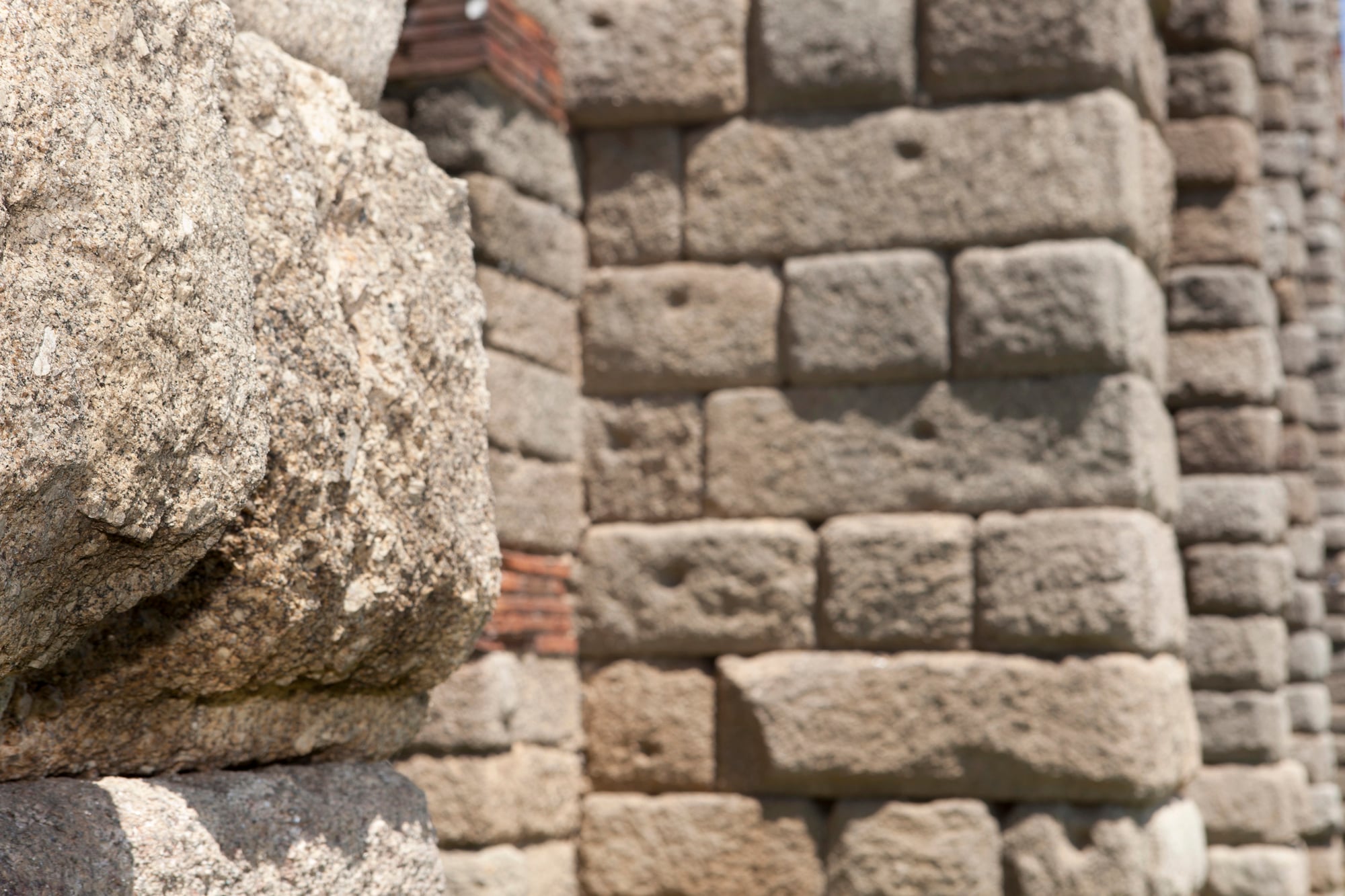
Roman engineers developed concrete mixing standards so precise that their structures still stand today, 2,000 years later. Specific ratios of volcanic ash, lime, and aggregate were required—with quality control measures that included testing batches on smaller structures first.
The Pantheon’s dome remains the world’s largest unreinforced concrete dome, proving their standards worked better than countless modern alternatives.
Medieval Guild Master Certifications

European guilds created the original professional licensing system, requiring years of apprenticeship followed by the creation of a ‘masterpiece’ to prove competency. A goldsmith couldn’t just hang up a shingle; they had to demonstrate perfect technique in front of established masters who would scrutinize every detail.
These standards were so rigorous that guild-certified products became synonymous with excellence across Europe.
Japanese Samurai Sword Testing

Japanese swordsmiths developed testing standards that were both brutal and precise—including cutting through various materials and even unfortunate criminals. The blade had to maintain its edge, show no chips or cracks, and demonstrate perfect balance through a series of increasingly difficult tests.
Only swords that passed every single test could bear the swordsmith’s signature, making these weapons legendary for their quality.
Chinese Porcelain Imperial Standards
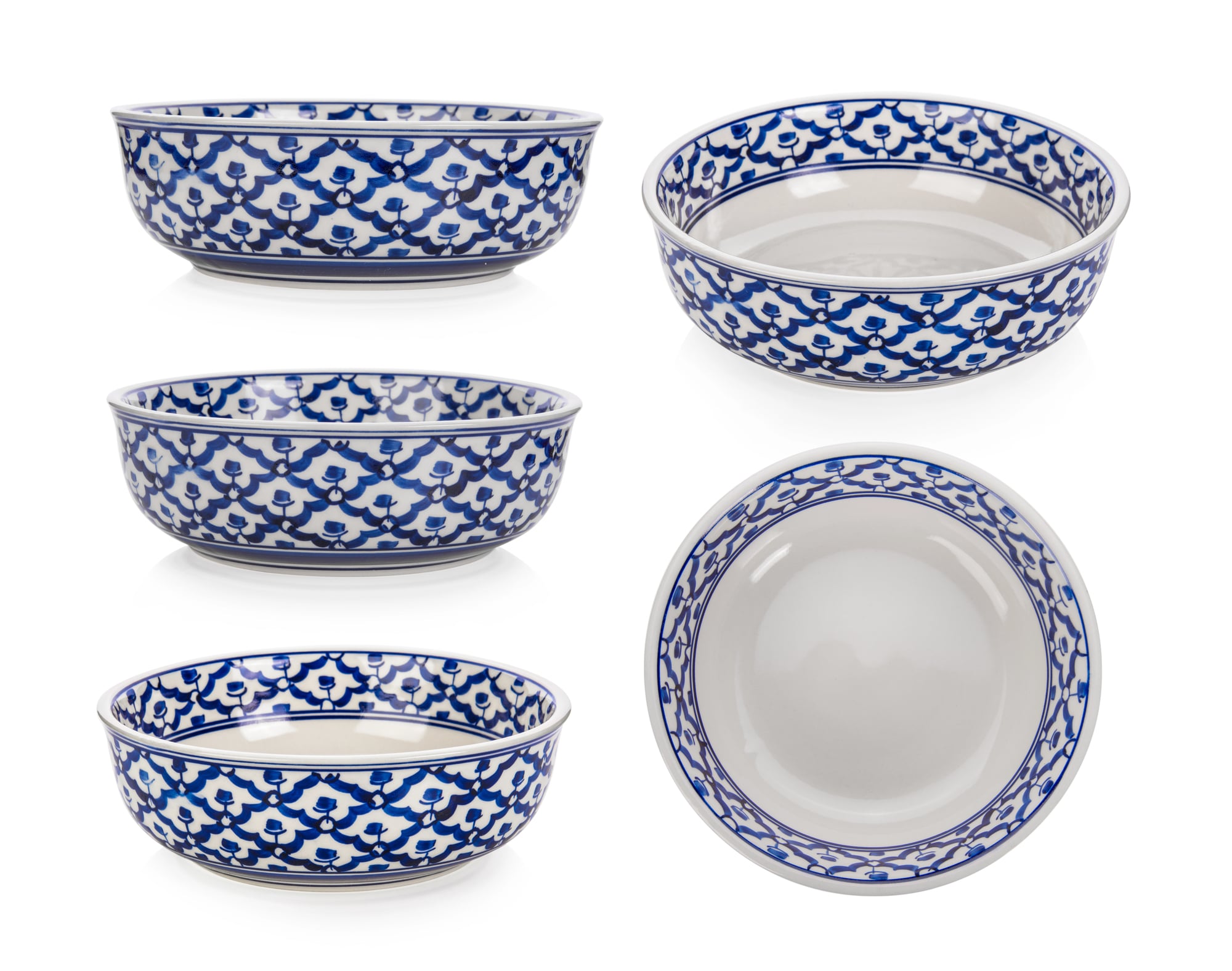
The Chinese imperial court established porcelain quality standards during the Ming Dynasty that were so demanding, entire kilns of pottery would be destroyed if they didn’t meet specifications. Every piece had to exhibit perfect color consistency—flawless glazing, and precise dimensions before it could bear the imperial mark.
These standards created porcelain so fine that European nobles would pay fortunes for a single piece.
Venetian Glassmaking Regulations

Venice’s glassmakers on the island of Murano operated under quality standards so strict that revealing trade secrets was punishable by death. Each piece had to meet exacting standards for clarity, color, and craftsmanship—with master glassblowers conducting rigorous inspections at every stage.
The resulting Venetian glass became so prized that European royalty considered it more valuable than gold.
English Woolen Cloth Assizes

Medieval England established the Assize of Cloth, which regulated everything from thread count to fabric width with incredible precision. Inspectors called ‘aulnegers’ would examine every bolt of cloth—measuring dimensions and checking quality with standardized tools.
Cloth that failed inspection was publicly burned, making English wool the gold standard of European textile trade.
Persian Carpet Knot Density Requirements

Persian carpet weavers developed quality standards based on knots per square inch—with the finest carpets requiring over 1,000 knots per square inch. Master weavers would inspect each section with magnifying tools, ensuring perfect tension and pattern alignment throughout the entire carpet.
These standards created carpets so durable and beautiful that many Persian rugs from centuries ago still grace homes and museums today.
Native American Birchbark Canoe Specifications

Indigenous tribes in North America developed precise standards for birchbark canoe construction that could mean the difference between life and death on dangerous waters. Every seam had to be perfectly waterproofed with pine pitch—and the bark had to be harvested at specific times of year to ensure maximum flexibility and durability.
These quality standards produced watercraft so superior that European explorers quickly abandoned their heavy boats in favor of Native American designs.
Medieval European Bell Casting Standards
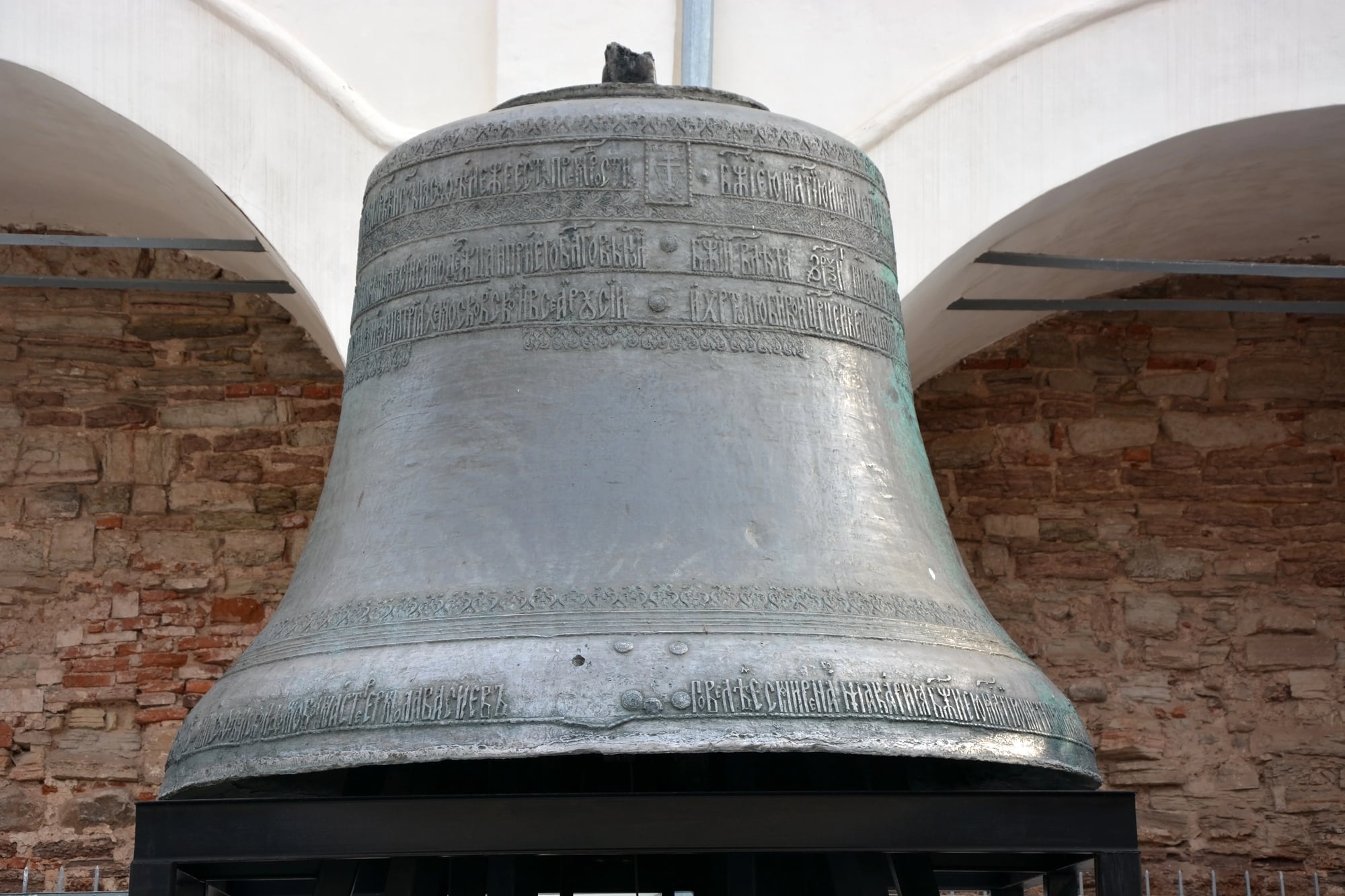
Bell founders in medieval Europe worked under quality standards that demanded perfect pitch and resonance—as church bells served both religious and civic purposes. Each bell had to ring at the exact frequency specified, with bronze composition ratios that were closely guarded secrets passed down through generations.
A bell that cracked or produced the wrong tone would be melted down and recast, regardless of the time and expense involved.
Ancient Egyptian Mummification Protocols
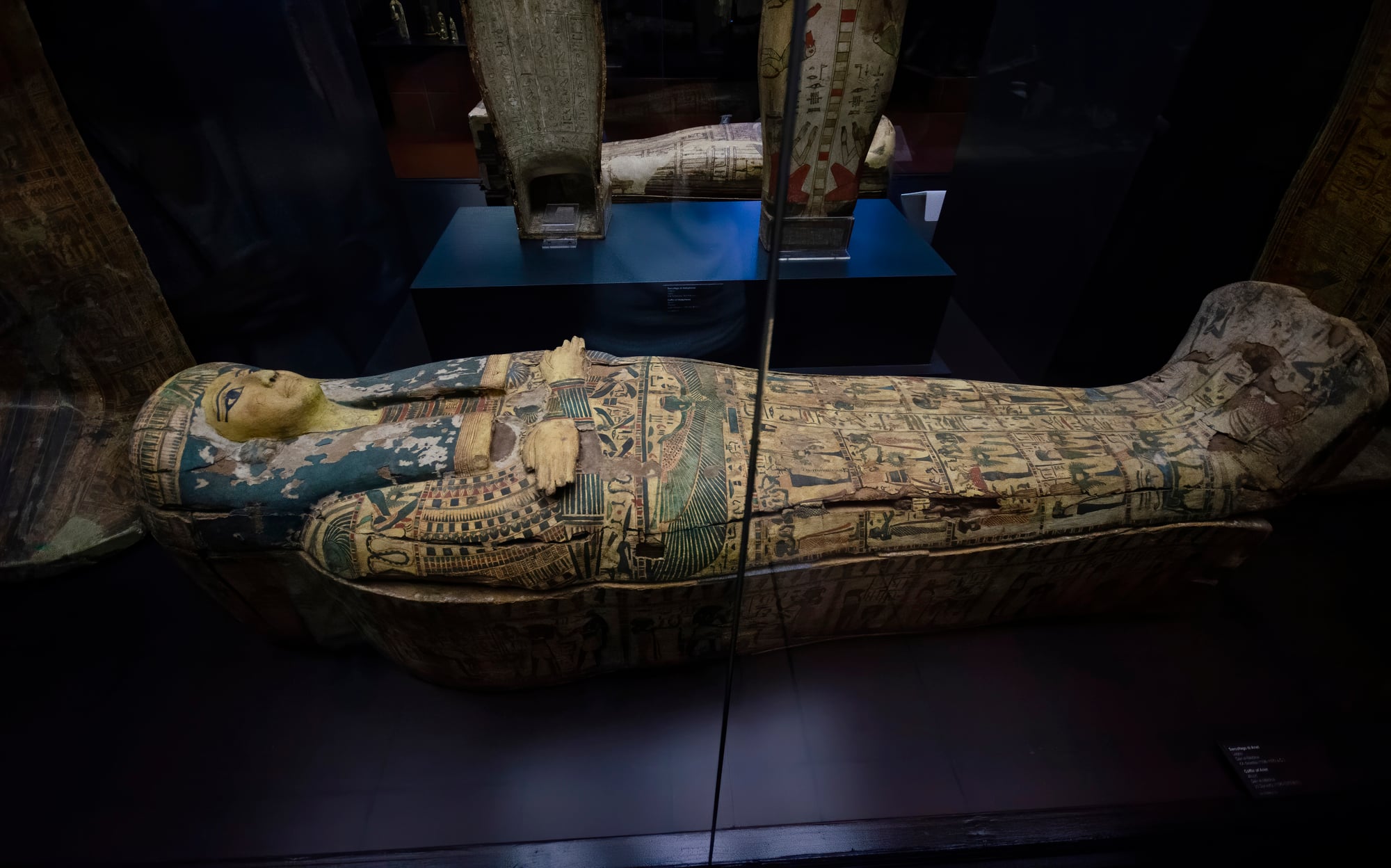
Egyptian embalmers followed quality standards for mummification that were incredibly detailed, with different grades of treatment depending on the client’s status. The highest quality mummification required a 70-day process with specific chemicals, wrapping techniques, and preservation methods that had to be followed exactly.
These standards were so effective that we can still examine well-preserved mummies thousands of years later.
Mayan Calendar Stone Accuracy Standards
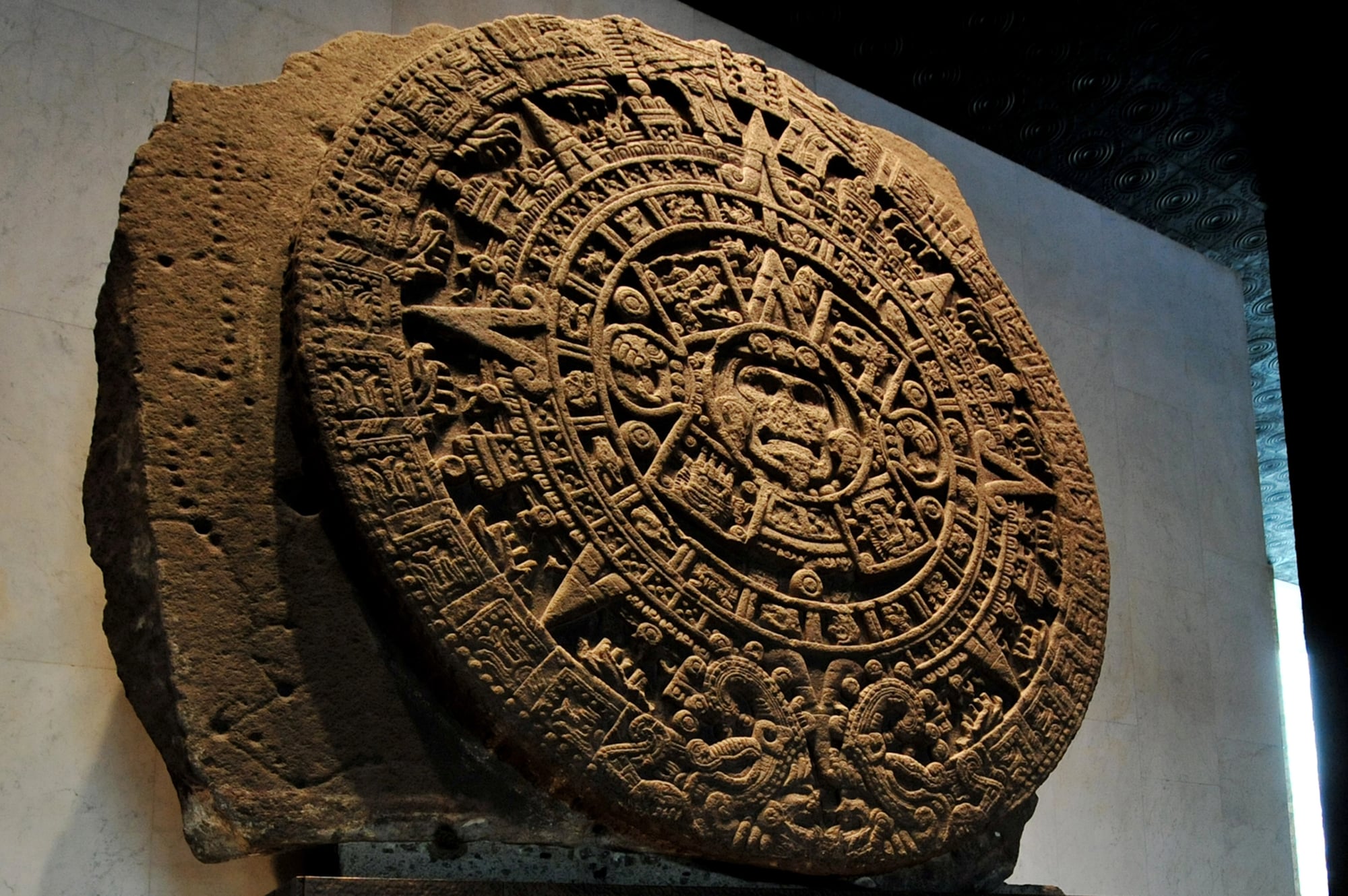
Mayan astronomers and stone carvers worked to quality standards that demanded astronomical precision in their calendar stones and monuments. Each calculation had to be verified by multiple astronomers, while the stone carving had to be accurate to the smallest detail.
Their quality standards produced calendars more accurate than the European calendar system used at the time.
Viking Shipbuilding Specifications

Viking shipwrights developed quality standards for longship construction that emphasized both speed and seaworthiness in harsh North Atlantic conditions. Every plank had to be cut from specific wood types, though precise overlapping techniques and iron fastening methods were tested in actual sea conditions.
These standards produced ships capable of both ocean voyages and river navigation, revolutionizing medieval transportation.
Medieval Armor Testing Standards

Armorers in medieval Europe had to meet quality standards that literally meant life or death for their customers. Each piece of armor was tested by firing crossbow bolts at it from specified distances, yet any armor that failed was rejected.
Master armorers would stake their reputation and their customer’s life on meeting these exacting standards for protection and mobility.
Ancient Greek Architectural Proportions
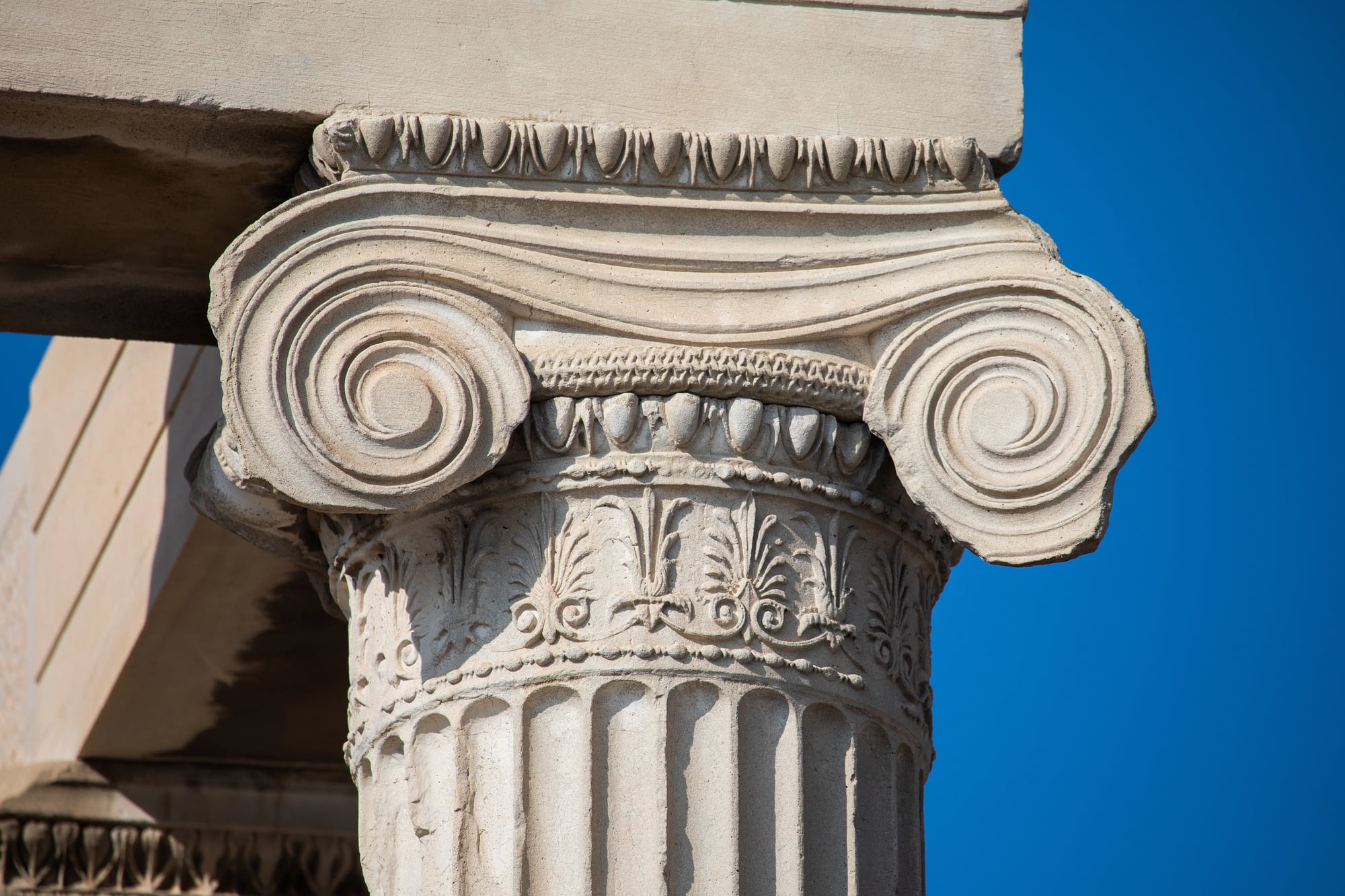
Greek architects developed mathematical quality standards for building proportions that created structures of legendary beauty and stability. The golden ratio and specific column proportions weren’t suggestions; they were rigid requirements that had to be followed precisely.
These standards produced architectural masterpieces like the Parthenon that continue to inspire builders more than two millennia later.
Roman Road Construction Standards

Roman engineers established road-building quality standards that created infrastructure lasting over 2,000 years. Each road required multiple layers of specific materials, though precise grading for drainage and standardized width measurements had to pass inspection at every stage.
The phrase ‘all roads lead to Rome’ became reality partly because Roman quality standards created the most durable transportation network in ancient history.
Medieval Manuscript Illumination Requirements
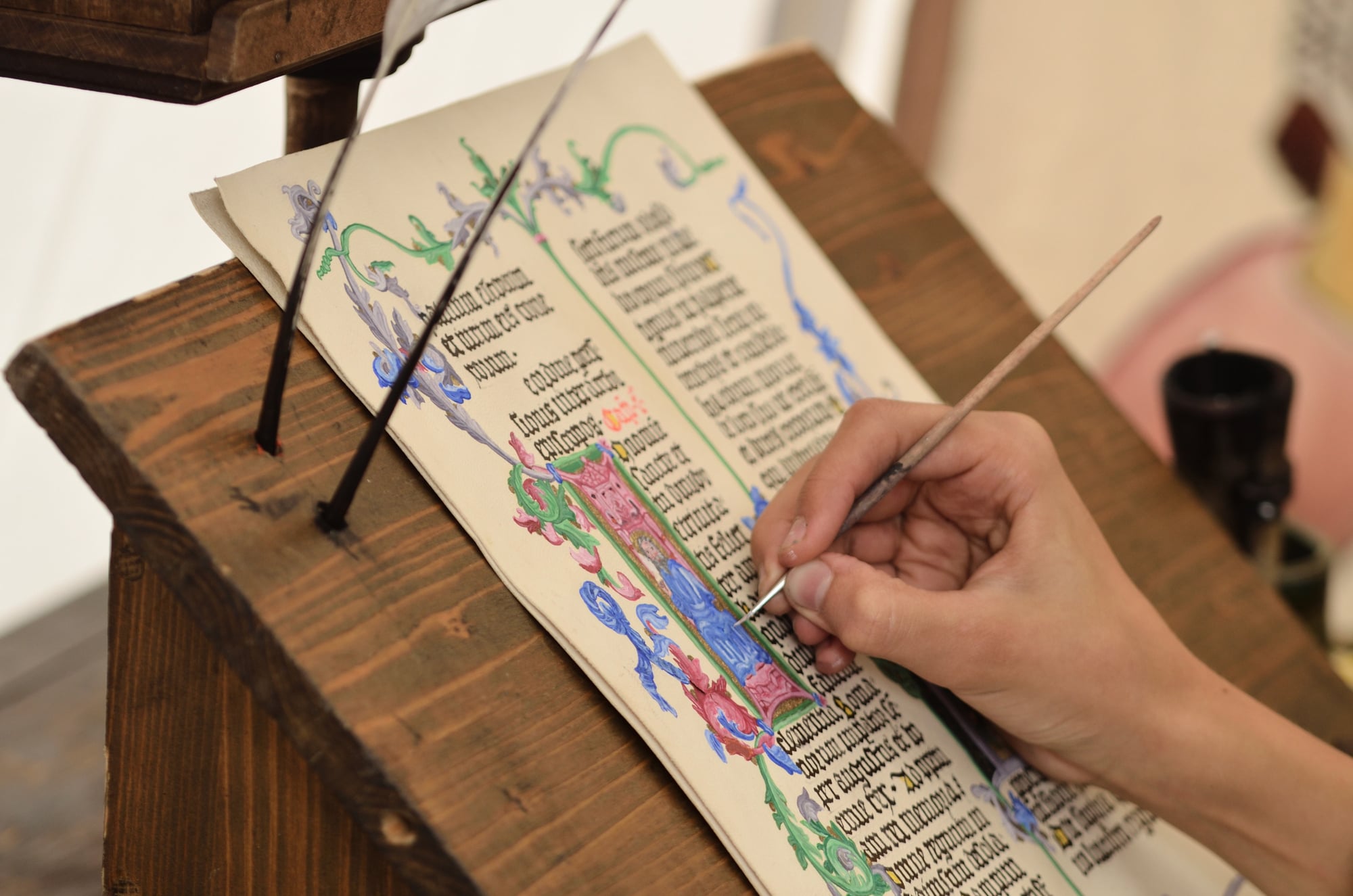
Medieval monasteries and scriptoriums operated under quality standards for manuscript production that demanded perfection in both text and illustration. Every letter had to be formed according to strict calligraphic rules, while illuminated manuscripts required precious materials like gold leaf and lapis lazuli applied with exacting techniques.
A single mistake often meant starting an entire page over, creating manuscripts so beautiful they’re considered priceless art today.
Standards That Built Civilizations

These historical quality standards remind us that excellence isn’t a modern invention; it’s been the foundation of lasting achievement throughout human history. While we might complain about today’s regulations and certifications, they pale in comparison to standards that could cost lives, fortunes, or entire reputations.
The legacy of these demanding requirements lives on in structures, artworks, and traditions that continue to amaze us centuries later, proving that true quality never goes out of style.
More from Go2Tutors!

- The Romanov Crown Jewels and Their Tragic Fate
- 13 Historical Mysteries That Science Still Can’t Solve
- Famous Hoaxes That Fooled the World for Years
- 15 Child Stars with Tragic Adult Lives
- 16 Famous Jewelry Pieces in History
Like Go2Tutors’s content? Follow us on MSN.