20 Hidden Castles and Fortresses That Are Still Emerging from History
Throughout history, countless fortresses and castles have served as bastions of power, wealth, and military might. While many of these architectural marvels remain proudly visible today, others have been lost to time, buried beneath centuries of earth, hidden in dense forests, or submerged underwater.
Modern archaeology and advanced technology continue to unveil these forgotten strongholds, each with its own fascinating story to tell. Here is a list of remarkable lost fortresses and castles that archaeologists and researchers are still uncovering today, each offering a unique glimpse into our past.
Dunluce Castle Underwater Keep
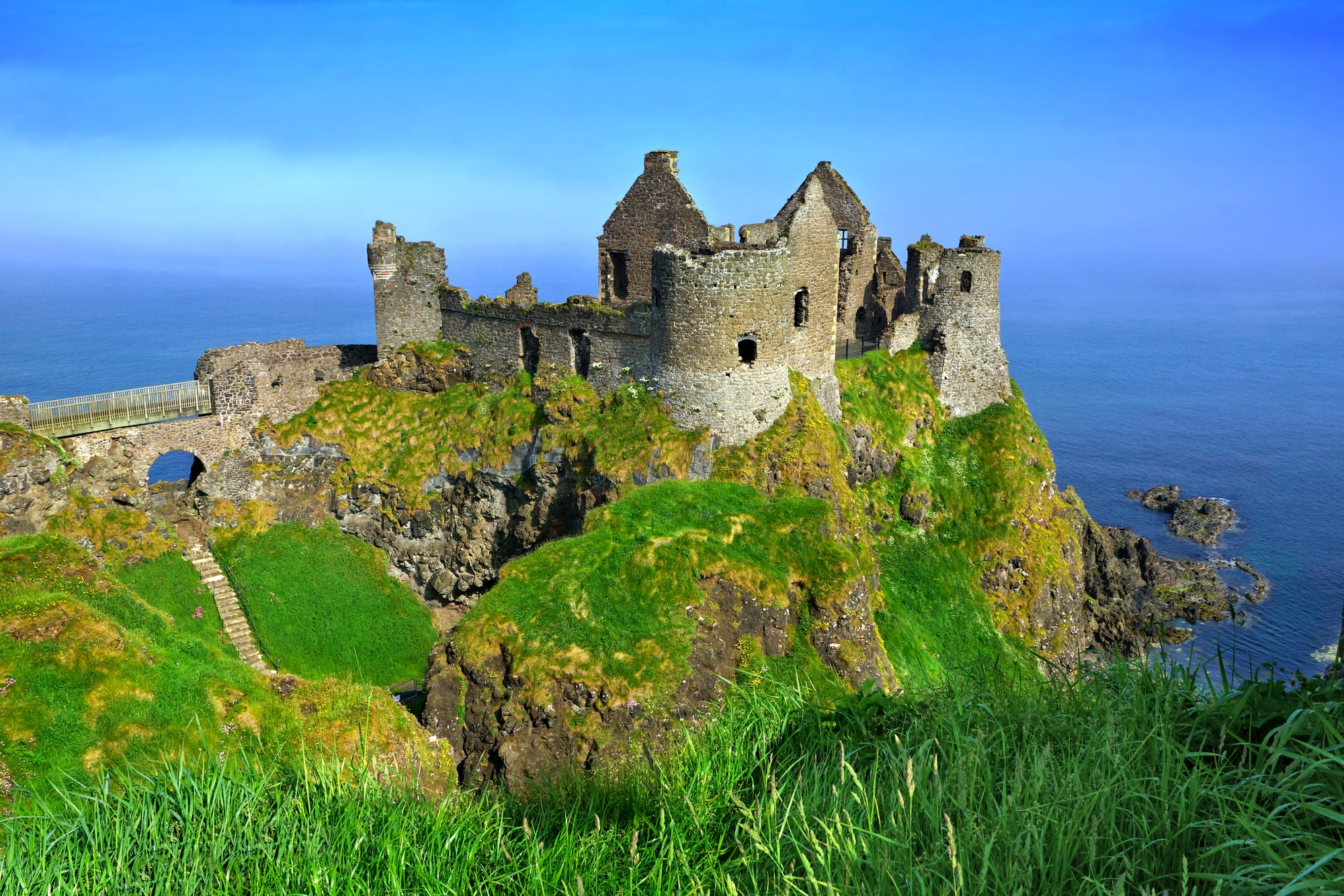
Off the coast of Northern Ireland, marine archaeologists recently discovered an entire section of Dunluce Castle that had fallen into the sea during a violent storm in the 17th century. The underwater portion contains intact rooms, corridors, and a previously unknown defensive structure.
Advanced sonar mapping has revealed multiple chambers filled with well-preserved artifacts, including weapons, pottery, and personal items from the castle’s inhabitants. The submerged ruins extend nearly 100 feet from the cliff face, suggesting the original castle was far larger than previously believed. The ongoing excavation continues to uncover new sections, with researchers estimating that only 40% of the underwater structure has been properly documented.
Sigiriya’s Hidden Passages
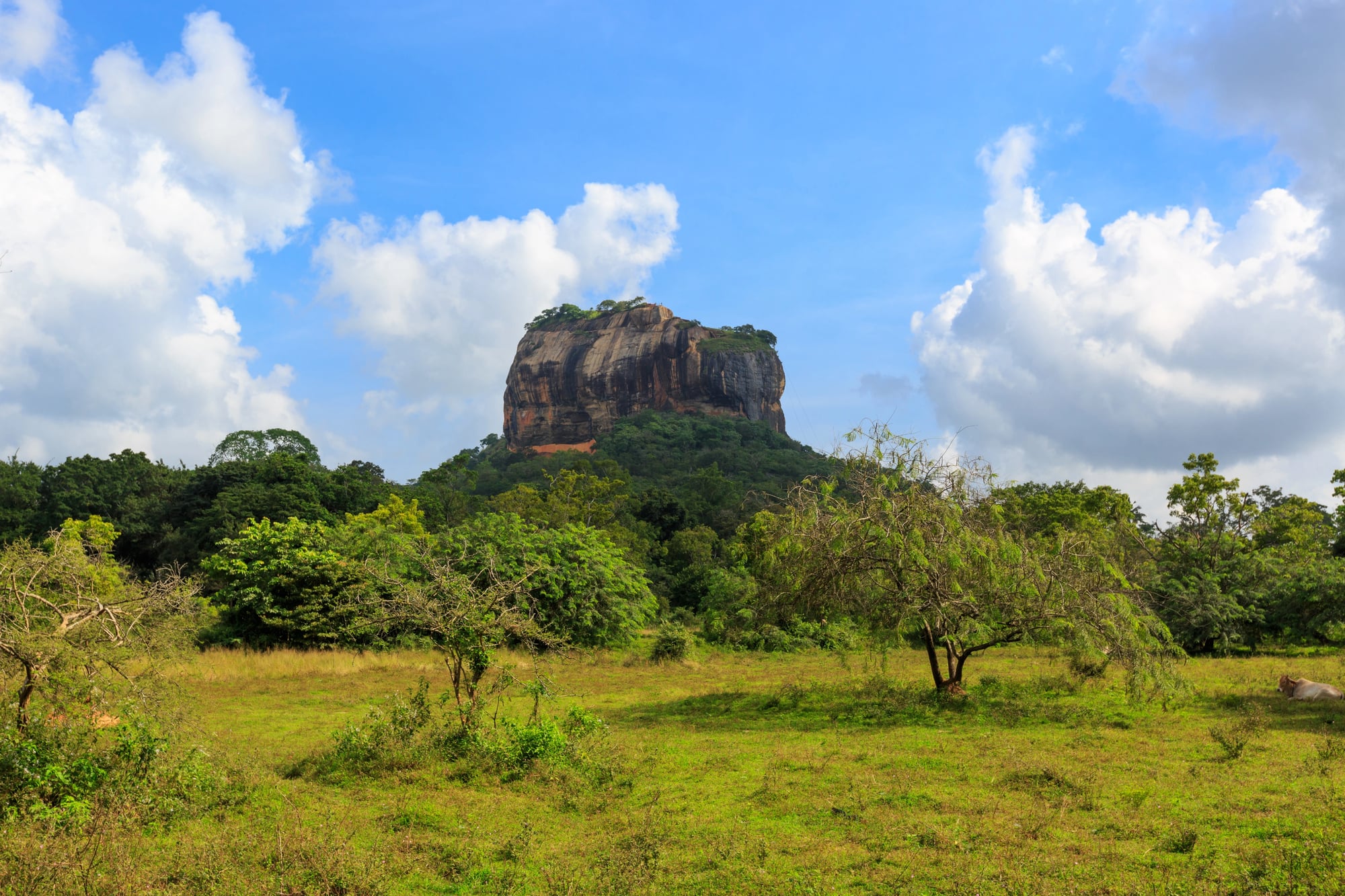
Deep within Sri Lanka’s ancient rock fortress of Sigiriya, archaeologists have uncovered a network of previously unknown tunnels and chambers. These passages extend far beyond the known boundaries of the fortress, suggesting a complex escape system for the royal inhabitants.
Ground-penetrating radar has identified at least three major tunnel systems, with one stretching over 2 miles into the surrounding jungle. Recent discoveries include evidence of sophisticated water management systems, secret meeting rooms, and storage areas for supplies. The tunnels feature precisely carved stone steps and drainage channels that have remained intact for over 1,500 years.
Castle of the Lady Hawk
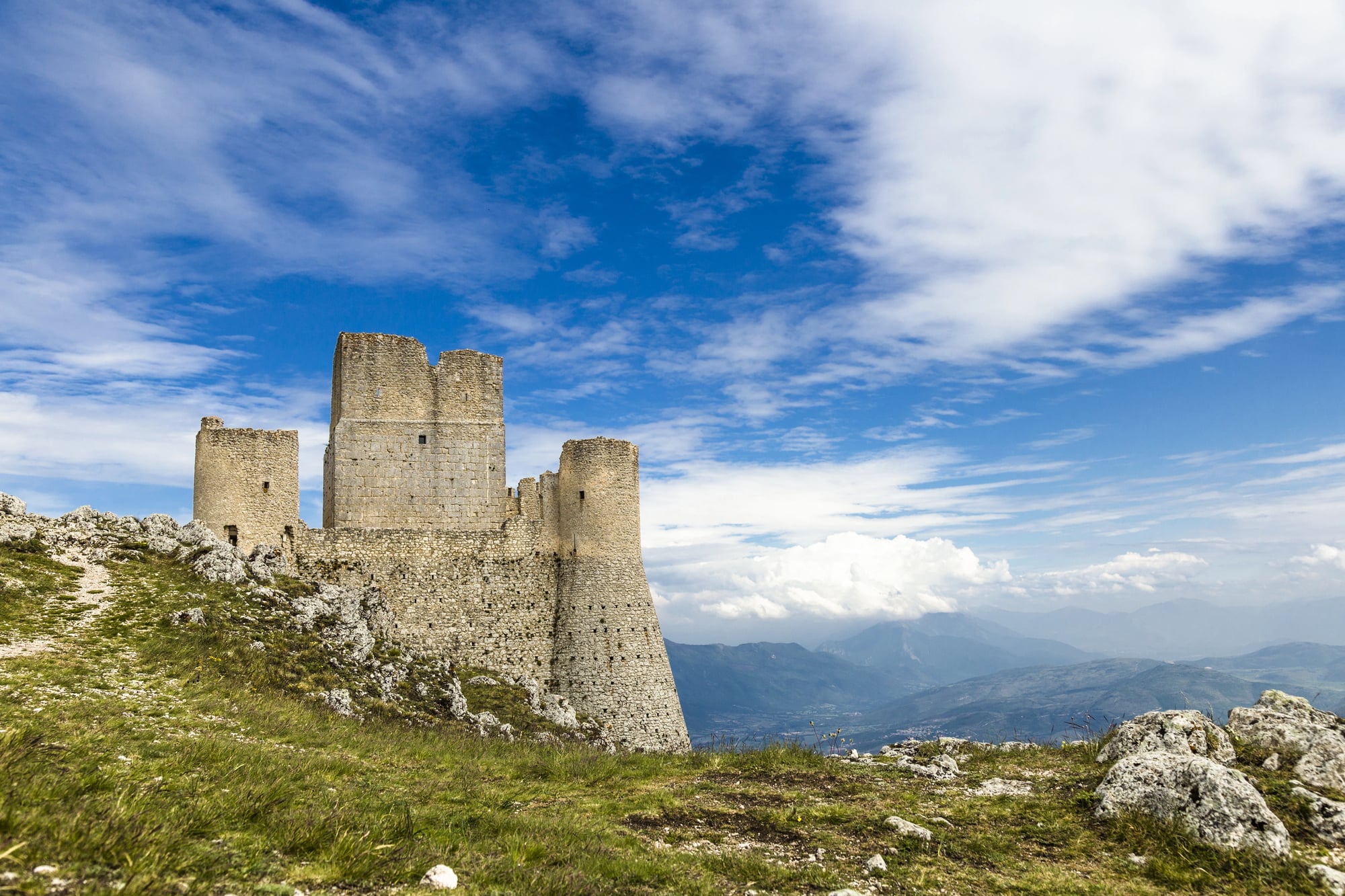
In the remote highlands of Romania, local legends about a mysterious female ruler led archaeologists to an undiscovered medieval fortress. The structure, dating back to the 13th century, features unique architectural elements that suggest it was designed specifically for a female noble’s defensive needs.
Recent excavations have revealed an extensive network of smaller, interconnected chambers rather than the typical large great halls found in male-ruled castles. The fortress walls contain dozens of arrow slits positioned at a lower height, perfectly suited for female archers. Archaeologists have also uncovered an impressive collection of feminine artifacts alongside military equipment, supporting historical records of a powerful noblewoman who commanded her own army.
Desert Citadel of Ubar
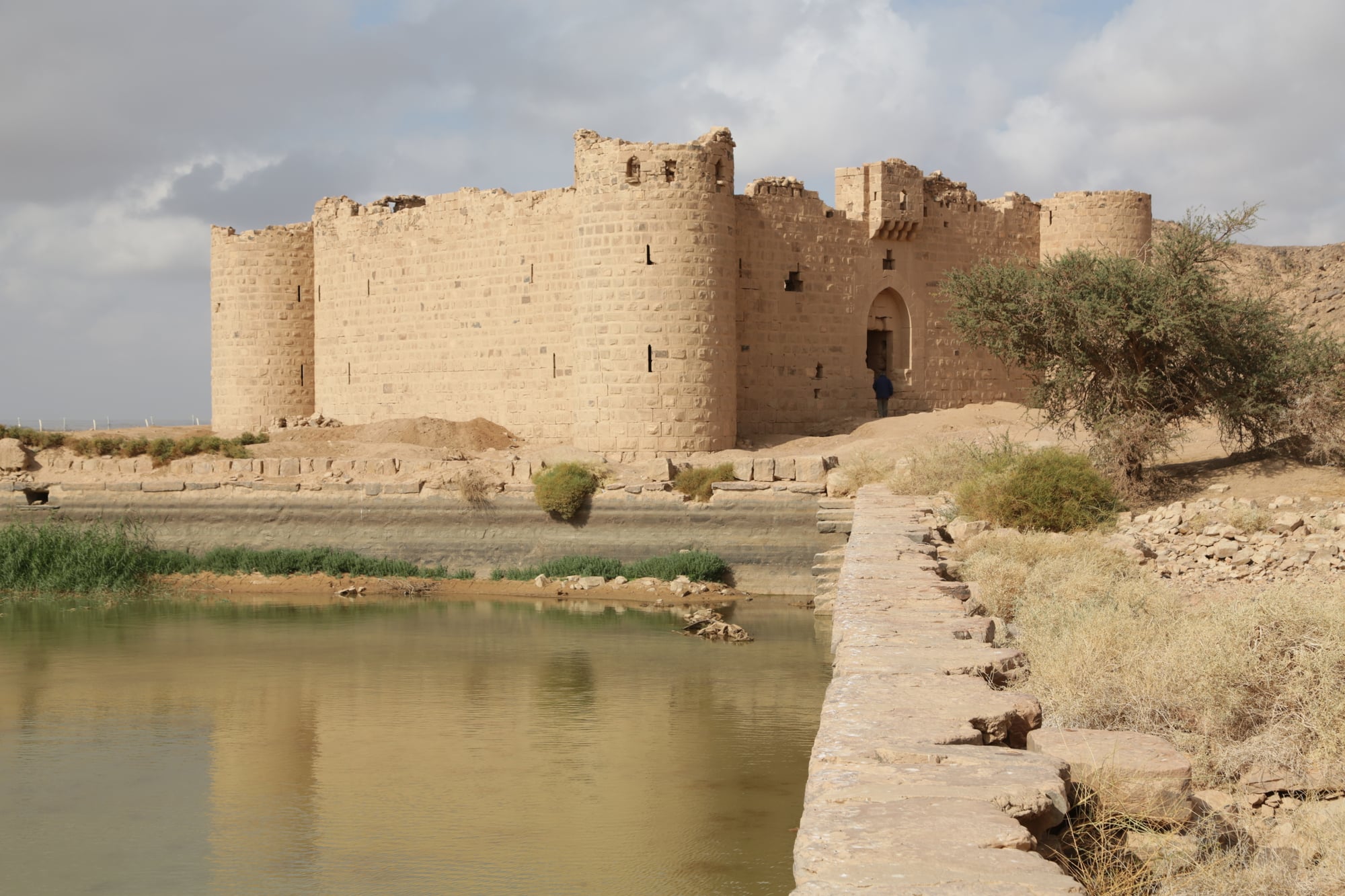
Hidden beneath the shifting sands of Oman’s Rub’ al Khali desert, satellite imagery revealed the legendary lost fortress of Ubar. The massive complex, once a crucial stop along the frankincense trade route, remained buried for over 1,000 years.
The fortress walls extend nearly 90 feet high and encompass an area larger than three football fields. Modern excavation techniques have uncovered evidence of sophisticated water collection systems that allowed the fortress to sustain life in one of Earth’s harshest environments. The site continues to yield new discoveries, including recent findings of underground storage chambers and elaborate defensive mechanisms designed to protect against both human invaders and savage sandstorms.
Castellum Aquarium
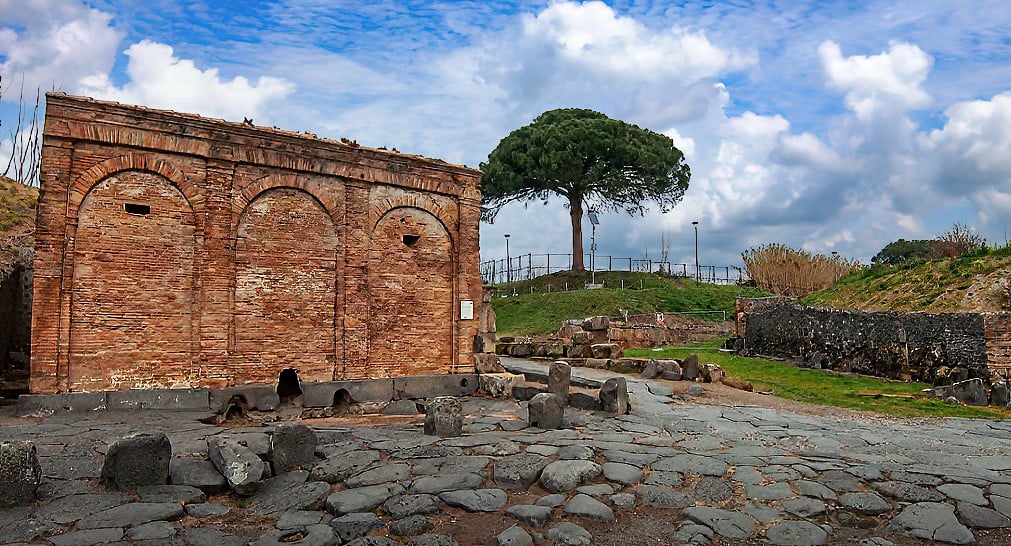
Deep in the Brazilian rainforest, archaeologists stumbled upon the remains of a Portuguese fortress that controlled access to a crucial water source. The structure’s unique design incorporated natural waterfalls into its defensive system, creating an impassable moat during the rainy season.
Recent clearing operations have revealed intricate water channels carved into the bedrock, suggesting the fortress could redirect water flow to flood specific areas during attacks. The site contains well-preserved examples of 16th-century Portuguese military architecture blended with indigenous building techniques. Ongoing excavations continue to uncover evidence of daily life within the fortress, including tools, weapons, and personal items from both European and native inhabitants.
Fortress of the Eagle’s Nest

Perched high in the Austrian Alps, this recently discovered mountain fortress remained hidden for centuries beneath accumulated snow and ice. Climate change has gradually revealed the structure’s impressive defensive features, including walls designed to withstand both enemy attacks and harsh alpine conditions.
The fortress includes unique architectural elements that allowed its inhabitants to survive long winters at high altitude, such as sophisticated food storage systems and ice-melting chambers. Recent excavations have uncovered preserved organic materials that provide unprecedented insights into medieval mountain warfare and survival techniques. The site continues to emerge from its icy tomb as temperatures rise, revealing new sections each summer.
The Lost Keep of Angkor

Within Cambodia’s famous Angkor complex, researchers using LiDAR technology identified a previously unknown fortress hidden beneath dense vegetation. The structure features unique architectural elements that set it apart from other Angkor buildings, suggesting it served as a military command center.
Advanced imaging techniques have revealed evidence of elaborate defensive systems, including multiple moats and cleverly concealed guard posts. The fortress contains specialized storage areas for weapons and military supplies, indicating its crucial role in defending the ancient city. Ongoing excavations continue to uncover new sections of the complex, providing fresh insights into Khmer military organization.
Submarine Castle of Lake Van
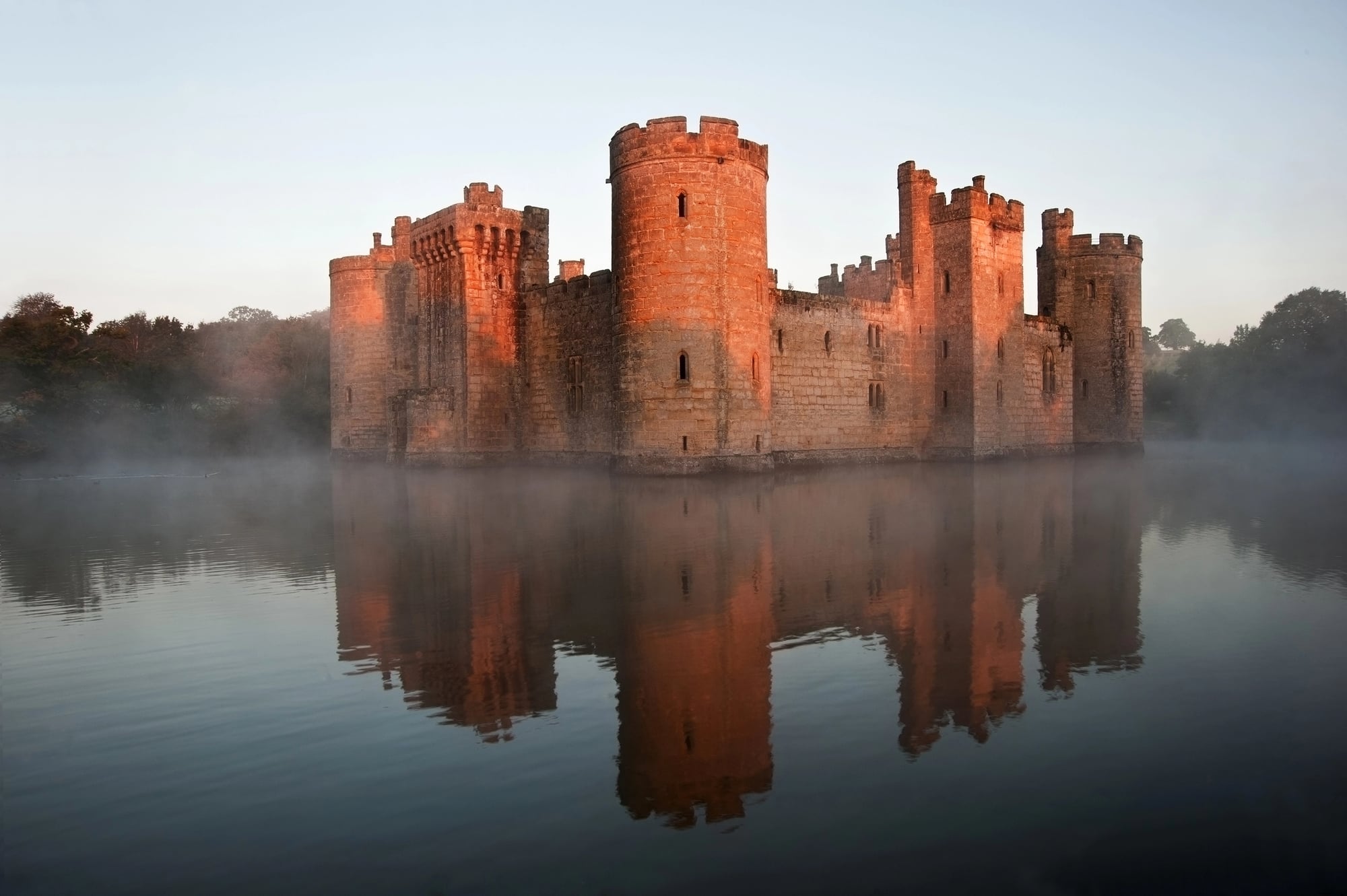
Beneath the waters of Turkey’s Lake Van, researchers discovered the remains of a massive medieval fortress that had been submerged for centuries. The underwater structure stands remarkably intact, preserved by the lake’s unique chemical composition.
Recent diving expeditions have documented extensive living quarters, military installations, and storage facilities spread across multiple levels. The fortress features innovative architectural solutions for controlling water levels and preventing flooding, suggesting its builders anticipated future changes in the lake’s water level.
The Ghost Fort of the Gobi
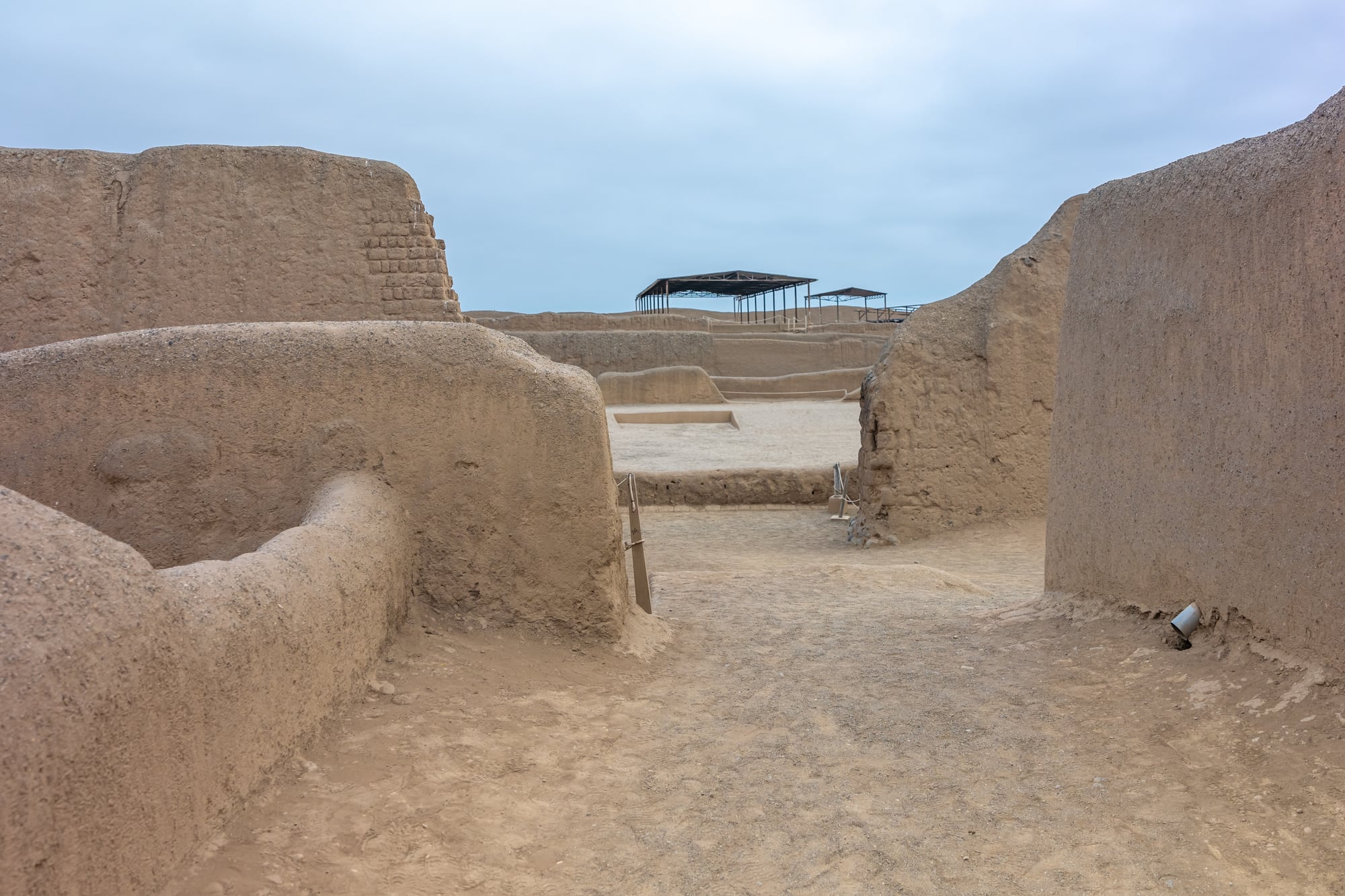
In Mongolia’s Gobi Desert, archaeologists located the remains of a massive fortress that once guarded the northern Silk Road route. The structure remained hidden for centuries, protected by a natural phenomenon that caused it to appear and disappear beneath shifting sand dunes.
Recent excavations have revealed sophisticated defense systems designed to protect against both human raiders and desert storms. The fortress contains evidence of advanced metallurgy workshops, suggesting it served as both a military installation and a technology center.
Castle of the Volcano
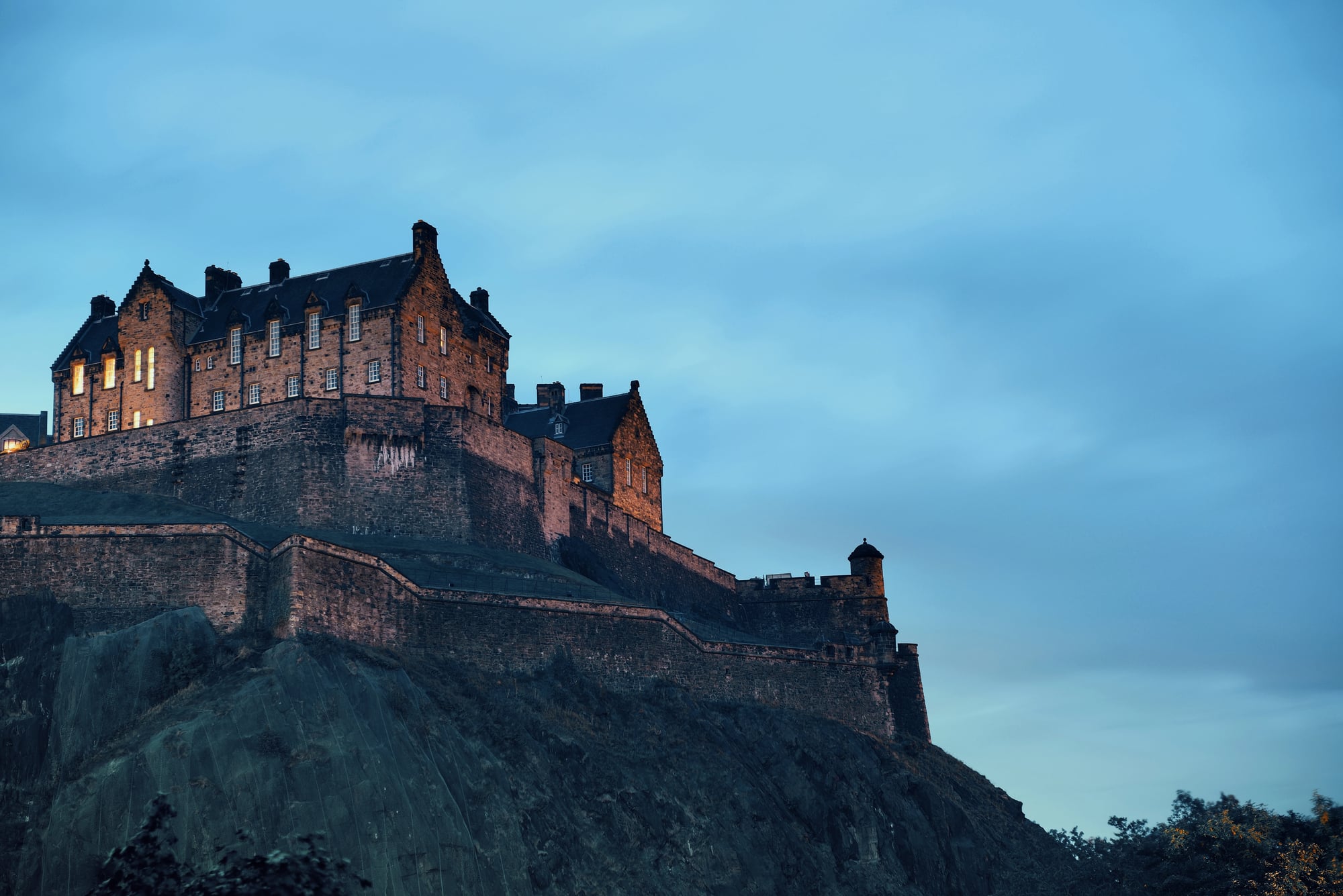
On the slopes of Mount Etna in Sicily, researchers identified the remains of a Norman fortress built directly into the volcanic rock. The structure incorporated natural lava tubes as part of its defensive system, creating an underground network of passages and chambers.
Recent archaeological work has revealed evidence of sophisticated heating systems that used the volcano’s thermal energy to warm the castle during winter months. The fortress features unique architectural adaptations designed to withstand both enemy attacks and volcanic activity.
The Sunken Citadel
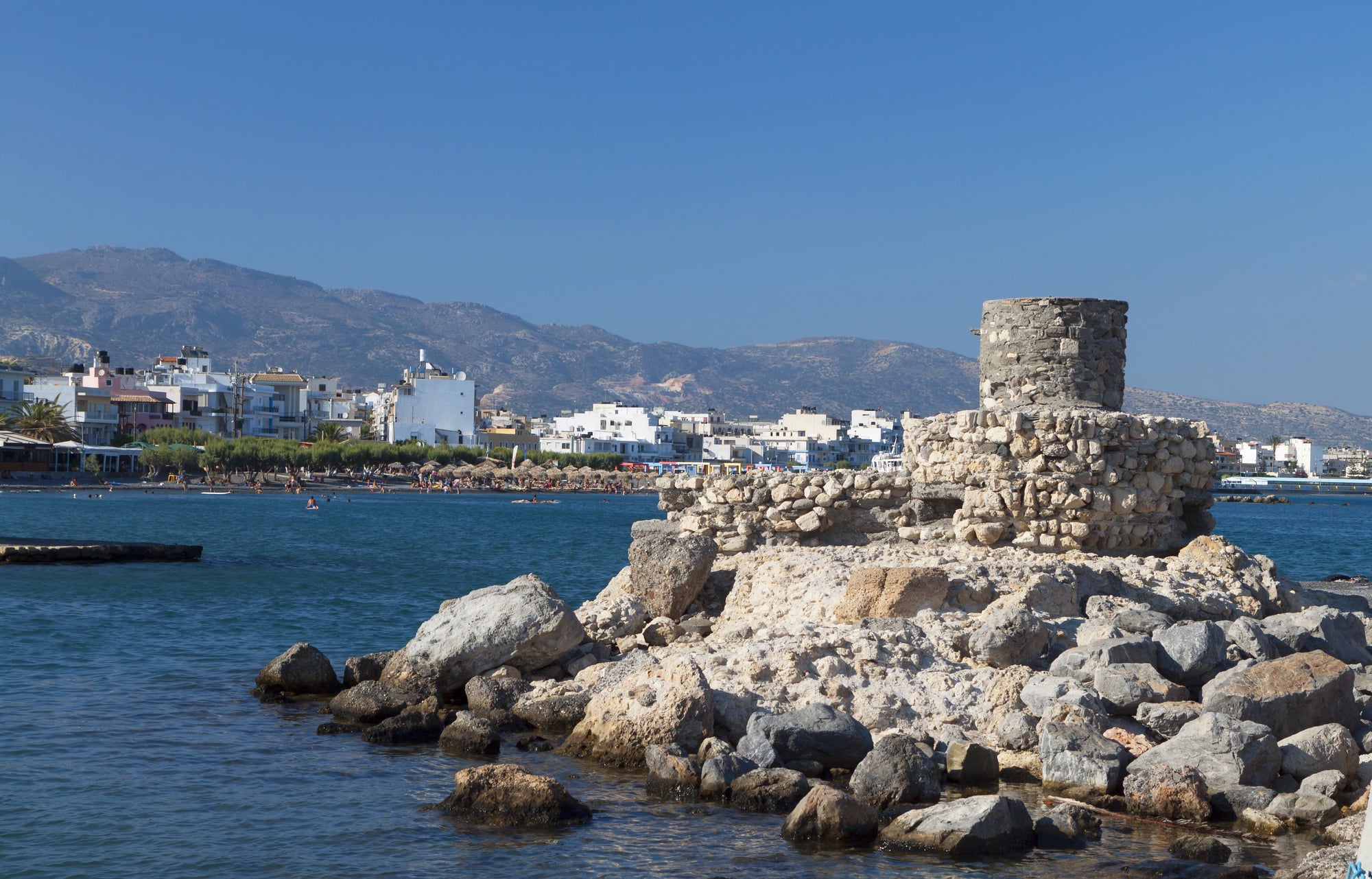
Off the coast of Greece, marine archaeologists discovered an ancient fortress submerged by rising sea levels over two millennia ago. The structure features remarkably preserved defensive walls, towers, and living quarters thanks to the oxygen-poor deep water environment.
Recent underwater excavations have revealed intricate stone carvings and military installations that demonstrate advanced ancient engineering techniques. The fortress contains evidence of sophisticated naval facilities, suggesting it served as both a military installation and a maritime trading hub.
Forest Fortress of the North
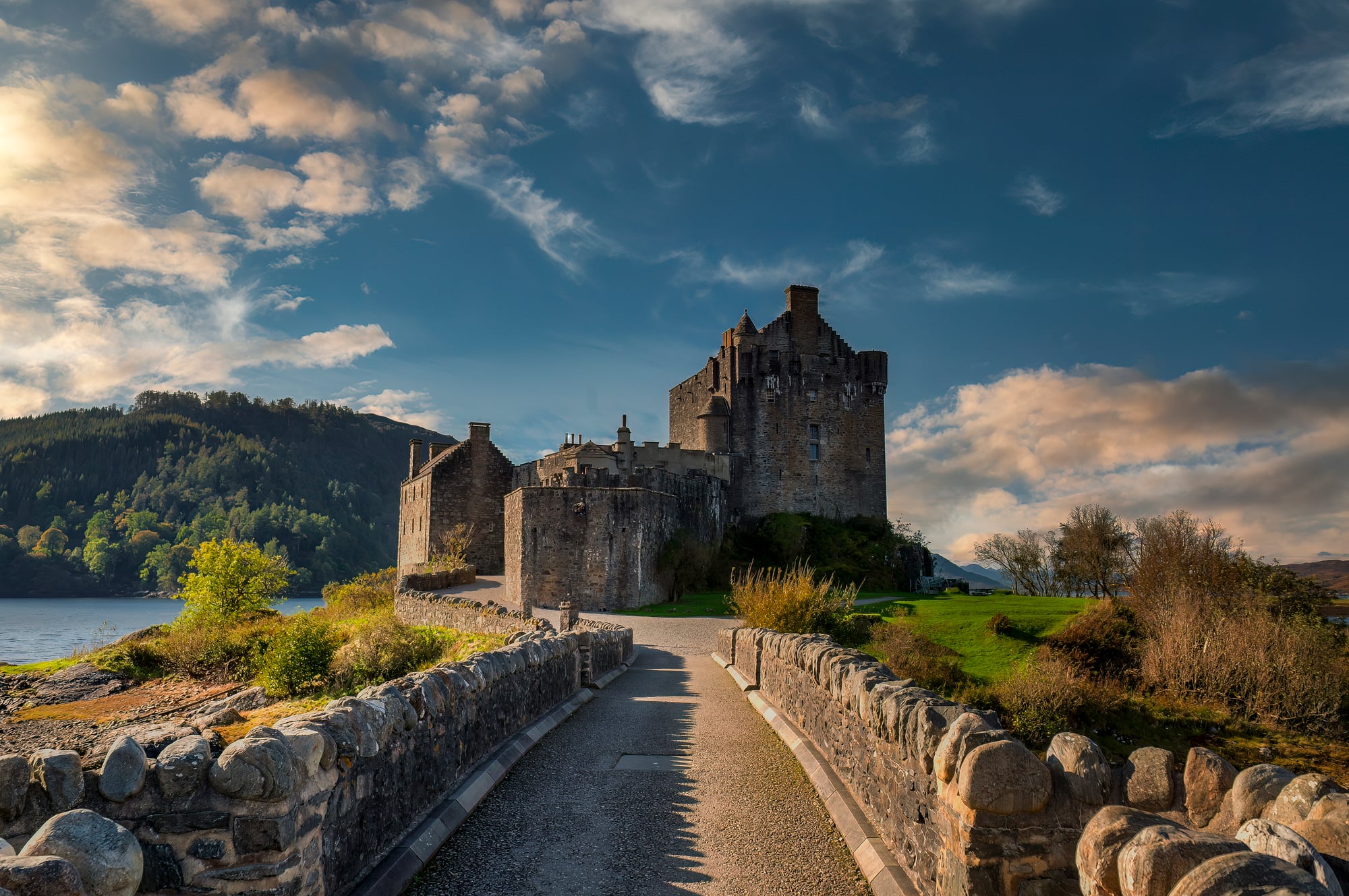
In the dense forests of northern Sweden, researchers using ground-penetrating radar located a previously unknown Viking fortress hidden beneath centuries of accumulated soil and vegetation. The structure features unique defensive elements that combine traditional Norse military architecture with innovations designed for forest warfare.
Recent excavations have uncovered evidence of sophisticated wooden fortifications that have survived due to the region’s cold, dry climate. The fortress contains workshops for producing weapons and tools, suggesting it served as both a military installation and a manufacturing center.
Desert Castle of the Priests
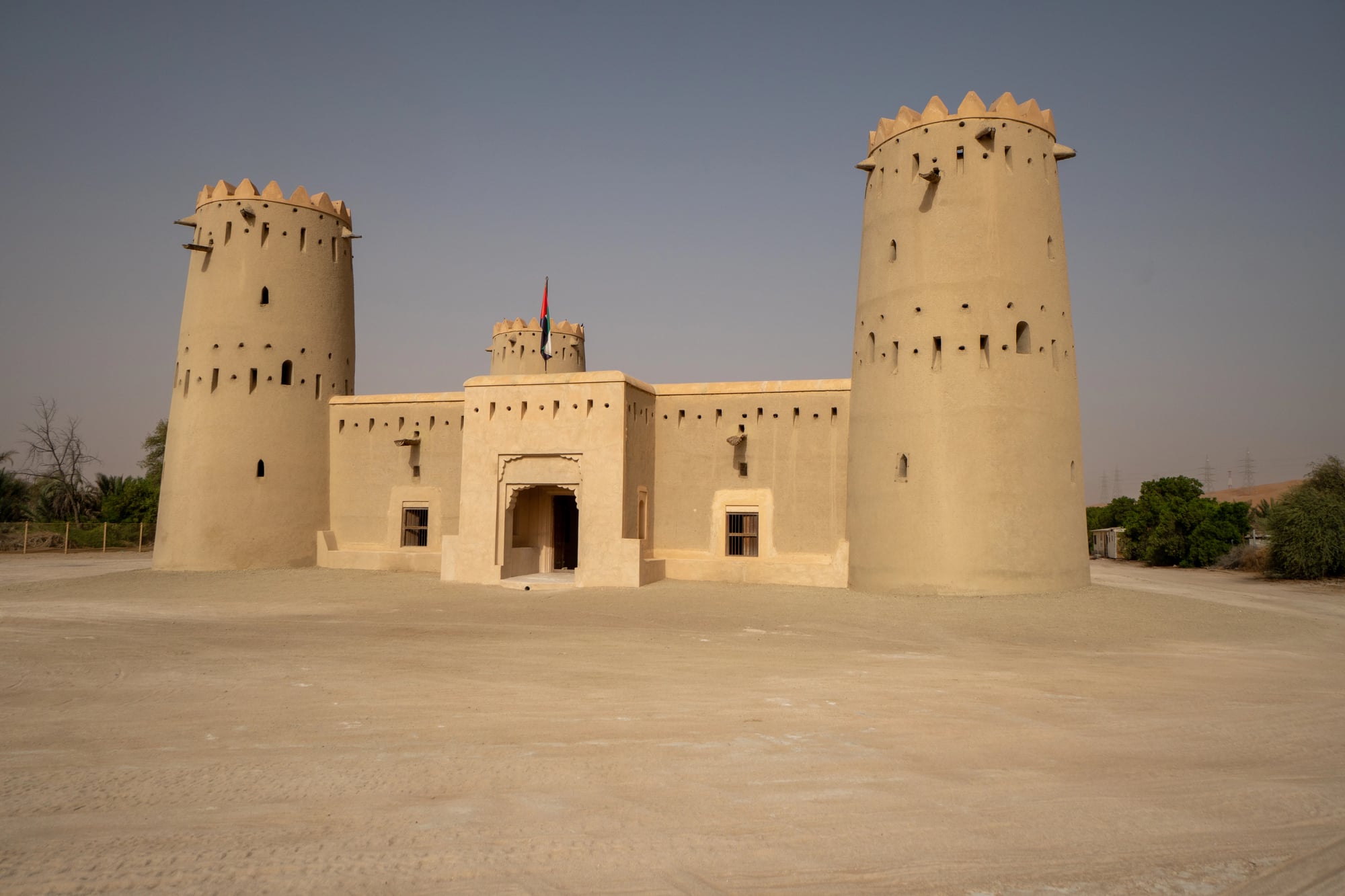
In Egypt’s Western Desert, satellite imagery led archaeologists to a forgotten fortress-temple complex that served both military and religious functions. The structure features unique architectural elements that protect it from sandstorms while maintaining sacred spaces for religious ceremonies.
Recent excavations have revealed elaborate defensive systems integrated with religious symbolism, suggesting a sophisticated blend of military and spiritual power. The fortress contains evidence of advanced astronomical observation facilities, indicating it may have served as both a defensive installation and a center for ancient Egyptian science.
Mountain Sanctuary Fortress
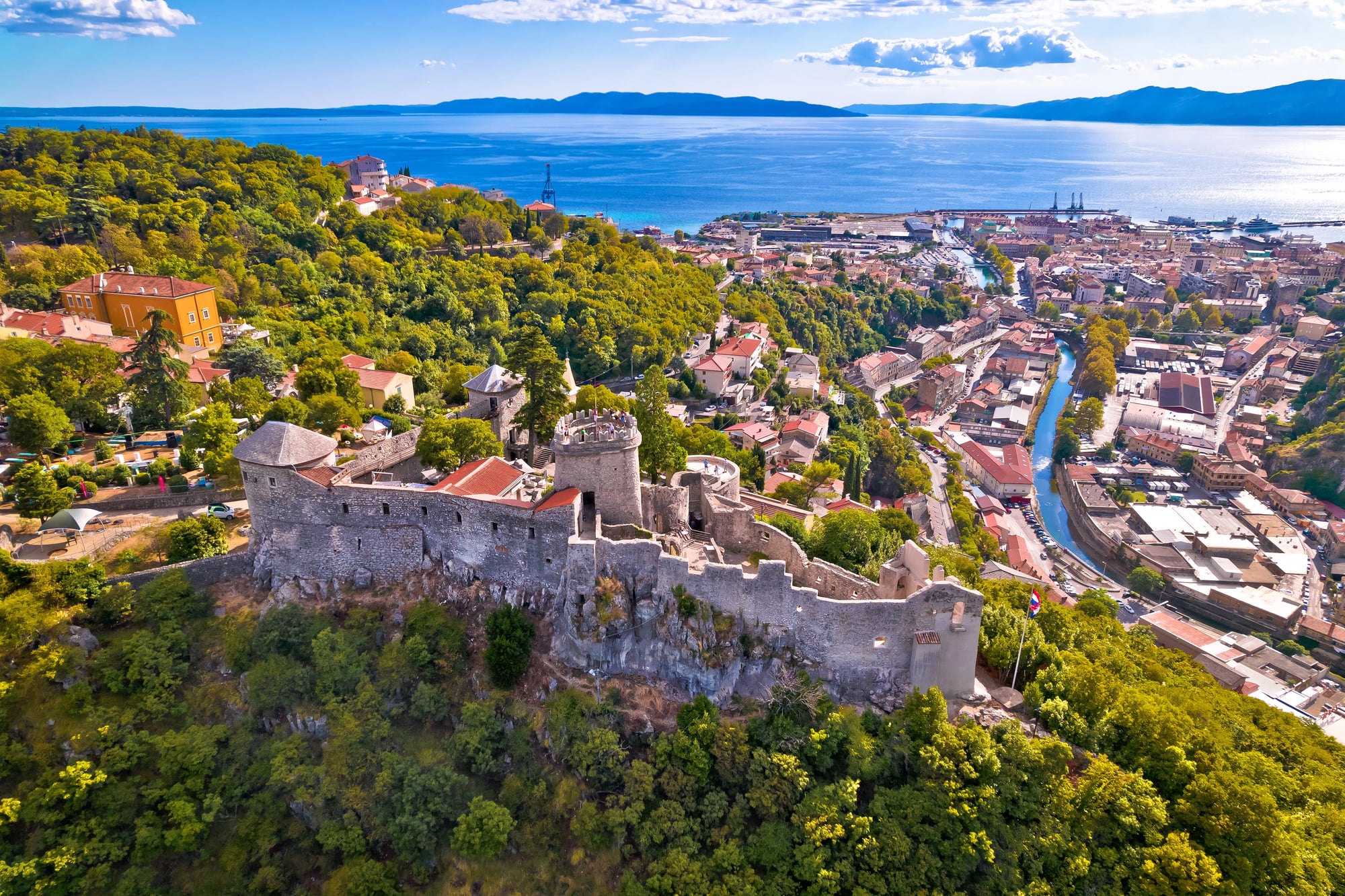
High in Peru’s Andes Mountains, researchers discovered a previously unknown Incan fortress hidden beneath centuries of landslide debris. The structure features innovative architectural solutions for building on extreme mountain terrain while maintaining defensive capabilities.
Recent excavations have revealed sophisticated systems for collecting and storing snow melt, ensuring a year-round water supply at high altitude. The fortress contains unique agricultural terraces integrated into its defensive walls, demonstrating the Incas’ ability to combine military and farming technology.
Isle of the Lost Castle

Off Scotland’s northern coast, researchers identified a medieval fortress on a small island that appears only during extremely low tides. The structure features unique adaptations to tidal patterns, including water-tight storage areas and elevated living quarters.
Recent investigations have revealed sophisticated systems for harvesting seafood and storing fresh water, ensuring survival during long periods of isolation. The fortress contains evidence of advanced stone working techniques that allowed it to withstand powerful North Sea storms.
Fortress of the Red Cliffs
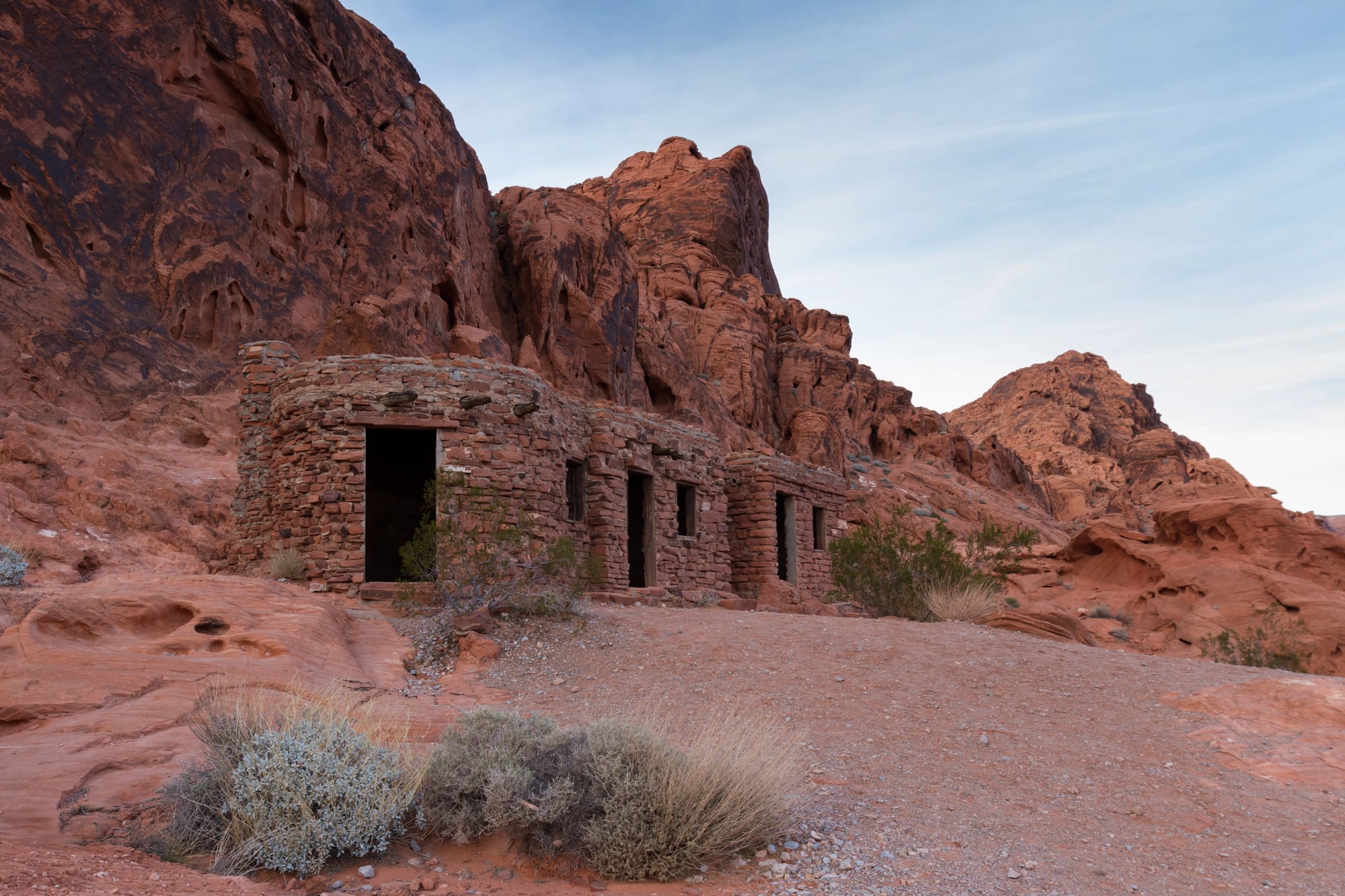
In Jordan’s remote desert canyons, archaeologists discovered a Nabataean fortress carved directly into red sandstone cliffs. The structure features multiple levels of defensive positions integrated seamlessly with natural rock formations.
Recent excavations have revealed elaborate water collection and storage systems that allowed the fortress to survive long sieges in the arid environment. The fortress contains unique architectural elements that controlled light and temperature, making it habitable year-round despite extreme desert conditions.
Castle of the Cloud Forest
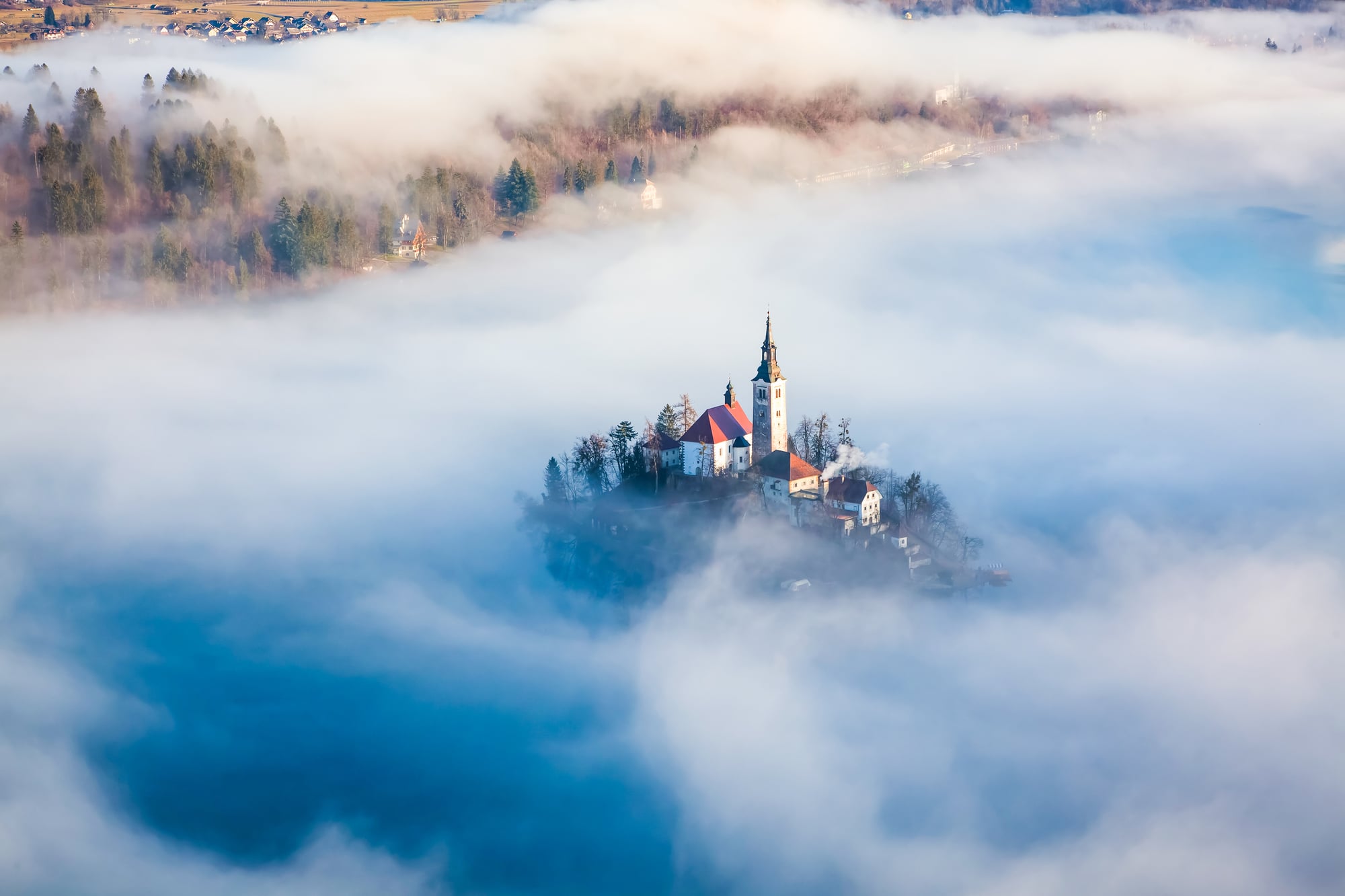
In Ecuador’s cloud forest, researchers located a pre-Columbian fortress hidden beneath centuries of dense vegetation and mist. The structure features unique adaptations to the perpetually wet environment, including sophisticated drainage systems and fog-harvesting installations.
Recent archaeological work has revealed evidence of advanced engineering techniques that prevented moisture damage to stored goods and weapons. The fortress contains specialized areas for processing local medicinal plants, suggesting it served both military and scientific purposes.
The Frozen Fortress
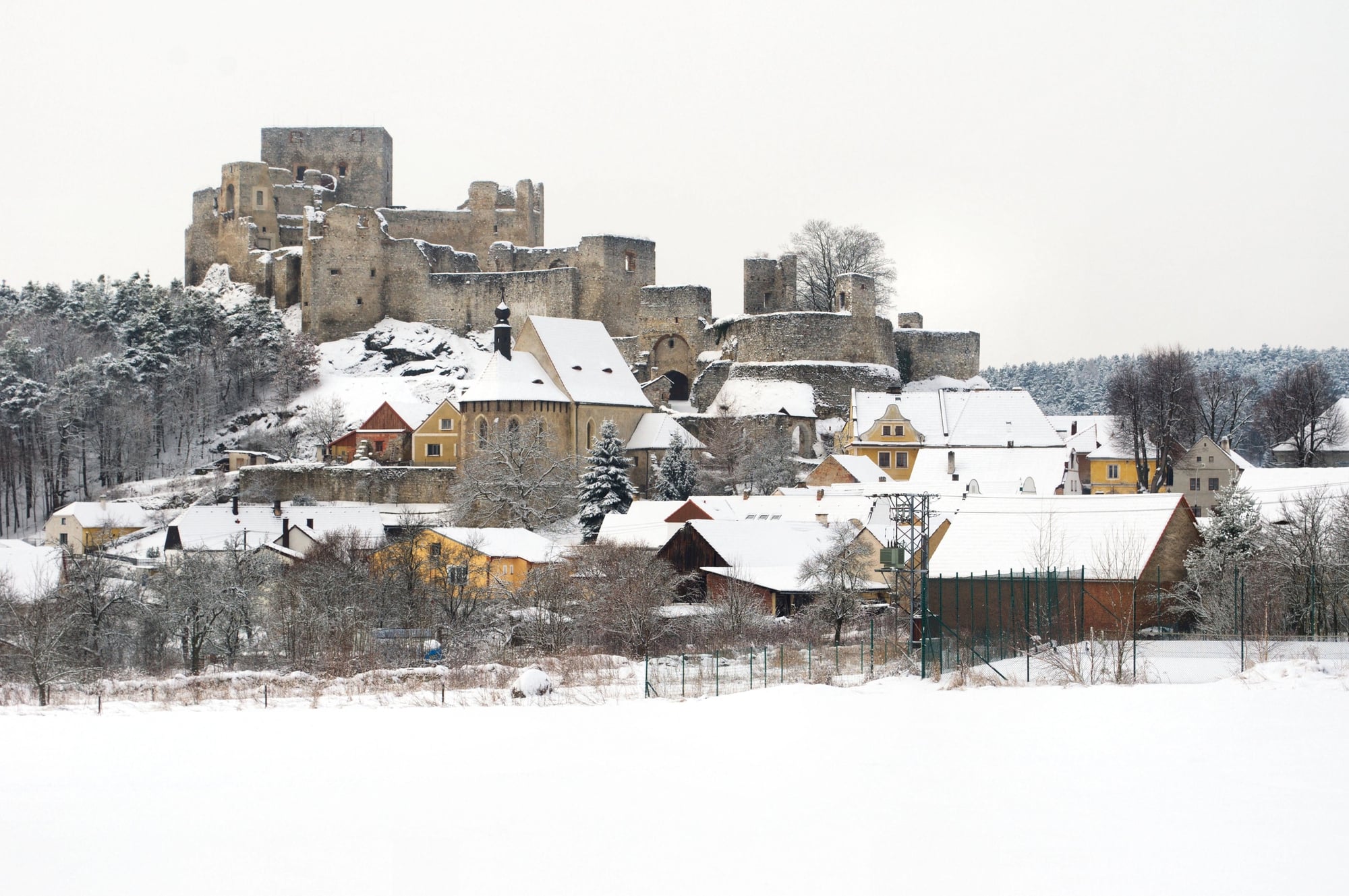
In Greenland’s ice fields, climate change revealed a Norse fortress that remained frozen for nearly a millennium. The structure features unique adaptations to extreme Arctic conditions, including thick walls designed to trap heat and protect against fierce polar winds.
Recent excavations have uncovered remarkably preserved organic materials, providing unprecedented insights into medieval Arctic warfare and survival techniques. The fortress contains evidence of sophisticated food preservation systems that allowed its inhabitants to survive long winters.
Crystal Palace Fortress

In the mountains of Tibet, researchers discovered a fortress constructed partially from translucent selenite crystal, creating naturally illuminated interior spaces. The structure features unique defensive elements that take advantage of the crystal’s properties to create optical illusions, confusing potential attackers.
Recent investigations have revealed sophisticated systems for maintaining comfortable temperatures despite extreme altitude conditions. The fortress contains evidence of advanced crystal working techniques, suggesting it served as both a military installation and a center for mineral technology.
Palace of White Waters

Along Turkey’s Black Sea coast, archaeologists uncovered the remains of a Byzantine fortress concealed within a series of limestone caves and waterfalls. The structure ingeniously incorporated natural limestone formations into its defensive walls, making it nearly invisible from the sea.
Recent studies have revealed an elaborate system of aqueducts and water wheels that powered mechanical defenses, including automated portcullises and water-powered alarm systems. The fortress contains evidence of sophisticated limestone quarrying techniques, with precisely cut blocks that fit together without mortar.
Enduring Stone Sentinels
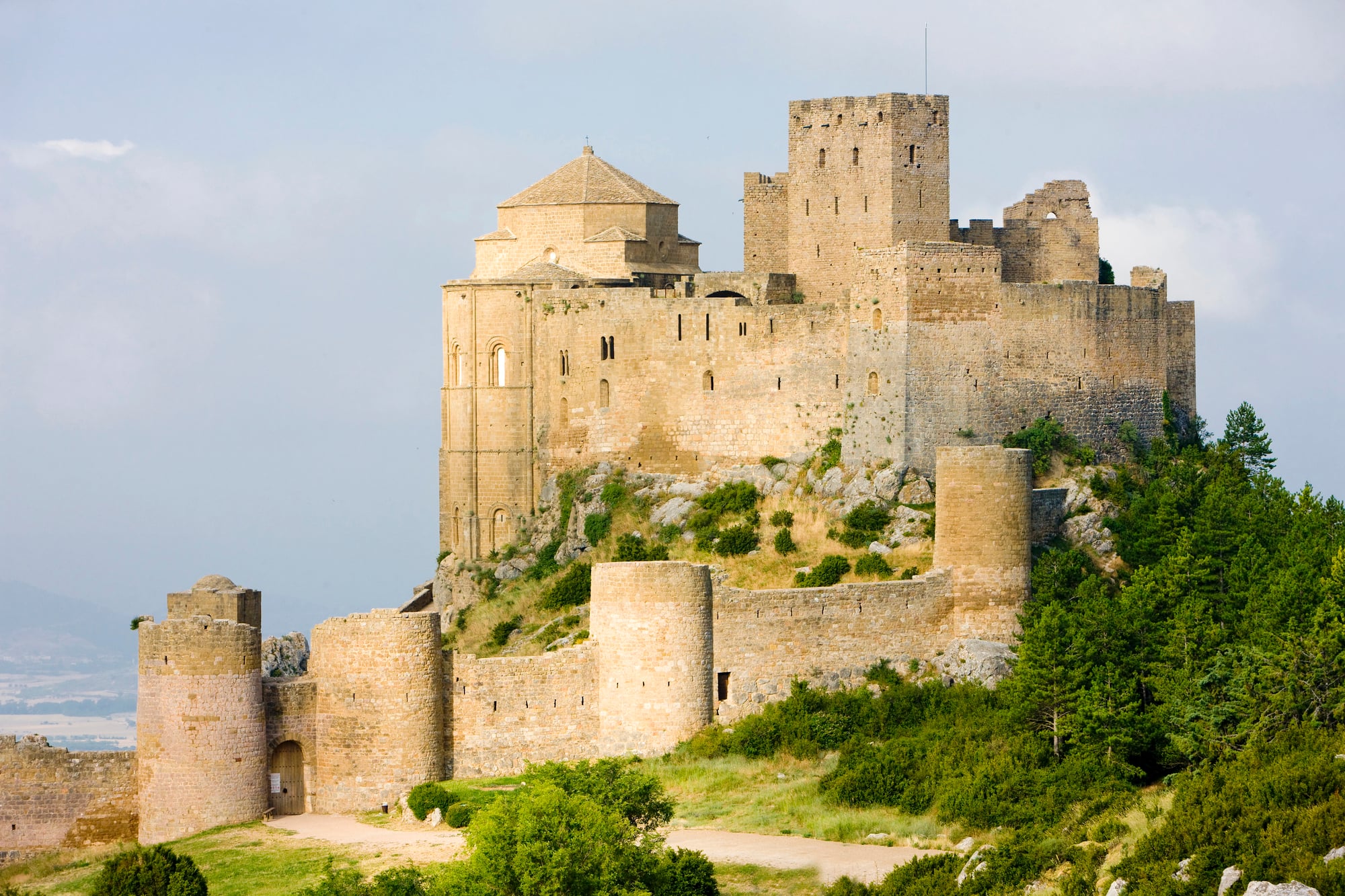
The discovery of these lost fortresses and castles continues to reshape our understanding of medieval military architecture and human ingenuity. Each site reveals unique solutions to local challenges, from extreme weather to resource scarcity, while maintaining their primary defensive functions.
As technology advances and climate change alters landscapes, more lost fortifications emerge from their hiding places, promising future revelations about our architectural heritage. These enduring stone sentinels stand as testaments to human creativity and resilience, their secrets still emerging after centuries of silence.
More from Go2Tutors!

- The Romanov Crown Jewels and Their Tragic Fate
- 13 Historical Mysteries That Science Still Can’t Solve
- Famous Hoaxes That Fooled the World for Years
- 15 Child Stars with Tragic Adult Lives
- 16 Famous Jewelry Pieces in History
Like Go2Tutors’s content? Follow us on MSN.



