Surprising Ways That Ancient Romans Stayed Clean
Most people picture ancient Romans as either toga-clad philosophers or brutal gladiators. Cleanliness doesn’t usually feature heavily in that mental image.
But the Romans were, by the standards of their era, remarkably obsessed with personal hygiene — and the methods they used to stay clean were creative, sometimes effective, and occasionally alarming.
Scraping Instead of Washing

Romans didn’t use soap the way modern people do. Instead, they coated their skin in olive oil, worked up a sweat — often through exercise — and then scraped the whole oily, dirty mess off using a curved metal tool called a strigil. It sounds strange, but it actually works.
The oil loosens dirt and dead skin, and the strigil drags it away. The resulting gunk was sometimes collected and sold — athletes’ strigil scrapings were believed to have medicinal properties.
Whether that belief held up is another question entirely.
The Baths Were Basically Social Clubs
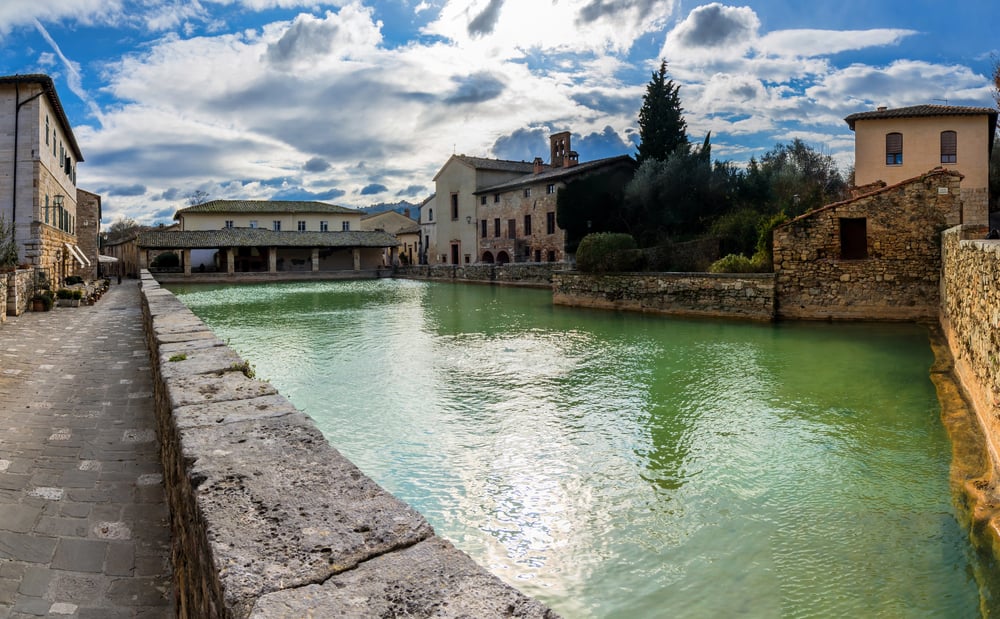
The Roman public baths, known as thermae, were far more than places to get clean. Large bathhouses had libraries, gardens, snack vendors, and spaces for exercise.
Romans visited daily, not just weekly. The baths were where you caught up on news, made business deals, and ran into old friends.
Entrance fees were low — sometimes free — which meant all social classes mixed in the same water. The bathhouses were heated through a system called a hypocaust, where hot air circulated beneath raised floors and inside hollow walls.
The floors got hot enough that bathers wore sandals just to walk across them.
Toothpaste Made From Things You’d Rather Not Know About
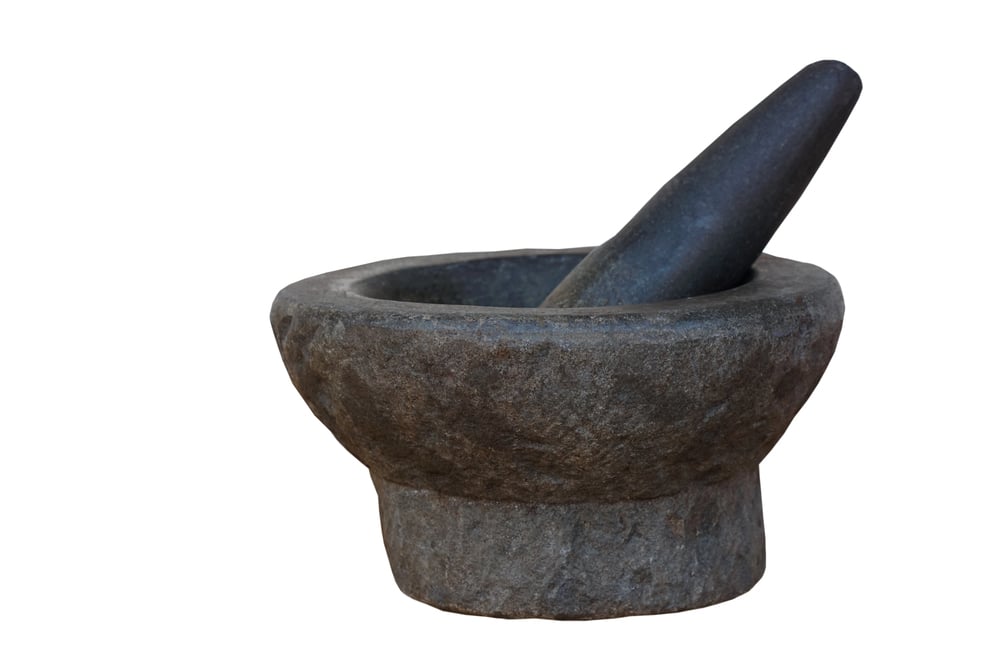
Roman toothpaste recipes called for things like crushed bones, oyster shells, charcoal, bark, and powdered hooves. These abrasive mixtures were worked into teeth with a cloth or a small brush.
The goal was to remove stains and strengthen teeth, which — despite the ingredients — the abrasive approach actually did to a degree. Some recipes also included dried rose petals, cinnamon, or mint to deal with bad breath.
Romans were clearly aware that fresh breath mattered socially.
Olive Oil Was Everywhere

Olive oil wasn’t just for cooking. Romans used it as a moisturizer, a hair conditioner, a pre-bath skin treatment, and a base for perfumes. Wealthy Romans applied scented oils to their skin after bathing and were known by the particular blend they favored.
Slaves employed specifically for oiling and massaging their owners were called unctores. The practice made practical sense in a dry Mediterranean climate.
Olive oil kept skin from cracking and provided a base that carried fragrance well.
Pumice Stone Was the Roman Razor
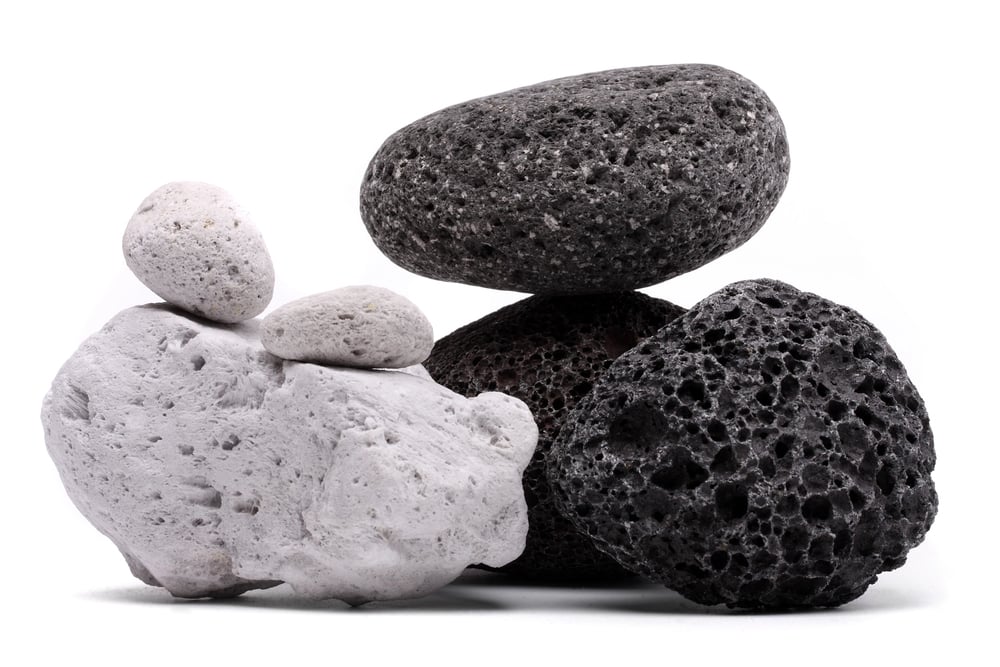
Hair removal was common among Roman men and women, particularly for underarms and legs. Tweezers, razors, and pumice stones were all used for this purpose.
Pumice — the rough volcanic rock — was rubbed against the skin to remove hair through abrasion. It wasn’t quick or particularly comfortable, but it worked.
Wealthy Romans had slaves called alipili whose sole job was hair removal. Public depilators also set up stalls in the forum if you needed a quick session between errands.
The Sponge-on-a-Stick
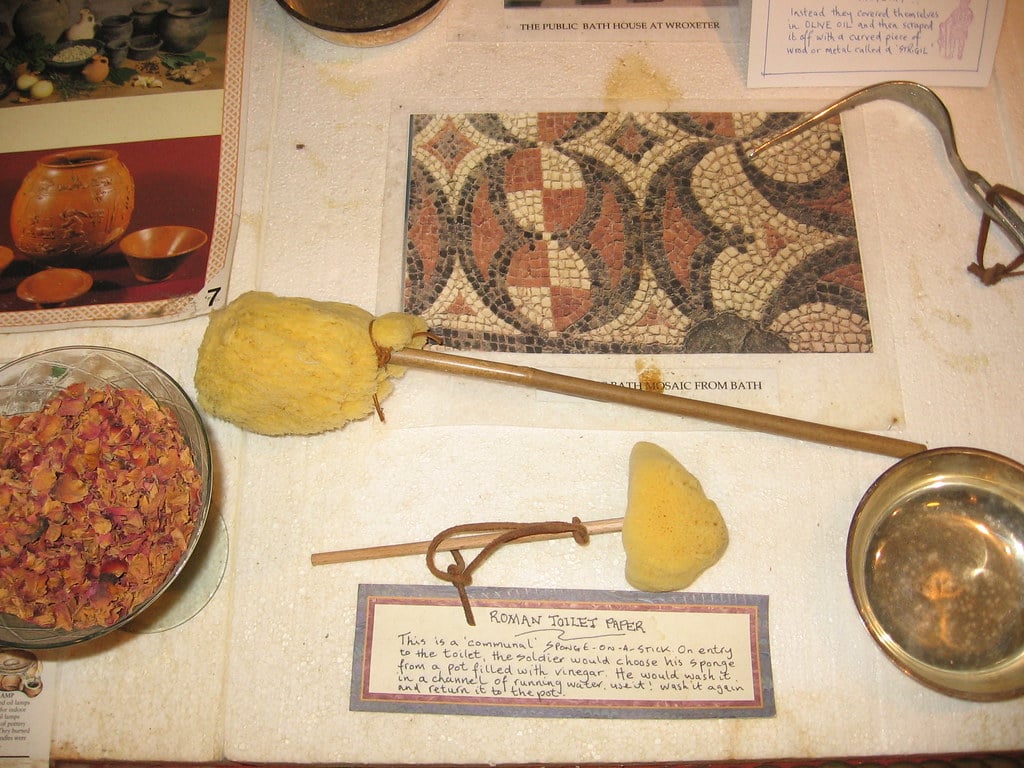
Ancient Roman public toilets, called latrinae, were long benches with openings cut in a row, positioned over a channel of running water. There was no privacy, and conversations between users were perfectly normal.
In place of toilet paper, Romans used a xylospongium — a sponge fixed to a short wooden handle. After use, it was rinsed in the water channel or in a bucket of salt water or vinegar, then left for the next person.
Whether this actually improved hygiene compared to nothing is a matter of reasonable debate.
Perfume Was Serious Business
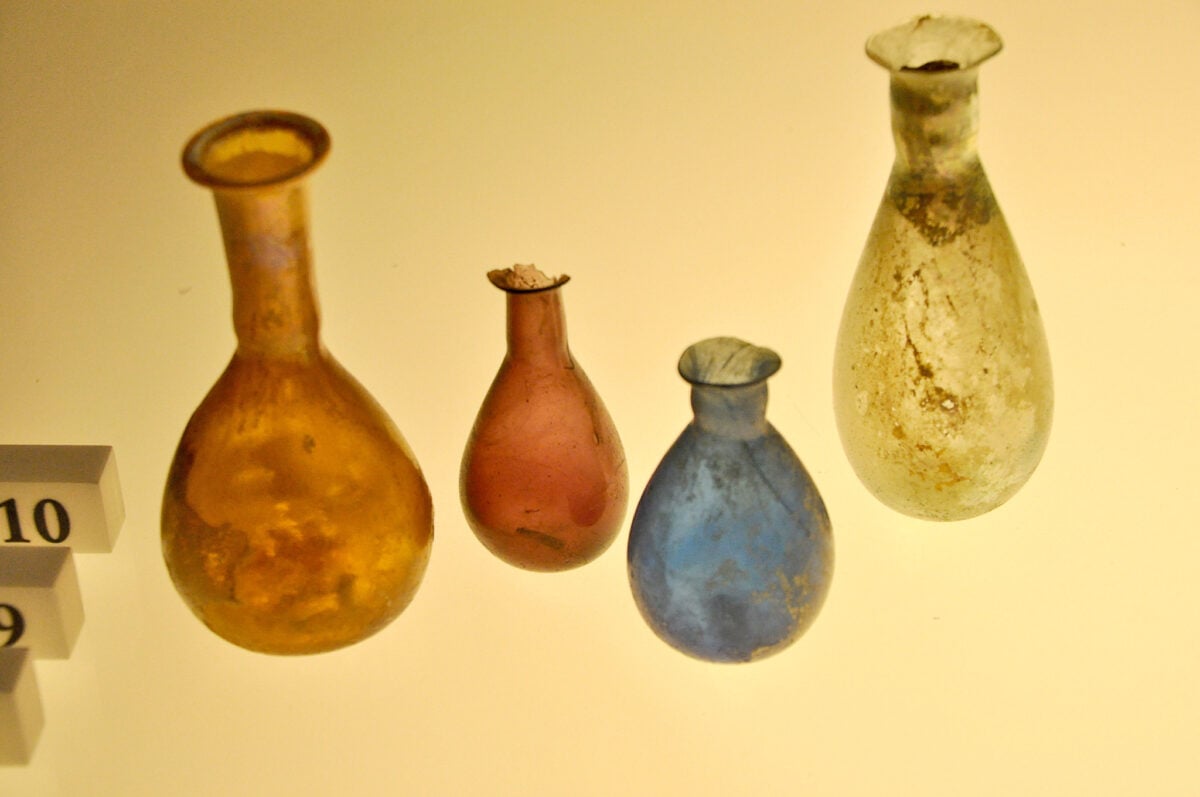
Roman perfumers, called unguentarii, operated shops throughout Roman cities and mixed scented oils from imported ingredients — frankincense from Arabia, spikenard from India, rose petals from Egypt. The result was applied to hair, skin, and clothing.
Perfume wasn’t just about smelling pleasant. It carried social meaning.
Smelling good signaled wealth, status, and personal care. Some emperors were known for their particular preference in scent, and gift-giving often included fine oils and perfumes.
Lead-Based Cosmetics Were Widely Used (And Quietly Devastating)

Here’s where Roman hygiene gets darker. White lead powder — cerussa — was used by wealthy Roman women and some men as a skin-whitening cosmetic. It was applied to the face and neck to achieve a pale, smooth look that marked wealth and kept-indoors status.
Lead is toxic. Long-term use caused symptoms that Romans attributed to various ailments without connecting them to the cosmetics.
This was not something Romans understood at the time, and the practice continued for centuries in various cultures.
Vinegar Did a Lot of Heavy Lifting
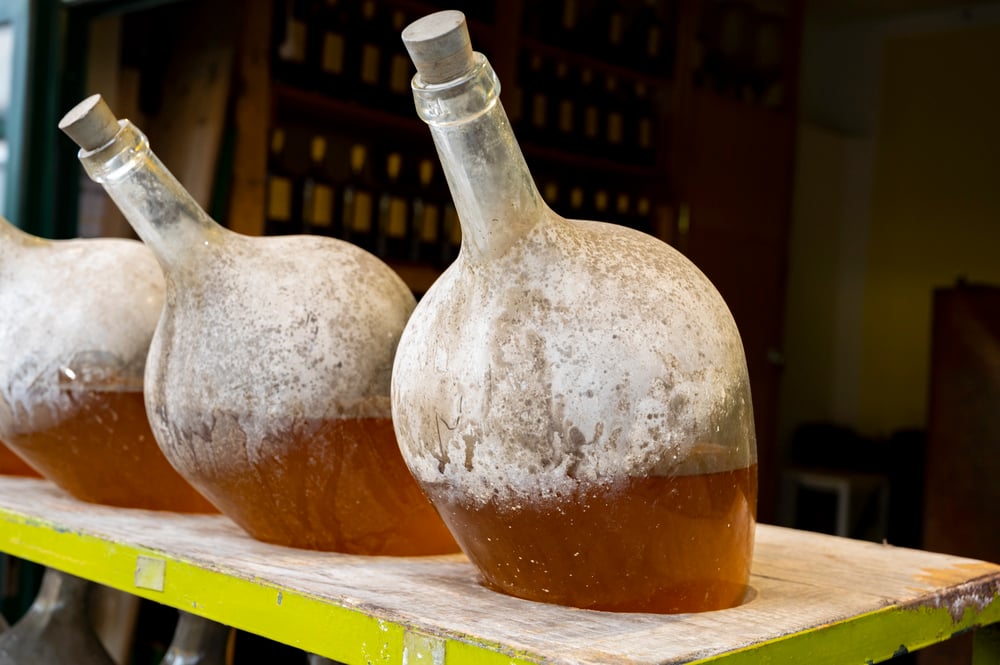
Vinegar appeared throughout Roman cleaning practices. It was used to disinfect wounds, rinse the mouth, clean surfaces, and mix into cosmetic preparations.
Roman soldiers carried posca — a mixture of water and vinegar — as a daily drink, partly because it kept better than plain water on long campaigns. Vinegar’s mild acidity made it genuinely useful as an antimicrobial agent, even if Romans didn’t understand the mechanism behind why it worked.
Bathing Was Scheduled Around Gender and Class
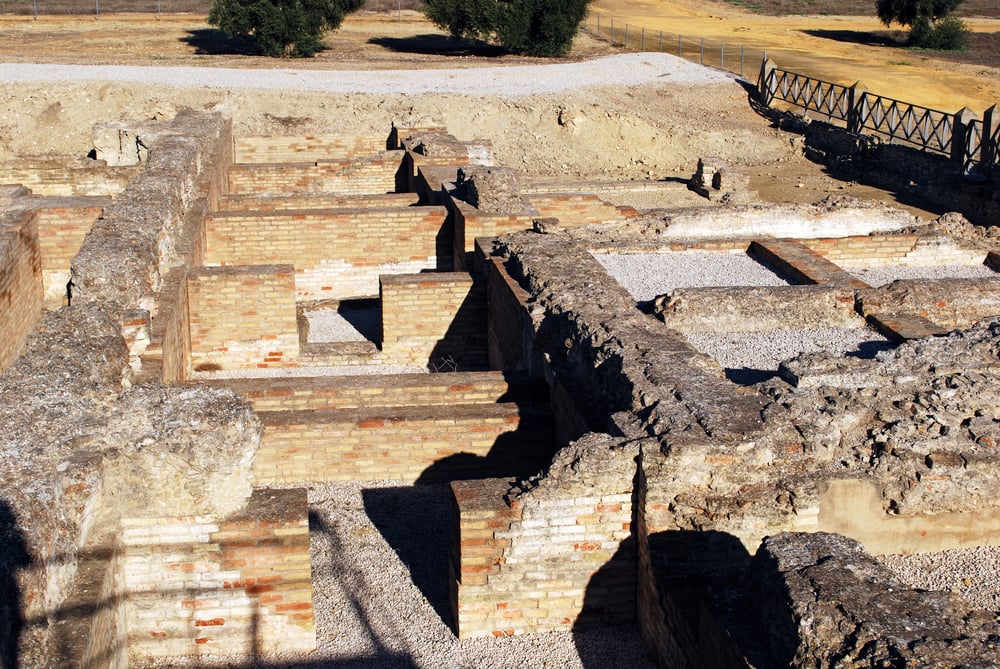
Early on, many bathhouses operated on a schedule — men and women bathed at different times. Later, mixed bathing became common in some establishments, which drew criticism from moralists like Quintilian and emperors who periodically tried to ban it.
Class played a role too. Wealthier Romans had private baths in their homes, called balnea.
But even those with private facilities often visited public baths for the social element. Staying away from the baths marked you as odd, antisocial, or unwell.
Mouth Rinsing With Surprising Substances
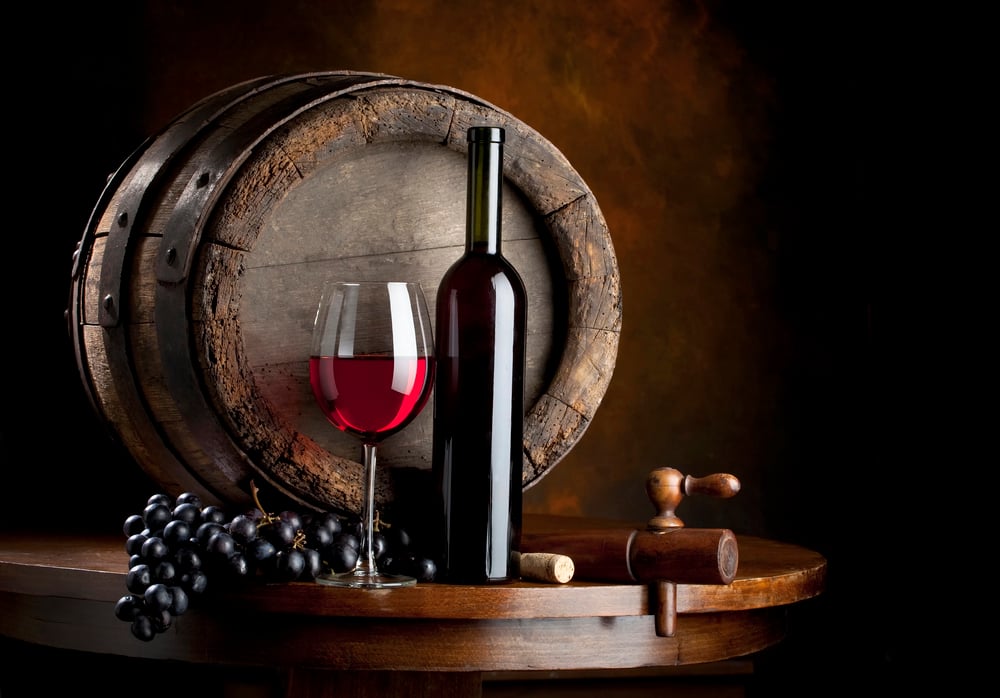
Beyond the more unusual toothpaste recipes, Romans rinsed their mouths with various mixtures to combat bad breath and maintain what they considered a presentable mouth. Mouthwashes made from wine, vinegar, water, and herbal infusions were common.
The wine wasn’t just decorative — its alcohol content had some antimicrobial effect. Chewing on herbs like parsley, mint, and fennel seeds was also recommended for freshening breath between meals.
Clean Water Was an Engineering Achievement

Much of Roman hygiene depended on one remarkable fact: they had a lot of clean water. The Roman aqueduct system transported millions of liters of fresh water daily into cities, feeding the baths, the fountains, the private homes of the wealthy, and the public latrinae.
This wasn’t accidental. Roman engineers understood that clean water reduced disease, even if they didn’t understand germ theory.
The infrastructure investment was enormous and intentional. Cities without good water supplies were considered underdeveloped, and Roman colonial expansion often brought aqueduct construction with it.
What Cleanliness Really Meant to Them
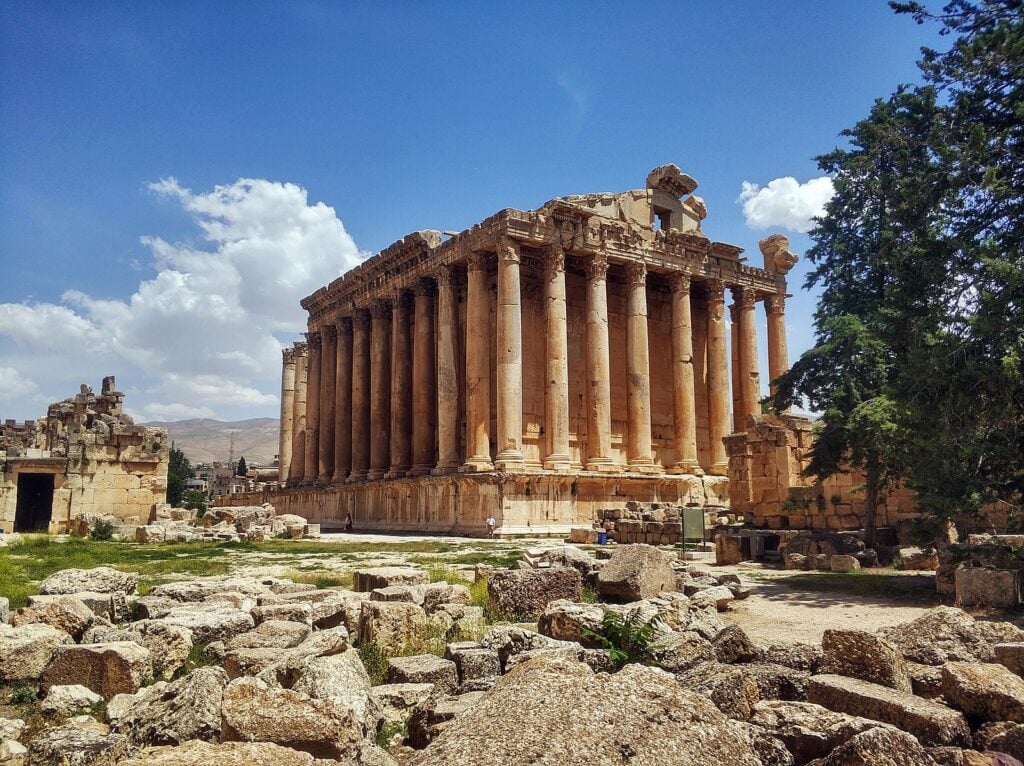
For Romans, cleanliness wasn’t just about health – it was a social show. Looking clean and well-maintained showed respect for oneself and others.
A body that smelled of sweat in public was seen as impolite. Women with body hair were viewed as unkept.
A man who ignored his teeth or skin was thought to lack concern for his place in society. This expectation led to real efforts in hygiene tools and daily grooming habits that were quite advanced.
Some practices worked well. Others caused real harm.
Still, Romans asked the same question people do now: what does self-care mean, and what does that say about who you are?
More from Go2Tutors!

- The Romanov Crown Jewels and Their Tragic Fate
- 13 Historical Mysteries That Science Still Can’t Solve
- Famous Hoaxes That Fooled the World for Years
- 15 Child Stars with Tragic Adult Lives
- 16 Famous Jewelry Pieces in History
Like Go2Tutors’s content? Follow us on MSN.