17 Bizarre Training Regimes Of Olympic Athletes
Olympic athletes push their bodies to limits most people can’t imagine. They train for years, follow strict diets, and dedicate their lives to becoming the best in the world.
But some of them take training to a whole new level with methods that sound almost too strange to be real. These training techniques might seem odd at first, but they’ve helped athletes win gold medals and break records.
Let’s look at some of the most unusual ways Olympians prepare for competition.
Swimming In Ice Baths For Hours

Some swimmers spend extended periods in freezing cold water to build mental toughness and improve circulation. Dutch swimmer Maarten van der Weijden trained in near-freezing lakes to prepare for open water events.
The shock to the system forces the body to adapt quickly, improving recovery time and pain tolerance. Athletes who use this method claim it makes race day conditions feel easy by comparison.
Training With Oxygen Masks At Low Altitude

Kenyan distance runners sometimes wear special masks that restrict airflow while training at sea level. This simulates high-altitude conditions without leaving their training bases.
The body responds by producing more red blood cells to carry oxygen more efficiently. When race day comes and the mask comes off, athletes feel like they have extra energy reserves they can tap into.
Practicing In Complete Darkness

Several gymnasts have trained entire routines blindfolded or in pitch-black gyms. Romanian gymnast Nadia Comaneci reportedly practiced this way to develop better body awareness.
Without visual cues, athletes must rely entirely on muscle memory and spatial sense. This builds confidence because if they can nail a routine without seeing, doing it under bright arena lights becomes second nature.
Eating Clay And Dirt Supplements

Some African long-distance runners consume small amounts of clay as part of their nutrition plan. The practice comes from traditional beliefs that certain soils contain minerals that boost endurance.
While scientists debate the actual benefits, athletes who follow this regime swear it helps with digestion and stamina. It’s one of those things that sounds crazy but has been passed down through generations of championship runners.
Training Underwater With Weights
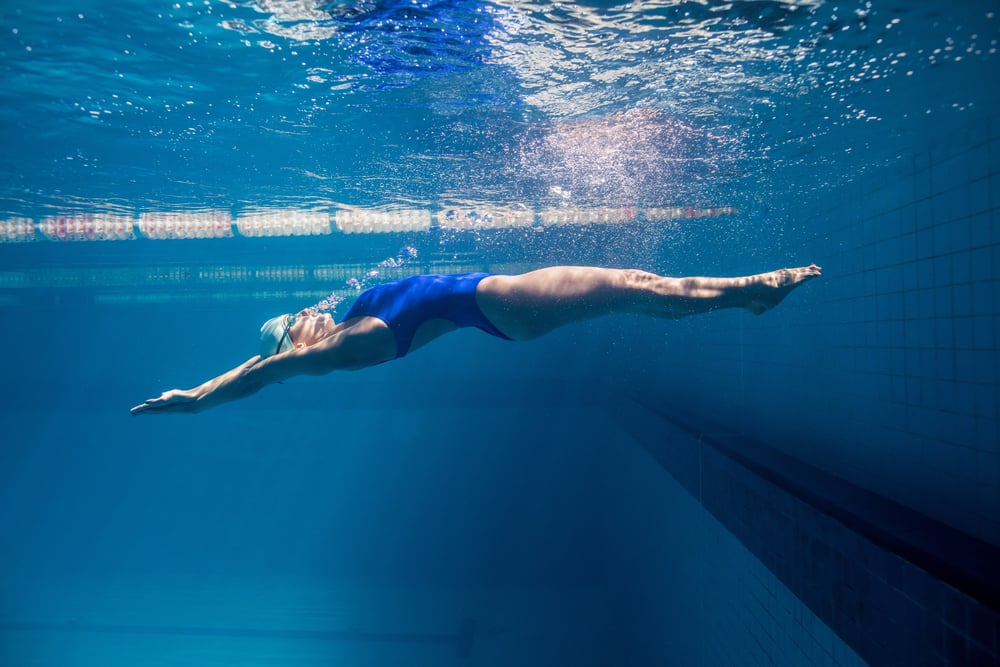
Chinese divers practice their routines while submerged in pools with ankle weights attached. This creates resistance that makes every movement harder and builds explosive power.
When they return to normal diving, their bodies feel lighter and more responsive. The technique also improves breath control, which helps with focus during high-pressure competitions.
Sleeping In Altitude Chambers

Many endurance athletes sleep in special tents or rooms that simulate high-altitude conditions. These chambers reduce oxygen levels to mimic being 8,000 feet above sea level or higher.
The body adapts by becoming more efficient at using oxygen throughout the night. Cyclists and marathon runners use this method to gain an edge without actually moving to the mountains.
Running Backwards On Treadmills
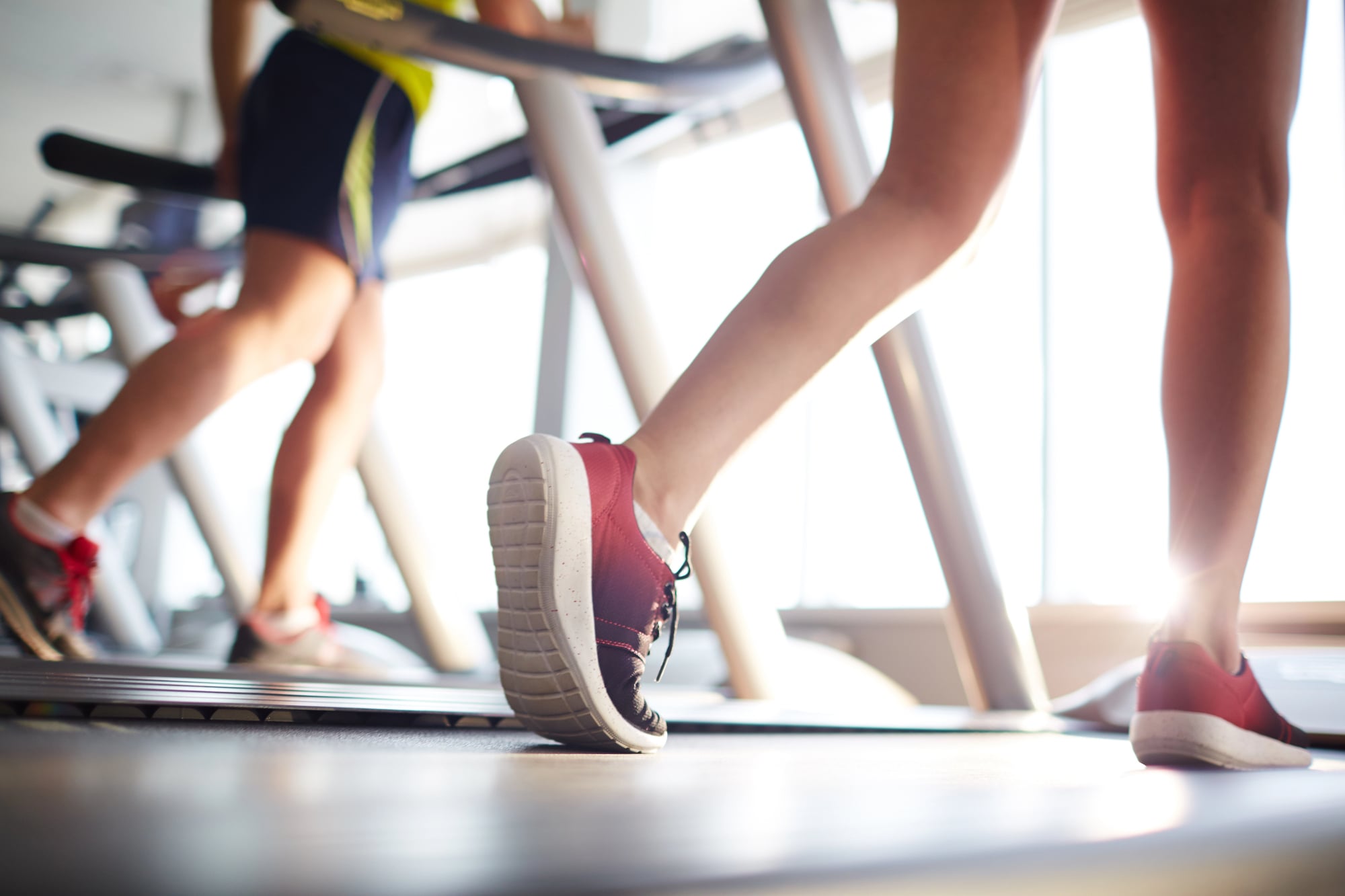
Track athletes sometimes spend part of their training running in reverse. This works different muscle groups and improves balance in ways that forward running can’t match.
American sprinter Michael Johnson incorporated backward running into his training before winning multiple gold medals. The unusual movement pattern also reduces impact on joints while still building cardiovascular fitness.
Meditating In Saunas

Finnish athletes have long practiced sitting in extremely hot saunas while doing breathing exercises and mental visualization. The heat stress combined with meditation supposedly improves focus and pain tolerance.
Some athletes spend up to an hour in temperatures exceeding 200 degrees Fahrenheit. They claim this makes the discomfort of competition feel manageable because they’ve already trained their minds to push through worse.
Training With Russian Ballet Dancers
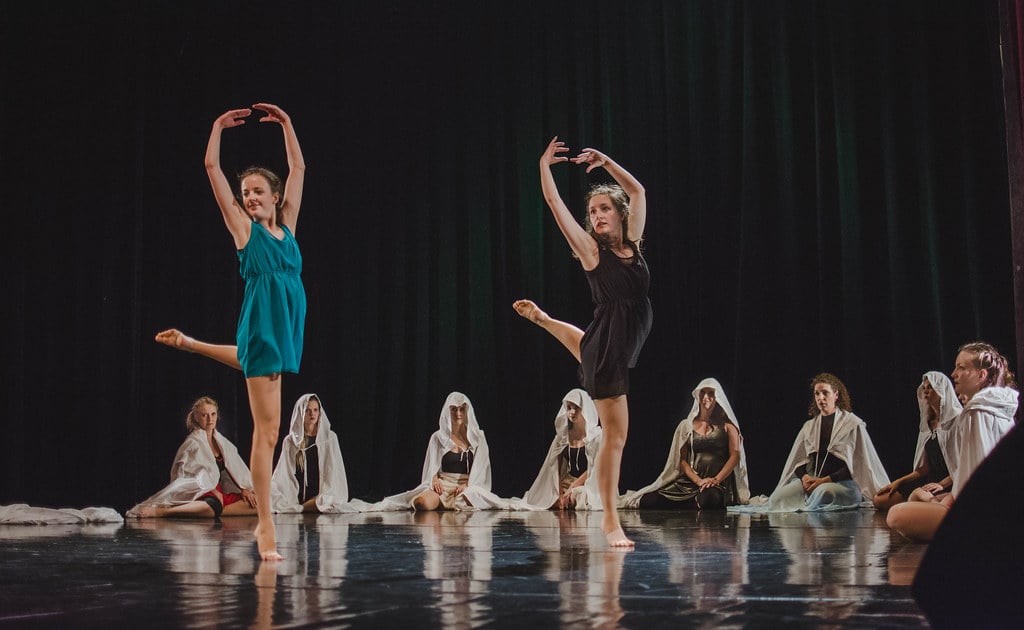
Several figure skaters and gymnasts have worked with professional ballet companies to improve their grace and artistry. The rigorous ballet training builds core strength and body control in unique ways.
Russian figure skater Evgeni Plushenko trained with the Bolshoi Ballet during his career. The combination of athletic training and classical dance technique creates a competitive advantage in sports where judges score artistic impressions.
Practicing On Trampolines For Hours Daily

Freestyle skiers and snowboarders spend massive amounts of time on trampolines to perfect aerial tricks safely. They can attempt new moves dozens of times without the risk of landing on snow or ice.
Some athletes do trampoline sessions lasting three or four hours straight. This repetition builds the muscle memory needed to execute complex flips and twists when it actually counts.
Carrying Rocks While Hiking Mountains

Weightlifters from Eastern Europe sometimes hike steep mountain trails while carrying heavy stones. This old-school method builds functional strength that gym equipment can’t replicate.
The uneven weight distribution and unpredictable terrain force the body to stabilize constantly. Athletes who train this way develop grip strength and core power that translates directly to lifting performance.
Training The Non-Dominant Side Exclusively

Some athletes spend months training only their weaker side to create better overall balance. A right-handed tennis player might practice serving and hitting with only the left hand for weeks.
This approach identifies weaknesses and creates more versatile athletes. When they return to using their dominant side, they often find their coordination has improved across the board.
Doing Yoga In Heated Rooms Above 100 Degrees

Bikram yoga sessions in rooms heated to 105 degrees have become popular among Olympic athletes. The combination of stretching and intense heat improves flexibility while building mental resilience.
Beach volleyball players and track athletes use this training to prevent injuries and improve range of motion. The heat makes muscles more pliable, allowing deeper stretches than normal temperature yoga.
Swimming With Drag Suits And Parachutes
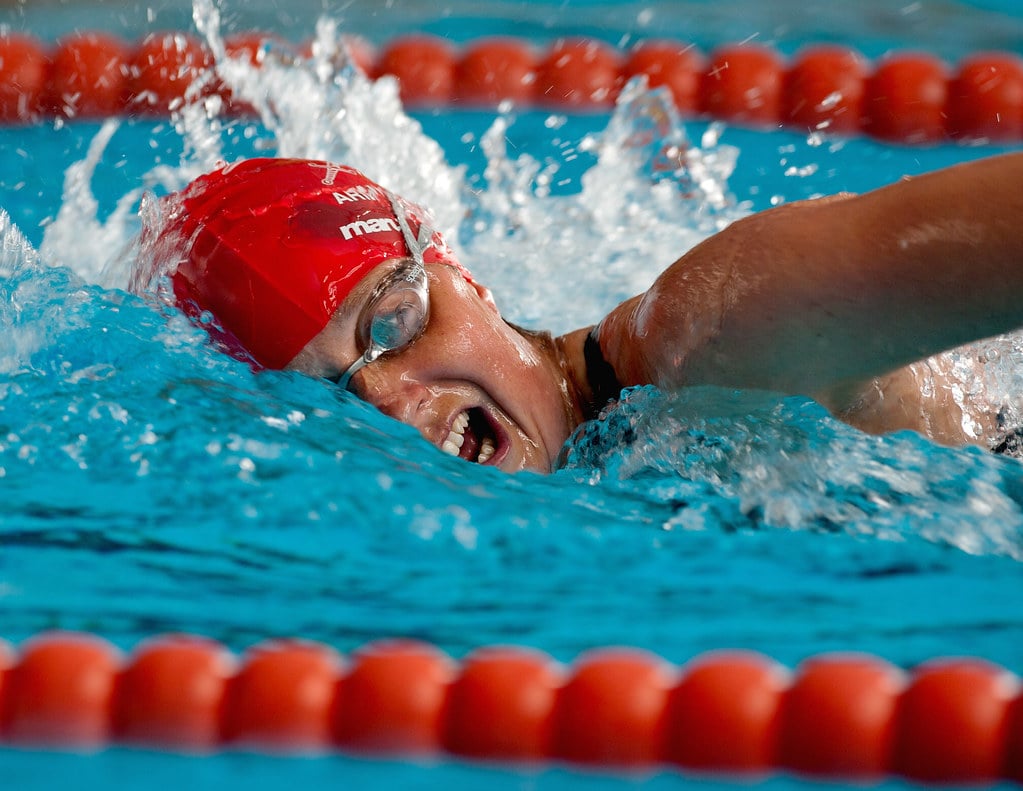
Swimmers attach small parachutes or wear extra suits to create water resistance during training. This makes every stroke significantly harder and builds power throughout the swimming motion.
When race day arrives and they swim in just a regular suit, the reduced drag makes them feel incredibly fast. American swimmer Michael Phelps used various resistance tools throughout his record-breaking career.
Training On Unstable Surfaces Constantly

Balance athletes like surfers and snowboarders train on wobble boards and balance orbs for hours each week. This constant instability forces tiny stabilizing muscles to work overtime.
The result is better core strength and reaction time when dealing with unpredictable conditions. Some athletes can maintain difficult yoga poses on a wobble board while someone throws medicine devices at them.
Visualization With Virtual Reality Headsets

Downhill skiers take on virtual slopes again and again long before race morning arrives. Inside a headset, divers spin through flips and twists from odd angles – overhead, below, sideways.
Practice inside the mind builds wiring in the brain much like physical repetition does. When athletes step into real events, that prep shows up as calmness, sharper focus.
Virtual runs add familiarity, even when feet aren’t moving on solid ground. The nervous system treats vivid mental drills almost like the real thing.
Cross-Training In Completely Different Sports

Starting their day early, Olympic rowers pair up with track cyclists to boost leg drive through varied routines. Rock climbers lend a hand to figure skaters, who gain stronger arms and sharper thinking under pressure.
Shifting between sports opens new ways of seeing movement. Repeating the same drills every day fades when unfamiliar patterns take over.
Hidden flaws come into view only when the usual routine breaks down.
The Method Behind The Madness

To those on the outside it looks odd, yet for competitors aiming at flawless performance, it feels completely logical. Year after year, out-of-the-ordinary drills have led to many podium finishes and record-breaking times.
Even though standard workouts remain essential, inventive techniques offer a slight advantage – especially since elite performers are already so gifted. Greatness tends to emerge not just from effort, but from daring to step beyond familiar routines.
More from Go2Tutors!

- The Romanov Crown Jewels and Their Tragic Fate
- 13 Historical Mysteries That Science Still Can’t Solve
- Famous Hoaxes That Fooled the World for Years
- 15 Child Stars with Tragic Adult Lives
- 16 Famous Jewelry Pieces in History
Like Go2Tutors’s content? Follow us on MSN.