Surprising Things That Are Illegal in Switzerland
Switzerland seems so orderly from the outside. Clean streets, punctual trains, and mountains that look like postcards.
You picture peace and quiet, chocolate shops, and maybe some banking. What you don’t picture is getting in trouble for flushing your toilet at night.
Or being told when you can hang your laundry. Or discovering that your single guinea pig violates federal law.
But Switzerland takes rules seriously. Really seriously.
The country has more regulations than most people expect, and some of them sound completely absurd until you live there. Then they start to make a strange kind of sense.
Your Guinea Pig Needs a Friend

You can’t own just one guinea pig in Switzerland. It’s against the law.
Since 2008, Switzerland’s Animal Welfare Act has classified guinea pigs as social animals.
Keeping one alone counts as animal abuse. You need at least two.
The law applies to other social creatures too. Goldfish. Budgies.
Even certain types of parrots. Switzerland decided that loneliness among pets is cruel, so they banned it.
If one of your guinea pigs dies, you face a problem. Suddenly you’re breaking the law. Switzerland came up with a solution for this.
You can rent a companion guinea pig. Actual rental agencies exist specifically for this purpose.
They’ll loan you a guinea pig until you’re ready to get another permanent one. Pet shops must tell buyers about this requirement.
Animal inspectors can investigate if someone reports a solitary guinea pig living in isolation.
Sundays Belong to Silence
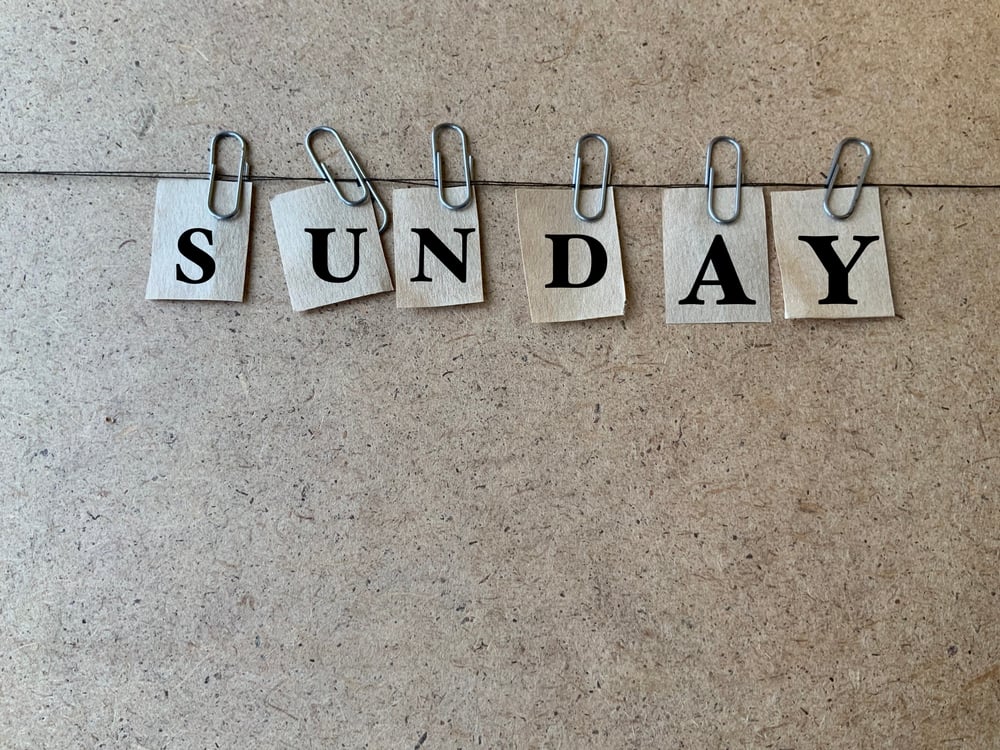
Sunday in Switzerland is not a normal day. You wake up to find the world has gone quiet. The streets feel empty.
Stores are closed. Even the air seems still.
This is deliberate. Switzerland protects Sunday as a day of rest through actual regulations.
The noise restrictions get enforced. You cannot mow your lawn.
You cannot use a drill or hammer. You cannot hang laundry outside to dry.
You cannot recycle glass bottles because the clinking disturbs the peace. Some apartment buildings ban vacuum cleaners on Sundays.
The laundry rule has nothing to do with noise. Swiss housing associations decided that laundry flapping on every balcony looks messy.
So Sunday laundry became prohibited in many places because of aesthetics. Breaking Sunday silence rules can result in fines or even short jail sentences.
Your neighbors will definitely notice and probably complain.
Your Car Needs Daytime Lights
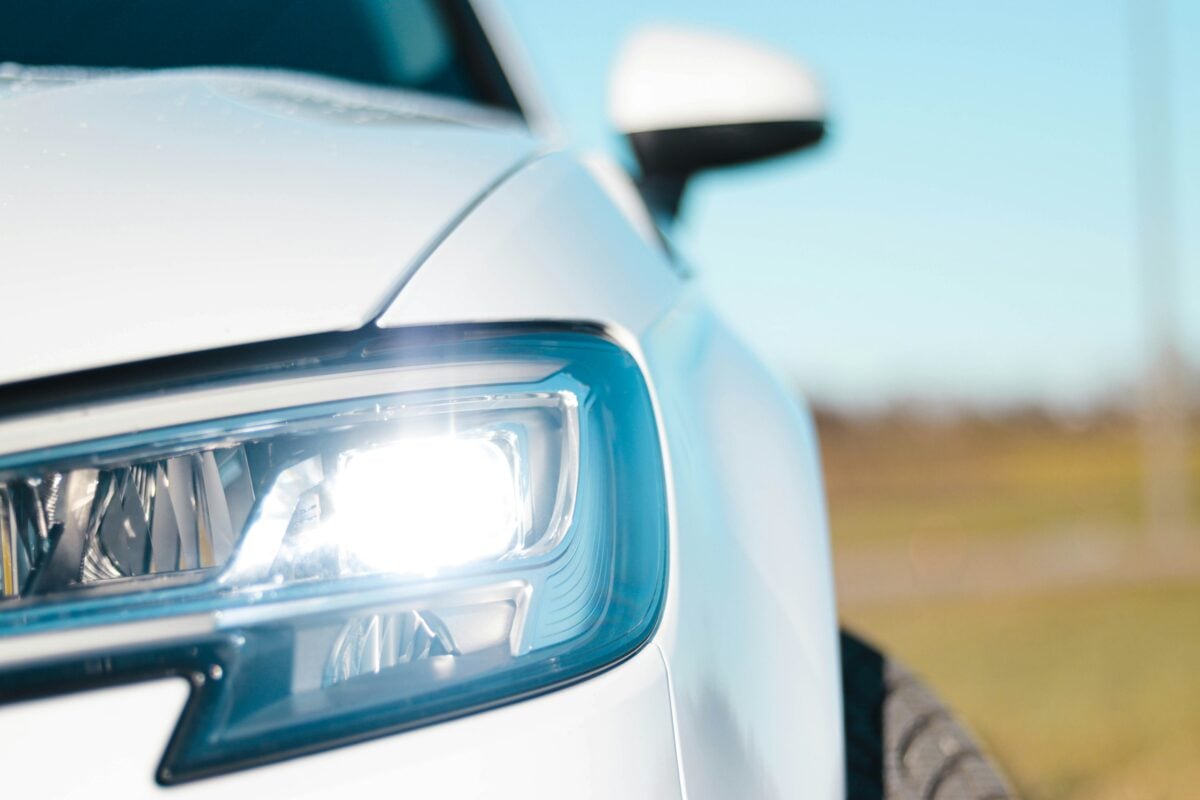
Switzerland requires all vehicles to drive with lights on at all times. Day and night.
Every single trip. You can use running lights or regular headlights.
High beams are not allowed during the day. Motorcycles, cars, trucks, and all vehicles must comply.
This law changed in 2014. Before that, daytime lights were optional.
Research showed that lights reduce accidents even in broad daylight. They make vehicles more visible to other drivers.
Tourists often forget this rule. Swiss police watch for it.
The fines are steep enough to remember next time.
Flip-Flops Are Not Driving Shoes
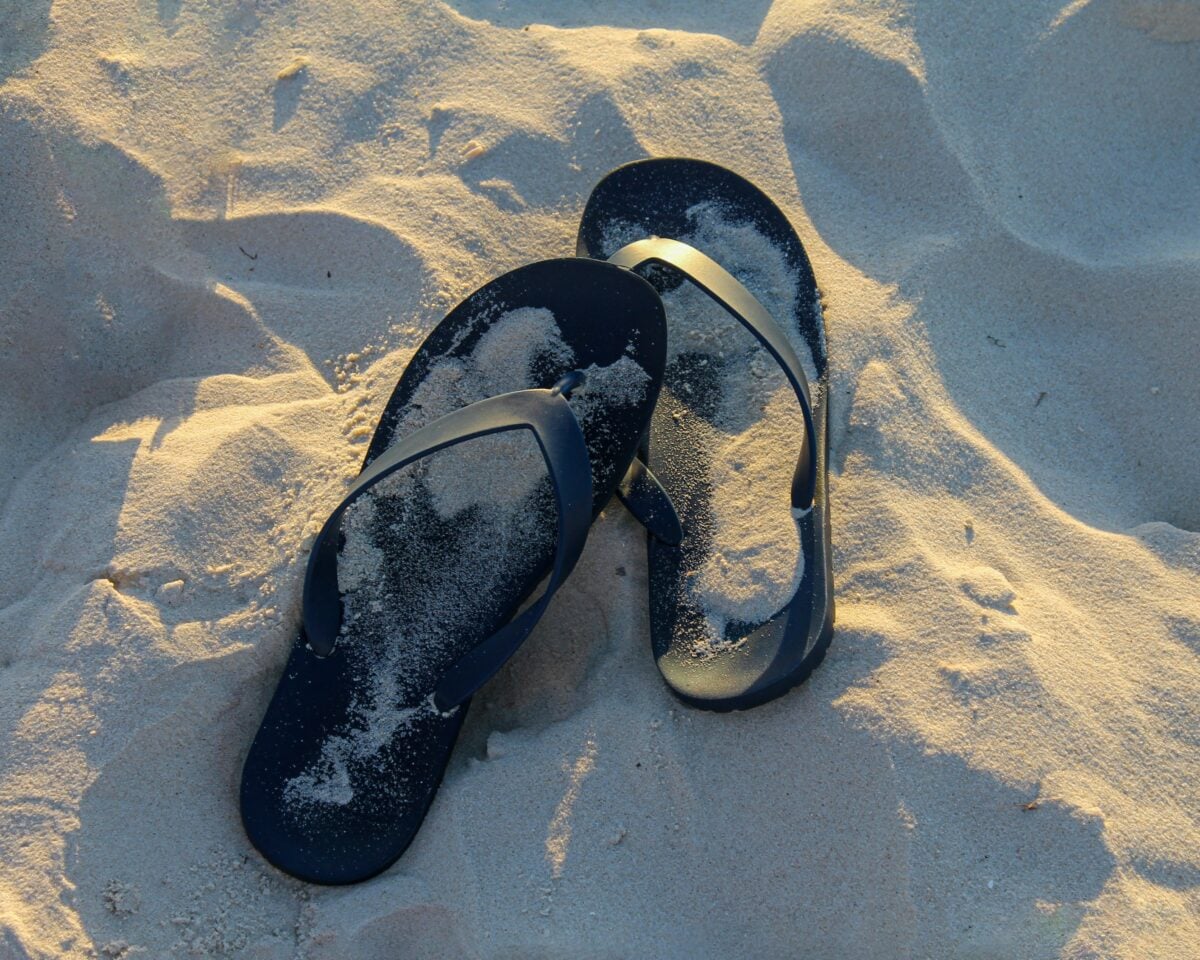
You cannot drive while wearing flip-flops in Switzerland. The law considers them unsafe footwear.
The concern is that flip-flops can slip off or get caught under pedals. This creates danger for the driver and others on the road.
Switzerland decided flip-flops don’t provide enough control or protection. The irony is that you’re still allowed to drive while handling other distractions.
But your choice of footwear matters enough to regulate. Traffic police can pull you over specifically for your shoes.
They will check. They will fine you.
Washing Your Car Breaks Environmental Law
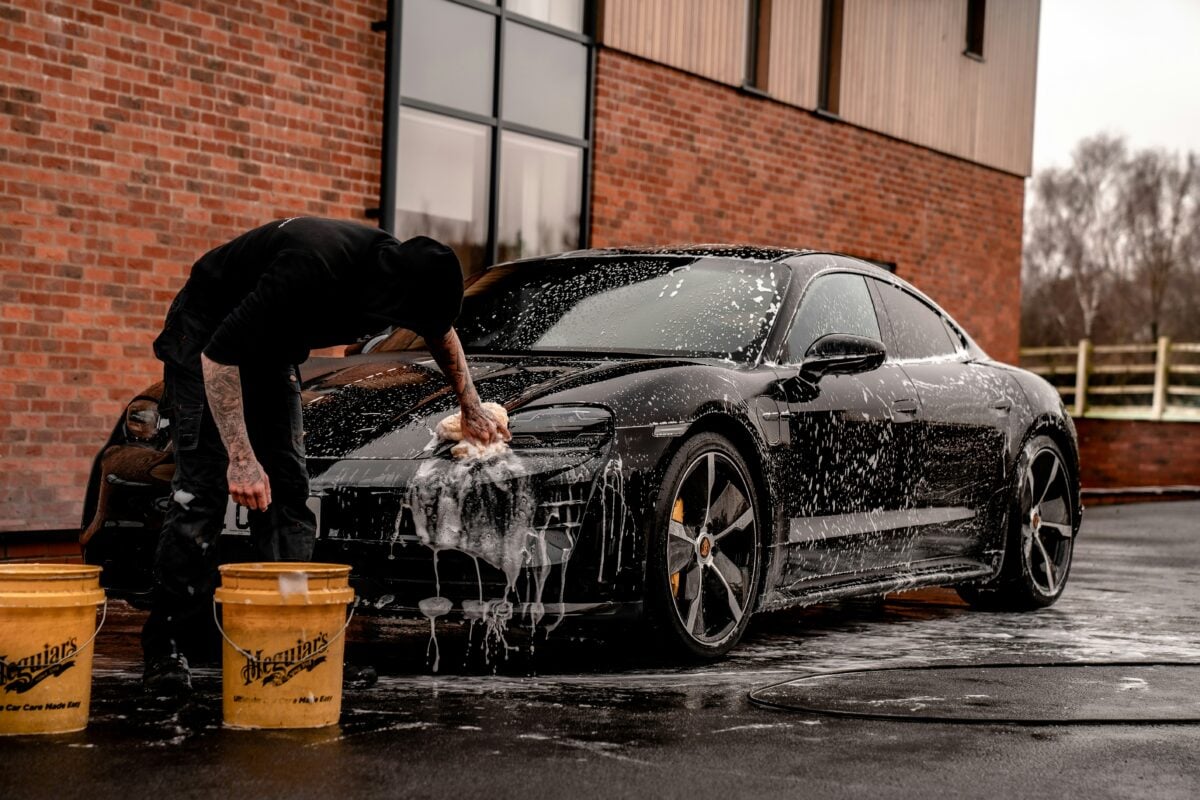
You cannot wash your car at home using a hose in Switzerland. This counts as illegal.
The reasoning involves groundwater protection. Soap and cleaning chemicals contaminate water supplies when they run off driveways into storm drains. Switzerland takes environmental protection seriously enough to ban home car washing.
Yet you never see dirty cars in Switzerland. How do people manage this?
Paid car washes exist everywhere. They’re designed to capture and properly treat the runoff water. If you want a clean car without breaking the law, you pay for professional washing.
Some people consider this just another Swiss money-making scheme. Others appreciate the environmental benefits. Either way, if you get caught washing your car at home and you face fines.
Dancing Gets Banned on Holy Days
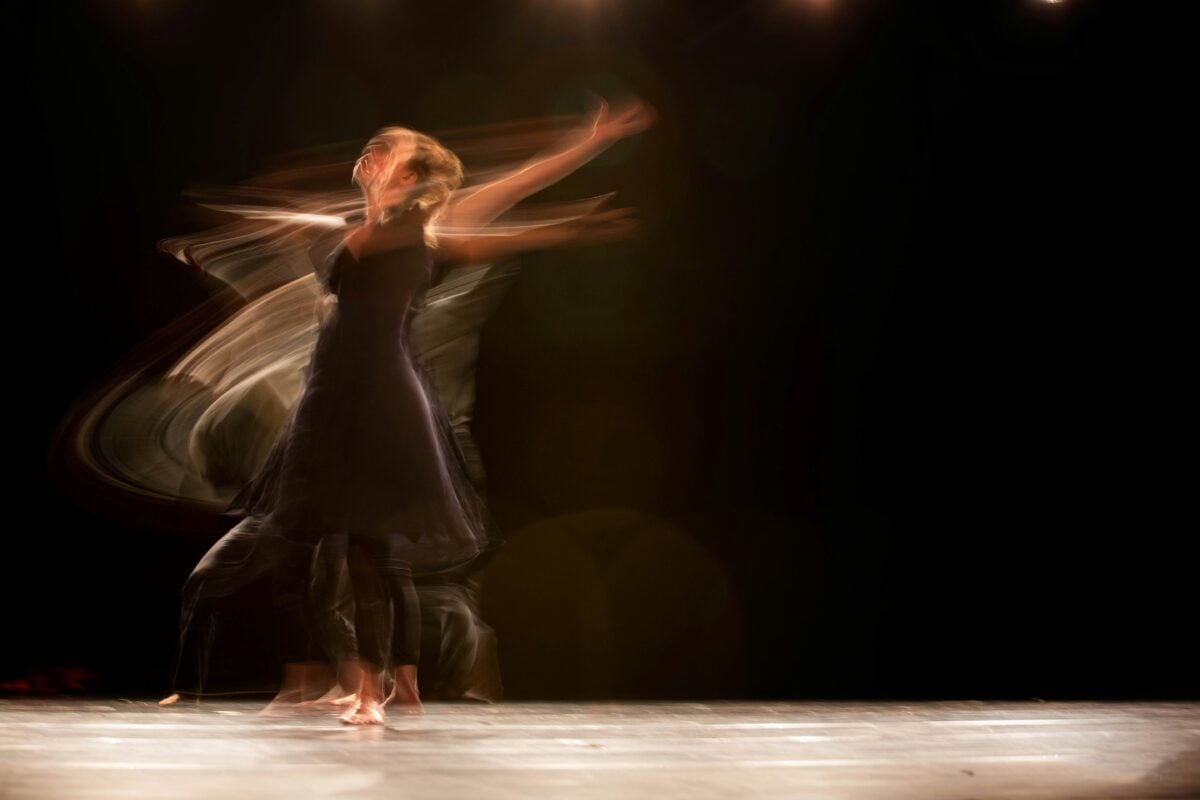
Several Swiss cantons prohibit dancing on specific religious holidays. Aargau, Glarus, Uri, Obwalden, Solothurn, Thurgau, and Appenzell Innerrhoden all enforce dance bans on certain Christian observances.
The justification is that pleasure should be secondary when celebrating the life of Christ. You can gather. You can eat. You can talk. You just can’t dance.
These laws stay on the books despite seeming outdated. Religious authorities defend them. Local governments enforce them. Venues that host dances on forbidden days face penalties.
The dance bans apply to public dancing. What you do in your own home is technically your business. But clubs, bars, and event spaces must comply or risk serious consequences.
Every Home Must Have Nuclear Shelter Access
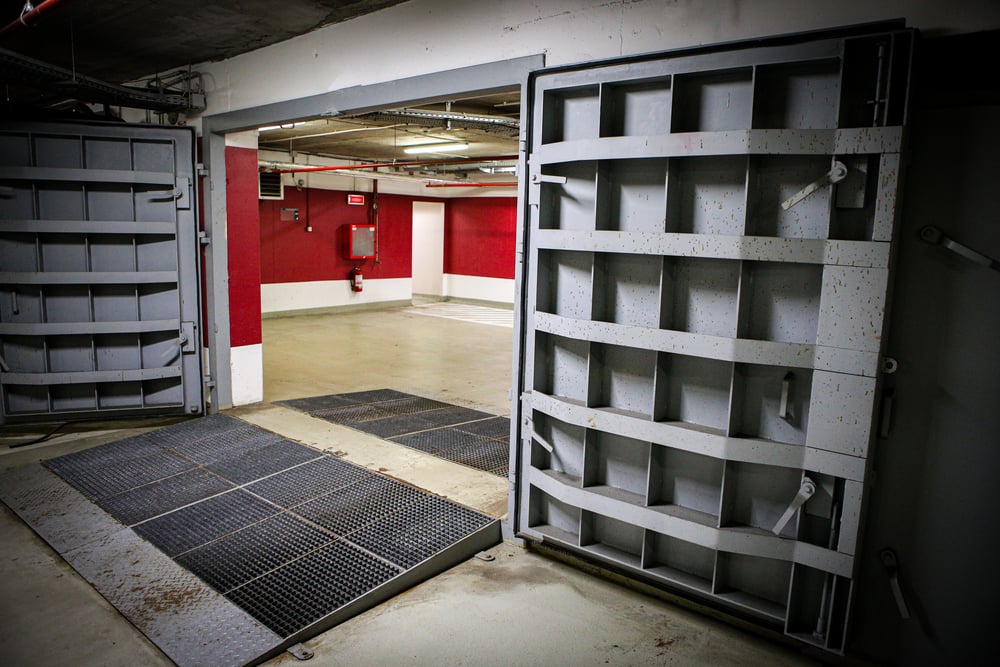
Switzerland requires every residence to have access to a nuclear fallout shelter. This is not optional.
If you build a house, you must include a bunker. If you buy an apartment, it must come with shelter access either in the building or nearby. The government maintains public shelters for those without private options.
This law reflects Switzerland’s Cold War paranoia that never fully disappeared. The country takes neutrality seriously and prepares for worst-case scenarios. They imagine nuclear war remains possible enough to mandate shelter access for every citizen.
Modern Switzerland maintains more nuclear shelter spaces than any other country. These bunkers often get repurposed as wine cellars or storage rooms during peacetime. But they exist and meet specific construction requirements.
Building codes spell out exact specifications. Wall thickness. Air filtration systems. Supply storage. Switzerland doesn’t joke about nuclear preparedness.
Baby Names Require Approval

You cannot name your child whatever you want in Switzerland. The government must approve the name first.
The rule exists to protect children from names that cause harm or offense. Names that resemble brands like Mercedes or Chanel get rejected. Names that sound like insults get rejected. Compass directions like North or West get rejected.
Swiss authorities review every proposed baby name against these criteria. They have the power to refuse names they consider inappropriate. Parents must submit alternatives until they find something acceptable.
This seems intrusive to outsiders. Switzerland sees it as protecting children from parents with poor judgment. The child’s future matters more than parental creativity.
Some names get through that seem questionable. Others get blocked that seem harmless. The system has inconsistencies. But the principle remains: Switzerland will not let you saddle your child with a name that damages their prospects.
Slamming Car Doors After Dark Disturbs the Peace
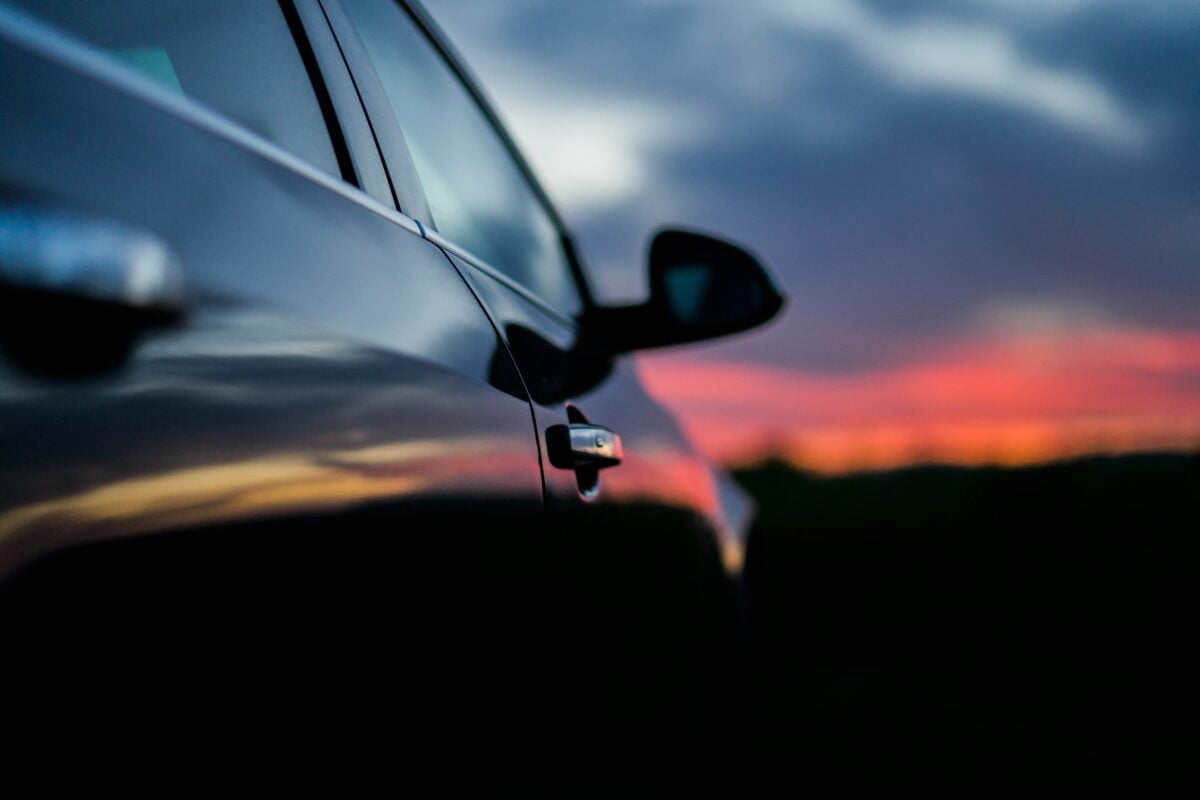
After 10pm, you cannot slam car doors in Switzerland. The noise violates the night rest period.
This rule applies throughout residential areas. The concept is that between 10pm and 6am, all unnecessary noise should stop. Car doors slamming echo through neighborhoods and wake people who are trying to rest.
You must close your car door gently. Pull it shut carefully rather than letting it swing closed with force. This takes conscious effort, especially when you’re tired or carrying things.
Neighbors notice loud car doors. They remember who makes excessive noise at night. In Switzerland, your neighbors will tell you about it or report you to the authorities.
The car door rule exists alongside bans on loud music, power tools, and even walking in high heels inside your apartment after 10pm. Switzerland draws a clear line between daytime activity and nighttime quiet.
High Heels Become Weapons After Hours
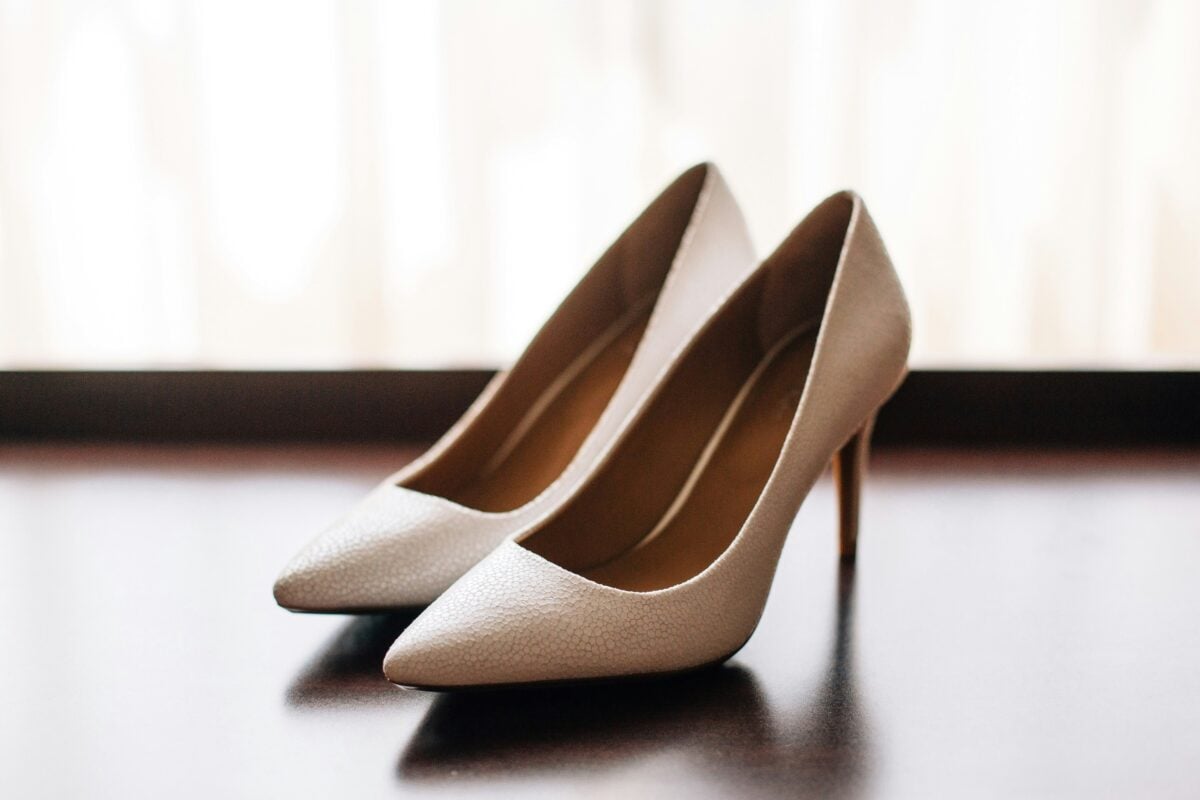
Some Swiss apartment buildings prohibit wearing high heels indoors after 10pm. The clicking noise on hard floors travels through ceilings and disturbs neighbors below.
This sounds absurd. How can your choice of footwear at home be anyone else’s business? But Swiss apartments often have minimal sound insulation. Footsteps echo. High heels create particularly sharp, repetitive sounds that penetrate floors.
Landlords include footwear restrictions in rental agreements. They can enforce these rules. Neighbors complain when they hear heels clicking overhead at midnight.
The solution is simple but feels intrusive. You must change into soft slippers when you get home after 10pm. Your evening shoes stay by the door. Switzerland values collective peace over individual freedom to wear shoes indoors.
Social Animals Need Social Lives

The guinea pig law is just the tip of Switzerland’s animal welfare iceberg. The country passed constitutional protections for animals that go beyond those of most places.
Dogs need passports. They need incident insurance. They pay taxes based on size and weight. In 2011, one small town threatened to enforce an old law allowing officials to kill dogs whose owners didn’t pay the annual tax. Protests from across the world stopped them, but the tax remains.
Goldfish cannot be flushed down toilets. This counts as animal cruelty. Hamsters cannot live alone. Budgies need companions. The list of social animals keeps growing.
Switzerland even proposed giving animals the right to legal representation in court. The initiative failed, but the fact that it got serious consideration shows how far animal rights extend.
Pet shops must inform buyers about these requirements. Breeders must comply. Animal inspectors investigate reports of violations. Switzerland treats animal welfare as genuinely important rather than symbolic.
When Rules Become Culture

These laws sound bizarre when listed together. Toilet flushing. Guinea pigs. Car washing. Dancing. Each one seems petty or controlling or just strange.
But spend time in Switzerland and a pattern emerges. The rules reflect values. Collective peace matters more than individual convenience. Environmental protection justifies restrictions. Animal welfare deserves legal protection. Sundays exist for rest.
Swiss people generally support these regulations. They grew up with them. They’ve internalized the logic. A quiet Sunday feels natural rather than oppressive. Having two guinea pigs makes sense rather than seeming excessive.
Outsiders struggle with this mindset. The rules feel arbitrary. The enforcement feels intrusive. You want to flush your toilet when nature calls, not when regulations allow.
Switzerland doesn’t apologize. The system works for them. Crime rates stay low. Public spaces stay clean. Animals get protected. Neighbors coexist peacefully. If that requires regulating car washes and laundry schedules, so be it.
The Price of Order

Something clicks in Switzerland. When people choose to respect shared expectations, order follows without force. Peer awareness often does more than penalties ever could. Quiet streets, tidy spaces, pets looked after – these happen because most act on unspoken norms. Culture carries rules further than law alone.
Freedom shrinks when community standards rise. What you choose inside your four walls might upset someone next door. Rules apply whether they make sense or not. Living here means fitting into shared expectations, no exceptions.
Peace came first. Not because it had to, but because they picked it. Order stood higher than liberty on their list. Quiet streets mattered more than personal choice. Rules won out when chaos could have taken hold.
The beauty of the mountains doesn’t change, whatever you think about Swiss ways. Trains still arrive when they should. What matters most shifts based on personal views. A second guinea pig keeps the first one company.
More from Go2Tutors!

- The Romanov Crown Jewels and Their Tragic Fate
- 13 Historical Mysteries That Science Still Can’t Solve
- Famous Hoaxes That Fooled the World for Years
- 15 Child Stars with Tragic Adult Lives
- 16 Famous Jewelry Pieces in History
Like Go2Tutors’s content? Follow us on MSN.