17 Brilliant Ideas That Backfired When Released to the Public
Innovation always carries risk. Behind every groundbreaking product or service lies countless hours of research, development, and high hopes for success. Yet sometimes even the most promising concepts collapse spectacularly when they meet real-world conditions.
These failures often teach us more about human behavior, market forces, and unintended consequences than successes ever could. Here is a list of 17 brilliant ideas that seemed revolutionary on paper but backfired dramatically when released to the public.
New Coke

The Coca-Cola Company’s 1985 decision to replace its classic formula remains one of marketing’s most infamous missteps. Internal taste tests suggested consumers preferred the sweeter formulation, but executives failed to account for the emotional connection people had with the original product.
The public backlash was immediate and fierce, forcing the company to reintroduce the original formula as “Coca-Cola Classic” just 79 days later.
Google Glass
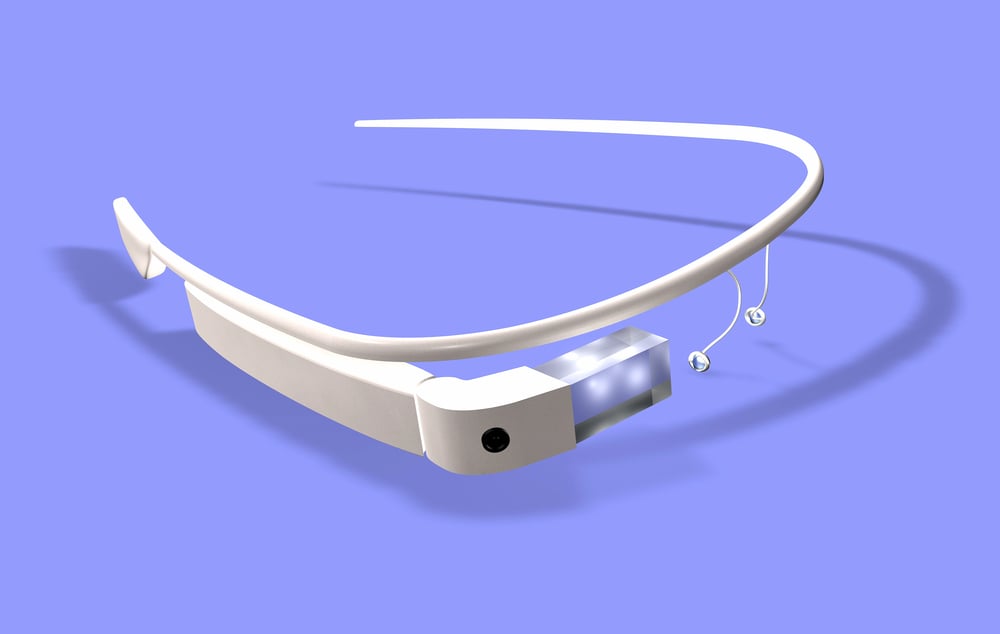
Google’s ambitious 2013 launch of wearable eyeglasses with a heads-up display promised to revolutionize how we interact with technology. The $1,500 devices quickly became symbols of tech elitism rather than innovation, with wearers derisively labeled “Glassholes.”
Privacy concerns mounted as people worried about being secretly recorded, and the consumer version was discontinued in 2015, demonstrating that technological capability doesn’t always align with social acceptability.
Segway

Hyped as a device that would “change civilization as we know it,” the Segway personal transporter arrived in 2001 with enormous expectations. Inventor Dean Kamen predicted it would make cars obsolete in cities, but the steep $5,000 price tag, regulatory confusion about where they could legally operate, and their somewhat awkward appearance limited adoption to mall security guards and tour groups rather than the revolutionary transportation solution originally envisioned.
Microsoft Bob

Microsoft’s 1995 attempt to create a user-friendly interface featuring animated assistants was meant to make computing accessible to novices. The cartoon-like environment included helpers like Rover the dog, who would guide users through tasks.
Users found the interface condescending and unnecessarily complicated, making Bob one of Microsoft’s most notorious failures and teaching the tech giant valuable lessons about balancing simplicity with respect for users’ intelligence.
Juicero

The $400 juicer that squeezed pre-packaged fruit and vegetable bags became Silicon Valley’s perfect symbol of over-engineered solutions to non-existent problems. Investors poured $120 million into the startup before Bloomberg demonstrated you could squeeze the juice packets by hand just as effectively.
The company shut down in 2017, just 16 months after launch, serving as a cautionary tale about solving artificial problems with expensive technology.
Ford Edsel

Ford’s 1957 Edsel was developed with extensive market research and launched with one of the most expensive promotional campaigns in automotive history. The distinctive-looking car flopped spectacularly, with the public rejecting its unusual vertical grille design and experiencing numerous quality issues.
Production ceased after just three years with losses equivalent to $2.5 billion in today’s dollars, making it a textbook case of marketing hype disconnected from consumer desires.
Amazon Fire Phone
Amazon’s 2014 attempt to enter the smartphone market demonstrated that even tech giants can miscalculate consumer interest. The device’s “Dynamic Perspective” 3D display effects and Firefly product recognition technology were innovative but failed to provide meaningful benefits over existing options.
Priced similarly to premium iPhones despite lacking Google services, the Fire Phone was discontinued after just one year with Amazon taking a $170 million write-down on unsold inventory.
Sony Betamax

Though technically superior to VHS with better picture quality and more compact cassettes, Sony’s 1975 Betamax format ultimately lost the videotape format war. Sony’s crucial mistake was limiting recording time to one hour while refusing to license the technology to other manufacturers.
Meanwhile, JVC’s VHS offered longer recording times and broad licensing, proving that superior technology doesn’t guarantee market success when competing against more practical alternatives.
Clairol Touch of Yogurt Shampoo

In the 1970s, when natural ingredients were gaining popularity, Clairol thought adding yogurt to shampoo would appeal to health-conscious consumers. The concept backfired when customers became confused about whether the product was for washing or eating.
Some reportedly tried consuming it, while others were simply repulsed by the idea of dairy products in their hair care. The product was quickly pulled from shelves, demonstrating the importance of clear product positioning.
Premier Smokeless Cigarettes

R.J. Reynolds spent over $300 million developing this “healthier” alternative to traditional cigarettes in 1988. The product heated rather than burned tobacco, producing no ash and reducing secondhand smoke.
Despite the apparent benefits, smokers rejected it for its charcoal aftertaste and lack of satisfying smoke. The company pulled the product after just five months, losing hundreds of millions before later reintroducing similar concepts decades later with better technology.
This is just a template and this text should be replaced in your post. Each gallery slide consists of a H2 heading, one image, an image caption, and then paragraph text. You can link to your post or another post which is reflected in the image in order to get traffic. You should have a minimum of 10 gallery slides, so 10 of these block combos. This template has 10 for you to start with.
The Newton MessagePad

Apple’s 1993 personal digital assistant was ahead of its time with handwriting recognition capabilities and a touch interface. Unfortunately, the technology wasn’t quite ready—its handwriting recognition became infamous for inaccuracy, even being mocked on “The Simpsons.”
Priced at $699 (roughly $1,300 today), the bulky device failed to find a market despite its innovative features, though many of its concepts would later succeed in the iPhone and iPad.
DeLorean DMC-12
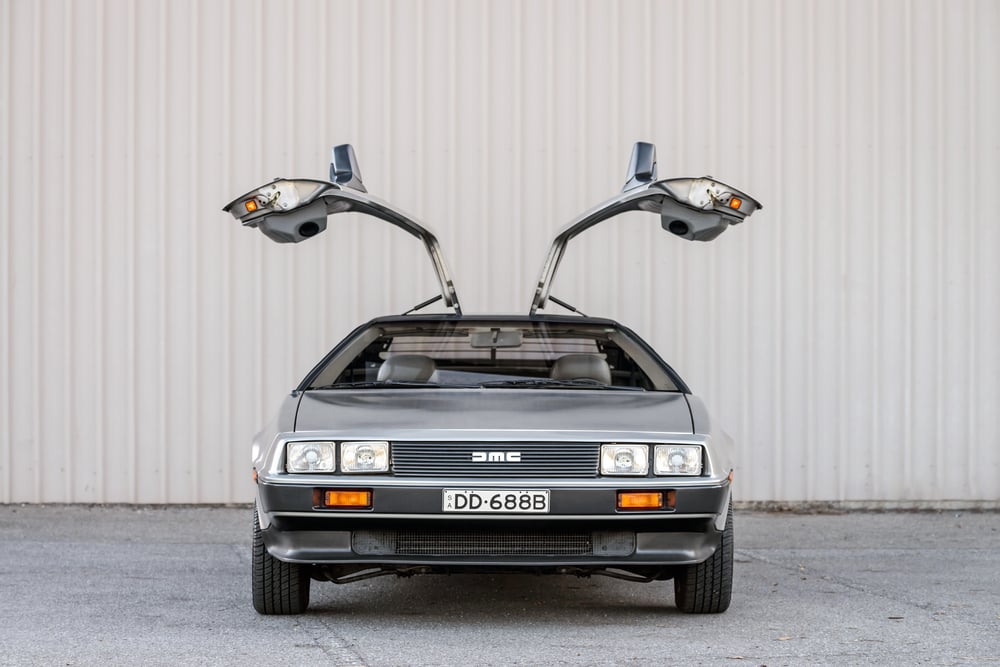
Made famous by “Back to the Future,” John DeLorean’s stainless steel sports car with gull-wing doors was a stunning design that faced numerous production problems. The underpowered engine delivered disappointing performance, and the unique stainless steel body panels proved difficult to maintain.
Production lasted just two years before the company went bankrupt in 1982, though the car achieved cultural immortality as a symbol of 1980s futurism despite its commercial failure.
Colgate Kitchen Entrees
In a textbook case of brand extension gone wrong, toothpaste giant Colgate launched frozen dinner entrees in 1982. The fundamental disconnect between oral hygiene and frozen lasagna proved too great for consumers to overcome—few people wanted to eat food associated with the company that reminded them to brush afterward.
The products quickly disappeared from shelves, demonstrating the danger of stretching brand identity beyond logical limits.
Nintendo Virtual Boy

Released in 1995 as the first portable console offering 3D graphics, the Virtual Boy was a rare misstep from gaming innovator Nintendo. The monochromatic red display caused headaches and eye strain, while the awkward tabletop design wasn’t truly portable or comfortable for extended play.
Discontinued after less than a year with only 22 games released, the Virtual Boy showed that even revolutionary technology can fail without proper execution and user comfort considerations.
HD DVD
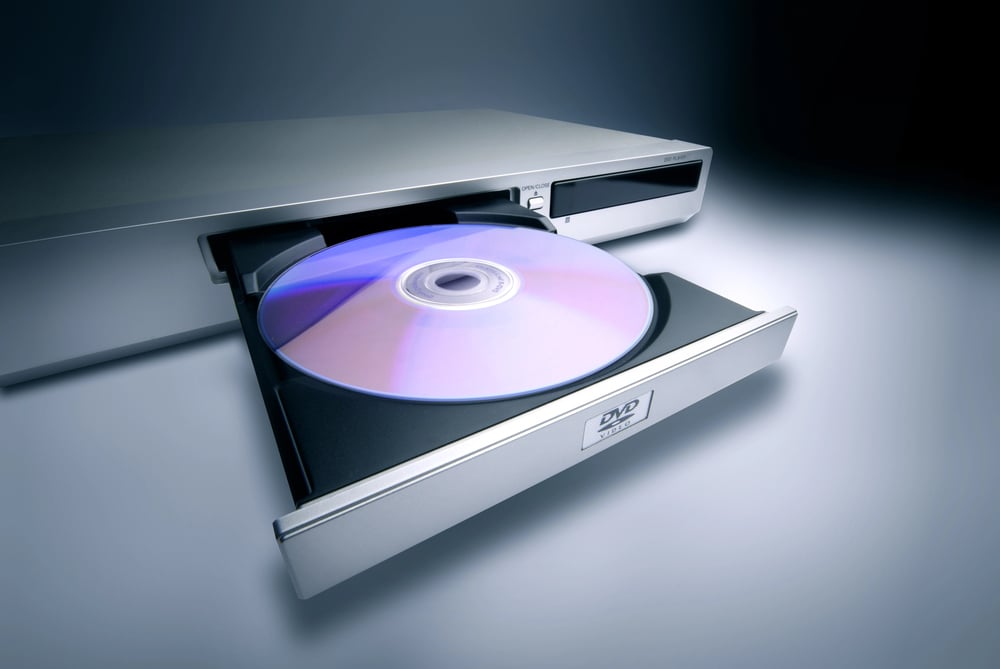
Toshiba’s high-definition disc format launched in 2006 directly against Sony’s Blu-ray in a next-generation format war reminiscent of VHS versus Betamax. Despite initial studio support and Microsoft backing through Xbox 360, HD DVD lost momentum when Warner Bros. announced exclusive Blu-ray support in 2008.
Toshiba discontinued the format just one month later after spending hundreds of millions on development, demonstrating how quickly technology standards can collapse when market consensus shifts.
Google Wave

Launched in 2009 as an ambitious communication platform combining email, instant messaging, wikis, and social networking, Google Wave was presented as the future of collaboration. The complex interface overwhelmed users who couldn’t determine what problem it was solving or how it fit into their existing workflow.
Google discontinued the standalone product after just one year, though many features were eventually incorporated into Google Docs and other services.
Windows Vista
Microsoft’s 2007 operating system was designed to revolutionize personal computing with advanced security features and a sleek new interface. Unfortunately, high hardware requirements meant many computers labeled “Vista Compatible” actually ran poorly, while compatibility issues with existing software frustrated users.
Businesses largely skipped the upgrade cycle, waiting for Windows 7, which addressed most complaints while retaining Vista’s architectural improvements.
Innovation’s Double-Edged Sword

These spectacular failures remind us that innovation always walks a tightrope between brilliance and disaster. While each product failed commercially, many pioneered concepts that succeeded in later iterations once technology, timing, and execution aligned properly.
Today’s failed prototype often contains tomorrow’s breakthrough, whether it’s Newton’s concepts appearing in modern smartphones or smokeless cigarettes evolving into today’s vaping industry. The greatest lesson may be that failure isn’t final—it’s simply the price visionaries sometimes pay for pushing boundaries.
More from Go2Tutors!

- The Romanov Crown Jewels and Their Tragic Fate
- 13 Historical Mysteries That Science Still Can’t Solve
- Famous Hoaxes That Fooled the World for Years
- 15 Child Stars with Tragic Adult Lives
- 16 Famous Jewelry Pieces in History
Like Go2Tutors’s content? Follow us on MSN.