16 Popular Foods Invented by Children
Sometimes the best culinary innovations come from the most unexpected places. While renowned chefs spend years perfecting their craft, some of our most beloved foods were created by kids who simply wanted something that tasted good.
These young inventors didn’t worry about sophisticated techniques or complex flavor profiles — they just followed their instincts and created dishes that would go on to delight millions.
Popsicles
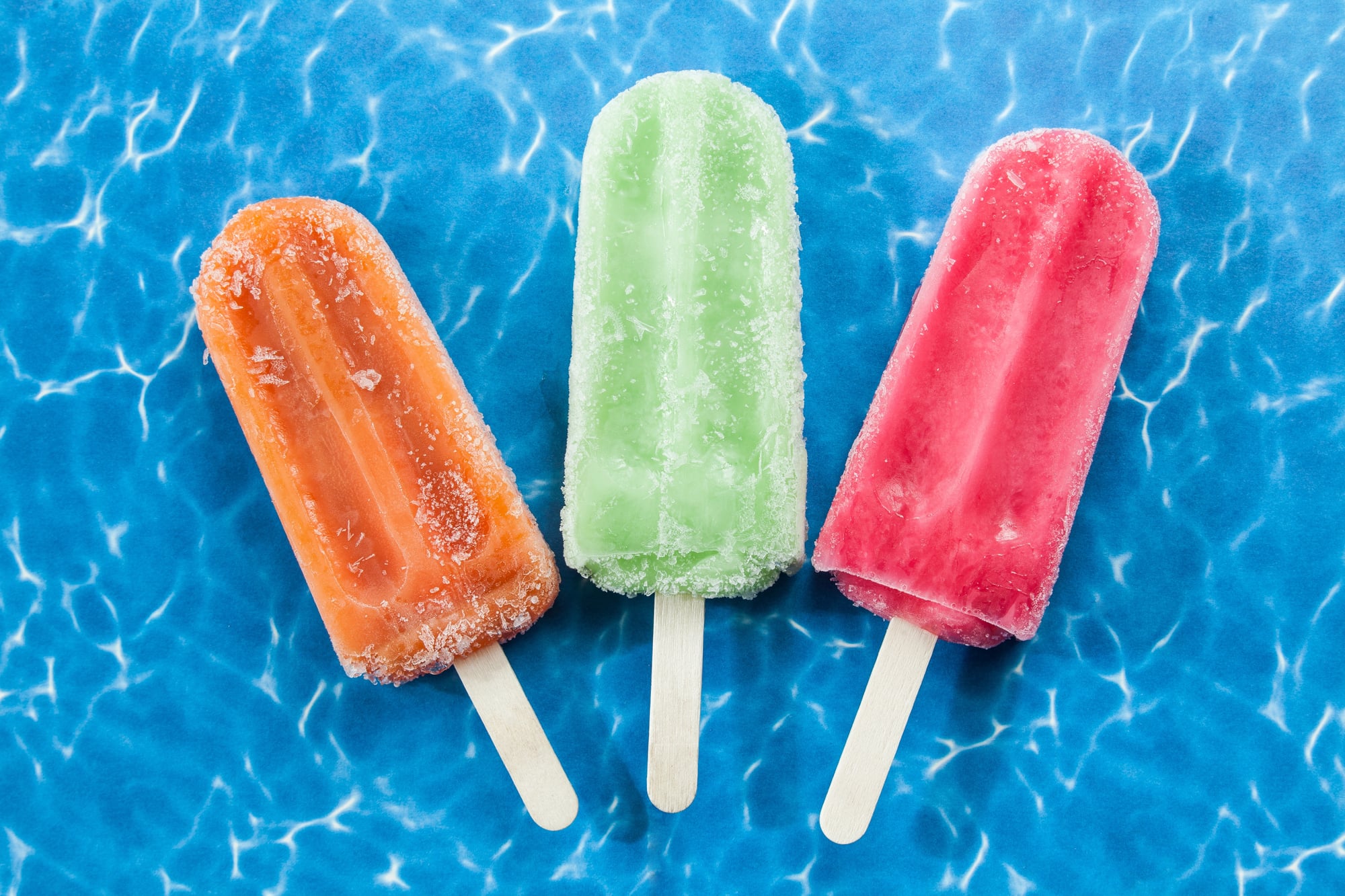
Frank Epperson was eleven when he accidentally left a cup of powdered soda mix and water outside overnight with a stirring stick still in it. The mixture froze solid.
Instead of throwing it away, he tasted it and realized he’d stumbled onto something special. That was 1905, and his “Epsicle” would eventually become the Popsicle we know today.
Potato Chips
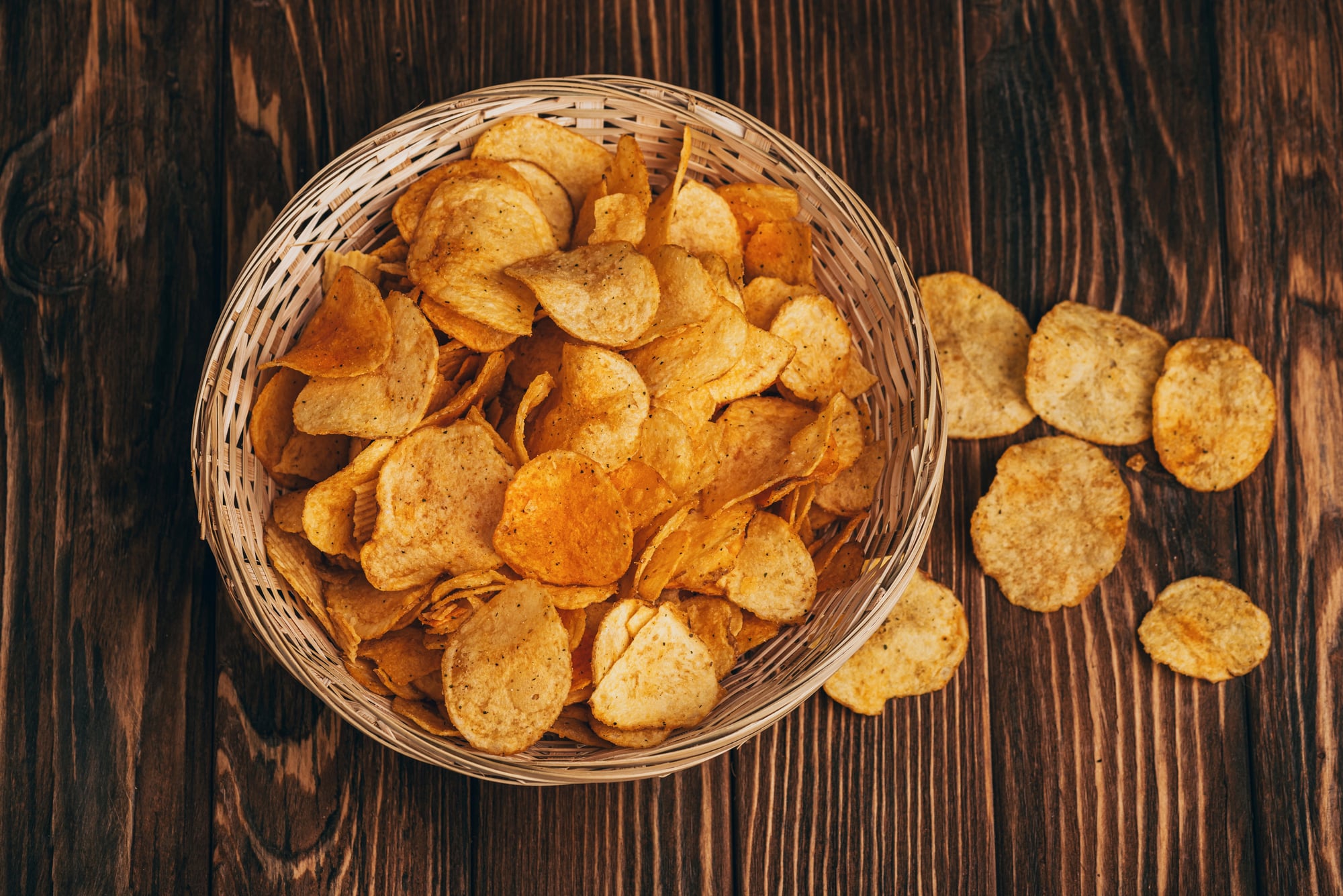
George Crum gets credit for inventing potato chips, but the real genius behind them was an unnamed young customer at his restaurant in 1853. This kid kept sending back his french fries, complaining they were too thick and soggy.
Frustrated, Crum sliced the potatoes paper-thin, fried them until they were crispy, and loaded them with salt — expecting the child to hate them. Instead, the boy loved them, and potato chips were born.
The Ice Cream Cone
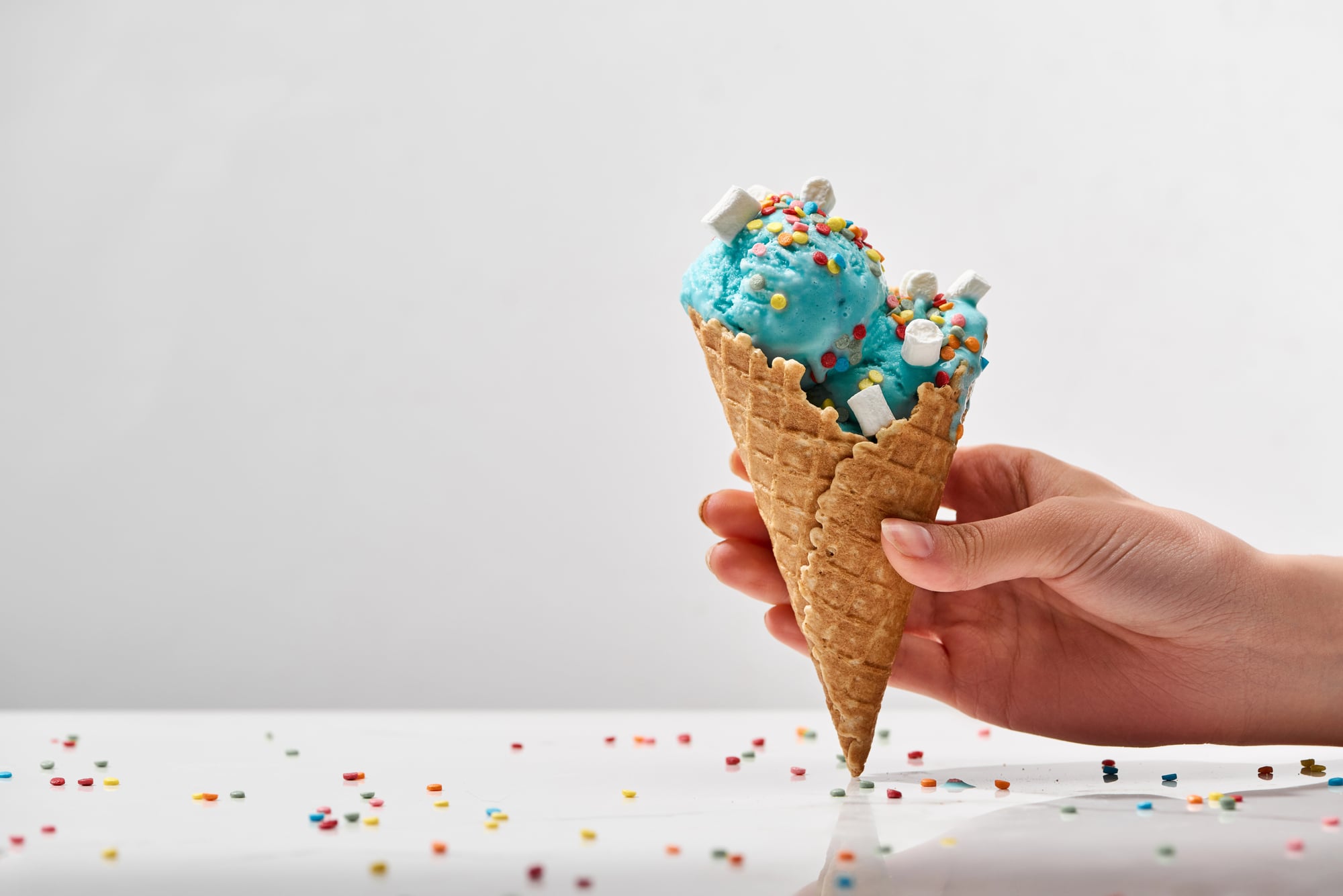
There’s something almost inevitable about ice cream cones, like they were always meant to exist together (which makes it strange that it took until 1904 for someone to figure it out). The story goes that eleven-year-old Ernest Hamwi was watching vendors at the St. Louis World’s Fair when he noticed an ice cream seller running out of bowls while a waffle maker next to him had plenty of product but few customers.
So Ernest suggested rolling the waffles into cone shapes — and suddenly ice cream became portable, which changed everything about how people experienced it.
Cotton Candy
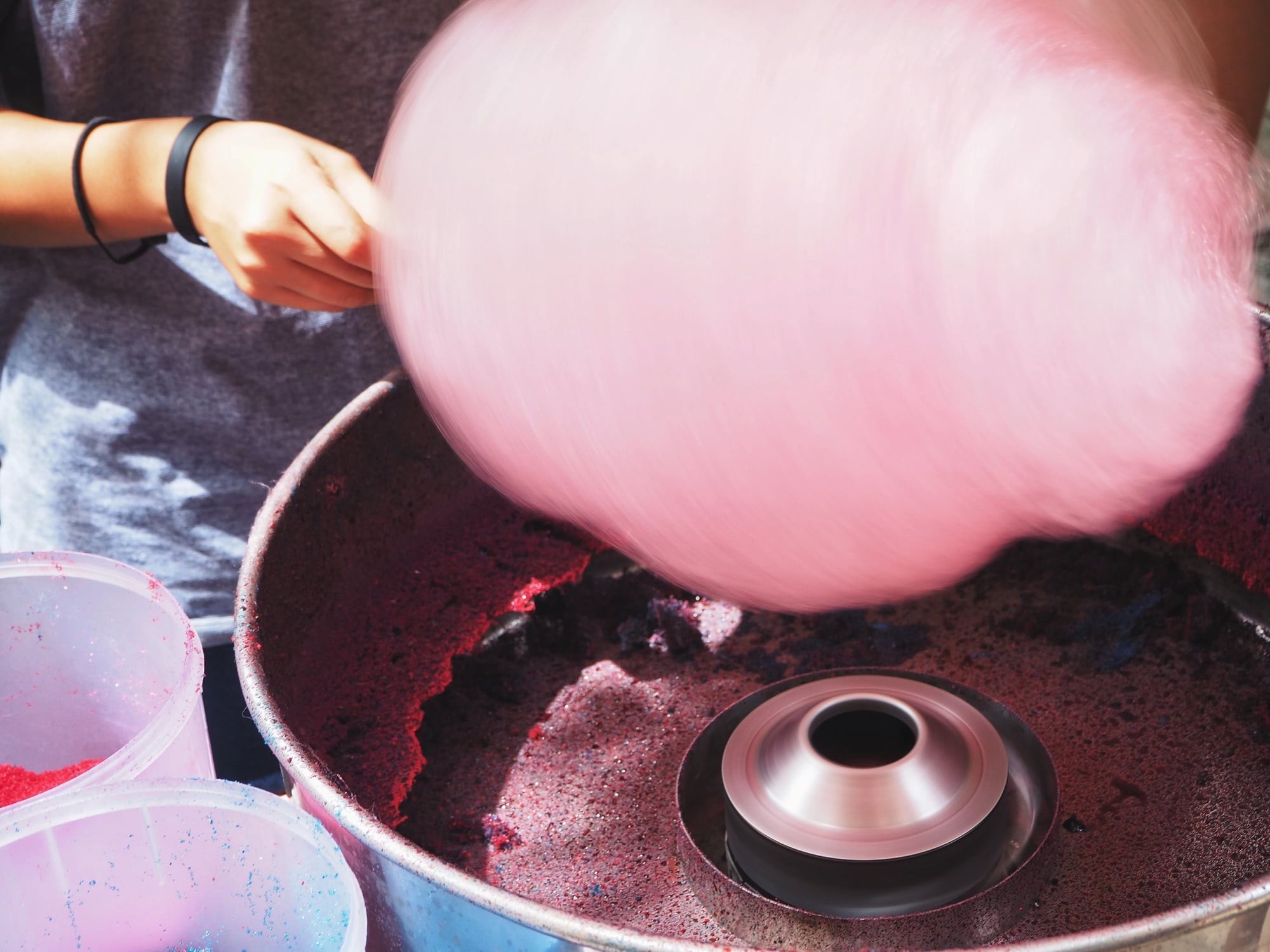
Cotton candy feels like the kind of treat that could only emerge from a child’s imagination — sugar transformed into something that dissolves on your tongue like sweet clouds. William Morrison and John Wharton invented the machine in 1897, but the inspiration came from Morrison’s young daughter, who complained that regular candy was “too hard” and wished it could be “soft like cotton.”
Her father, a dentist (the irony wasn’t lost on him), created a device that spun sugar into gossamer threads that melted instantly.
The S’more
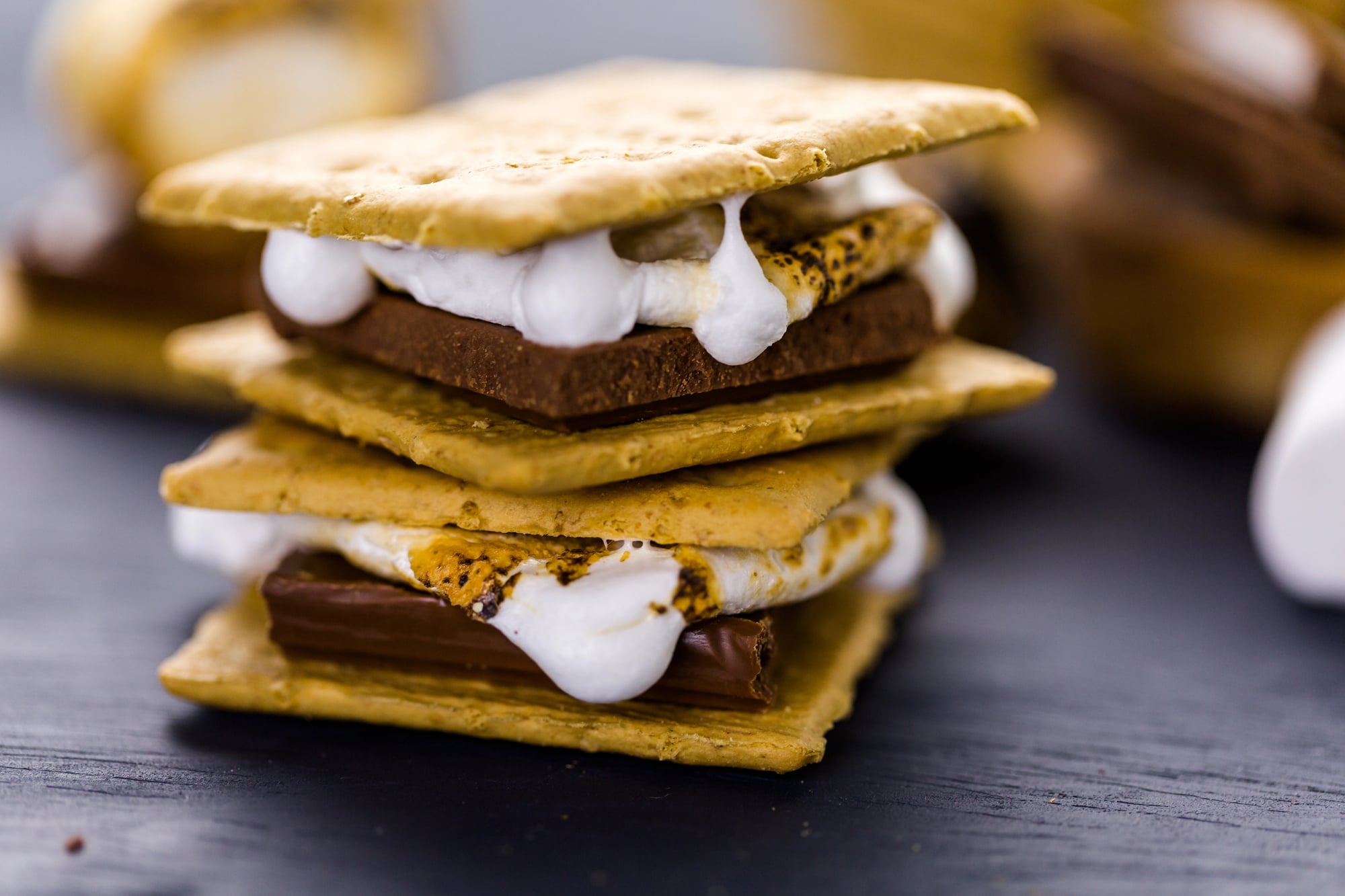
Girl Scouts invented s’mores in the 1920s. The combination is ridiculous when you think about it — graham crackers, chocolate, and marshmallows have no business working together.
But children don’t overthink these things. They see ingredients around a campfire and start experimenting.
The result became a camping tradition that’s lasted nearly a century.
Cracker Jack
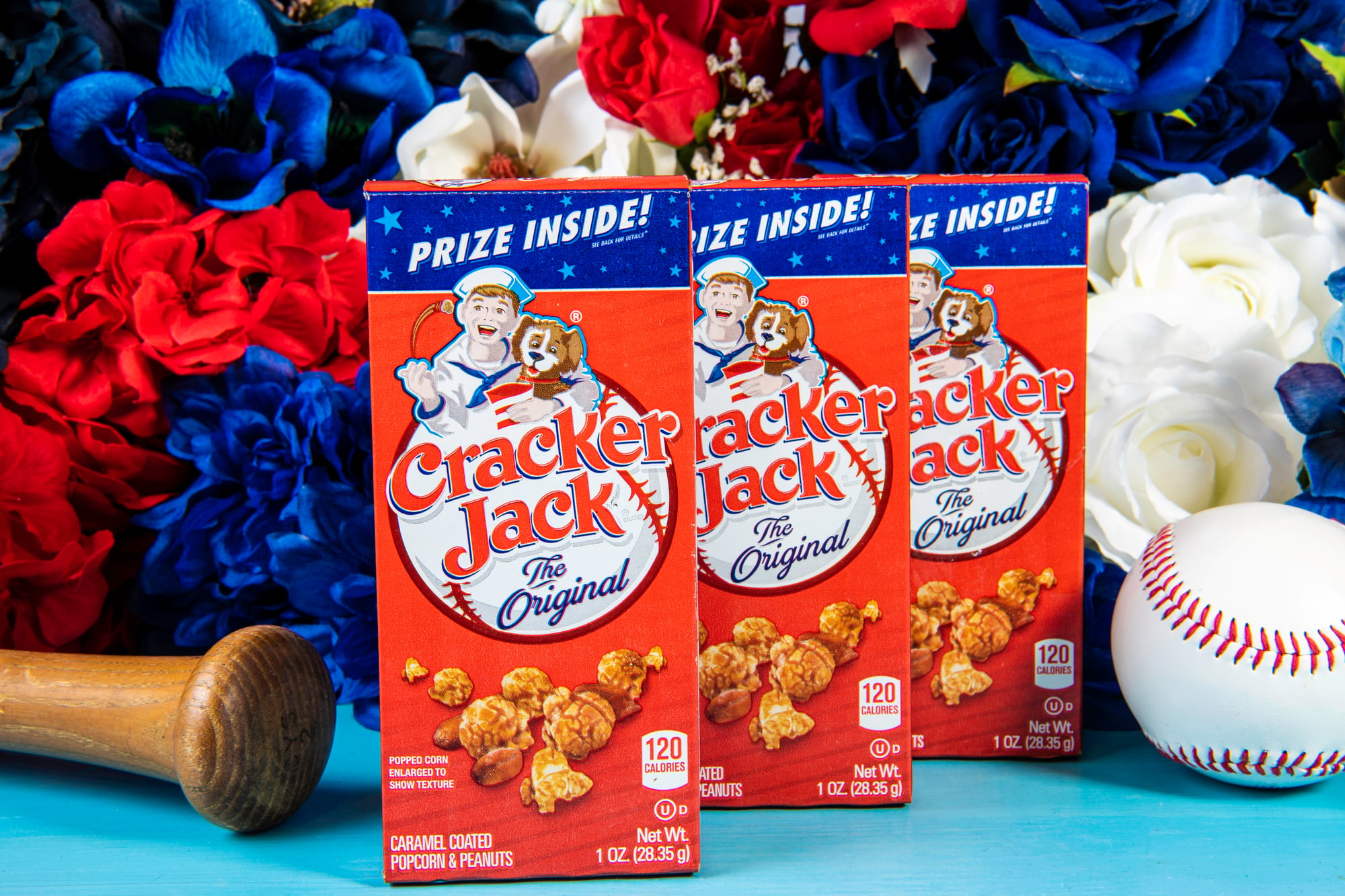
Cracker Jack came about because eight-year-old Fritz Rueckheim wouldn’t stop complaining about how boring regular popcorn was (this was back in 1896, when entertainment options were limited and children had to get creative with their criticism). His family owned a popcorn stand, and Fritz kept suggesting they add “something sweet” to make it more interesting.
So they mixed in peanuts and molasses — and created one of America’s most enduring snacks, complete with prizes that would frustrate parents for generations.
Fudge
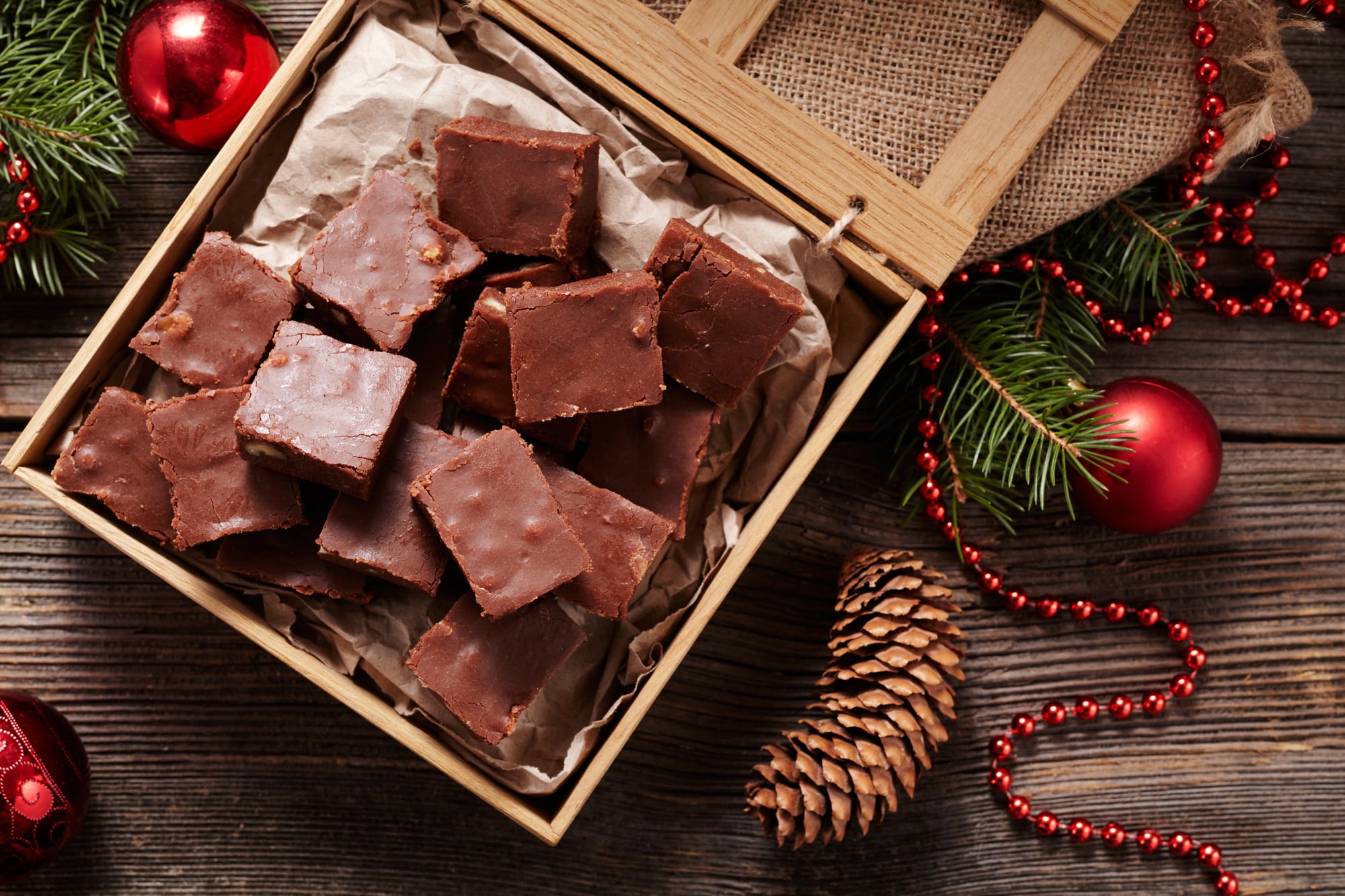
The invention of fudge happened because of what baking instructors would now call “a complete disaster” — but which turned out to be exactly the kind of happy accident that children stumble into regularly. In 1886, a student at Vassar College was attempting to make caramel and botched the recipe entirely (the technical term for what she did was “fudging” the recipe, which is where the name comes from).
Instead of throwing out the failed batch, she tasted it and realized that sometimes mistakes taste better than the original plan.
Nachos
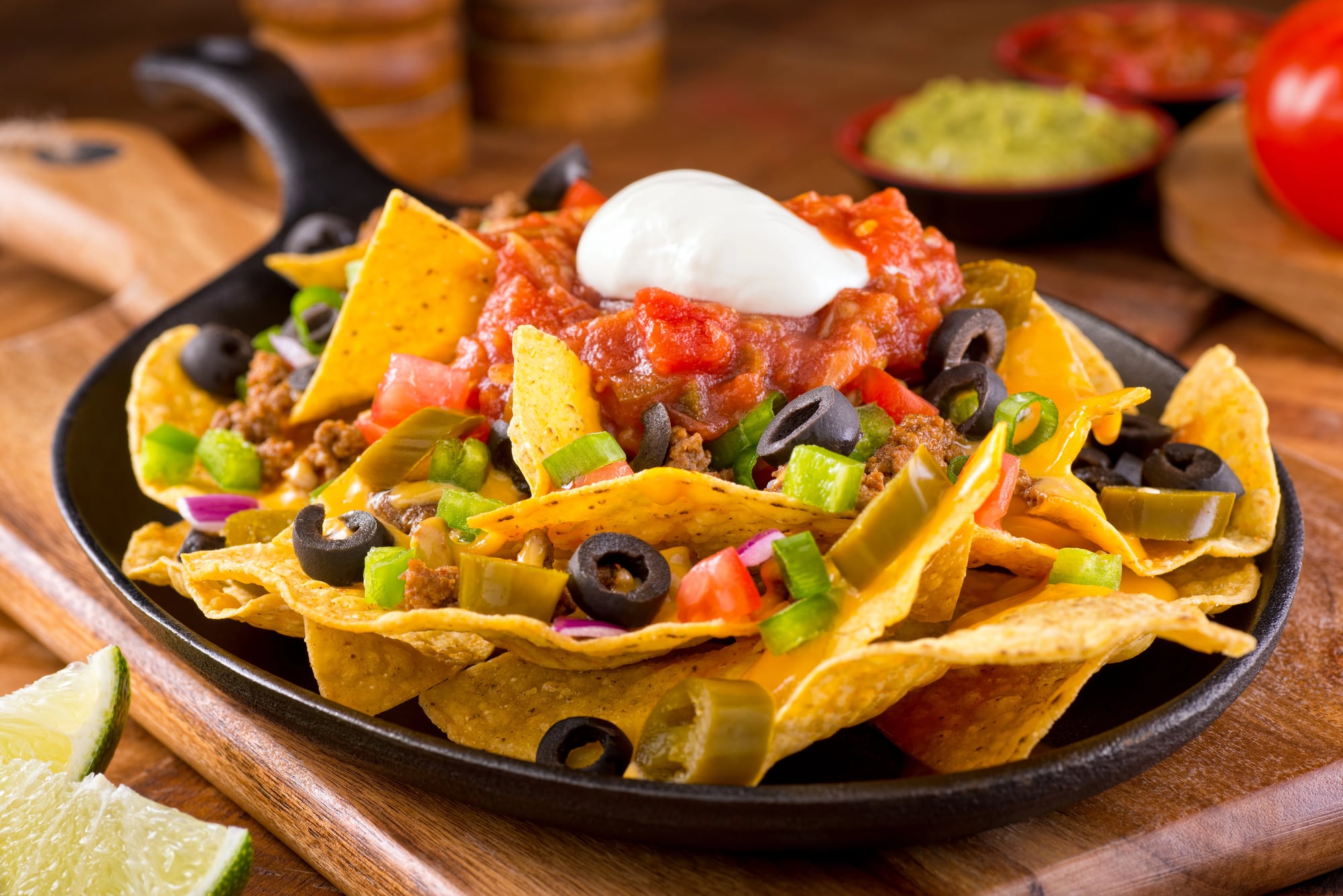
Ignacio “Nacho” Anaya created the dish that bears his name, but the inspiration came from a group of kids who wandered into his restaurant after hours in 1943, hungry and impatient. They didn’t want to wait for a proper meal — they wanted something immediately.
So Anaya grabbed whatever was within reach: tortilla chips, cheese, and jalapeños. He melted it all together and served it hot.
The children devoured it and demanded the recipe.
Banana Split
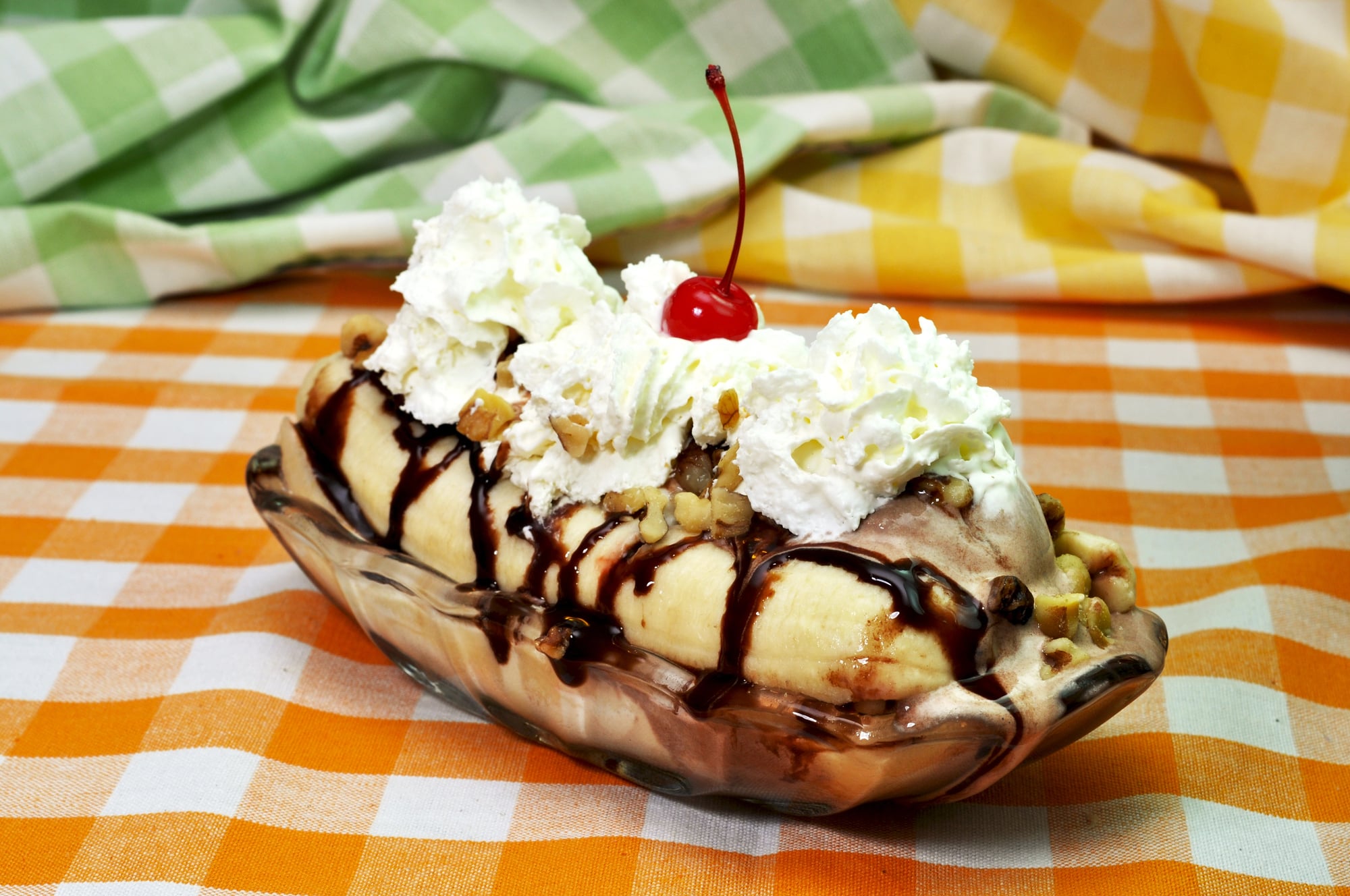
David Strickler was just sixteen when he invented the banana split in 1904 at his job in a Pennsylvania soda fountain. He was supposed to be serving standard ice cream dishes, but he thought they looked boring.
So he started experimenting — slicing bananas lengthwise, adding multiple scoops of ice cream, and topping the whole thing with syrups, nuts, and whipped cream. His boss was initially annoyed by the deviation from standard menu items, but customers kept ordering “that thing the kid makes.”
Chocolate Chip Cookies
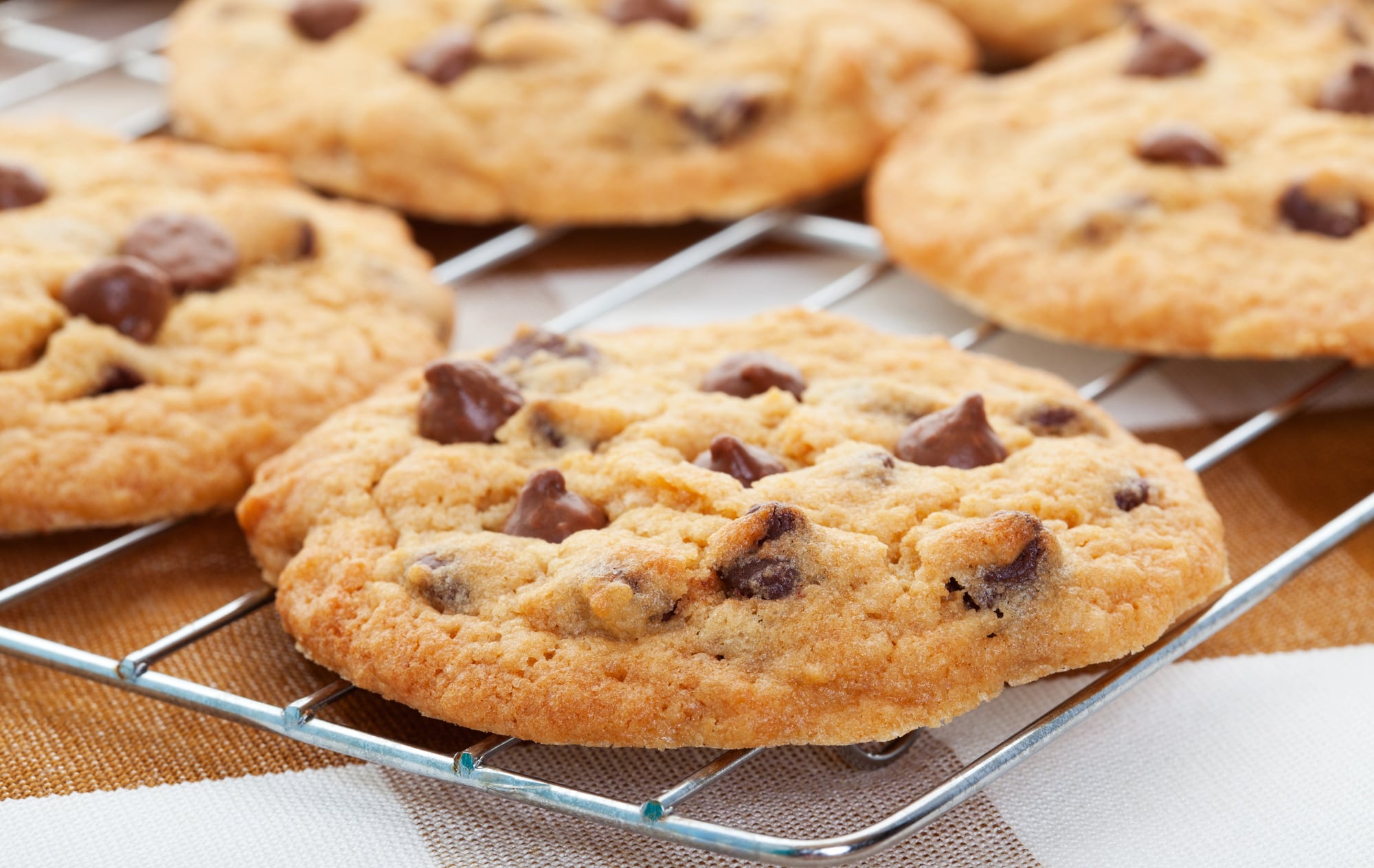
There’s a certain stubborn logic to how chocolate chip cookies came to exist that feels distinctly childlike (even though Ruth Wakefield was an adult when she created them. Ruth Wakefield created chocolate chip cookies in 1938 at her Toll House Inn when she ran out of baker’s chocolate while making butter cookie dough.
She chopped up a Nestlé semi-sweet chocolate bar and folded the pieces in, expecting them to melt and distribute evenly throughout the dough. Instead, the pieces held their shape, creating pockets of pure chocolate that became the defining feature of the cookie.
Dippin’ Dots
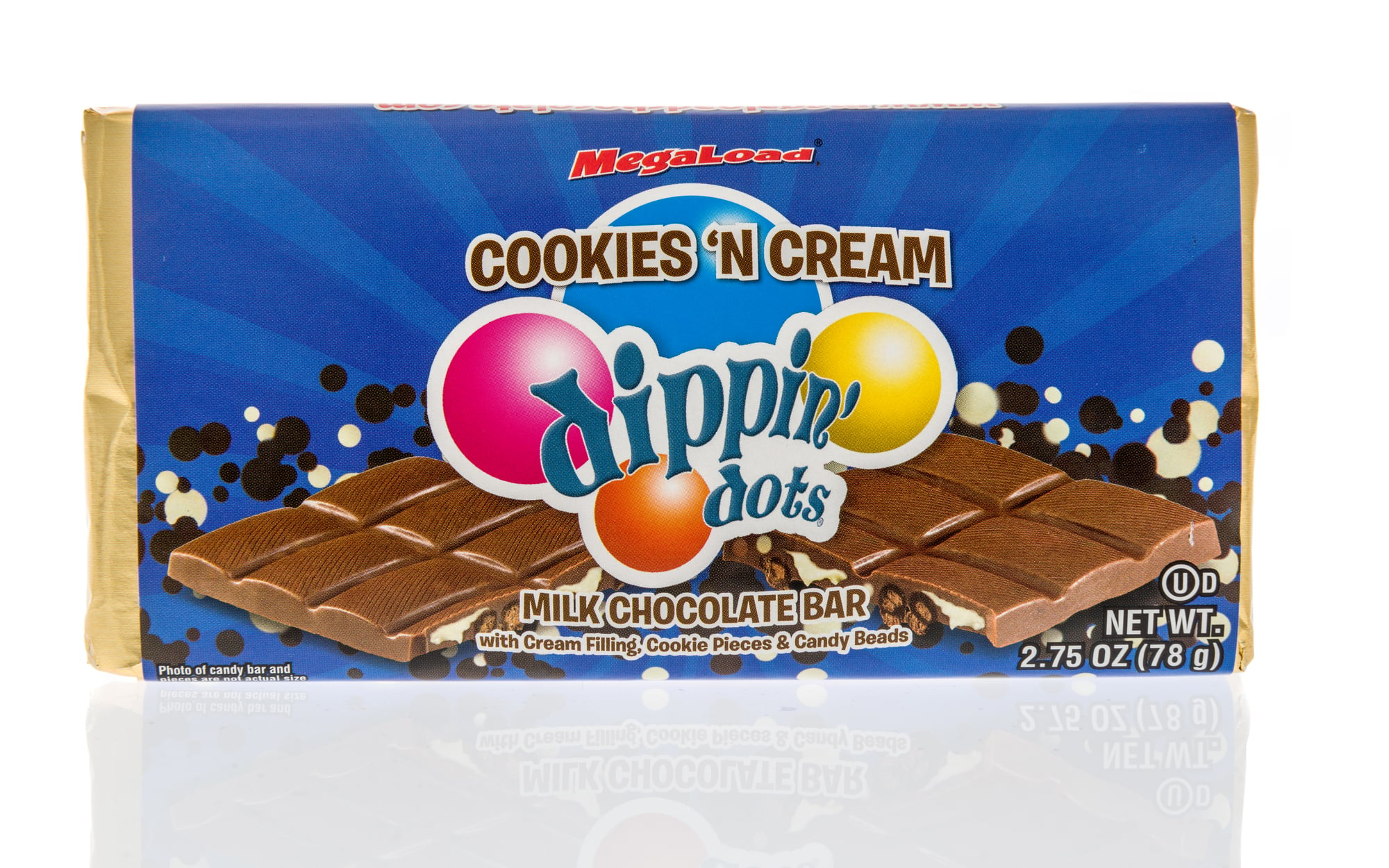
Curt Jones invented Dippin’ Dots in 1988, but the concept came from his young nephew, who complained that regular ice cream melted too fast in the summer heat. The child suggested making ice cream in tiny pieces that would “take longer to melt,” which led Jones to experiment with flash-freezing ice cream using liquid nitrogen.
The result was those tiny beads of ice cream that feel more like candy than frozen dessert.
Corn Dogs
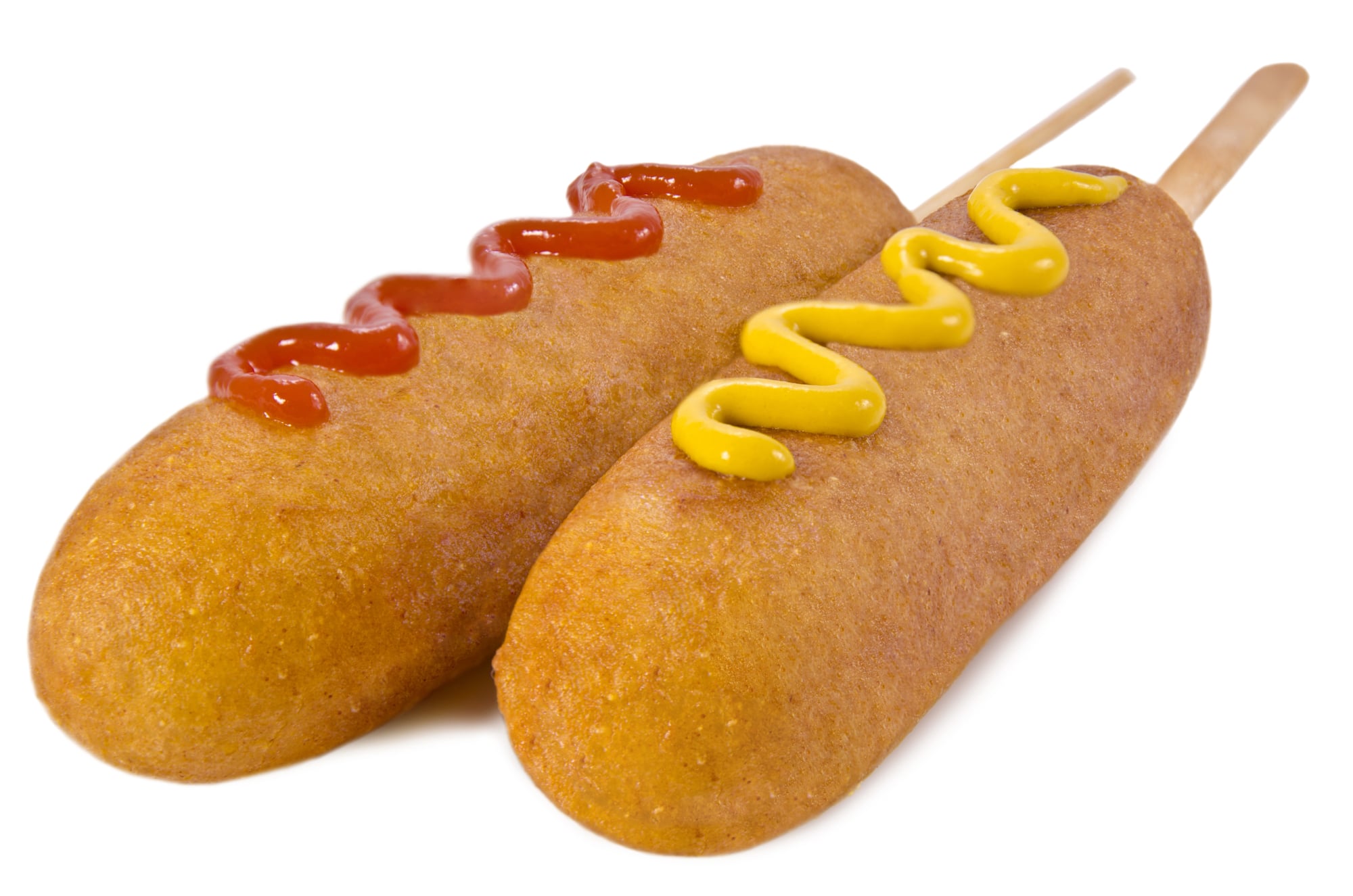
The corn dog emerged because a group of children at the Texas State Fair in the 1940s wanted hot dogs but complained that they were too messy to eat while walking around. They kept dropping them or getting mustard on their clothes.
Someone had the idea to put the hot dogs on sticks and dip them in cornbread batter, creating a handheld meal that solved the portability problem completely.
Jell-O Shots
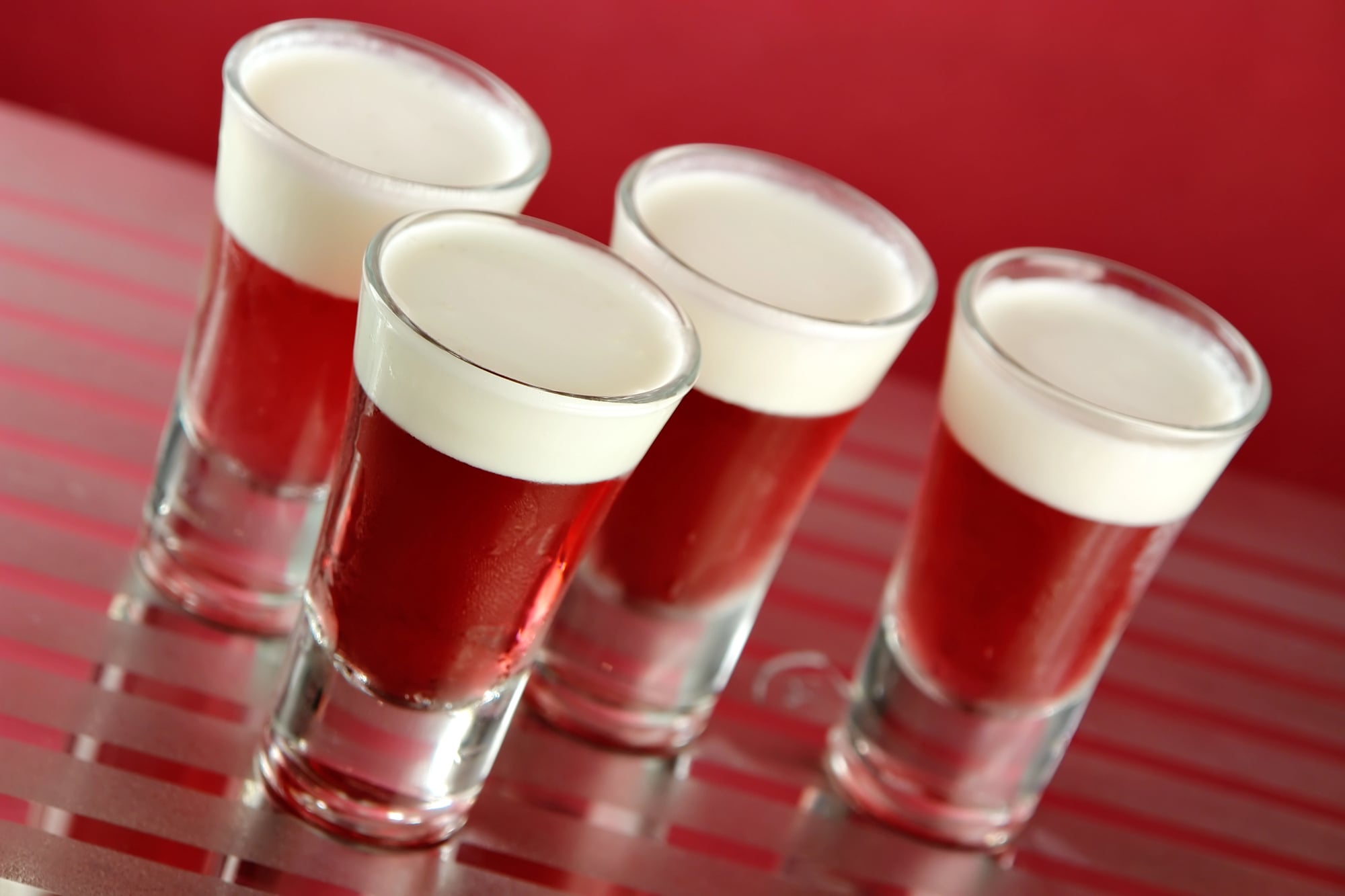
Despite their adult reputation now, Jell-O shots were originally created by children in the 1960s who discovered that adding various liquids to Jell-O mix created different flavors and textures. They started with fruit juices, then moved on to sodas, and eventually adults adopted the concept for their own purposes.
The basic principle — that Jell-O can be a delivery system for other flavors — came from kids experimenting in their kitchens.
Funnel Cake
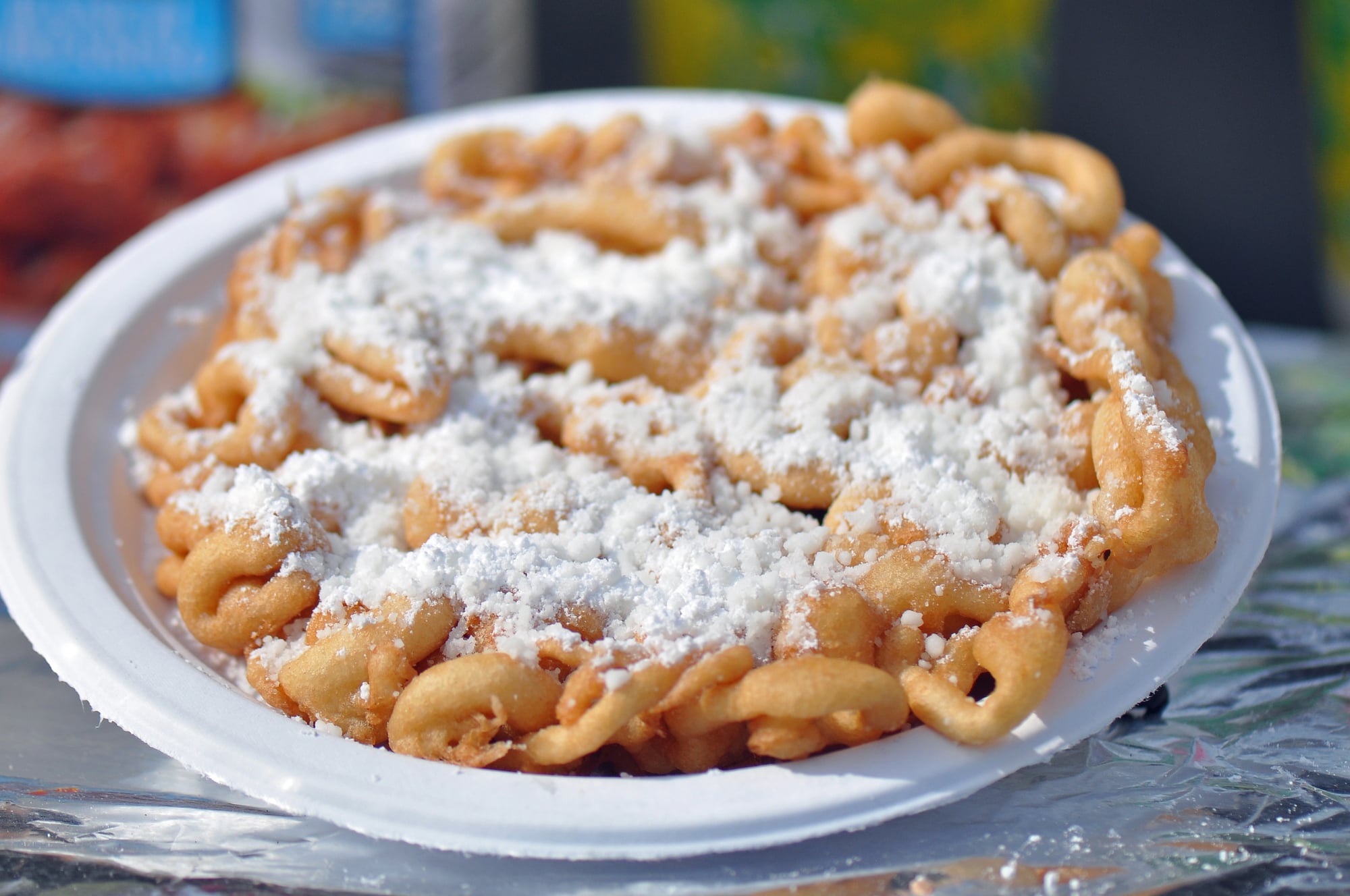
Pennsylvania Dutch children created funnel cake out of pure impatience. They were watching their mothers make regular cake batter and got tired of waiting for the lengthy baking process.
So they convinced the adults to pour the batter directly into hot oil through a funnel, creating an instantly fried dessert that satisfied their desire for cake without the wait time.
Snow Cones
Snow cones exist because children have always been willing to eat frozen water if you add enough sugar to it. The first documented snow cone was made by kids in Baltimore in the 1850s who scraped ice from their windowsills during winter and poured fruit syrup over it.
Adults thought this was unsanitary and impractical, but the children kept doing it anyway — eventually leading to the development of proper ice-shaving machines and commercial snow cone operations.
Rice Krispies Treats
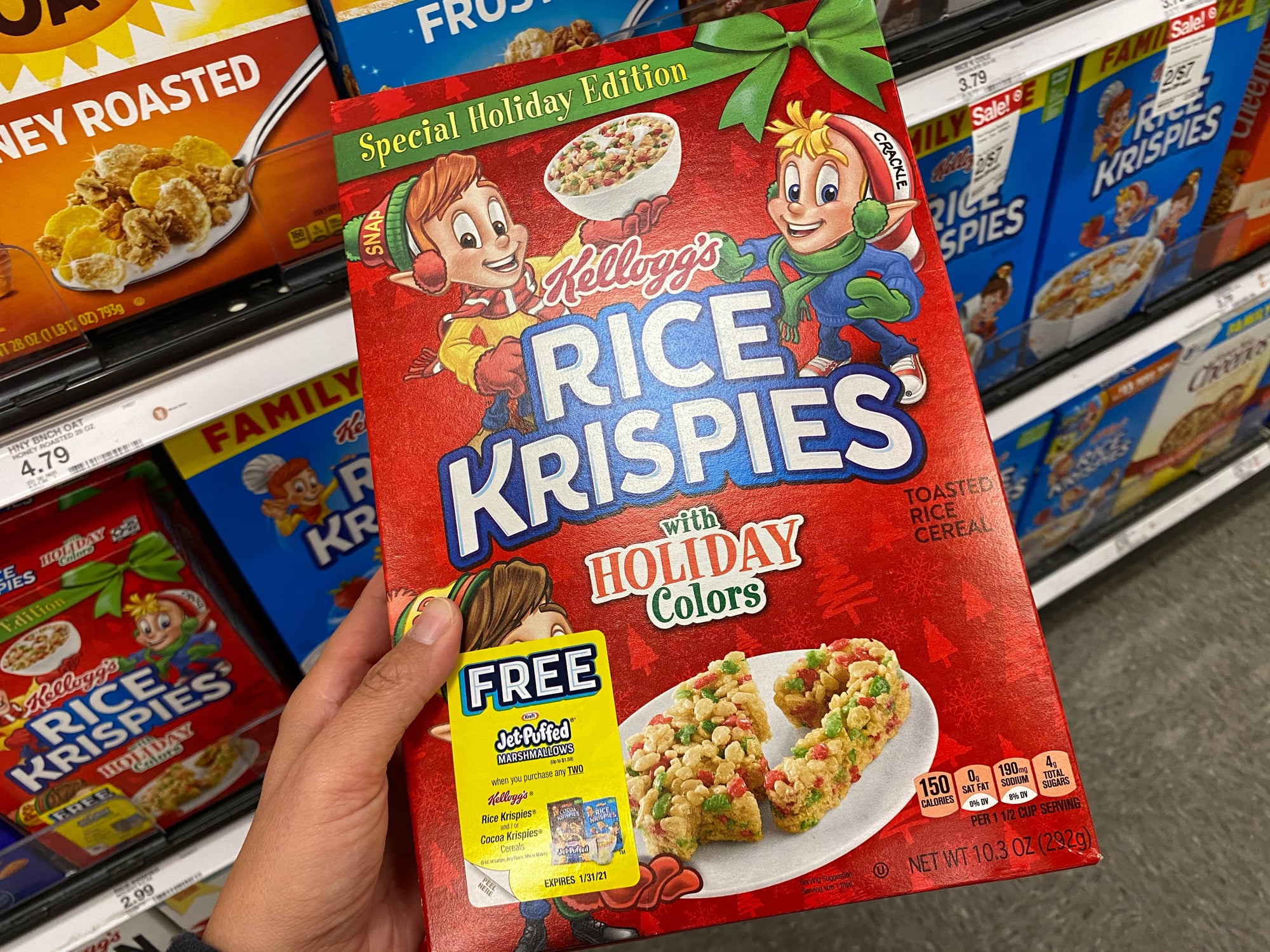
Mildred Day created Rice Krispies Treats in 1939, but only because the children at the Camp Fire Girls event she was organizing kept asking for “something that crunches when you bite it but isn’t too hard.” They specifically wanted a dessert that made noise when they ate it.
Day mixed Rice Krispies cereal with melted marshmallows, creating a treat that satisfied their desire for both sweetness and sound effects.
When Hunger Meets Imagination
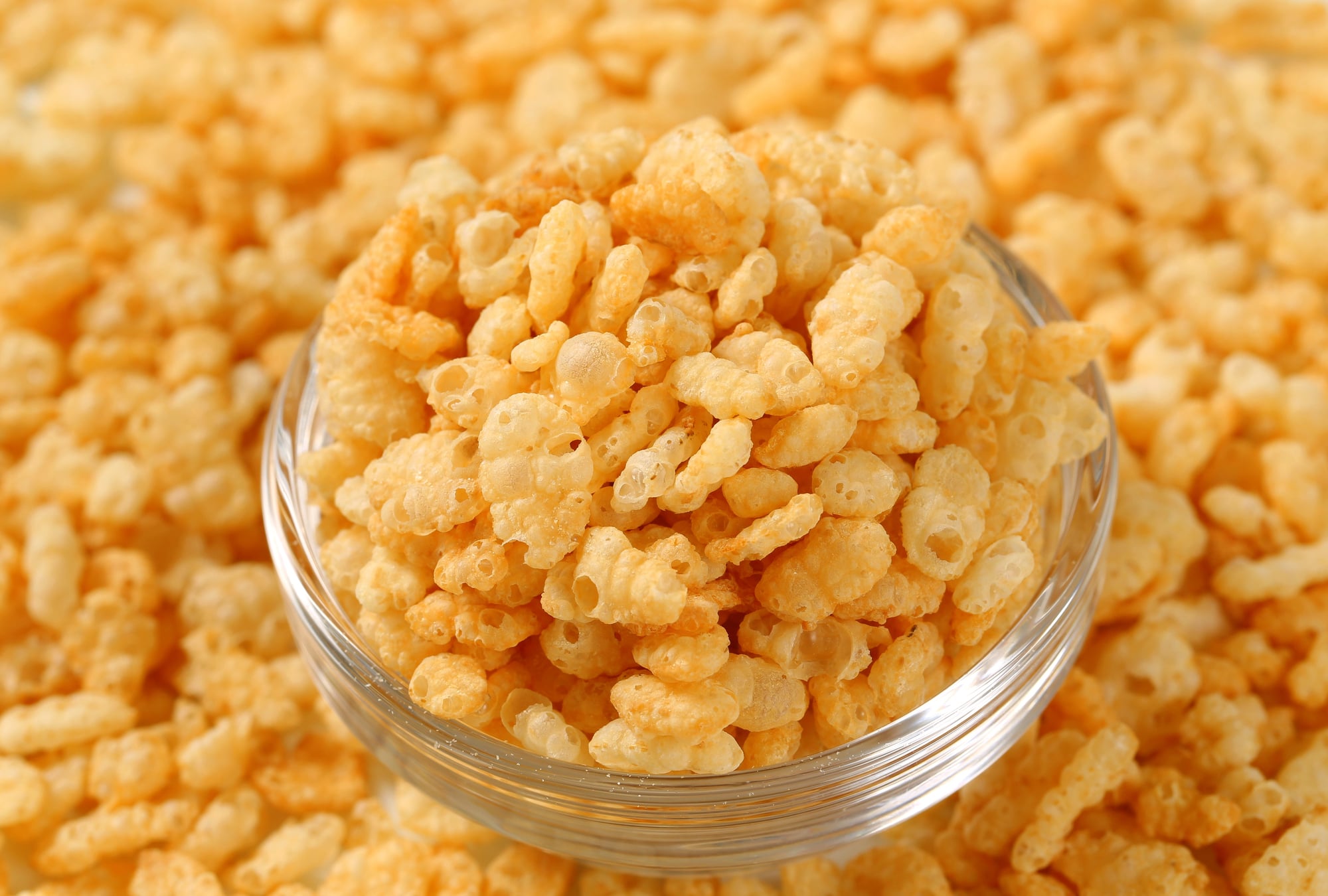
These foods share something beyond their young origins — they emerged from a willingness to ignore conventional rules about what belongs together. Children don’t worry about whether chocolate chips will properly distribute through cookie dough or whether ice cream really needs to be served in a bowl.
They see possibilities where adults see problems, and sometimes that leads to innovations that outlast the inventors by generations.
More from Go2Tutors!

- The Romanov Crown Jewels and Their Tragic Fate
- 13 Historical Mysteries That Science Still Can’t Solve
- Famous Hoaxes That Fooled the World for Years
- 15 Child Stars with Tragic Adult Lives
- 16 Famous Jewelry Pieces in History
Like Go2Tutors’s content? Follow us on MSN.



