16 Collectibles People Regret Throwing Away
Most people have experienced that sinking feeling when they realize something they casually tossed in the trash years ago is now worth a small fortune. The garage sale donations, the spring cleaning purges, the moves where boxes mysteriously disappeared — these everyday moments of decluttering have cost Americans millions in lost value.
What seemed like junk at the time often turns out to be someone else’s treasure, and the prices collectors pay today for yesterday’s castoffs can be genuinely shocking.
Baseball Cards
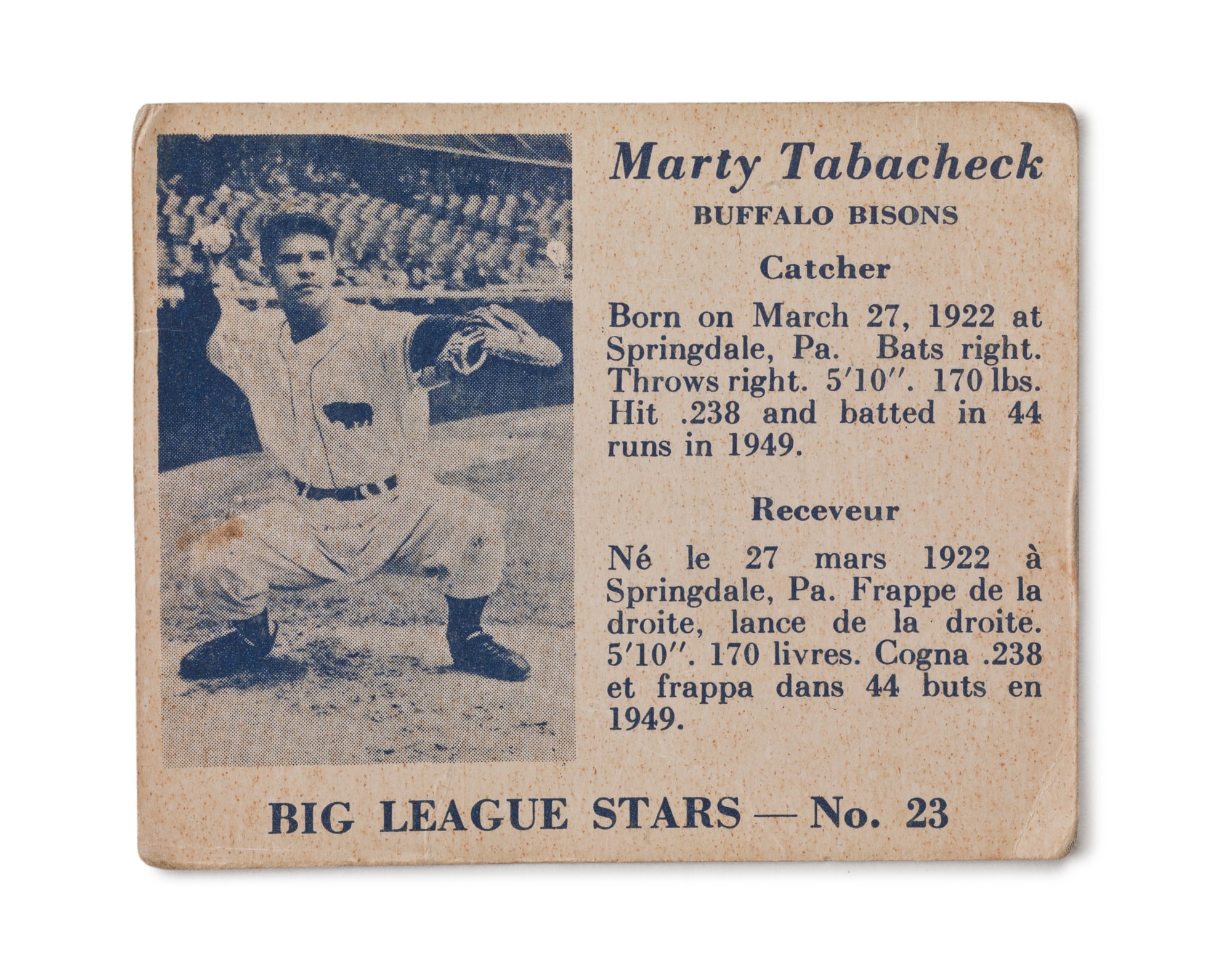
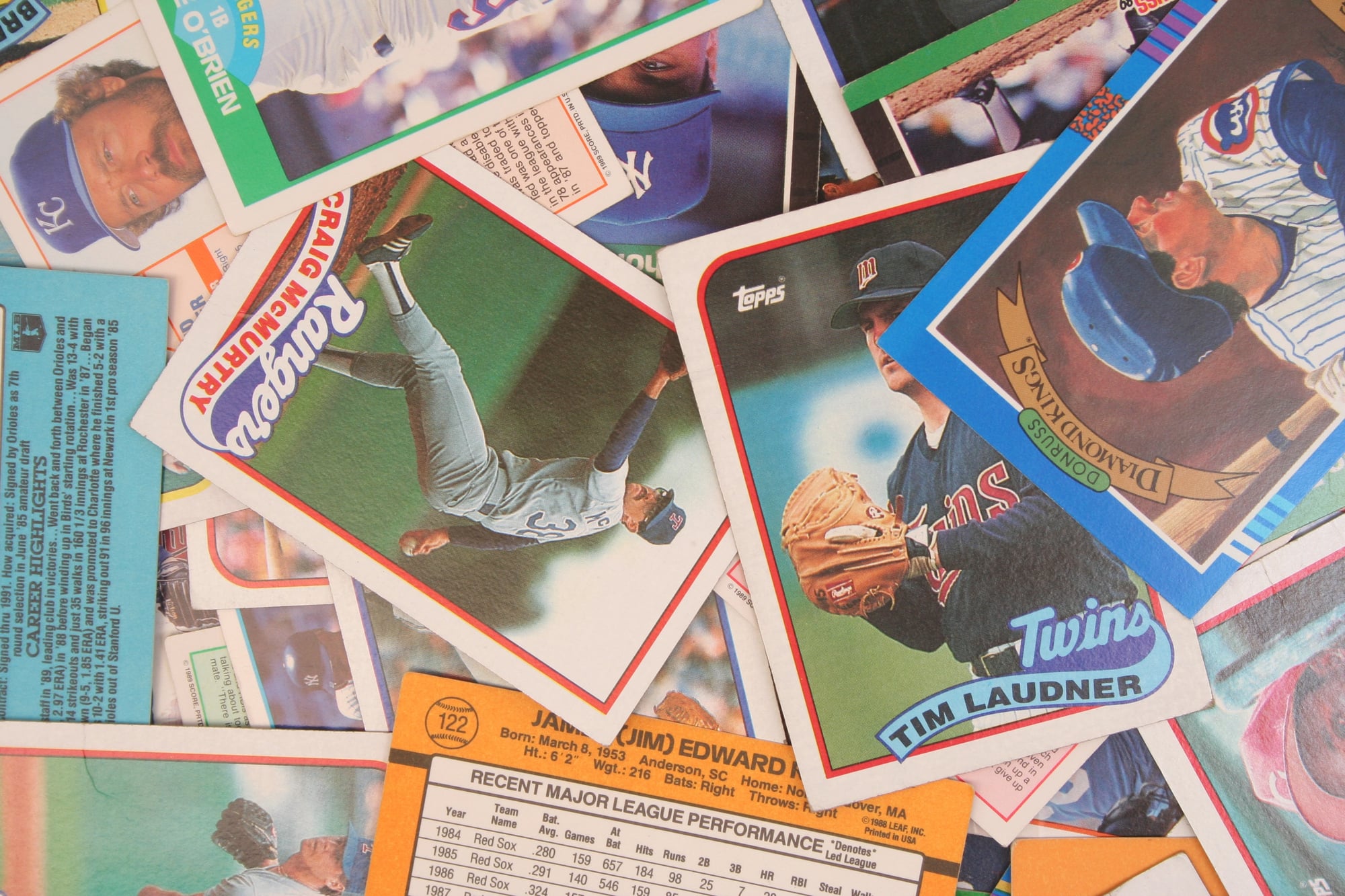
The cardboard gets bent. The corners get soft. Kids stick them in bicycle spokes or trade them for candy, and parents sweep them into garbage bags without a second thought.
Turns out those flimsy rectangles with bubble gum stains might have paid for college tuition.
A 1952 Mickey Mantle rookie card sold for over $12 million in 2022. Even common cards from the 1980s and 1990s — the ones parents threw away by the shoebox — now sell for hundreds or thousands of dollars.
The math is brutal when you realize how many complete sets ended up in landfills.
Comic Books
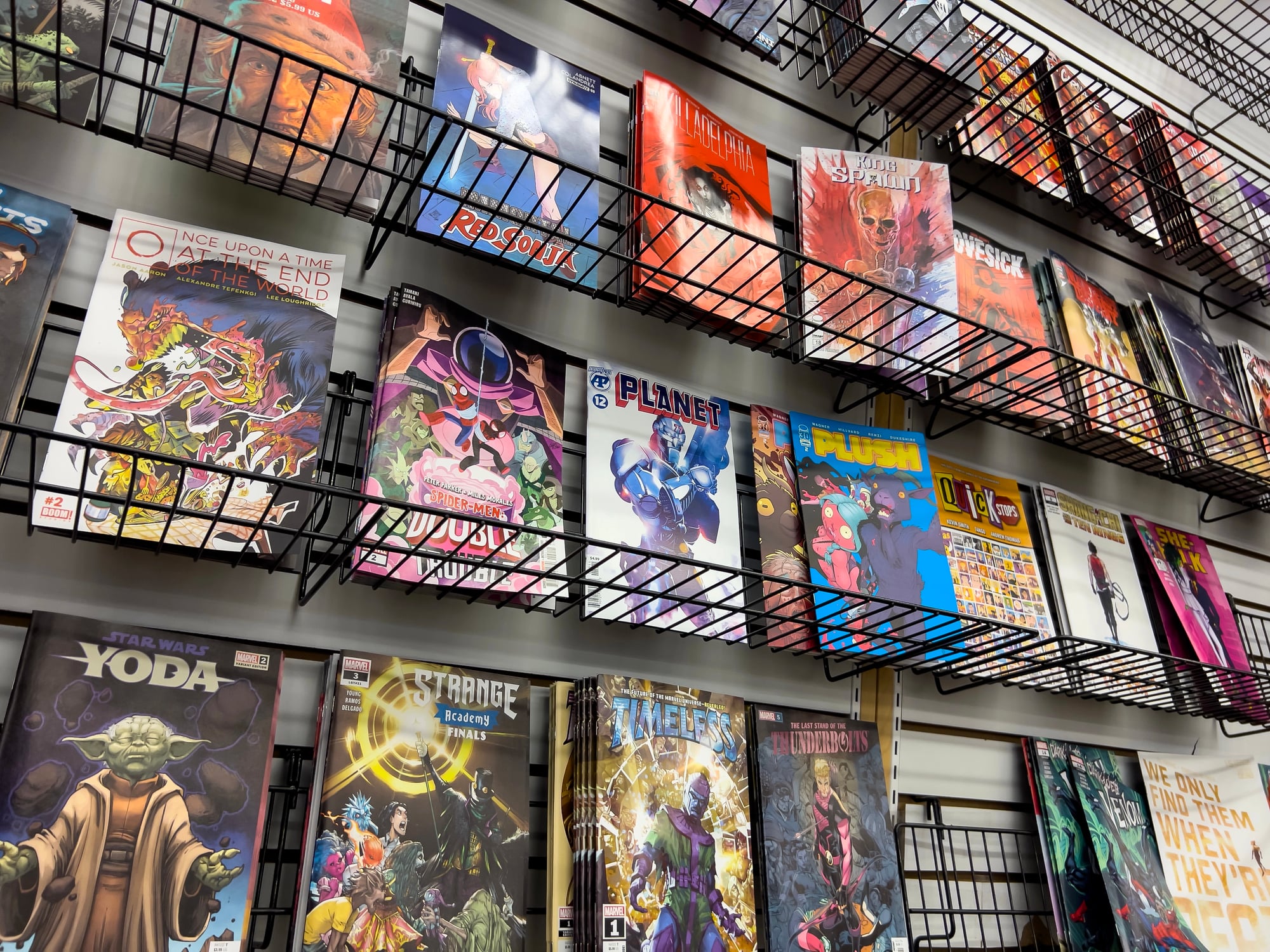
There’s something almost tragic about the way comic books were treated for decades — as disposable entertainment that kids would eventually outgrow, like training wheels or imaginary friends. Parents saw colorful paper clutter where collectors now see museum pieces, and the disconnect between those two perspectives has created some of the most painful “what if” stories in the collecting world.
So many comics that survived childhood only to meet their end during teenage room cleanings or college departures, tossed by well-meaning adults who couldn’t have known that Action Comics #1 (if they’d somehow had one) would eventually sell for over $3 million, or that even relatively recent issues from the 1990s would command serious money once the movies made those characters household names.
The paper was cheap, the stories seemed simple, but the cultural impact was permanent — and so was the regret of throwing them away.
Vinyl Records
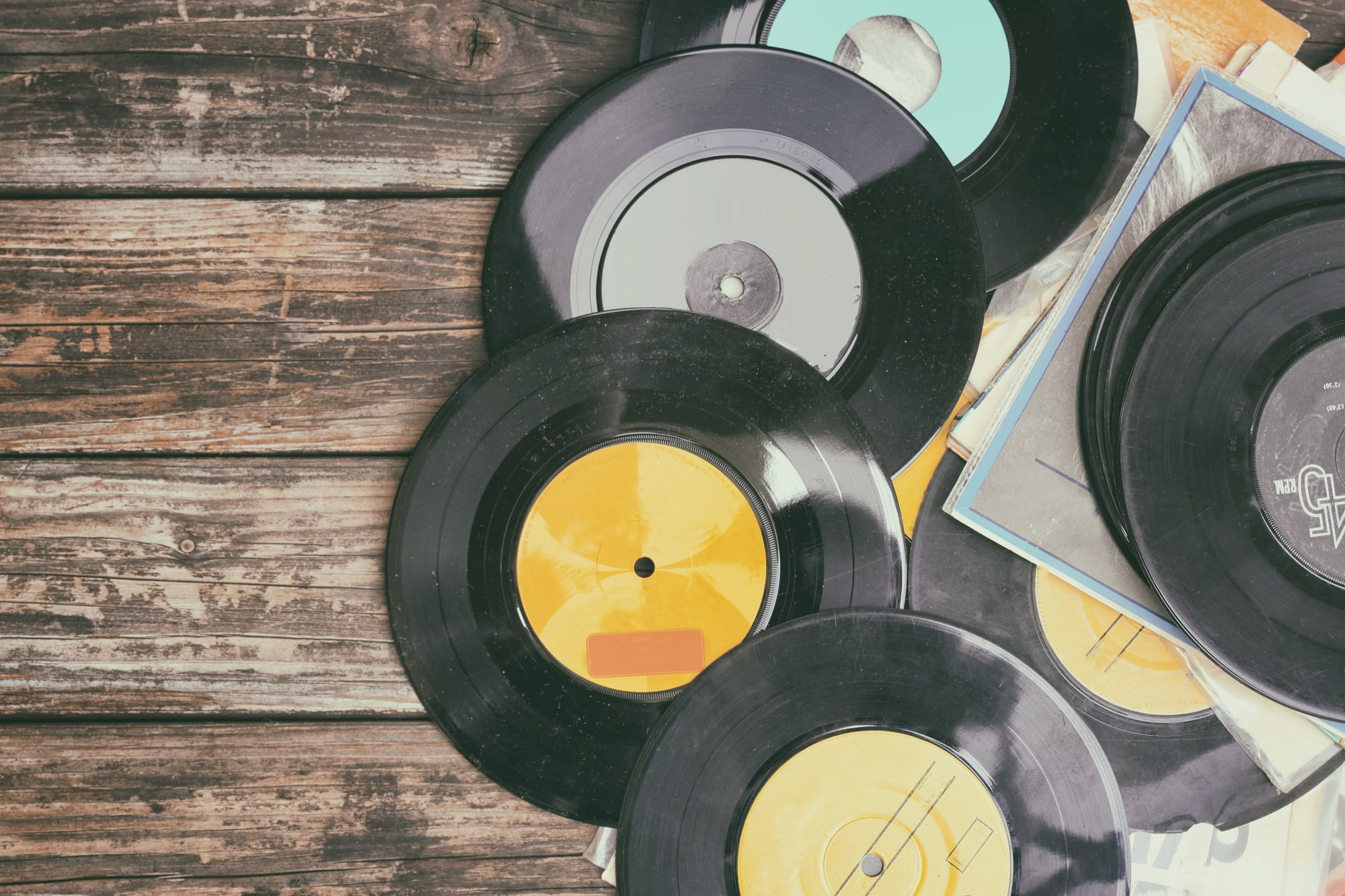
Albums are heavy. They scratch easily. And when CDs arrived, vinyl seemed as obsolete as eight-track tapes.
Thrift stores couldn’t give records away in the 1990s.
Now first pressings of classic albums sell for thousands. A Beatles “White Album” numbered copy recently sold for over $790,000.
Even common records that seemed worthless — Led Zeppelin, Pink Floyd, David Bowie — now command premium prices. The irony stings when you remember how eager everyone was to “upgrade” to digital.
Vintage Toys
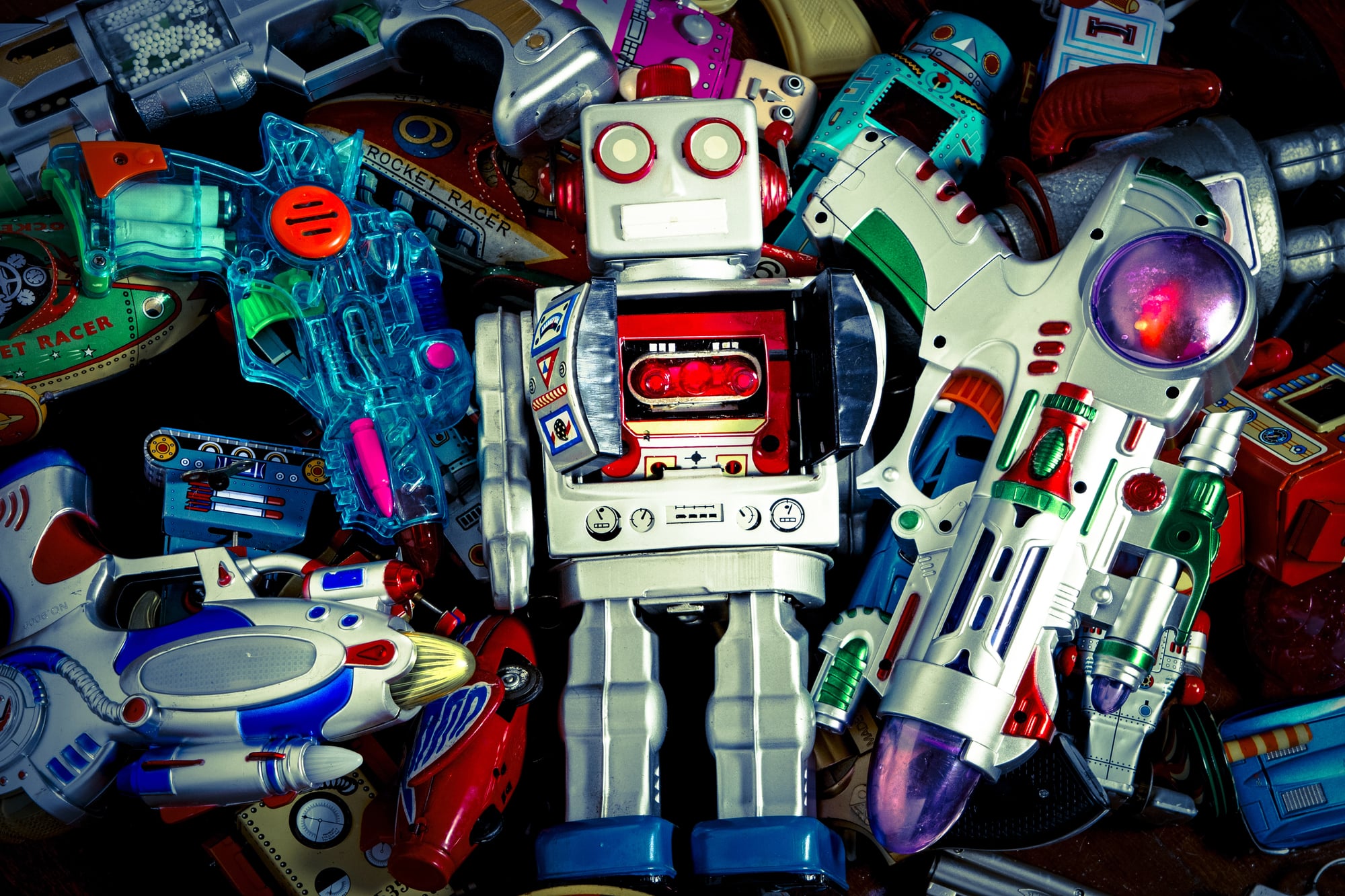
The great toy purges of childhood hit differently when you realize what survived in other people’s closets. Star Wars figures that seemed replaceable, Barbie dolls that got donated to younger cousins, Hot Wheels cars that disappeared into playground sand — these weren’t just toys, apparently.
They were investments disguised as entertainment, though nobody mentioned that at the time.
An unopened 1978 Luke Skywalker figure sold for $25,000, which makes every garage sale memory sting a little sharper. Action figures that cost two dollars originally now sell for more than used cars, and the packaging everyone threw away immediately turns out to be half the value.
The toys that made it through childhood intact weren’t lucky — they were miraculous.
Vintage Video Games
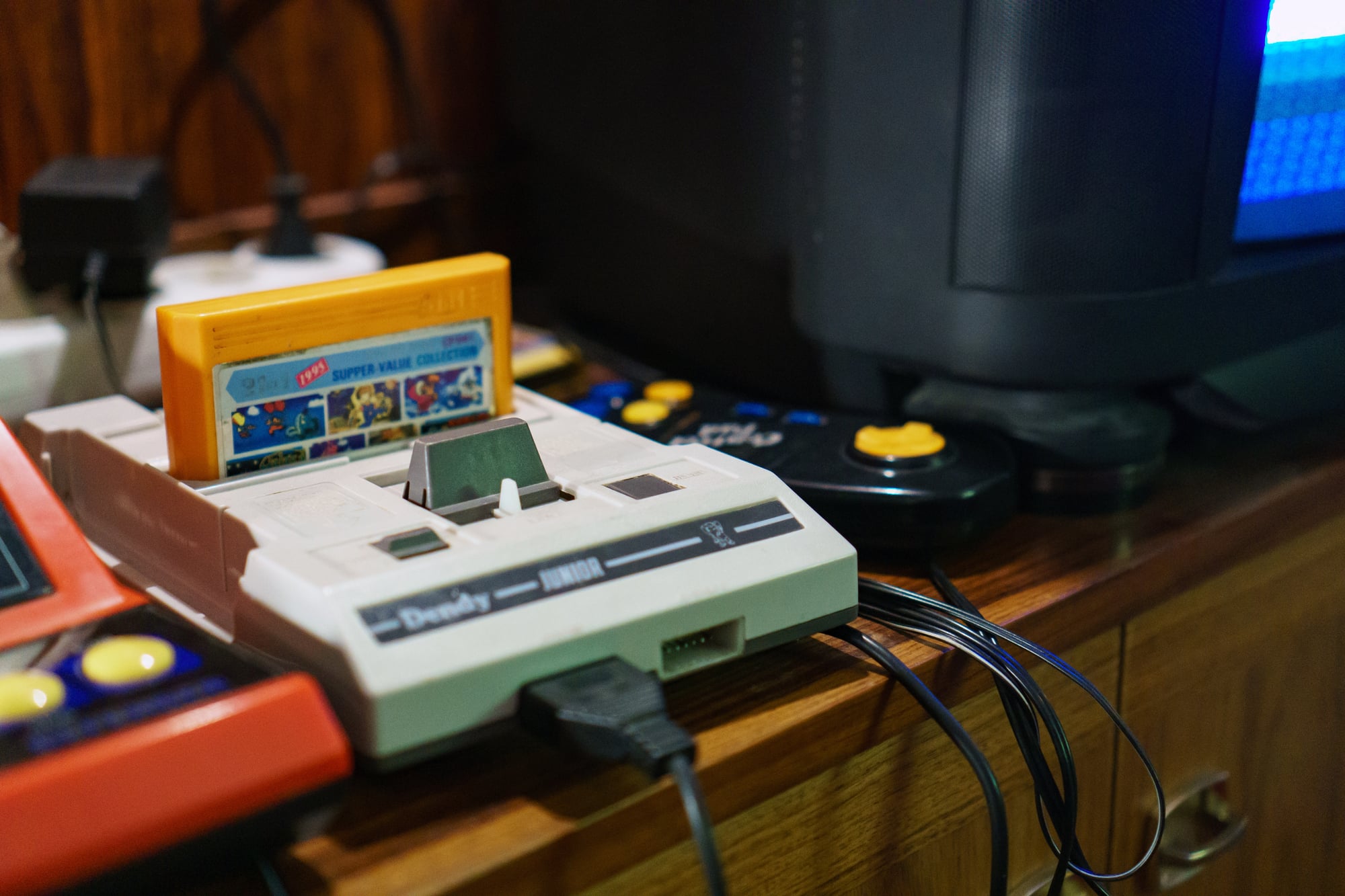
Nintendo cartridges were meant to be played, not preserved. The boxes got torn, the instruction manuals disappeared, and when newer consoles arrived, the old games went to Goodwill or into storage boxes that never got unpacked.
Nobody expected nostalgia to hit this hard or this profitably.
Sealed copies of classic games now sell for astronomical amounts. A copy of Super Mario 64 sold for over $1.5 million.
Even opened games in good condition command serious money. The brutal realization hits when you remember how many complete game collections got donated during moves or sold at garage sales for pocket change.
First Edition Books

Paperbacks felt disposable, but hardcover first editions seemed worth keeping — until they didn’t. Moving costs money by the pound, and books are heavy.
College textbooks felt more important than fiction, and classics seemed easy to replace later. The logic made sense until it became expensive.
First editions of popular books, especially in good condition, have become serious investments. Harry Potter first editions sell for tens of thousands.
Stephen King first editions command premium prices. Even books that seemed common at the time — if they happened to be first printings and survived in decent shape — can fund small vacations now.
Vintage Clothing

Fashion moves in cycles, but nobody expects their old clothes to become costume pieces worth more than new designer items, and yet that’s exactly what happened when vintage became not just acceptable but aspirational. Band t-shirts from the 1970s and 1980s that seemed worn out rather than worn in, letterman jackets that felt too sentimental to keep but too personal to donate, designer pieces from decades past that looked dated rather than timeless — these items slipped through estate sales and donation bags, only to resurface in boutique shops with price tags that would make their original owners weep (and not from nostalgia, but from the realization of what they’d given away for free).
The concert tee that cost fifteen dollars and got tossed for taking up drawer space now sells for hundreds, and the leather jacket that seemed too 1980s to ever be cool again commands serious money from people who weren’t alive when it was first in style.
China and Fine Dinnerware
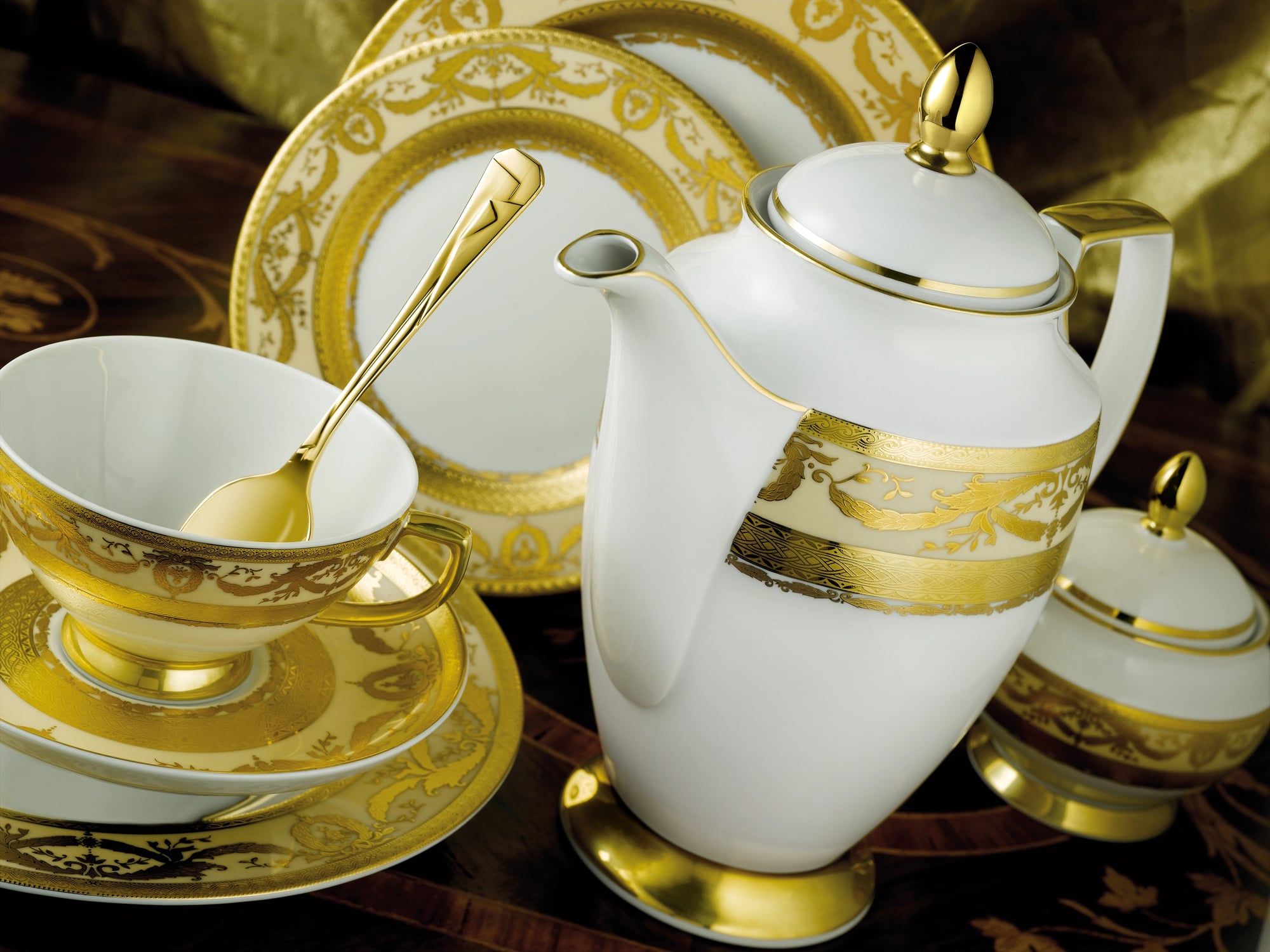
Wedding china sits in cabinets, used twice a year and guilty about taking up space. Patterns go out of style, couples divorce, and formal dining feels increasingly outdated.
The dishes that survived family meals only to gather dust seemed more burden than blessing.
Certain patterns and manufacturers have retained or increased their value significantly. Vintage Pyrex, mid-century modern pieces, and discontinued fine china patterns can sell for surprising amounts.
Complete sets in good condition command the highest prices. The dishes that felt too fancy to use daily often become too valuable to sell casually.
Vintage Cameras
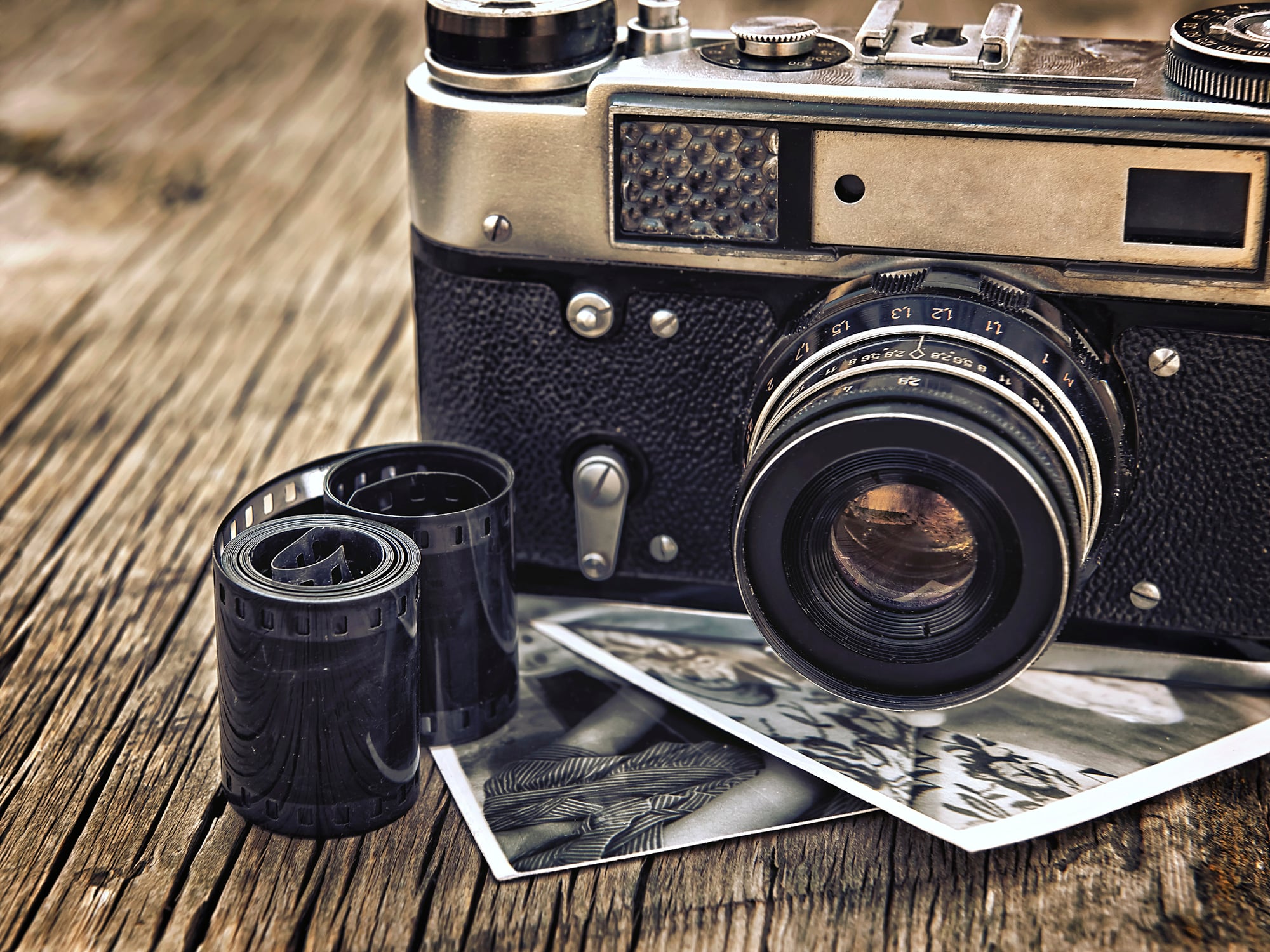
Digital photography made film cameras feel obsolete overnight. Professional photographers upgraded their equipment, hobbyists abandoned darkrooms, and parents cleaned out closets full of cameras that hadn’t been used in years.
The transition felt complete and irreversible.
Vintage cameras, especially well-made manual models, have found new audiences among artists and collectors. Leica cameras command premium prices.
Even common models from respected manufacturers can sell for hundreds. Film photography’s resurgence caught everyone off guard, including the people who donated perfectly good cameras to thrift stores.
Musical Instruments
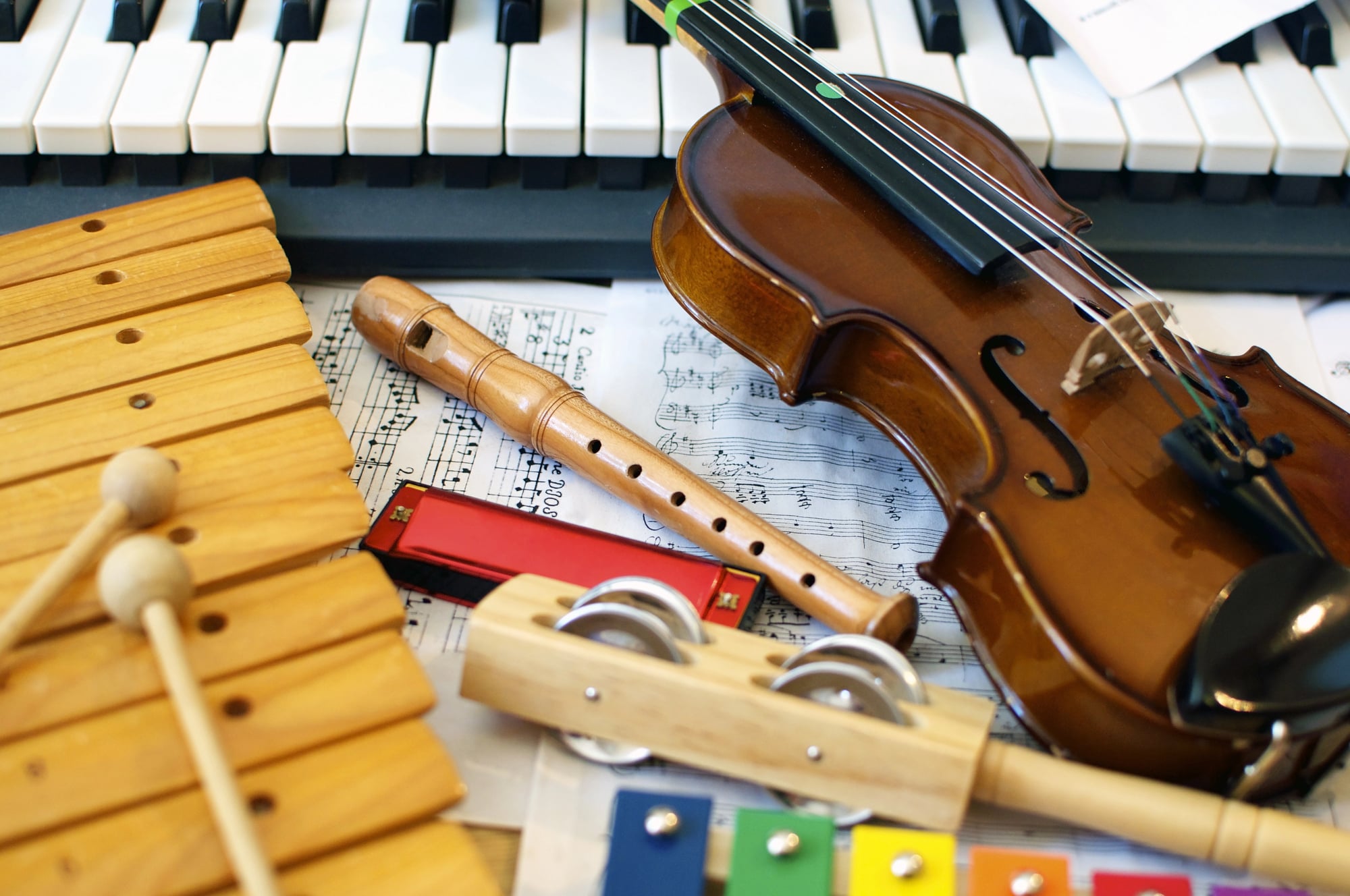
Guitars gather dust in corners, pianos take up too much space, and drum sets annoy the neighbors. Kids lose interest, adults run out of time, and instruments that once represented dreams start representing clutter.
The emotional weight of giving up on music makes the practical decision easier. Just donate everything and move on.
Vintage instruments, particularly guitars from certain manufacturers and eras, have become serious investments. A 1958 Gibson Explorer sold for over $600,000.
Even common instruments from respected brands hold their value better than most possessions. The guitar that seemed like a failed hobby might have been a successful retirement plan.
Stamps and Coins
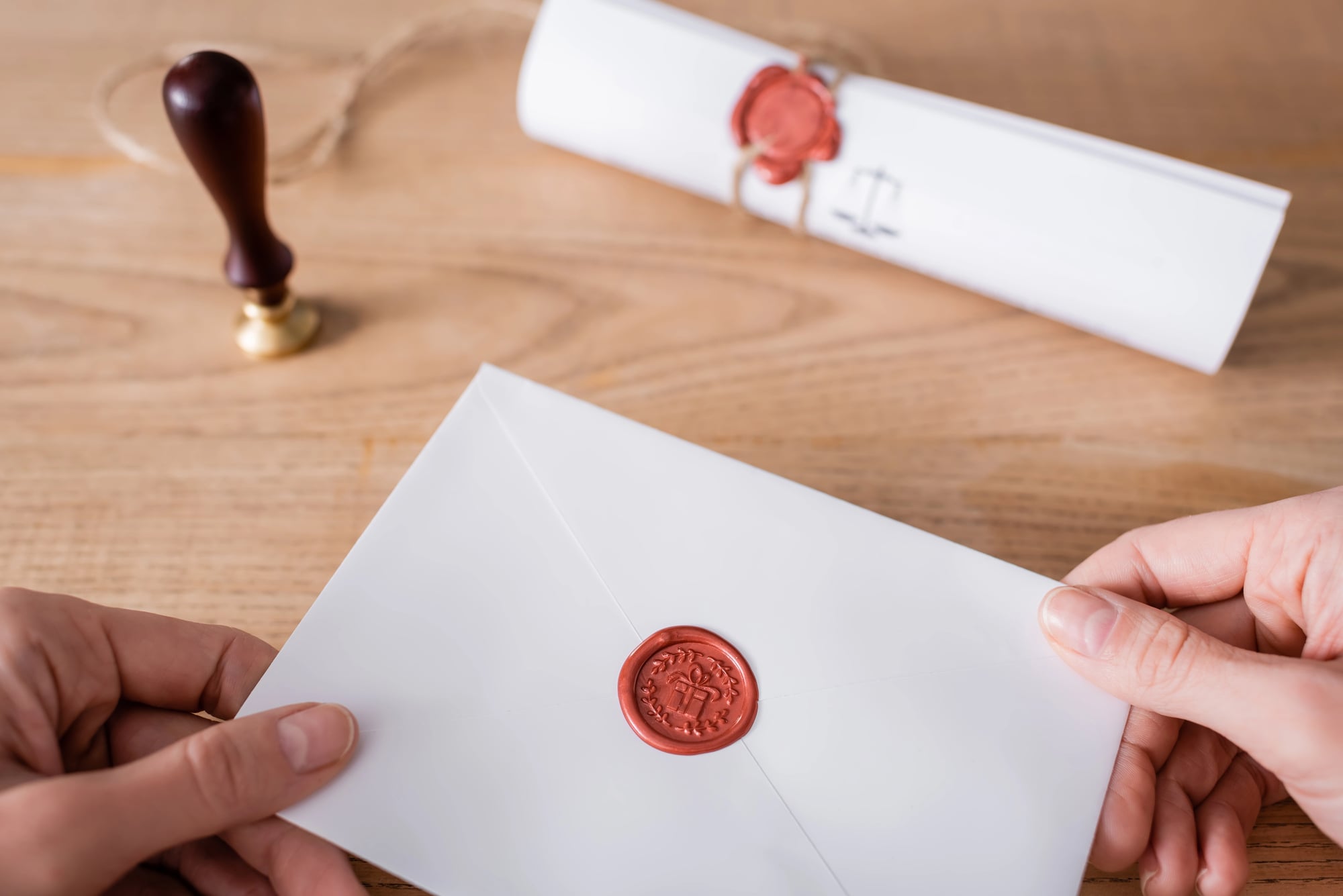
Stamp collecting felt like something grandfathers did — methodical, quiet, and probably not very profitable, which made it easy to dismiss when collections needed new homes after estate sales or when hobby rooms got converted to home offices. The tiny pieces of paper seemed more sentimental than valuable, more historical curiosity than investment opportunity, and the albums full of carefully organized stamps often ended up in donation bags alongside old magazines and books (a tragic irony that collectors today understand all too well).
But rarity drives value in ways that sentiment never could, and stamps that seemed common at the time — because they were seen in everyday use — become uncommon when most copies get thrown away or lost to time.
The 1918 Inverted Jenny stamp sold for over $1.3 million, and even more recent stamps with printing errors or limited runs can command serious money from people who understand that small mistakes can become big treasures.
Vintage Electronics
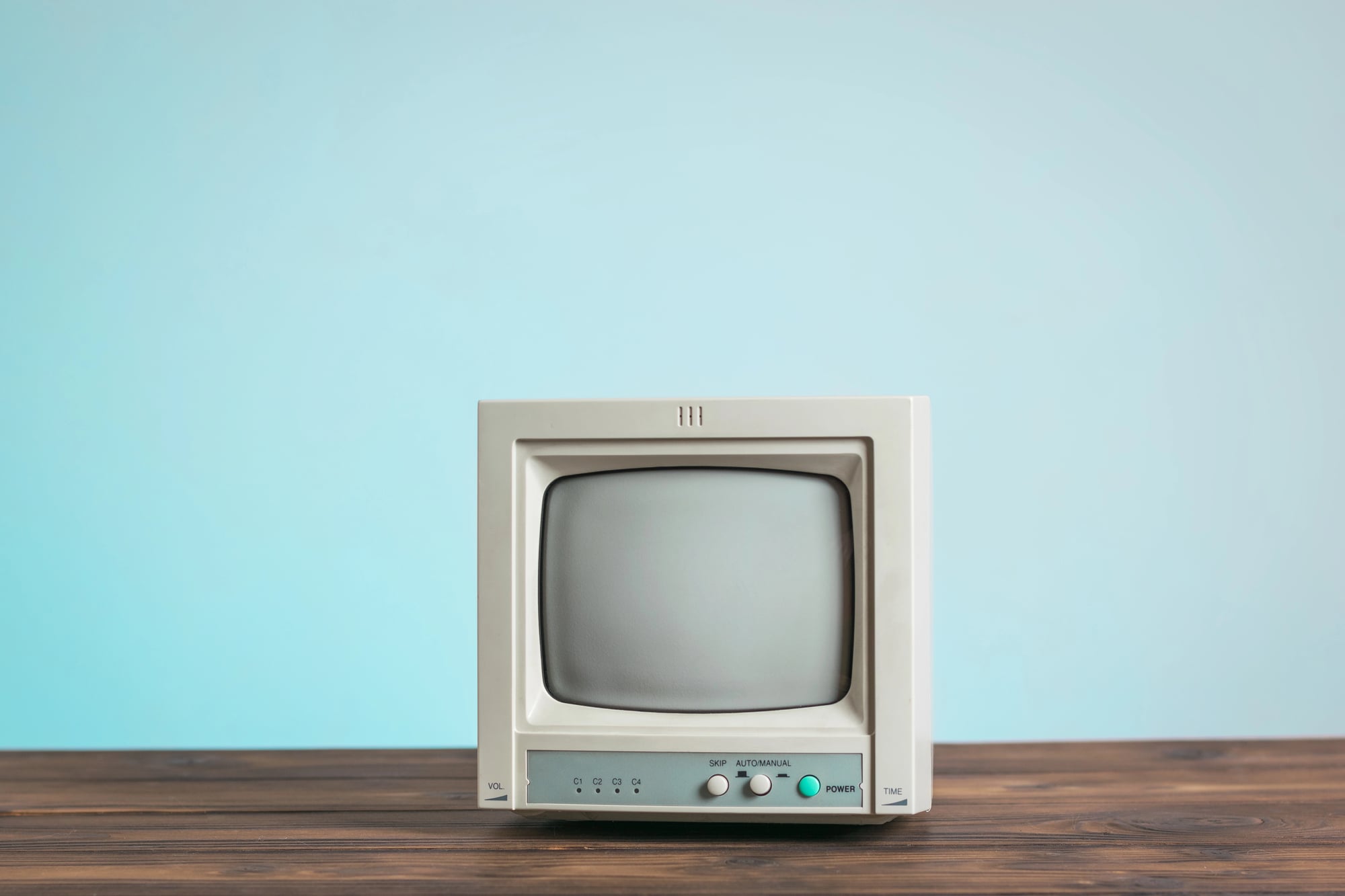
Tube radios seemed outdated, record players looked clunky, and early computers felt primitive compared to newer models. Technology moves fast, and yesterday’s cutting-edge becomes tomorrow’s paperweight.
The upgrades felt like improvements, not losses.
Vintage electronics in working condition have found new markets among collectors and enthusiasts. Mid-century modern radios command premium prices.
Early Apple computers sell for thousands. Even common electronics from certain eras have value if they still function. The irony stings — the technology that seemed obsolete was actually just getting started on its second life.
Sports Memorabilia
Game programs get thrown away after the season ends. Ticket stubs seem like paper clutter.
Team merchandise from losing seasons feels more embarrassing than valuable. Sports fandom is emotional, but cleaning out closets requires practical thinking, and sentiment rarely survives spring cleaning.
Sports memorabilia from significant games, championships, or legendary players can sell for enormous amounts. World Series programs, Super Bowl tickets, and championship merchandise hold their value.
The items that seemed like disposable souvenirs often become permanent investments. The brutal math hits when you realize how many historic games you attended without keeping the proof.
Art and Prints
Posters get damaged, prints fade, and artwork that seemed impressive in college looks amateurish in adult homes. Tastes change, wall space gets limited, and art that once felt meaningful starts feeling like clutter.
The transition from sentimental to practical happens gradually, then all at once.
Vintage posters, especially from concerts or movies, can command serious money. Original artwork, even from unknown artists, has value if the style or era becomes collectible.
Limited edition prints hold their worth better than mass-produced pieces. The artwork that seemed replaceable often wasn’t actually being replaced by the artists or publishers.
Vintage Jewelry
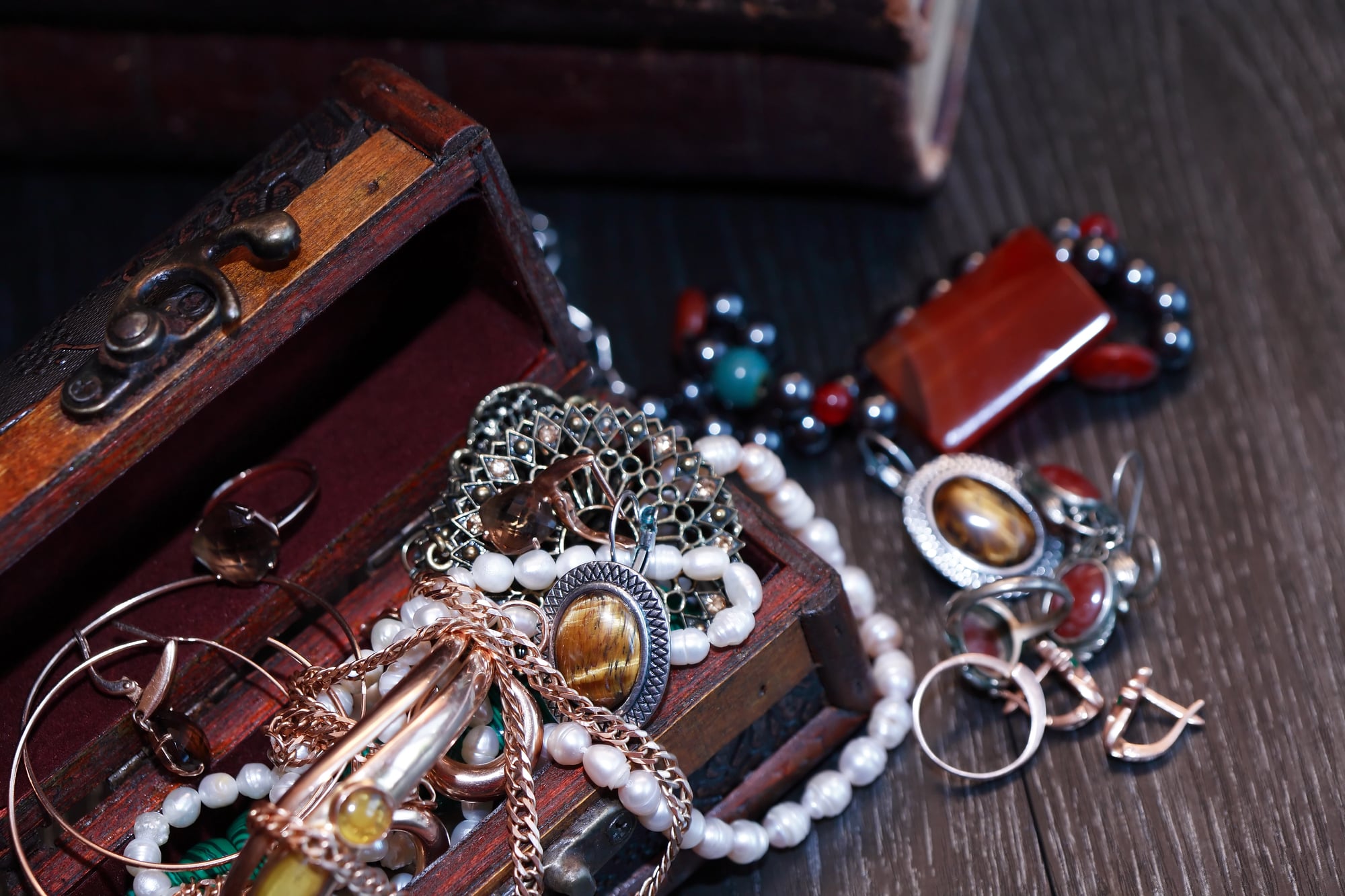
Costume jewelry breaks easily, goes out of style, and takes up drawer space that newer pieces could use better. The math seems simple — keep what gets worn, donate what doesn’t.
Sentiment battles practicality, and practicality usually wins when moving boxes need packing or estates need settling.
Vintage jewelry, particularly from certain designers or eras, has serious collector value. Art Deco pieces command premium prices.
Designer costume jewelry can sell for hundreds or thousands. The pieces that seemed like cheap accessories often turn out to be carefully crafted items from respected manufacturers.
The jewelry that felt too old-fashioned to wear becomes too valuable to ignore.
Trading Cards (Non-Sports)
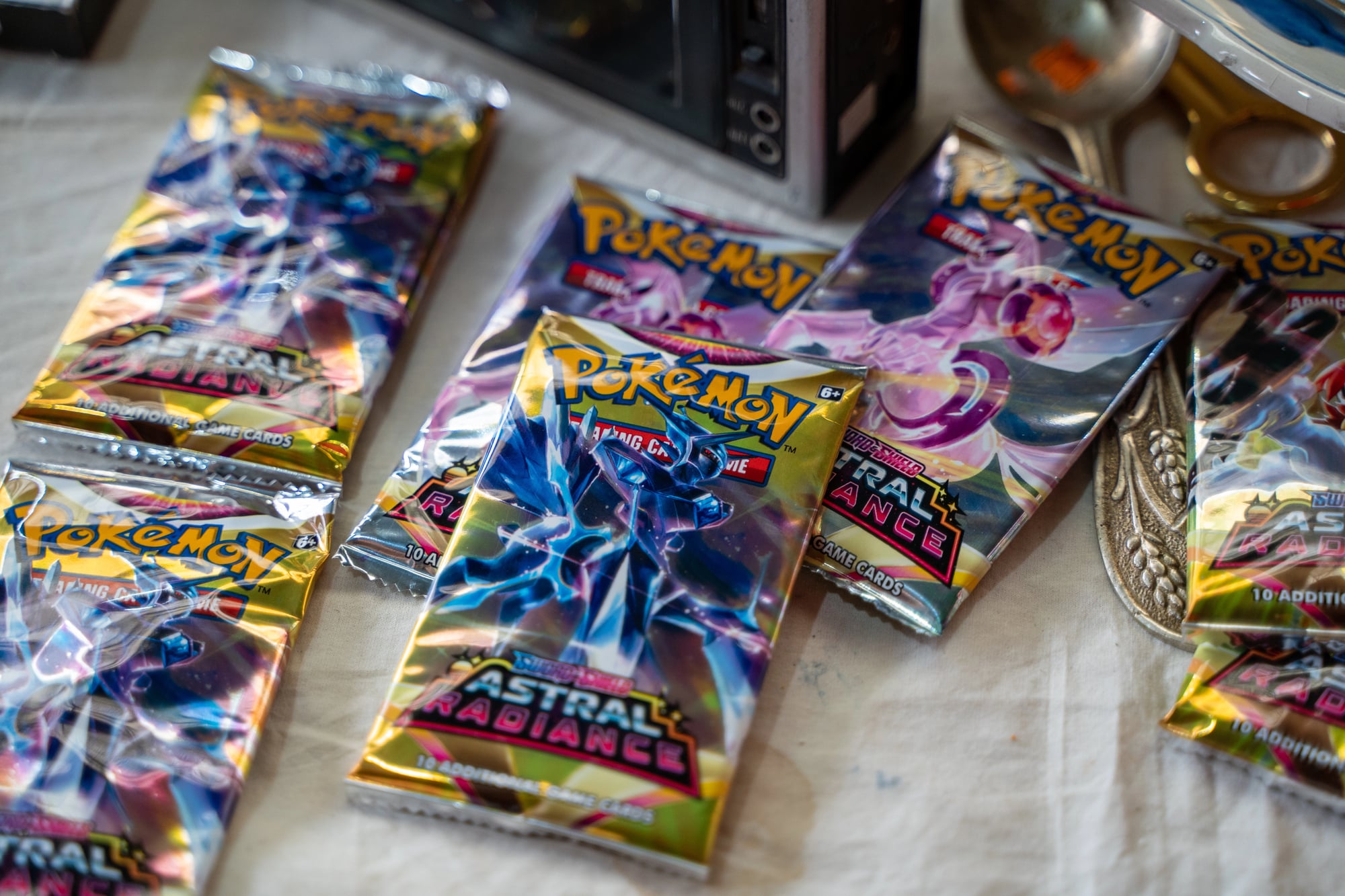
Pokemon cards seemed like a phase kids would outgrow. Magic: The Gathering cards felt too niche to have lasting value.
Non-sports trading cards lacked the historical weight of baseball cards, so they got treated even more casually — shuffled in shoeboxes, traded freely, and eventually donated or thrown away when interests shifted to more “mature” hobbies.
The collectible card game market exploded in ways nobody predicted. Pokemon cards now sell for hundreds of thousands at auction.
Magic cards from early sets command serious money. The cards that seemed like temporary entertainment became permanent investments.
The phase that parents thought would end never actually ended — it just got more expensive.
The Things That Almost Made It
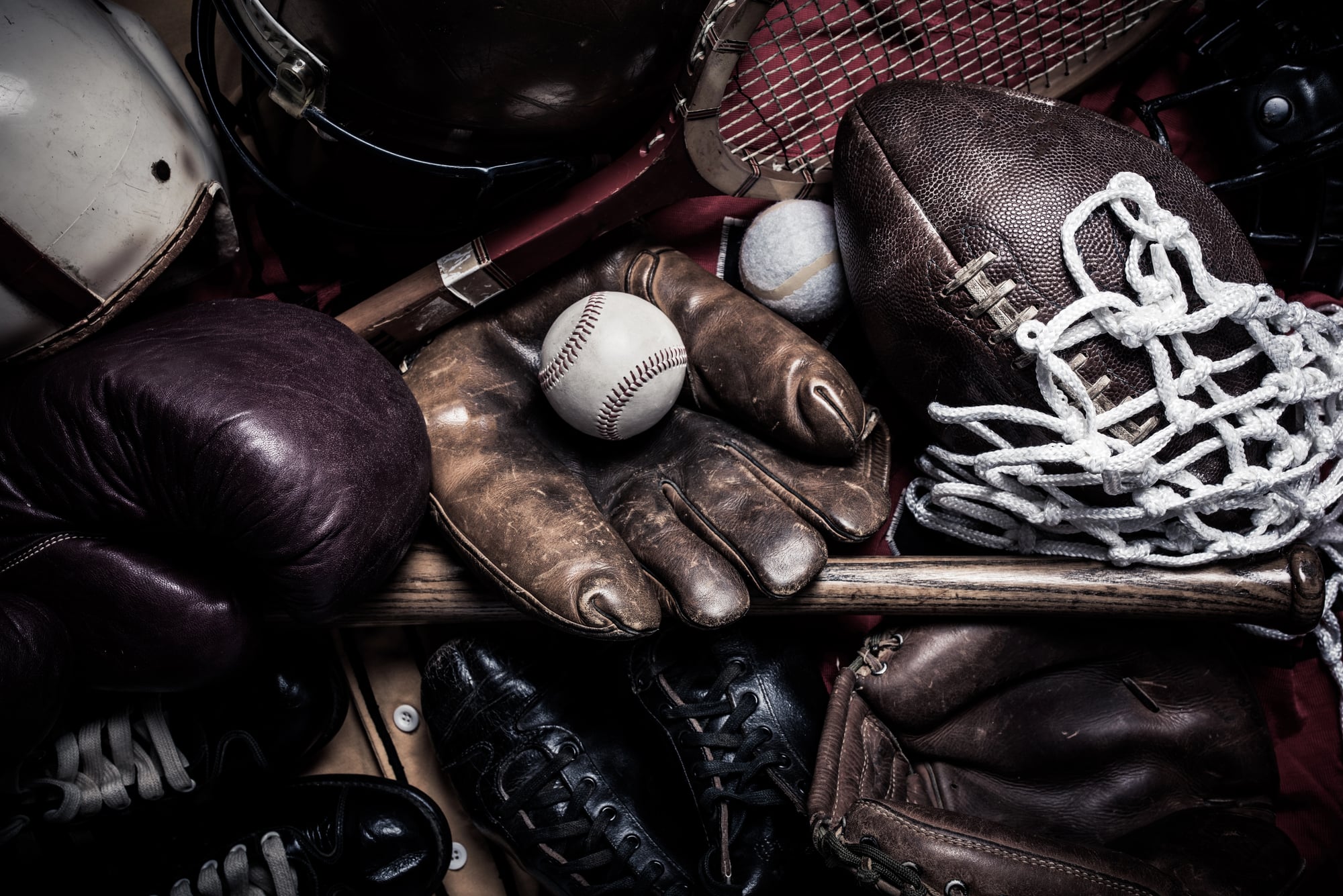
The hardest part about throwing away tomorrow’s treasures today is how reasonable the decision always feels at the time. Storage costs money, moving requires choices, and nobody has unlimited space for unlimited possessions.
The items that get saved often survive more by accident than intention — forgotten in attics, overlooked in basements, or simply lucky enough to belong to people who never got around to cleaning house.
The regret isn’t really about the money, though the money makes it sting. The regret is about not recognizing that some things are worth keeping, even when everything else suggests otherwise.
More from Go2Tutors!

- The Romanov Crown Jewels and Their Tragic Fate
- 13 Historical Mysteries That Science Still Can’t Solve
- Famous Hoaxes That Fooled the World for Years
- 15 Child Stars with Tragic Adult Lives
- 16 Famous Jewelry Pieces in History
Like Go2Tutors’s content? Follow us on MSN.