17 Career Fields AI Created in 2025
The artificial intelligence revolution isn’t just transforming how we work—it’s birthing entirely new ways to earn a living that were unimaginable just two years ago. As AI capabilities have surged in sophistication and accessibility, we’re witnessing career fields emerge that blur traditional boundaries between human creativity and machine intelligence. These aren’t merely tech jobs dressed up with fancy titles; they’re genuine professions tackling real market demands that surfaced specifically because AI technology reached critical thresholds in 2025.
From crafting AI personalities to building ethical frameworks for autonomous systems, these emerging fields represent the cutting edge of human-AI collaboration. Here is a list of 17 career fields that AI created in 2025.
AI Personality Designer
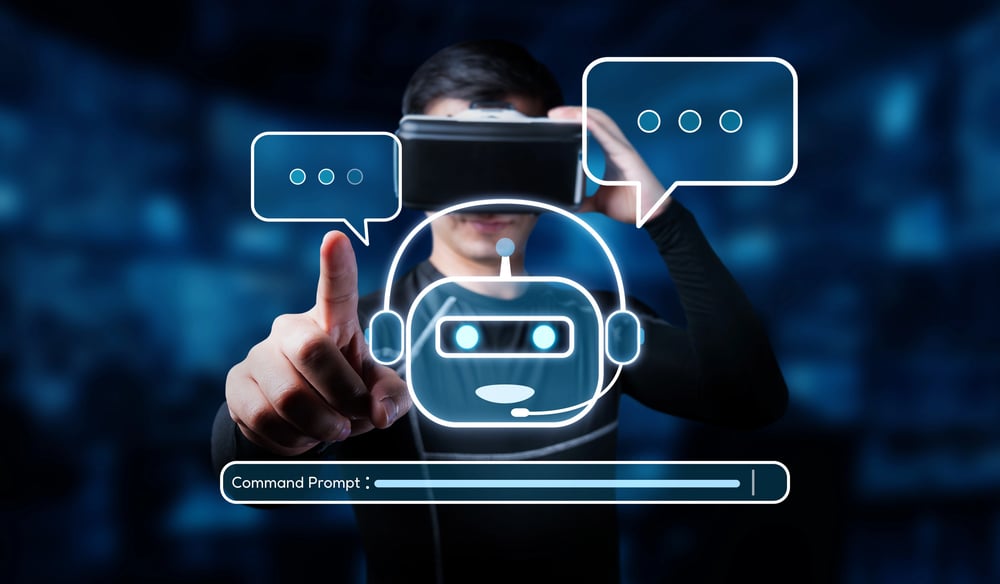
Companies desperately need specialists who craft distinct personalities for their AI assistants, chatbots, and virtual representatives. These professionals blend psychology, creative writing, and technical expertise to give AI systems authentic voices that mesh with brand identity. They collaborate closely with development teams—ensuring AI personalities stay consistent across different interactions while adapting to various customer needs and cultural contexts.
Synthetic Media Authenticator
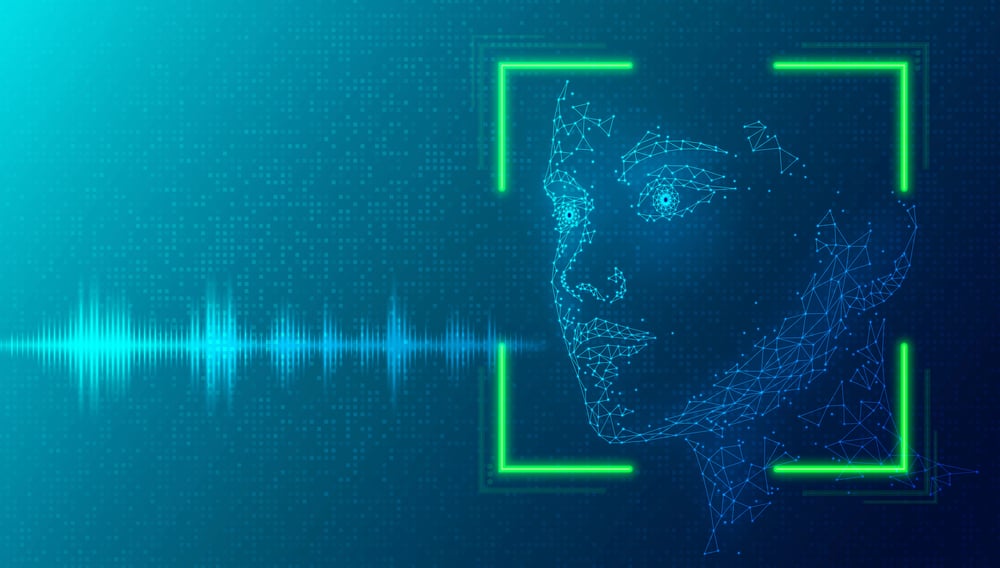
As deepfakes and AI-generated content grow increasingly sophisticated, organizations urgently require experts who can tell authentic media from artificial content. These specialists deploy advanced detection tools and forensic techniques to verify the legitimacy of videos, images, and audio files. Their work shields companies from misinformation campaigns—helping maintain trust in digital communications.
Human-AI Workflow Optimizer
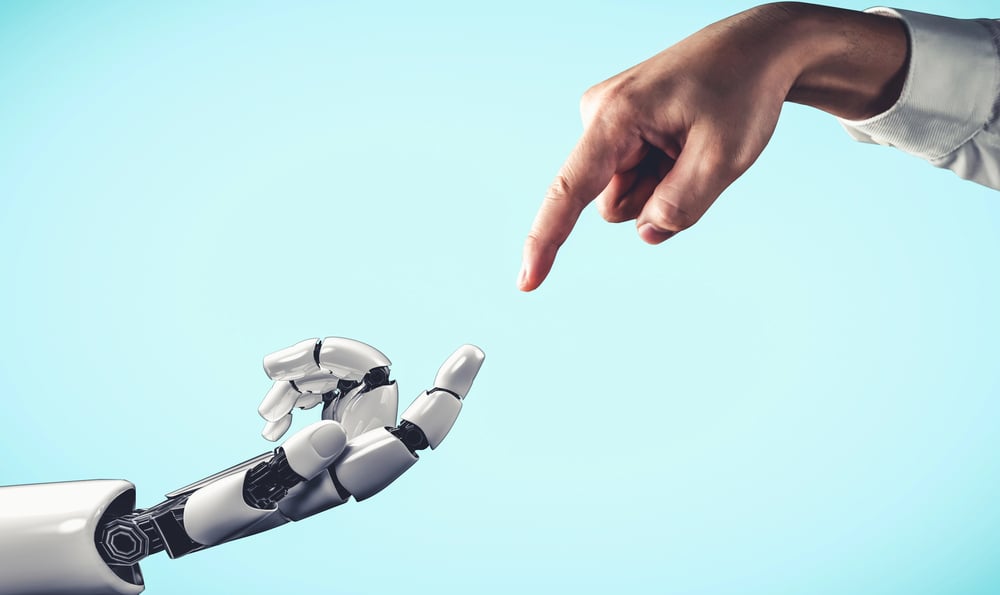
These professionals examine how humans and AI systems collaborate most effectively within organizations. They analyze productivity patterns, spot bottlenecks in human-AI collaboration, and design workflows that harness the strengths of both human creativity and machine efficiency. Their insights enable companies to restructure teams and processes—achieving optimal performance in hybrid work environments.
AI Training Data Curator

The quality of AI training data directly influences system performance, creating huge demand for specialists who curate, clean, and organize massive datasets. These professionals ensure training data reflects diverse perspectives while eliminating biases and inaccuracies that could undermine AI decision-making. They operate across industries from healthcare to finance—where data quality can literally mean life or death.
Conversational AI Strategist
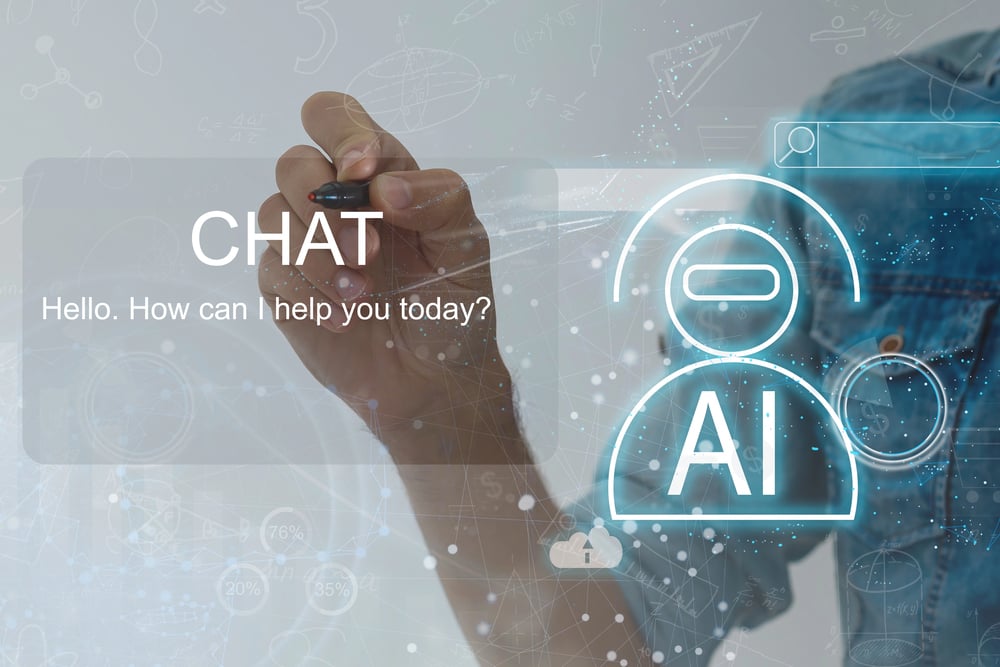
Organizations require experts who develop comprehensive strategies for deploying conversational AI across customer service, sales, and internal operations. These strategists grasp both the technical capabilities of AI systems and the nuanced communication requirements of different audiences. They build frameworks for seamless handoffs between AI and human agents—maintaining consistent service quality throughout.
AI Hallucination Specialist

Since AI systems occasionally produce false or misleading information, companies need specialists who can identify, prevent, and fix these ‘hallucinations.’ These experts create testing protocols and monitoring systems to catch AI errors before they reach customers. Their work proves particularly vital in sectors like healthcare, legal services, and journalism—where accuracy is absolutely critical.
Prompt Engineering Manager
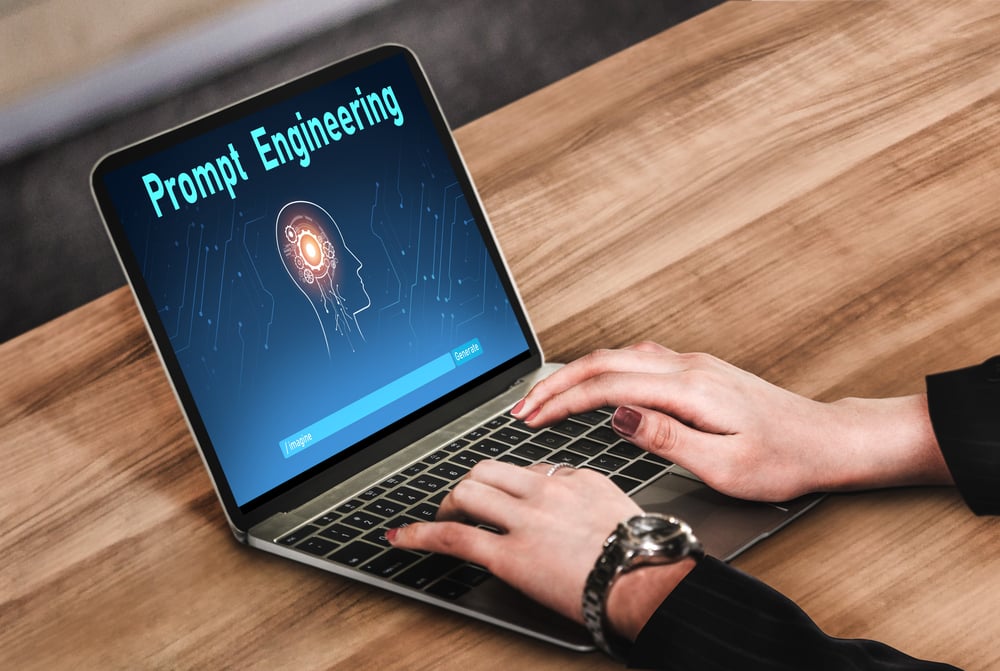
The art and science of communicating effectively with AI systems has grown sophisticated enough to demand dedicated management roles. These professionals lead teams of prompt engineers, establish best practices for AI interaction, and ensure consistent results across different AI platforms. They bridge the gap between technical AI capabilities and practical business applications—making complex systems usable for everyday operations.
AI Ethics Auditor

Companies now hire specialists who continuously monitor AI systems for ethical compliance and bias detection. These auditors examine AI decision-making processes, evaluate fairness across different demographic groups, and recommend adjustments to ensure equitable outcomes. Their work helps organizations avoid discriminatory practices—maintaining regulatory compliance in an increasingly scrutinized landscape.
Digital Twin Coordinator

As AI enables more sophisticated digital replicas of physical systems, specialists coordinate these complex virtual models across different departments and applications. They ensure digital twins accurately mirror real-world conditions while managing integration between virtual simulations and actual operations. Their expertise spans multiple industries—from manufacturing to urban planning.
AI-Human Translator
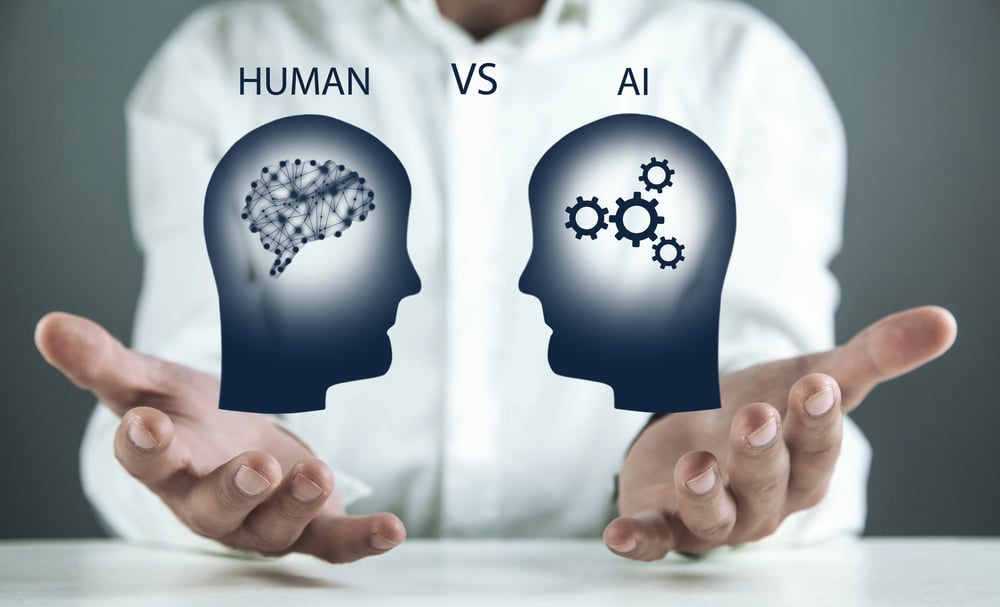
Beyond traditional language translation, these specialists help humans understand AI reasoning while helping AI systems better interpret human intentions. They serve as intermediaries in complex human-AI interactions—explaining AI recommendations to stakeholders while refining AI systems based on human feedback. Their role proves particularly valuable in high-stakes environments like medical diagnosis or financial planning.
Autonomous System Supervisor

As AI systems gain more independence in decision-making, organizations need human supervisors who can monitor, intervene, and guide autonomous operations. These professionals maintain oversight of AI systems in manufacturing, logistics, and service delivery while ensuring safety protocols are followed. They combine technical understanding with quick decision-making abilities to handle unexpected situations.
AI Memory Architect
The growing complexity of AI systems requires specialists who design how these systems store, retrieve, and utilize information over time. These architects create frameworks for AI learning and memory retention that balance efficiency with accuracy. Their work ensures AI systems improve performance while maintaining institutional knowledge across different interactions and applications.
Generative Content Director
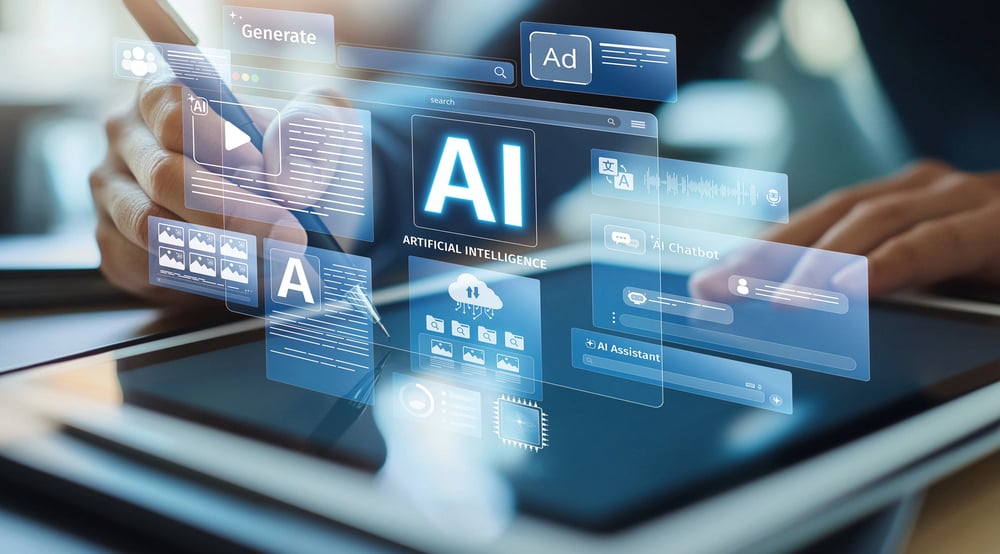
Organizations need creative professionals who can direct and coordinate AI-generated content across multiple platforms and mediums. These directors understand both artistic principles and AI capabilities, ensuring generated content meets quality standards while maintaining brand consistency. They work with AI tools to produce everything from marketing materials to entertainment content.
AI Compliance Monitor
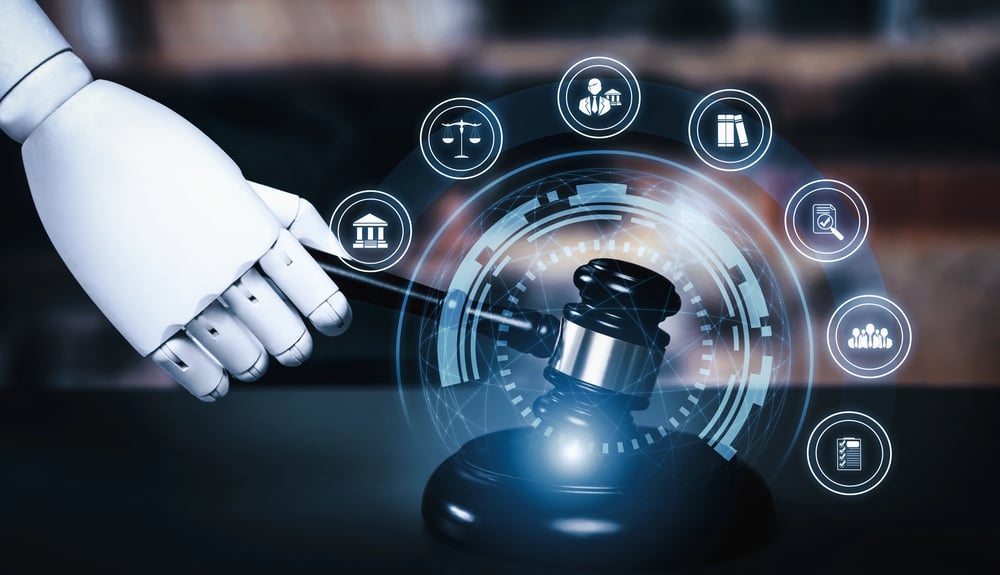
As regulations around AI usage continue evolving, companies require specialists who stay current with changing legal requirements while ensuring organizational compliance. These monitors track regulatory developments, assess internal AI practices against legal standards, and implement necessary changes to maintain compliance. Their expertise helps organizations navigate the complex legal landscape surrounding AI deployment.
Cognitive Load Analyst
These specialists study how AI integration affects human mental workload and design systems that optimize cognitive resources. They analyze how different AI interfaces and workflows impact human attention, decision-making, and stress levels. Their research helps create more intuitive AI systems that enhance rather than overwhelm human capabilities in workplace environments.
AI Relationship Manager

Companies increasingly need professionals who manage ongoing relationships between organizations and their AI service providers. These managers negotiate contracts, monitor service quality, and coordinate updates across multiple AI platforms and vendors. They ensure organizations get maximum value from their AI investments while maintaining strong partnerships with technology providers.
Neural Network Archaeologist
As AI systems become more complex, specialists are needed who can trace and understand the decision-making pathways within neural networks. These ‘archaeologists’ dig into AI reasoning processes to explain how specific conclusions were reached, particularly important for regulated industries requiring explainable AI. Their work makes black-box AI systems more transparent and accountable.
Where Human Expertise Meets Machine Intelligence
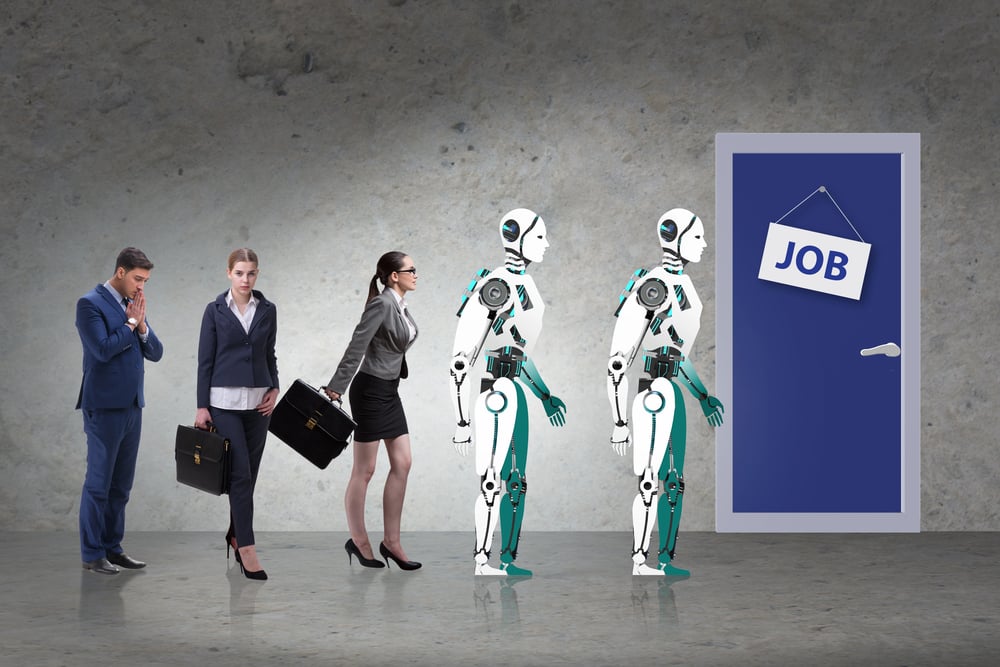
The emergence of these 17 career fields in 2025 represents far more than just new job titles—it signals a fundamental transformation in how humans and machines collaborate to solve complex problems. These roles didn’t exist because the technology wasn’t sophisticated enough to require such specialization. Now, as AI systems become integral to business operations, the demand for human expertise in managing, directing, and optimizing these relationships has spawned entirely new professional landscapes. The workers stepping into these roles today are pioneering the blueprint for tomorrow’s AI-integrated economy.
More from Go2Tutors!

- 16 Historical Figures Who Were Nothing Like You Think
- 12 Things Sold in the 80s That Are Now Illegal
- 15 VHS Tapes That Could Be Worth Thousands
- 17 Historical “What Ifs” That Would Have Changed Everything
- 18 TV Shows That Vanished Without a Finale
Like Go2Tutors’s content? Follow us on MSN.



