Fastest Growing Mountains in the World
Mountains appear solid. Stare at one, yet it hasn’t stayed fixed since forever.
Reality’s different though. Certain peaks keep growing – edging upward fast enough to shock folks who’ve never heard the stats.
A couple millimeters now, an extra cm later – over years or even hundreds of them, small bits like these pile up into real change.
The push that shapes peaks is still going strong. Because tectonic chunks grind into each other nonstop.
Layers of stone bend and rise bit by bit. So in a few places across Earth, summits inch higher at this very moment.
Nanga Parbat, Pakistan
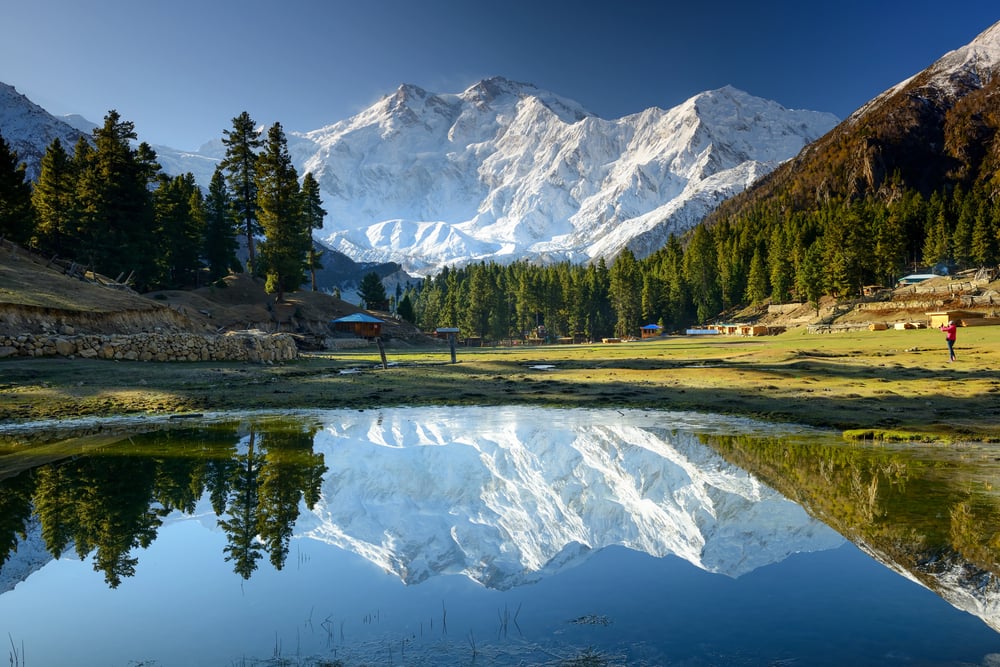
This mountain rises in the western Himalayas and it’s growing faster than almost any peak on Earth. Scientists measure its uplift at around 7 millimeters per year in some areas.
That doesn’t sound like much until you realize it adds up to 7 meters every thousand years.
The reason for this rapid growth lies deep underground. The Indian tectonic plate continues its relentless push northward into the Eurasian plate.
But Nanga Parbat sits at a particularly active spot where this collision creates intense uplift.
The mountain also experiences significant erosion. Heavy monsoons and glaciers carve away at its flanks constantly.
Yet despite this erosion trying to tear it down, the uplift wins. The mountain keeps rising.
Mount Everest, Nepal and Tibet

Yes, the world’s tallest mountain is still getting taller. Recent research shows Everest grows at approximately 2 millimeters per year.
That’s not the fastest rate on this list, but when you’re already the highest point on Earth, any additional height counts.
The growth comes from two sources. The main driver is the ongoing tectonic collision between the Indian and Eurasian plates.
But scientists recently discovered that erosion from a river network about 75 kilometers away triggers something called isostatic rebound. As the river carves away rock and soil, the Earth’s crust beneath Everest rises in response to the reduced weight.
GPS measurements taken over decades confirm this steady rise. The mountain has gained between 15 and 50 meters over the past 89,000 years just from the river erosion effect alone.
Your grandchildren will look up at an Everest that’s measurably taller than the one that exists today.
K2, Pakistan and China

The second-highest mountain in the world grows at a similar pace to Everest, around 3 to 4 millimeters annually. It sits in the Karakoram range, which experiences some of the most active mountain-building processes anywhere.
K2’s position on the boundary between tectonic plates means it faces constant upward pressure. The surrounding region shows signs of recent geological activity, with frequent earthquakes indicating that the forces shaping these mountains remain very much alive.
Climbers who return to K2 after many years won’t notice any visible difference in height. But instruments can measure the change, and over geological timescales, this growth is dramatic.
The Southern Alps, New Zealand

These mountains rise along New Zealand’s South Island and they’re growing at an impressive 7 to 10 millimeters per year in some locations. That’s faster than most Himalayan peaks.
The Australian and Pacific tectonic plates meet along New Zealand’s western coast. Where they collide, rock gets pushed upward to form the Southern Alps.
The collision zone is so active that earthquakes regularly shake the region.
Aoraki Mount Cook, the highest peak in New Zealand, has experienced dramatic changes even in recent history. A massive rockslide in 1991 removed about 12-14 million cubic metres of rock and ice from the summit, reducing the mountain’s height by approximately 10 meters.
But tectonic forces continue pushing the mountain back up. Nature doesn’t care about single events when it has millions of years to work with.
Heavy rainfall and glaciers erode these mountains aggressively. The west coast of the South Island receives some of the highest rainfall on Earth.
Yet the uplift rate exceeds the erosion rate, so the mountains keep gaining height.
Taiwan’s Central Mountain Range
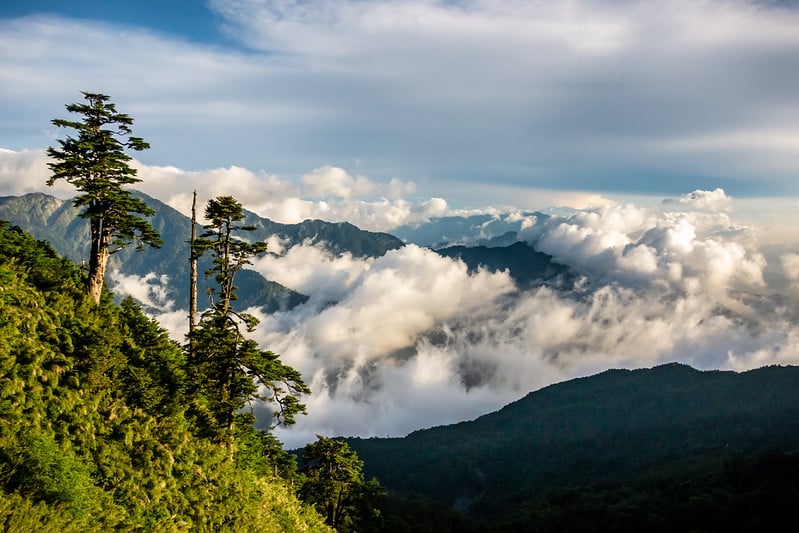
Taiwan sits at the junction of the Philippine Sea Plate and the Eurasian Plate. This collision creates one of the fastest rates of mountain growth anywhere in the world.
Some peaks in Taiwan’s Central Mountain Range rise at rates exceeding 5 millimeters per year.
Yu Shan, Taiwan’s highest mountain, continues to push upward despite constant weathering and erosion. The island experiences frequent earthquakes, many of them directly related to the ongoing collision of tectonic plates beneath it.
What makes Taiwan particularly interesting is how young these mountains are geologically. The island itself is only a few million years old.
You’re watching mountains in their youth here, still in the process of rapid formation.
Denali, Alaska
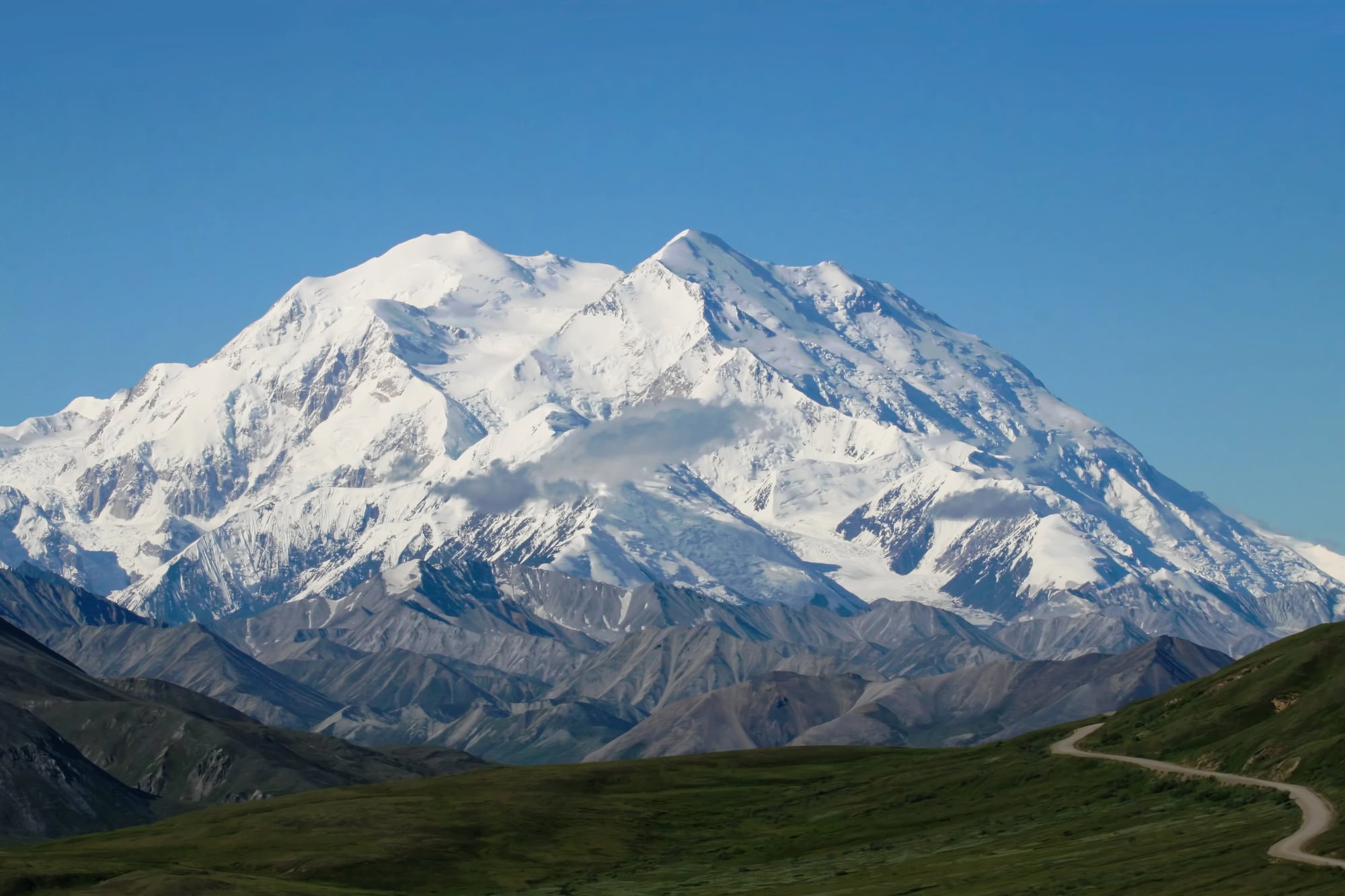
North America’s highest peak grows at a rate of about 0.5 to 1 millimeter per year. That’s slower than the Himalayan giants, but Denali has its own unique story.
The mountain rises due to tectonic activity along the Denali Fault. A large bend in this fault creates a zone where rocks bunch up, and Denali sits right in that bend.
This positioning is one reason the mountain stands so much taller than its neighbors.
As glaciers melt and reduce the weight pressing down on the land, the crust slowly rebounds upward in a process called isostatic rebound. Think of it like a cushion slowly expanding after someone stands up from sitting on it.
Combined with the tectonic forces, Denali continues its slow but steady rise.
The Himalayas as a Whole

The entire Himalayan range continues to rise as India pushes into Asia. Different sections grow at different rates, but the overall trend is clear.
These mountains haven’t finished forming yet.
Scientists estimate that the collision between India and Asia began around 50 million years ago. That’s recent in geological terms.
The process will continue for millions more years, and the mountains will keep growing throughout that time.
Some valleys in the Himalayas show uplift rates of 10 millimeters per year or more. Rivers cut down through the rock as fast as the land rises, creating deep gorges that reveal the internal structure of the mountain range.
The Andes Mountains
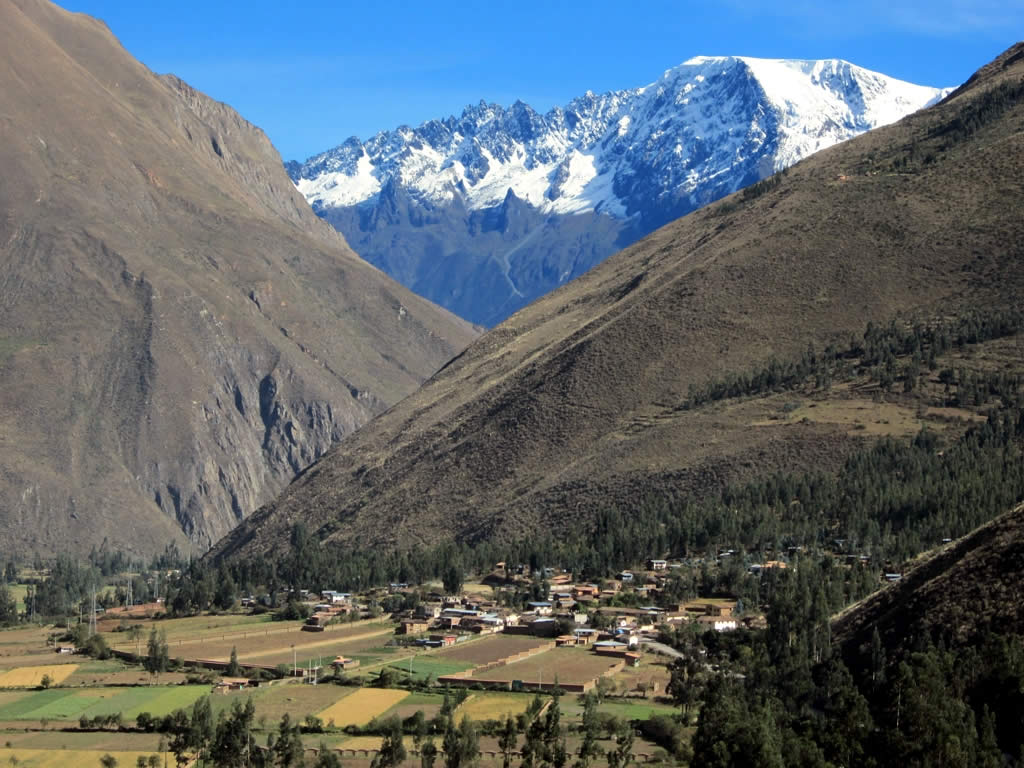
The Andes run along the entire western edge of South America, and they’re still actively rising. The Nazca Plate slides beneath the South American Plate in a subduction zone that builds mountains along the entire coast.
Different sections of the Andes grow at different rates. Some areas experience uplift of 5 to 6 millimeters per year.
The process isn’t smooth or uniform. Earthquakes punctuate long periods of steady pressure with sudden vertical movements.
Volcanic activity also plays a role in the Andes. Some peaks grow not just from tectonic uplift but also from volcanic eruptions that add new material to the mountains.
This creates a complex picture where different forces work together to build the range.
Mount Saint Elias, Alaska and Canada

This mountain sits on the border between Alaska and Canada’s Yukon Territory. It rises at one of the fastest rates in North America, approximately 3 to 4 millimeters per year.
The mountain stands near the coast where the Pacific Plate slides past and under the North American Plate. This creates both horizontal and vertical movement, pushing the mountain upward while also moving it laterally.
Massive glaciers cover much of Mount Saint Elias. These glaciers erode the mountain constantly, but the tectonic forces pushing it upward outpace the erosion.
The mountain keeps gaining height despite losing rock to ice and water.
The Caucasus Mountains

These mountains stretch between the Black Sea and the Caspian Sea, forming a natural barrier between Europe and Asia. They’re growing at rates of 1 to 2 millimeters per year in many areas.
The collision between the Arabian Plate and the Eurasian Plate drives this uplift. The same collision creates Turkey’s mountains and contributes to the formation of Iran’s mountain ranges.
The Caucasus region experiences frequent earthquakes as these tectonic forces continue to reshape the landscape.
Mount Elbrus, the highest peak in the Caucasus and in all of Europe, shows signs of ongoing uplift. The mountain is actually a dormant volcano, so its history involves both volcanic and tectonic processes.
The Alps

Europe’s most famous mountain range is still rising. The Alps grow at rates between 1 and 2 millimeters per year, depending on the specific location.
That’s modest compared to the Himalayas, but it’s still active.
The African Plate pushes into the Eurasian Plate, creating the pressure that builds the Alps. This same collision formed the Mediterranean region’s complex geology and continues to reshape southern Europe.
Glaciers once covered much more of the Alps than they do today. As these glaciers retreat, the land beneath them rebounds upward, adding to the tectonic uplift.
The mountains you see today will be taller tomorrow, even if the difference is invisible to human eyes.
The Tian Shan Mountains

These mountains stretch across Central Asia, passing through Kazakhstan, Kyrgyzstan, and western China. They’re growing at impressive rates, with some areas rising 10 millimeters per year or more.
The Tian Shan formed from the same collision between India and Asia that created the Himalayas. The force of India’s northward push affects regions far beyond the immediate impact zone.
The entire region from the Himalayas to Central Asia continues to experience tectonic deformation.
Earthquakes strike Tian Shan regularly. In 2023, a significant earthquake reminded people that these mountains remain geologically active.
The same forces that cause earthquakes also push the mountains higher year after year.
The Japanese Alps

Japan’s mountain ranges grow as the Pacific Plate subducts beneath the North American and Eurasian Plates. The Japanese Alps, particularly the Northern and Southern Alps, show active uplift of 2 to 4 millimeters per year.
Japan experiences thousands of earthquakes each year, most of them too small to feel. But each earthquake represents movement in the Earth’s crust, and over time, these movements add up to significant changes in elevation.
The combination of tectonic uplift and volcanic activity makes Japan’s mountains particularly dynamic. Some peaks grow primarily through tectonic forces, while others build through volcanic eruptions.
Either way, the mountains keep rising.
Where Earth Still Moves
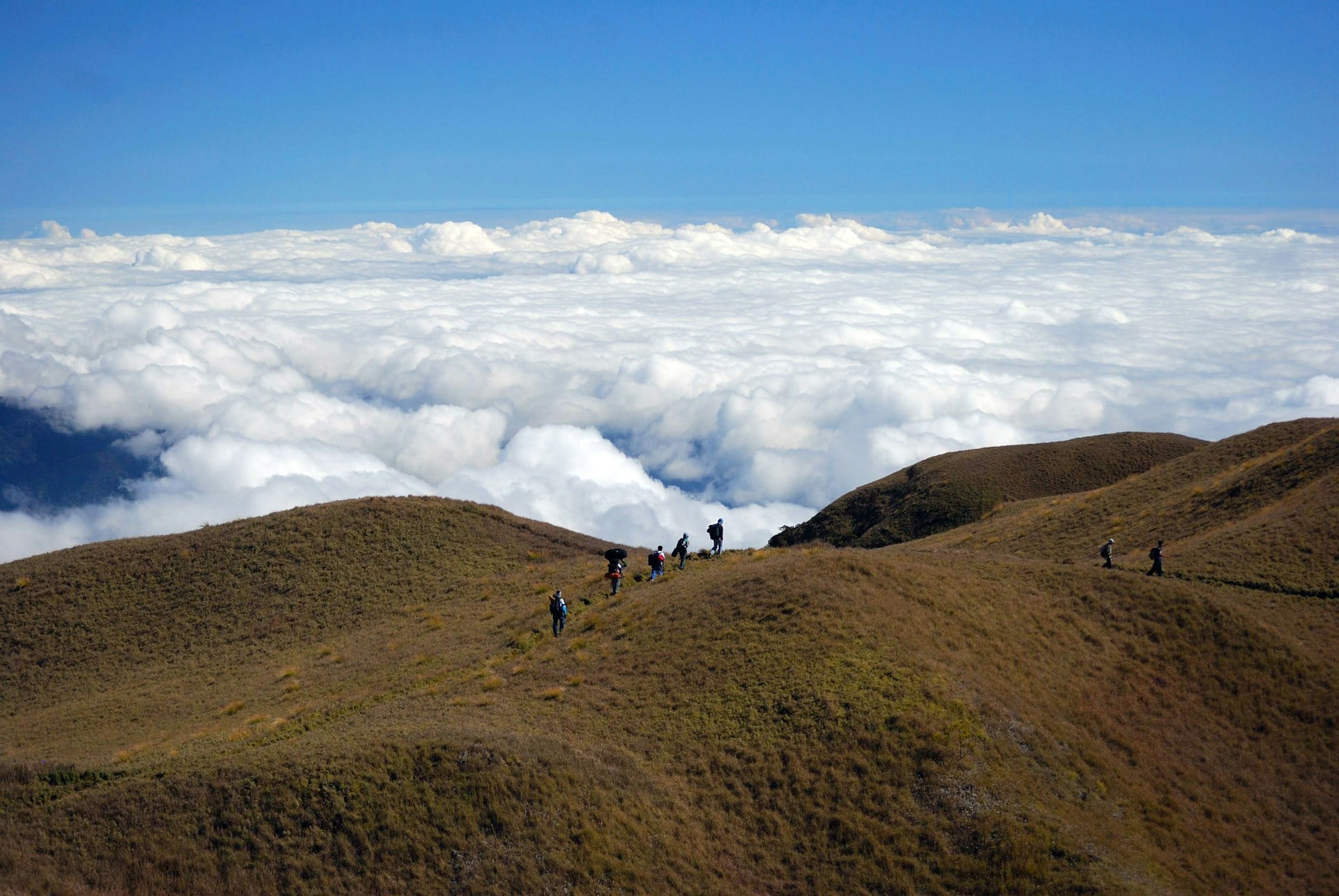
Hang out near the foot of one of these peaks and nothing seems off. Movement’s just too tiny to notice.
Yet tools show otherwise. With GPS units or space-based scans, shifts pop up all over.
Ground underfoot always shifts somehow.
These mountains are like frozen moments in a story that began ages back, still unfolding slowly. The Himalayas didn’t start out tallest, also they won’t stay on top without end.
Bit by bit, wear and tear will take over – just way off in the future. For now, summits rise tiny bits every year, piling up inch after inch, growing into sizes we’ve never seen, shaped by earth’s quiet, steady push.
More from Go2Tutors!

- The Romanov Crown Jewels and Their Tragic Fate
- 13 Historical Mysteries That Science Still Can’t Solve
- Famous Hoaxes That Fooled the World for Years
- 15 Child Stars with Tragic Adult Lives
- 16 Famous Jewelry Pieces in History
Like Go2Tutors’s content? Follow us on MSN.



