Surprising Things Banned in Some Countries
Discovering new cultures, stunning scenery, and life-changing events are all made possible by travel. But if you don’t know the local laws, it can also get you into unexpected trouble.
Although most people are aware that they should stay away from overt contraband when crossing borders, there are a lot of seemingly harmless things and actions that can result in fines, detention, or worse in some nations. Some bans are so out of the ordinary that you’ll question how they got started in the first place, whether they apply to everyday fashion choices or childhood treats.
The reality is that what’s perfectly normal in one place might be strictly forbidden just a few thousand miles away. These limitations frequently stem from cultural norms, historical occurrences, safety concerns, or governmental priorities that are very different from our own.
Let’s examine a few of the most unexpected items that have been outlawed globally.
Chewing Gum

Singapore takes cleanliness seriously — so seriously that chewing gum has been banned since 1992. The government implemented this restriction after vandals began sticking gum on door sensors in the city’s public transit system, causing breakdowns and delays.
Beyond the transportation issues, authorities also wanted to eliminate the sticky mess that gum creates on sidewalks, seats, and public spaces. Commercial importation of chewing gum can result in fines up to SGD 100,000 or up to two years’ imprisonment.
In 2004, the government made a slight adjustment to allow importation of therapeutic gum, like nicotine gum or dental health gum, but you’ll need proper documentation. Regular bubble gum and mint gum remain firmly off the shelves.
Kinder Surprise Eggs

These chocolate eggs with tiny toys hidden inside are beloved treats across Europe and many other parts of the world. But in the United States, they’ve been prohibited for decades.
Section 402(d) of the 1938 Federal Food, Drug, and Cosmetic Act bans embedding non-edible objects inside food products, classifying them as a potential choking hazard for young children. U.S. Customs and Border Protection regularly confiscates these eggs from travelers, and they are subject to confiscation and potential penalty.
The U.S. market does sell Kinder Joy, an alternative where the chocolate and toy are separated into two compartments, but it’s just not the same as cracking open that chocolate shell to find a surprise.
High Heels at Ancient Sites
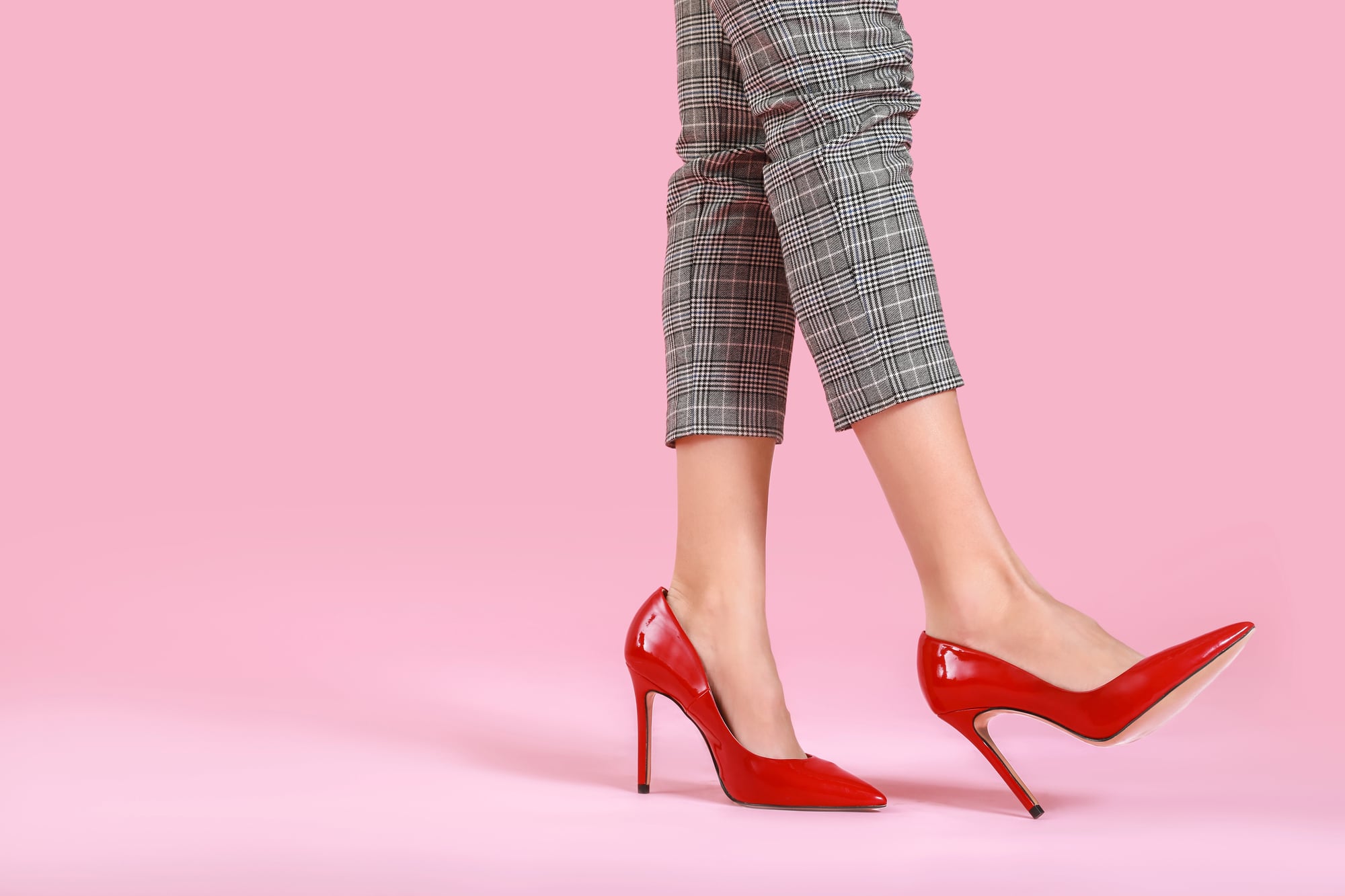
Greece has been home to some of humanity’s most magnificent ancient structures for thousands of years.To keep them that way, the Greek Ministry of Culture issued a directive in 2009 banning high heels at historical sites like the Acropolis.
The reasoning is straightforward — pointed heels concentrate weight onto a tiny surface area, potentially damaging fragile ancient stone that’s already weathered millennia of footsteps. Visitors caught wearing shoes that could harm these landmarks may face fines up to €1,000.
The regulations also targeted food, drink, and chewing gum at these sites. Pack comfortable flats and save the stilettos for dinner.
Camouflage Clothing
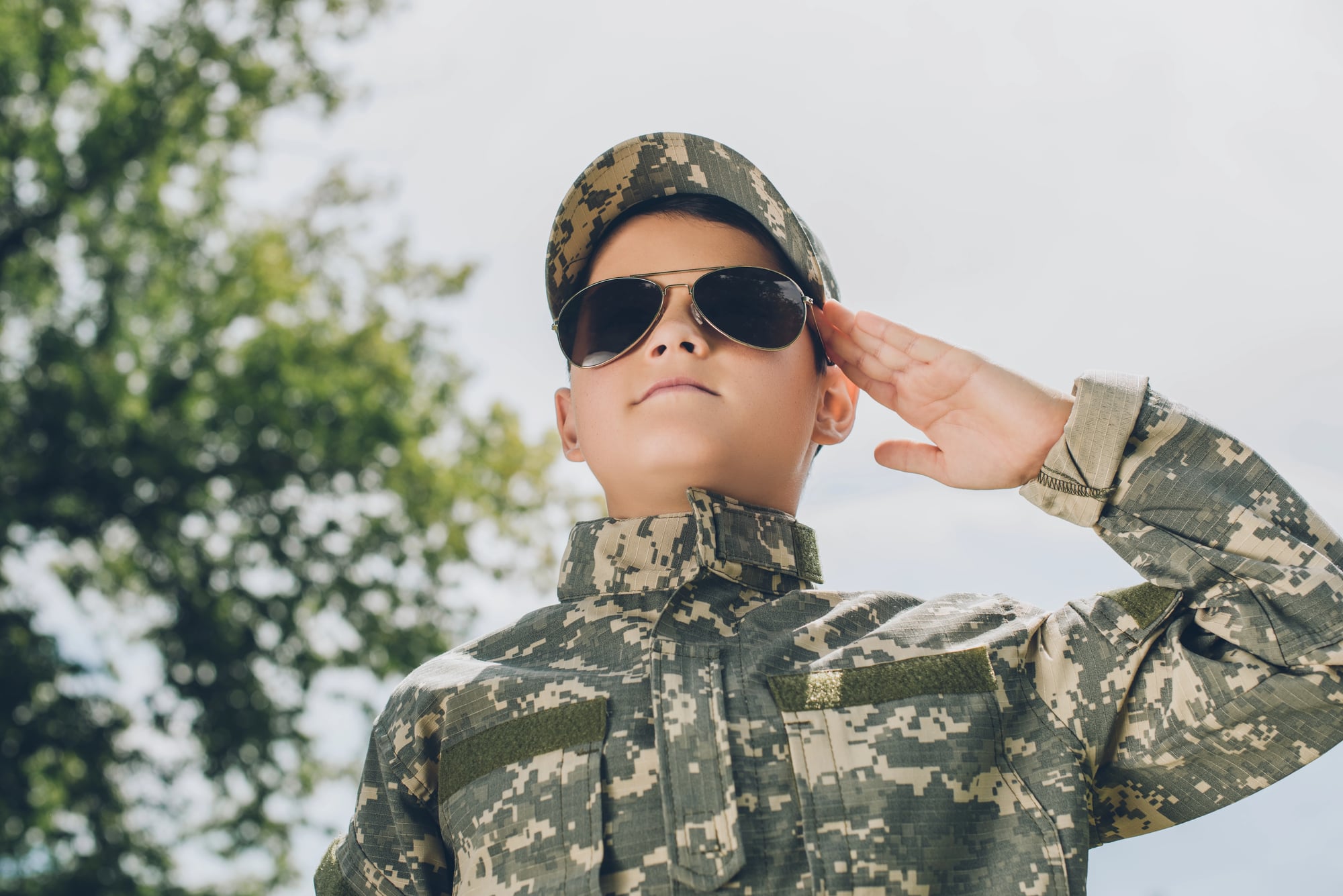
Planning a Caribbean vacation?Leave your camo gear at home. Multiple Caribbean nations including Antigua and Barbuda, Barbados, Grenada, Jamaica, Saint Lucia, Saint Vincent and the Grenadines, and Trinidad and Tobago have strict laws prohibiting civilians from wearing camouflage clothing.
This extends beyond just jackets and pants — even bags or backpacks with camouflage patterns fall under the ban. These restrictions exist in countries that have experienced internal conflict from rebel groups or armed factions.
Governments don’t want civilians to be confused with military or paramilitary forces, which could create dangerous situations. The laws apply to everyone, not just tourists.
Stick with solid colors or different patterns when island hopping.
Baby Walkers

Canada became the first country to completely ban baby walkers in 2004 under the Hazardous Products Act, and the prohibition remains in effect today. Health Canada enforces the rule strictly.
The decision came after numerous studies showed these devices cause thousands of emergency room visits annually, mostly from babies zooming toward staircases and tumbling down. Possession or selling of a baby walker in Canada can result in fines up to CAD 100,000 or six months’ imprisonment.
The American Academy of Pediatrics has also called for a ban, citing evidence that walkers don’t actually help babies learn to walk faster and may even delay motor development.
Blue Jeans
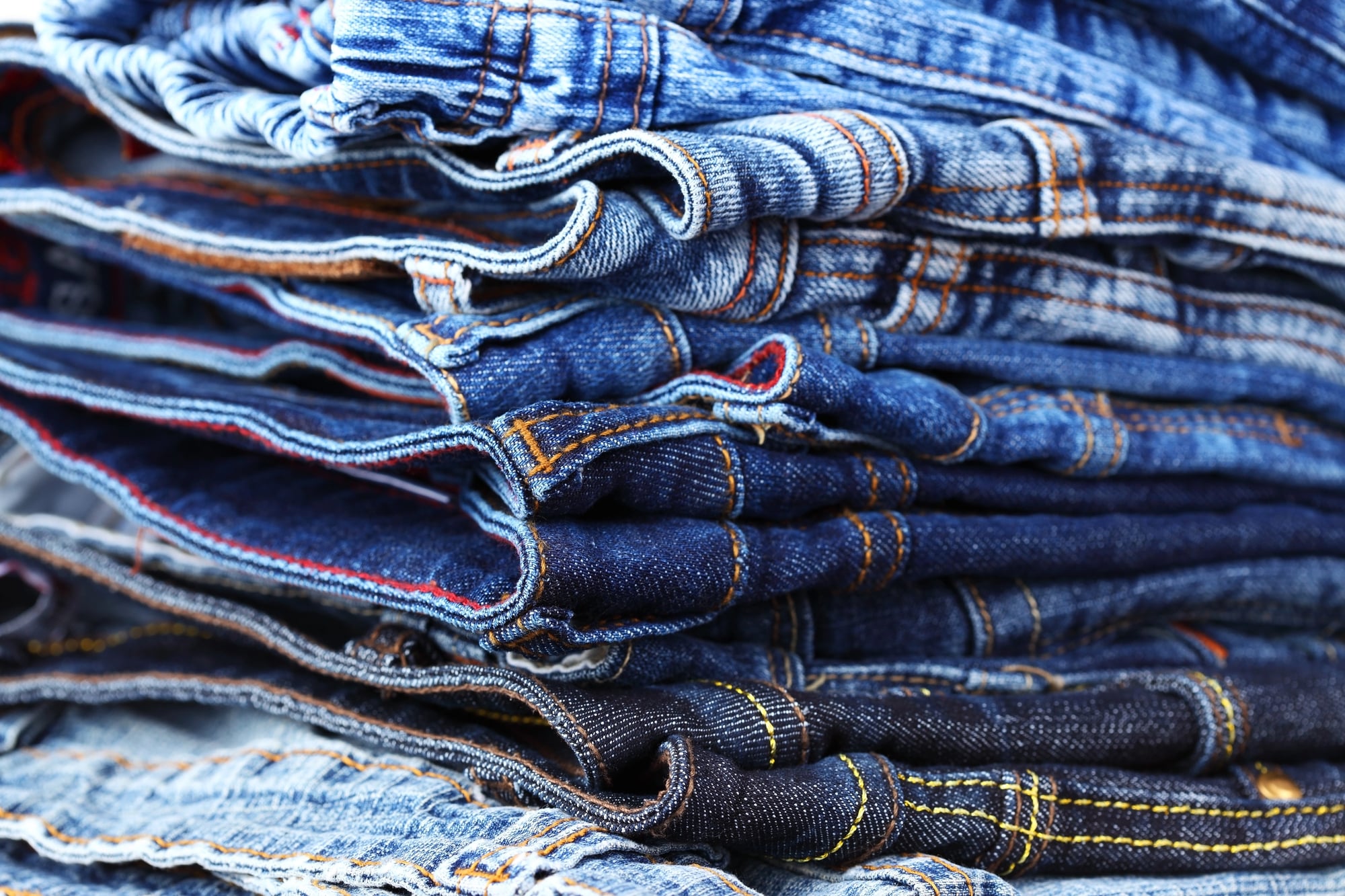
In North Korea, denim — particularly blue denim — is discouraged or banned in some regions as part of broader anti-Western dress codes. The fabric is viewed as a symbol of American imperialism and Western capitalist culture.
Enforcement varies by region and circumstance, but visitors are strongly encouraged to wear neutral, conservative clothing to avoid attracting negative attention. The restrictions reflect North Korea’s broader efforts to control foreign cultural influence and maintain ideological purity.
Other Western items like skinny jeans, certain piercings, and branded T-shirts also raise red flags.
Ketchup in School Cafeterias

France takes its culinary heritage seriously, perhaps nowhere more so than in its approach to school meals. In 2011, France’s decree on nutritional balance in school cafeterias restricted — rather than outright banned — ketchup in public schools.
The tomato condiment can only be served with French fries, and even then, fries may only appear on menus once a week. French authorities believe children should learn to appreciate the natural flavors of properly prepared food rather than masking everything with processed sauces.
It’s a uniquely French solution to what they see as protecting young palates and culinary traditions.
Time Travel Entertainment

In 2011, China’s State Administration of Radio, Film and Television issued a directive strongly discouraging time-travel plots in films and television shows. While not technically a formal ban, the censorship policy is enforced rigorously.
The government expressed concern that these stories were historically inaccurate and could distort people’s understanding of the past. This means classics like ‘Back to the Future’ and countless other time-travel adventures face significant barriers to distribution in the country.
The policy highlights how seriously some governments take control over cultural content and historical interpretation.
Round Goldfish Bowls

The Rome City Council and several Italian municipalities passed animal welfare ordinances in 2005 that address pet care. You cannot keep goldfish in traditional round bowls because these spherical containers limit oxygen flow and restrict the fish’s visual field, potentially causing them to go blind.
Additionally, you can’t give away goldfish or any other animal as a prize at carnivals or fairs throughout these municipalities. Rome also requires residents to walk their dogs regularly.
The city takes the wellbeing of animals seriously, even if it means telling people exactly what kind of bowl to use.
Approved Baby Names Only

In many countries, parents have complete freedom to name their children whatever they wish. Denmark and Iceland take a different approach.
Denmark’s 2006 Law on Personal Names maintains a list of approximately 7,000 approved names, while Iceland has its Naming Committee, known as Mannanafnanefnd. If your chosen name isn’t on the approved list, you must apply for special permission from government authorities.
The goal is to protect children from ridicule and ensure names align with cultural and linguistic norms. Names with special characters, unusual spellings, or overly creative twists often get rejected.
Critics argue this stifles parental freedom, but supporters say it safeguards children’s dignity.
Mullets and Ponytails

In 2010, Iran’s Ministry of Culture and Islamic Guidance launched a campaign discouraging ponytails, mullets, and long gelled hair for men as part of a broader modesty initiative. While not codified as formal criminal law, authorities have enforced these standards through social pressure and, in some cases, mandatory haircuts.
The campaign reflects broader efforts to enforce conservative dress codes and resist foreign cultural influences. It’s a vivid example of how personal grooming choices can become culturally and politically charged in certain contexts.
Why These Bans Matter
These unusual prohibitions reveal something deeper than just quirky rules.They reflect each country’s unique history, values, and priorities.
Singapore’s gum restrictions speak to a commitment to public order.Greece’s high heel directive shows dedication to preserving cultural heritage.
Canada’s baby walker prohibition demonstrates prioritizing child safety.Some restrictions stem from political ideology, like North Korea’s denim discouragement or China’s time-travel censorship policy.
Others arise from religious or cultural beliefs, such as Iran’s hairstyle campaigns or France’s efforts to protect culinary traditions.Understanding these differences helps travelers navigate unfamiliar territory with greater awareness and respect.
The Bottom Line for Travelers
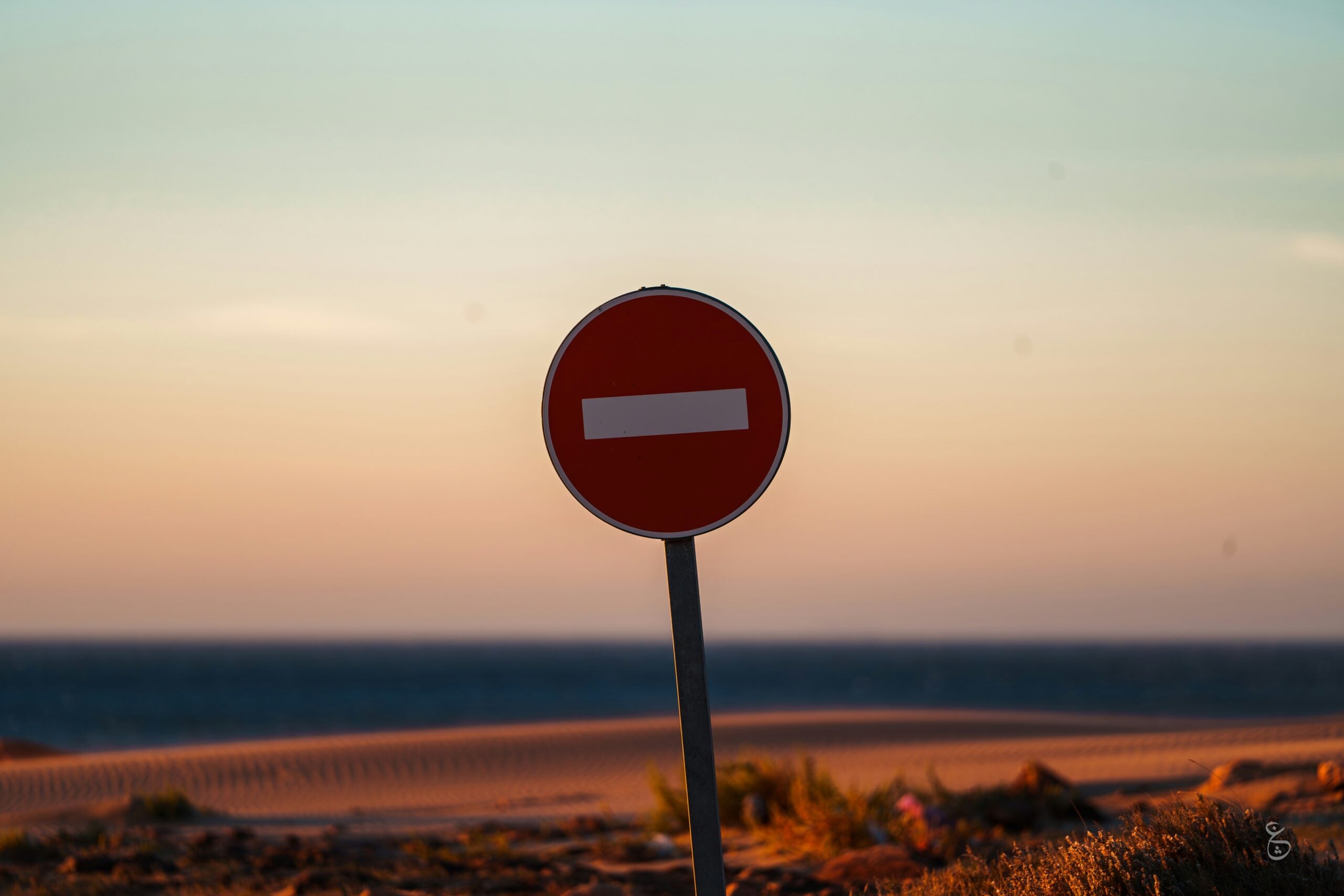
Although the world is incredibly diverse, people who travel across borders have obligations because of this diversity.In other places, something that appears totally harmless at home might be strictly prohibited.
Prior to your trip, spend some time learning about the most important laws as well as any odd restrictions that might surprise you.Remember that ignorance of the law is not an excuse, even if some of these prohibitions seem absurd or overly harsh.
A minor error, such as bringing gum to Singapore or disguised clothing to Jamaica, could lead to penalties, confiscation, or worse.Foreign visitors are not given preferential treatment, and local authorities take their regulations very seriously.
These peculiar bans also provide an intriguing window into the amazing diversity of human society.They serve as a reminder that there isn’t a single, accepted definition of what is required or appropriate.
For those who are prepared to approach the world with an open mind and a respectful attitude, these distinctions make it fascinating, difficult, and incredibly surprising.
More from Go2Tutors!

- The Romanov Crown Jewels and Their Tragic Fate
- 13 Historical Mysteries That Science Still Can’t Solve
- Famous Hoaxes That Fooled the World for Years
- 15 Child Stars with Tragic Adult Lives
- 16 Famous Jewelry Pieces in History
Like Go2Tutors’s content? Follow us on MSN.



