17 Deadliest Extreme Weather Events Recorded
Nature’s fury has claimed millions of lives throughout recorded history, with extreme weather events serving as devastating reminders of our planet’s immense power. From tropical cyclones that swallow entire coastlines to heat waves that transform cities into furnaces, these weather disasters have reshaped communities and changed the course of history. When we look at the deadliest extreme weather events ever documented, the numbers are staggering. Here is a list of 17 extreme weather events that stand as the most lethal in recorded history.
Bhola Cyclone (1970)

The 1970 Bhola Cyclone remains the deadliest tropical cyclone on record, claiming between 300,000 and 500,000 lives when it struck East Pakistan (now Bangladesh) on November 12, 1970. The storm surge devastated many of the offshore islands, wiping out villages and destroying crops throughout the region. The massive storm surge, estimated at 20-35 feet high, overwhelmed the flat, low-lying Ganges Delta region where millions lived in vulnerable coastal areas.
European Heat Wave (2003)
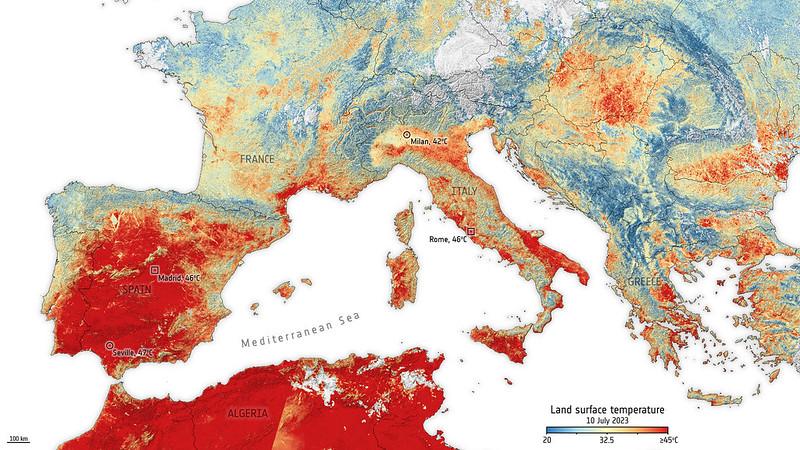
Europe’s summer of 2003 became a continental disaster when a massive high-pressure system parked over Europe, producing the hottest summer weather in more than 500 years and leading to most of those fatalities. An estimated 70,000 people died during three excruciating weeks in August. It was so hot electrical cables melted, nuclear reactors could not be cooled, water pumps failed, and museum specimens liquefied. France alone recorded 14,802 deaths in Paris, making it the worst natural disaster in contemporary French history.
Galveston Hurricane (1900)
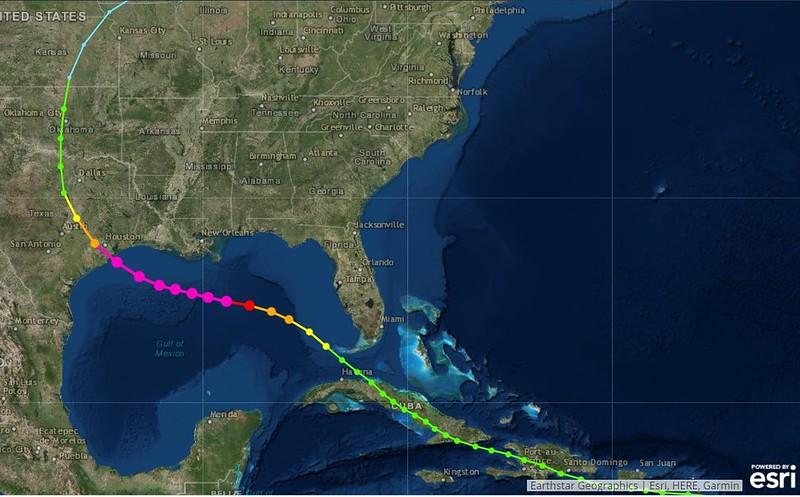
The 1900 Galveston hurricane, also known as the Great Galveston hurricane and the Galveston Flood, and known regionally as the Great Storm of 1900 or the 1900 Storm, was a catastrophic tropical cyclone that became the deadliest natural disaster in the history of the United States. This Category 4 storm killed between 8,000 and 12,000 people when it struck Galveston, Texas, on September 8, 1900. The hurricane generated storm surge up to 16 feet high that completely inundated the island city, destroying over 3,600 buildings and leaving the once-thriving port city in ruins.
Russian Heat Wave (2010)

The summer of 2010 brought catastrophic heat to Russia as part of a massive weather system that caused both extreme heat and flooding elsewhere. In the summer, one weather system caused oppressive heat in Russia, while farther south it caused flooding in Pakistan that inundated 62,000 square miles, about the size of Wisconsin. That single heat-and-storm system killed almost 17,000 people, more people than all the worldwide airplane crashes in the past 15 years combined. The Russian heat wave alone killed approximately 11,000 people while destroying crops and triggering massive wildfires.
Bangladesh Cyclone (1991)
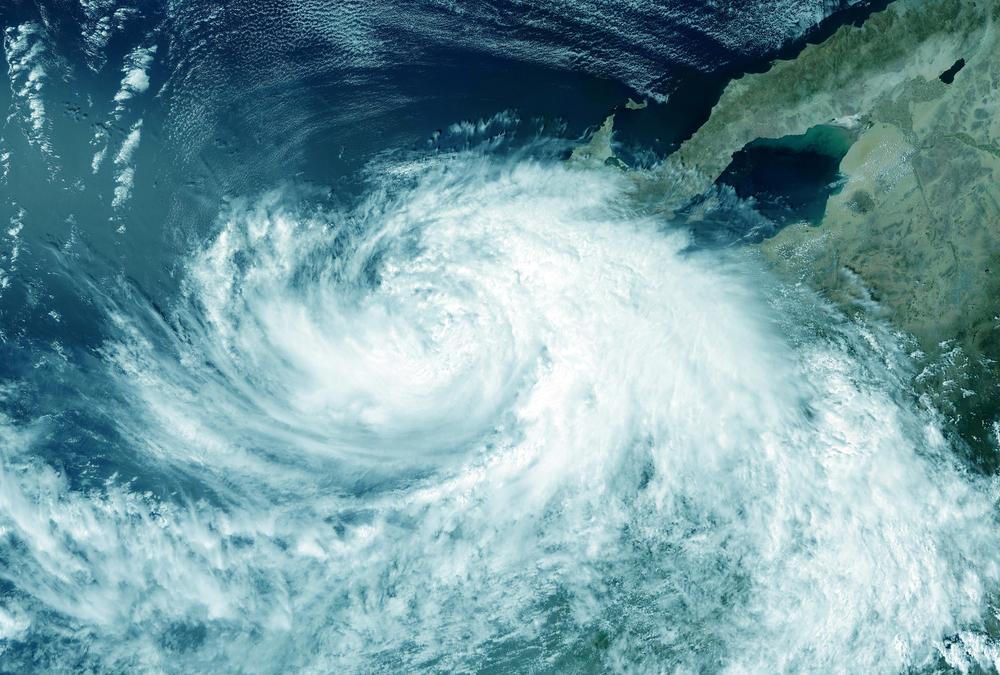
Another devastating cyclone struck Bangladesh on April 29, 1991, killing approximately 138,000 people and leaving millions homeless. The storm generated winds of 160 mph and a storm surge reaching 20 feet in some areas. Like its 1970 predecessor, this cyclone devastated the same vulnerable coastal regions where dense populations lived on low-lying land with few evacuation options.
Haiphong Typhoon (1881)
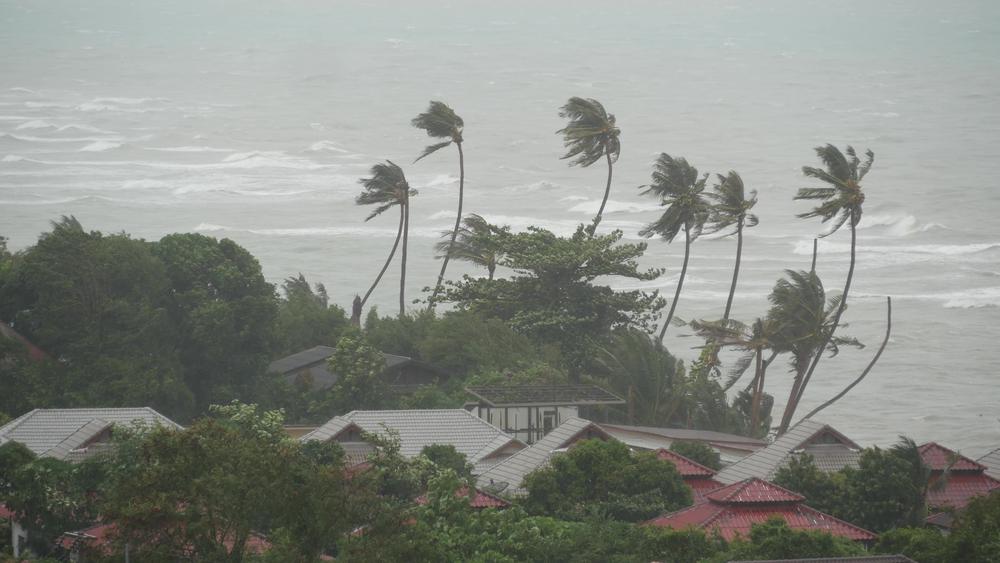
The Haiphong Typhoon hit northern Vietnam on October 8, 1881, and it is still remembered as one of the most lethal tropical cyclones in history. The storm made landfall around the key coastal port city of Haiphong, releasing devastating storm surge and flooding. Estimates show that nearly 300,000 people were killed, most of whom died due to drowning or the collapse of poorly designed buildings. The flooding was so catastrophic it wiped out entire villages while inundating farmland across the region.
Great Backerganj Cyclone (1876)
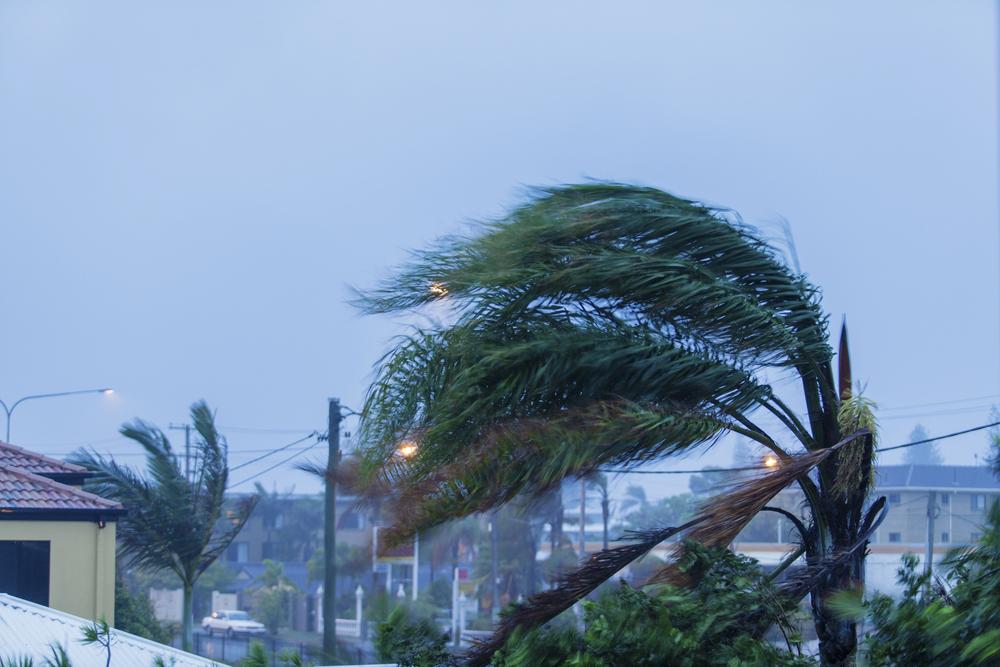
The Great Backerganj Cyclone of 1876 is one of the deadliest storms recorded in history. This tropical cyclone struck what is now Bangladesh on October 31, 1876, killing around 200,000 people. This storm caused so much destruction that regions impacted took over a decade to recover. The cyclone generated a massive storm surge that created tsunami-like flooding, completely destroying coastal infrastructure and agricultural areas.
China Flood (1931)

The Yangtze River flood of 1931 stands as one of the deadliest natural disasters in recorded history. It covered tens of thousands of square miles, flooding rice fields and various cities, including Nanjing and Wuhan. The flood affected more than 50 million people. Government organizations, including the National Oceanic and Atmospheric Administration, estimated the death toll to have been about 3.7 million people. Heavy rains combined with snowmelt overwhelmed the river system, creating a disaster of unprecedented scale.
Typhoon Nina (1975)

Super Typhoon Nina struck China in 1975, causing what became known as one of the world’s deadliest flooding disasters. It rapidly escalated to super typhoon level, boasting winds of 160 mph (260 km/h), and first made landfall in Taiwan as a Category 3 storm on August 2, 1975, after which it moved to Henan Province, China. The storm caused the catastrophic failure of the Banqiao Dam and 62 other dams. Approximately 26,000 people died, while the remaining 100,000 suffered indirectly through starvation, disease, and extended flooding.
Chicago Heat Wave (1995)
The July 1995 Chicago heat wave demonstrated how modern cities can become death traps during extreme heat events. South-central and Southeast Wisconsin experienced a historic heat wave during the period of July 12-15, 1995, that resulted in 71 directly-related heat deaths, and 70 indirectly-related deaths. In Chicago, the death toll exceeded 750 people during five brutal days when temperatures soared above 100°F with heat index values reaching 120-128°F. The combination of extreme heat and high humidity, particularly dangerous overnight temperatures, made recovery impossible for vulnerable populations.
Hurricane Mitch (1998)
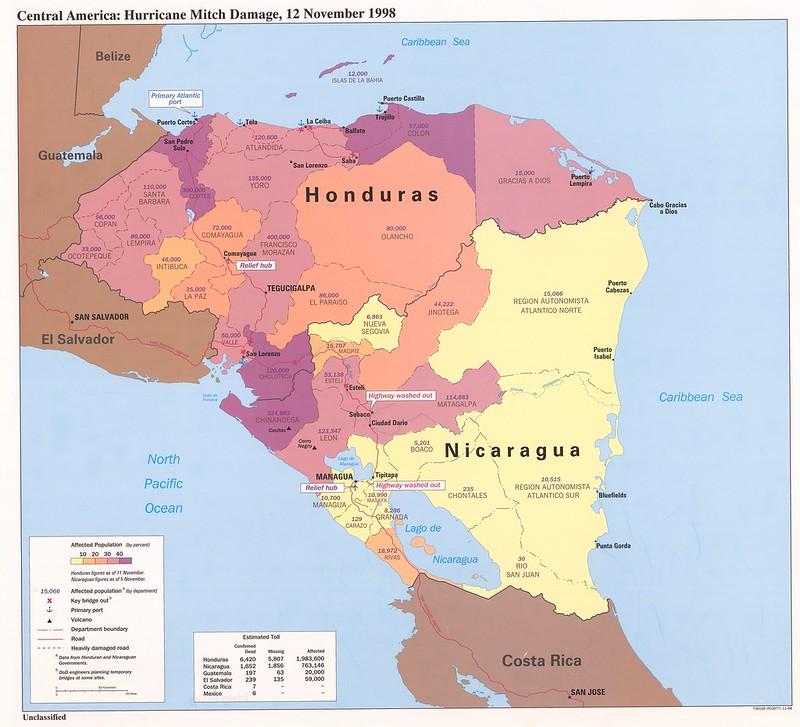
Hurricane Mitch became Central America’s deadliest hurricane when it struck in late October 1998. In recent years, the deadliest Atlantic hurricane was Hurricane Mitch of 1998, with at least 11,374 deaths attributed to it. The storm stalled over Honduras and Nicaragua for several days, dumping unprecedented amounts of rainfall that triggered catastrophic flooding and deadly landslides across the region. Entire communities were swept away by mudslides and floodwaters.
Hurricane Katrina (2005)
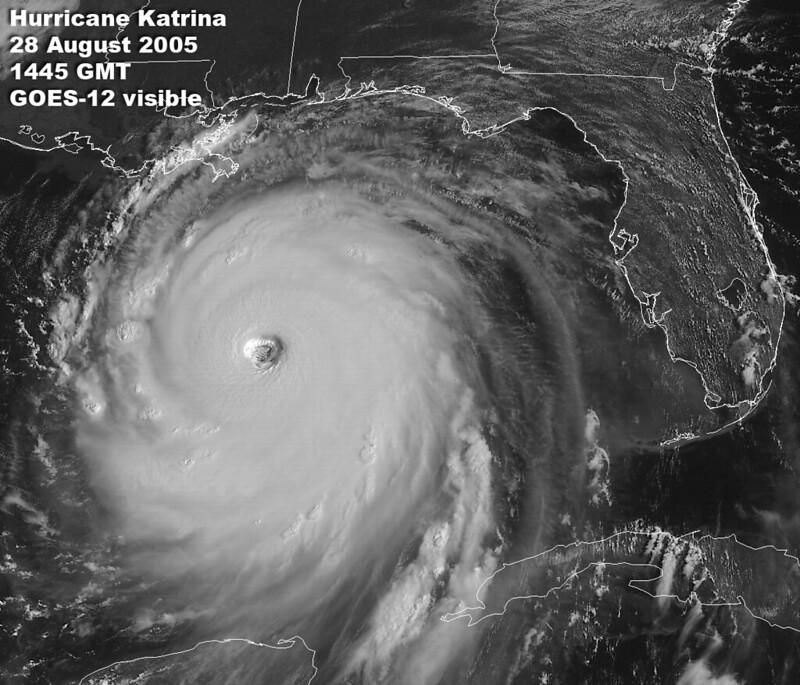
While not among the deadliest by global standards, Hurricane Katrina stands as America’s most devastating recent hurricane disaster. The storm killed approximately 1,833 people when it struck the Gulf Coast on August 29, 2005. New Orleans bore the brunt of the disaster when levee failures flooded 80% of the city. Katrina was one of the most devastating hurricanes in the history of the United States. It is the deadliest hurricane to strike the United States since the Palm Beach-Lake Okeechobee hurricane of September 1928.
Cyclone Nargis (2008)
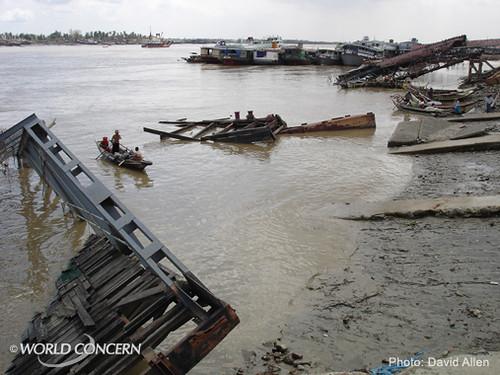
Cyclone Nargis in 2008 devastated the southern delta region of Myanmar, southeast of Bangladesh, with extreme storm-surge flooding. More than 130,000 people were killed. The cyclone struck Myanmar’s Irrawaddy Delta on May 2-3, 2008, with winds of 165 mph and storm surge up to 12 feet high. The disaster was worsened by Myanmar’s military government, which initially refused international aid and blocked relief efforts for critical days following the storm.
India Heat Wave (2015)

India’s brutal heat wave of 2015 killed more than 2,400 people across the states of Andhra Pradesh and Telangana. Temperatures soared above 118°F (48°C) for consecutive days in May, creating deadly conditions particularly dangerous for outdoor workers and the elderly. The heat was so intense it melted asphalt roads in New Delhi and caused widespread power outages as air conditioning demands overwhelmed electrical grids.
Texas Flash Flood (2025)

At least 138 were killed in the Texas Hill Country when up to 20 inches of rain fell over parts of Kerr County, sending a 26-foot flood wave down the Guadalupe River in the early morning hours of July 4, 2025. This recent disaster demonstrates that extreme weather continues to pose deadly threats. The Fourth of July Texas flood tragedy has become America’s deadliest rainfall flood in almost 50 years and ranks among the nation’s biggest rainfall flood killers since the mid-20th century.
Pakistan Floods (2010)

The devastating floods that struck Pakistan in 2010 killed approximately 2,000 people and affected over 20 million more. That single heat-and-storm system killed almost 17,000 people, more people than all the worldwide airplane crashes in the past 15 years combined. The flooding covered an area roughly the size of England, destroying crops, livestock, and infrastructure across one-fifth of the country.
Europe's Silent Epidemic
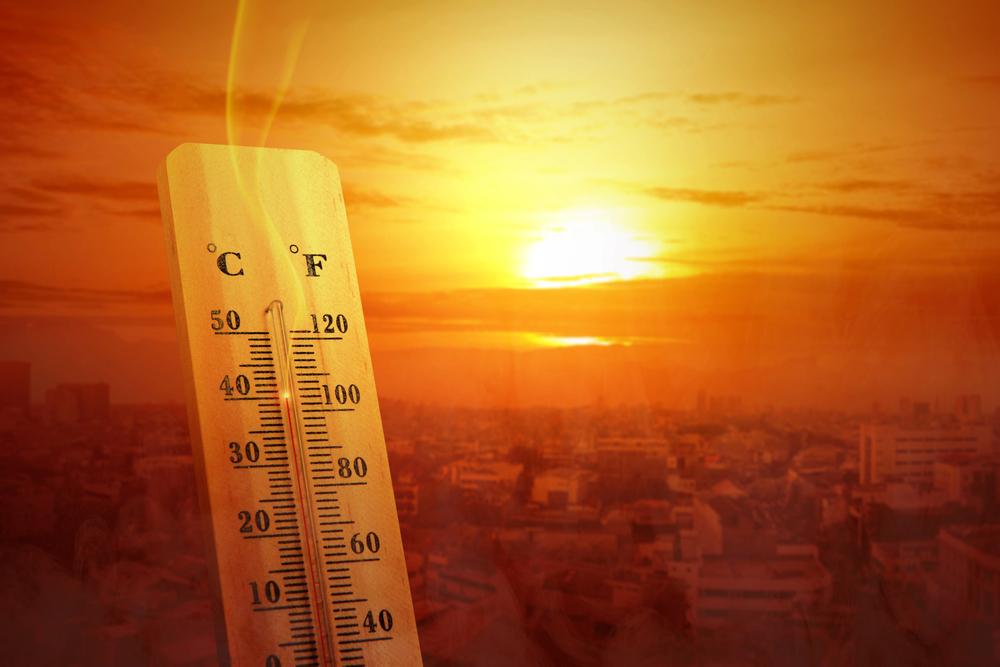
Extreme heat is the number-one weather-related cause of death in the U.S., and it kills more people most years than hurricanes, floods and tornadoes combined. While individual heat waves may not always make dramatic headlines like hurricanes or tornadoes, they consistently rank among the deadliest weather phenomena. Heat waves kill silently, often affecting the most vulnerable populations who lack access to air conditioning or adequate shelter. A study published in August 2024 in the journal JAMA found that from 1999 to 2023, there were 21,518 heat-related deaths in the United States.
Nature's Relentless Reminder

These catastrophic weather events span more than a century of recorded history, yet they share common threads: vulnerable populations in exposed areas, inadequate warning systems, and the sheer overwhelming power of nature unleashed. While modern forecasting and emergency response have saved countless lives, extreme weather continues to pose existential threats to communities worldwide. Climate change promises to intensify many of these hazards, making the lessons learned from history’s deadliest storms more critical than ever for protecting future generations.
More from Go2Tutors!

- 16 Historical Figures Who Were Nothing Like You Think
- 12 Things Sold in the 80s That Are Now Illegal
- 15 VHS Tapes That Could Be Worth Thousands
Like Go2Tutors’ content? Follow us on MSN.