17 Discontinued Products That Should Return
Businesses frequently make terrible mistakes when deciding which products to keep on the market and which to quietly retire. Over the years, many cherished items have disappeared from stores, leaving loyal customers to question why such excellent products had to go out of style. These discontinued products, which range from snack foods that shaped childhoods to avant-garde technology, continue to have ardent fan bases years after they were phased out.
Some of the most overlooked items in retail history are represented by the following products. These 17 discontinued products are worthy of being given another chance.
Crystal Pepsi
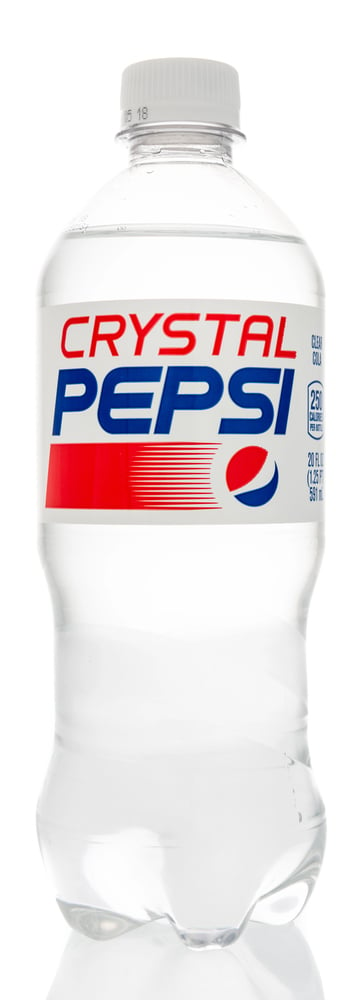
Crystal Pepsi hit stores in 1992 with the promise of caffeine-free cola that looked like water — a marketing concept that seemed brilliant at the time. The clear cola actually tasted remarkably similar to regular Pepsi, though consumers couldn’t quite wrap their heads around transparent soda. PepsiCo pulled it after just one year, yet nostalgic millennials still petition for its return on social media.
McDonald’s McRice
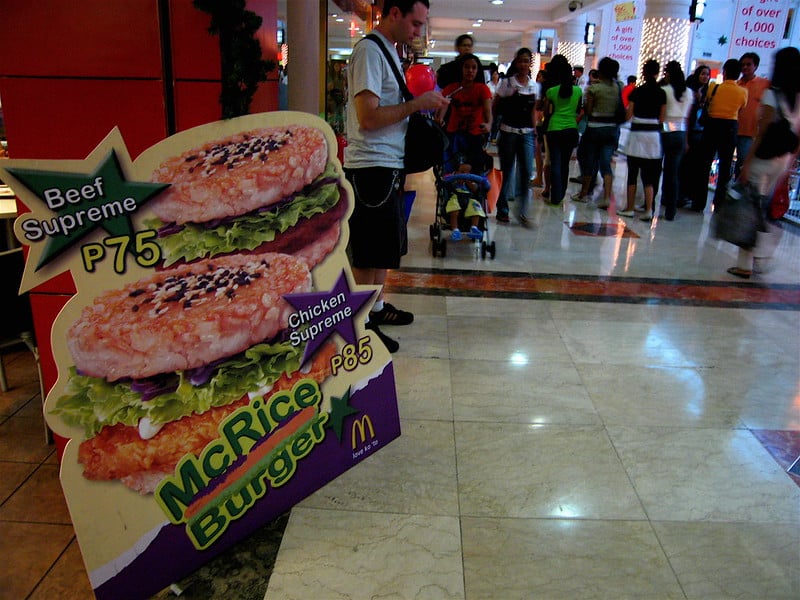
McDonald’s briefly tested McRice in the Philippines and Taiwan during the 1980s — essentially their attempt at creating fast-food rice dishes. The concept made perfect sense for Asian markets where rice is a dietary staple, offering items like chicken curry over steamed rice. McDonald’s discontinued the line, though many believe it could succeed today given the growing popularity of international flavors.
Taco Bell’s Mexican Pizza
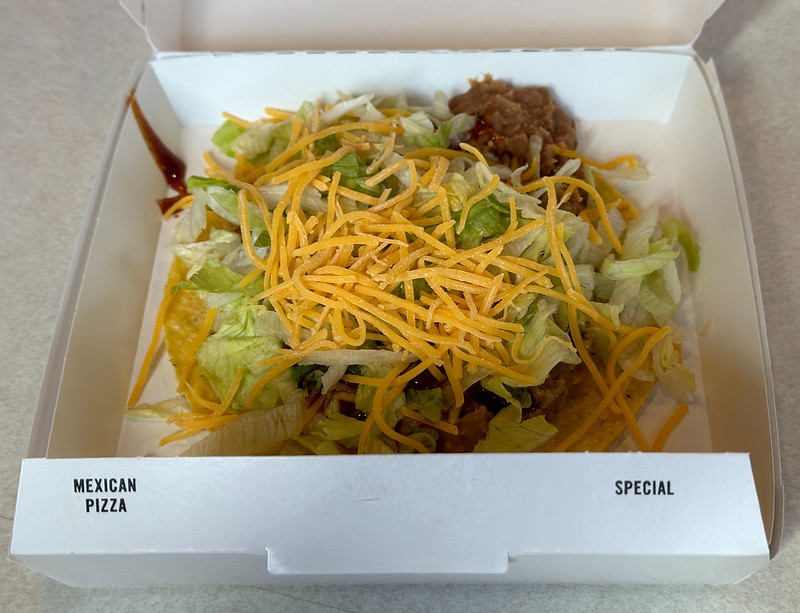
Taco Bell’s Mexican Pizza was essentially a tostada sandwich — two crispy tortillas filled with beans, meat, and cheese, then topped with sauce and more cheese. The item had a devoted cult following for over 30 years before Taco Bell removed it in 2020, citing environmental concerns about packaging. Fan outcry was so intense that the company brought it back briefly, proving its enduring popularity.
Surge Soda
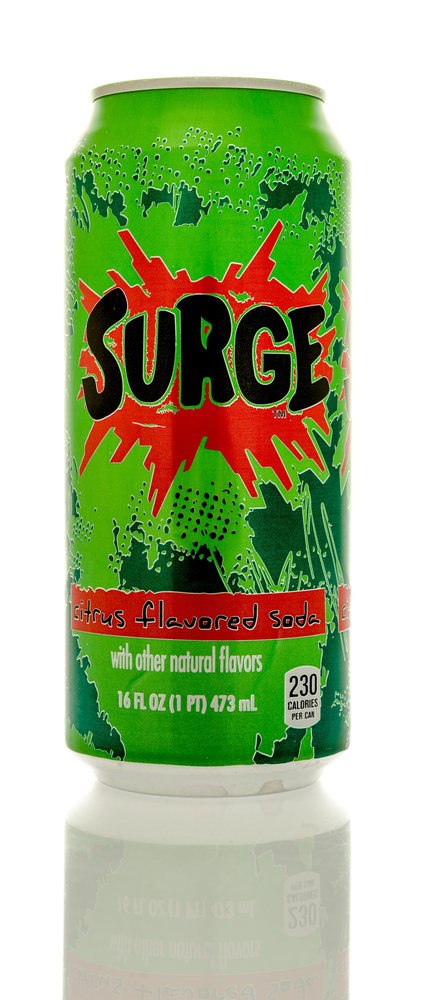
— Photo by homank76
Coca-Cola created Surge in 1997 as its answer to Mountain Dew — a highly caffeinated citrus soda with aggressive marketing aimed at extreme sports enthusiasts. The bright green beverage gained a loyal following among teenagers and gamers, though Coca-Cola discontinued it in 2003 due to declining sales. Online campaigns eventually convinced the company to bring it back in limited quantities, showing there’s still demand.
Planters Cheez Curls
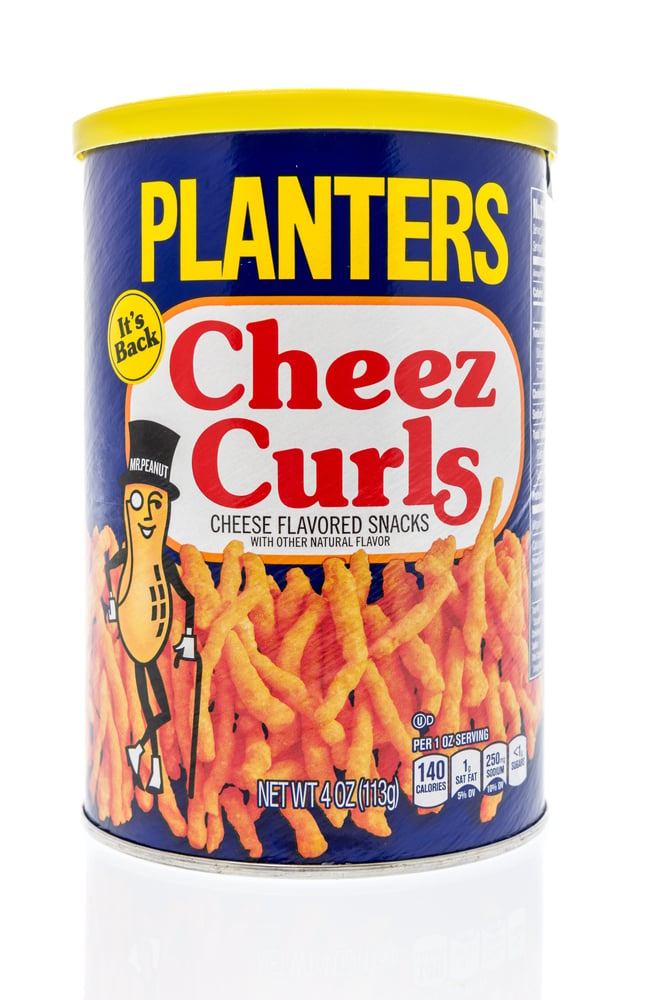
— Photo by homank76
Planters made some of the best cheese puffs on the market — their Cheez Curls had a perfect balance of crunch and flavor that many considered superior to competitors. The snack disappeared from shelves sometime in the early 2000s without much fanfare or explanation from the company. Fans still reminisce about their distinctive taste and texture on food forums.
Jolt Cola
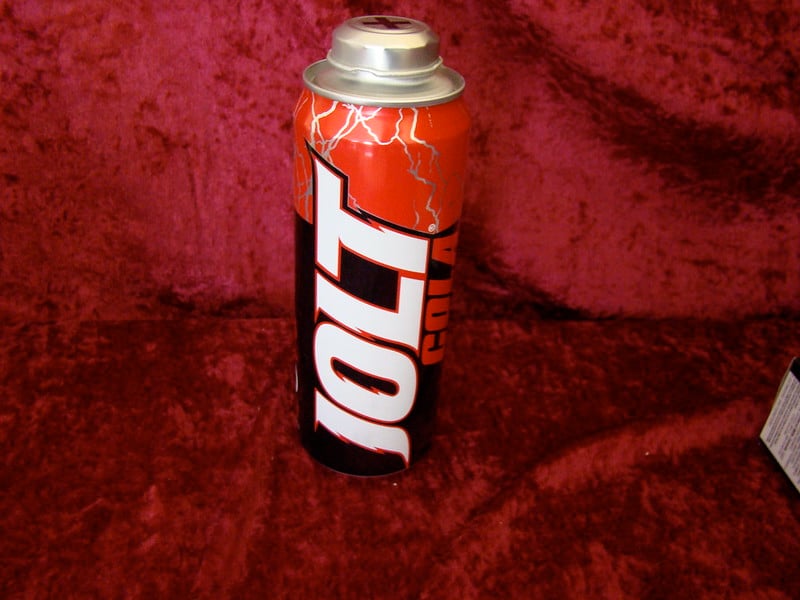
Jolt Cola launched in 1985 with the memorable slogan ‘All the sugar and twice the caffeine’ — making it the original energy drink before energy drinks became mainstream. The cola contained massive amounts of caffeine and sugar, appealing to college students and night-shift workers who needed serious fuel. Production ceased in 2019, though the brand occasionally resurfaces in limited markets.
Dunkaroos
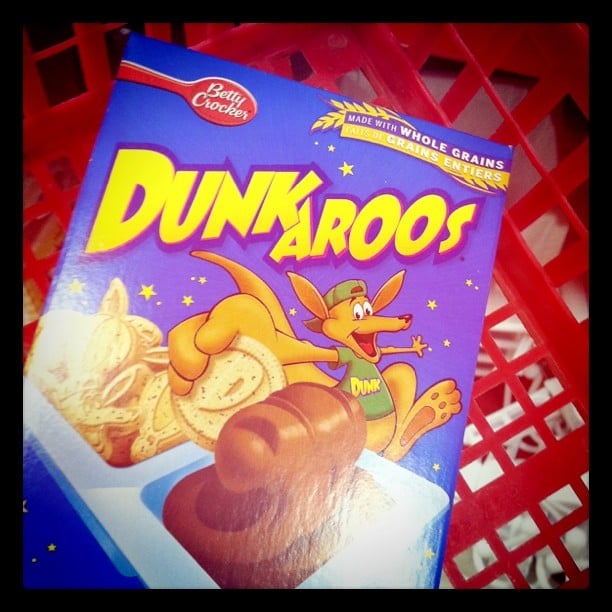
Dunkaroos were essentially cookies and frosting in a convenient snack pack — chocolate chip cookies paired with vanilla or chocolate frosting for dipping. General Mills discontinued them in the United States in 2012, though they remained available in Canada, creating a cross-border snack smuggling phenomenon. The company finally brought them back in 2020 due to persistent fan demand.
Blockbuster Video
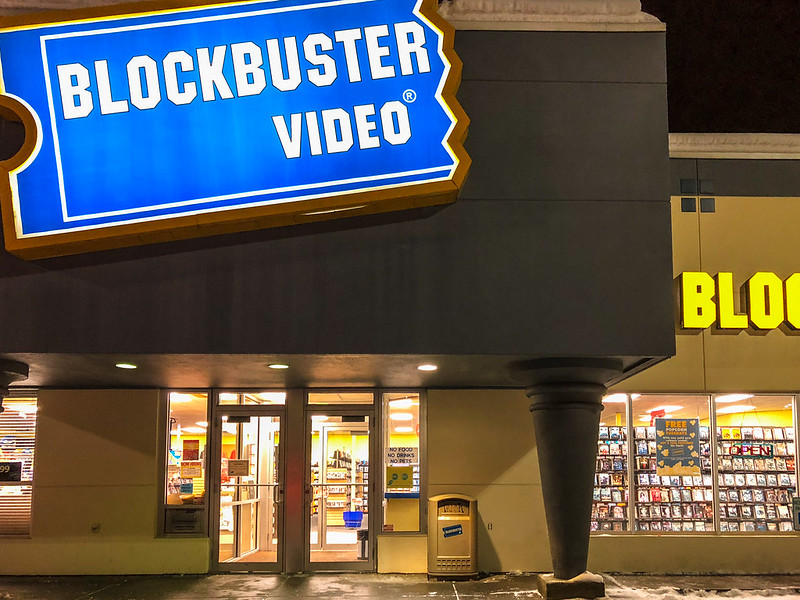
Blockbuster represented the golden age of movie rentals — browsing physical shelves, discovering hidden gems, and the thrill of snagging the last copy of a new release. The chain filed for bankruptcy in 2010 as streaming services took over, yet many people miss the social experience of visiting video stores. One location in Oregon remains open as a nostalgic reminder of what we’ve lost.
Pepsi Blue
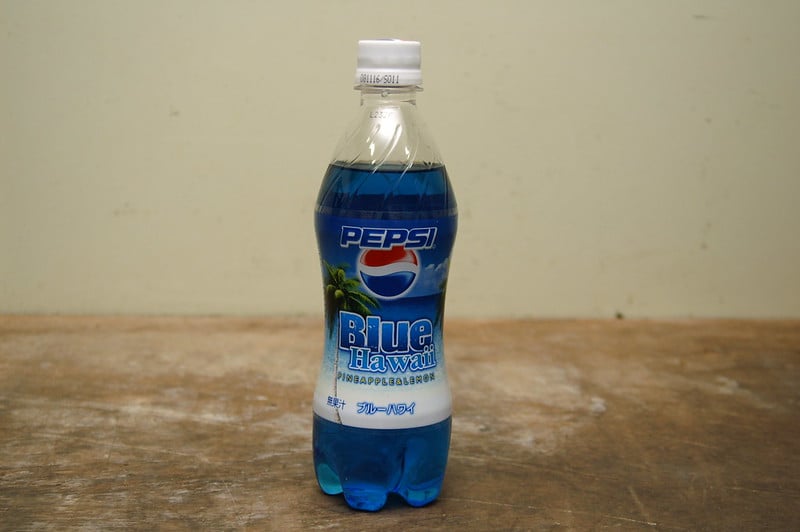
Pepsi Blue debuted in 2002 as a berry-flavored cola with an eye-catching blue color — clearly targeting younger consumers who wanted something different from traditional sodas. The drink lasted only two years in most markets, though it developed a passionate following among those who tried it. Limited re-releases in recent years have proven there’s still interest in this unusual flavor combination.
3D Doritos
— Photo by PBT
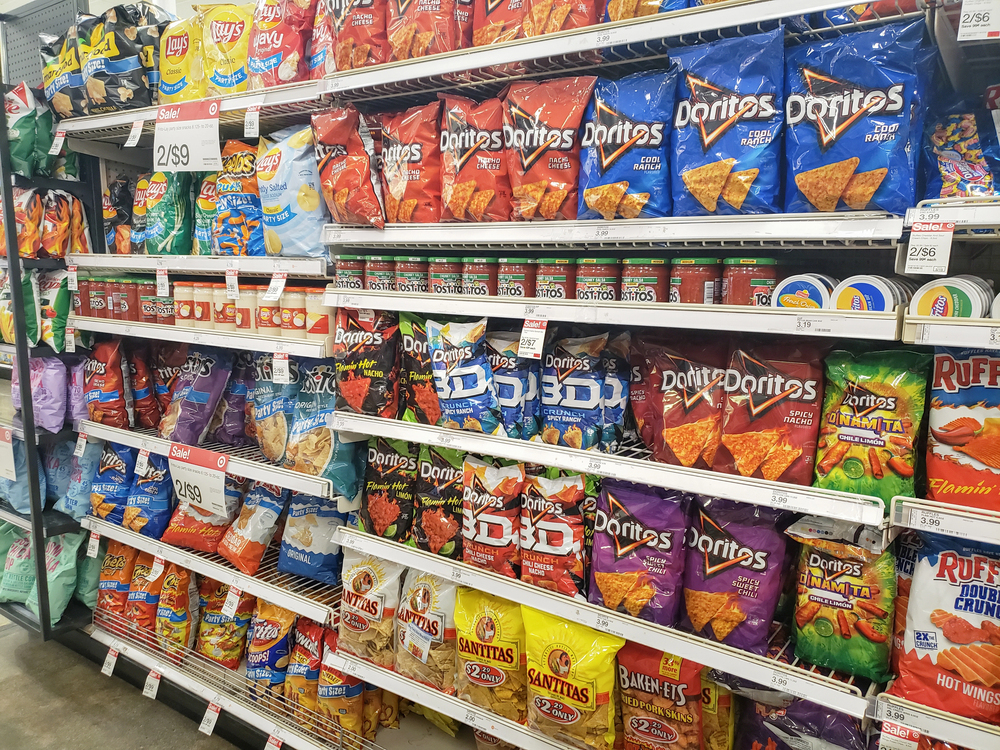
3D Doritos were essentially hollow, pyramid-shaped versions of the classic chip — offering more surface area for seasoning and a satisfying crunch. Frito-Lay introduced them in the late 1990s with clever advertising, though they disappeared after a few years on the market. The company has occasionally brought back similar products, recognizing that the original concept was ahead of its time.
Original Four Loko
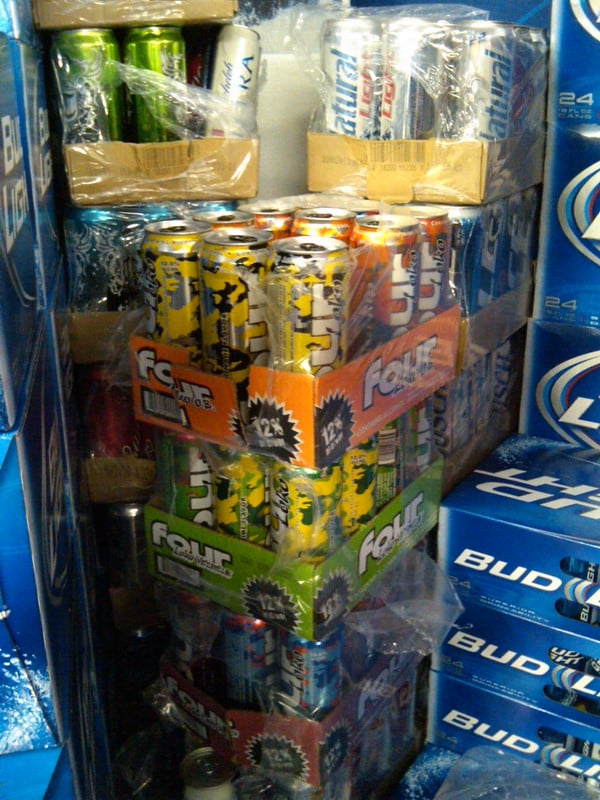
The original Four Loko combined alcohol with caffeine, creating an intensely potent beverage that became legendary on college campuses. Regulators forced the company to remove caffeine from the formula in 2010 due to safety concerns, fundamentally changing the product. While the current version still exists, many argue it’s not the same experience without the original stimulant combination.
Squeezit

Squeezit drinks came in colorful plastic bottles that kids could squeeze to drink — making them perfect for lunch boxes and after-school snacks. General Mills produced dozens of flavors with fun names like ‘Grumpy Grape’ and ‘Silly Billy Strawberry,’ appealing to children who loved both the taste and interactive packaging. The brand disappeared in the early 2000s, leaving many adults nostalgic for their childhood refreshment.
McDonald’s Szechuan Sauce
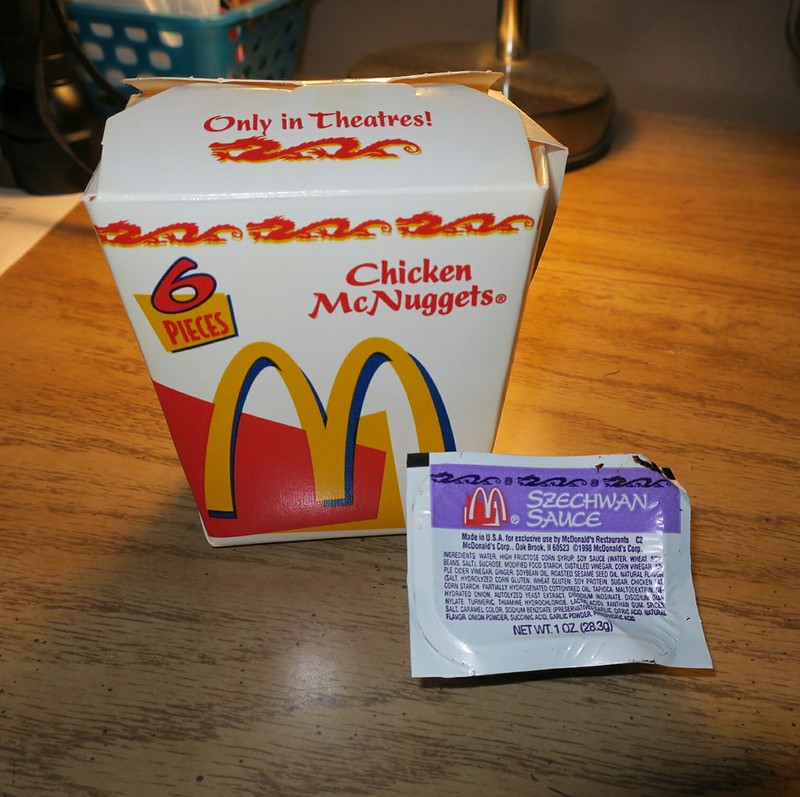
McDonald’s briefly offered Szechuan dipping sauce in 1998 to promote Disney’s Mulan, then brought it back for one day in 2017 after fan demand exploded. The sweet and tangy sauce became internet-famous thanks to a popular animated show reference, creating massive lines at participating restaurants. McDonald’s underestimated demand during the 2017 revival, leading to disappointed fans and calls for a permanent return.
Fruitopia
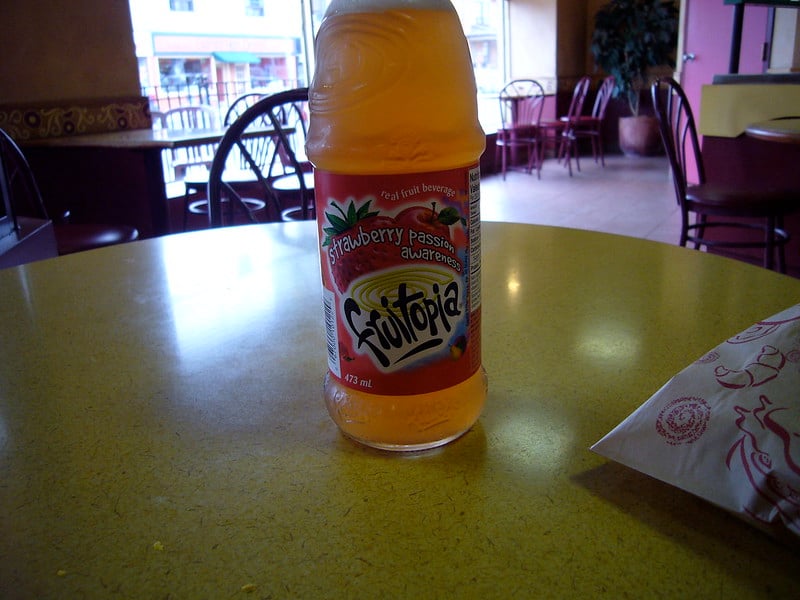
Coca-Cola launched Fruitopia in the mid-1990s as a psychedelic fruit drink brand with trippy marketing and unusual flavor combinations. The beverages had names like ‘Strawberry Passion Awareness’ and featured kaleidoscope packaging that perfectly captured the era’s alternative culture aesthetic. While the brand faded by the early 2000s, its unique approach to beverage marketing influenced many subsequent products.
Heinz EZ Squirt Ketchup
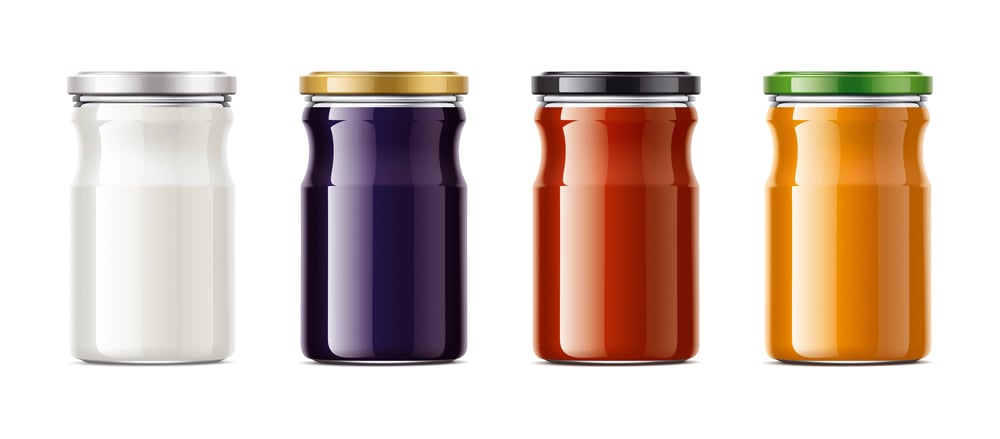
Heinz created colored ketchup in the early 2000s, offering bottles of green, purple, and blue condiment that tasted exactly like regular ketchup. Kids absolutely loved the novelty of colorful ketchup on their food, while parents appreciated that it encouraged vegetable consumption. The company discontinued the line after a few years, though many families still remember the fun it brought to mealtime.
Altoids Sours
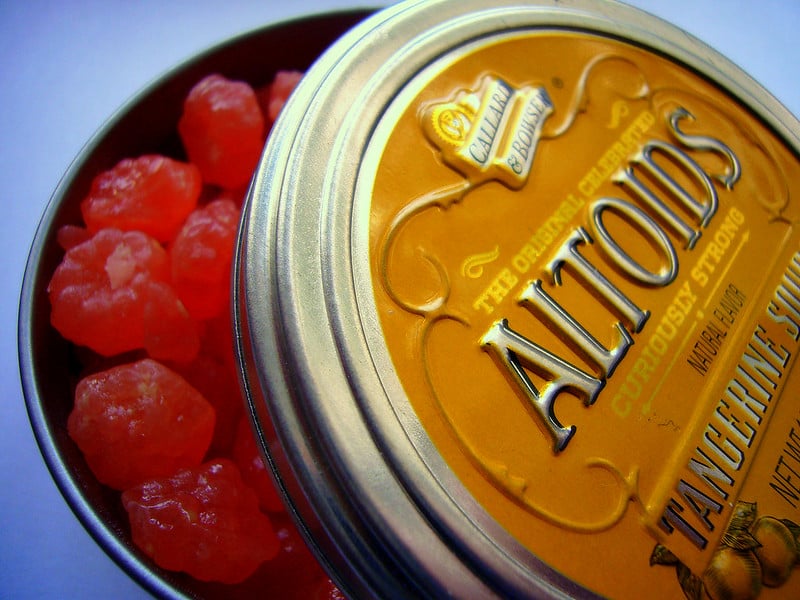
Altoids branched out from mints to create intensely sour hard candies that packed serious pucker power. The tangy treats came in flavors like apple, cherry, and lime, offering a more extreme taste experience than typical sour candy. Kraft discontinued them in 2010, leaving sour candy enthusiasts searching for adequate replacements that never quite measured up.
Google Reader
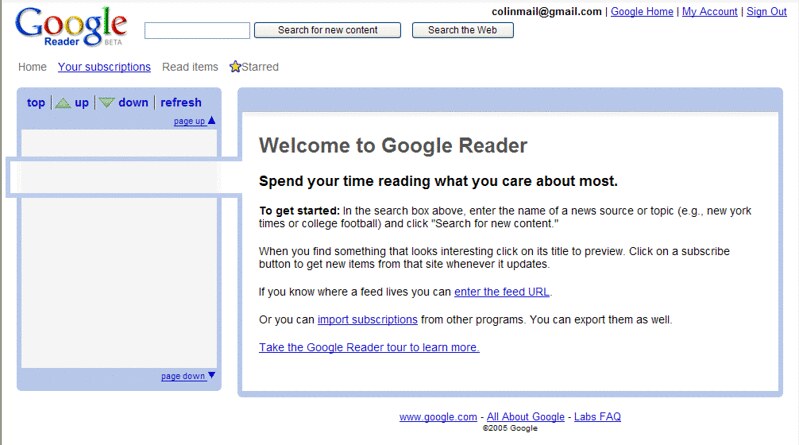
Google Reader was the ultimate RSS feed aggregator, allowing users to follow hundreds of websites and blogs from a single, clean interface. The service launched in 2005 and gained a devoted following among heavy internet users who valued its efficiency and organizational features. Google shut it down in 2013 to focus on Google+, creating a massive void in the RSS ecosystem that no replacement has adequately filled.
Why Innovation Sometimes Goes Backward

These discontinued products are a reminder that companies don’t always make decisions based only on what their customers want. Numerous factors, such as market conditions, manufacturing costs, regulatory concerns, and shifts in corporate strategy, influence which products become part of retail history and which do not. The passionate fan bases that surround these products, however, show that sometimes the best products are those that we can no longer afford, leaving us to wonder what might have been in a different circumstance.
More from Go2Tutors!

- 16 Historical Figures Who Were Nothing Like You Think
- 12 Things Sold in the 80s That Are Now Illegal
- 15 VHS Tapes That Could Be Worth Thousands
- 17 Historical “What Ifs” That Would Have Changed Everything
- 18 TV Shows That Vanished Without a Finale
Like Go2Tutors’s content? Follow us on MSN.



