15 Real-Life Rags-to-Riches Stories
The most inspiring stories aren’t the ones where success comes easy—they’re the ones where it’s earned through grit, determination, and refusing to let circumstances define your future. These tales remind us that your starting point doesn’t determine your destination, and that sometimes the biggest obstacles create the strongest foundations for extraordinary achievement.
From homeless shelters to boardrooms, from welfare lines to red carpets, these individuals prove that the American Dream—and dreams everywhere—are still very much alive. Here is a list of 15 remarkable rags-to-riches stories that show what’s possible when talent meets tenacity.
Oprah Winfrey
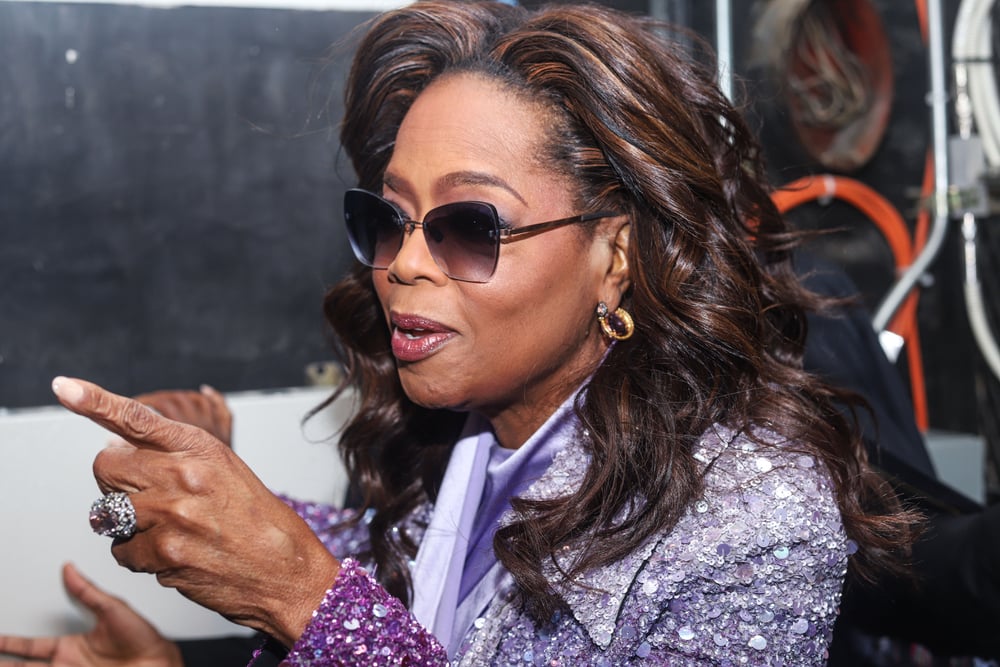
Born into rural poverty in Mississippi in 1954, Oprah Winfrey wore dresses made from potato sacks and endured years of abuse while being shuffled between family members. Her life changed dramatically at age 14 when she moved to Nashville to live with her father, who provided the structure and discipline she desperately needed. She became a millionaire at 32 when her talk show went national and eventually became the world’s first Black female billionaire with a net worth exceeding $3 billion.
Andrew Carnegie
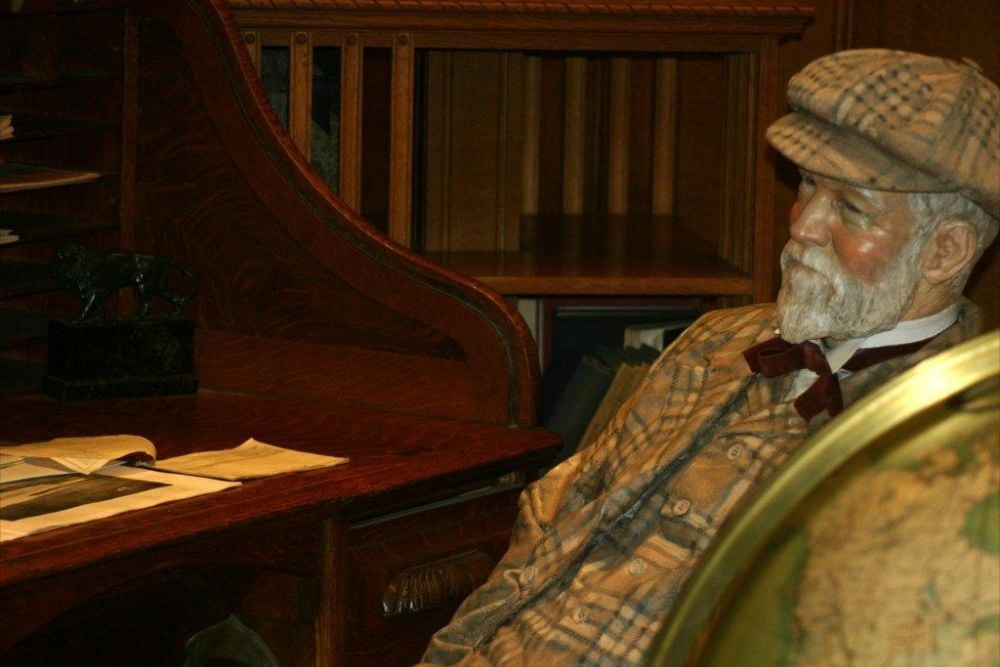
Often called the quintessential rags-to-riches story, Andrew Carnegie was born in 1835 in a small one-room home in Scotland to a family of destitute laborers. After emigrating to America in 1848, the 13-year-old worked in a textile mill earning just $1.20 per week before eventually becoming superintendent of the Pennsylvania Railroad’s western division. Carnegie built his steel empire from these humble beginnings and became one of the richest men in American history during the Gilded Age.
J.K. Rowling
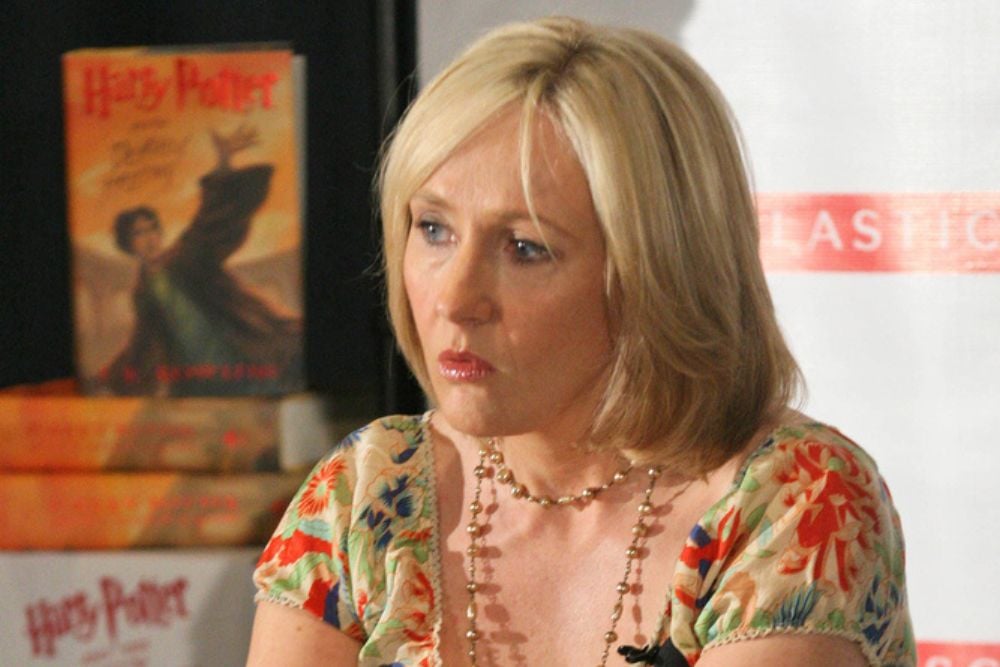
J.K. Rowling was an unemployed single mother living on welfare benefits, describing herself as being ‘poor as it is possible to be in modern Britain, without being homeless.’ She wrote the first Harry Potter book while struggling financially, often working in cafes because she couldn’t afford to heat her apartment. Her Harry Potter novels have since gained worldwide attention, won multiple awards, and sold over 400 million copies, making her the United Kingdom’s best-selling living author.
Richard Branson
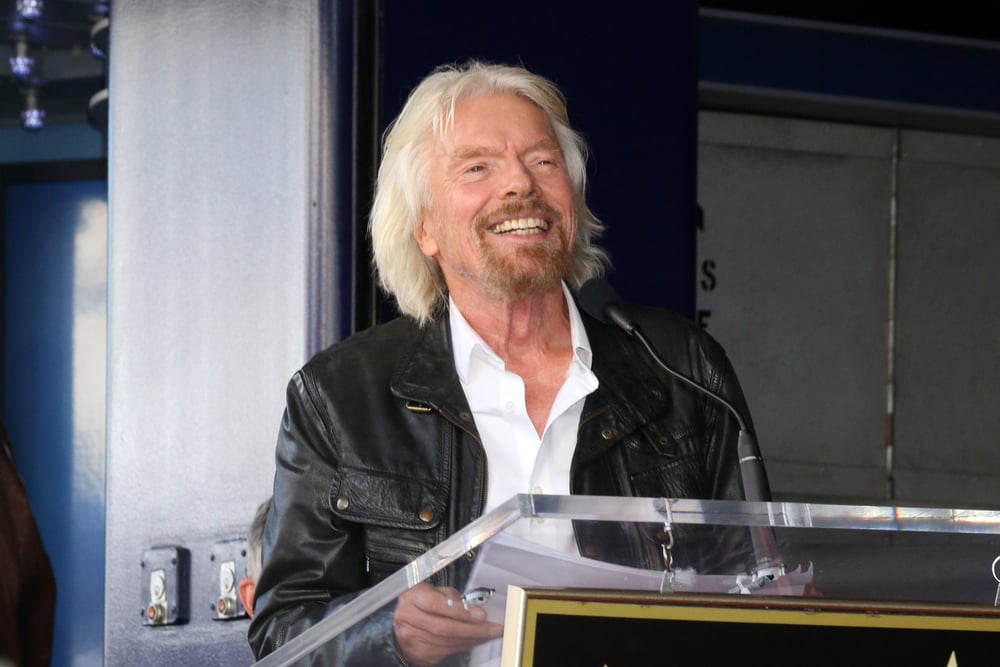
Born in 1950, Richard Branson struggled with dyslexia during his school years and dropped out at age 16 to start his first business—a mail-order record company—in 1970. From those modest beginnings, Branson built the Virgin Group, a conglomerate of more than 40 companies operating in 35 countries and employing over 60,000 people. His empire now spans music, airlines, telecommunications, and even space exploration, making him one of Britain’s most recognizable entrepreneurs.
Ralph Lauren
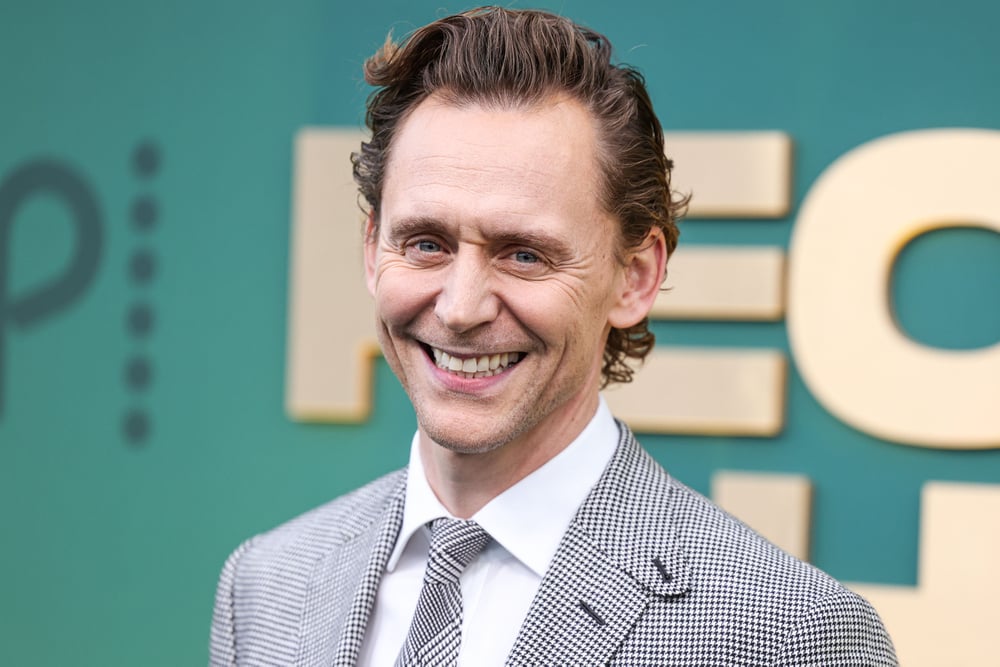
Ralph Lauren graduated high school in the Bronx, New York, but later dropped out of college to join the Army. It was while working as a clerk at Brooks Brothers that Lauren questioned whether men were ready for wider and brighter designs in ties. With no formal design training, elite connections, or financial head start, he turned a working-class identity into the cornerstone of one of the world’s most aspirational fashion brands.
Larry Ellison
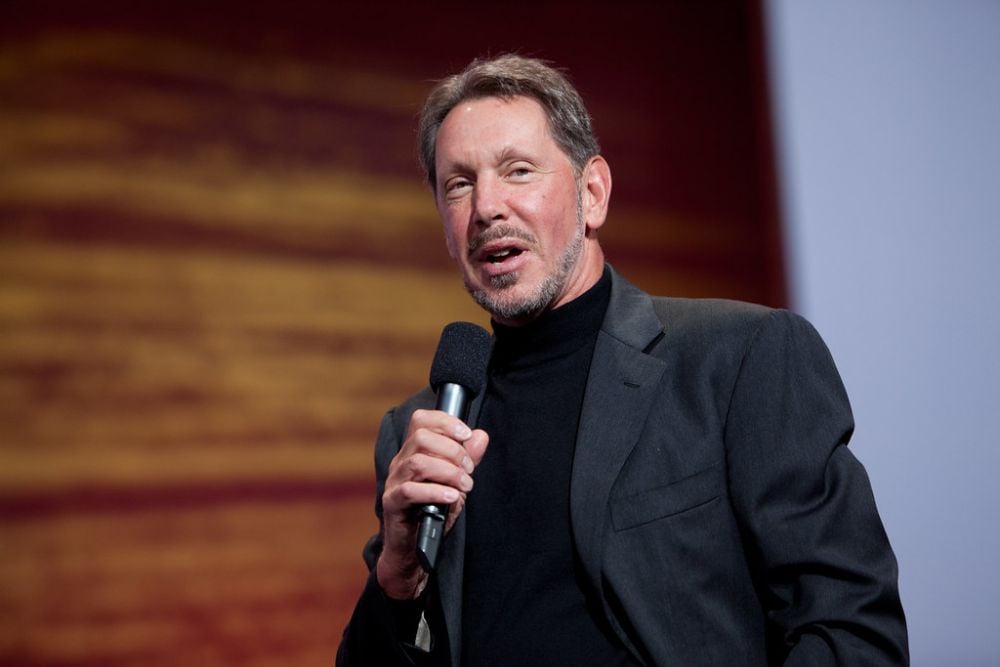
Larry Ellison was abandoned by his teenage mother and raised by his aunt and uncle in a modest Chicago neighborhood, where he often felt like an outsider. He dropped out of college twice and worked various odd jobs before co-founding Oracle Corporation in his thirties. At his financial peak, Ellison’s net worth exceeded $120 billion, making him one of the richest individuals on the planet and proving that resilience and bold vision can create empires out of very little.
Shahid Khan

When Khan came to the U.S. from Pakistan, he worked as a dishwasher while attending the University of Illinois, scraping by on minimal wages. Khan now owns Flex-n-Gate, one of the largest private companies in the U.S., the NFL’s Jacksonville Jaguars, and Premier League club Fulham. His automotive parts empire started from virtually nothing and now generates billions in revenue annually.
Do Won and Jin Sook Chang

After moving to the U.S. from Korea in 1981, Do Won Chang had to work three jobs simultaneously just to make ends meet while his wife Jin Sook supported their dream. The couple opened their first clothing store in 1984, and Forever 21 grew into an international, 480-store empire that generates around $3 billion in sales annually. Their story shows how immigrant determination can build retail dynasties from the ground up.
Cristiano Ronaldo

Cristiano Ronaldo’s mother was a cook while his father worked as a gardener, and he grew up in poverty sharing a room with his three elder siblings. Despite these humble beginnings, he became one of the world’s best-paid and most famous athletes, holding the record as the all-time leading goalscorer for both Real Madrid and Portugal. His journey from the streets of Madeira to global superstardom represents the ultimate sports rags-to-riches story.
François Pinault
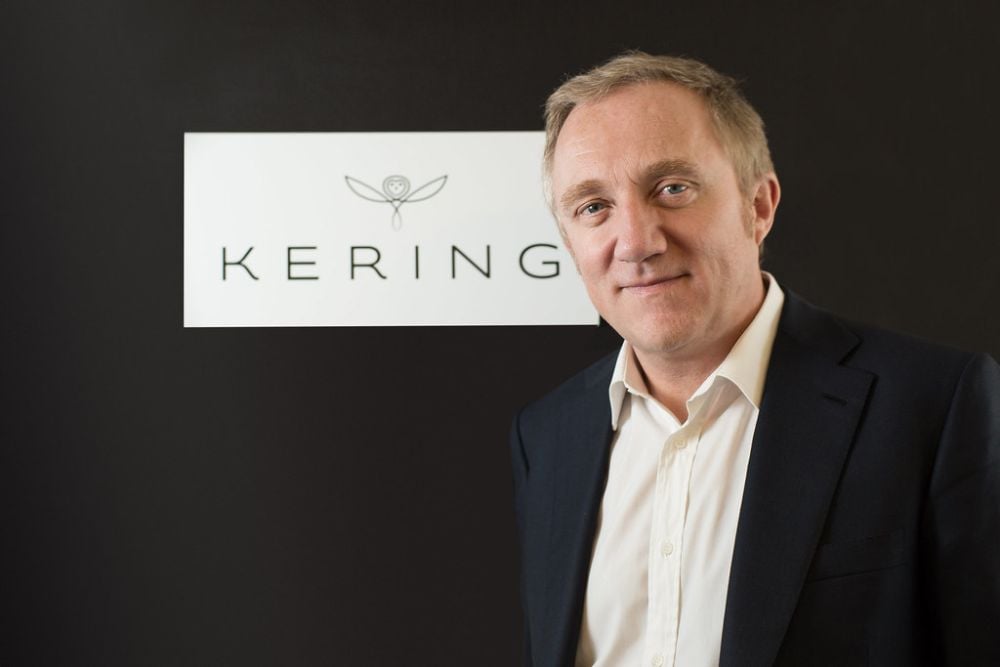
François Pinault was born in 1936 in rural Brittany, France, to a modest working-class family involved in the timber trade, where he faced ridicule from wealthier classmates for his background and wooden clogs. He dropped out of school at 16 to join his father’s small sawmill business full-time, but his vision extended far beyond lumber. Pinault transformed that small family business into a luxury empire that includes brands like Gucci and Saint Laurent, making him one of Europe’s wealthiest individuals.
Catherine I of Russia
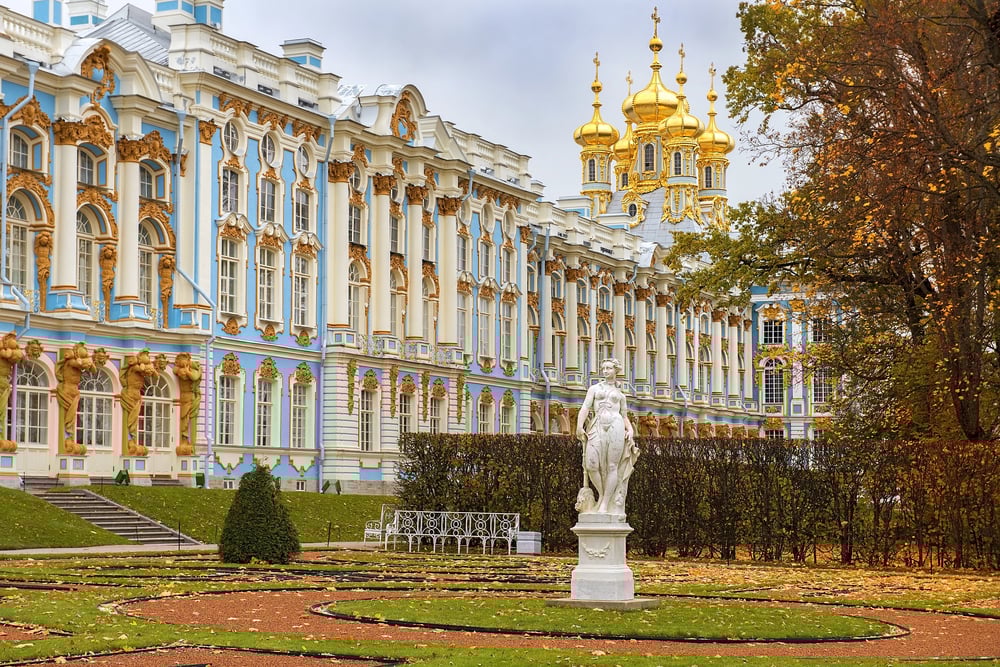
Born in 1684 into a family of Lithuanian peasants, the future Empress Catherine I was orphaned at age 3 after both her parents died from the plague. She spent her youth as a housemaid in Marienburg before being captured when Russia conquered the city in 1702, eventually becoming a servant in a high-ranking official’s home. Despite being uneducated and illiterate, Catherine charmed Emperor Peter the Great with her beauty and wit, eventually becoming Empress of Russia—one of history’s most unlikely rises to power.
John Paul DeJoria
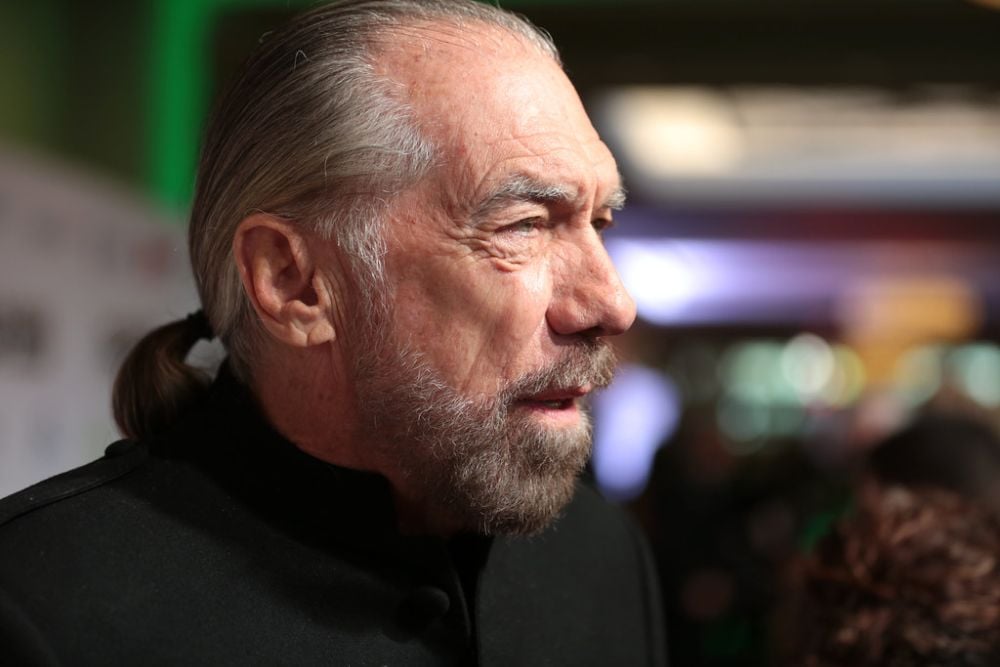
John Paul DeJoria was born to immigrant parents in Los Angeles, and after his parents separated when he was just two, he and his brother lived in a foster home because their mother couldn’t afford to care for them. He started working at age nine, selling Christmas cards and newspapers, and later did various jobs including janitorial work before co-founding John Paul Mitchell Systems in 1980 with just $700. Despite being fired from Redken Laboratories and even living in an old Rolls-Royce at one point, he built both a hair care empire and co-founded The Patrón Spirits Company.
Colonel Sanders
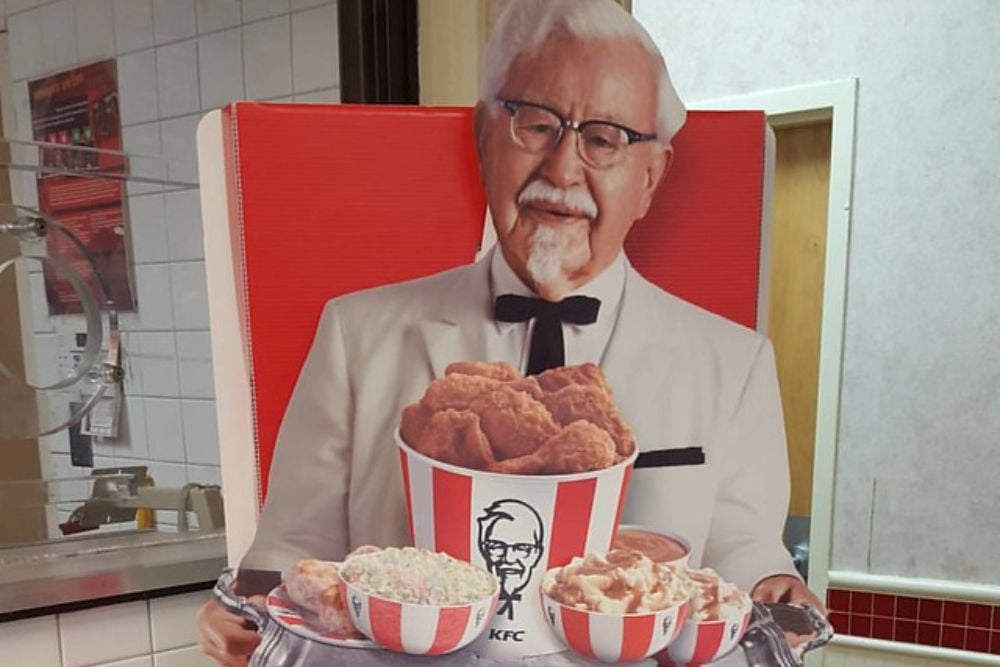
When Harland Sanders was 10 years old, he began working as a farmhand and went on to work various jobs including horse carriage painter, streetcar conductor, and insurance salesman. He didn’t find his calling until his sixties when he perfected his secret recipe of 11 herbs and spices for fried chicken. Sanders franchised his Kentucky Fried Chicken concept across the country, turning his small roadside restaurant into a global fast-food empire that made him a millionaire in his later years.
Li Ka-shing
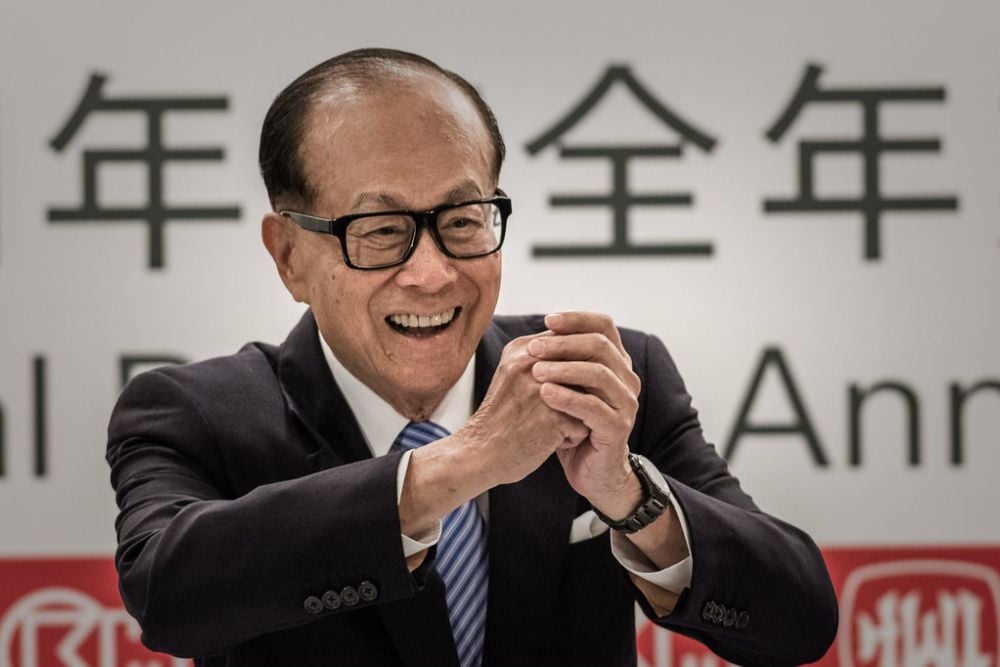
Li Ka-shing fled mainland China for Hong Kong in the 1940s, but tragedy struck when his father died when he was just 15, leaving him responsible for supporting his entire family. In 1950, he started his own company, Cheung Kong Industries, which initially manufactured plastics but would later expand into real estate and become a massive conglomerate. His business acumen and strategic investments eventually made him one of Asia’s wealthiest individuals, earning him the nickname ‘Superman’ in Hong Kong.
Roman Abramovich

Roman Abramovich was born in southern Russia into poverty and was orphaned at age 2, after which he was raised by an uncle and his family in a subarctic region of northern Russia. While studying at the Moscow Auto Transport Institute in 1987, he started a small company producing plastic toys, which helped him eventually establish an oil business and make his mark in the industry. As sole leader of Sibneft, he completed a merger that made it the fourth-biggest oil company in the world before selling it to Gazprom for $13 billion in 2005.
Where Dreams Meet Reality

These stories share common threads that weave through every successful transformation from poverty to prosperity. Each person faced moments when giving up seemed like the only logical choice, yet they persisted through failures, rejections, and setbacks that would have stopped most people in their tracks. Whether it was Oprah finding strength through education, Carnegie building connections in the railroad industry, or Rowling writing in cafes while struggling to feed her family, they all understood that success rarely happens overnight. These individuals didn’t just overcome their circumstances—they used their hardships as fuel, turning pain into purpose and obstacles into opportunities that ultimately defined their extraordinary legacies.
More from Go2Tutors!

- The Romanov Crown Jewels and Their Tragic Fate
- 13 Historical Mysteries That Science Still Can’t Solve
- Famous Hoaxes That Fooled the World for Years
- 15 Child Stars with Tragic Adult Lives
- 16 Famous Jewelry Pieces in History
Like Go2Tutors’s content? Follow us on MSN.



