15 Global Cities Consistently Ranked As Having the Best Quality of Life
Picture this: you wake up each morning to clean air, efficient public transport that actually runs on time, and a healthcare system that doesn’t bankrupt you. Streets are walkable, parks are accessible, and the local government seems to have its act together.
This isn’t a utopian fantasy — it’s daily reality for millions of people living in the world’s highest-quality cities. Quality of life rankings have become the modern equivalent of report cards for urban centers.
Organizations like the Economist Intelligence Unit, Mercer, and Monocle annually assess factors ranging from political stability and healthcare quality to cultural vibrancy and environmental conditions. The same cities tend to dominate these lists year after year, creating an elite club of urban excellence that others aspire to join.
Zurich
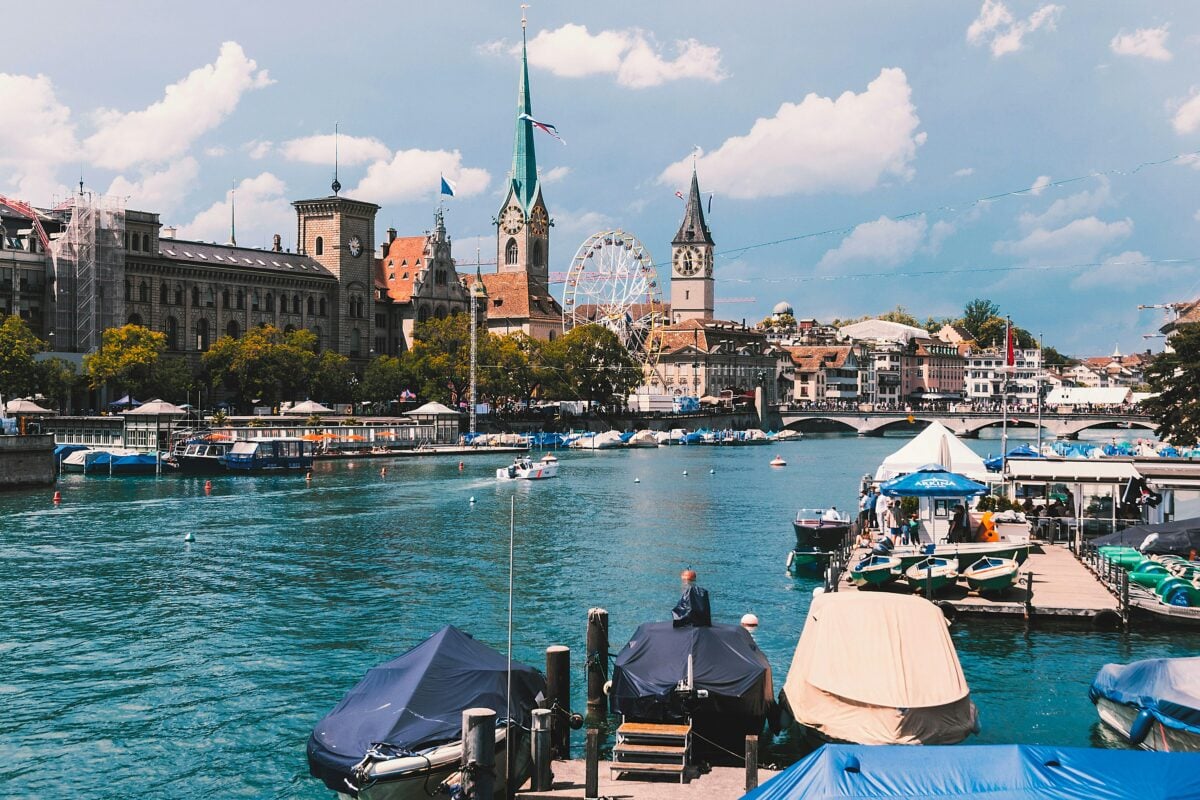
Swiss precision isn’t just about watches. Zurich operates like a well-oiled machine where everything works exactly as advertised.
The trains arrive on schedule, the streets stay clean without armies of sanitation workers, and salaries stretch far enough to actually enjoy the city’s amenities. Banking wealth certainly helps, but Zurich’s quality of life stems from something deeper — a cultural commitment to making systems work properly.
Public services function efficiently because maintaining them well costs less than letting them deteriorate.
Melbourne
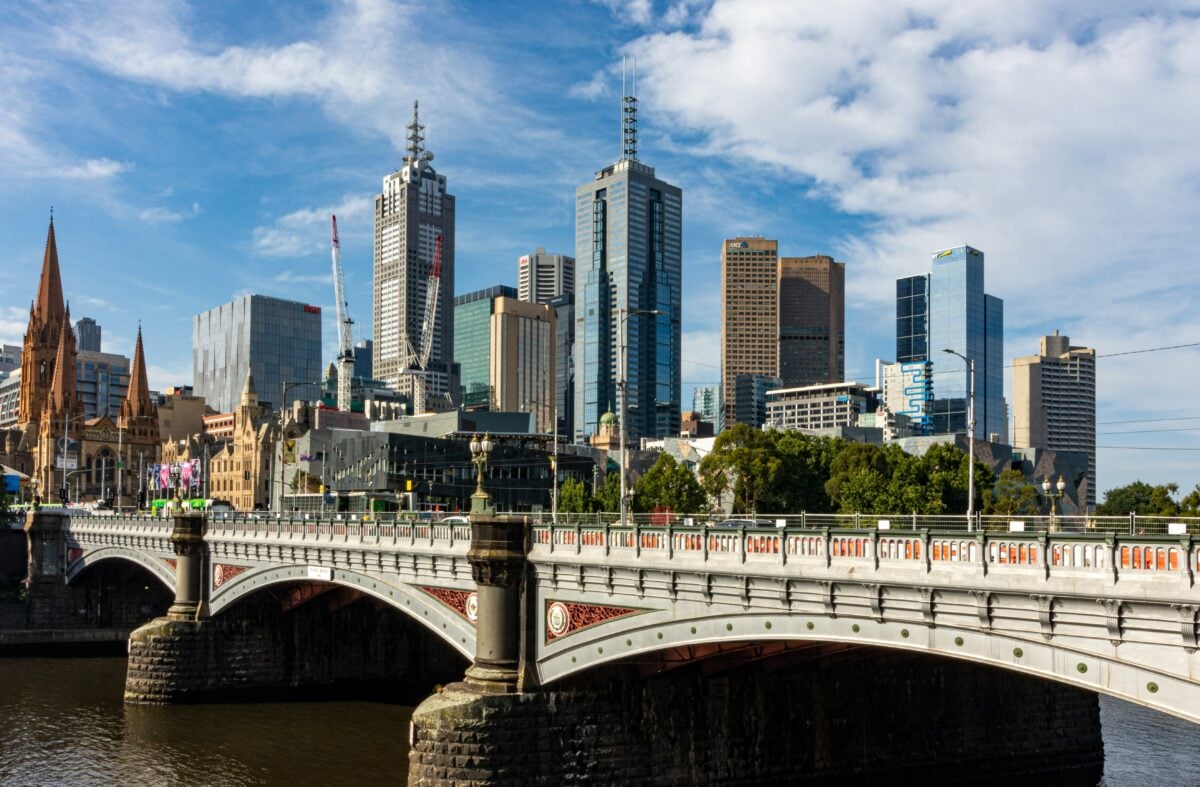
Melbourne’s appeal unfolds like a novel you didn’t expect to love — slow at first, then suddenly you can’t imagine living anywhere else (and this is coming from a city that used to be dismissed as Sydney’s boring cousin). The coffee culture runs deeper than surface-level snobbery; it reflects a broader attention to craft and quality that permeates everything from street art to public spaces.
So when locals spend twenty minutes debating the merits of different roasters, they’re really demonstrating the same mindset that produces consistently excellent urban planning: details matter. But what makes Melbourne genuinely livable isn’t the famous laneways or the arts scene — it’s the way the city handles growth without sacrificing character.
And yet most visitors focus on the obvious attractions while missing the real story, which is infrastructure that actually keeps pace with population growth.
Vienna
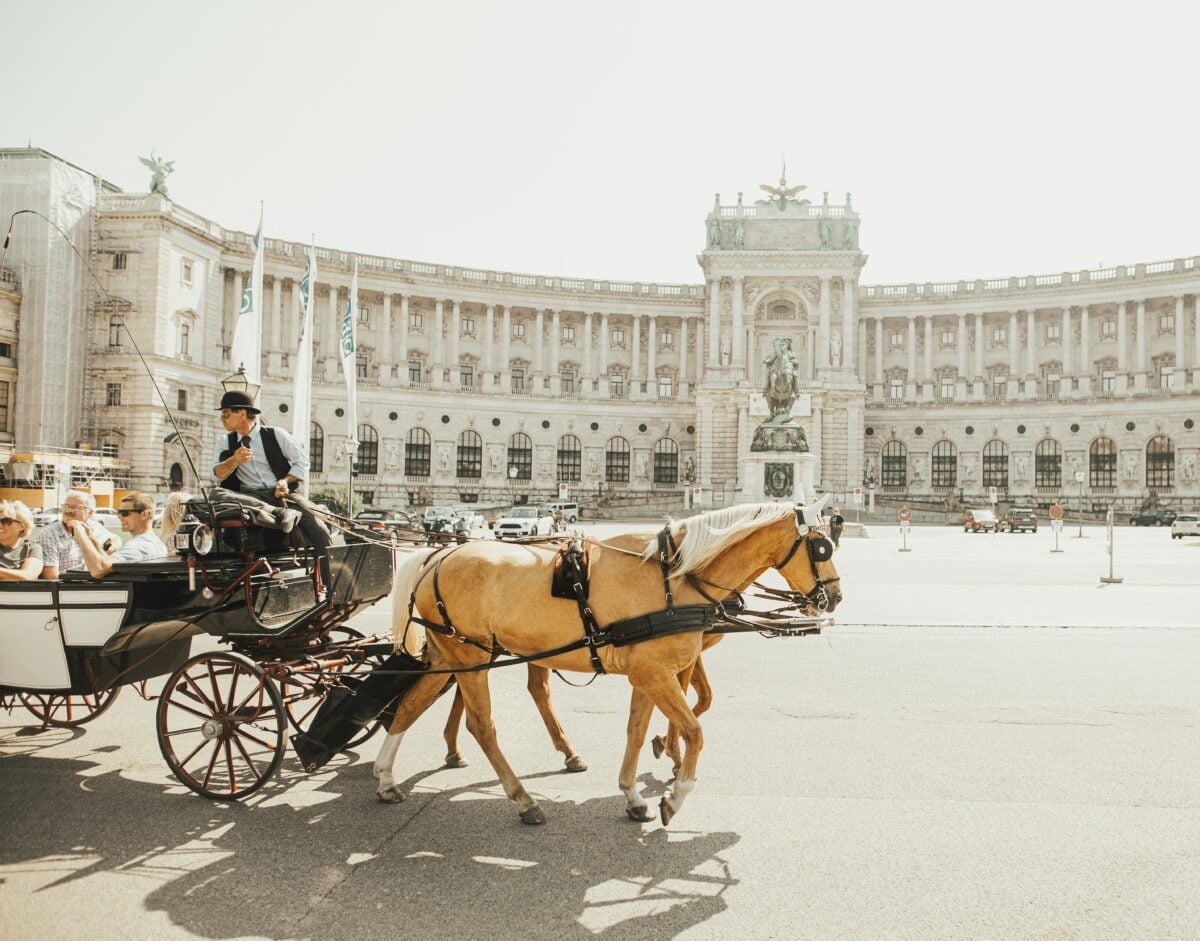
A city built by an empire carries itself differently than one cobbled together by circumstance. Vienna moves with the confidence of a place that has weathered centuries of political upheaval and emerged with its essential character intact.
The public housing programs aren’t charity — they’re civic infrastructure, as fundamental as water mains or power grids. Walking through Vienna feels like browsing a well-curated museum where people happen to live and work.
The architecture doesn’t shout for attention because it doesn’t need to. Quality announces itself quietly, in the weight of doors and the precision of stonework, in parks that feel designed for actual human use rather than photo opportunities.
Copenhagen
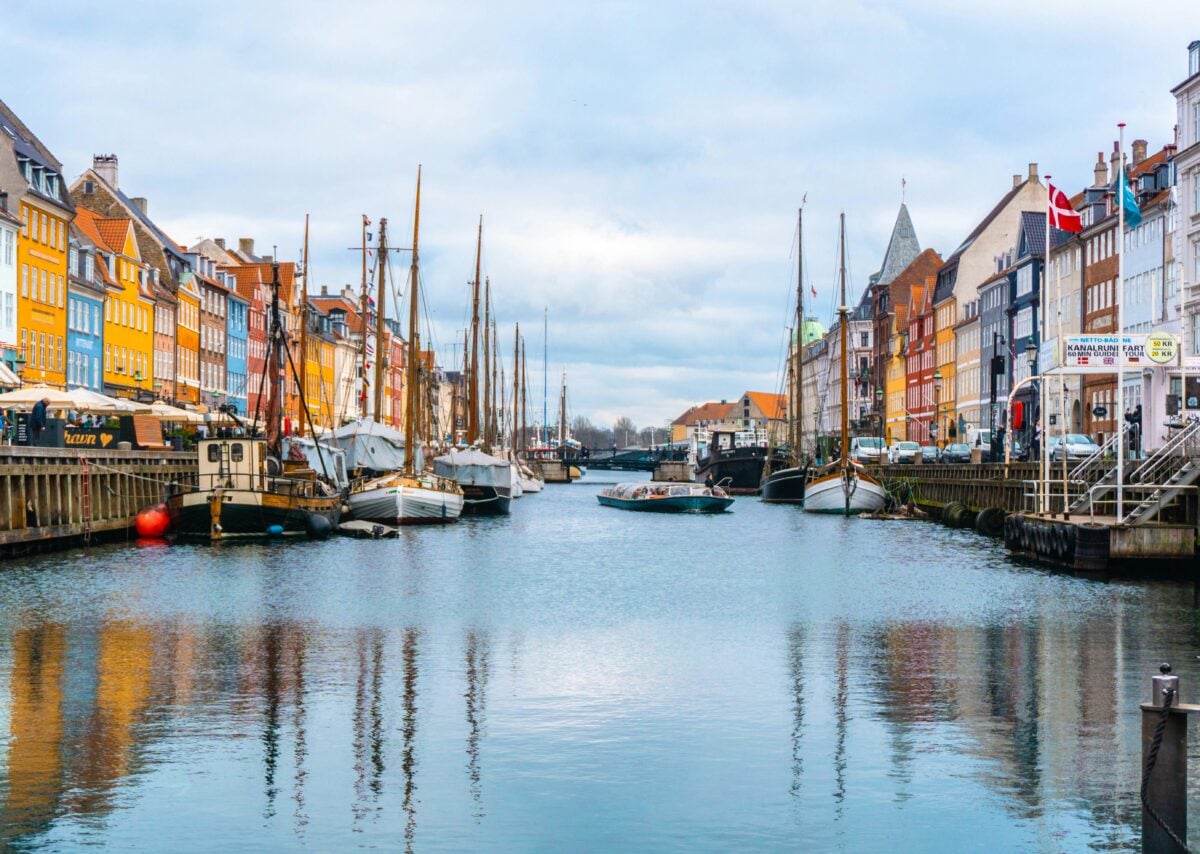
Copenhagen figured out something most cities still struggle with: cars are useful tools, not religious artifacts. The bike infrastructure isn’t there to make a political statement — it exists because moving 650,000 people around a compact urban area requires efficient transportation. Bicycles happen to be extremely efficient.
The Danish concept of hygge gets thrown around as a marketing buzzword, but in Copenhagen it translates into practical urban design. Public spaces feel genuinely welcoming rather than merely functional. Parks include areas for different activities without trying to segregate them. Cafes extend naturally onto sidewalks.
The city works because it’s designed around how people actually want to spend time, not around abstract planning principles.
Calgary
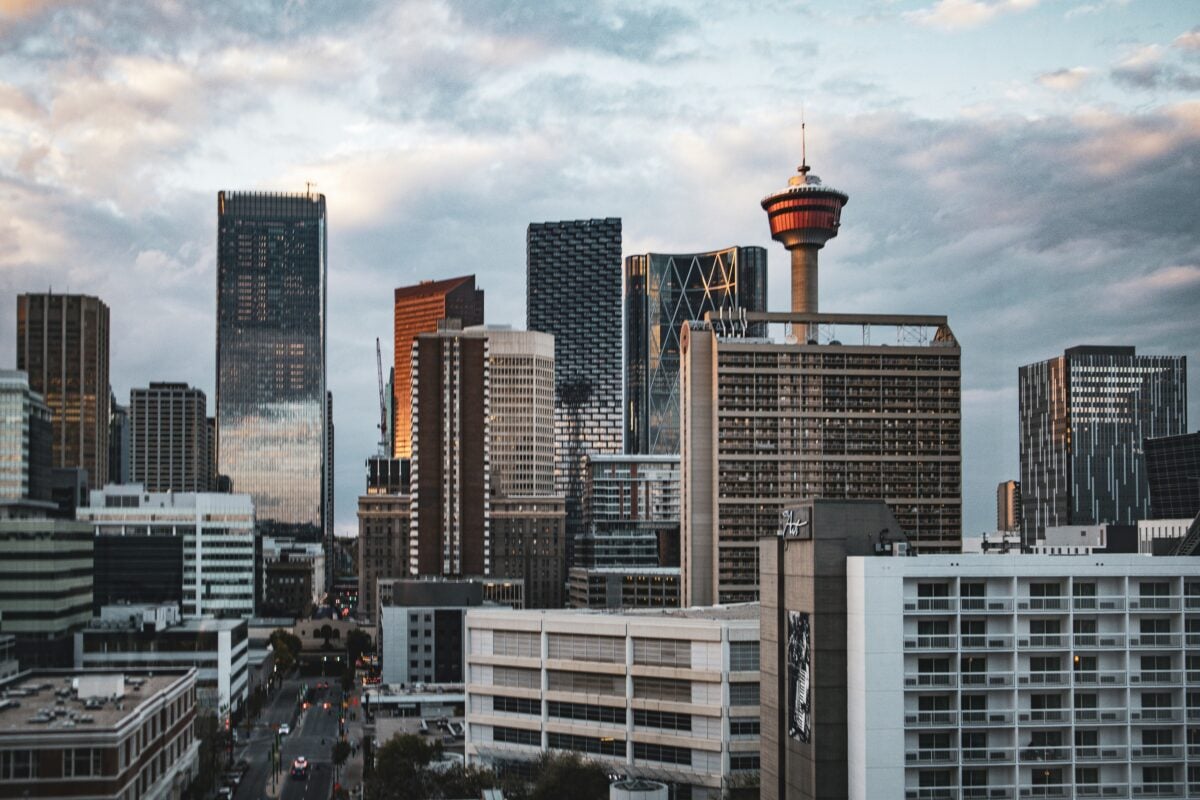
Calgary breaks the mold for livable cities — no ancient architecture, no centuries of cultural refinement, just a relatively young Western city that got the fundamentals right (which, as it happens, matters more than most people realize when choosing where to build a life). The proximity to the Canadian Rockies provides recreational opportunities that would cost thousands of dollars to access temporarily from most other major cities, but Calgary residents treat weekend mountain access like other cities treat decent public transit: nice to have, annoying when it’s missing. And the city’s oil wealth, rather than creating the boom-bust volatility you’d expect, has been managed well enough to fund genuinely excellent public services and infrastructure.
So while Calgary lacks the romantic appeal of European capitals or the cultural cachet of coastal metropolises, it delivers something arguably more valuable: consistent quality across all the categories that actually affect daily life. But that’s the thing about Calgary — it succeeds by doing the boring stuff exceptionally well rather than chasing headlines.
Vancouver
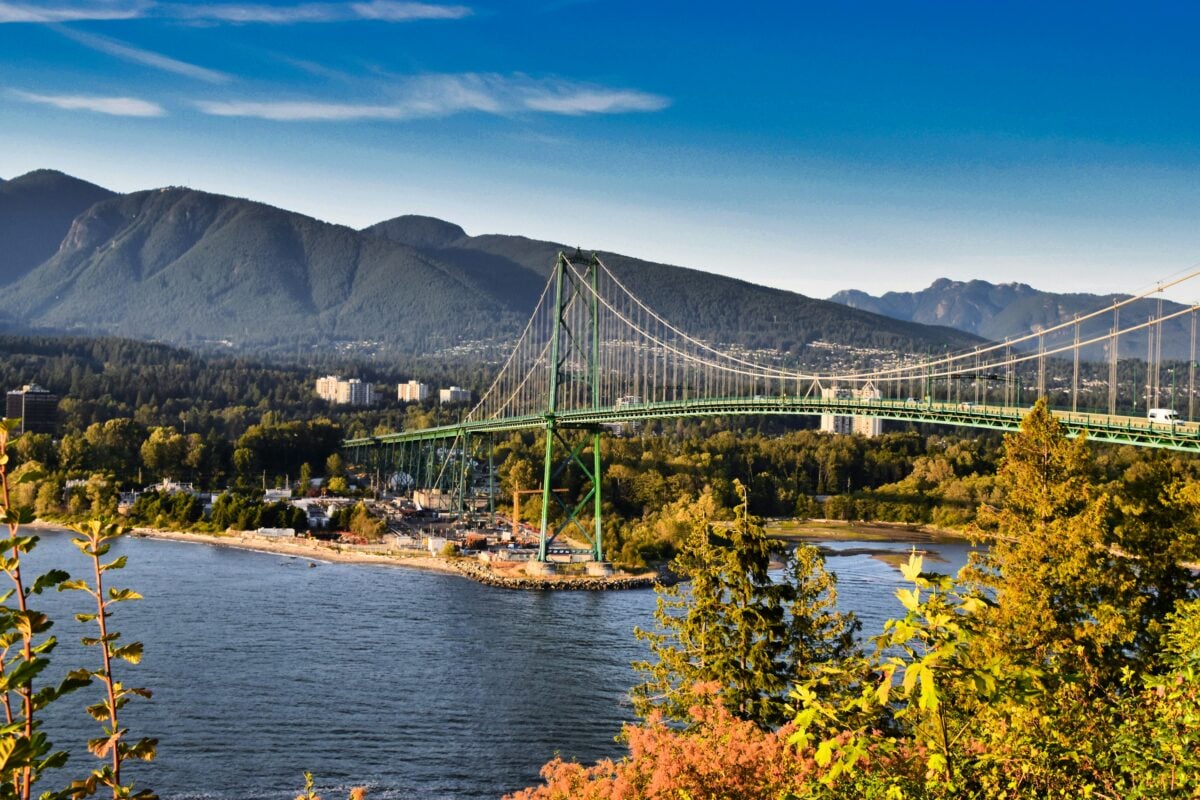
Mountains and ocean create a natural theater around Vancouver, but scenery alone doesn’t explain livability rankings. The city sits in that geographic sweet spot where outdoor recreation becomes a year-round lifestyle rather than a seasonal escape.
You can ski in the morning and sail in the afternoon, which sounds like tourism board hyperbole until you meet locals who actually do this regularly. Vancouver’s multicultural fabric weaves together more successfully than in most cosmopolitan cities.
Different communities maintain distinct identities without retreating into isolation. The food scene reflects this integration — not just ethnic restaurants serving their own communities, but genuine fusion happening at the neighborhood level.
Toronto
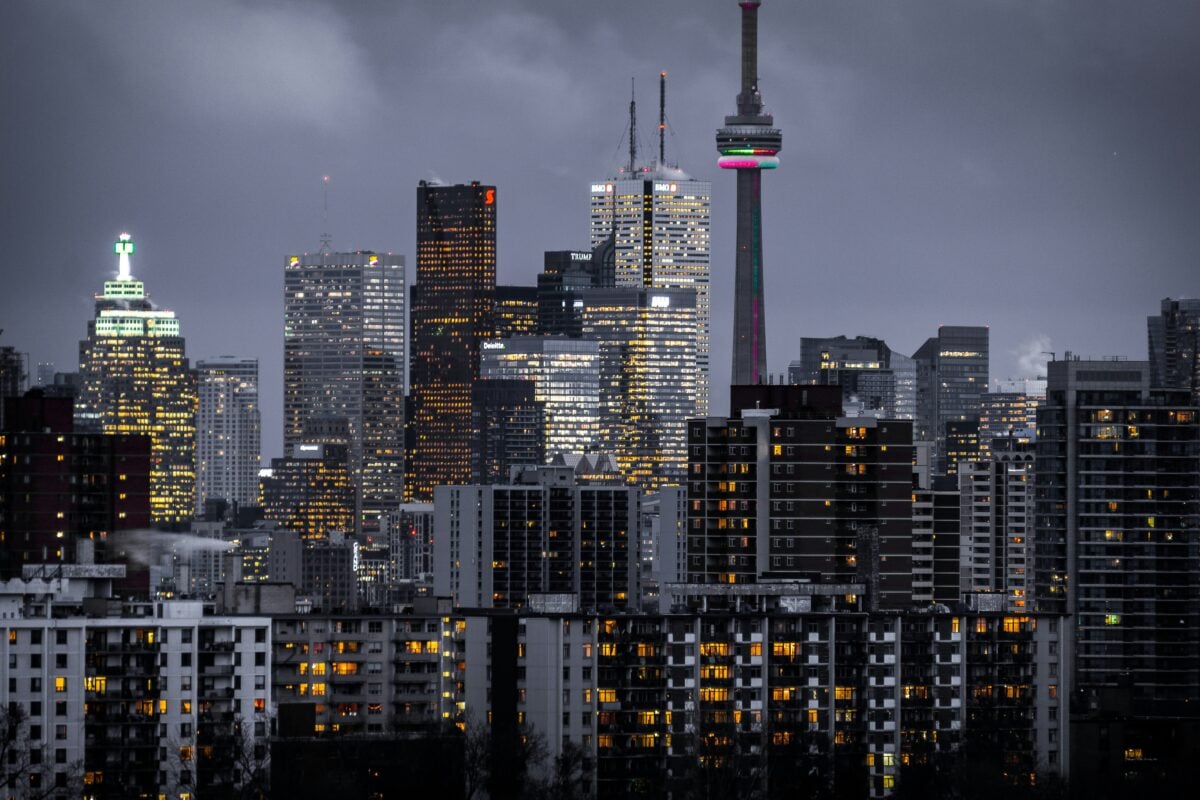
The most livable city in North America doesn’t announce itself with dramatic skylines or iconic landmarks — it earns the title through accumulated small victories over urban problems that plague other major metropolitan areas. Crime rates stay manageable, public transit functions adequately (which counts as a victory in North America), and neighborhoods retain character despite constant development pressure.
Toronto’s strength lies in being boringly competent rather than brilliantly innovative. The healthcare system works without drama. Schools educate children effectively.
Infrastructure gets maintained before it fails catastrophically. These aren’t exciting qualities, but they’re the foundation that makes everything else possible.
Adelaide
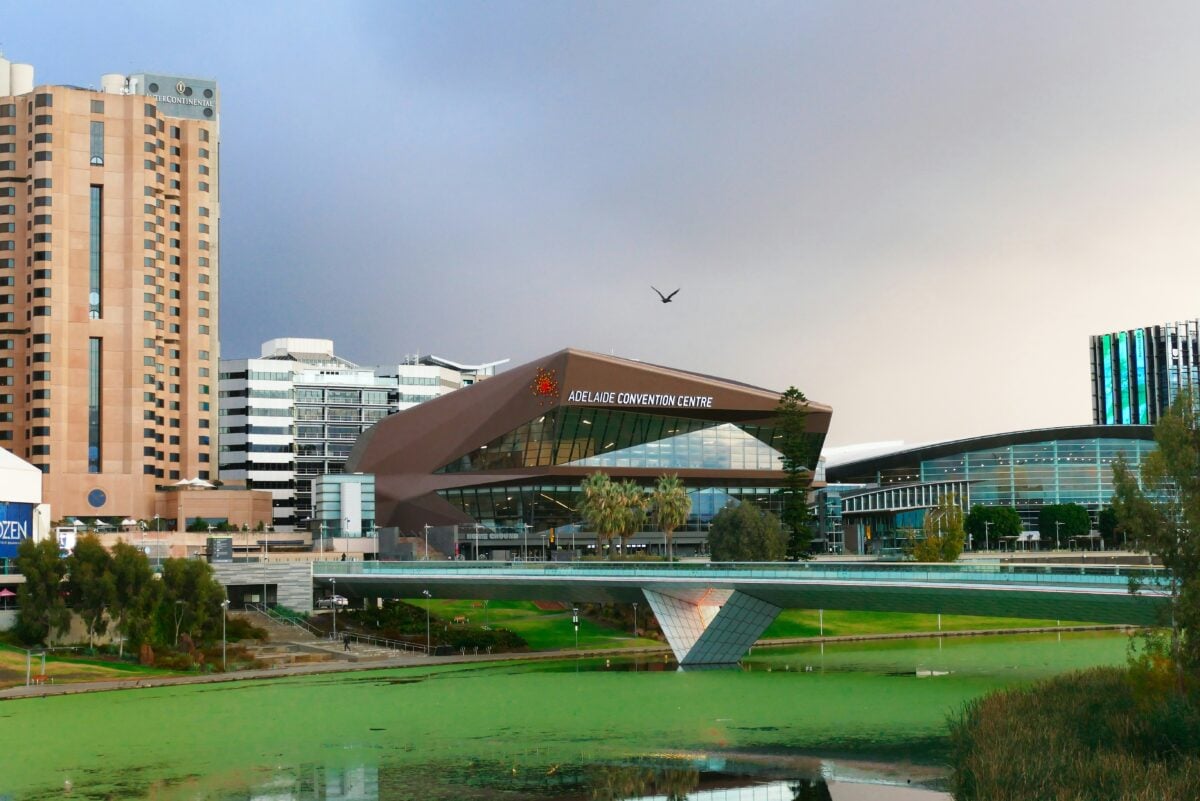
Adelaide operates at human scale in ways that larger Australian cities abandoned decades ago (though this comes with trade-offs that aren’t always obvious to visitors who spend a long weekend falling in love with the place). The city center remains walkable because it never grew large enough to require complete automotive surrender — you can actually live there without owning a car, which is remarkable for an Australian city.
And the food and wine culture isn’t manufactured for tourists; it grows naturally from South Australia’s agricultural abundance and the city’s manageable size, which allows independent restaurants and small producers to thrive without competing against massive corporate chains. But Adelaide’s livability comes partly from what it lacks: the crushing housing costs of Sydney and Melbourne, the humidity of Brisbane, the isolation of Perth.
So the city succeeds as much by avoiding major problems as by creating exceptional amenities.
Perth

Perth proves that geographic isolation can be a feature rather than a bug. Being farther from the next major city than almost any other metropolitan area on Earth means Perth developed its own cultural ecosystem instead of becoming a satellite of somewhere else.
The city doesn’t suffer from the constant brain drain that affects other mid-sized urban centers. Western Australia’s mining wealth provides resources for excellent infrastructure without the population density that strains systems in other Australian cities.
Perth feels spacious in ways that European cities can’t match and organized in ways that American cities often aren’t.
Geneva
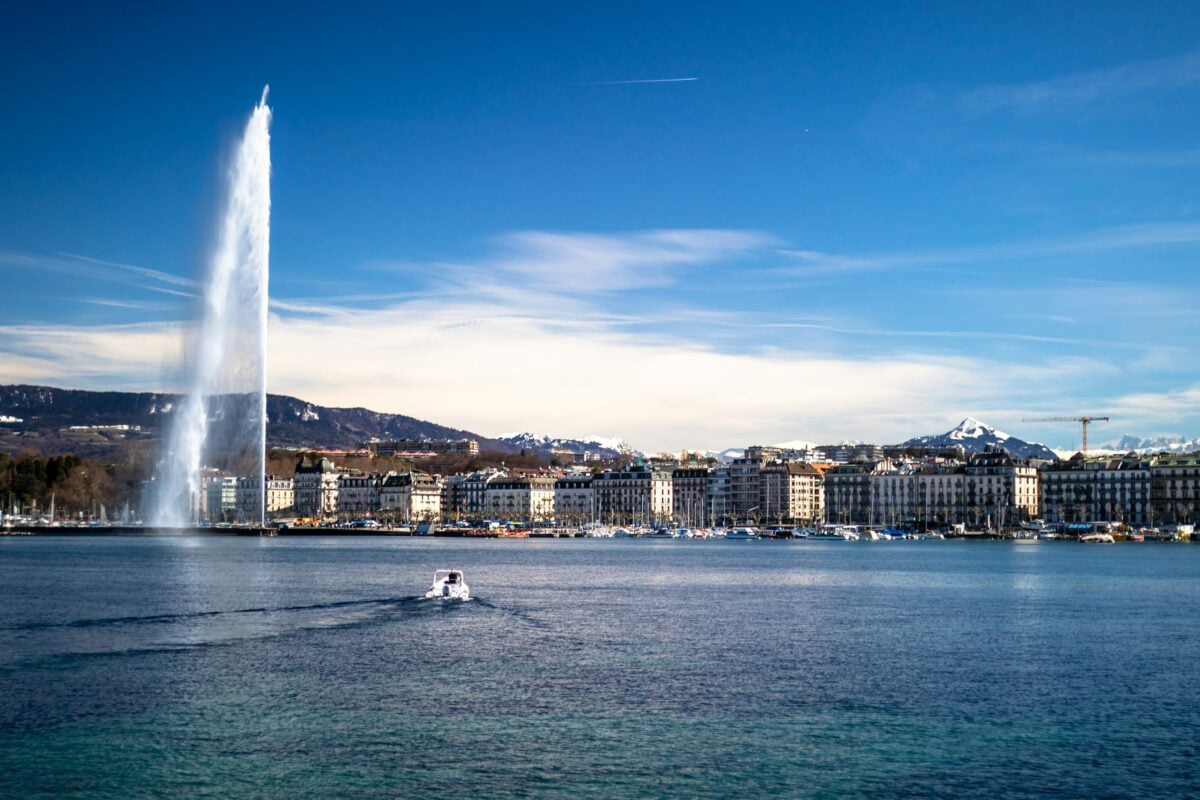
International organizations chose Geneva for good reasons beyond diplomatic neutrality — the city actually works at the level required for complex global operations. Infrastructure handles constant flows of international visitors without breaking down.
Multiple languages coexist naturally rather than through forced accommodation. The banking system processes transactions from dozens of countries without drama.
Geneva’s quality of life stems from this international sophistication filtered through Swiss efficiency. The city provides urban amenities at a scale that feels manageable rather than overwhelming.
Cultural offerings reflect genuine global diversity, not tourist-focused approximations.
Sydney
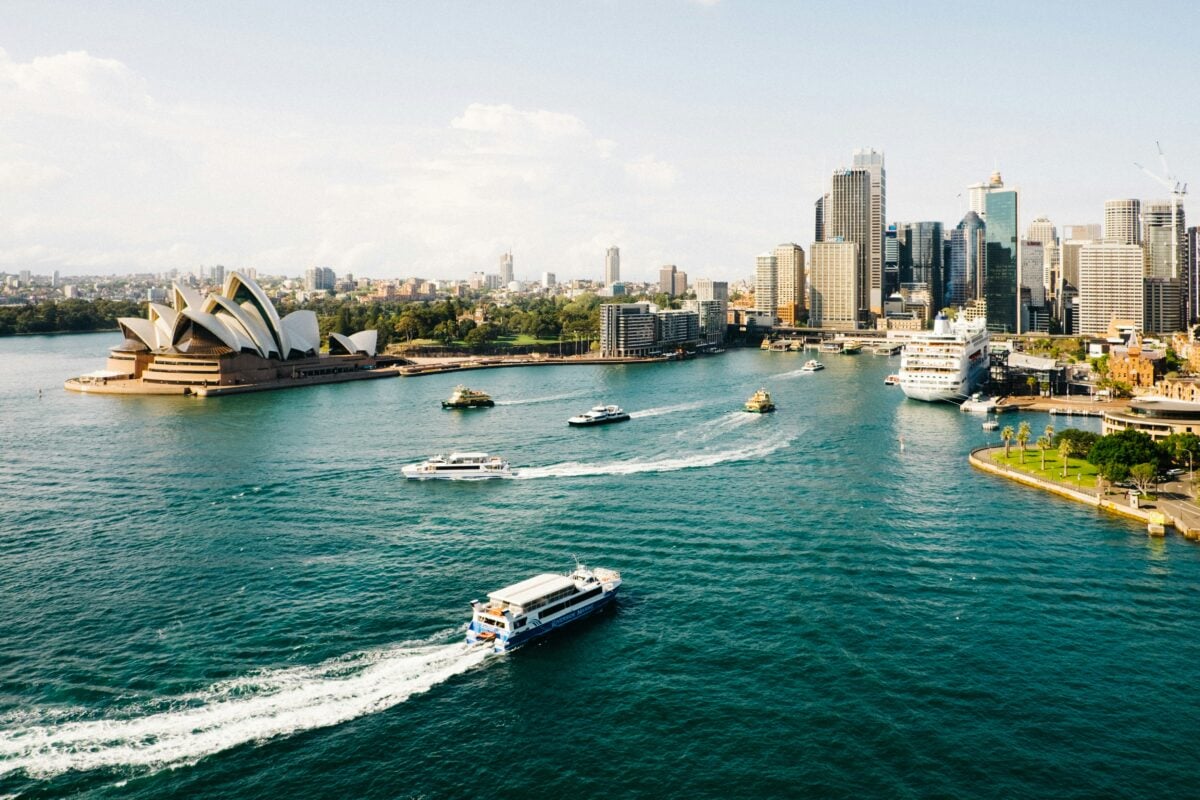
Sydney’s harbor creates one of the world’s great natural settings for urban life, but the city’s livability ranking comes from successfully building around that geography rather than letting it become a constraint (which plenty of waterfront cities have failed to do, turning prime locations into traffic nightmares or exclusive enclaves). The beach culture integrates into daily routines instead of remaining weekend recreation — people actually swim before work and surf during lunch breaks, which changes the rhythm of urban life in subtle but meaningful ways.
And while housing costs create genuine affordability problems, Sydney’s job market and infrastructure investment have kept pace with population growth better than most major cities experiencing similar expansion. But the real test of Sydney’s livability isn’t how it handles perfect weather days — it’s how well the city functions during the routine Tuesday afternoons that make up most of life.
Helsinki
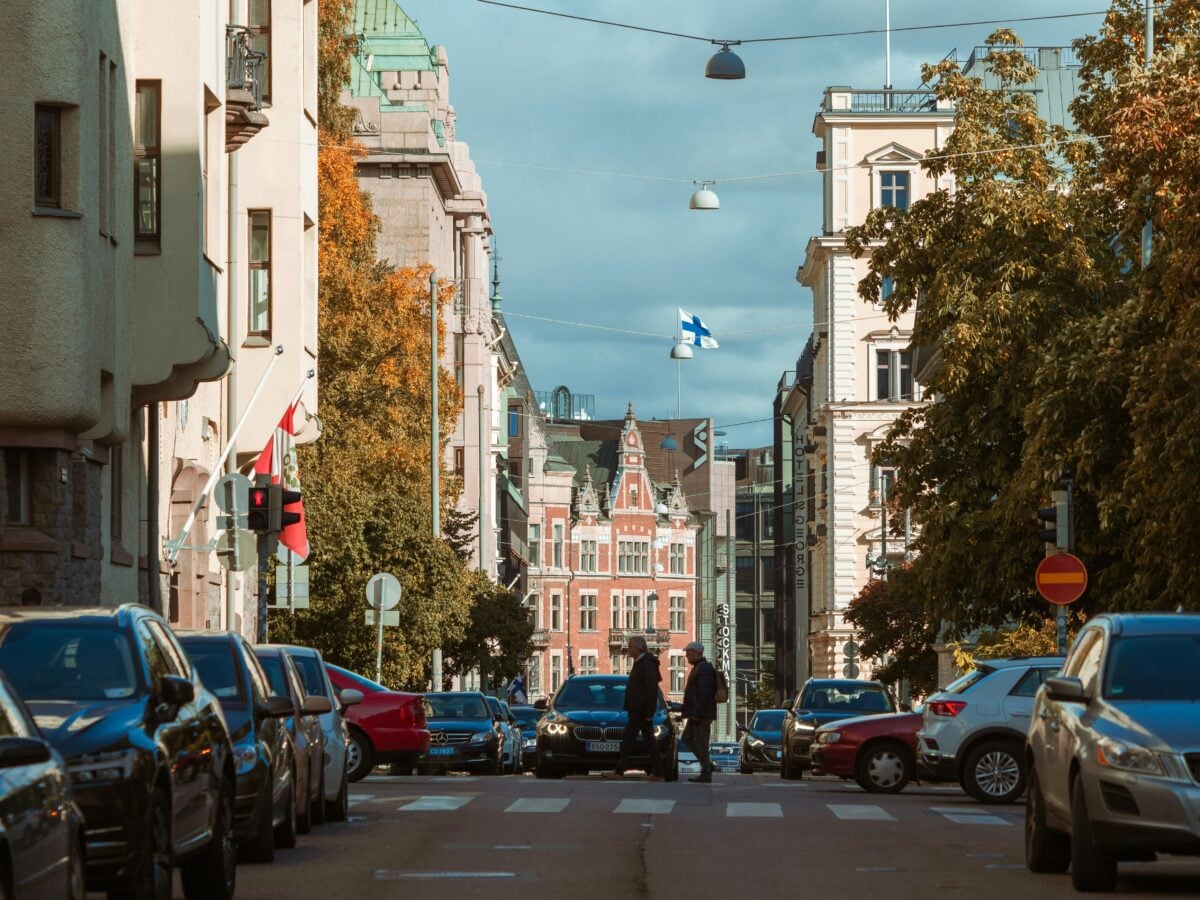
Winter in Helsinki lasts six months, which makes the city’s quality of life rankings even more impressive. Finnish urban design accounts for seasonal extremes instead of pretending they don’t exist.
Buildings connect through underground passages. Public spaces include heated areas. Transportation systems function reliably regardless of weather conditions.
The social democratic approach to public services creates infrastructure that benefits everyone rather than just serving minimal needs. Libraries function as community centers.
Parks include facilities for winter activities. Healthcare and education receive funding levels that produce consistently excellent outcomes.
Auckland
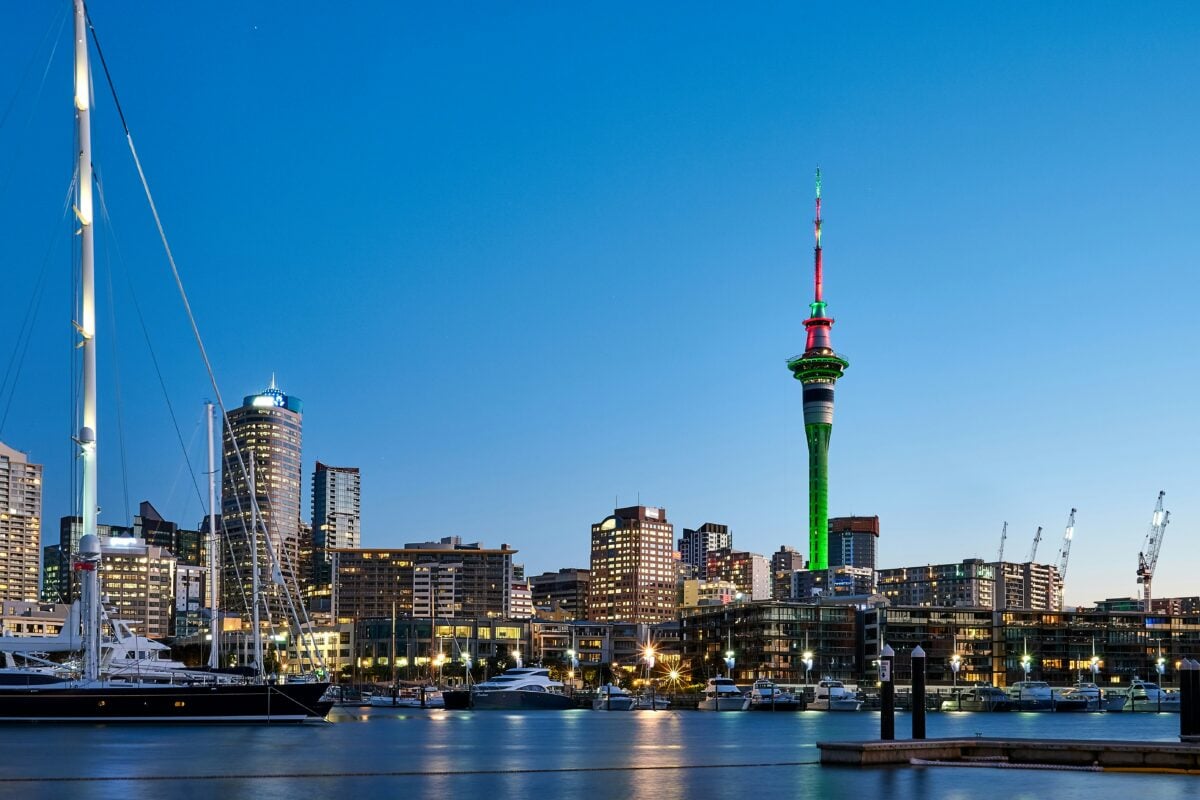
Auckland sprawls across volcanic hills and multiple harbors in ways that should create transportation nightmares, but the city’s geography actually enhances livability when managed properly. Different neighborhoods maintain distinct characters because natural barriers prevent uniform development patterns.
Ferry services provide practical transportation while doubling as scenic commutes. New Zealand’s political stability and environmental policies create a foundation for long-term urban planning that many other countries can’t match.
Auckland benefits from being a major city in a country that takes environmental protection seriously at the policy level.
Oslo
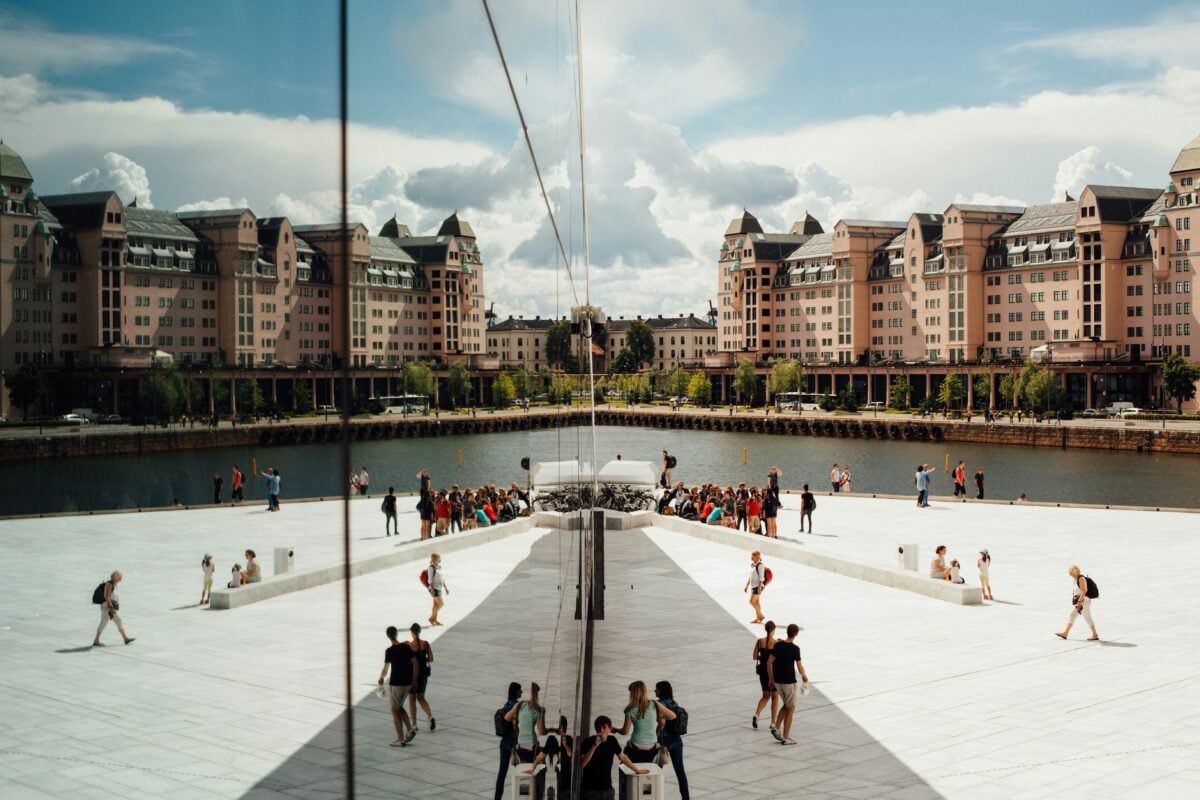
Norwegian oil wealth could have easily created the resource curse that affects many petroleum-rich nations — corruption, inequality, and short-term thinking. Instead, Oslo demonstrates how natural resource revenues can fund exceptional public services and infrastructure when managed through transparent institutions.
The city’s livability reflects this broader national success at converting temporary resource wealth into permanent improvements. Oslo’s integration of environmental sustainability into urban planning goes beyond symbolic gestures.
Electric vehicle infrastructure, energy-efficient building standards, and green space preservation create measurable improvements in air quality and urban heat reduction.
Frankfurt
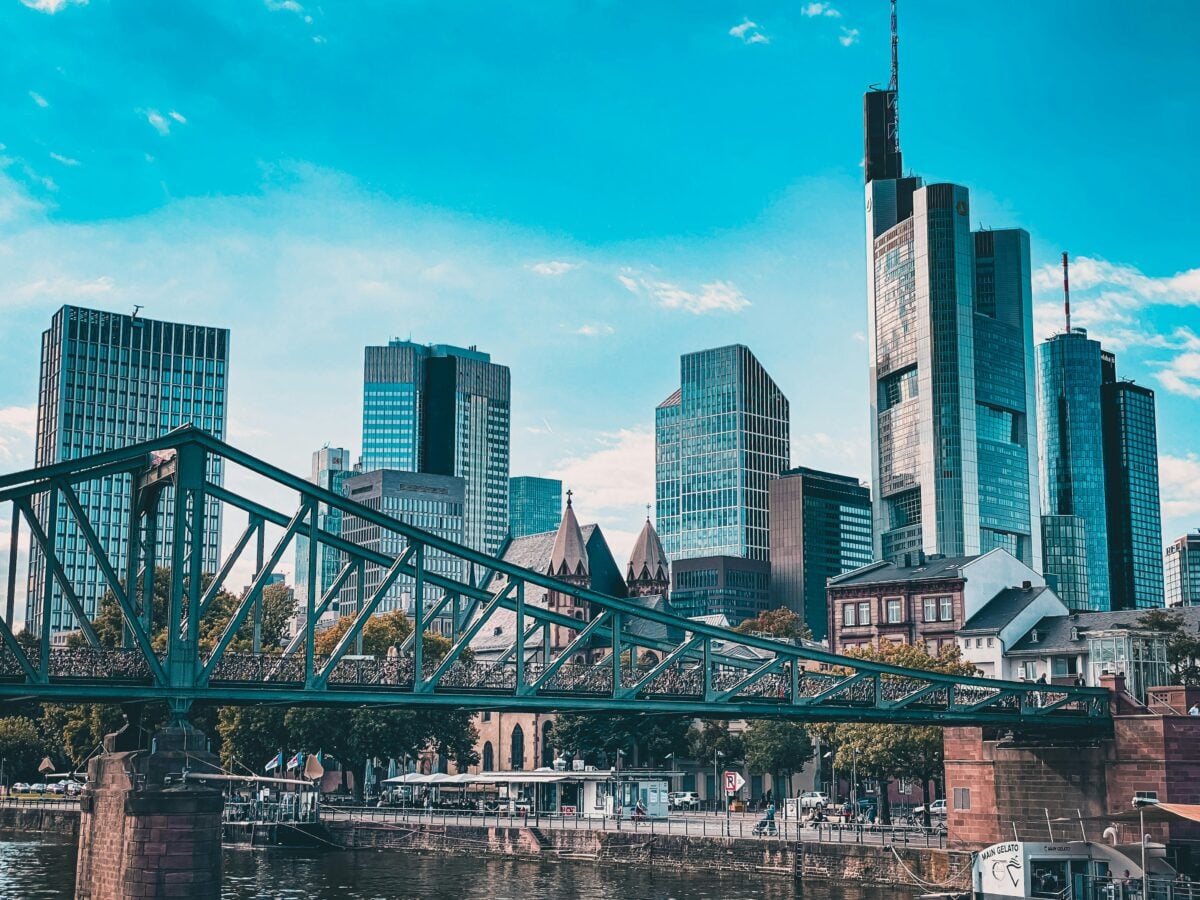
Banking centers often prioritize financial district needs over residential livability, but Frankfurt maintains balance between its role as a major financial hub and its function as a place where people actually live. The city’s compact size means business districts don’t dominate entire neighborhoods.
Residential areas retain character despite proximity to major commercial centers. Frankfurt’s international airport and central European location create connectivity that enhances rather than disrupts daily life.
Cultural institutions benefit from the city’s global connections without becoming overwhelmed by tourist crowds.
The common thread

These cities didn’t stumble into excellence — they represent decades of policy choices that prioritized long-term livability over short-term gains. The best urban environments emerge when local governments focus on fundamentals like transportation, housing, and public services rather than chasing flashy development projects or tourist attractions.
Quality of life, as it turns out, is less about dramatic amenities and more about getting the boring stuff consistently right.
More from Go2Tutors!

- The Romanov Crown Jewels and Their Tragic Fate
- 13 Historical Mysteries That Science Still Can’t Solve
- Famous Hoaxes That Fooled the World for Years
- 15 Child Stars with Tragic Adult Lives
- 16 Famous Jewelry Pieces in History
Like Go2Tutors’s content? Follow us on MSN.



