14 weird foods eaten during holidays
Holidays around the world bring families together for good times and great food. But what some people consider tasty holiday treats might make others scratch their heads in confusion. Every culture has developed its own special dishes for celebrating, and some of these traditions can seem pretty strange to outsiders.
From fried insects to fermented fish, holiday tables across the globe feature foods that challenge our ideas about what counts as festive fare. These unusual dishes often carry deep meaning and centuries of tradition behind them.
Surströmming in Sweden

Swedish families break out one of the world’s smelliest foods during late summer celebrations. This fermented herring has such a powerful odor that many people open the cans underwater to avoid the smell.
Swedes eat it with flatbread, potatoes, and strong alcohol to help mask the intense flavor. The fish ferments for months before it reaches dinner tables.
Even many Swedish people find the smell too much to handle.
Tête de veau in France
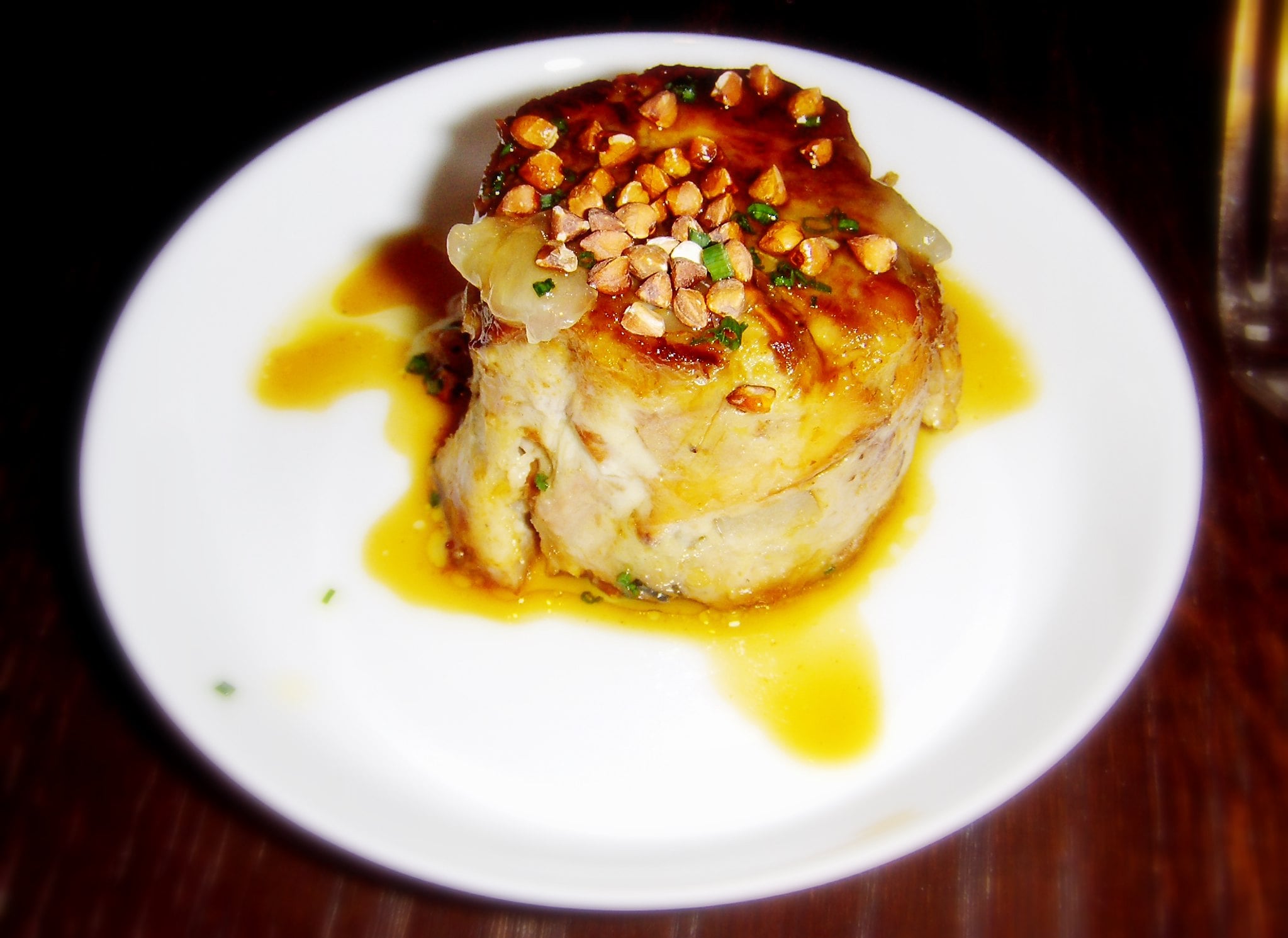
French holiday meals sometimes feature an entire calf’s head served on a platter. Families traditionally eat this dish during Easter and other spring celebrations.
The preparation involves cooking the head with the brain, tongue, and cheeks until everything becomes tender. Diners pick meat from different parts of the head using special utensils.
Many French restaurants still serve this traditional dish during holiday seasons.
Like Go2Tutors’s content? Follow us on MSN.
Rocky Mountain oysters in American West
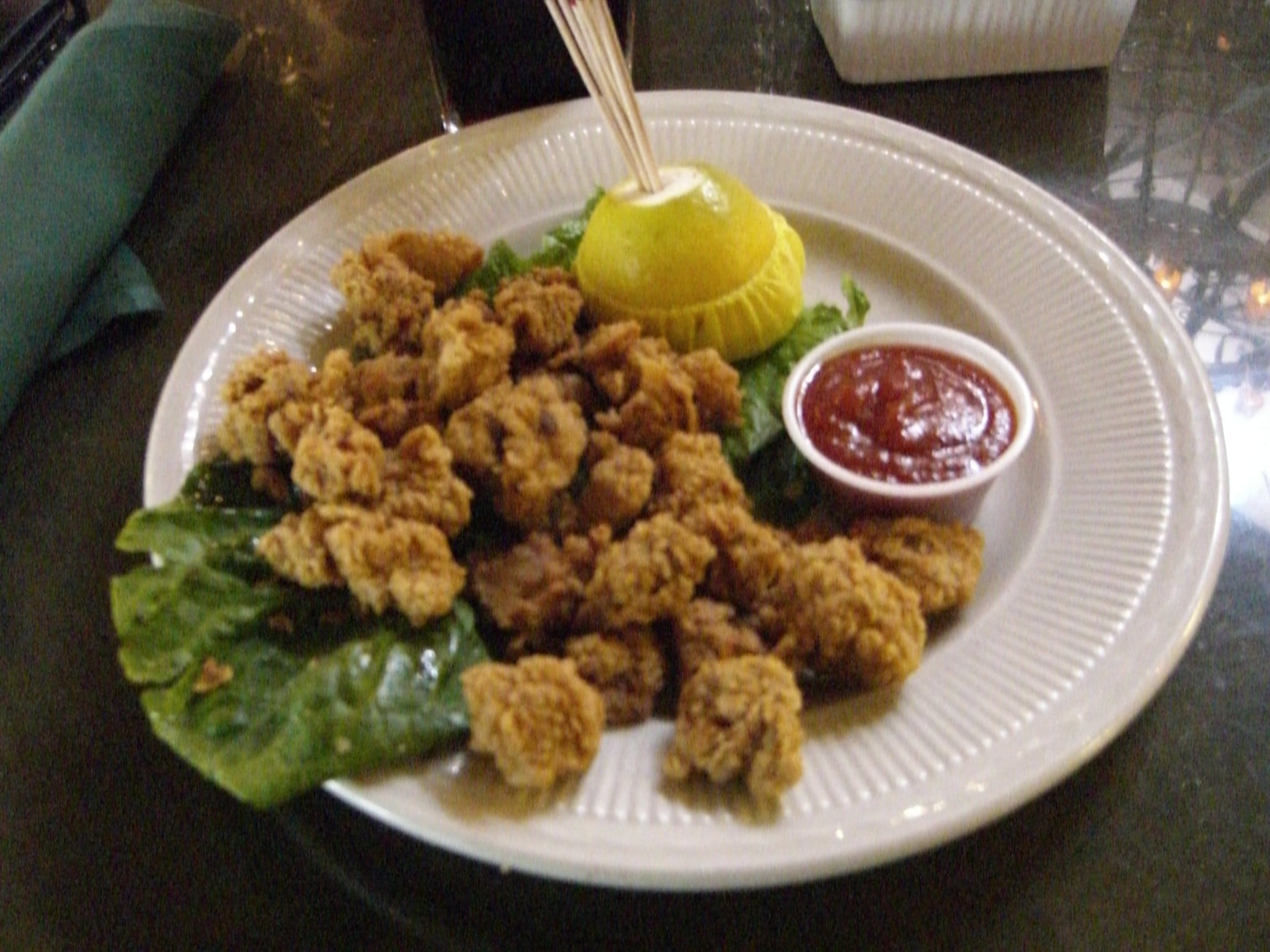
Cowboys and ranch families in the American West celebrate roundup season with deep-fried bull parts that have nothing to do with oysters. These are actually bull reproductive organs that get breaded and fried until crispy.
Local festivals and holiday gatherings feature them as a test of courage for visitors. People describe the taste as similar to chicken or veal when cooked properly.
The tradition started as a practical way to use every part of the animal during cattle processing.
Balut in Philippines

Filipino families enjoy this developing duck egg during special celebrations and holiday markets. The egg gets incubated for about three weeks before cooking, so diners can see the partially formed duckling inside.
People crack open the shell and eat everything with salt, chili, or vinegar. Many consider it a source of strength and good luck during important occasions.
Street vendors sell fresh balut from warm baskets during evening holiday festivities.
Haggis in Scotland
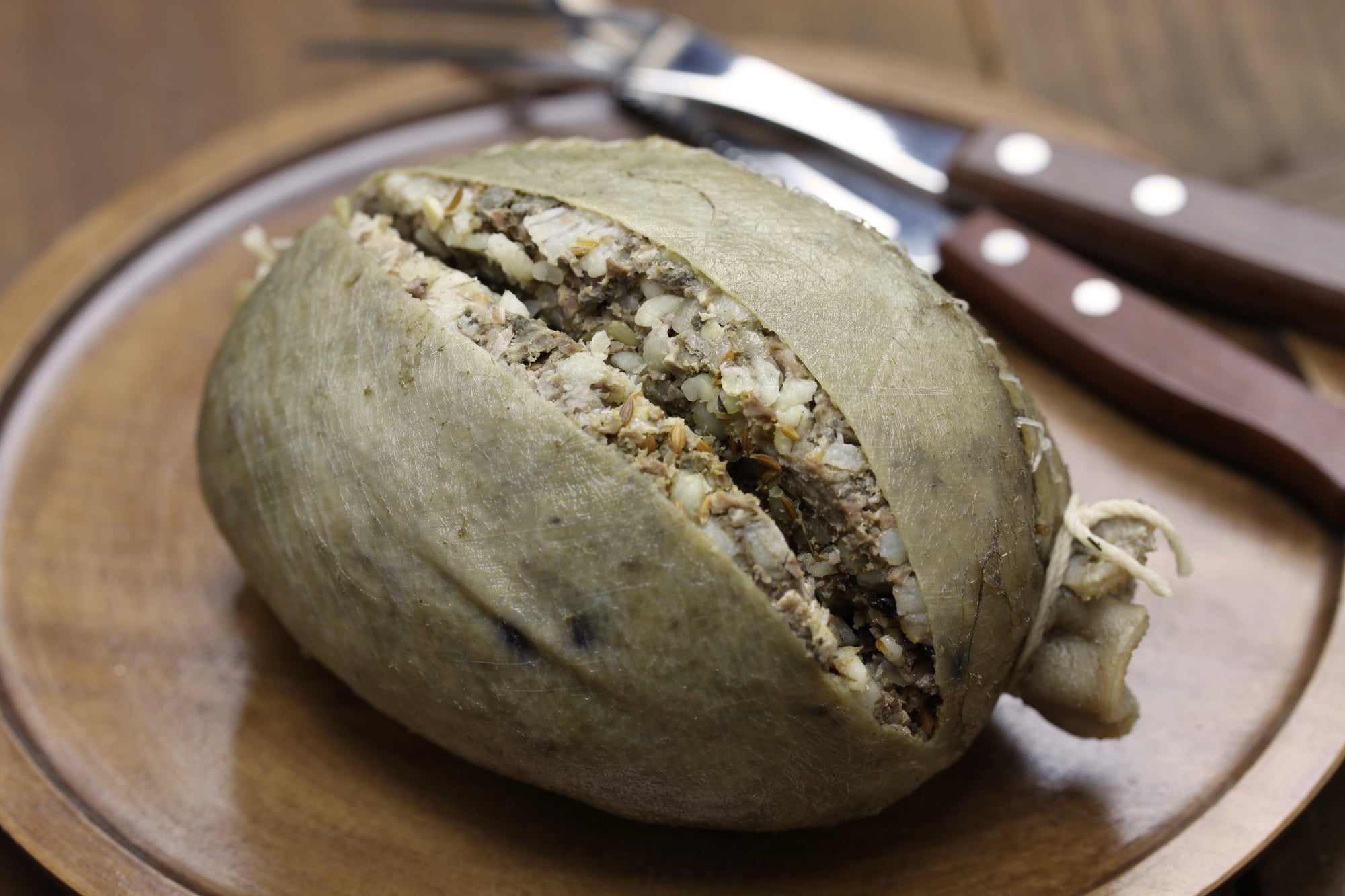
Scottish New Year celebrations wouldn’t be complete without this mixture of sheep organs stuffed inside a stomach lining. The dish combines heart, liver, and lungs with oatmeal and spices before getting cooked for hours.
Families serve it with mashed turnips and potatoes during Hogmanay parties. Traditional ceremonies include reading poetry about haggis before anyone takes a bite.
The dish represents Scottish pride and connection to ancestral traditions.
Like Go2Tutors’s content? Follow us on MSN.
Century eggs in China
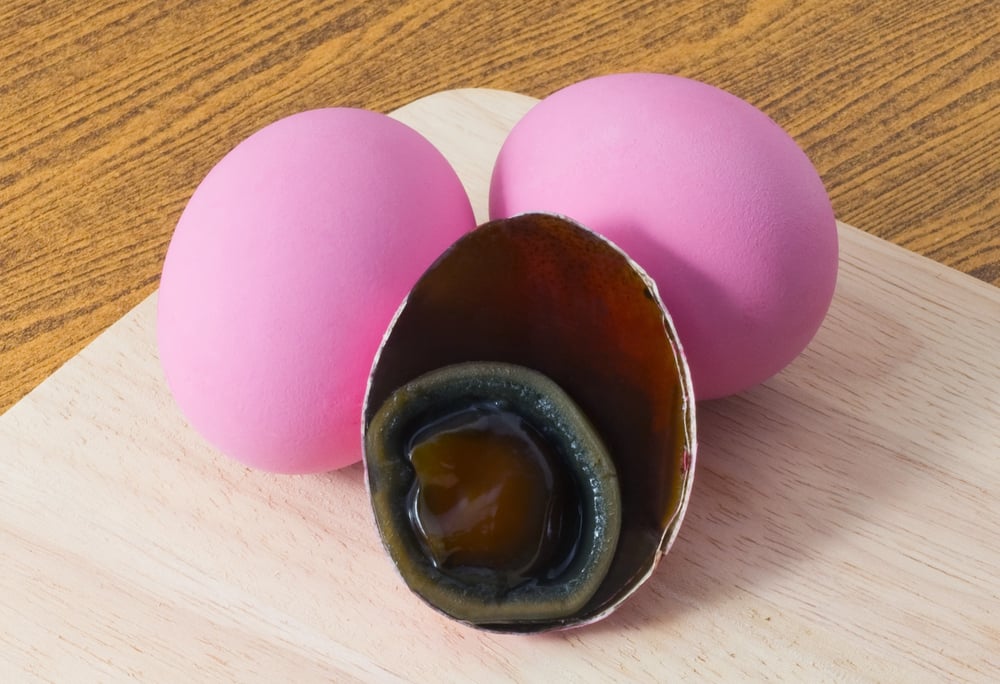
Chinese New Year tables often include eggs that have been preserved for weeks or months in clay and lime. These eggs turn dark green or black and develop a cheese-like texture and strong ammonia smell.
Families believe eating them brings good fortune for the coming year. The eggs get sliced and served with ginger or as part of congee porridge.
Despite the unusual appearance, many people find the rich flavor quite tasty.
Lutefisk in Norway
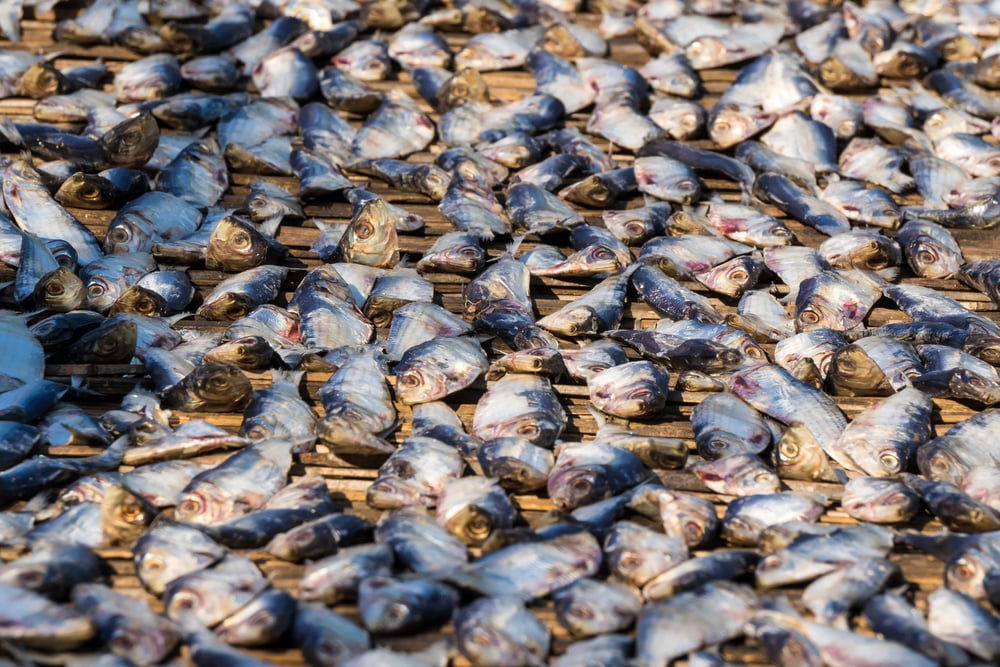
Norwegian Christmas dinners feature fish that has been soaked in lye solution until it becomes translucent and jelly-like. The preparation process takes several days and requires multiple water baths to remove the chemicals.
Families serve it with melted butter, bacon, or cream sauce to help with the unusual texture. Many Norwegian-Americans continue this tradition even though some find the smell overwhelming.
The dish connects families to their Viking heritage and winter survival traditions.
Mopane worms in South Africa
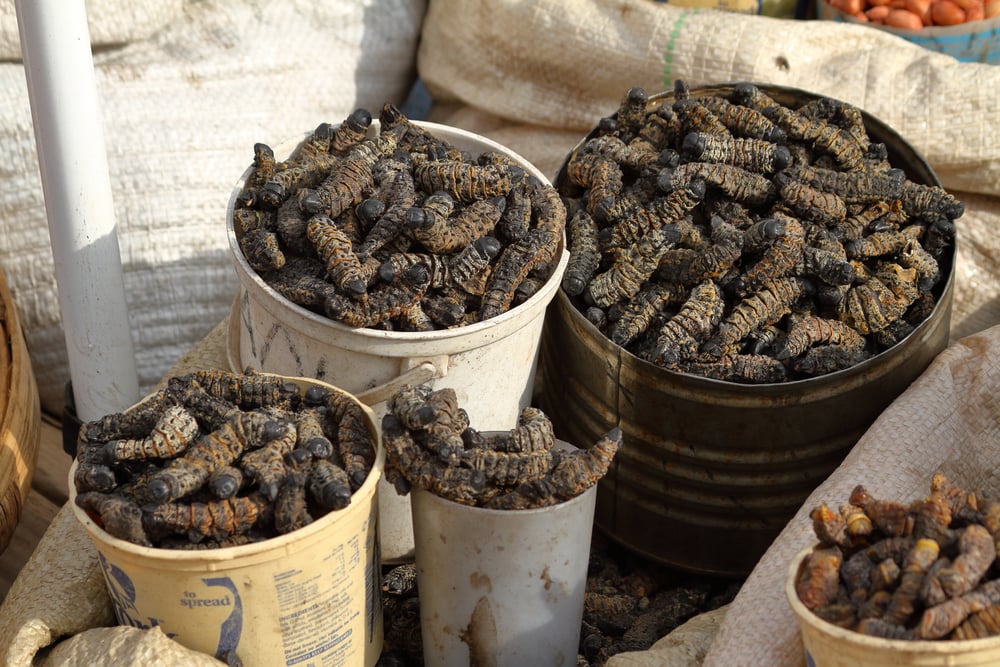
Southern African families celebrate harvest time by eating large caterpillars that feed on mopane trees. These protein-rich insects get dried, fried, or cooked in tomato sauce for holiday meals.
People describe the taste as nutty or similar to chicken when prepared well. The tradition provides important nutrition during times when other protein sources are scarce.
Local markets sell them fresh or dried during celebration seasons.
Like Go2Tutors’s content? Follow us on MSN.
Blood sausage in various countries
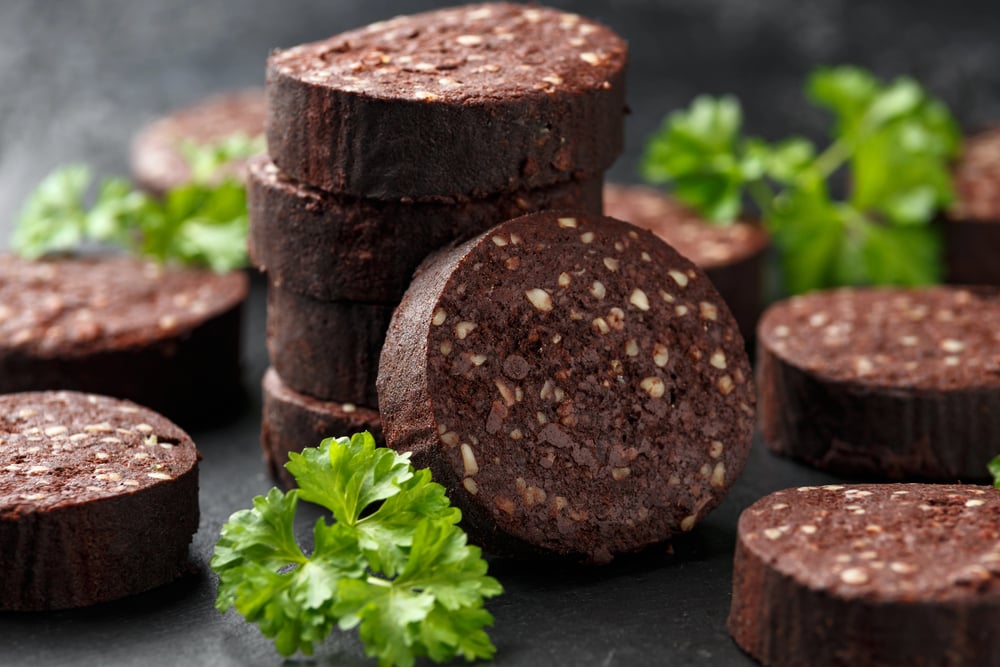
European Christmas markets sell sausages made from pig blood mixed with fat and fillers like oatmeal or rice. Different countries have their own versions with unique spices and preparation methods.
Spanish morcilla, British black pudding, and German blutwurst all appear during winter holidays. The dark color comes from the coagulated blood that holds everything together.
Many families consider it essential for traditional holiday breakfast spreads.
Sheep’s head in Iceland
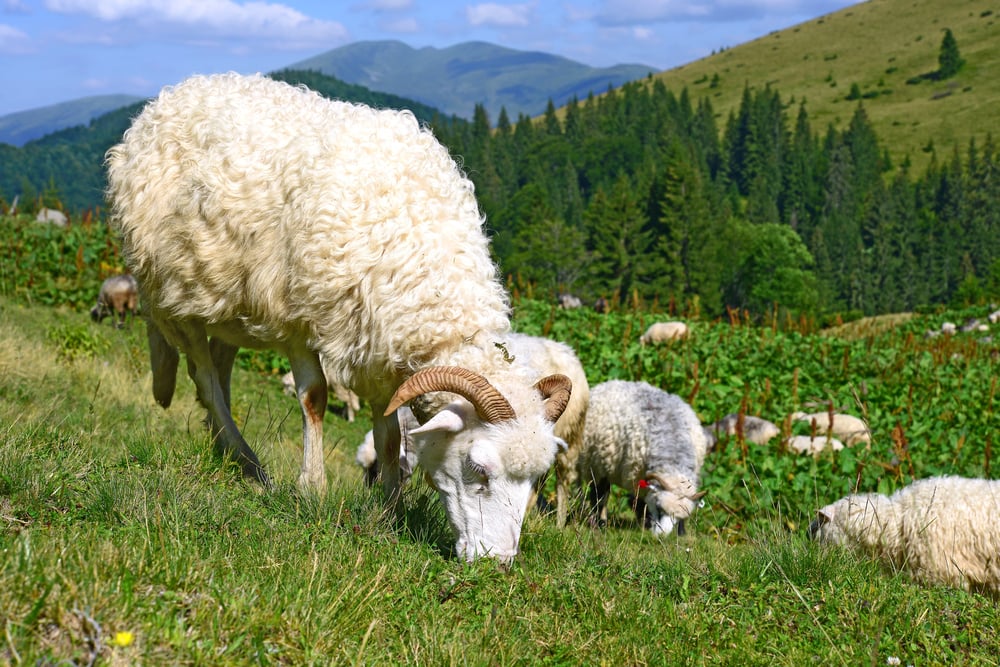
Icelandic families gather during winter festivals to share boiled sheep’s heads split down the middle. The traditional preparation involves singeing off the wool and removing the brain before cooking.
Diners pick meat from the cheeks, tongue, and jaw while avoiding the eyes. This dish helps families get through long, cold winters when fresh food is hard to find.
Modern Icelanders often eat it during Þorrablót, a midwinter celebration of old traditions.
Escamoles in Mexico
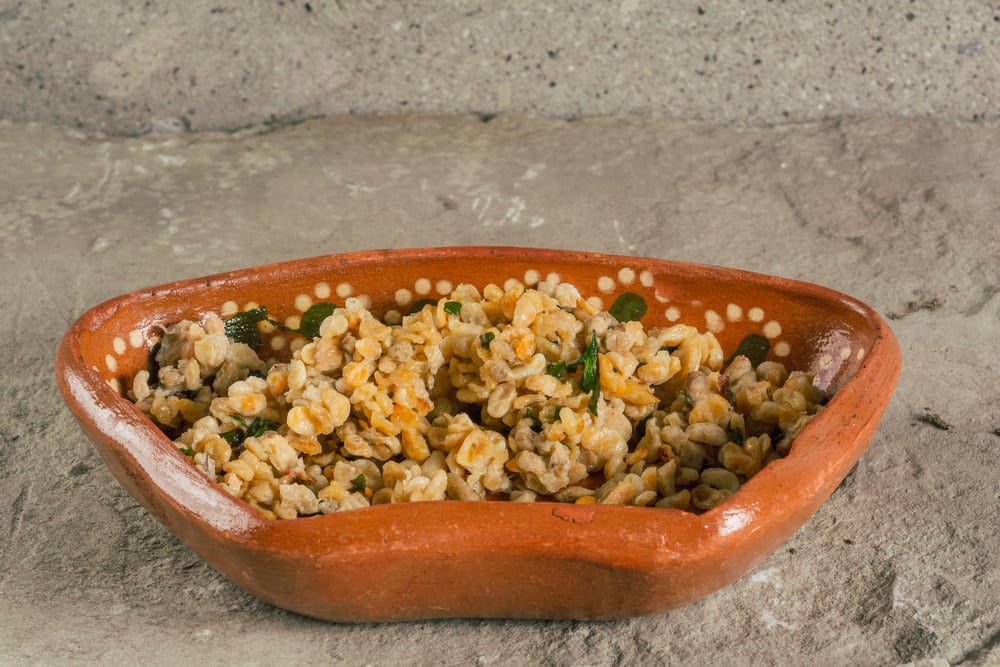
Mexican celebrations sometimes feature ant larvae harvested from agave plant roots, earning them the nickname “insect caviar.” These tiny white eggs have a buttery flavor and pop in your mouth like fish eggs.
Restaurants charge high prices because collecting them from underground nests is dangerous work. People eat them in tacos, with guacamole, or fried with butter and spices.
The harvest season coincides with spring festivals in central Mexico.
Like Go2Tutors’s content? Follow us on MSN.
Jellied eels in England
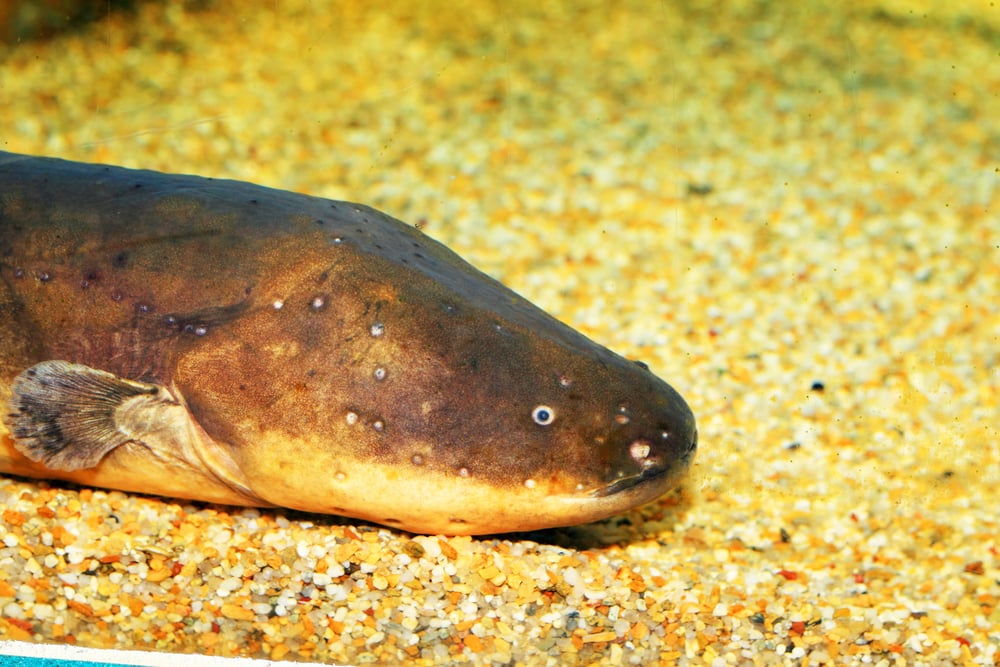
London families traditionally eat eels set in spicy gelatin during holiday seasons and special occasions. The dish requires boiling eels with herbs until the natural collagen creates a jelly-like consistency.
Street vendors sell them from carts during winter markets and holiday celebrations. Many Londoners grew up eating them but younger generations often find the texture off-putting.
The tradition dates back centuries when Thames River eels were cheap and plentiful.
Tuna eyeballs in Japan
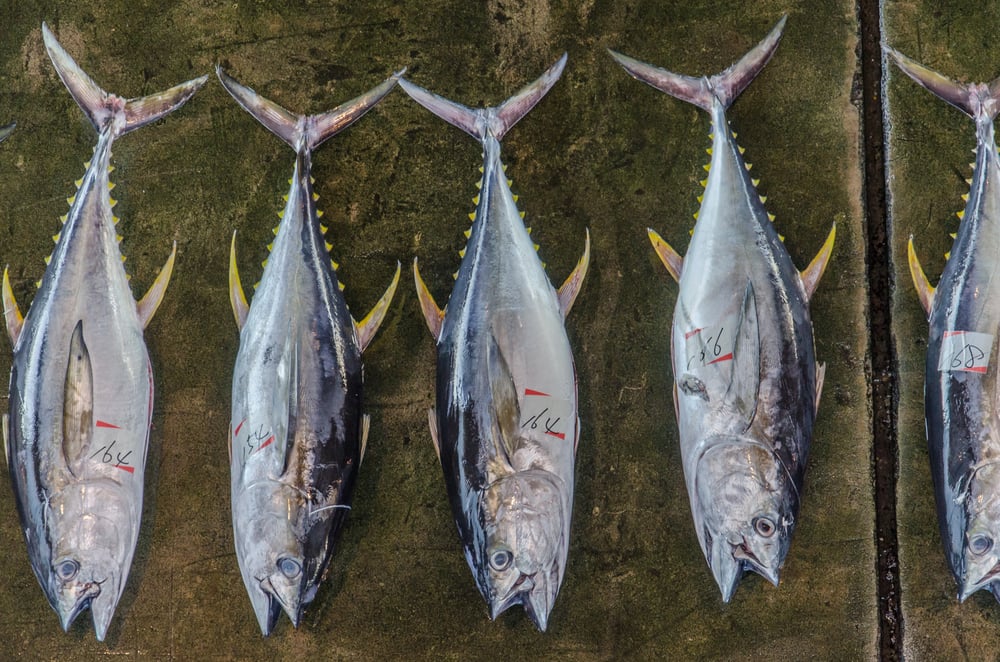
Japanese New Year preparations include huge bluefin tuna eyeballs that get boiled and seasoned with soy sauce. These tennis ball-sized organs are sold at regular grocery stores during holiday seasons.
The preparation involves piercing the eyeball and boiling it for about an hour until tender. People eat the gelatinous parts around the eye while avoiding the hard lens in the center.
The dish is believed to improve vision and bring good luck.
Shirako in Japan
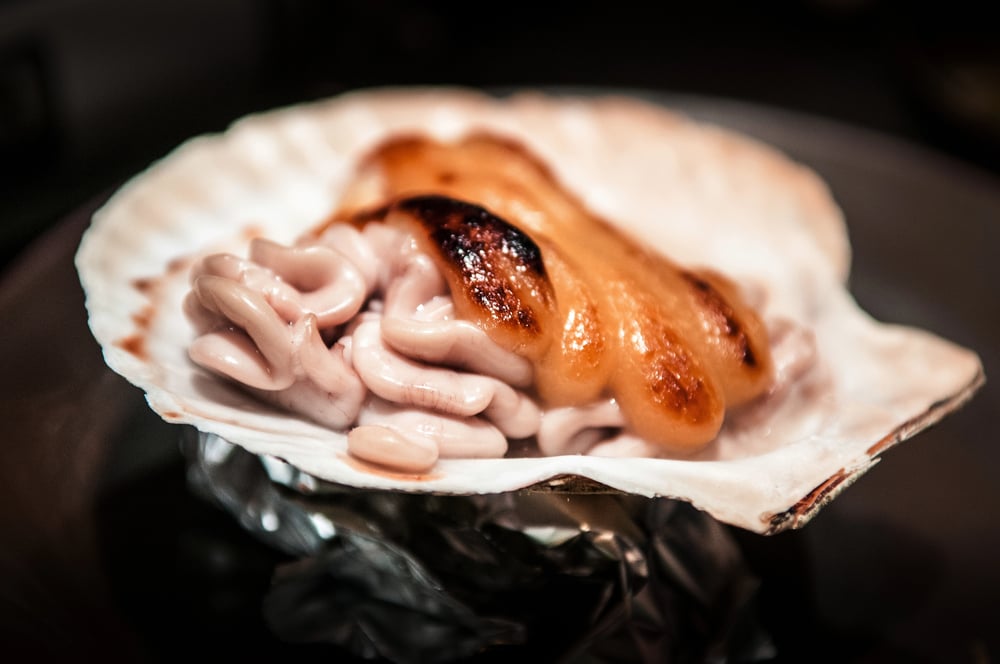
Japanese winter celebrations feature the reproductive organs of various fish and animals prepared as a delicacy. Common types include monkfish, sea bream, and even cow organs served grilled, fried, or in hot pots.
Restaurants charge premium prices for fresh shirako during cold months. The creamy texture and mild flavor appeal to adventurous diners during year-end parties.
Traditional preparation methods have been passed down through generations of Japanese chefs.
Like Go2Tutors’s content? Follow us on MSN.
Food brings us together, no matter how strange
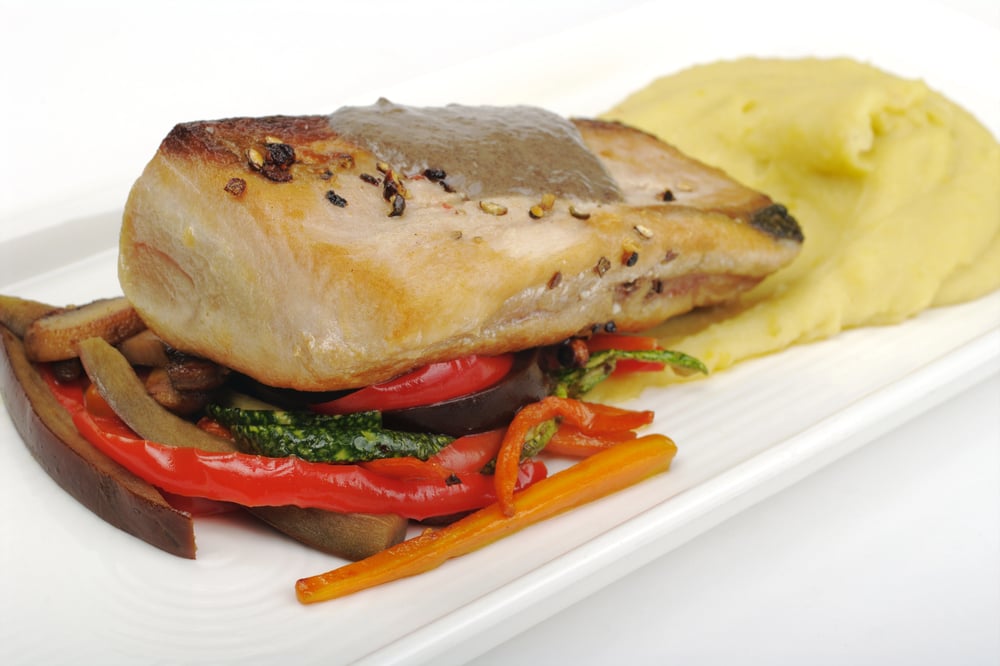
These unusual holiday foods show how different cultures find meaning and joy in traditions that might seem weird to outsiders. What looks gross to one person represents comfort, history, and family connection to another.
Many of these dishes developed out of necessity, using every available ingredient during harsh seasons or difficult times. Today, they continue as links to the past and ways to honor ancestors who created these recipes.
The next time someone serves something strange during a holiday meal, remember that food traditions connect us to stories much bigger than what’s on the plate.
More from Go2Tutors!

- 16 Historical Figures Who Were Nothing Like You Think
- 12 Things Sold in the 80s That Are Now Illegal
- 15 VHS Tapes That Could Be Worth Thousands
- 17 Historical “What Ifs” That Would Have Changed Everything
- 18 TV Shows That Vanished Without a Finale
Like Go2Tutors’s content? Follow us on MSN.