17 Economic Indicators That Fooled Everyone
Economic indicators are supposed to be our crystal ball into the financial future, helping investors, policymakers, and everyday people make smart decisions. But sometimes these trusted metrics can be as misleading as a mirage in the desert, leading entire nations down the wrong path with devastating consequences.
Throughout history, seemingly rock-solid economic data has painted rosy pictures right before spectacular crashes, or suggested doom when prosperity was just around the corner. Here is a list of 17 economic indicators that completely fooled everyone when it mattered most.
Housing Starts Data Before 2008

Housing construction numbers looked stellar in the mid-2000s, with new home construction hitting record highs year after year. Economists and policymakers pointed to these robust figures as proof of a healthy, growing economy that could sustain itself indefinitely.
What they missed was that much of this construction was fueled by subprime lending and speculative investment rather than genuine demand, setting the stage for the housing market collapse that triggered the Great Recession.
Unemployment Rates in Weimar Germany
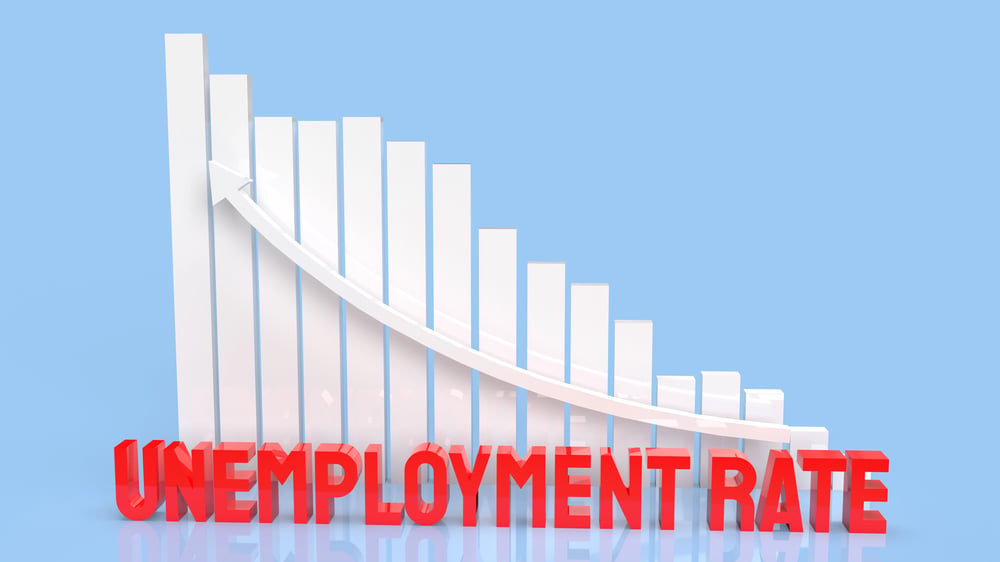
Germany’s unemployment statistics in the early 1920s appeared manageable, even as hyperinflation was beginning to take hold. The government proudly reported that most citizens remained employed, suggesting economic stability despite rising prices.
However, these numbers failed to capture that people were working for wages that became worthless within hours, making employment statistics completely meaningless in the face of currency collapse.
Like Go2Tutors’s content? Follow us on MSN.
Stock Market Valuations in 1929

The price-to-earnings ratios and market capitalization figures throughout the 1920s showed consistent growth that convinced investors they were in a ‘new era’ of permanent prosperity. Financial experts used these metrics to justify increasingly aggressive investments and margin buying.
The indicators completely missed the speculative bubble that was inflating beneath the surface, leading to Black Tuesday and the subsequent Great Depression.
Japan’s GDP Growth in the 1980s

Japan’s gross domestic product numbers painted a picture of an unstoppable economic miracle throughout the 1980s, with consistent double-digit growth that made the country seem destined to overtake the United States. International observers marveled at these figures and predicted Japan would become the world’s largest economy within decades.
The GDP data failed to reveal that much of this growth was built on inflated real estate and stock prices, creating a bubble that burst spectacularly in the 1990s.
Consumer Confidence Before the Dot-Com Crash

Consumer confidence surveys reached near-record highs in 1999 and early 2000, with Americans expressing unprecedented optimism about their financial futures. These surveys suggested that strong consumer spending would continue indefinitely, supporting the broader economy even as tech stocks soared to absurd valuations.
The confidence indicators completely missed the brewing skepticism about internet companies with no profits, leading to a crash that wiped out trillions in market value.
Like Go2Tutors’s content? Follow us on MSN.
China’s Manufacturing Index in 2015

China’s Purchasing Managers’ Index consistently showed expansion throughout 2015, suggesting robust industrial activity and healthy economic growth. International markets took comfort in these numbers, believing China’s economy remained strong enough to support global commodity demand.
The index masked significant overcapacity problems and debt accumulation that would soon force major economic restructuring and slower growth.
Greek Government Debt Ratios

Greece’s official debt-to-GDP ratios appeared manageable for years leading up to 2010, meeting European Union requirements and suggesting fiscal responsibility. Credit rating agencies and international lenders relied on these figures to justify continued lending at favorable rates.
The ratios were later revealed to have been systematically manipulated through complex financial instruments, hiding the true extent of Greek indebtedness and triggering a sovereign debt crisis.
U.S. Inflation Measures in the 1970s
Traditional inflation indicators initially downplayed the severity of rising prices in the early 1970s, suggesting that price increases were temporary and manageable. Policymakers used these measures to justify loose monetary policy, believing they could stimulate growth without triggering significant inflation.
The indicators failed to capture the underlying inflationary pressures from oil shocks and wage-price spirals, leading to the stagflation crisis that plagued the decade.
Like Go2Tutors’s content? Follow us on MSN.
Technology Sector Employment in 2000

Employment figures in the technology sector showed explosive job creation throughout the late 1990s, with hundreds of thousands of new positions being created annually. These numbers convinced many that the ‘new economy’ was fundamentally different and could sustain rapid growth indefinitely.
The employment data missed the fact that many of these jobs were dependent on speculative funding and unprofitable business models, leading to massive layoffs when the bubble burst.
European Banking Stress Tests in 2010

Stress test results for European banks showed that most institutions could weather severe economic downturns, with only a handful requiring additional capital. Regulators and investors took comfort in these assessments, believing the banking system was fundamentally sound after the 2008 crisis.
The tests used overly optimistic assumptions and failed to account for sovereign debt problems, leading to another banking crisis just two years later.
Venezuela’s Oil Revenue Projections

Venezuela’s government repeatedly published optimistic oil revenue forecasts throughout the 2000s, based on assumptions of continued high oil prices and stable production. These projections justified massive social spending programs and foreign borrowing, creating an image of sustainable prosperity.
The forecasts completely ignored the risks of oil price volatility and the deteriorating state of the country’s oil infrastructure, contributing to economic collapse when prices fell.
Like Go2Tutors’s content? Follow us on MSN.
Iceland’s Financial Sector Growth

Iceland’s financial services sector showed remarkable expansion in the mid-2000s, with banking assets growing to nearly ten times the country’s GDP. Economic indicators suggested this growth represented genuine financial innovation and competitive advantage in global markets.
The metrics failed to reveal that this expansion was built on unsustainable leverage and risky international investments, leading to a complete banking system collapse in 2008.
Turkish Current Account Balance

Turkey’s current account deficit appeared manageable throughout much of the 2010s, with many economists arguing that the country’s young population and growing economy could sustain higher levels of foreign borrowing. International investors used these figures to justify continued investment in Turkish assets and currency.
The balance sheet analysis missed the vulnerability created by short-term foreign currency debt, leading to currency crises when investor sentiment shifted.
Argentina’s Currency Reserves in 2001

Argentina’s central bank reported healthy foreign currency reserves right up until the 2001 economic crisis, suggesting the country had adequate resources to defend its currency peg. International observers and rating agencies took comfort in these figures, believing Argentina could maintain monetary stability.
The reserves were later revealed to be significantly overstated and largely inaccessible, contributing to the dramatic devaluation and economic collapse.
Like Go2Tutors’s content? Follow us on MSN.
U.S. Productivity Growth in the 2000s

Productivity statistics showed robust improvement throughout much of the 2000s, suggesting that American workers were becoming more efficient and the economy could sustain higher growth rates. Policymakers pointed to these numbers as evidence that technological advancement was driving fundamental economic improvement.
The productivity gains were later found to be concentrated in the unsustainable financial and housing sectors, disappearing when those bubbles burst.
European Unemployment Convergence

Unemployment rates across European Union countries appeared to be converging toward lower levels in the mid-2000s, suggesting that economic integration was successfully reducing regional disparities. EU officials used these trends to argue that the single currency was working as intended, promoting economic harmony across member states.
The convergence masked underlying competitiveness problems and debt accumulation that would tear the eurozone apart during the subsequent crisis.
Global Trade Growth Projections

International trade volume projections consistently showed robust growth throughout the 2000s, with organizations like the World Trade Organization forecasting continued expansion of global commerce.
These forecasts supported arguments for increased economic integration and specialization across countries. The projections failed to account for the financial crisis and subsequent slowdown in global trade growth, overestimating the resilience of international supply chains.
Like Go2Tutors’s content? Follow us on MSN.
When Numbers Lie

These spectacular failures remind us that economic indicators are tools, not crystal balls, and they’re only as good as the assumptions built into them. The most dangerous moments often come when everyone agrees that the numbers look great, creating a false sense of security that prevents proper risk assessment.
Smart economic analysis requires looking beyond the headline figures to understand what’s driving the trends, because sometimes the most important story is what the numbers aren’t telling you.
More from Go2Tutors!

- 16 Restaurant Chains That Went Too Fast
- 12 Things Sold in the 80s That Are Now Illegal
- 15 Strange Things People Have Tried to Ban (And Failed)
- 16 Collectibles People Tossed Out Too Soon
- 17 Myths from Your Childhood That Were Actually Based on Real Things
Like Go2Tutors’s content? Follow us on MSN.