10 Abandoned Theme Parks With Dark Safety Records
Theme parks are supposed to be places of joy and excitement, yet some have histories that tell much darker stories. When safety regulations weren’t properly followed or equipment wasn’t adequately maintained, these entertainment venues became sites of tragedy rather than fun.
These abandoned parks serve as reminders of what happens when profit takes priority over visitor safety. Here’s a list of 10 abandoned theme parks with dark safety records.
Action Park (New Jersey)

Action Park earned the nickname ‘Traction Park’ due to its extraordinarily high injury rate throughout the 1980s and 1990s — visitors regularly suffered broken bones, cuts, and concussions on poorly designed attractions. The park’s Alpine Slide alone was responsible for numerous serious injuries, while the Cannonball Loop water slide was so dangerous that it was closed after just one month of operation.
Okpo Land (South Korea)

This South Korean amusement park closed permanently after two fatal accidents occurred within a month of each other in 1999. A ride called the Space Ship malfunctioned and killed a young girl — then weeks later, another mechanical failure on a different ride claimed another life, leading to immediate closure.
Lake Shawnee Amusement Park (West Virginia)

Lake Shawnee operated from 1926 to 1966, though it was plagued by accidents including the deaths of two children during its operational years. A young girl died on the swings when a truck accidentally struck her — while a boy drowned in the park’s swimming pond, leading to multiple lawsuits against the facility.
Pripyat Amusement Park (Ukraine)

This park near Chernobyl was scheduled to open on May 1, 1986, yet the nuclear disaster occurred just days before the grand opening. While not technically operational long enough to develop a safety record, the park’s Ferris wheel and bumper cars remain as haunting symbols — forever frozen in time due to radiation contamination.
Jazzland (New Orleans)

Six Flags Jazzland closed in 2005 after Hurricane Katrina, though the park had already faced several safety incidents including ride malfunctions and guest injuries. The flooding from Katrina left the park submerged under several feet of water — creating structural damage that made reopening impossible even if ownership had wanted to continue operations.
Holy Land USA (Connecticut)

This religious-themed park operated from 1958 to 1984, yet it became known for accidents and poor maintenance during its later years. Visitors regularly reported injuries from broken walkways and unstable structures — while the park’s hillside location created additional hazards when weather conditions made pathways slippery.
Geauga Lake (Ohio)
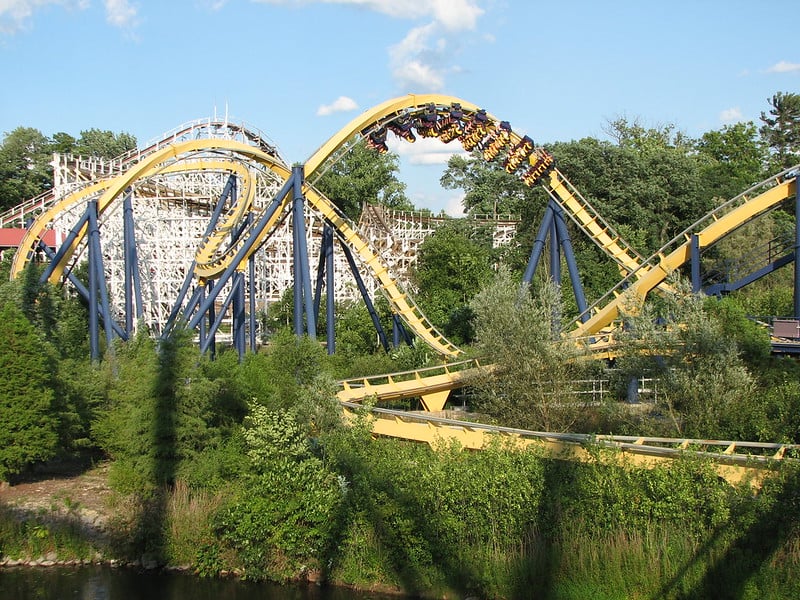
Though Geauga Lake operated for over a century, its final years under Six Flags ownership were marked by several serious incidents including ride accidents and drownings. The park’s water attractions were particularly problematic — with multiple near-drowning incidents and at least one fatality in the wave pool before closure in 2007.
Miracle Strip Amusement Park (Florida)

This beachfront park operated from 1963 to 2004, yet its aging infrastructure led to numerous safety concerns during its final decade. The park experienced several ride malfunctions that injured guests — while hurricane damage from multiple storms created ongoing structural issues that were never properly addressed.
Boblo Island Amusement Park (Michigan)

Boblo Island’s remote location made emergency response difficult when accidents occurred, contributing to several serious incidents during its operational years. The park’s ferry transportation system added complexity to medical emergencies — while aging rides and limited maintenance budgets created ongoing safety challenges before closure in 1993.
Spreepark (Germany)

This East Berlin park operated under communist rule and later as a private enterprise, though both eras were marked by safety incidents and poor maintenance. Several ride accidents occurred during the 1990s when the park struggled financially — leading to deferred maintenance that made attractions increasingly dangerous before abandonment in 2002.
When Entertainment Becomes Endangerment

— Photo by VitalikRadko
These abandoned parks represent more than just failed business ventures—they serve as stark reminders of what happens when safety becomes secondary to profit margins. Modern theme park regulations have evolved significantly since many of these facilities operated, yet their stories continue to influence safety standards today. The empty rides and overgrown pathways stand as monuments to the importance of rigorous safety protocols, proper maintenance, and putting visitor welfare above financial considerations in the entertainment industry.
More from Go2Tutors!

- 16 Historical Figures Who Were Nothing Like You Think
- 12 Things Sold in the 80s That Are Now Illegal
- 15 VHS Tapes That Could Be Worth Thousands
- 17 Historical “What Ifs” That Would Have Changed Everything
- 18 TV Shows That Vanished Without a Finale
Like Go2Tutors’s content? Follow us on MSN.