14 Times Entire Cities Moved to a New Location (and Why)
Imagine waking up one day to find your entire city is being moved—brick by brick, mile by mile. Sounds unbelievable? Yet history is full of cases where entire communities had no choice but to pack up and start over. Natural disasters, economic necessities, and even political decisions have forced entire communities to pack up and rebuild elsewhere. These massive relocations represent extraordinary feats of planning, determination, and adaptation.
Here is a list of 14 remarkable examples of cities that completely relocated, demonstrating humanity’s resilience when faced with the need to start over.
Kiruna, Sweden
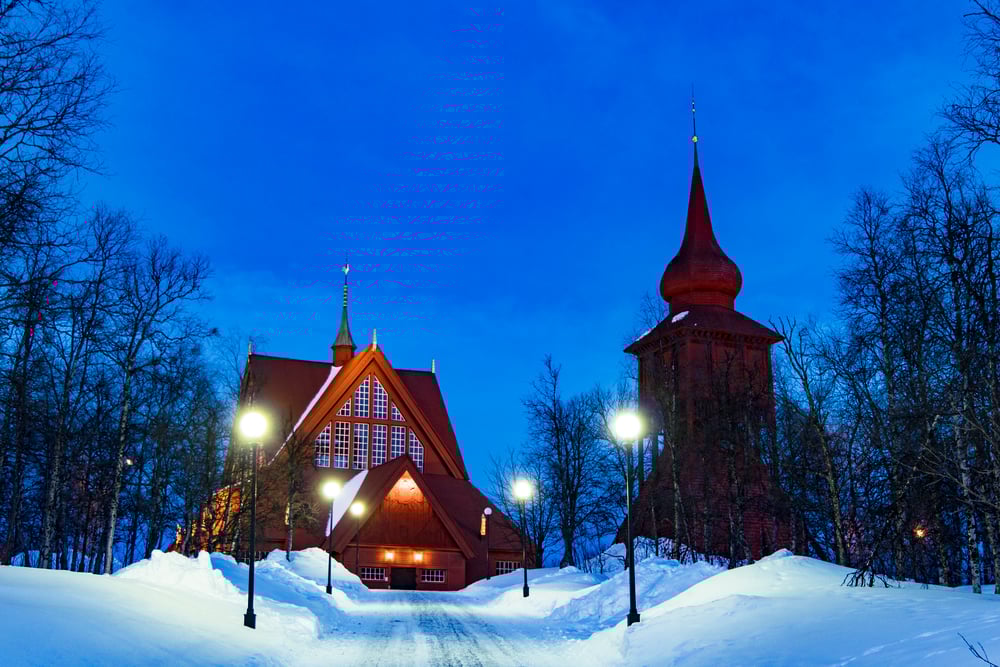
Sweden’s northernmost city is currently in the midst of a decades-long move. Kiruna sits atop one of the world’s richest iron ore deposits, and as the mine expanded beneath the city, the ground began to destabilize.
Rather than abandon the mine that provides the city’s economic lifeblood, officials decided in 2004 to relocate the entire city about two miles east. The massive project involves moving historical buildings intact and constructing new neighborhoods before demolishing the old ones.
Valdez, Alaska
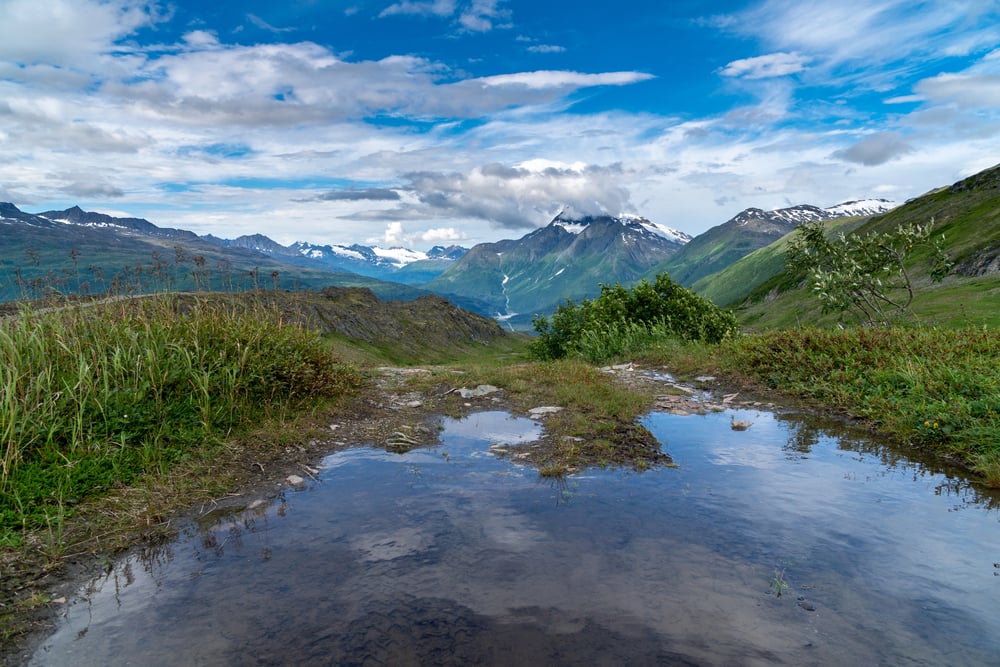
After the devastating 1964 Good Friday earthquake—the second most powerful ever recorded worldwide at 9.2 magnitude—the port city of Valdez was literally sinking into the ground. The entire townsite had been built on unstable soil that liquefied during the quake.
Federal officials deemed the location too dangerous for rebuilding, so the entire community relocated four miles away to more solid ground. The move was completed by 1967, with residents establishing a completely new and better planned city.
Hibbing, Minnesota
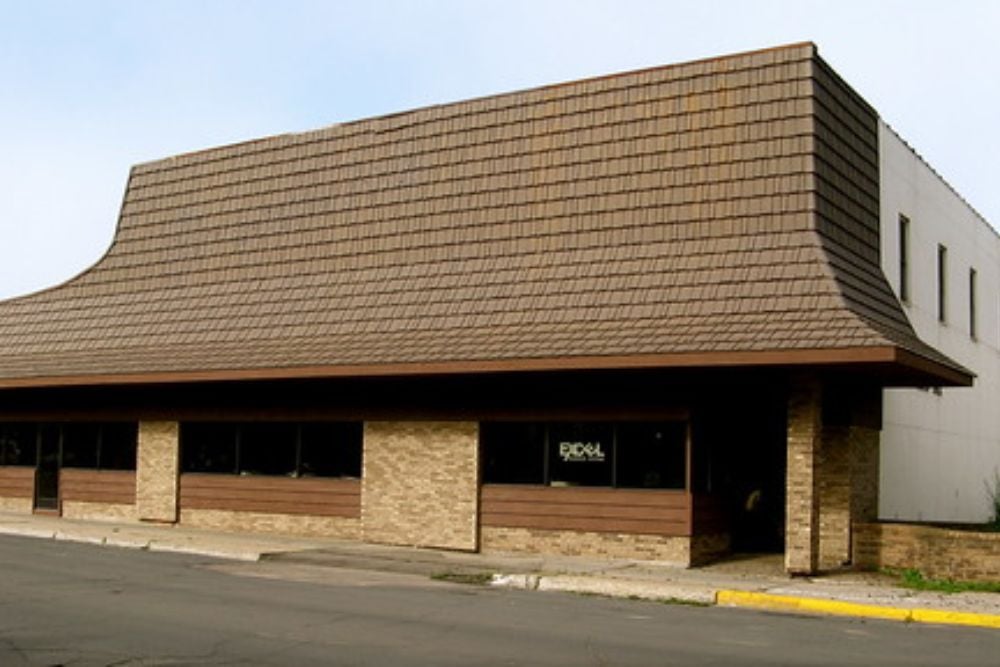
In the early 1900s, the discovery of valuable iron ore directly beneath the town of Hibbing presented an unusual problem. The solution? Between 1919 and 1921, the mining company physically moved the entire town two miles south.
Nearly 200 buildings were placed on rollers and transported to the new location. Businesses remained open during the move, with some shops serving customers even as they slowly rolled down the street to their new foundations.
Villa Epecuén, Argentina
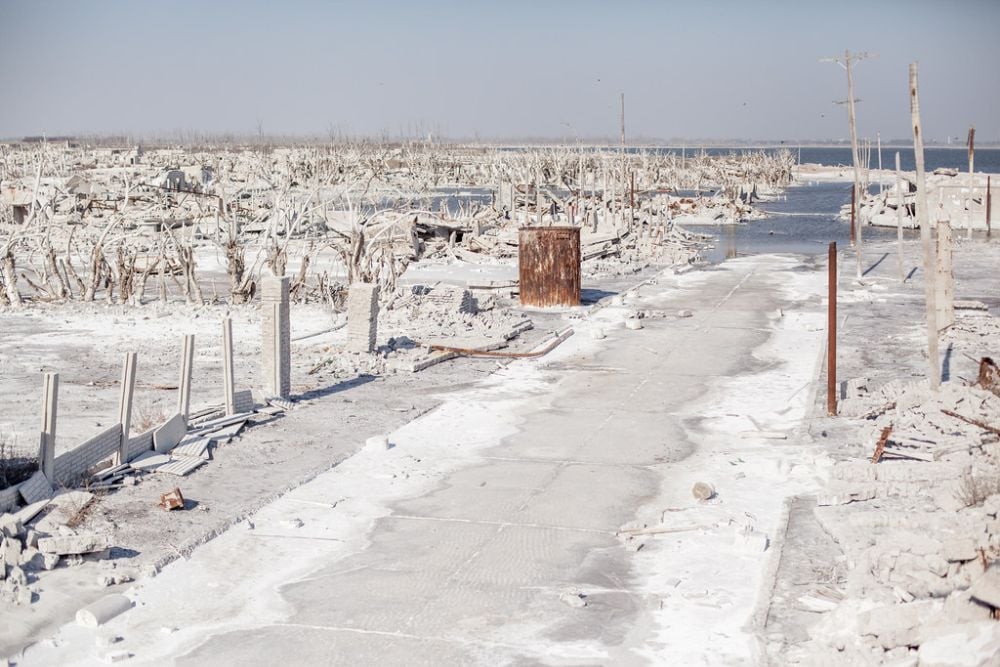
Once a thriving lakeside resort town, Villa Epecuén was abandoned in 1985 when the saltwater lake it bordered flooded after heavy rains and a failed dam. After remaining underwater for nearly 25 years, the ruins reemerged as the waters receded.
Rather than rebuild in the same location, surviving residents established a new town several miles away, leaving behind a hauntingly beautiful ghost town that attracts visitors fascinated by its salt-encrusted remains.
Tallangatta, Australia
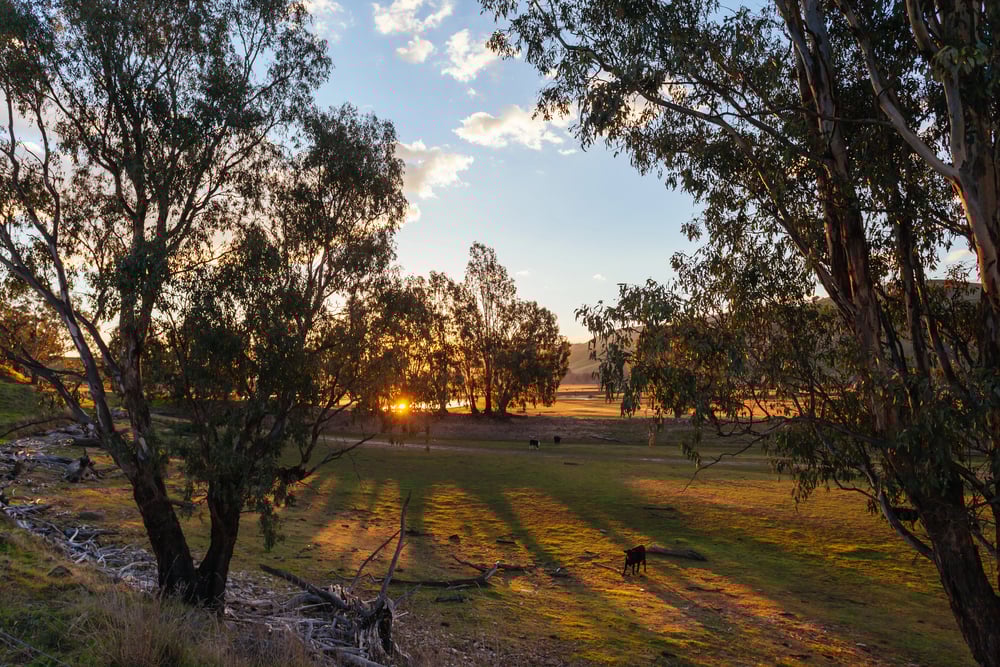
This Australian town moved just 5 miles in the 1950s when the expansion of the Hume Dam threatened to flood its original location. The government purchased the entire township and methodically rebuilt it on higher ground.
Many buildings were physically relocated, while others were constructed new with modern designs. The move created what locals proudly called ‘The Town That Moved’ – a slogan that still appears on welcome signs today.
Morococha, Peru
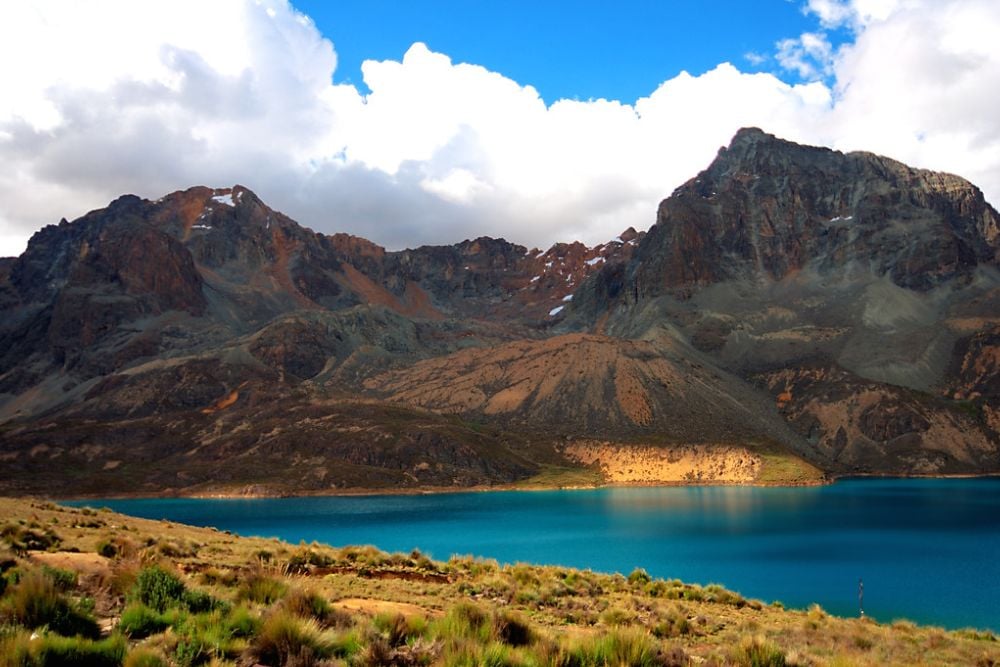
When a Chinese mining company discovered vast copper deposits beneath this Andean town, residents faced a choice: relocate or watch their community slowly consumed by an expanding mine. Beginning in 2013, approximately 5,000 people moved to Nueva Morococha (New Morococha), a purpose-built town about 6 miles away.
The relocation remains controversial, with some former residents arguing the new housing and infrastructure doesn’t match what they left behind.
Vidalia, Louisiana
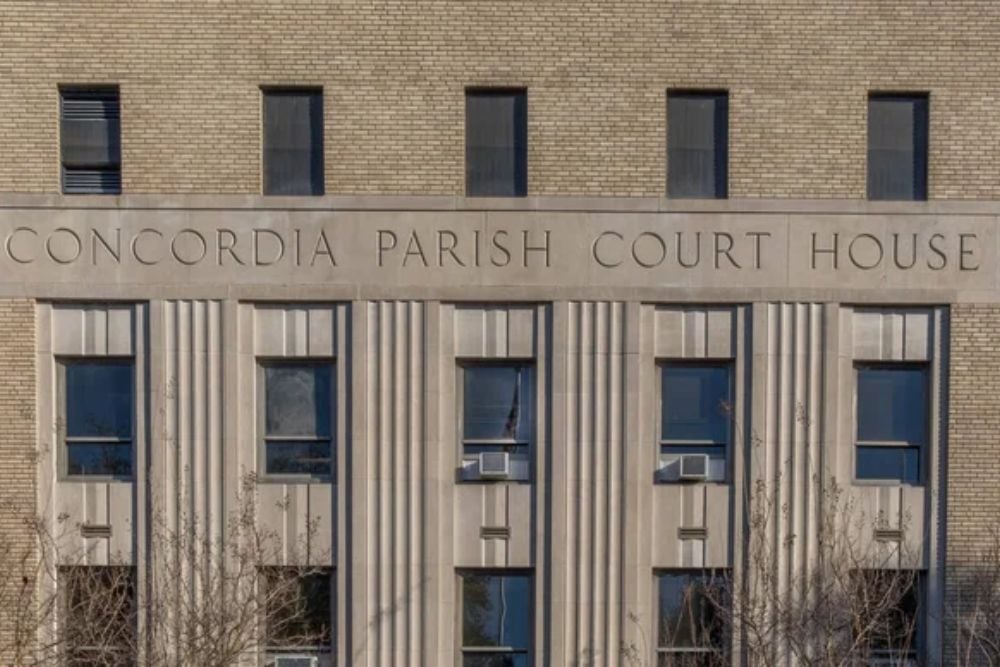
When the mighty Mississippi River began eroding the banks of Vidalia in the 1920s and 1930s, the entire town faced imminent destruction. The solution was dramatic: the federal government funded a complete relocation of the community about a mile inland.
Nearly every building in town was either moved intact or dismantled and reconstructed. The massive project saved the historic community while providing improved protection from the river’s unpredictable flows.
Zapata, Texas
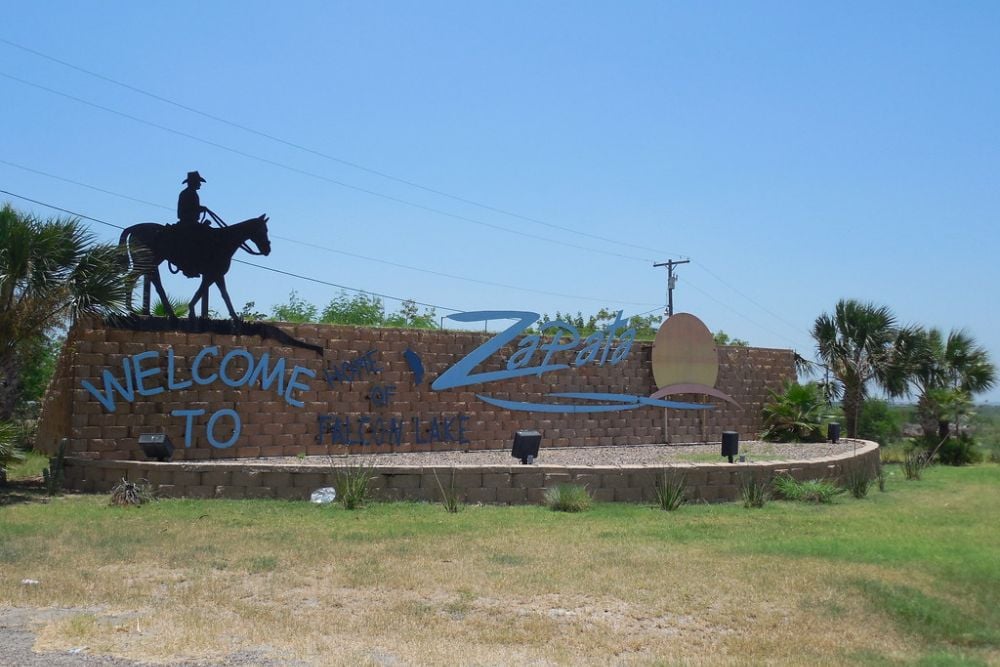
When engineers decided to build the International Falcon Reservoir in the 1950s, they ran into a problem—Zapata, Texas, was right in the way. Rather than fight the rising waters, the entire town packed up and moved seven miles north.
The federal government purchased the land and relocated residents to a new townsite on higher ground. Though the move preserved the community, it came at a cultural cost – many historic buildings and archaeological sites now lie beneath the waters of Falcon Lake, occasionally reemerging during severe droughts.
Treece, Kansas
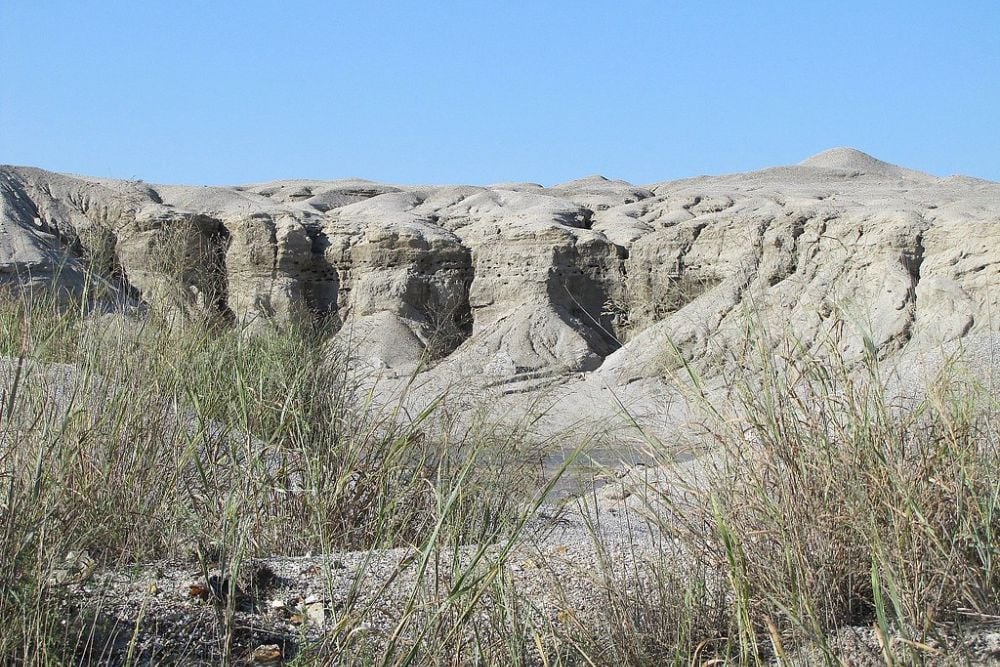
This former mining boomtown faced a slow-motion environmental catastrophe. Decades of lead and zinc mining left the ground beneath Treece riddled with unstable shafts and contaminated with dangerous heavy metals.
By 2009, the EPA declared the area so hazardous that a complete evacuation was the only option. The entire community was bought out, with residents relocated to nearby towns. Today, Treece exists only on old maps, with nature slowly reclaiming the abandoned townsite.
Pripyat, Ukraine
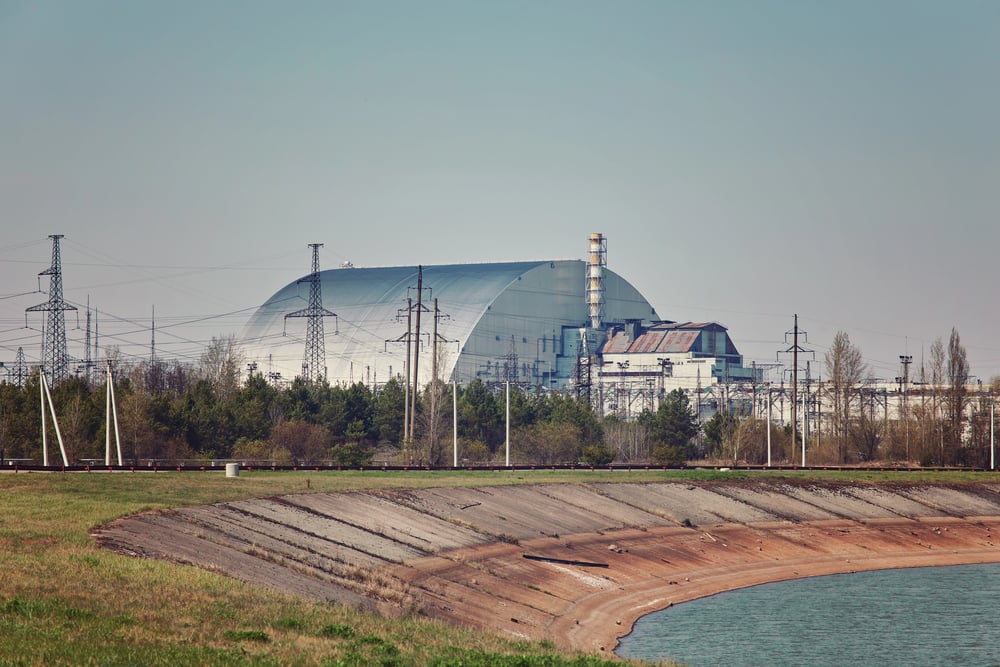
Though not technically relocated as a unified community, Pripyat deserves mention as one of history’s most famous abandoned cities. Following the 1986 Chernobyl nuclear disaster, the entire population of nearly 50,000 was evacuated with just hours’ notice.
Most residents were resettled in Slavutych, a purpose-built city approximately 30 miles away. The hasty relocation meant leaving nearly everything behind, creating the haunting time capsule that draws tourists and documentary filmmakers today.
Kivalina, Alaska
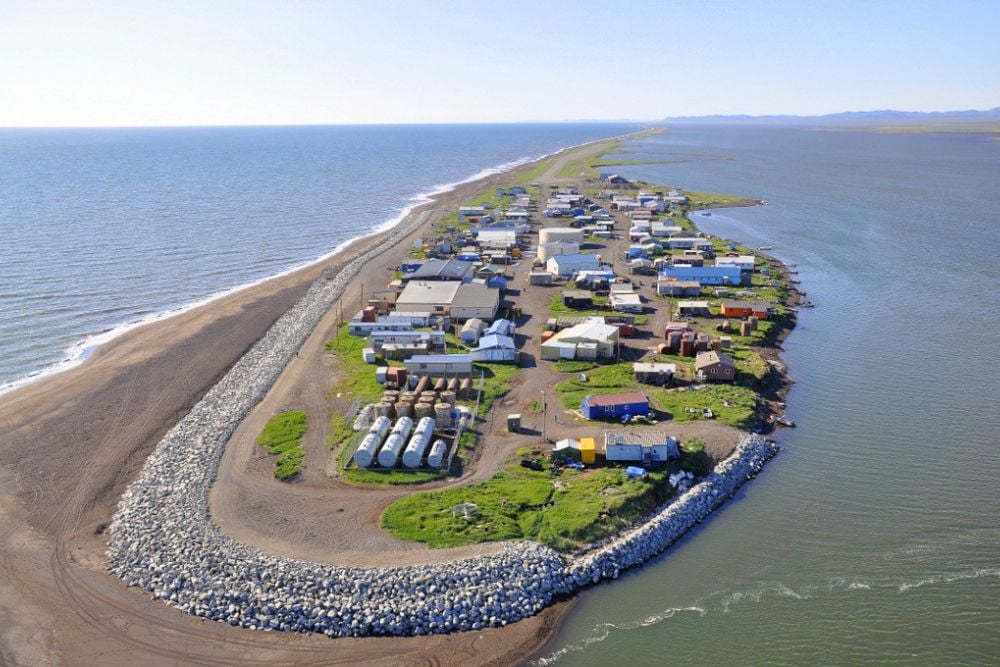
This small Alaskan barrier island community is facing relocation due to climate change. Rising sea levels and reduced sea ice have left Kivalina increasingly vulnerable to storm surges and erosion.
After years of planning, residents selected a new site about 7 miles away, though funding constraints have delayed the move. When completed, Kivalina will likely represent one of the first American communities entirely relocated due to climate change impacts.
Lost Villages of Ontario
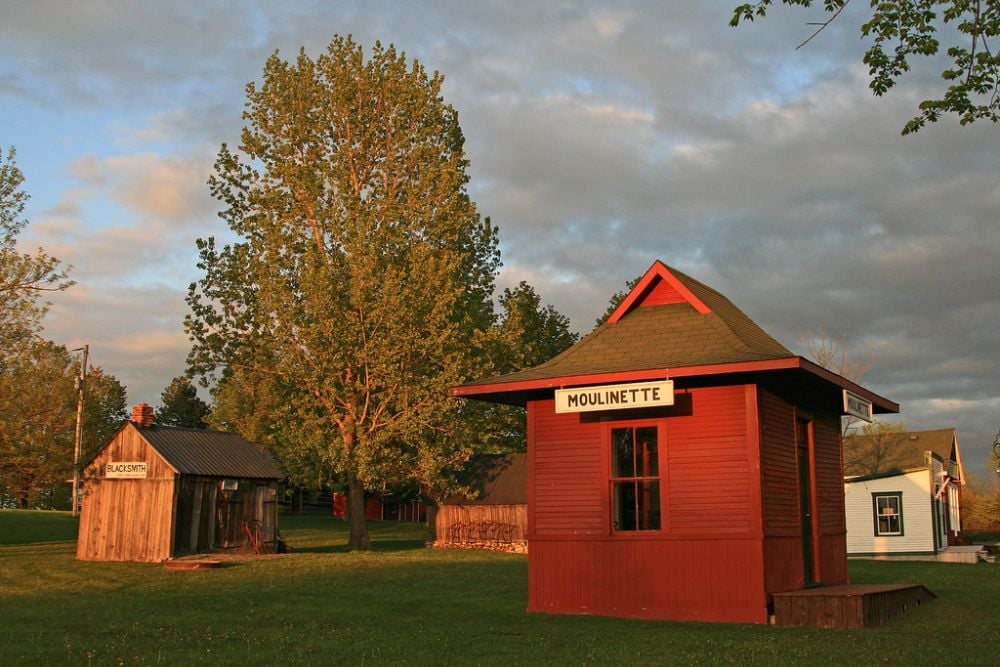
When the massive St. Lawrence Seaway project was constructed in the 1950s, ten entire villages along the Canadian shoreline had to be relocated or abandoned. Approximately 6,500 people were moved as their communities would soon be submerged.
Engineers relocated many historic buildings to the new planned community of Long Sault, while other structures were demolished. Today, scuba divers explore the underwater remains of these ‘Lost Villages,’ including intact streets, foundations, and even a lock system.
Valdeluz, Spain
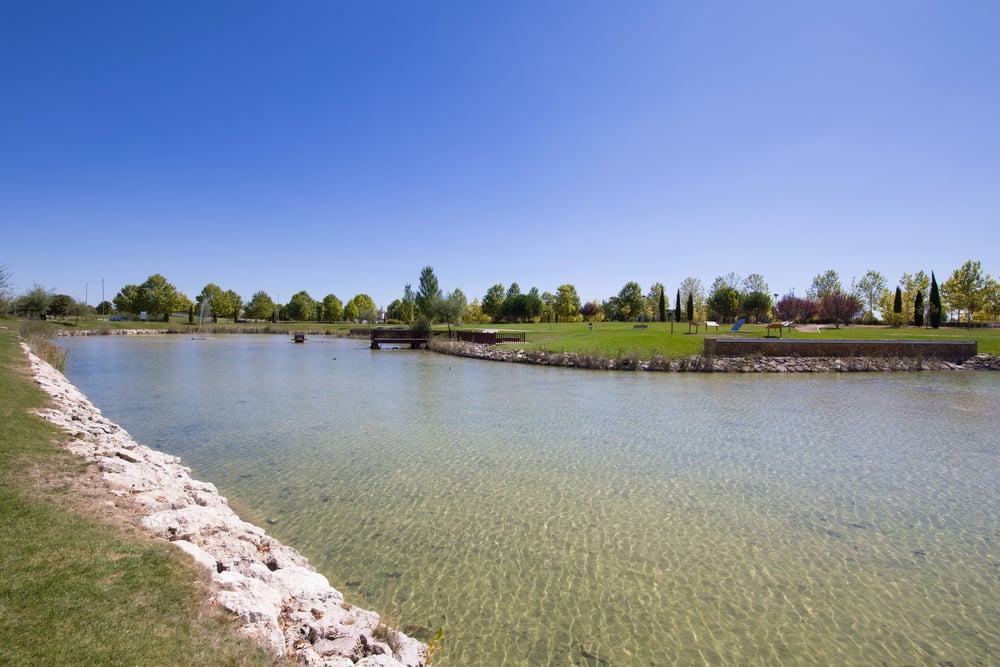
This planned community represents a modern cautionary tale of urban relocation gone wrong. Built from scratch in the early 2000s to house 30,000 residents near a proposed high-speed rail station, Valdeluz was nearly abandoned when the 2008 financial crisis hit mid-construction.
For years, fewer than 1,000 people lived in a ghost town of empty apartment blocks. The community has slowly recovered, though with a much smaller population than intended and serving as a reminder of the risks inherent in large-scale relocations.
Centralia, Pennsylvania
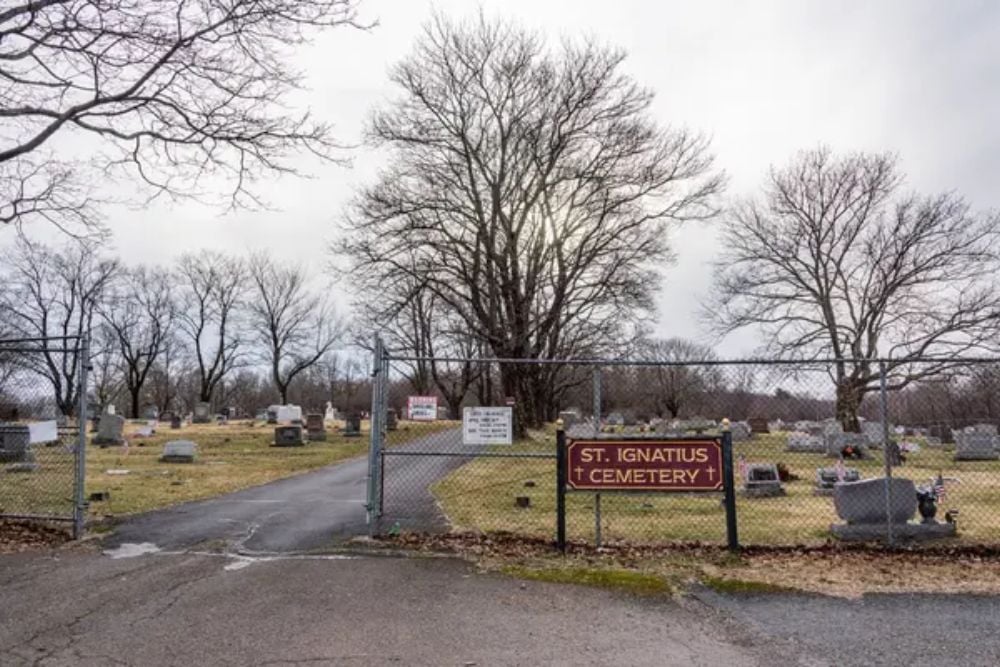
Perhaps America’s most famous ghost town, Centralia was once a thriving coal mining community. In 1962, a trash fire ignited an underground coal seam, creating an unstoppable blaze that still burns today.
As toxic gases seeped into homes and sinkholes opened in streets, most residents accepted government buyouts and relocated to nearby towns. Though a handful of determined residents fought to stay, the community effectively ceased to exist, with roads rerouted around the dangerous area and most buildings demolished.
Embracing Adaptability
These cities that have been moved serve as a reminder that, in spite of their seeming permanence, human settlements may be remarkably movable when necessary. The causes of relocating entire populations, which range from natural calamities to economic possibilities, highlight both our susceptibility to uncontrollable forces and our extraordinary ability to adapt when faced with the necessity of starting over.
The human ties and communal ties frequently withstood the voyage, even while the actual places changed. This shows that a city’s essential foundation is not its topography but its people.
More from Go2Tutors!

- The Romanov Crown Jewels and Their Tragic Fate
- 13 Historical Mysteries That Science Still Can’t Solve
- Famous Hoaxes That Fooled the World for Years
- 15 Child Stars with Tragic Adult Lives
- 16 Famous Jewelry Pieces in History
Like Go2Tutors’s content? Follow us on MSN.



