17 Flight Incidents Where Passengers Had to Take Over the Plane
Flying is statistically safe, but sometimes circumstances push both the crew and passengers to their limits. There have been incredible cases over aviation history where regular passengers were thrust into exceptional situations, rising to the challenge when pilots were incapacitated or emergency required immediate response.
Below is a compilation of 17 significant flight incidents where passengers were forced to seize control of the plane, exhibiting great bravery and quick thinking under intense pressure.
United Flight 232
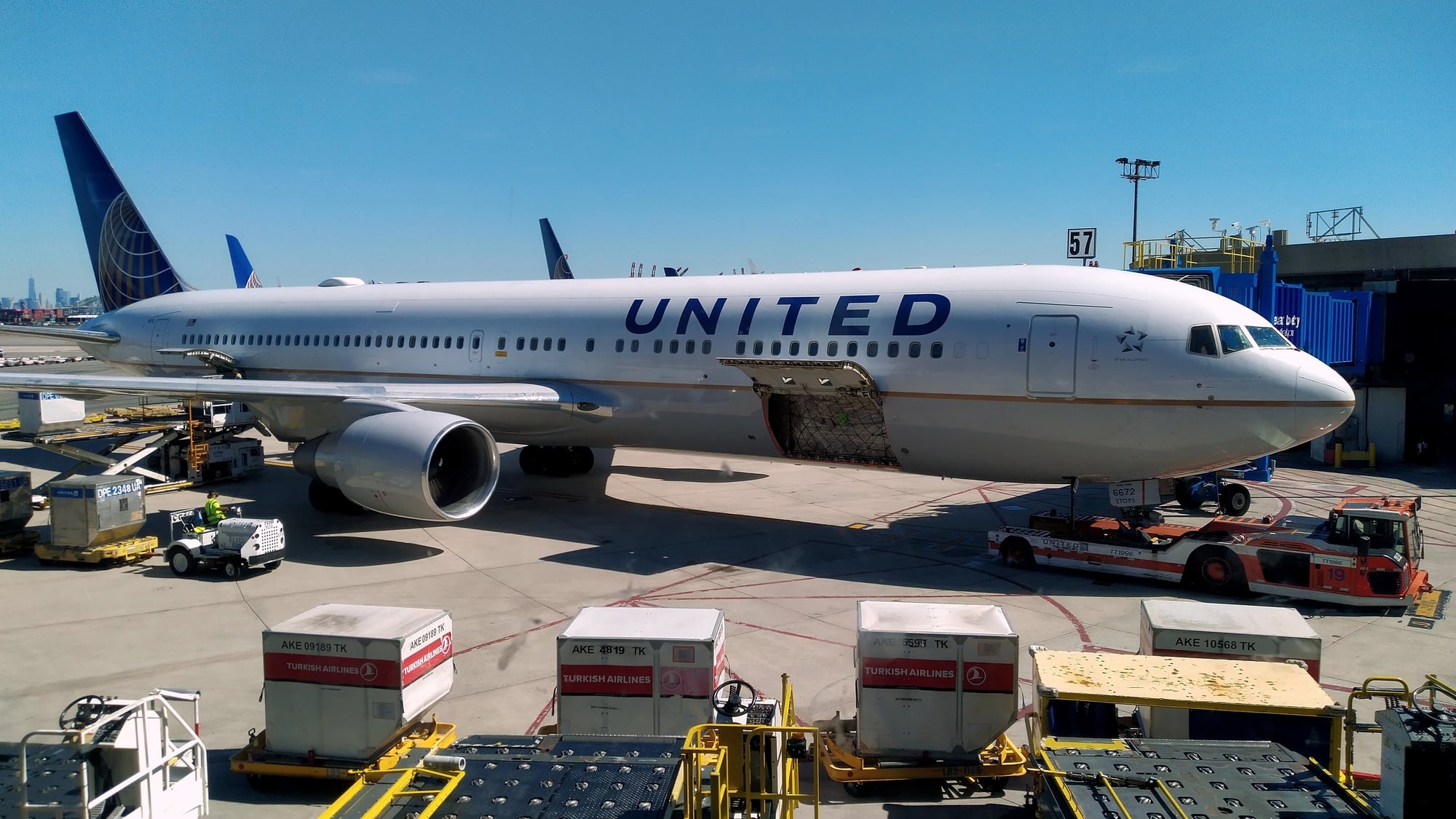
When United Flight 232’s DC-10 suffered catastrophic hydraulic failure in 1989, an off-duty pilot named Dennis Fitch volunteered to help the crew. He controlled the throttles while the captain and first officer struggled with minimal controls.
Their teamwork saved 185 lives despite the crash landing in Sioux City, Iowa, becoming one of aviation’s most studied examples of resource management under extreme pressure.
Helios Airways Flight 522
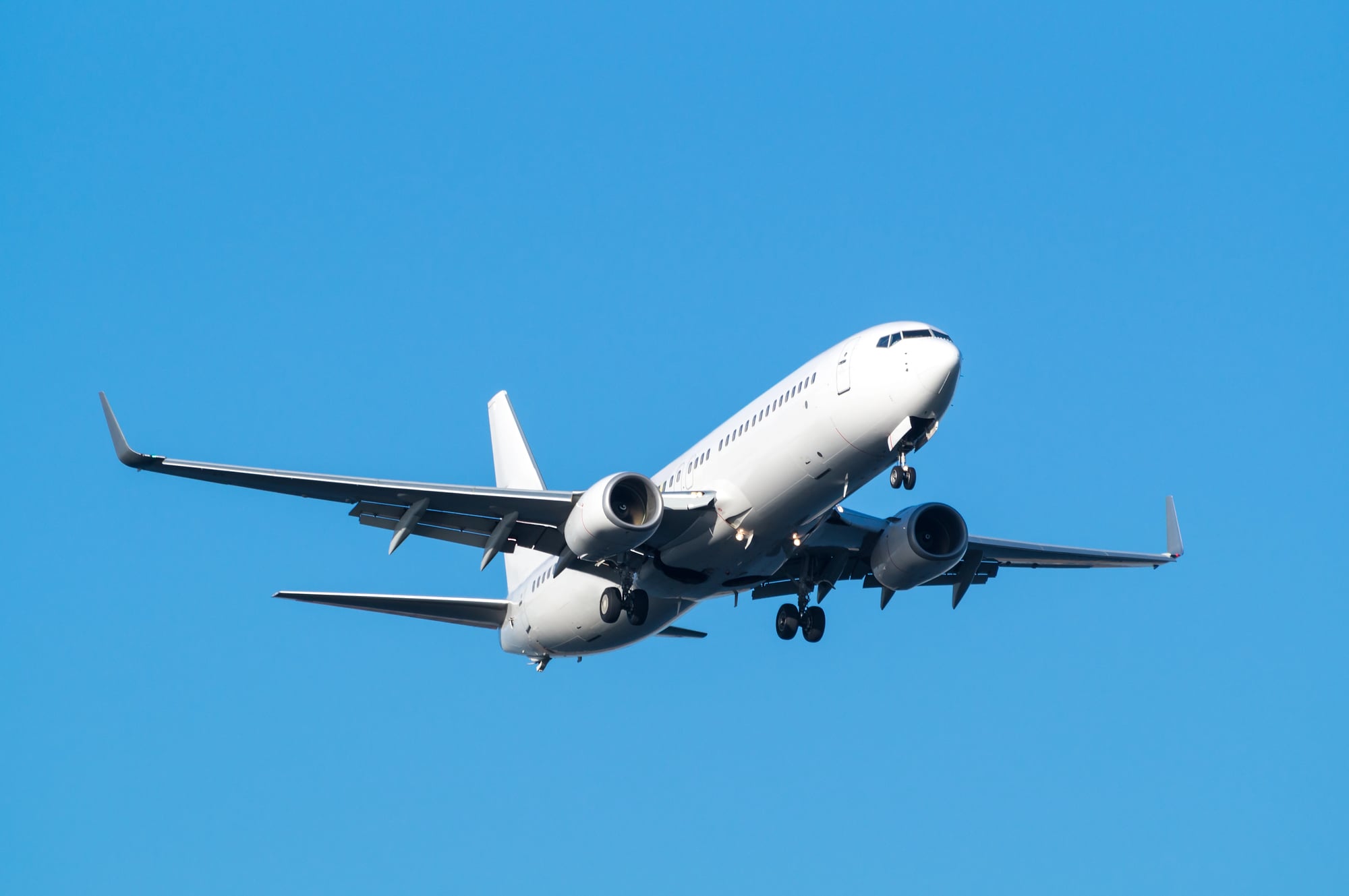
Everyone on board, with the exception of flight attendant Andreas Prodromou, was rendered unconscious as this Boeing 737 gradually lost cabin pressure during ascent in 2005. Despite lacking official pilot training, Prodromou recovered consciousness after almost three hours of flying on autopilot and made an effort to steer the plane.
Before the plane ran out of fuel close to Athens and tragically crashed with no survivors, he was able to make it to the cockpit and temporarily take control.
Southwest Flight 1380
During a regular flight in 2018, an engine blowout broke a window, partly dragging a passenger out of the plane. Some fast-acting passengers dragged her back in as others assisted with dressing her wounds.
While not actually assuming control of flying duties, these passengers’ quick reaction to deal with a life-threatening emergency highlighted the importance of travelers in the case of in-flight emergencies.
Air Florida Flight 90

Following the crash into the Potomac River in 1982, passenger Arland Williams Jr. repeatedly passed the rescue line to other survivors. He helped save five fellow passengers before the wreckage shifted and he drowned.
While not piloting the aircraft, his self-sacrifice represents one of the most heroic passenger responses to an aviation disaster.
Continental Express Flight 2816
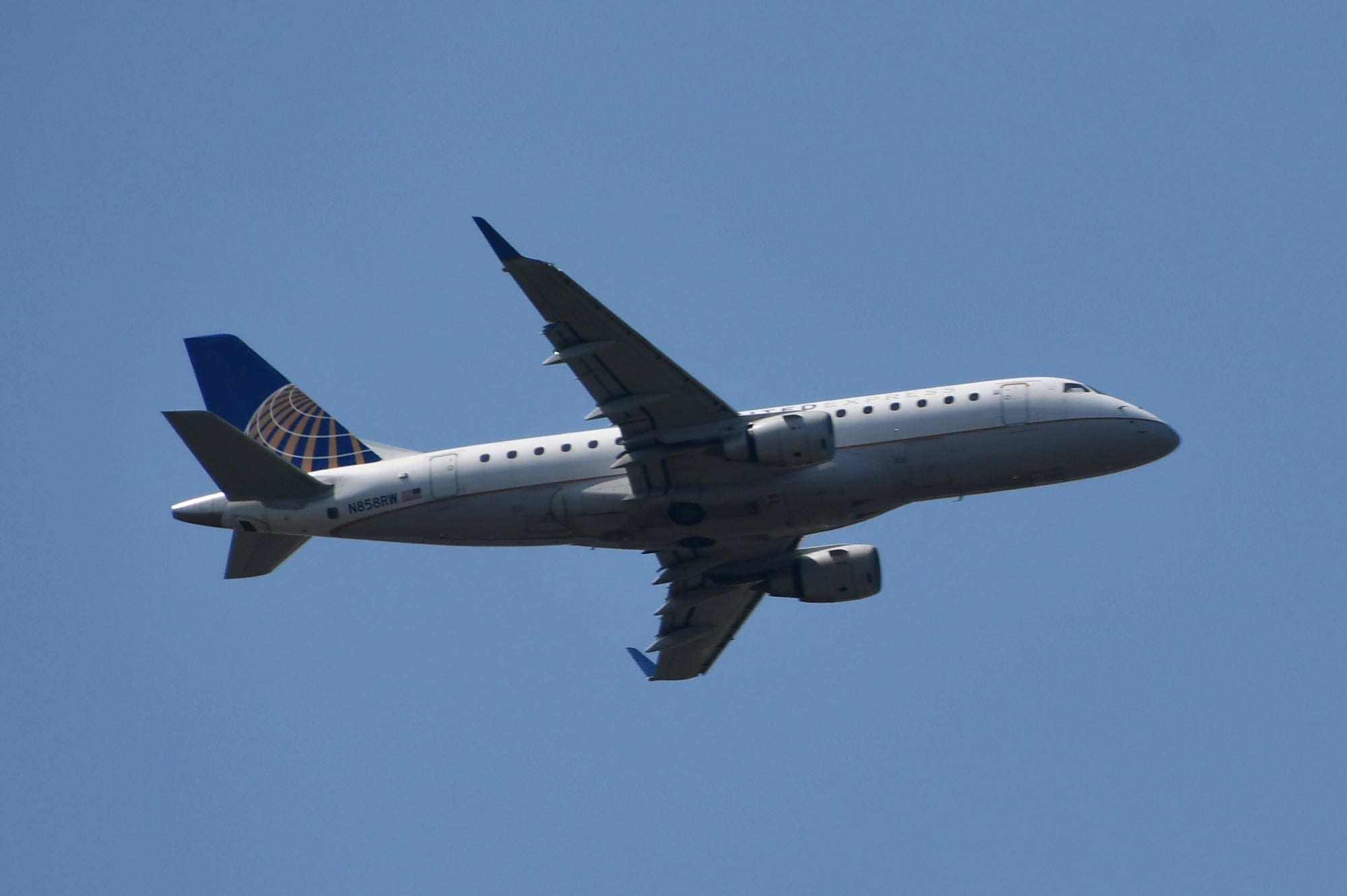
When this regional jet was stranded on the tarmac for nearly six hours in 2009, passengers eventually organized and demanded action. They collectively pressed for resolution when the crew seemed unable to secure permission to deplane.
Their coordinated response led to significant changes in passenger rights regulations, demonstrating how travelers can effectively take control of a situation even without touching the controls.
Alaska Airlines Flight 261
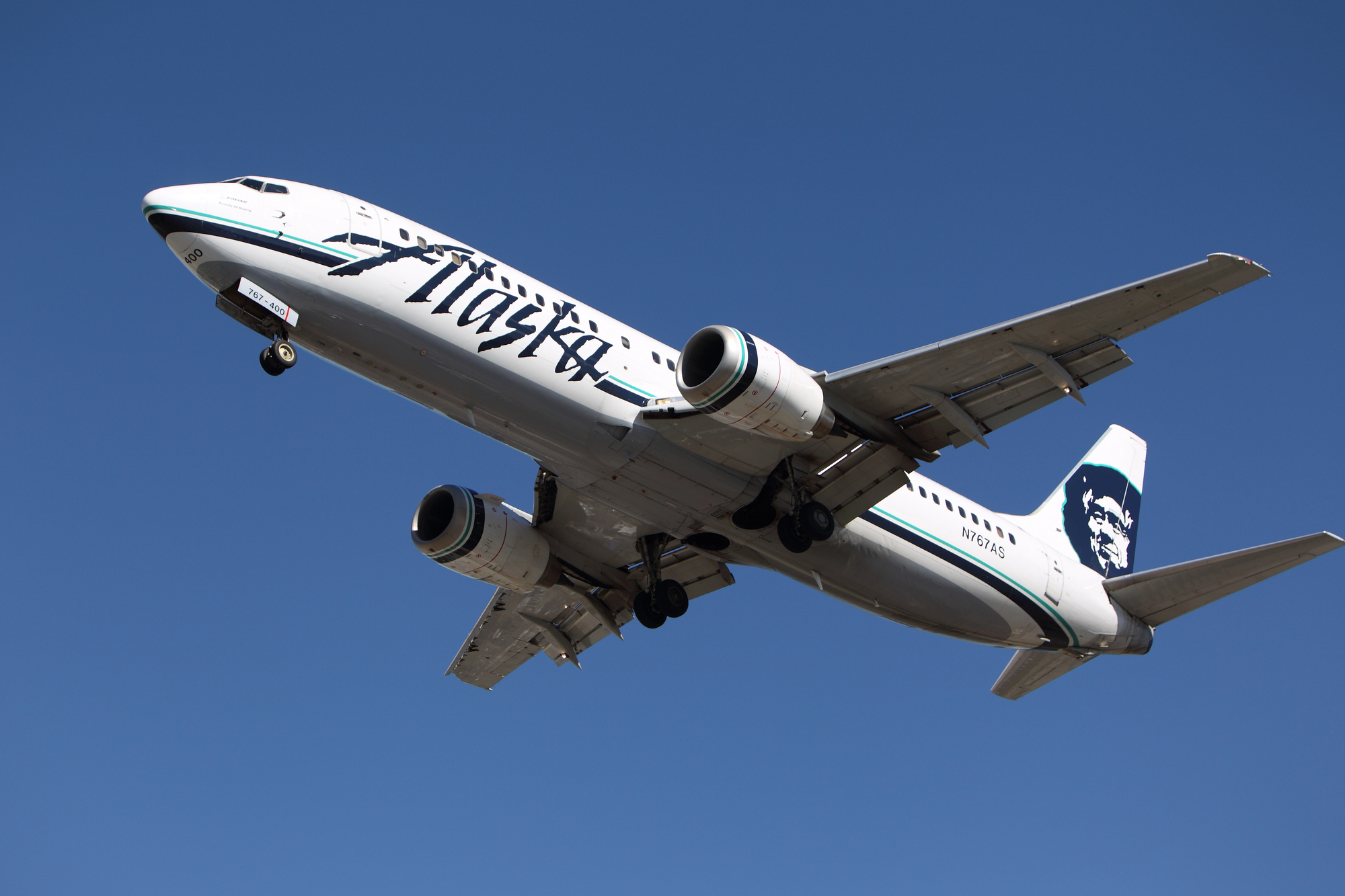
In 2000, when this MD-83 experienced severe mechanical problems with its horizontal stabilizer, an off-duty airline pilot on board offered assistance to the struggling flight crew. Though unable to prevent the eventual crash, voice recorder evidence revealed how ordinary passengers attempted to support professional efforts during the crisis.
Showing remarkable composure under dire circumstances.
British Airways Flight 5390
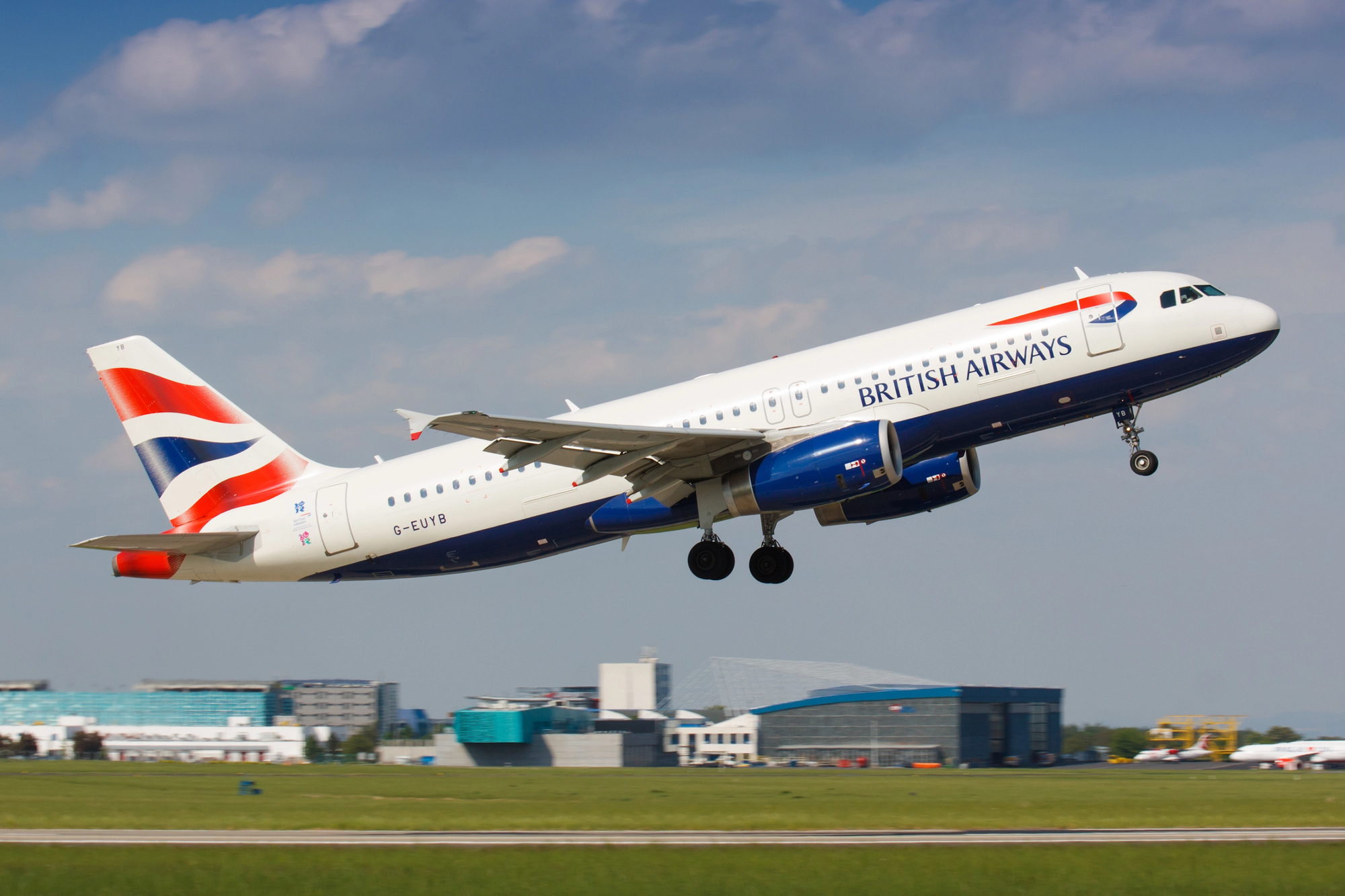
This 1990 incident saw the captain partially sucked out of the cockpit window after windshield failure at 17,000 feet. While flight attendants held onto the captain’s legs, a passenger helped secure him while the first officer took control.
The collaborative effort between the crew and the passengers allowed for a successful emergency landing in Southampton with everyone surviving, including the captain.
Air Canada Flight 797
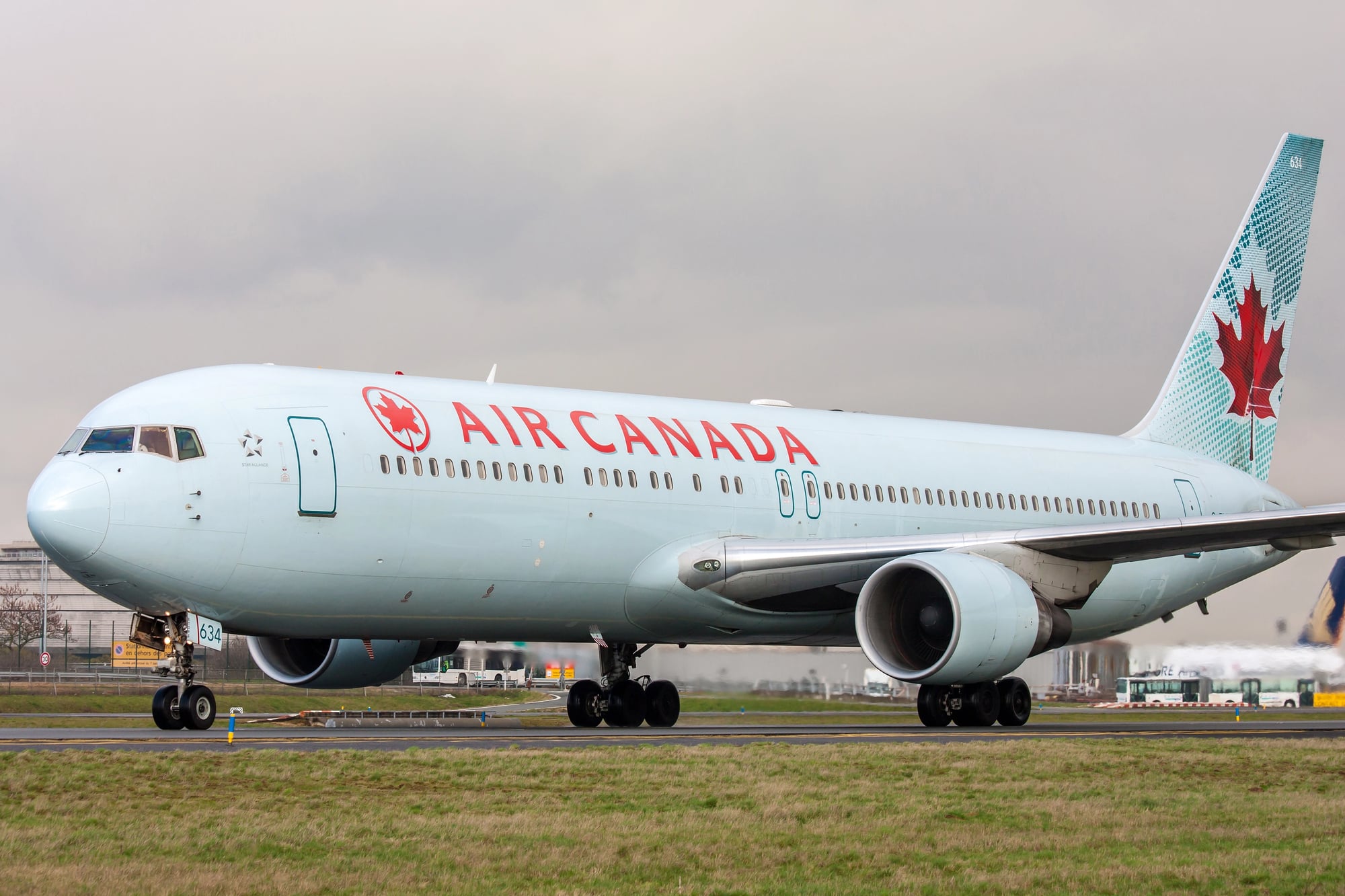
When a fire broke out aboard this DC-9 in 1983, passengers took the initiative to manage the crisis before the emergency landing. Several helped flight attendants move people away from the spreading smoke and prepared others for evacuation.
After landing, passengers assisted others in escaping, though tragically 23 people perished from smoke inhalation.
Qantas Flight 72
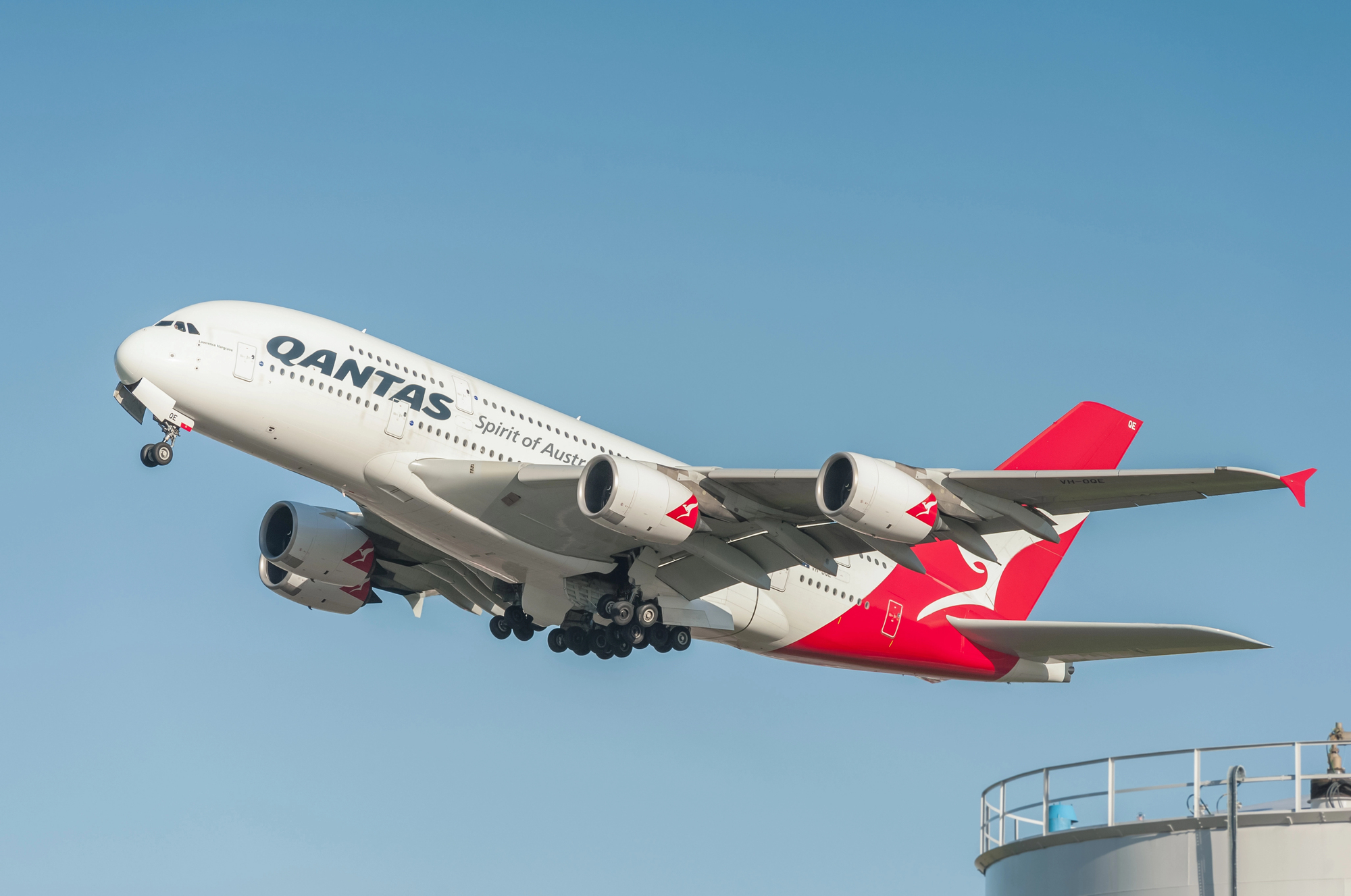
In 2008, when this A330’s autopilot malfunctioned causing two sudden nosedives, passengers who weren’t secured by seatbelts became impromptu caregivers. Once the plane stabilized, dozens of uninjured passengers immediately began administering first aid to the more than 100 injured people onboard.
Effectively transforming the cabin into a makeshift emergency room until the plane could land safely.
Eastern Air Lines Flight 401
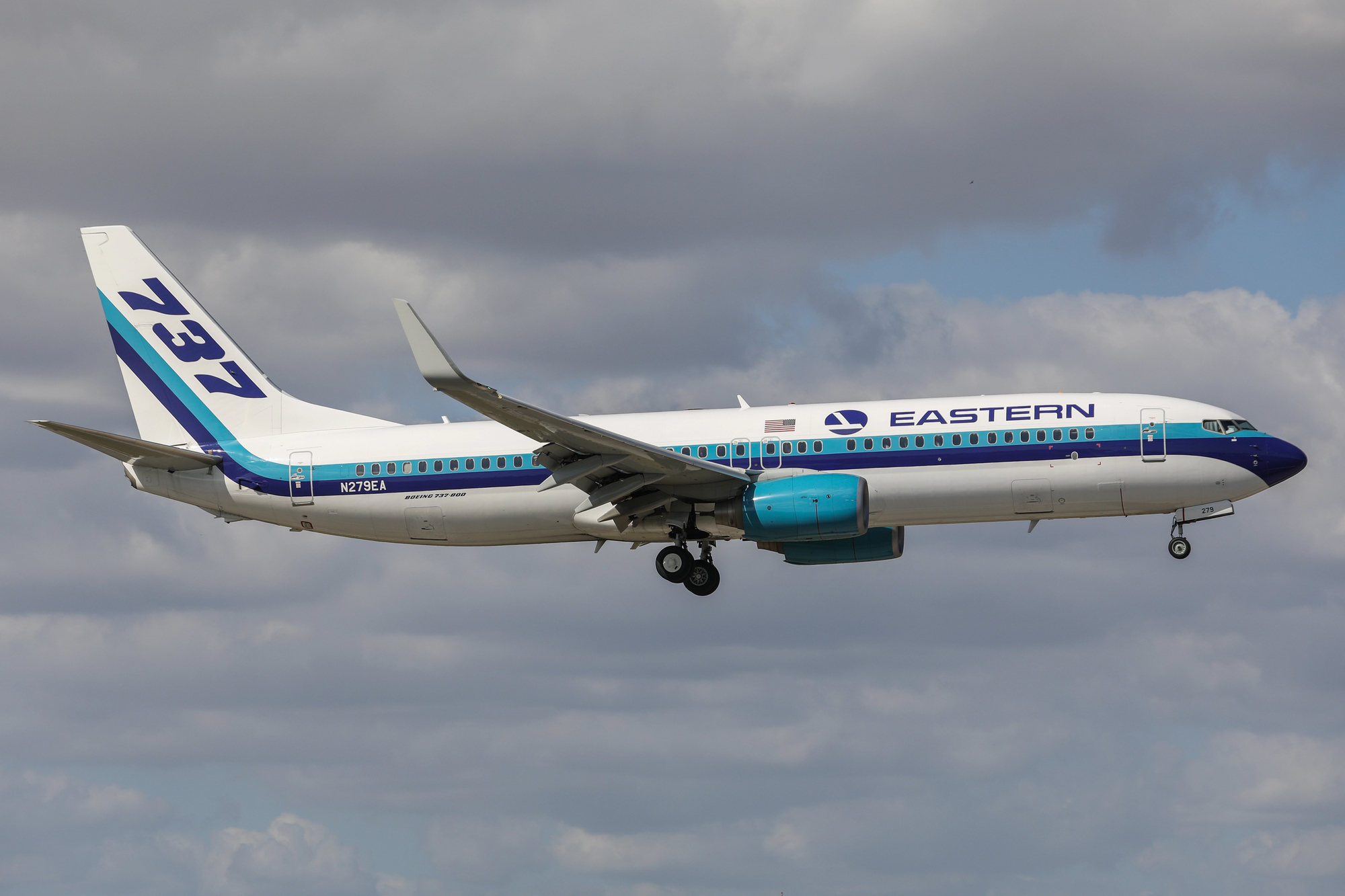
Surviving passengers coordinated rescue attempts in the marshy, dark area after this airplane crashed into the Florida Everglades in 1972. They called out to find additional survivors and collected floating debris to build makeshift rafts.
In the crucial minutes before professional rescuers could arrive at the isolated crash site, their initiative saved many lives.
Avianca Flight 52
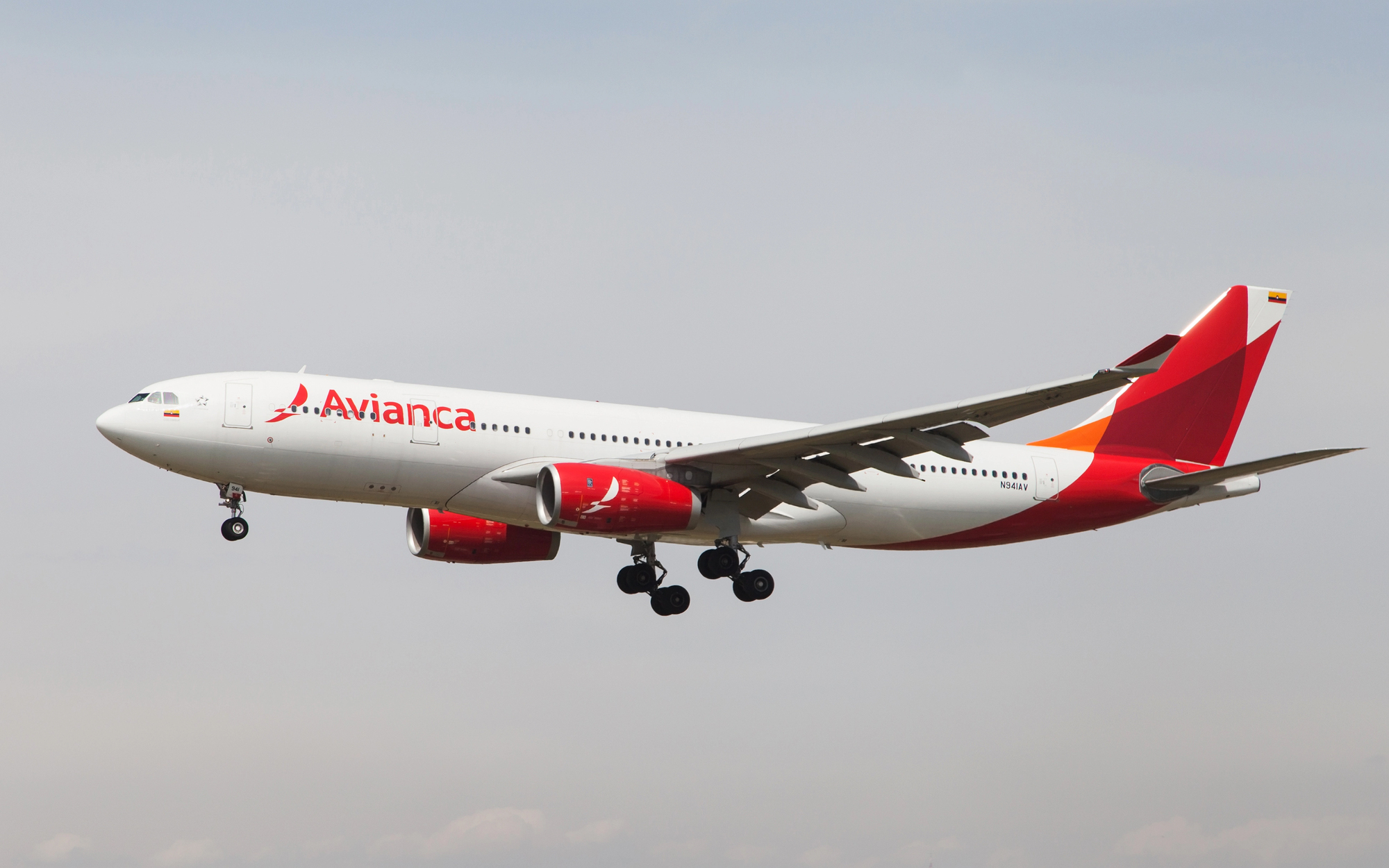
Following the 1990 Long Island Boeing 707 tragedy caused by fuel exhaustion, a number of passengers assumed leadership positions. They led survivors through the shadowy, forested area and made human chains to aid others in escaping the wreckage.
Despite the dire situation and the language barrier, their makeshift evacuation mechanism saved many lives.
JAL Flight 123
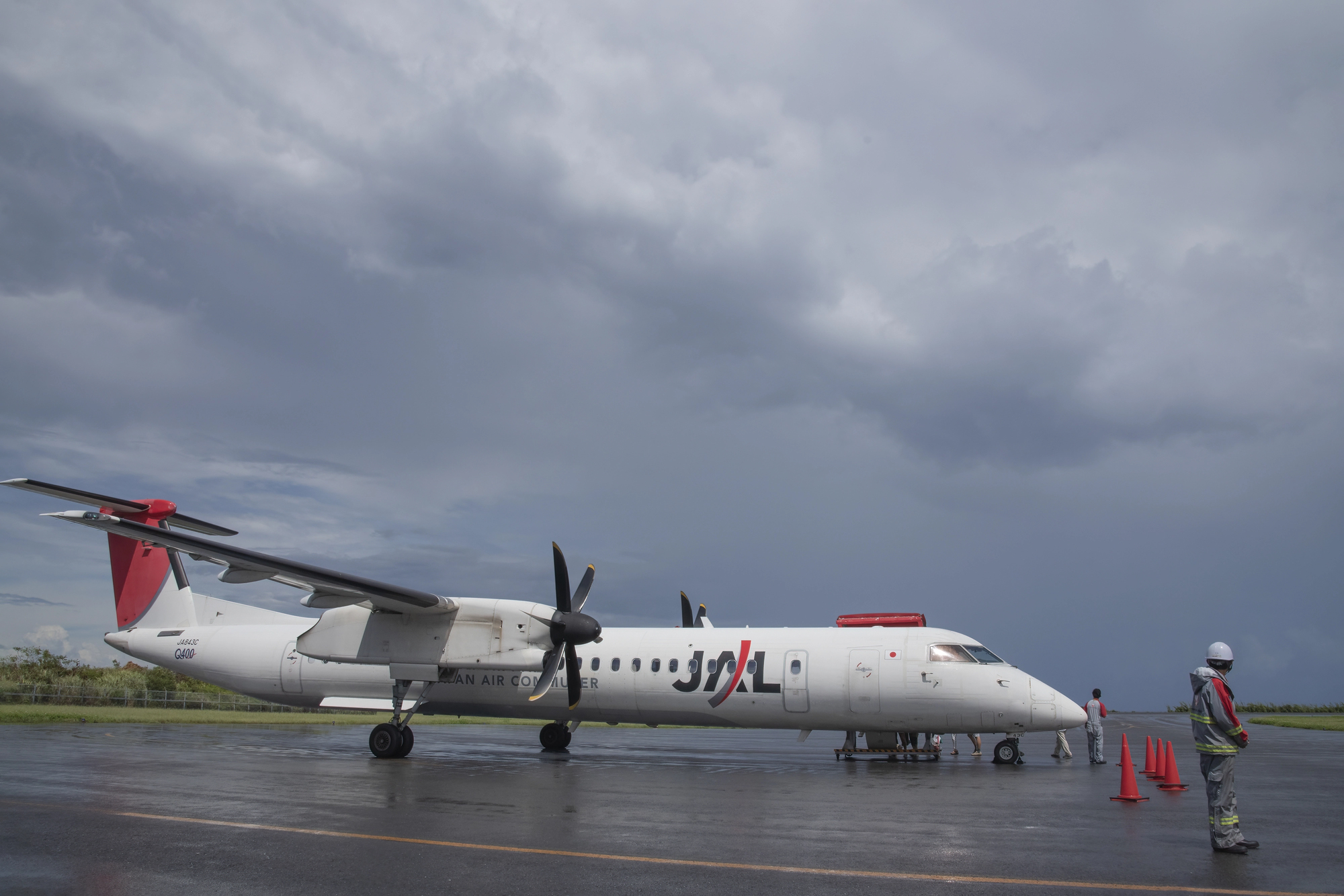
After this Boeing 747 suffered a catastrophic structural failure in 1985, passengers wrote farewell notes to loved ones as the damaged aircraft struggled to maintain flight. Though the tragedy ultimately ended with only four survivors, recovered notes showed passengers helping each other cope during the final minutes.
Demonstrating profound humanity in crisis.
Cathay Pacific Flight 780
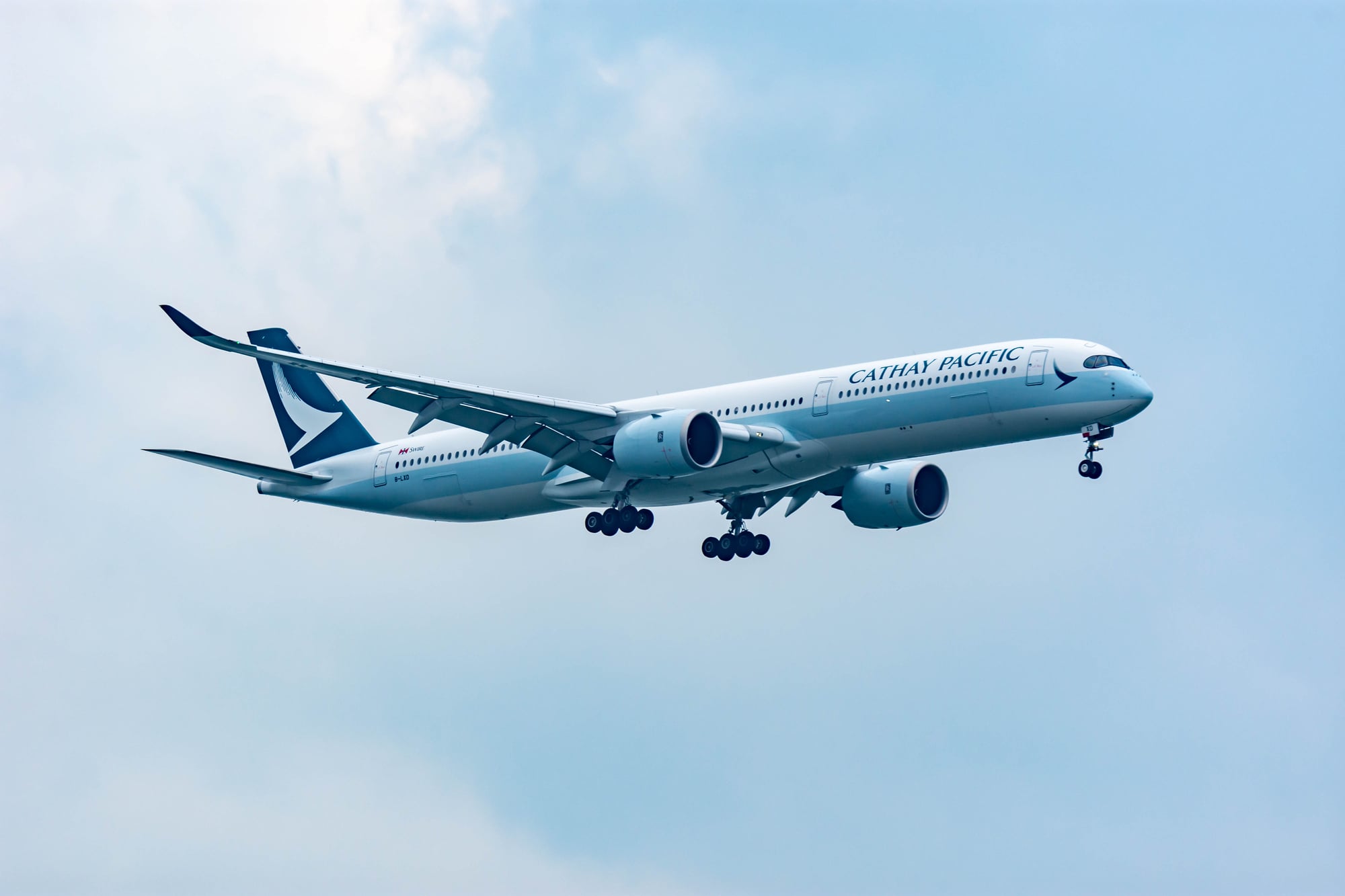
In 2010, when both Airbus A330 engines became stuck at near full power, passengers helped maintain calm throughout the extremely fast approach and landing. After touching down at nearly twice the normal landing speed, several passengers assisted the elderly and families with children during the tense but successful evacuation.
Preventing potential injuries.
American Airlines Flight 96
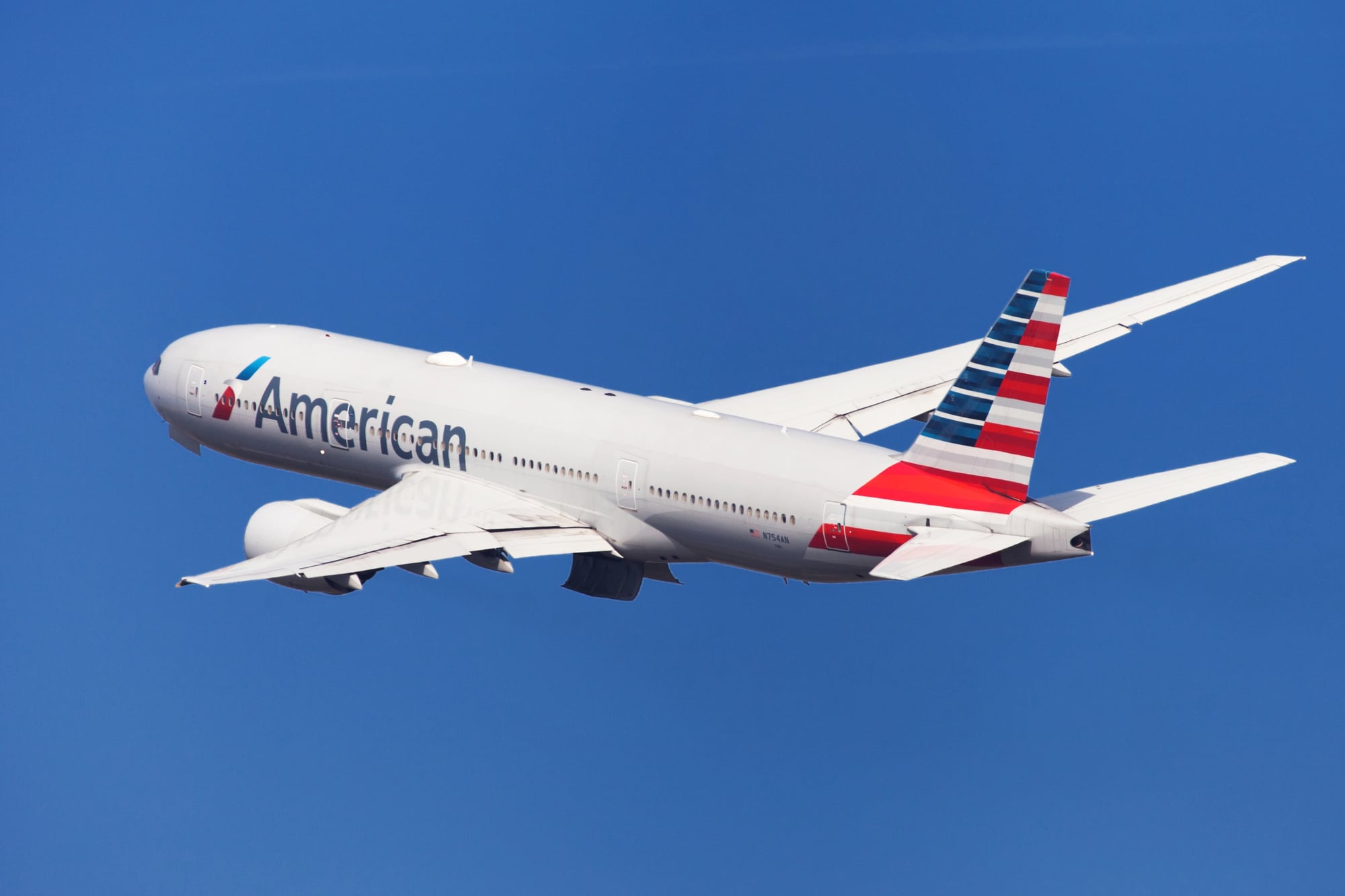
Known as the ‘Windsor Incident’ in 1972, this DC-10 suffered explosive decompression when a cargo door failed. As the crew struggled with compromised controls, passengers remained remarkably collected, redistributing their weight when instructed to help balance the aircraft.
This passenger cooperation was crucial to the successful emergency landing.
Air Transat Flight 236
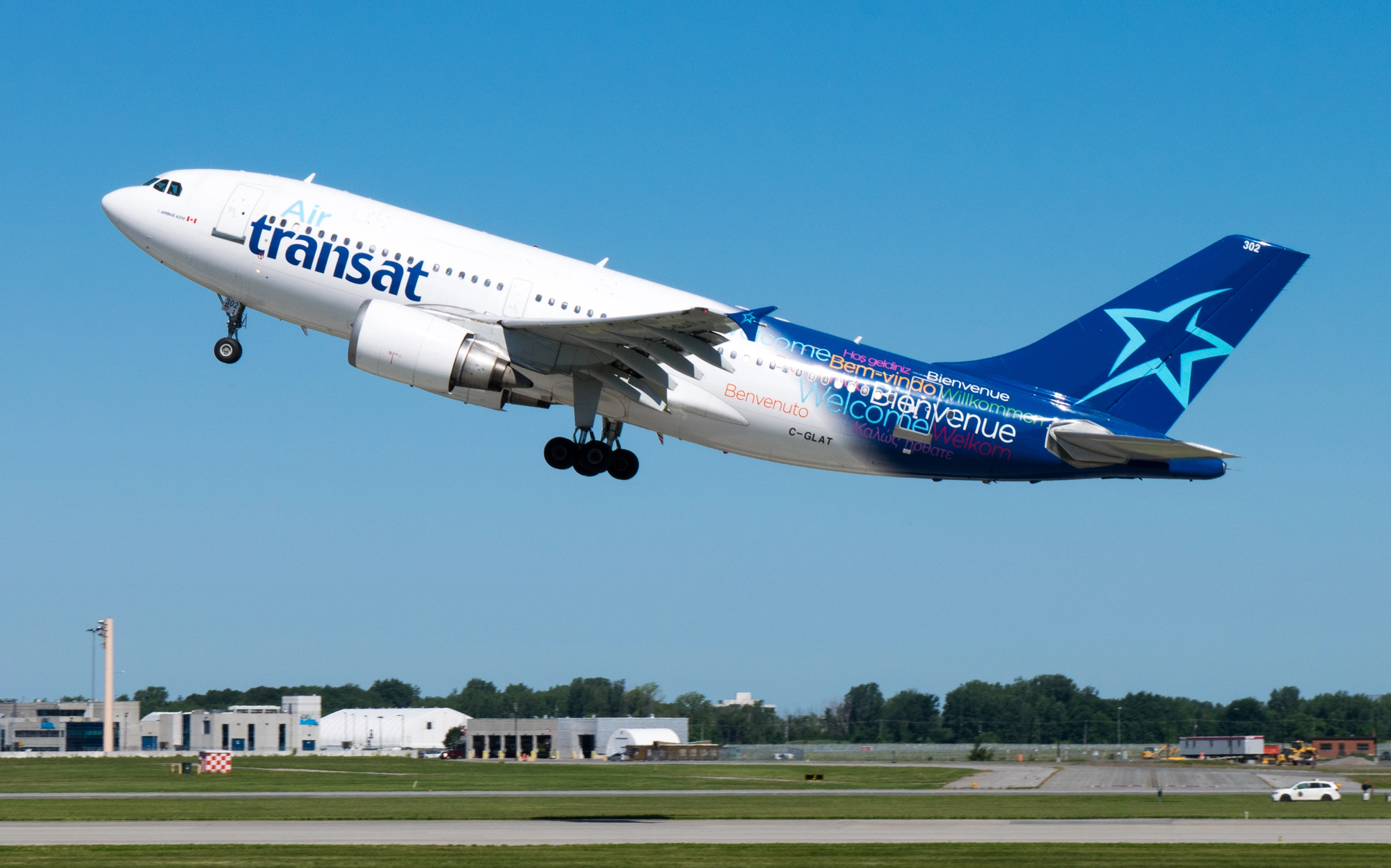
When this Airbus A330 experienced total fuel loss over the Atlantic in 2001, passengers prepared for a potential water landing. Once the pilots managed to glide to an emergency landing in the Azores, passengers assisted with the evacuation.
They helped those with mobility issues, maintaining order during what could have been a chaotic situation.
FedEx Flight 705
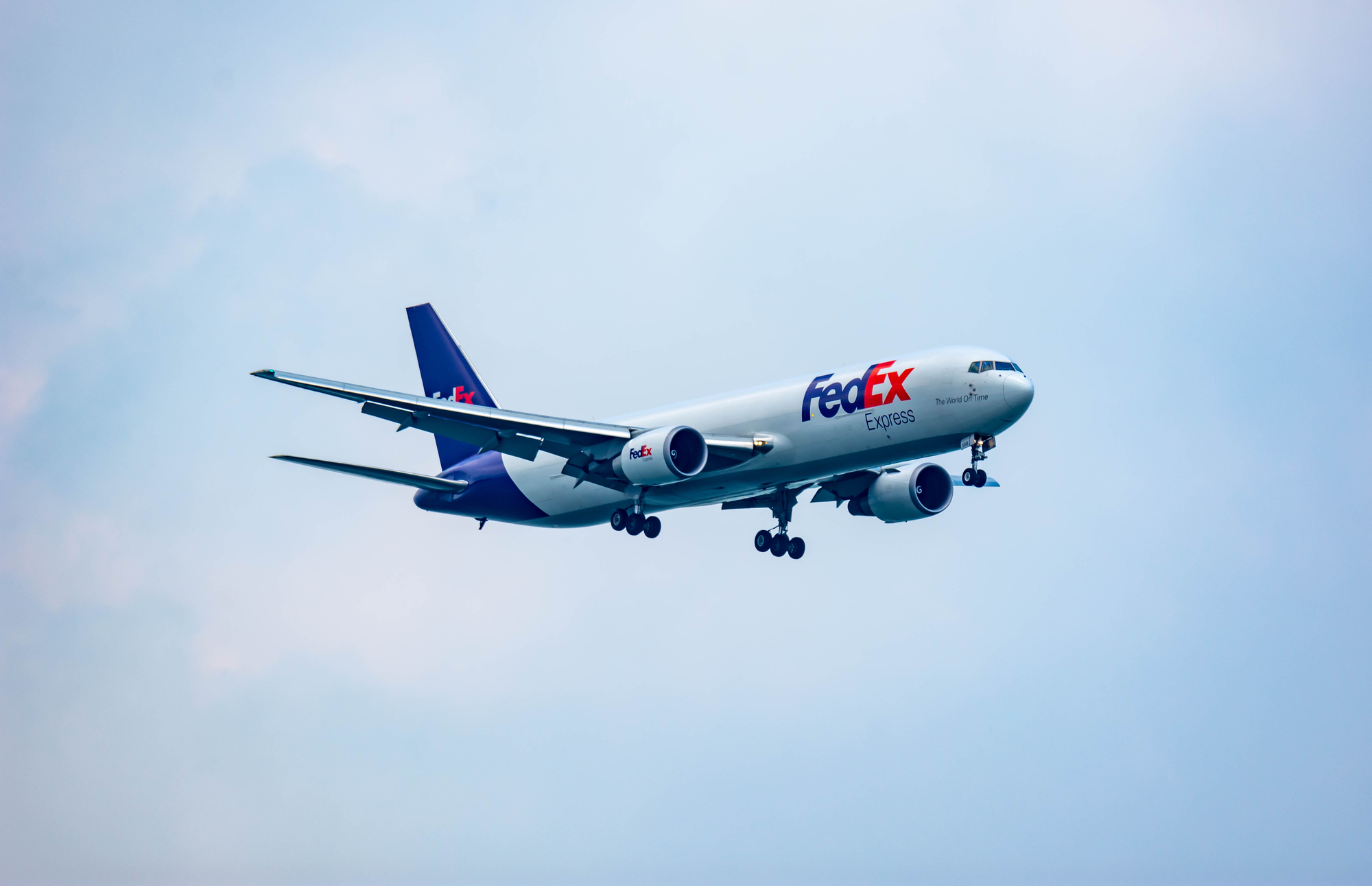
In 1994, off-duty pilot Auburn Calloway attempted to hijack this cargo plane by attacking the crew with hammers. Though no passengers were aboard this cargo flight, the severely injured crew fought back through incredible pain.
Performing aerobatic maneuvers to destabilize the attacker while flying with devastating injuries. Their determination represents the ultimate case of taking back control under dire circumstances.
Pacific Southwest Airlines Flight 1771
In 1987, when a disgruntled former employee boarded with a weapon, passengers recognized the developing situation. Though unable to prevent the tragedy, the passenger’s actions documented in recovered notes showed attempts to warn others and intervene.
Representing the courage of ordinary people in extraordinary circumstances.
The Spirit of Aviation
Throughout aviation history, these incidents reveal something remarkable about human nature in crisis situations. Ordinary people repeatedly demonstrate extraordinary capabilities when circumstances demand immediate action.
The collaboration between trained professionals and everyday passengers has saved countless lives and influenced safety protocols that benefit all air travelers today.
Modern Aviation Safety
Modern aviation safety owes much to these incidents where passengers stepped beyond their expected roles. Their stories remind us that the most valuable safety feature on any aircraft isn’t technological—it’s the human capacity for courage, quick thinking, and selfless action when facing the unthinkable.
More from Go2Tutors!

- The Romanov Crown Jewels and Their Tragic Fate
- 13 Historical Mysteries That Science Still Can’t Solve
- Famous Hoaxes That Fooled the World for Years
- 15 Child Stars with Tragic Adult Lives
- 16 Famous Jewelry Pieces in History
Like Go2Tutors’s content? Follow us on MSN.