Photos Of 17 Places Once Ruined By Tourism
Tourism has this way of finding the most beautiful places on Earth and loving them to death. Crowds descend on pristine beaches, historic sites, and natural wonders until the very thing people came to see disappears under the weight of their footsteps.
But here’s what’s remarkable: many of these places have fought back. Through careful management, visitor limits, and sometimes sheer determination, destinations once written off as lost causes have returned from the brink.
These photos tell the story of places that tourism nearly destroyed — and how they found their way back.
Maya Bay, Thailand
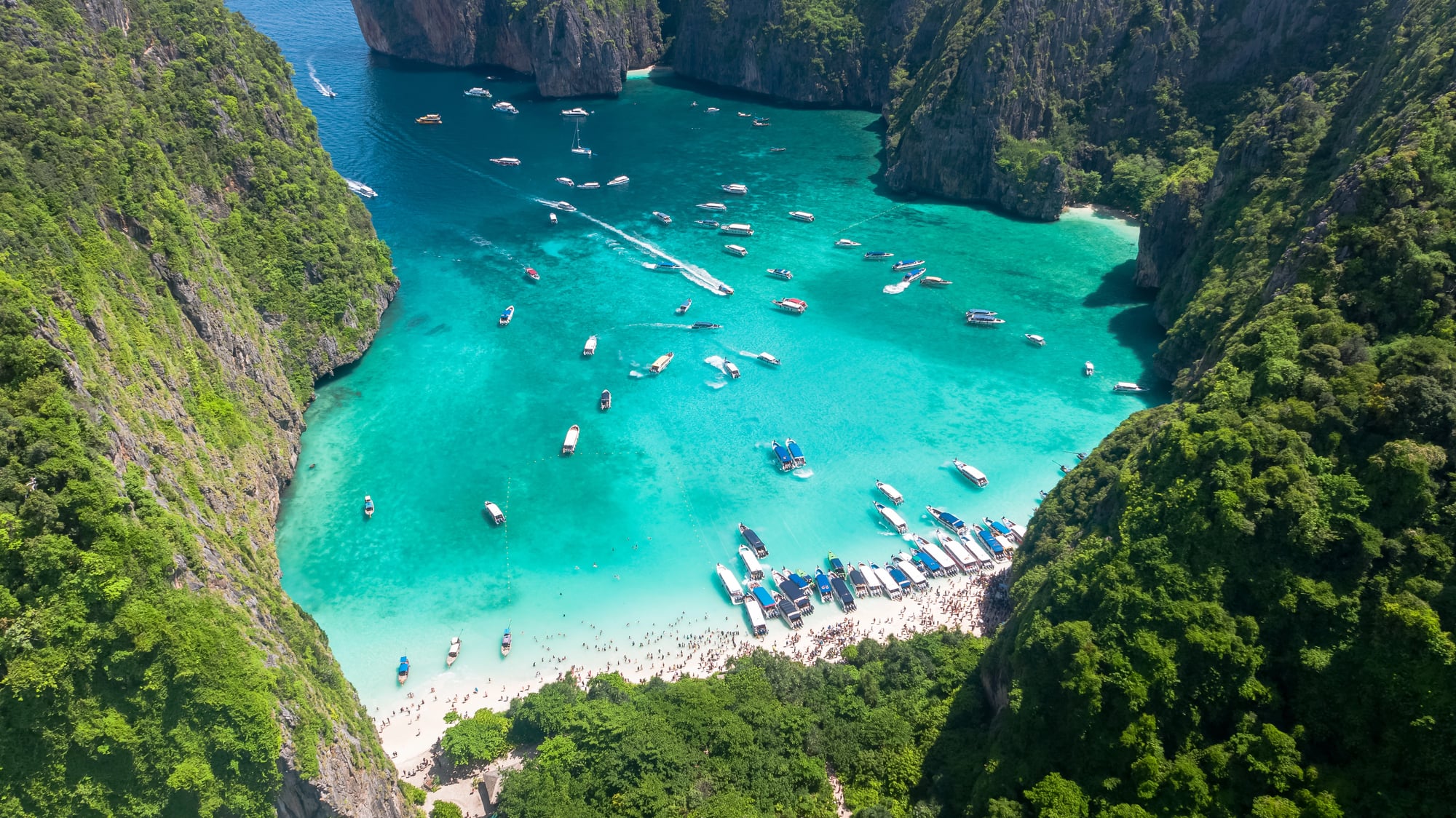
The beach from “The Beach” became a victim of its own Hollywood fame. Twenty thousand visitors daily turned Leonardo DiCaprio’s paradise into an environmental disaster zone.
Coral reefs died under boat anchors. Sea life fled the constant human presence.
Thai authorities closed Maya Bay completely in 2018. No visitors, no boats, no exceptions.
The recovery happened faster than anyone expected — coral returned, sharks came back to the shallows, and the sand turned white again. Today, the bay accepts limited visitors under strict conditions.
Sometimes the most loving thing you can do is walk away.
Machu Picchu, Peru
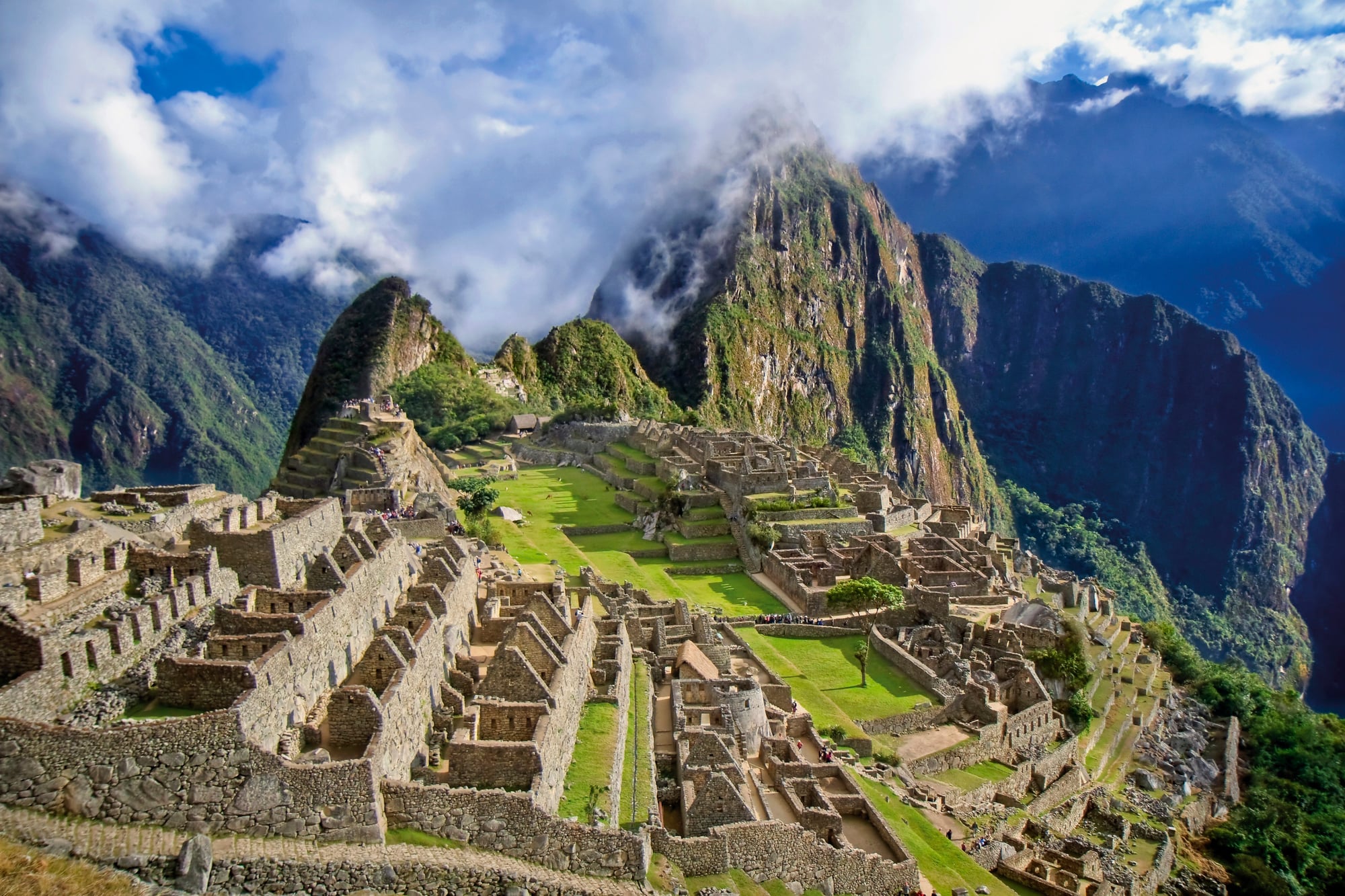
When you’re dealing with a site that took the Incas decades to build (and they were rather good at construction, as it happens), watching modern crowds wear down 500-year-old stone steps in a matter of years creates a particular kind of urgency — the kind that makes UNESCO threaten to revoke World Heritage status, which is the cultural equivalent of being kicked out of the honor society. But Peru didn’t wait for that embarrassment: visitor caps now limit daily access to 2,500 people, timed entry slots prevent the human stampedes that once overwhelmed the narrow terraces, and alternate hiking routes distribute foot traffic across multiple paths rather than funneling everyone through the same ancient doorways.
And the result, which shouldn’t surprise anyone who’s watched nature reclaim abandoned places, is that Machu Picchu feels sacred again rather than like a crowded subway platform at rush hour.
So the stones have stopped crumbling under endless selfie sessions. The llamas wander freely without dodging tour groups.
Even the mist seems to linger longer in the mornings.
Boracay Island, Philippines
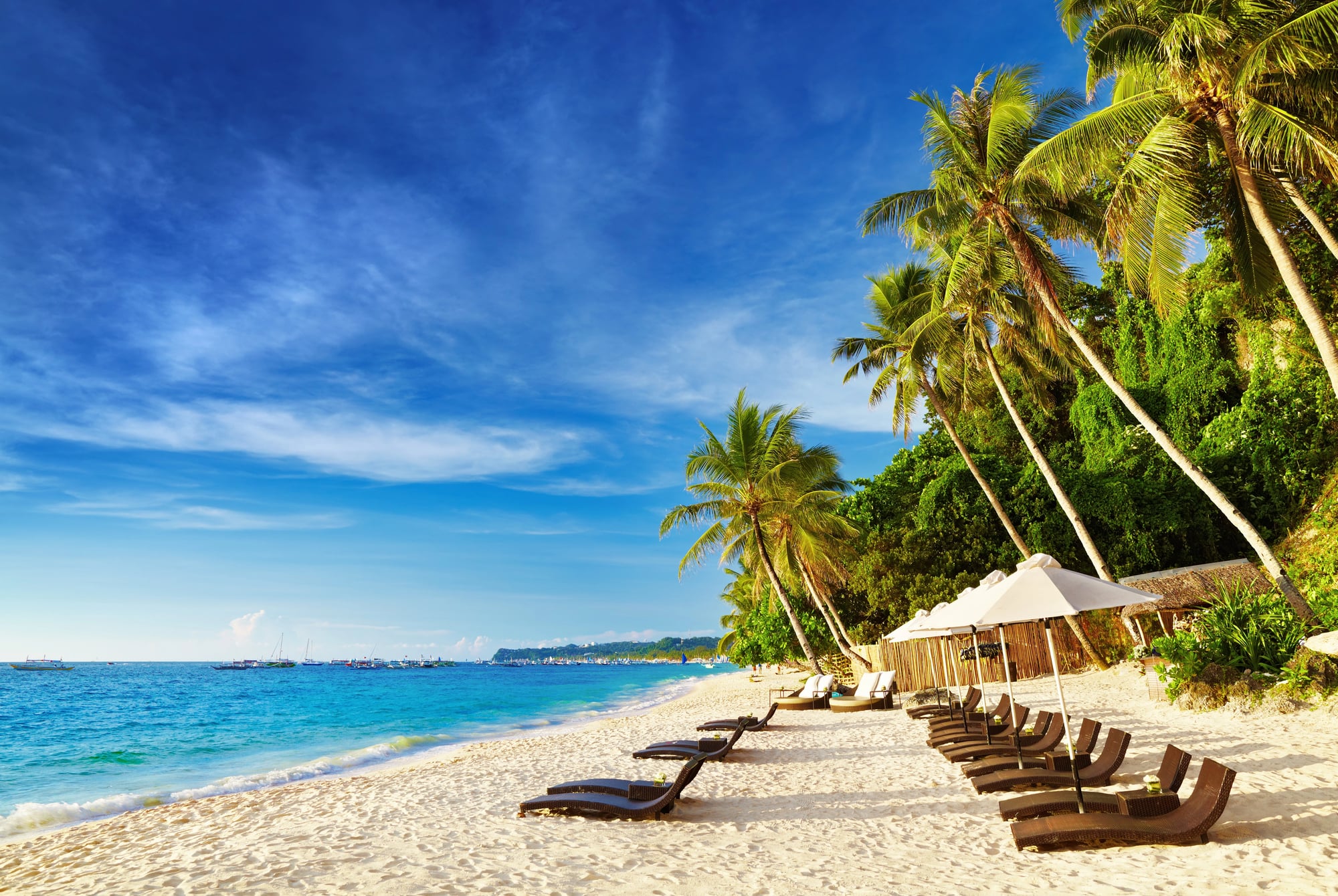
Boracay became a sewer masquerading as a tropical paradise. Hotels dumped waste directly into the ocean.
The famous white sand beach disappeared under plastic bottles and food waste. The smell alone should have been warning enough.
President Duterte called it a “cesspool” and shut down the entire island for six months. Every hotel, restaurant, and tour operator — closed.
The cleanup involved removing illegal structures, installing proper sewage systems, and banning single-use plastics. When Boracay reopened, visitor numbers were capped at 19,000 per day.
The water runs clear again. The sand is actually white.
Hallstatt, Austria
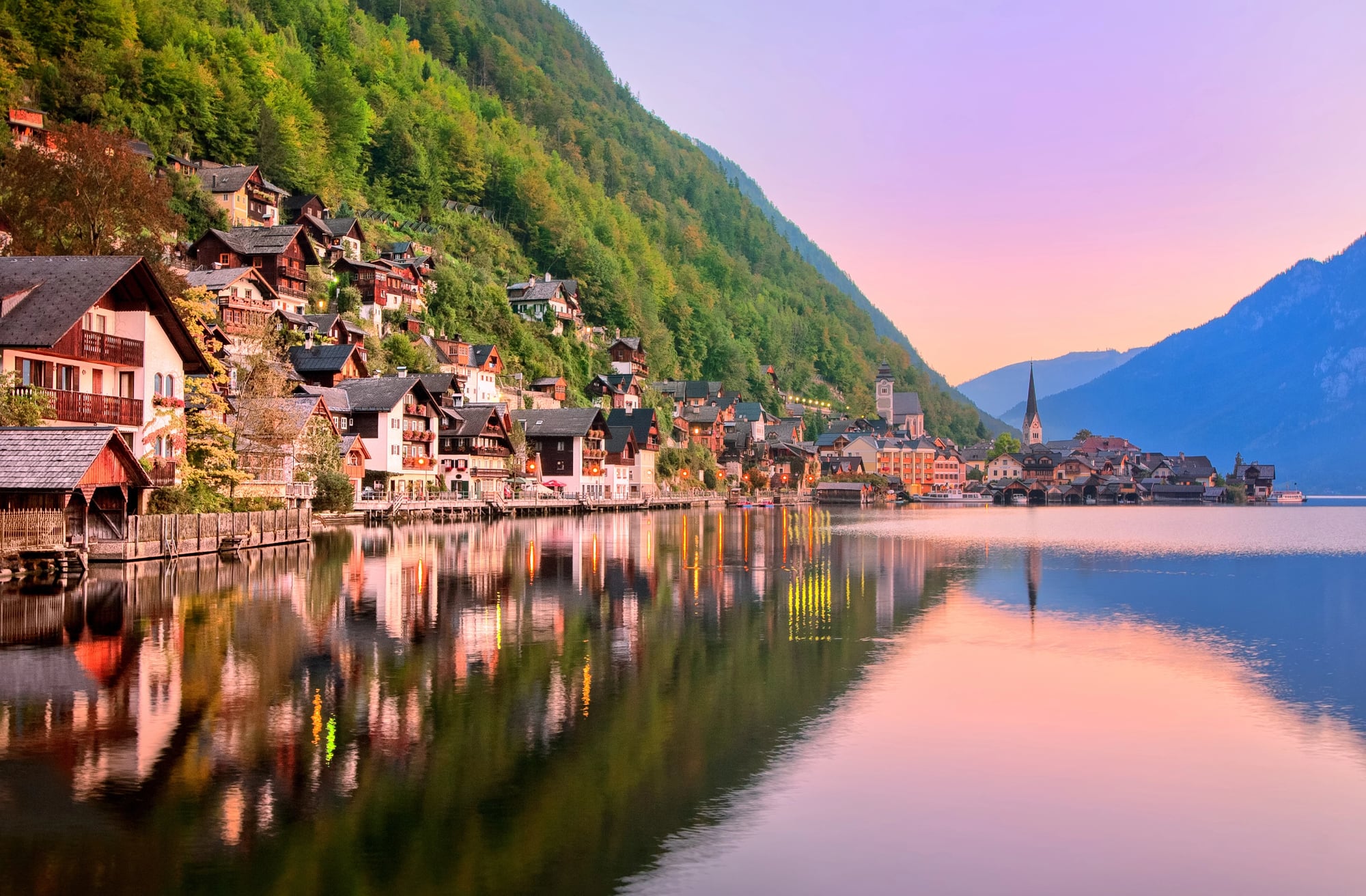
Picture a fairy tale village reflected in an alpine lake, the kind of place that makes you believe in magic — until 10,000 tourists arrive daily to photograph the same picturesque houses from the same Instagram angles, turning narrow medieval streets into human traffic jams where locals can’t reach their own front doors and the village charm suffocates under the weight of tour bus exhaust and souvenir shop proliferation. The residents of Hallstatt, all 800 of them, found themselves prisoners in their own postcard-perfect home: they couldn’t park near their houses (tour buses filled every space), couldn’t walk to the market without pushing through crowds, couldn’t even sit by the lake that had been their backyard for generations.
But small communities possess a stubborn resilience that larger cities sometimes lack, and Hallstatt implemented tour bus restrictions, limited cruise ship access, and created designated photography areas to funnel the crowds away from residential streets.
The village breathes again. Locals reclaimed their lake walks.
The swans returned to waters no longer churned by constant boat tours.
Santorini, Greece
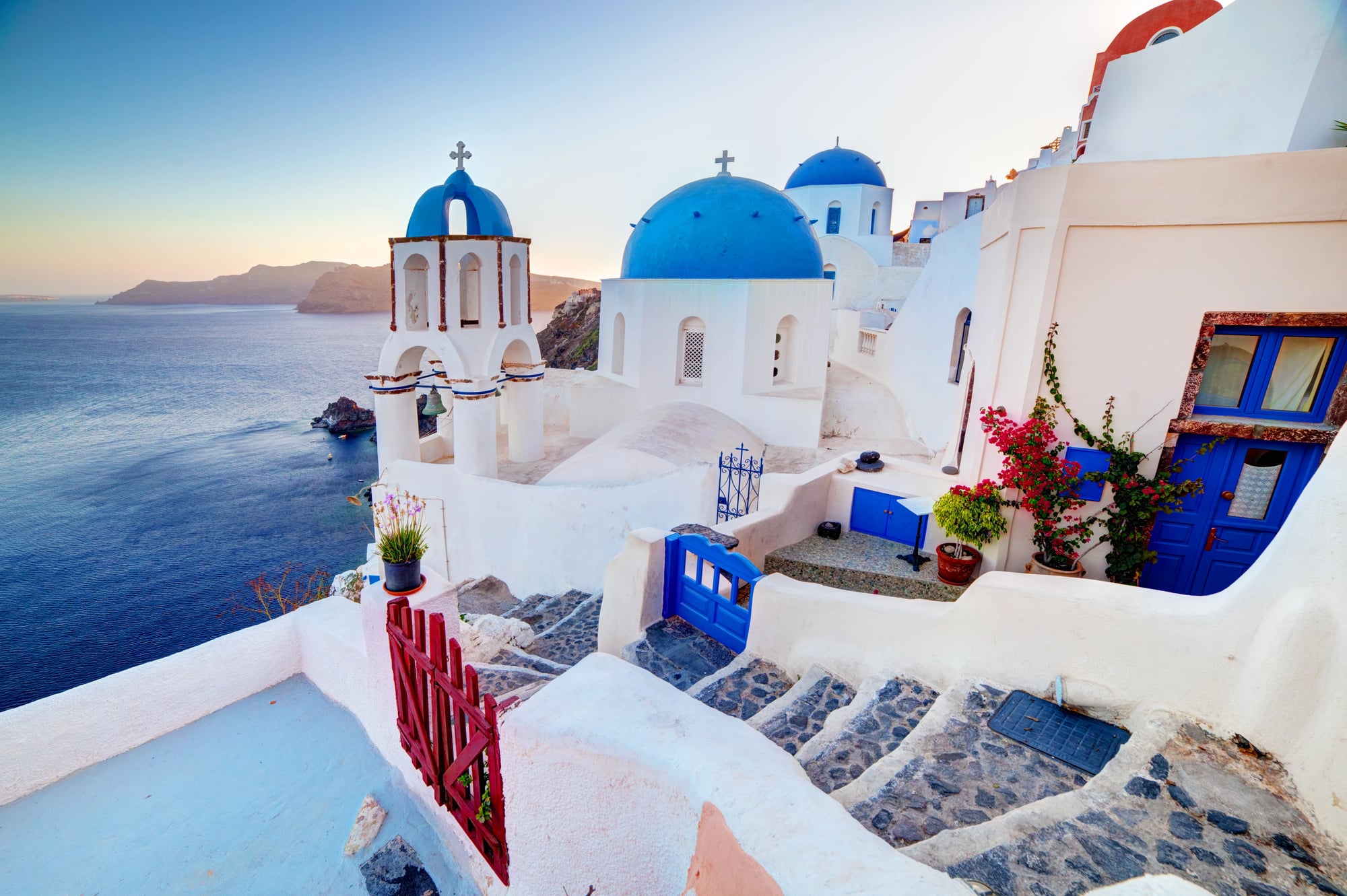
Cruise ships turned Santorini into a daily invasion. Eight thousand passengers would flood the island each morning, overwhelming the narrow streets of Oia and Fira.
The famous sunset became a stampede. Local life ground to a halt under the pressure.
Greece capped cruise ship arrivals at 8,000 passengers per day total — sounds like a lot until you realize some days saw triple that number. Ships now must book time slots.
The crowds spread throughout the day instead of arriving in massive waves. Santorini still gets busy, but it no longer feels like it’s drowning in its own popularity.
The sunsets belong to everyone again, not just whoever could elbow their way to the front.
Angkor Wat, Cambodia
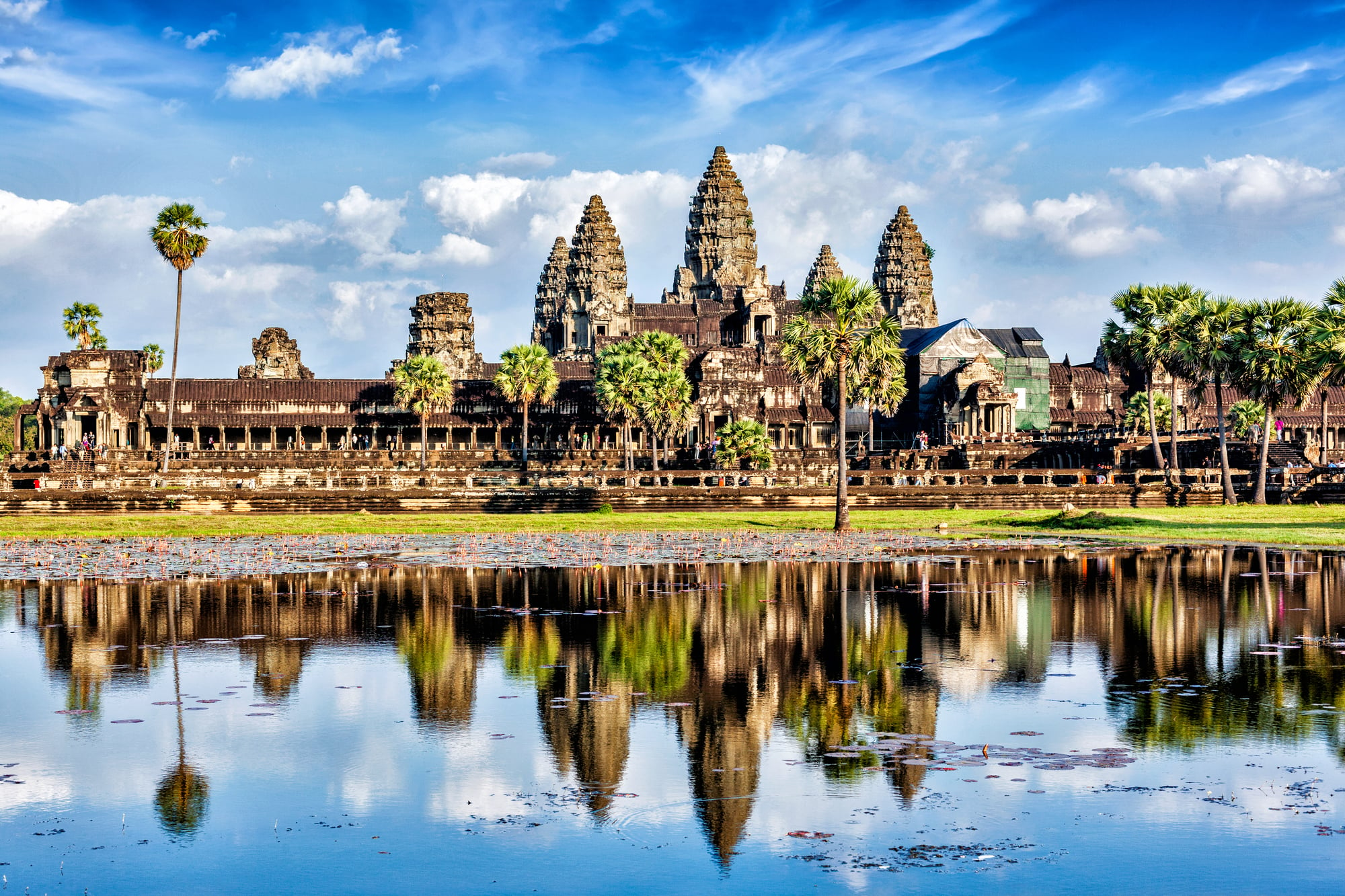
Sunrise at Angkor Wat became a peculiar form of performance art where thousands of people gathered in darkness to photograph the same temple silhouette against the same orange sky, creating a strange theater where the ancient wonder served as backdrop to a modern ritual of camera clicking and jostling for position. The weight of two million annual visitors was grinding down 800-year-old sandstone faster than centuries of weather ever had — feet wore smooth the intricate carvings that had survived wars and monsoons, while the constant human presence scared away the wildlife that had called the temple complex home for generations after its abandonment.
Cambodia recognized that loving something to death is still death: visitor quotas now limit sunrise viewing to 300 people, alternate temples have been opened and promoted to spread the crowds, and raised walkways protect the most fragile stone surfaces from endless footsteps.
The temples feel sacred again instead of like theme parks. Even the monkeys have returned to the ancient courtyards.
Iceland’s Diamond Beach
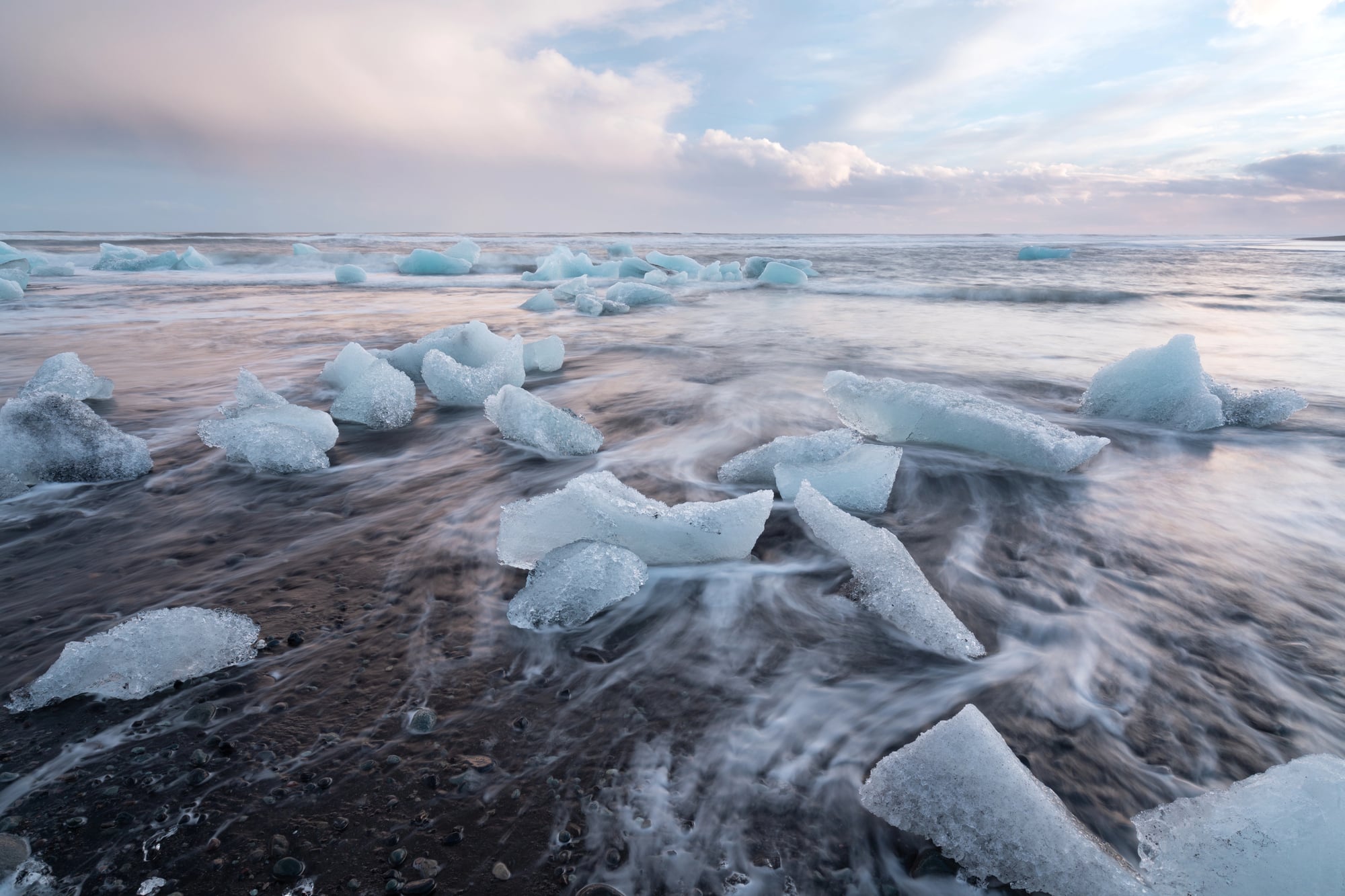
Social media turned Iceland’s black sand beach into a playground for dangerous photo ops. Tourists climbed icebergs, ignored safety barriers, and trampled fragile arctic vegetation.
The famous ice chunks became props for Instagram photos. Rescue operations increased as people chased the perfect shot into dangerous surf.
Iceland installed viewing platforms and designated photo areas. Rangers now patrol the beach during peak hours.
Clear signage explains why certain areas are off-limits — it’s not to spoil the fun, but to prevent the beach from becoming a graveyard. The icebergs still wash ashore daily, but visitors can appreciate them without risking their lives or damaging the ecosystem.
Venice, Italy
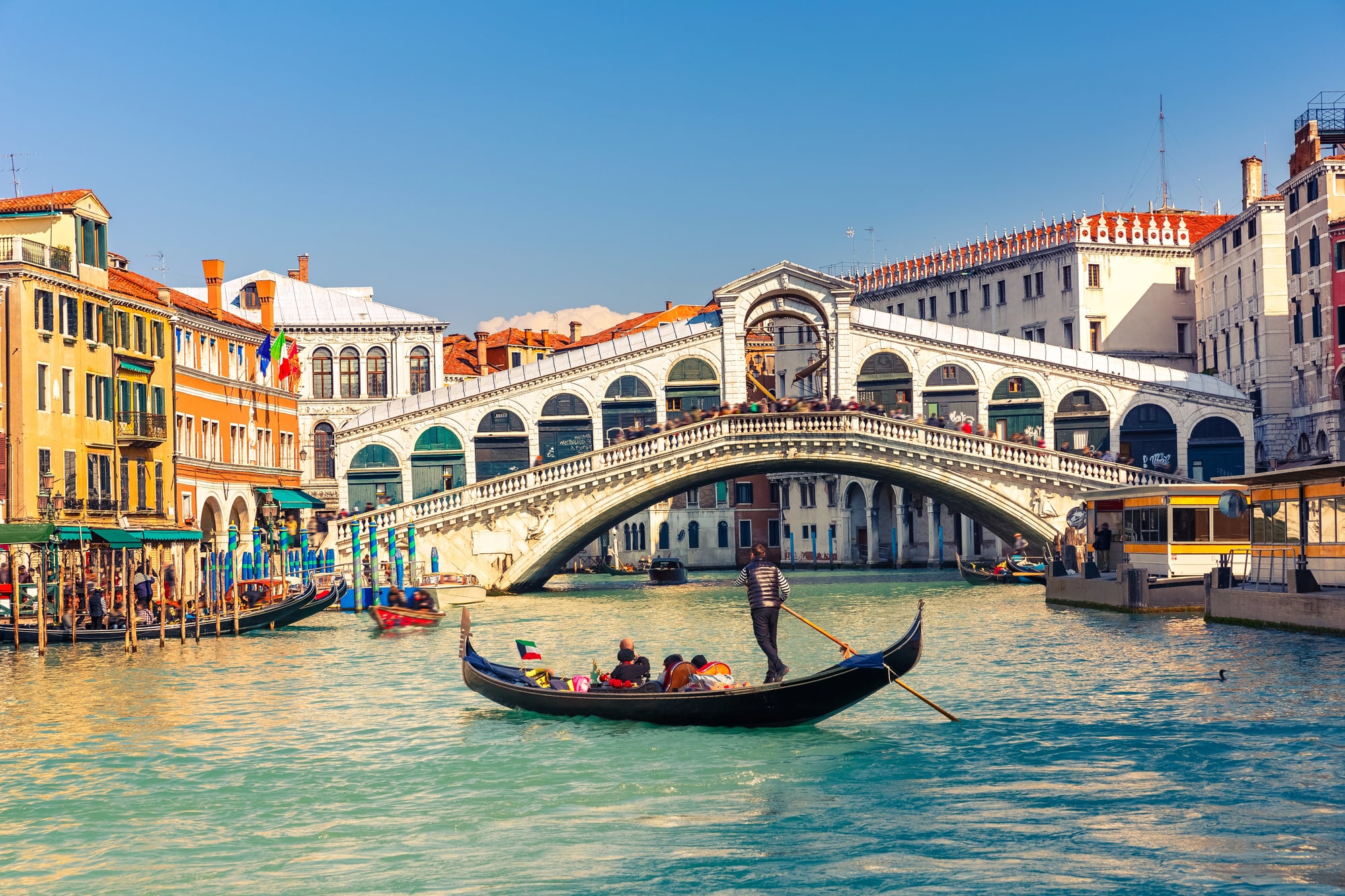
Venice drowns a little more each day, not just from rising seas but from the weight of human expectation — 30 million visitors annually pressing into a city built for 50,000 residents, creating a strange inversion where the people who actually live there become performers in someone else’s vacation fantasy. The narrow bridges and ancient squares weren’t designed for modern crowds: residents couldn’t buy groceries (tourist restaurants replaced local markets), children couldn’t play in piazzas (tour groups occupied every public space), and the city’s working life slowly strangled under the pressure of its own beauty.
But Venice has begun fighting back with the persistence of a city that has survived plagues, floods, and empires: day-tripper fees now charge tourists for brief visits, cruise ship access has been restricted to protect both the fragile lagoon ecosystem and the city’s infrastructure, and residential protections prevent more homes from converting to short-term rentals.
The city still struggles, but it’s no longer suffocating. Venetians are moving back to neighborhoods they’d abandoned.
The morning markets sell to locals again, not just tourists hunting for authentic experiences.
The Phi Phi Islands, Thailand
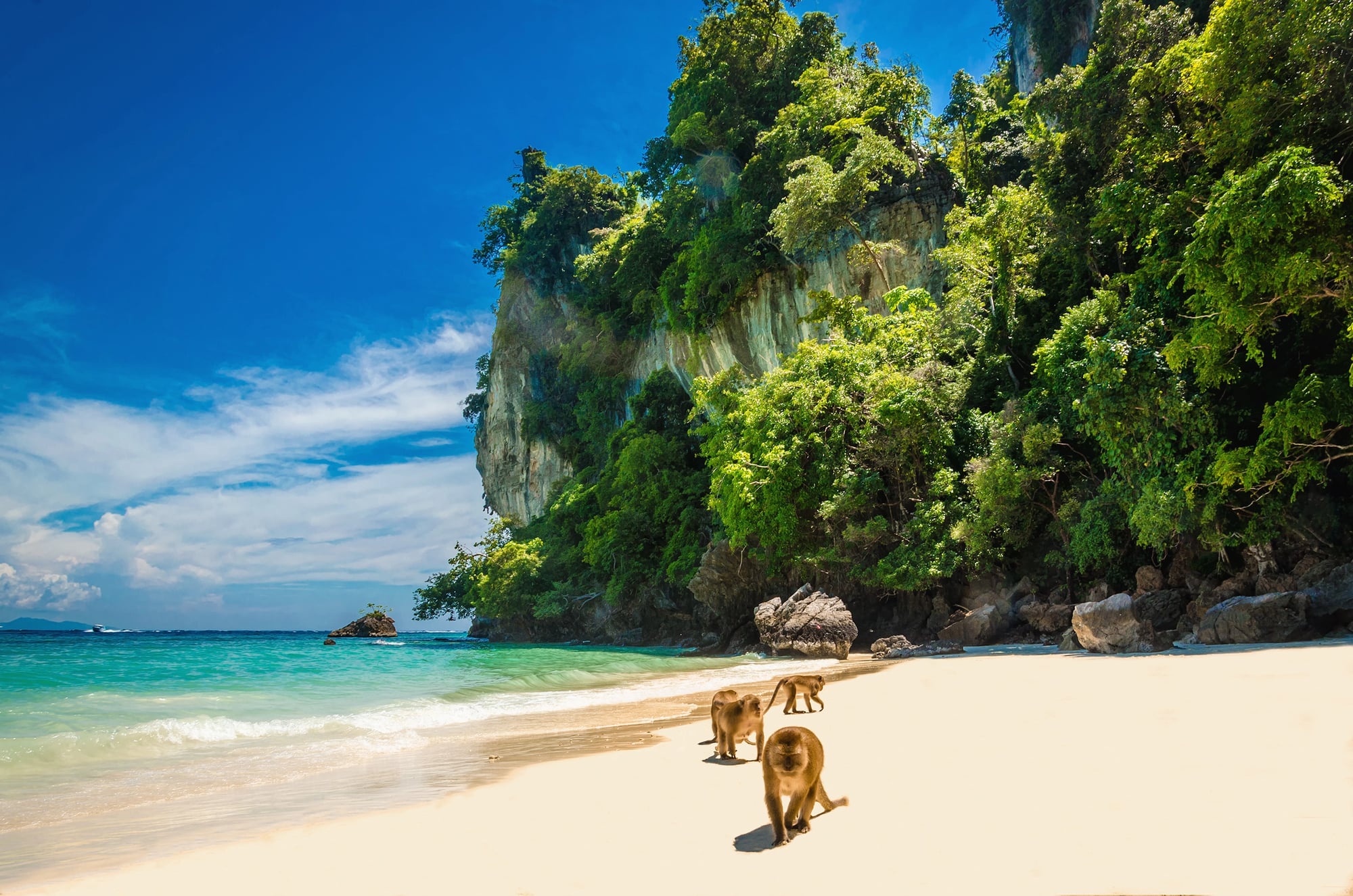
The 2004 tsunami devastated Phi Phi, but the rushed rebuilding created a different kind of disaster. Unregulated development crowded the beaches.
Waste management collapsed under tourist pressure. The crystal-clear waters turned murky from sewage and boat fuel.
Thailand used the COVID-19 tourism pause to rebuild properly. New sewage treatment plants, limits on beachfront construction, and marine protected areas now safeguard the waters.
Boat numbers are regulated to prevent the daily flotillas that once choked the bays with diesel fumes. The water runs clear again.
Fish have returned to reefs that were nearly barren five years ago.
Dubrovnik, Croatia
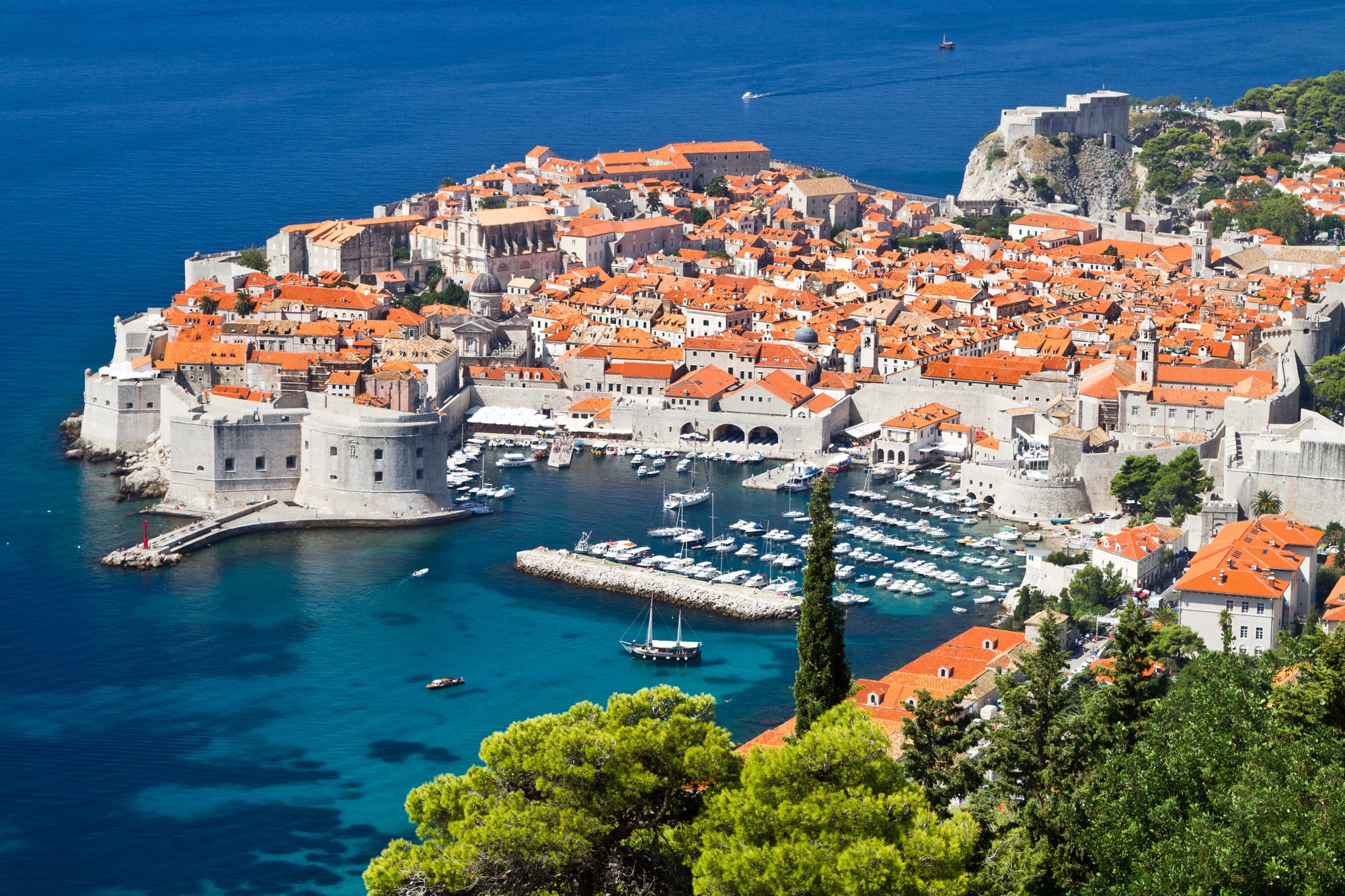
Game of Thrones tourism transformed Dubrovnik into King’s Landing — and nearly killed the city in the process. The medieval walls, built to keep invaders out, couldn’t handle 10,000 daily visitors walking the ramparts.
The old town became impassable during cruise ship arrivals.
Croatia now limits visitors on the city walls to 4,000 per day. Cruise ships must schedule arrivals to prevent multiple ships docking simultaneously.
The famous walls no longer groan under endless foot traffic. Locals can navigate their own streets again.
Dubrovnik remains stunning, but it’s no longer a cautionary tale about tourism run wild.
Komodo National Park, Indonesia
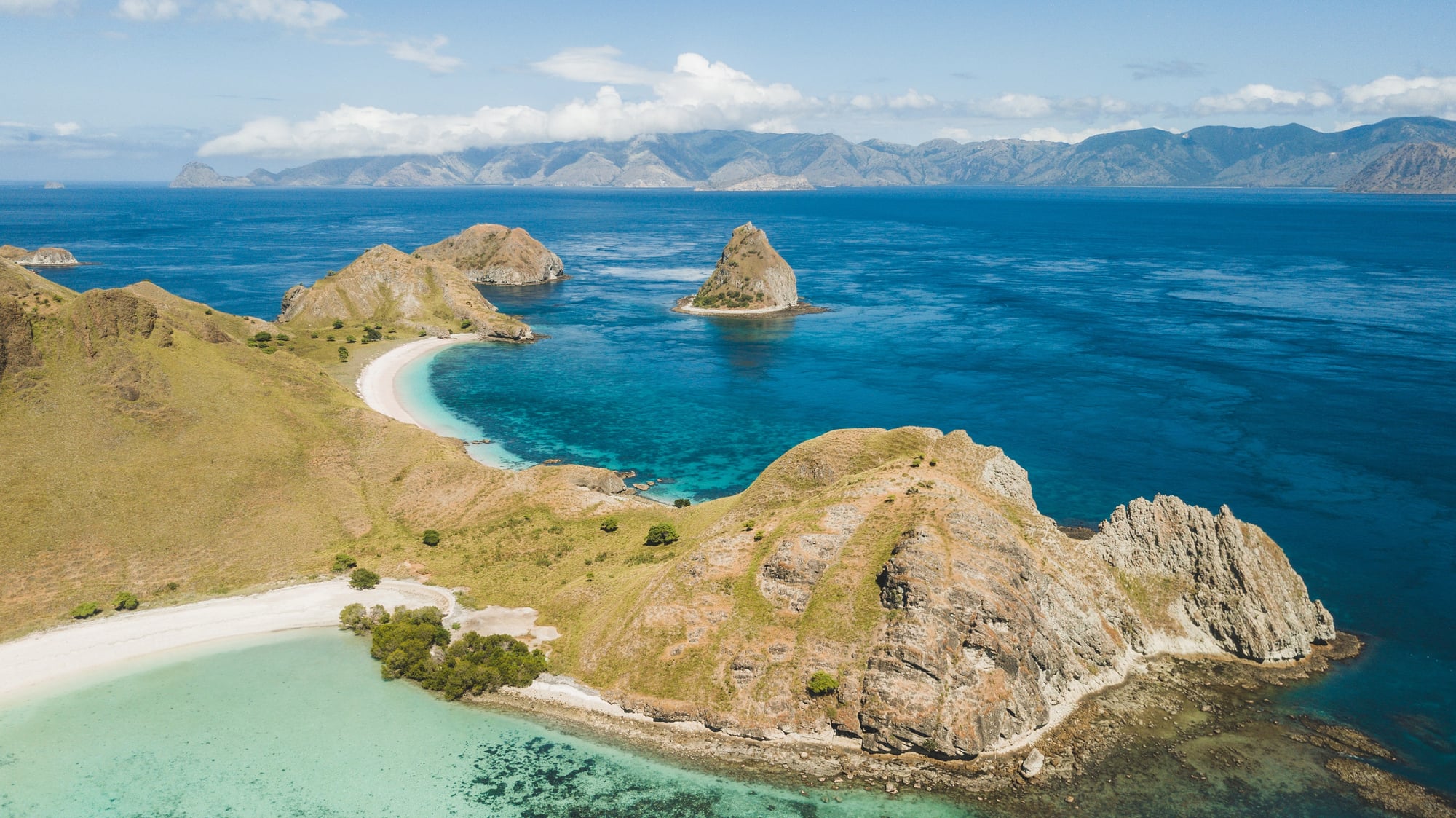
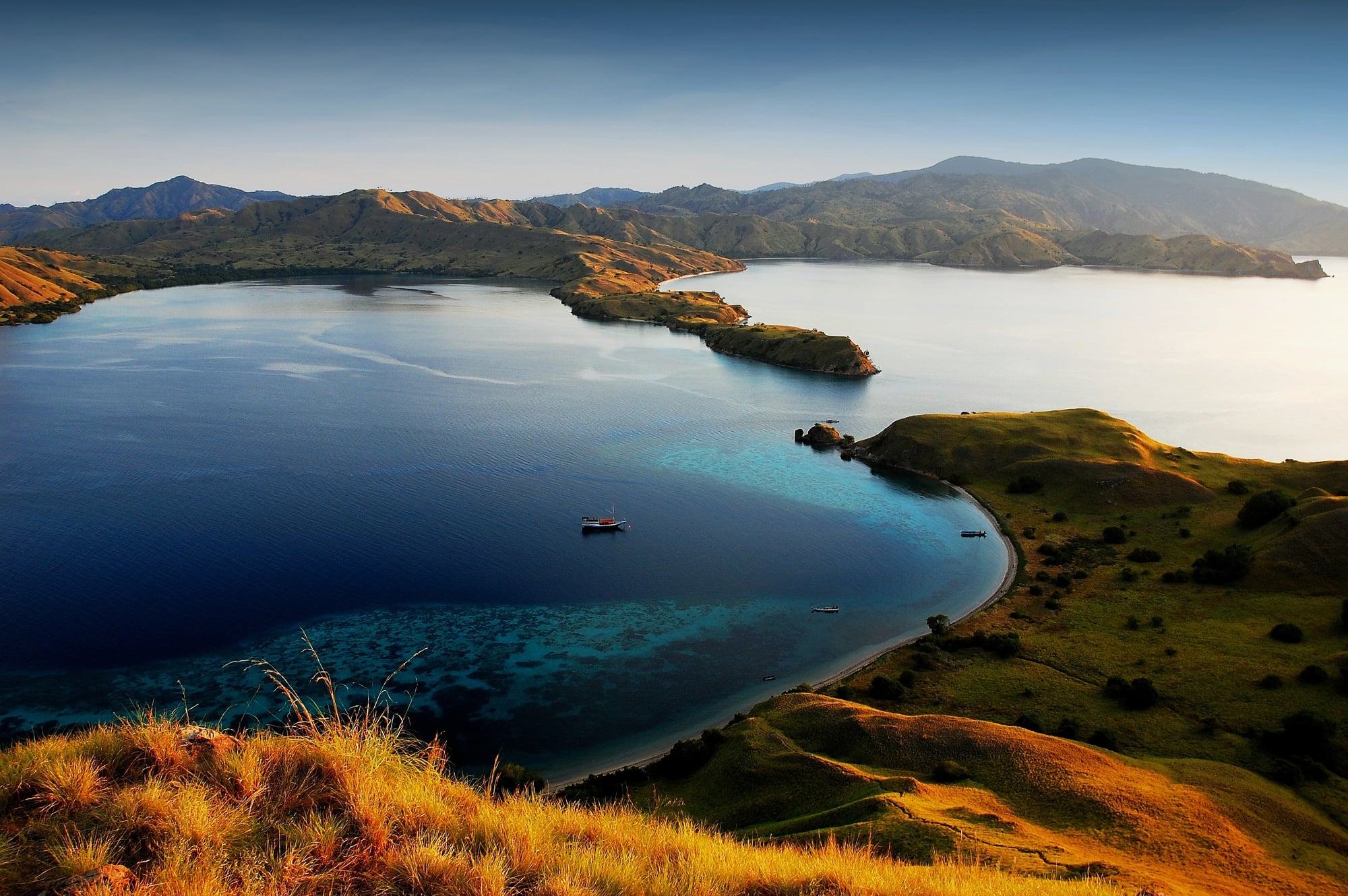
Komodo dragons survived the age of dinosaurs but nearly succumbed to selfie culture, as tourists desperate for photos with the world’s largest lizards ignored safety protocols and stressed the animals to the point where breeding patterns began to shift and territorial behaviors changed in response to constant human presence. The park’s three main islands — Komodo, Rinca, and Padar — were being loved to death by visitors who saw the ancient predators as photo opportunities rather than wild animals that required respectful distance and undisturbed habitat to maintain their ecological balance (and, more practically, to prevent anyone from becoming an unplanned meal).
Indonesia recognized that protecting a species older than human civilization required more than good intentions: visitor numbers are now strictly capped, guided tours maintain safe distances from the dragons, and certain areas remain completely off-limits during breeding and nesting seasons.
The dragons behave naturally again. Nesting sites stay undisturbed.
Tourism continues, but the animals come first.
Cinque Terre, Italy
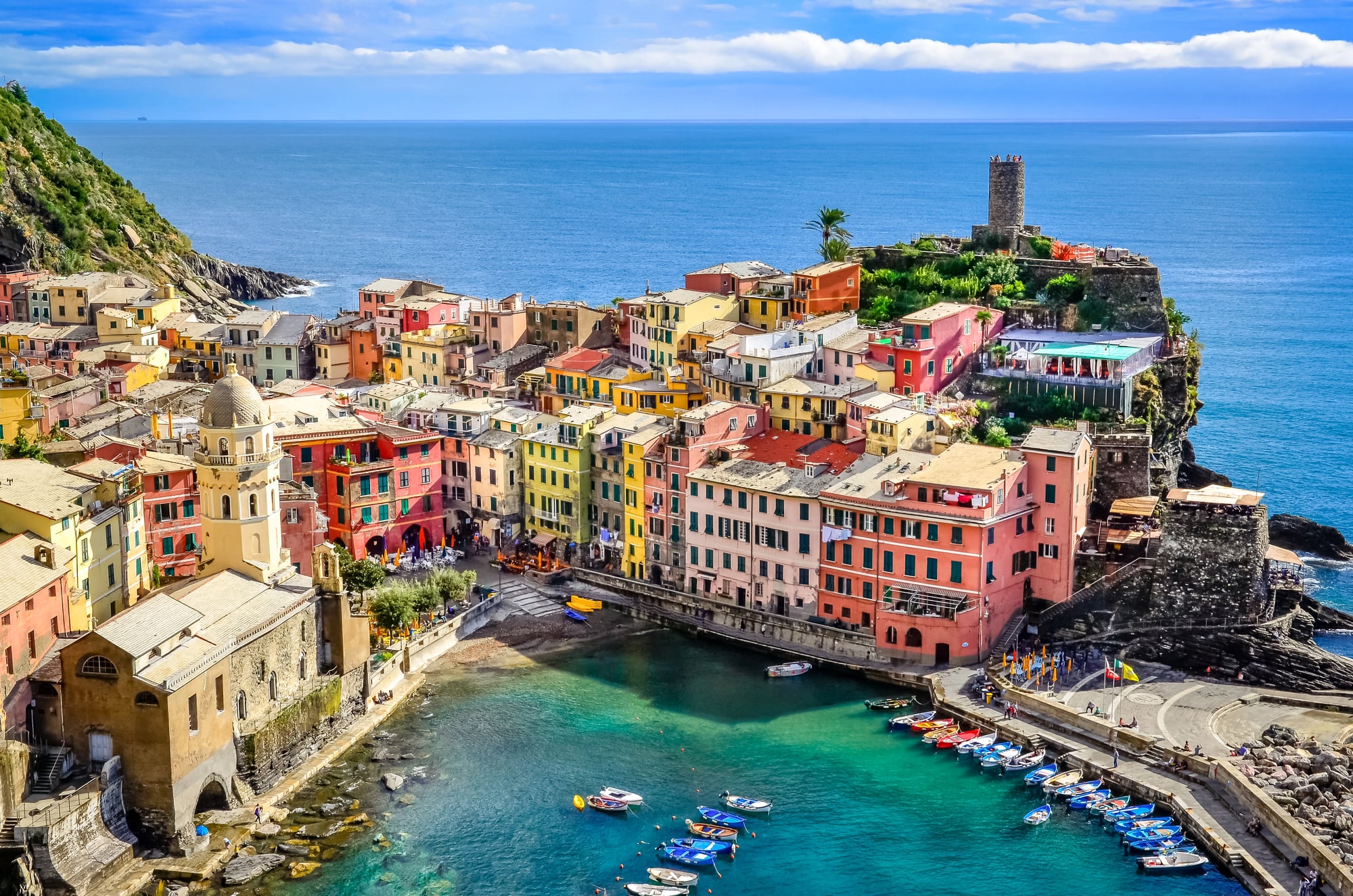
Five villages clinging to clifftops became a traffic nightmare as tourists overwhelmed narrow medieval paths designed for local fishermen and farmers. The famous coastal trail eroded under millions of footsteps annually.
Towns built for hundreds hosted thousands daily.
Italy introduced visitor caps and timed entry tickets for the most popular hiking trails. Train schedules were adjusted to spread arrivals throughout the day rather than creating morning and evening stampedes.
The coastal path remains spectacular, but it no longer crumbles under its own popularity. Villages feel like places where people actually live, not theme parks.
Trolltunga, Norway
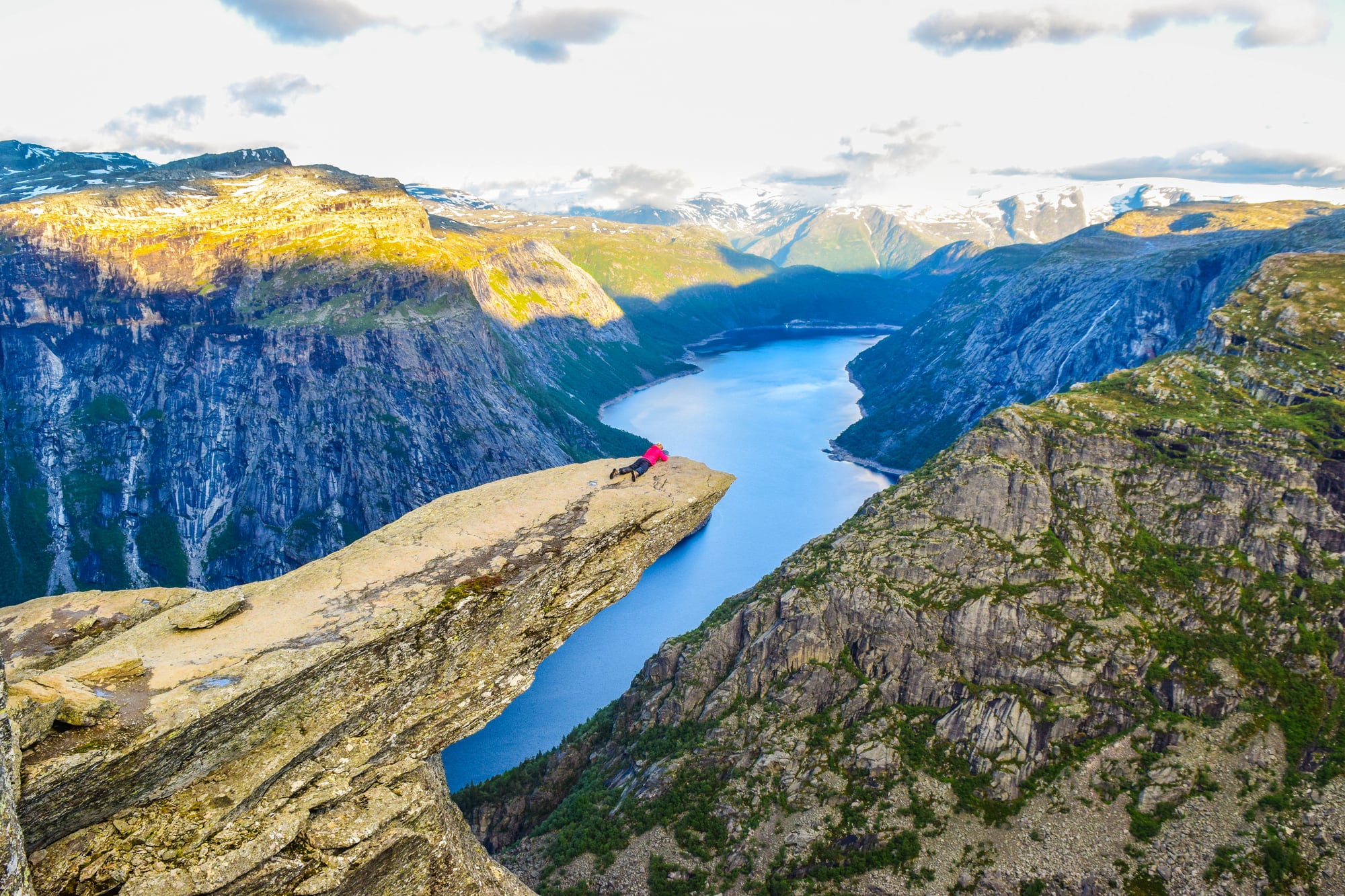
Norway’s most famous rock formation became a death trap disguised as a photo opportunity — the 14-mile hike to reach the distinctive cliff overhang attracted unprepared tourists who underestimated both the physical demands and the rapidly changing mountain weather, leading to rescues that sometimes required helicopter evacuations in conditions too dangerous for safe flying. The trail, originally used by locals familiar with the terrain, deteriorated rapidly under the boots of thousands who arrived expecting a casual walk to a scenic viewpoint, while the fragile arctic ecosystem around the path suffered from trampling, littering, and improper waste disposal.
Norwegian authorities responded with the methodical thoroughness you’d expect from a country that takes both outdoor access and environmental protection seriously: trail improvements now handle heavy foot traffic, mandatory equipment checks ensure hikers carry proper gear, weather-based access restrictions prevent people from attempting the hike in dangerous conditions, and seasonal guides help visitors understand what they’re undertaking.
But the real change is cultural. Norwegians redefined the experience from photo op to genuine outdoor challenge.
The rock formation remains spectacular, but reaching it now requires proper respect for the mountain environment.
Easter Island, Chile
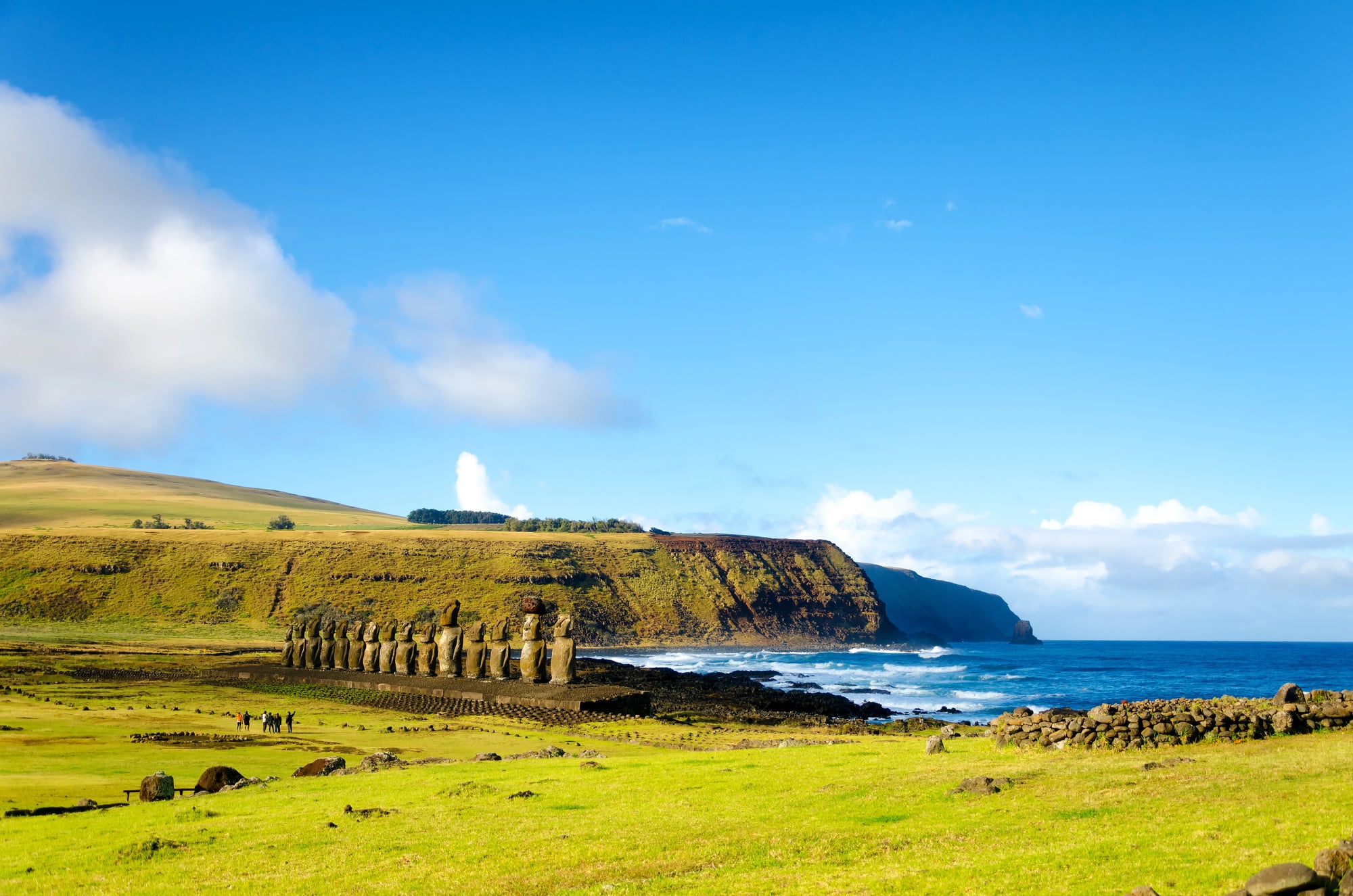
The moai statues have watched over Easter Island for centuries, but they weren’t built to withstand the weight of mass tourism pressing against their ancient stone surfaces while helicopter tours disrupted the island’s profound silence and rental cars carved new paths across grasslands that had remained undisturbed for generations. The island’s Rapa Nui people found themselves outnumbered by visitors who came to see their ancestors’ work but often showed little understanding of its cultural significance — statues became climbing frames for photos, sacred sites turned into picnic areas, and the island’s fragile ecosystem struggled under the pressure of infrastructure built to serve tourists rather than the 5,000 residents who called it home.
Chile partnered with the Rapa Nui community to reclaim control: visitor numbers are now limited, access to the most sacred moai sites requires guided tours led by locals, and stays are capped at 30 days to prevent the island from becoming a remote work destination that further strains resources.
The moai stand in silence again. The grasslands recover from vehicle damage.
Tourism continues, but the island’s spirit endures.
Mount Everest Base Camp, Nepal
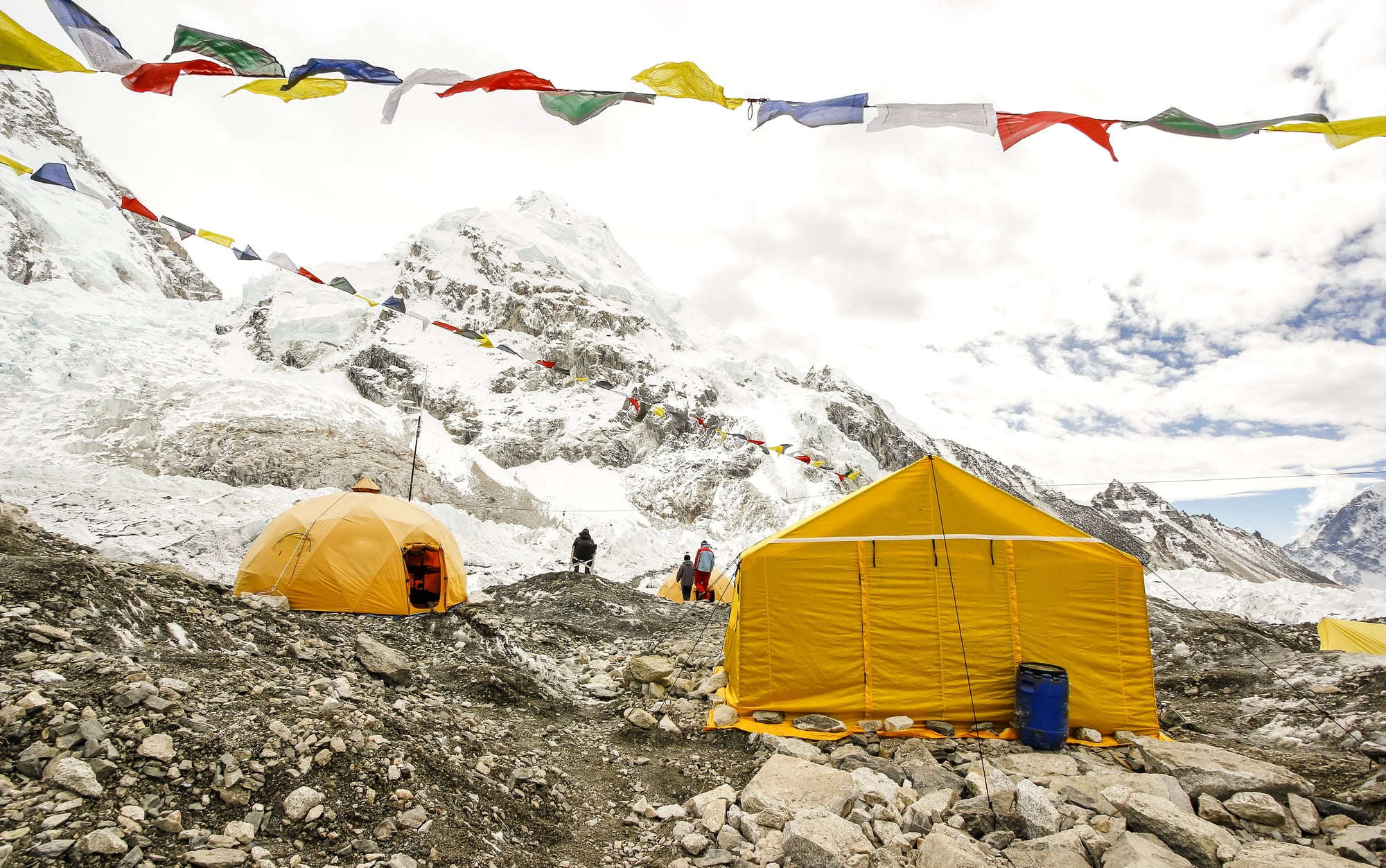
Base Camp became a high-altitude garbage dump where empty oxygen canisters, abandoned tents, and human waste accumulated faster than the thin mountain air could disperse the smell — a symbol of how even the world’s most remote places couldn’t escape the environmental impact of tourism that prioritized conquest over conservation. The trail to Base Camp, once a spiritual journey through Sherpa villages and Buddhist monasteries, transformed into a highway of trekking groups that overwhelmed local infrastructure and left a trail of litter from Lukla to the glacier moraine at 17,600 feet.
Nepal recognized that Everest’s reputation as the world’s highest peak was being overshadowed by its notoriety as the world’s highest landfill: mandatory waste collection programs now require trekking groups to carry out everything they carry in, local Sherpa communities receive training and equipment for environmental management, and the mountain cleanup efforts have removed tons of accumulated debris while establishing systems to prevent future accumulation.
The approach to Everest feels sacred again rather than like a high-altitude junkyard. Sherpa communities benefit from tourism without being overwhelmed by it.
The Great Wall Of China
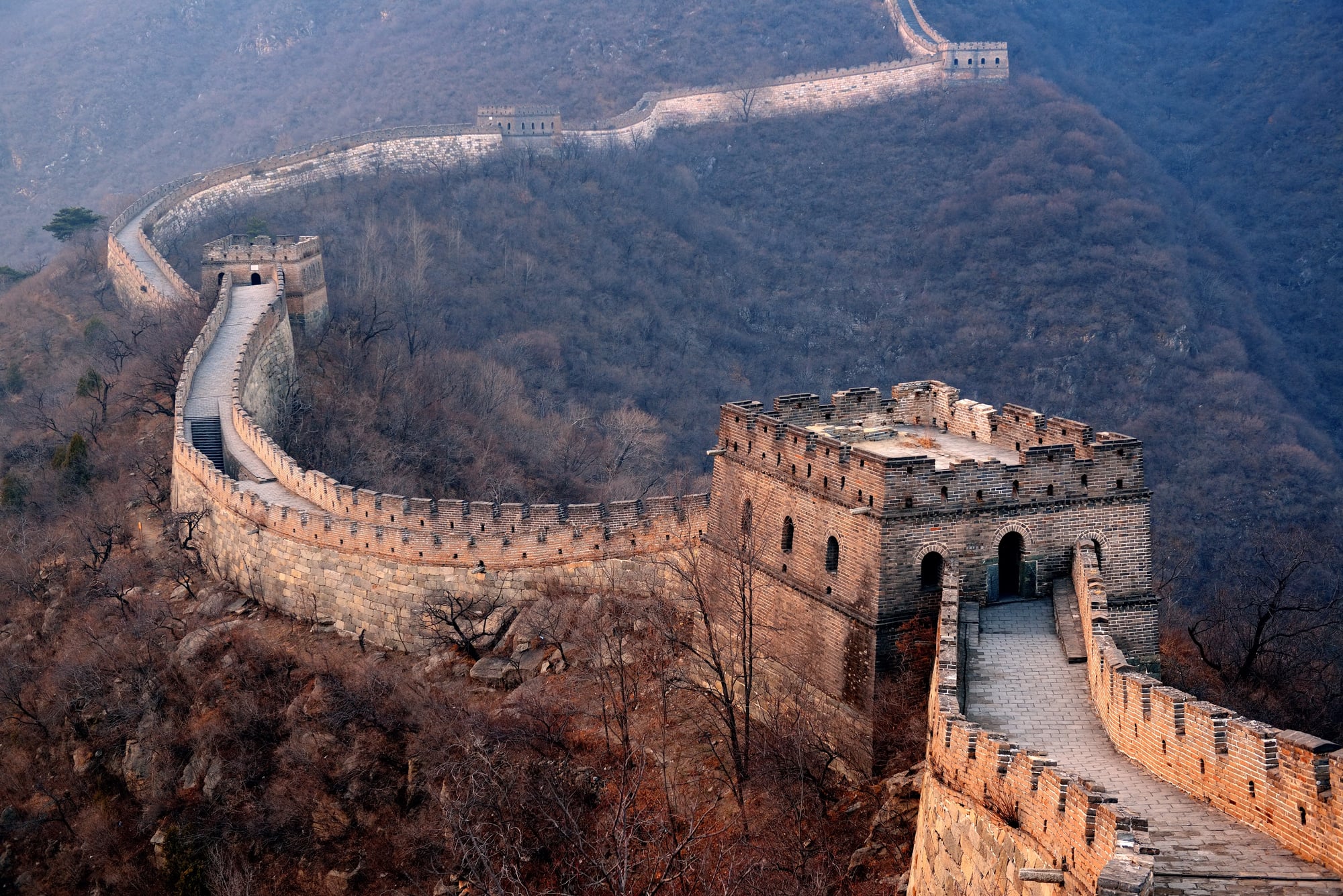
Certain sections of the Great Wall became human conveyor belts where visitors moved in slow-motion stampedes along ancient stonework that was never designed to support millions of annual footsteps concentrated in the same narrow passages. Badaling, the most accessible section, suffered particularly: the wall itself began to deteriorate under constant pressure, while the experience of walking along one of humanity’s greatest architectural achievements devolved into a crowded shuffle where visitors spent more time looking at the backs of other tourists than at the sweeping mountain vistas the wall was built to command.
China’s solution involved both restoration and redirection. Lesser-known sections were restored and opened to distribute crowds away from Badaling.
Timed entry tickets prevent the worst overcrowding. The wall still draws massive numbers, but visitors can now experience something closer to the awe its builders intended rather than feeling trapped in a slow-moving outdoor elevator.
Giethoorn, Netherlands
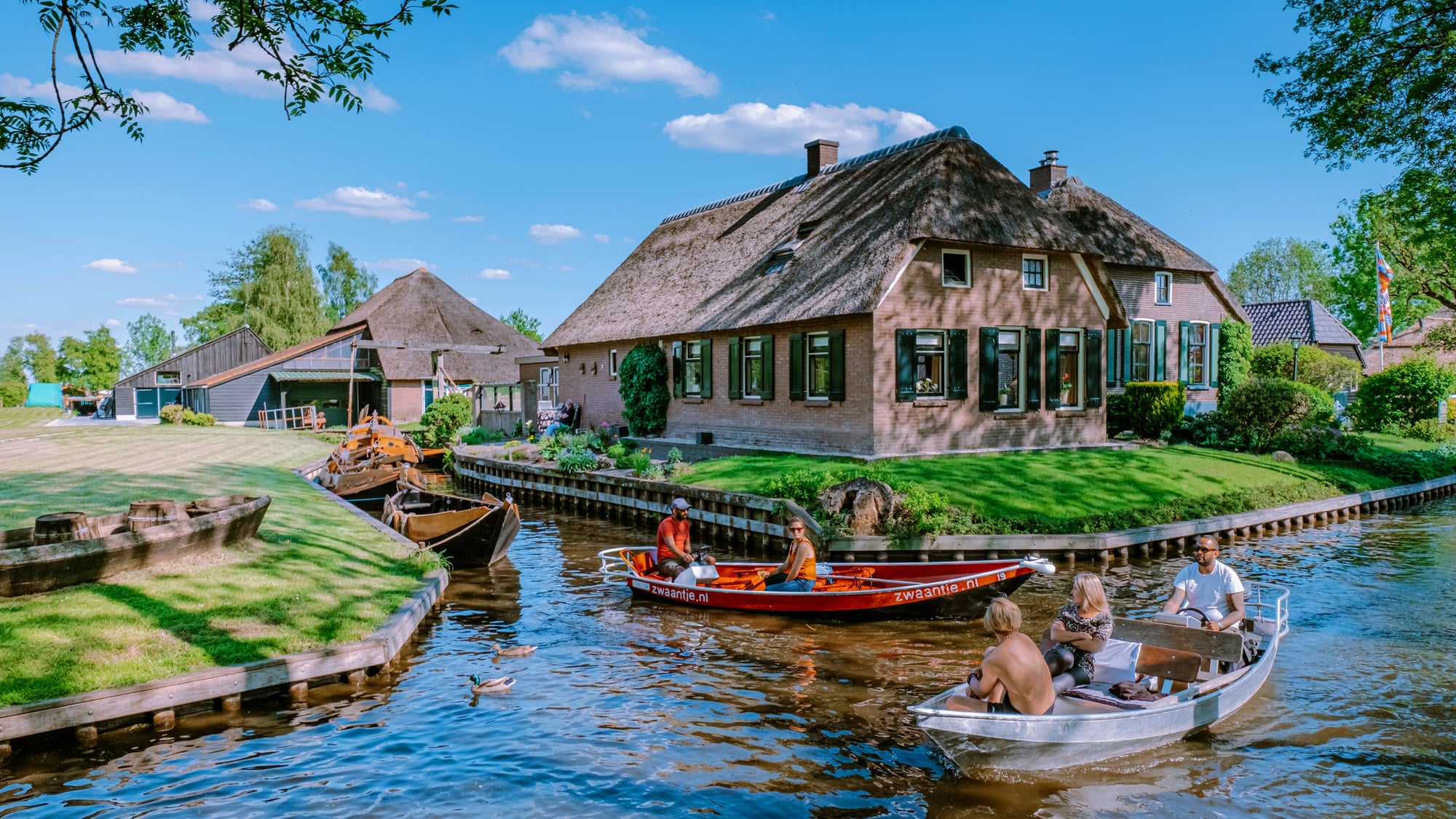
This car-free village earned the nickname “Venice of the North” for its canals and bridges, but tourism turned tranquil waterways into traffic jams of rental boats piloted by inexperienced visitors who scraped against historic buildings, created wakes that eroded canal banks, and filled the air with engine noise that shattered the peace locals had enjoyed for centuries.
Giethoorn implemented boat licenses for tourists, limited the number of rental craft on the canals, and designated quiet hours when engine-powered boats are banned.
The village preserved its charm by refusing to let tourism destroy what made it charming in the first place. Visitors can still explore the canals, but the village keeps its soul.
Lessons From The Rescue
Tourism doesn’t have to be a zero-sum game where popularity equals destruction. These places prove that with thoughtful management, even the most overrun destinations can find their way back from the brink.
The solution usually isn’t to ban tourism entirely — it’s to change the relationship between visitors and place.
The most successful recoveries share common elements: strict limits on visitor numbers, local community involvement in decision-making, and the recognition that short-term tourism revenue isn’t worth long-term environmental destruction. Some places had to close completely to reset the balance.
Others found salvation in spreading crowds across time and space, or charging fees that fund conservation while deterring casual visitors.
These photos capture more than just beautiful places restored — they document what’s possible when destinations choose sustainability over quick profit, and when travelers learn to love places gently rather than consuming them.
More from Go2Tutors!

- The Romanov Crown Jewels and Their Tragic Fate
- 13 Historical Mysteries That Science Still Can’t Solve
- Famous Hoaxes That Fooled the World for Years
- 15 Child Stars with Tragic Adult Lives
- 16 Famous Jewelry Pieces in History
Like Go2Tutors’s content? Follow us on MSN.