15 US States With the Least Light Pollution
There’s something profound about stepping outside and actually seeing the night sky the way humans did for thousands of years before electric lights changed everything. Most Americans live under such a blanket of artificial illumination that the Milky Way has become invisible, relegated to something you might glimpse on vacation or see in photographs.
But scattered across the country, certain states still offer refuge from the orange glow that dominates most of our nights. These places preserve something essential — not just dark skies, but a connection to the cosmos that urban living has largely erased.
Montana
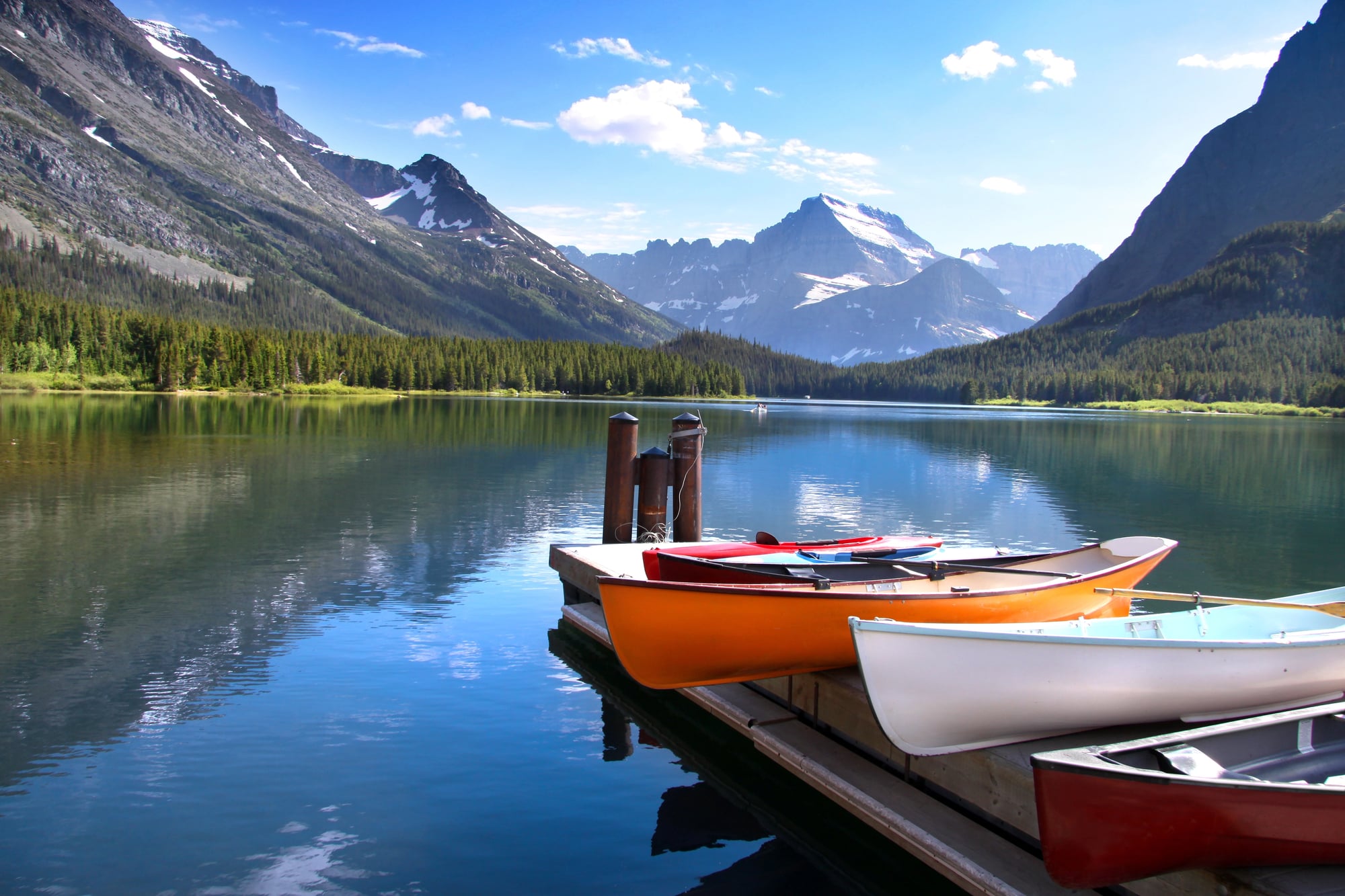
Montana doesn’t apologize for its emptiness. Vast stretches between towns mean fewer streetlights, fewer shopping centers, fewer of the thousand small sources that collectively steal the stars.
Glacier National Park anchors the state’s reputation for pristine night skies, but you don’t need to visit a designated area to find darkness here. Drive twenty minutes outside most Montana towns and the artificial light fades to nothing.
Wyoming
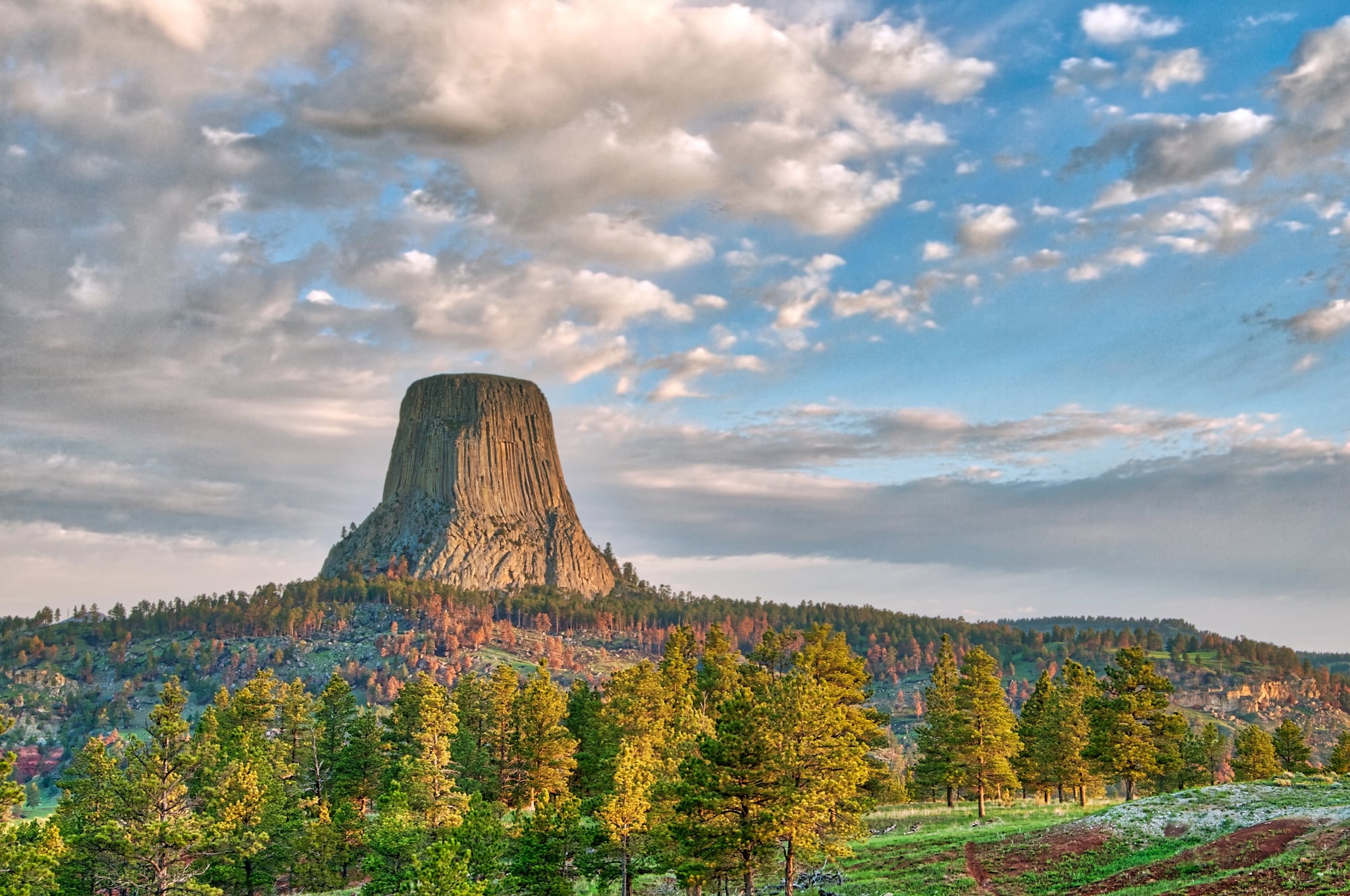
The least populous state in the country has a predictable advantage when it comes to light pollution: there simply aren’t enough people to create much of it. Wyoming’s 580,000 residents spread across nearly 98,000 square miles means the math works in favor of darkness.
Yellowstone and Grand Teton national parks draw the astronomy tourists, but Wyoming’s commitment to dark skies extends beyond its famous attractions. Even areas near larger towns like Cheyenne and Casper maintain surprisingly low light pollution levels.
Alaska
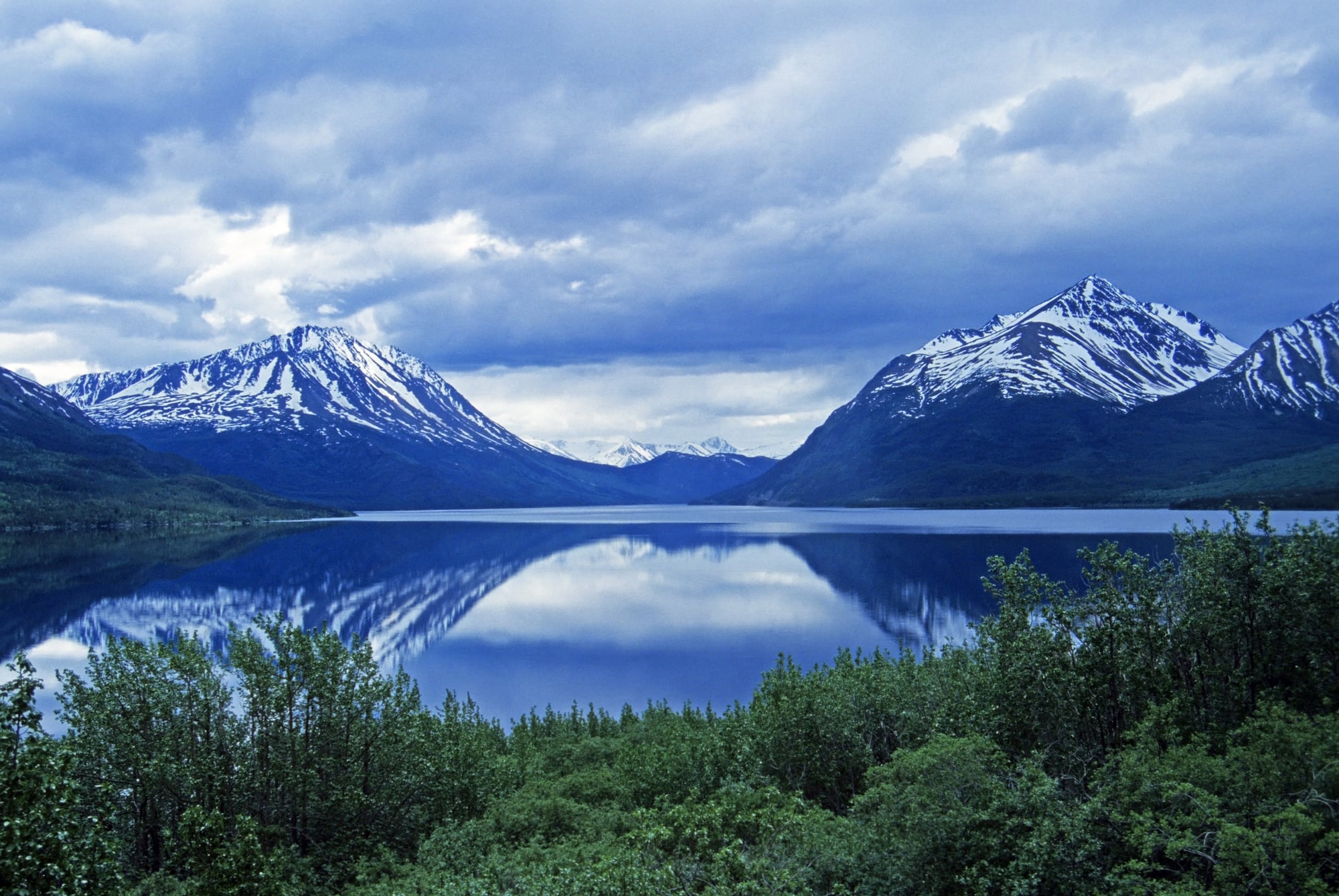
Alaska operates by different rules than the rest of the country, and this extends to its relationship with artificial light. The state’s enormous size and sparse population create conditions where true darkness still exists in abundance (when the season allows for it, of course — summer brings its own complications in the form of midnight sun, but that’s a natural phenomenon rather than light pollution).
The northern regions offer some of the darkest skies on the continent, though accessing them requires serious planning and a tolerance for extreme conditions. Even Alaska’s more accessible areas maintain light pollution levels that would be considered exceptional in most other states.
And when the aurora borealis decides to perform (which happens with remarkable frequency here), there’s often no competing artificial light to diminish the show.
Idaho
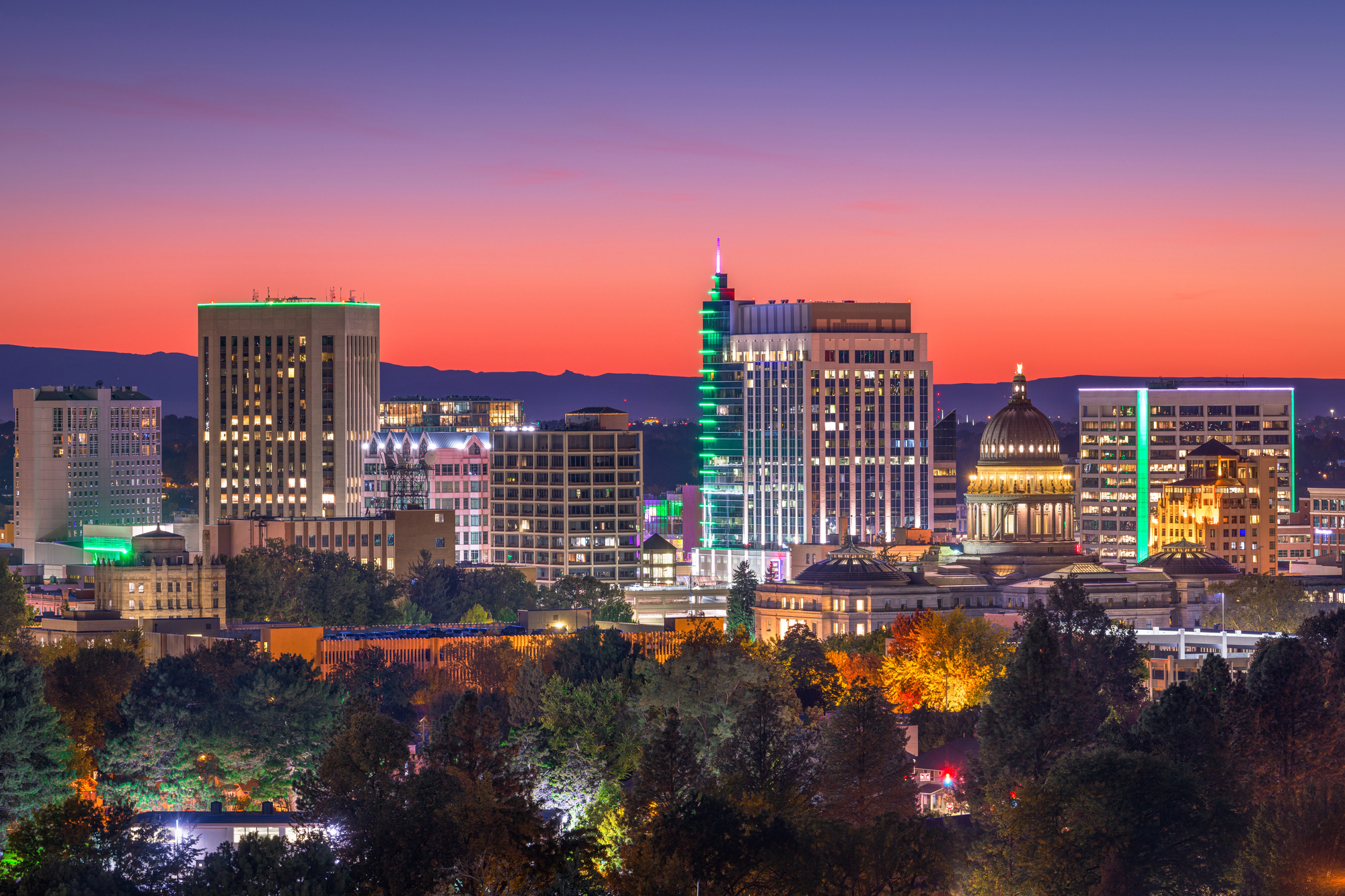
Idaho sits in that sweet spot between having enough infrastructure to be accessible and maintaining the kind of rural character that keeps light pollution minimal. The state’s mountainous terrain naturally separates communities, creating pockets of genuine darkness between population centers.
Sun Valley gets attention for its International Dark Sky Reserve status, but Idaho’s commitment to preserving night skies extends well beyond tourist destinations. The state has actively worked to implement lighting ordinances that minimize upward light spillage.
North Dakota
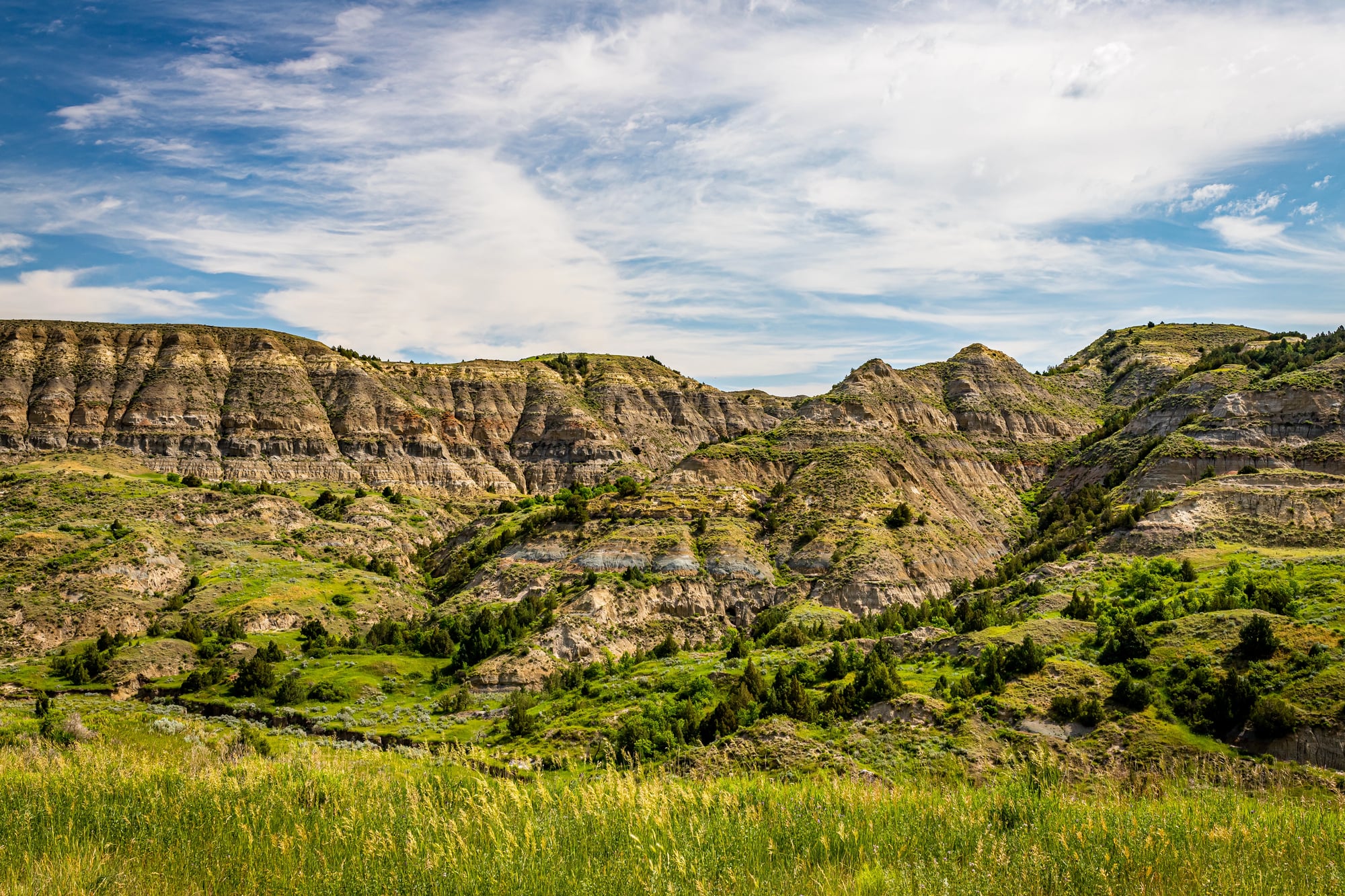
Here’s the thing about North Dakota: it’s extraordinarily flat and extraordinarily empty, two characteristics that create ideal conditions for stargazing. The state ranks consistently among the lowest for light pollution because there simply isn’t much artificial illumination to create it.
Theodore Roosevelt National Park offers officially protected dark skies, but you don’t need to limit yourself to designated areas. The agricultural landscape means long stretches of farmland with minimal lighting infrastructure.
South Dakota
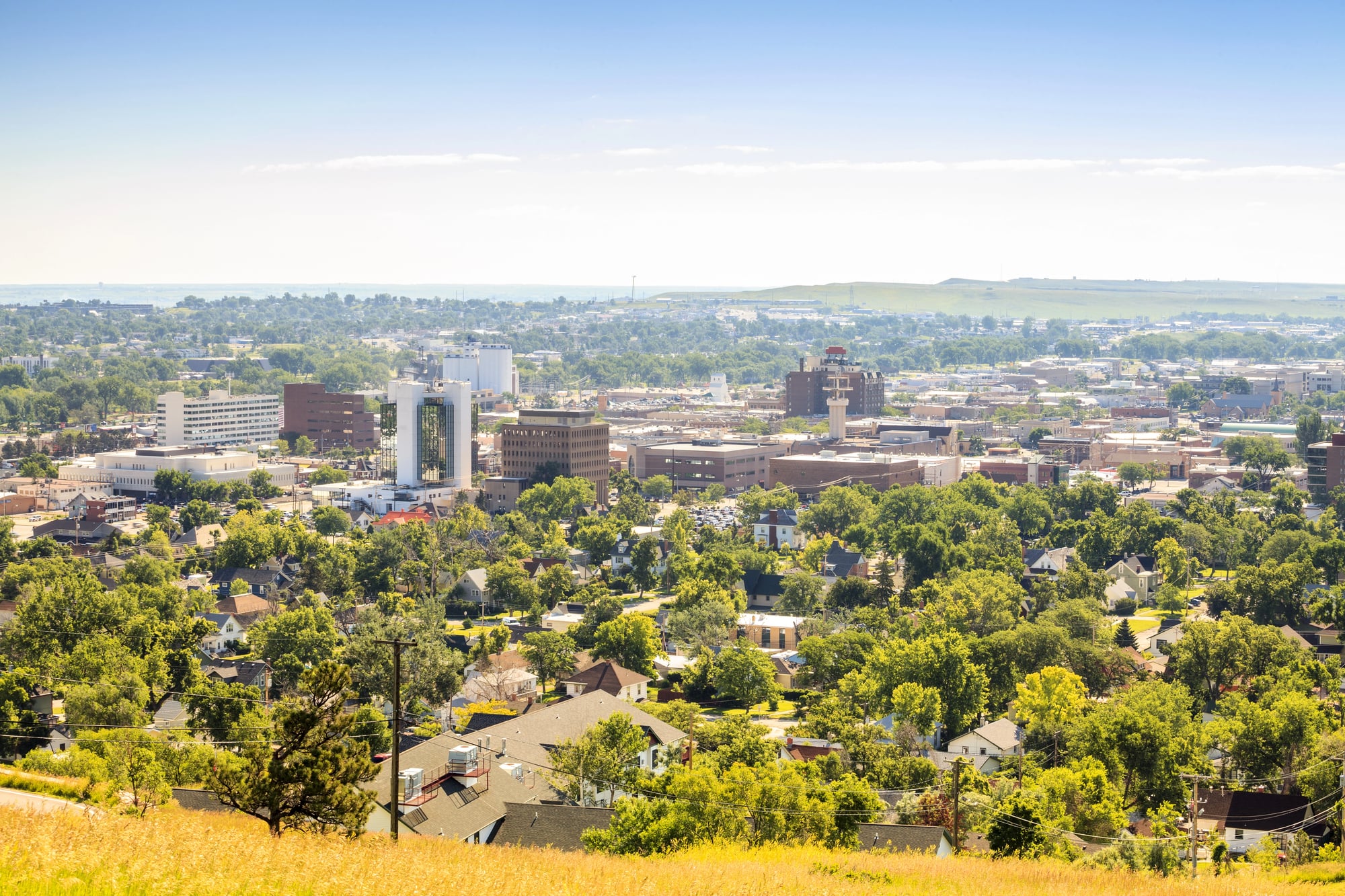
South Dakota takes its dark skies seriously enough that Badlands National Park has earned recognition as an International Dark Sky Park. But (and this matters more for practical purposes) the state’s low population density means exceptional night sky visibility extends well beyond protected areas.
The Black Hills region combines accessible terrain with genuinely dark conditions — you can drive to locations that would require hiking in more developed states. So you end up with the rare combination of convenience and authentic darkness, which explains why the area has become a destination for amateur astronomers from across the Midwest.
Nevada
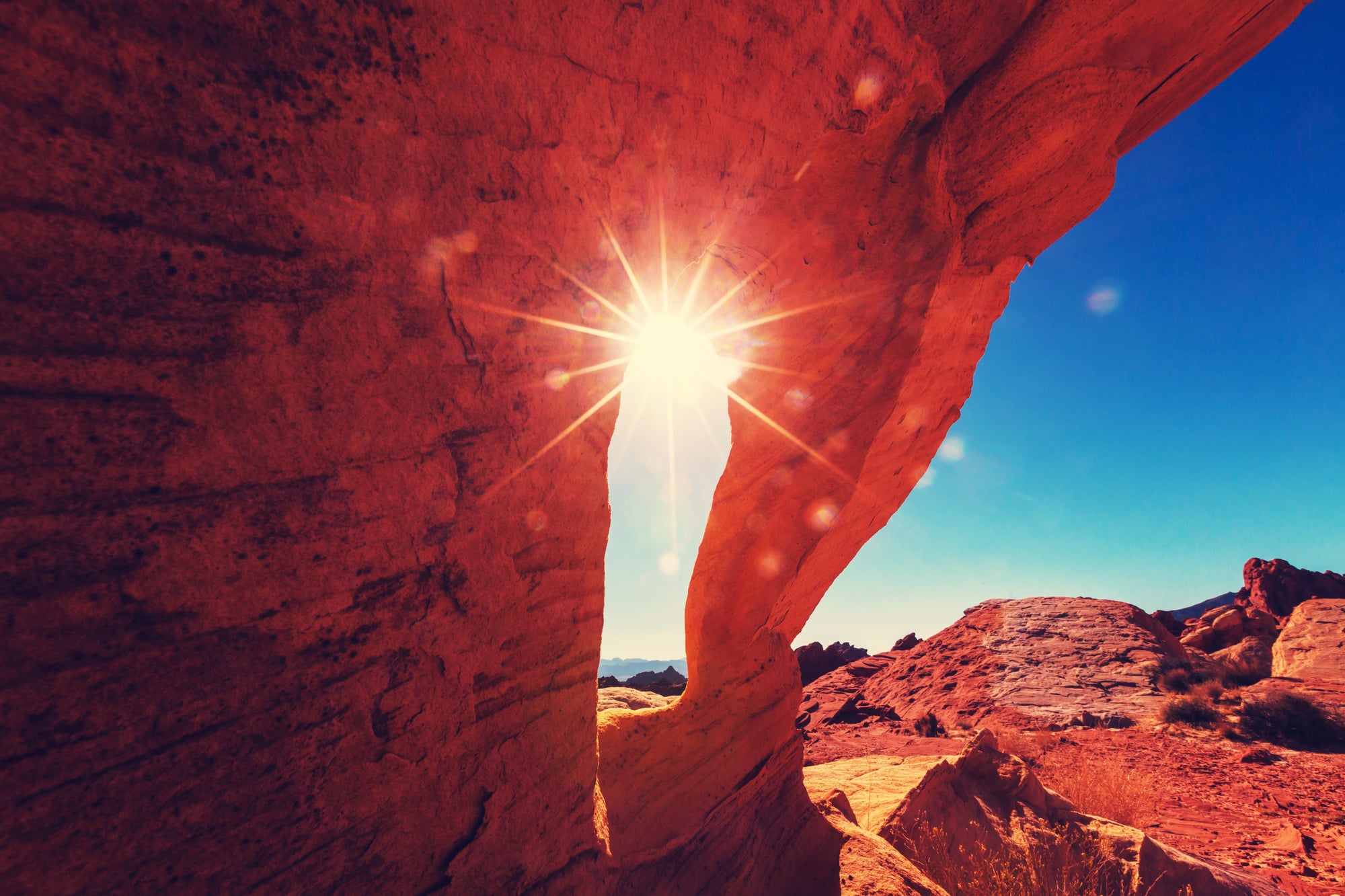
Nevada presents an interesting case study in how geography and politics intersect with light pollution. The state contains vast stretches of federally managed land where development is restricted, creating natural buffers against artificial light (though Las Vegas certainly does its part to complicate the state’s overall light pollution picture — but that’s one metropolitan area in a very large state).
The northern and eastern regions of Nevada offer some of the darkest skies in the country, rivaling anything you’ll find in the more celebrated stargazing destinations. Area 51 might be off-limits, but the surrounding high desert provides ample opportunity to scan the heavens without interference.
Death Valley National Park, which straddles the Nevada-California border, holds the distinction of having some of the darkest night skies in the National Park System, and the Nevada portions are particularly pristine.
New Mexico
The Land of Enchantment has earned its nickname partly through its exceptional night skies. New Mexico’s high elevation and arid climate create ideal atmospheric conditions for astronomy, which explains why so many professional observatories have chosen to locate here.
The state has been proactive about protecting its dark skies through legislation and local ordinances. Cities like Santa Fe and Albuquerque have implemented lighting codes specifically designed to minimize light pollution.
Nebraska
Nebraska’s agricultural landscape creates ideal conditions for dark skies through simple geography. Farmland doesn’t generate much artificial light, and the wide spacing between towns means you can easily find locations far from any significant light sources.
The state’s flat terrain eliminates the hills and valleys that can trap and reflect artificial light in more mountainous regions. What you get is clean, unobstructed darkness stretching to every horizon.
Utah
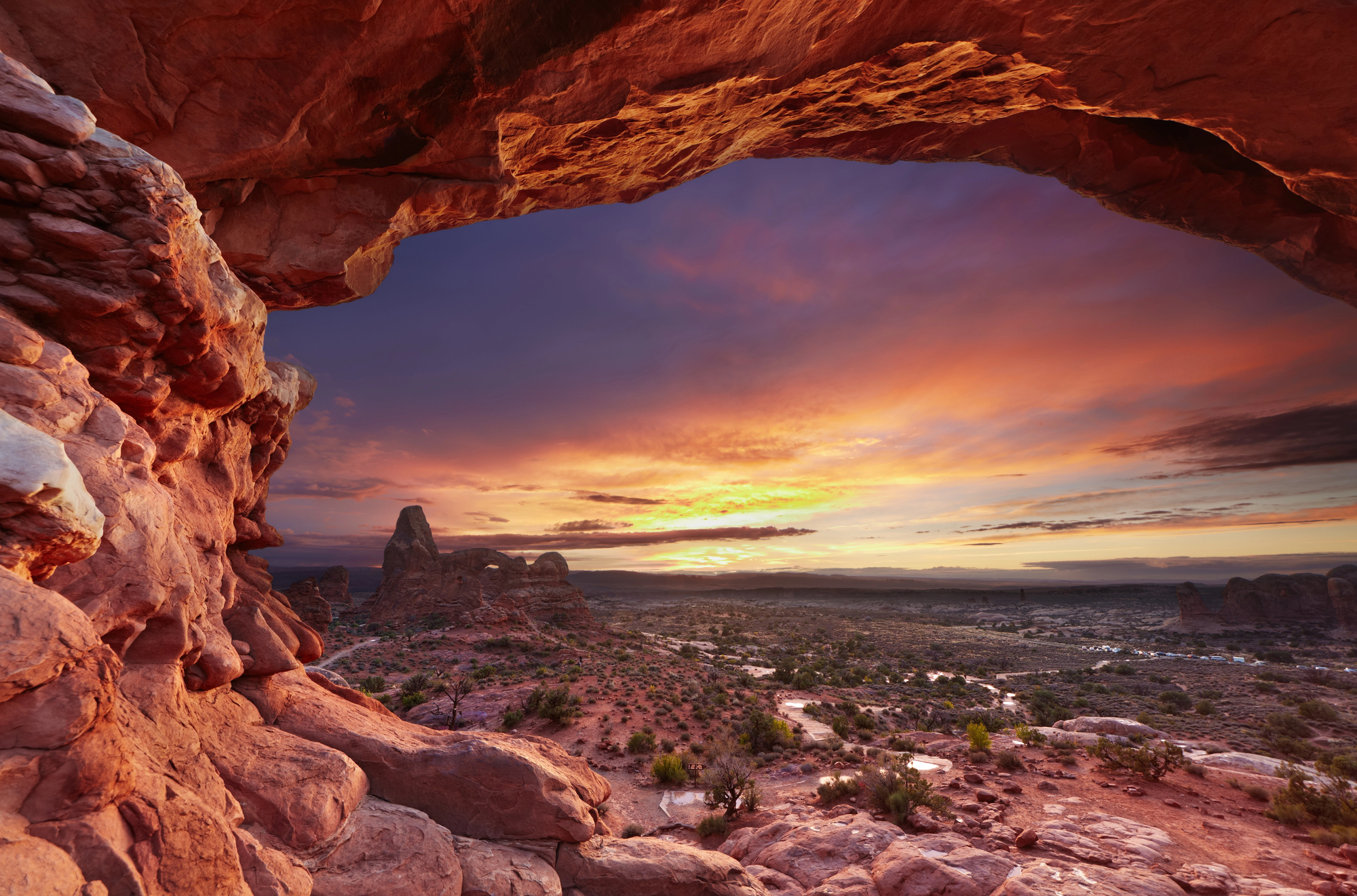
Utah operates with a certain consciousness about its natural resources that extends to preserving dark skies. The state’s numerous national parks — including several designated International Dark Sky Parks — demonstrate an institutional commitment to maintaining night sky quality.
But Utah’s excellence in this area isn’t limited to its famous protected lands. The state’s unique geography, with high desert plateaus and natural separation between population centers, creates widespread conditions favorable for astronomy.
Kansas
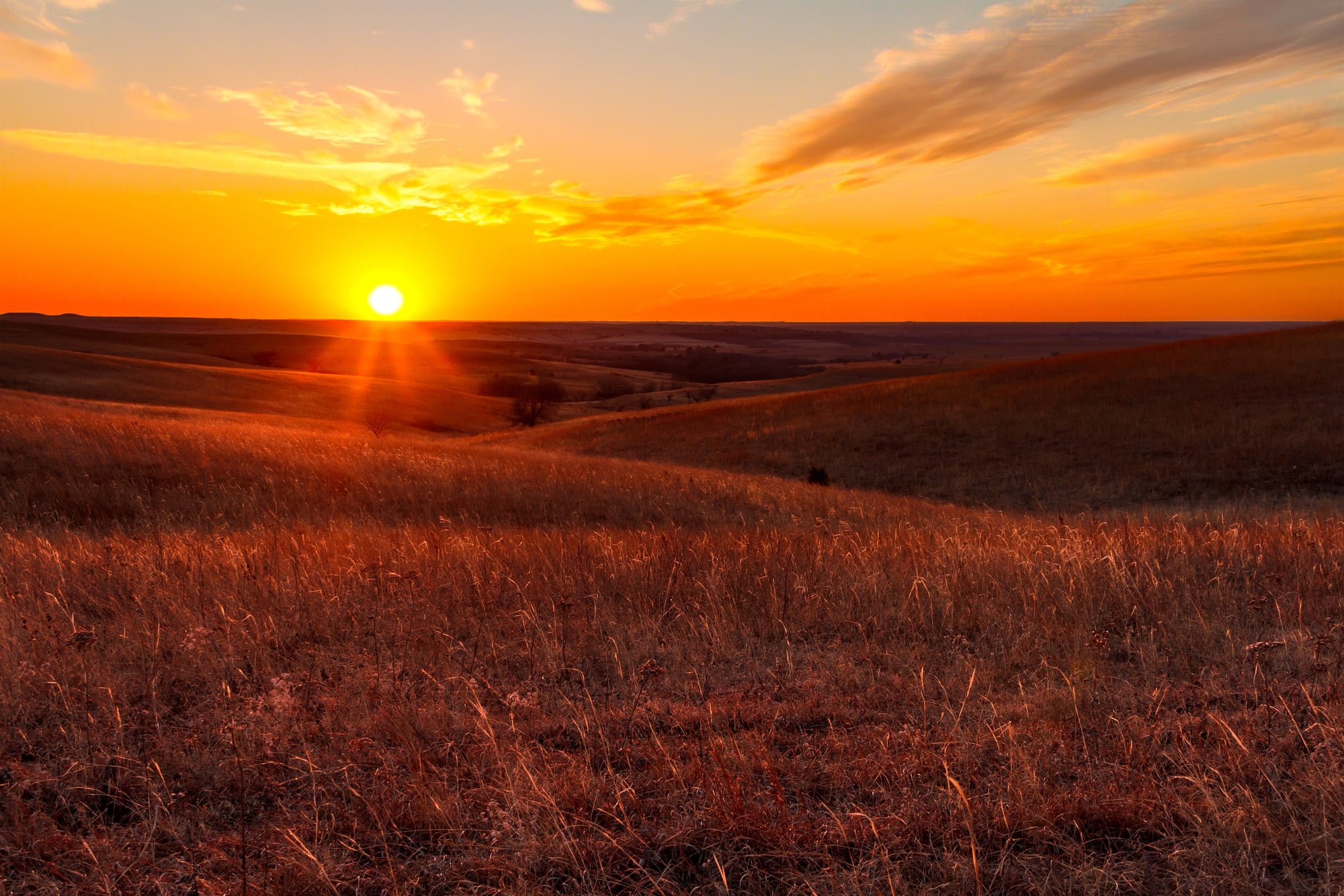
Kansas gets dismissed as boring, which turns out to be exactly what makes it excellent for stargazing. The state’s agricultural economy means vast areas with minimal artificial lighting infrastructure, and the famously flat terrain provides unobstructed views in every direction.
The lack of mountains or forests means there’s nothing to block your view of the horizon, giving you access to the full dome of the sky in a way that’s impossible in more topographically varied regions.
Colorado
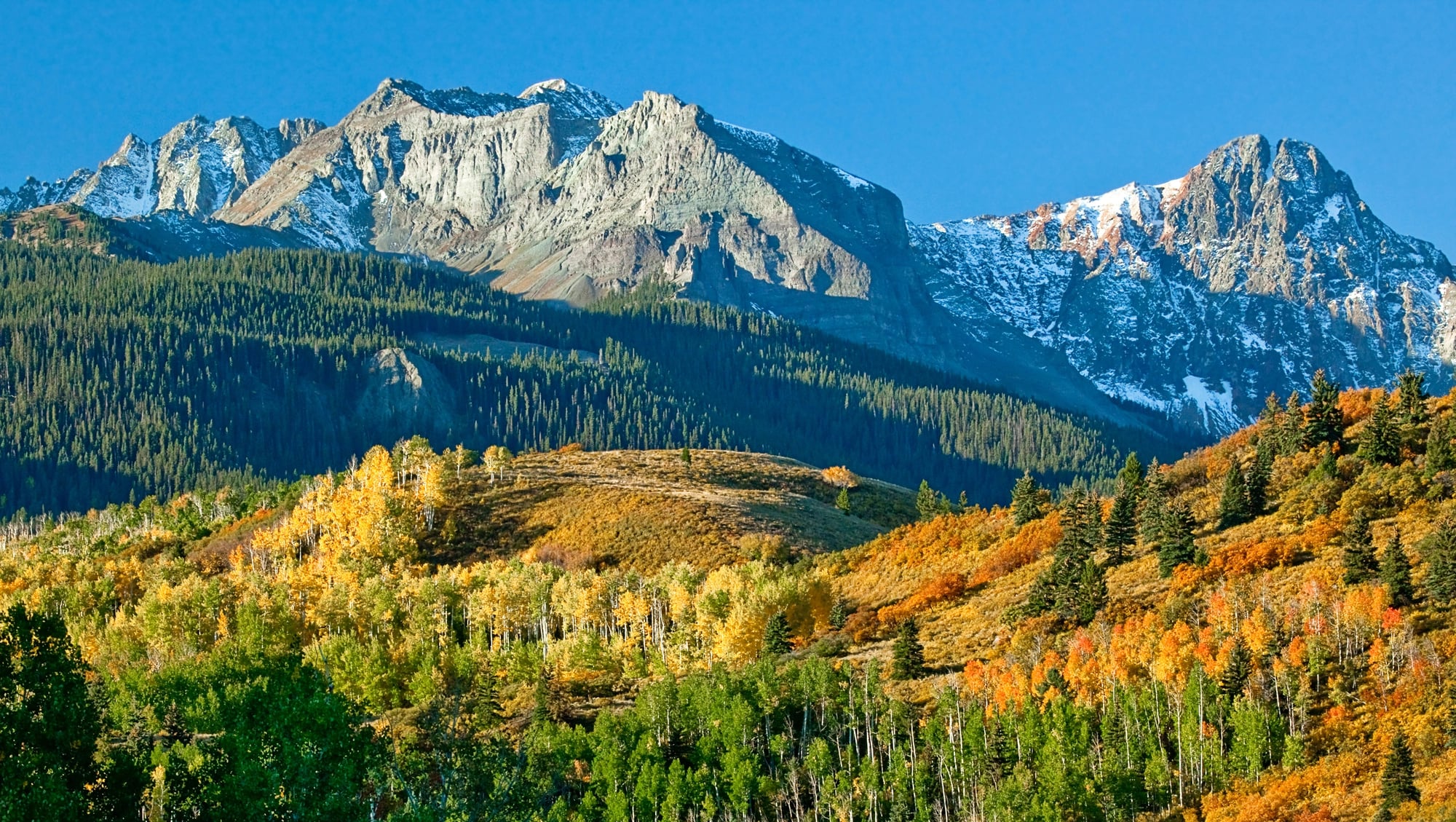
Colorado’s high elevation provides a natural advantage for astronomy — less atmosphere means clearer views of celestial objects. The state’s mountainous terrain creates natural separation between communities, leaving large areas with minimal light pollution.
The western slope of the Rockies, in particular, offers exceptional dark sky conditions. Towns like Westcliffe have embraced their status as dark sky communities, implementing lighting ordinances designed to preserve night sky quality while still maintaining safety and functionality.
Maine
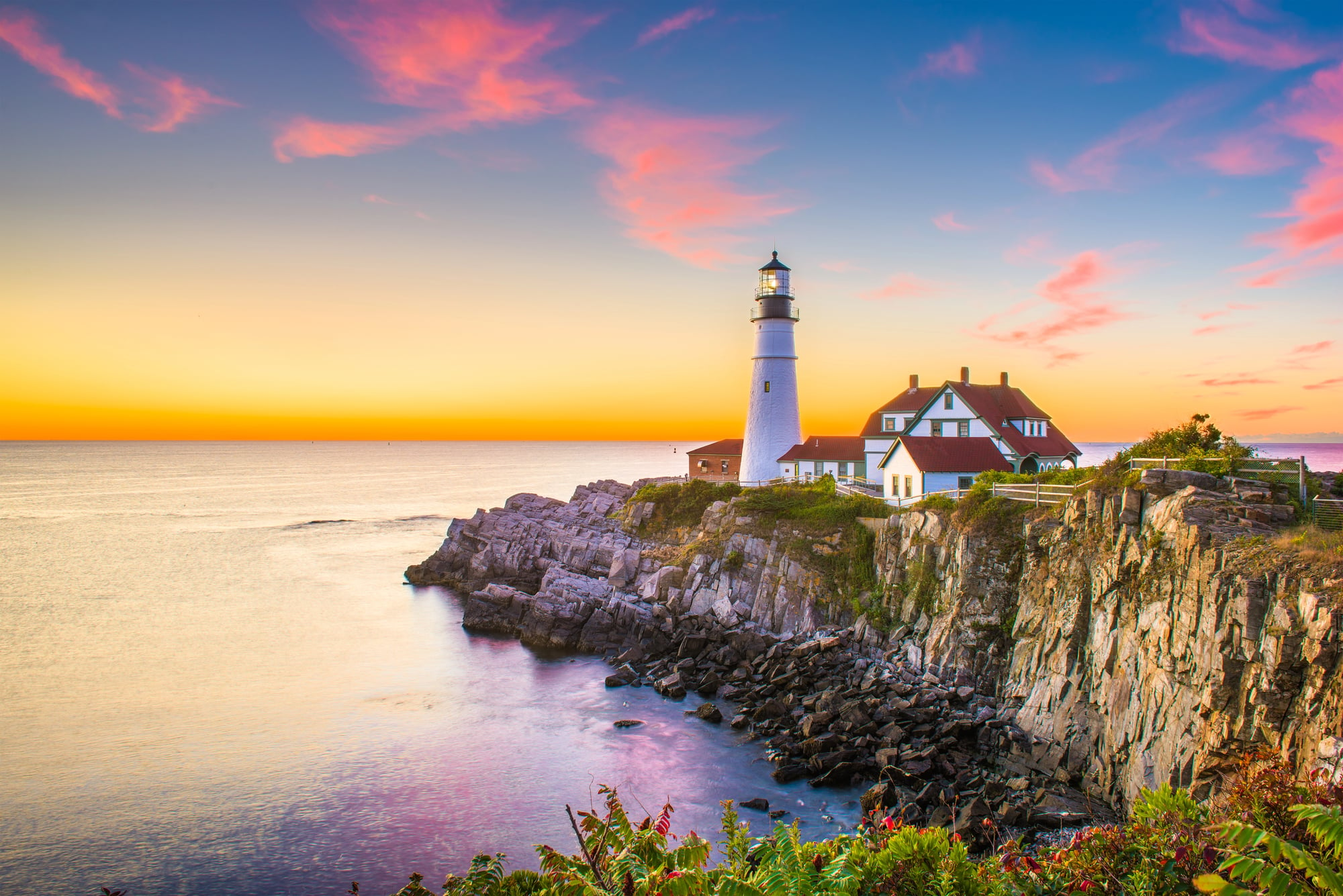
Maine represents the best of what the Northeast can offer in terms of dark skies. The state’s geography — with its rocky coastline, dense forests, and sparse inland population — creates natural barriers to light pollution that don’t exist in more developed regions.
Acadia National Park anchors the state’s reputation for exceptional night skies, but Maine’s commitment to darkness extends beyond its protected areas. The state’s rugged terrain and seasonal economy mean many areas remain genuinely remote, even during peak tourist seasons.
Vermont
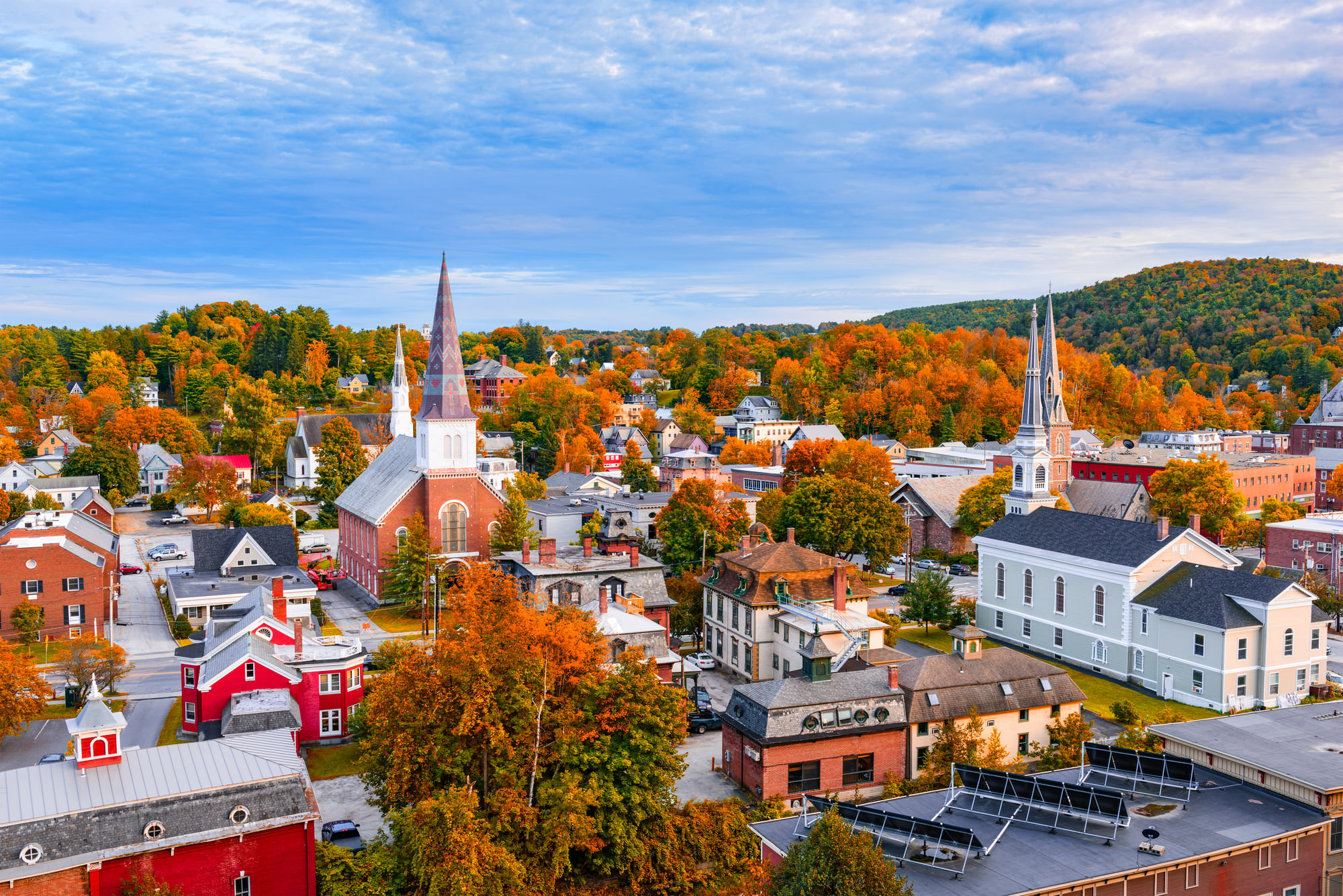
Vermont might surprise people as a dark sky destination, given its location in the relatively developed Northeast. But the state’s commitment to maintaining rural character has inadvertently preserved night sky quality in ways that benefit astronomers and casual stargazers alike.
The Green Mountains create natural breaks between population centers, and Vermont’s environmental consciousness has translated into lighting policies that minimize unnecessary artificial illumination. Small towns throughout the state maintain the kind of modest lighting infrastructure that allows the night sky to remain visible.
Oregon
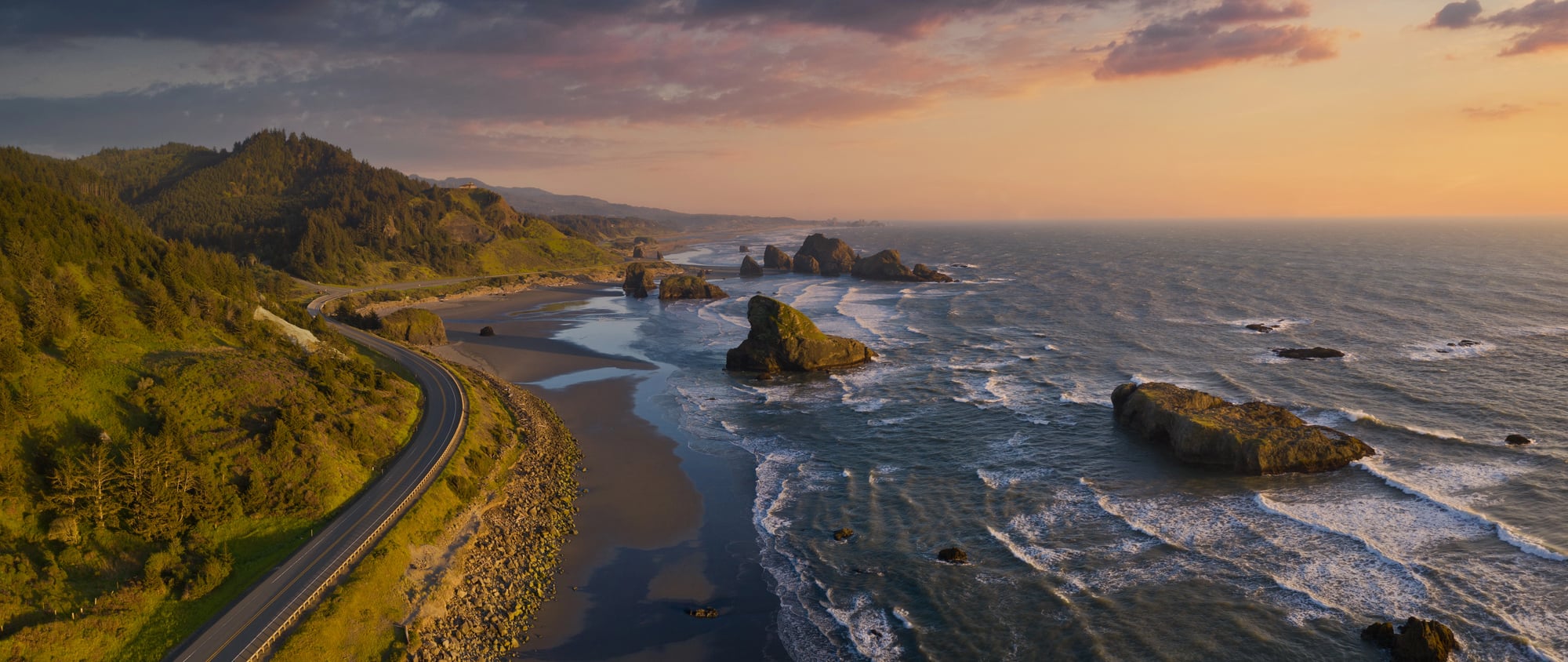
Oregon’s approach to light pollution reflects the state’s broader environmental values. Coastal areas benefit from the natural darkness that comes with facing the Pacific Ocean, while inland regions maintain the kind of rural character that keeps artificial lighting to reasonable levels.
The state has been proactive about establishing dark sky preserves and implementing lighting ordinances in communities that want to maintain their connection to the night sky. This isn’t just about tourism or scientific research — it represents a recognition that darkness itself has value worth protecting.
Where Darkness Still Wins
These states represent more than just good locations for amateur astronomy. They’re places where the relationship between human settlement and the natural world has been negotiated differently, where the impulse to illuminate everything has been tempered by geography, culture, or simple economic reality.
The result is something increasingly rare: the ability to step outside at night and see the universe as it actually is, not filtered through the orange haze of sodium vapor lights and LED arrays. In a country where true darkness has become a luxury, these places offer something closer to a birthright.
More from Go2Tutors!

- The Romanov Crown Jewels and Their Tragic Fate
- 13 Historical Mysteries That Science Still Can’t Solve
- Famous Hoaxes That Fooled the World for Years
- 15 Child Stars with Tragic Adult Lives
- 16 Famous Jewelry Pieces in History
Like Go2Tutors’s content? Follow us on MSN.



