17 Foods Tied to Local Traditions
Food carries stories that stretch back generations. Every region has dishes that speak to its history, climate, and the ingenuity of people making the most of what they had.
These aren’t just recipes — they’re edible pieces of culture, shaped by geography and necessity, passed down through families who understood that some things are too important to lose.
Key Lime Pie
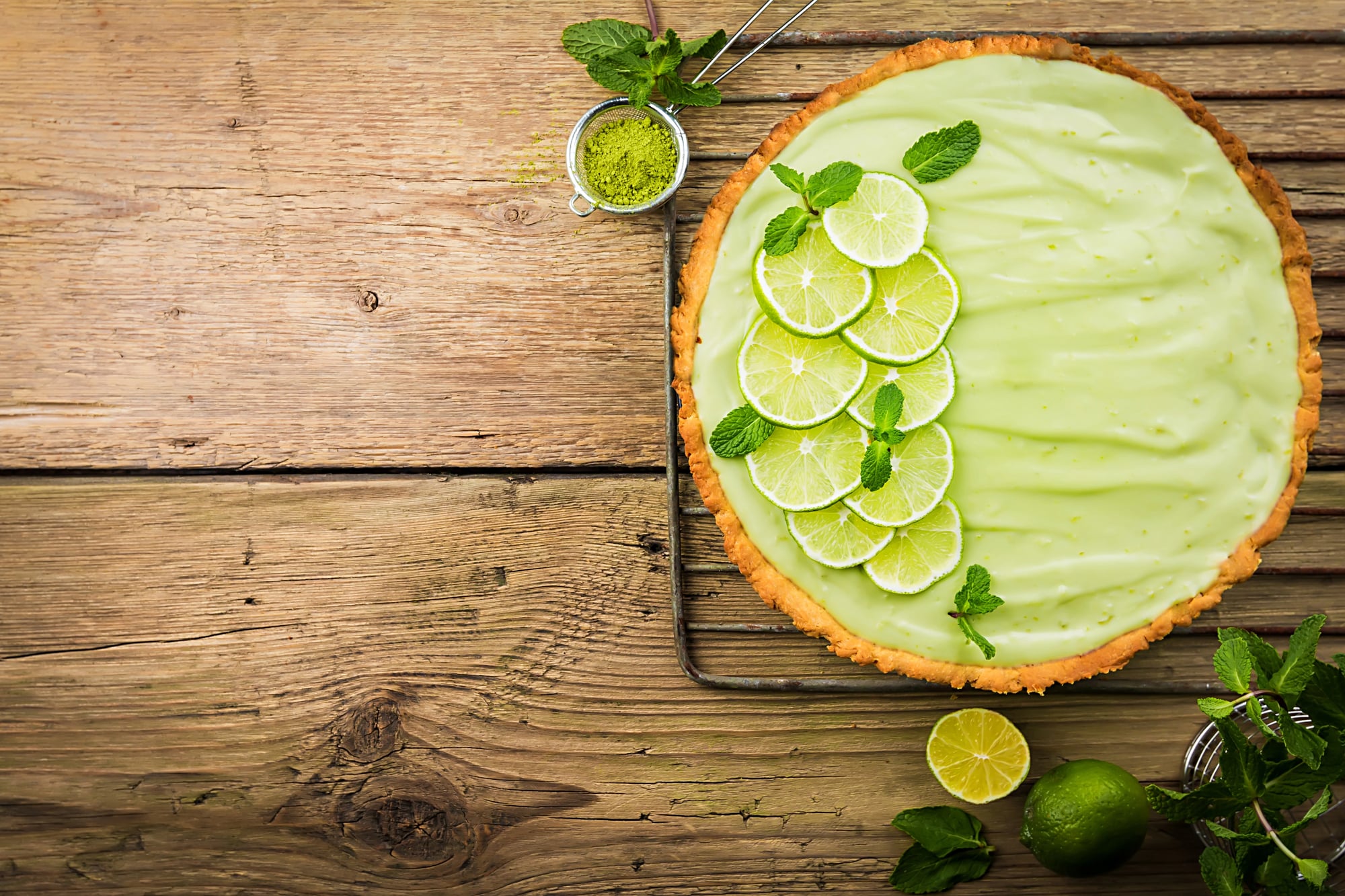
Key lime pie belongs to the Florida Keys the way lighthouses belong to rocky coasts. The tiny, sour Key limes grew wild there, and when fresh milk was impossible to come by in the isolated island chain, resourceful cooks discovered that the acidic lime juice would “cook” condensed milk into a perfect custard.
No oven required — which mattered when keeping a kitchen cool was everything.
Gumbo
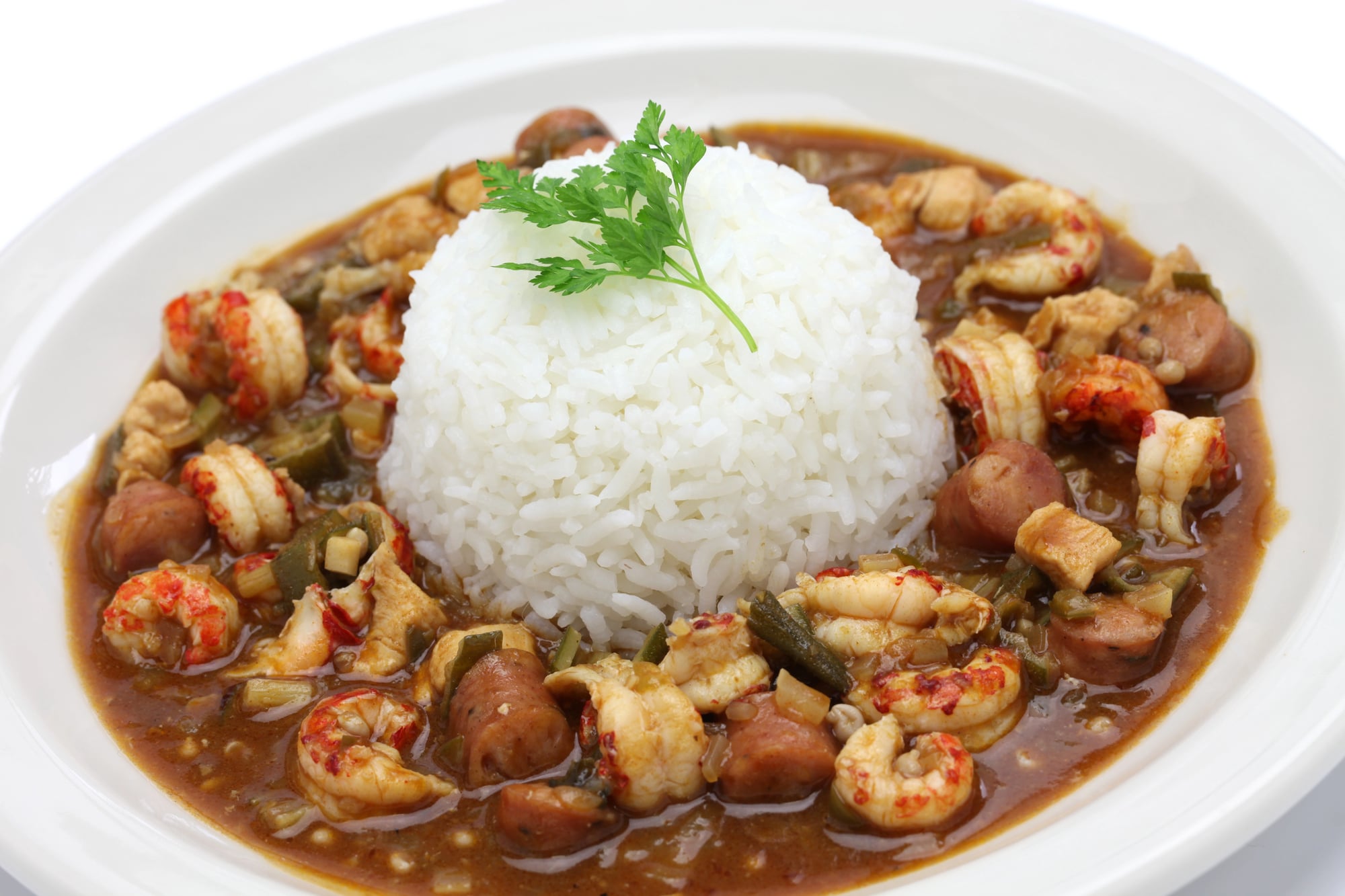
Walking through New Orleans, you can catch the scent of gumbo simmering in kitchens where the recipe has never been written down because (and this is the thing about true gumbo) it’s not really about following instructions so much as it is about understanding what belongs together. The dish itself tells the story of Louisiana: French roux technique meeting West African okra, Spanish rice blending with whatever protein the day provided — shrimp, chicken, andouille, sometimes all three.
And yet every family insists their version is the only real one, which is exactly how it should be.
The beauty isn’t in the ingredients themselves but in how they’ve learned to depend on each other, the way communities do when they’re isolated enough to develop their own language. So gumbo becomes less about the food and more about the conversation that happens while it cooks.
Slow enough that you have to stay. Rich enough that you want to.
Philly Cheesesteak
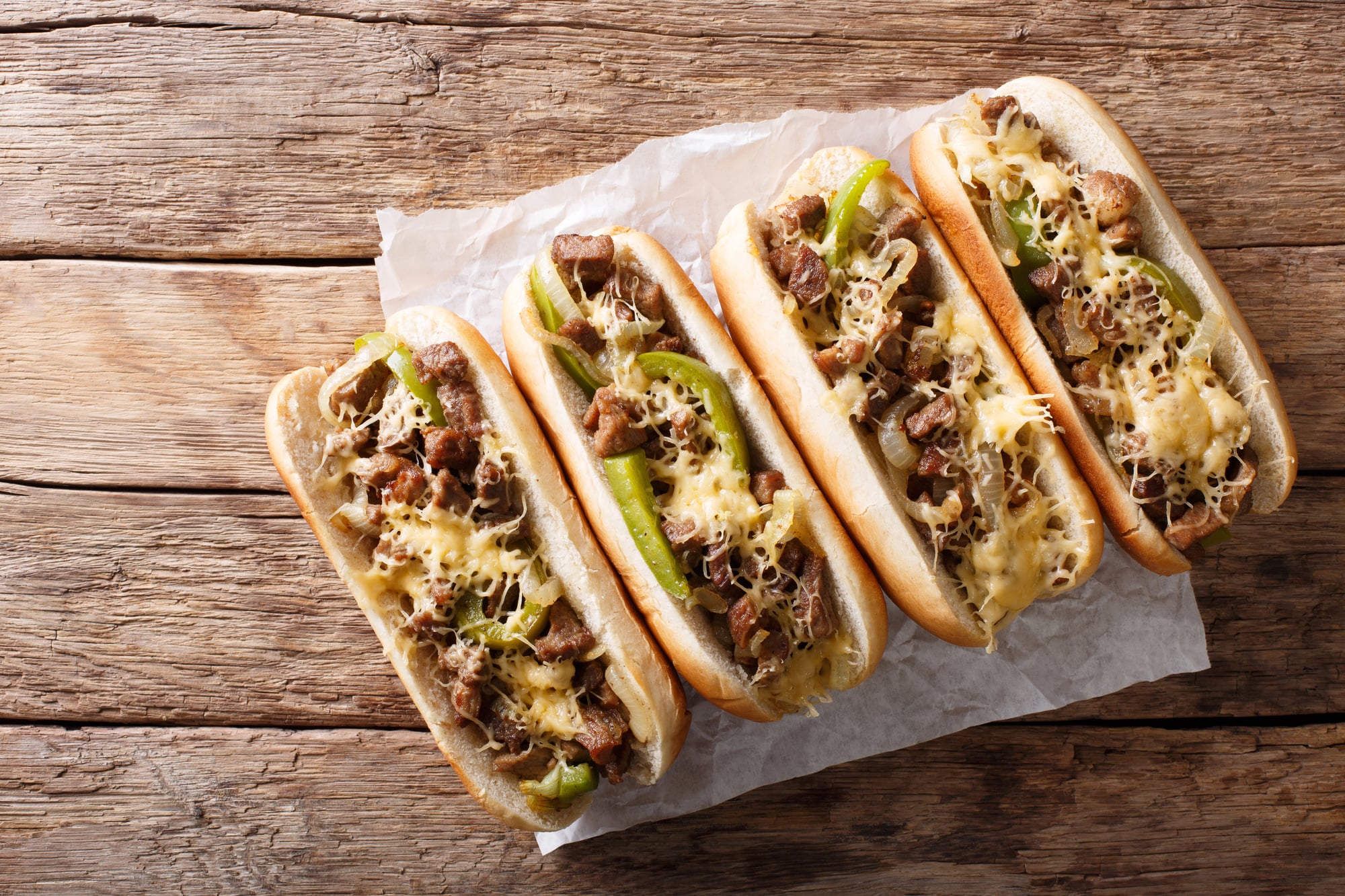
The cheesesteak is Philadelphia’s edible argument with the rest of the world. Pat’s and Geno’s have been feuding over the “original” version for decades, but the real point isn’t who did it first — it’s that the sandwich captured something essential about the city.
Working-class food that doesn’t apologize for itself. Ribeye, cheese, onions if you want them, served on a roll that can handle the job without falling apart.
Tourists order wrong and get corrected fast. Locals know the shorthand: “Whiz wit” gets you Cheez Whiz with onions.
The ritual matters as much as the sandwich. Fair enough.
New England Clam Chowder
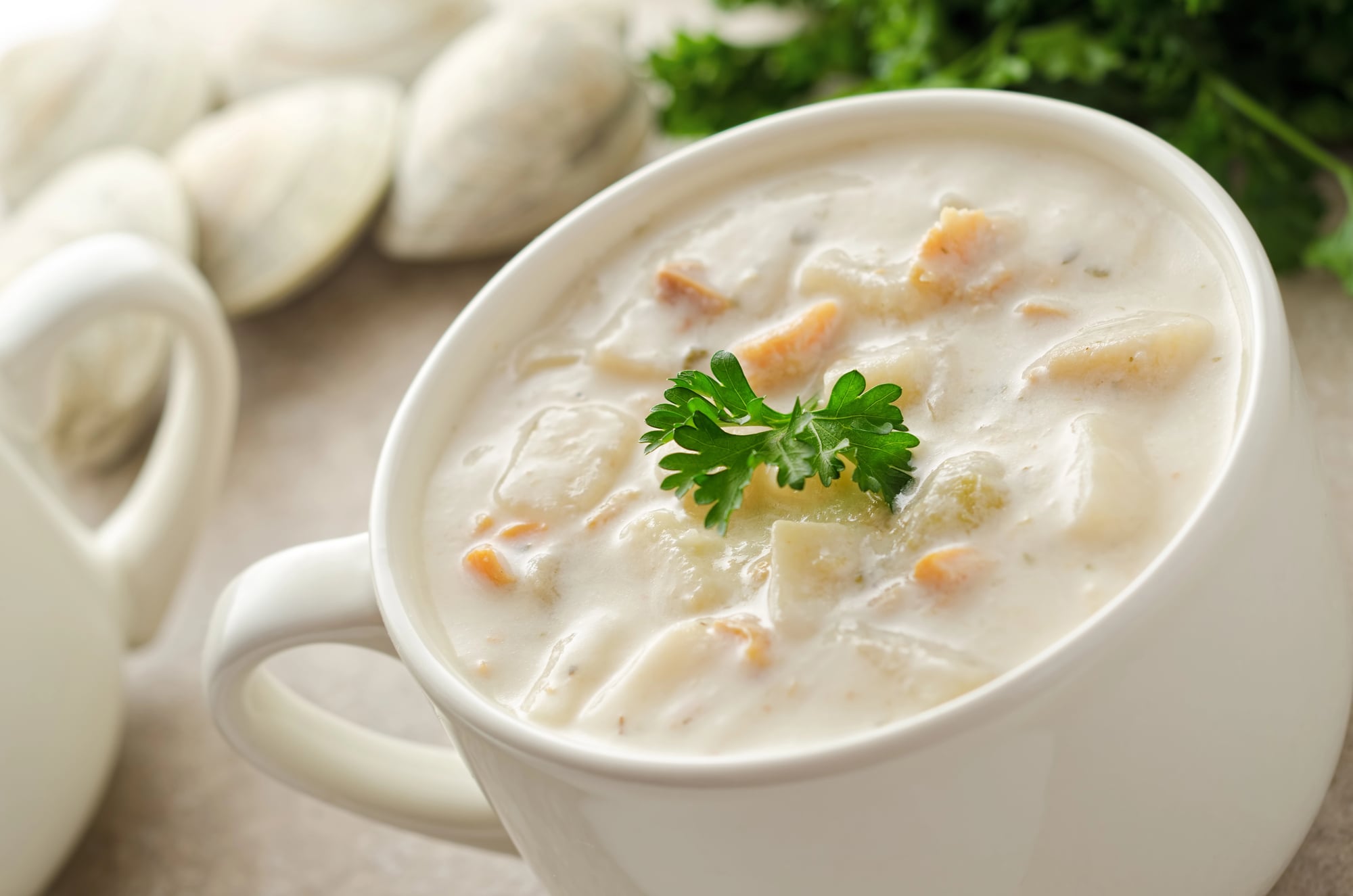
New England clam chowder exists because fishermen needed something substantial enough to matter after a day hauling nets in water cold enough to kill you. The thick, cream-based soup stretched whatever clams they could dig up with potatoes, salt pork, and milk — ingredients that kept well and filled you up properly.
Manhattan clam chowder, with its tomato base, might as well be a completely different food. New Englanders don’t just prefer their version — they’re genuinely puzzled by the alternative.
Like someone suggesting you put ketchup on a perfectly good lobster roll.
Texas Barbecue
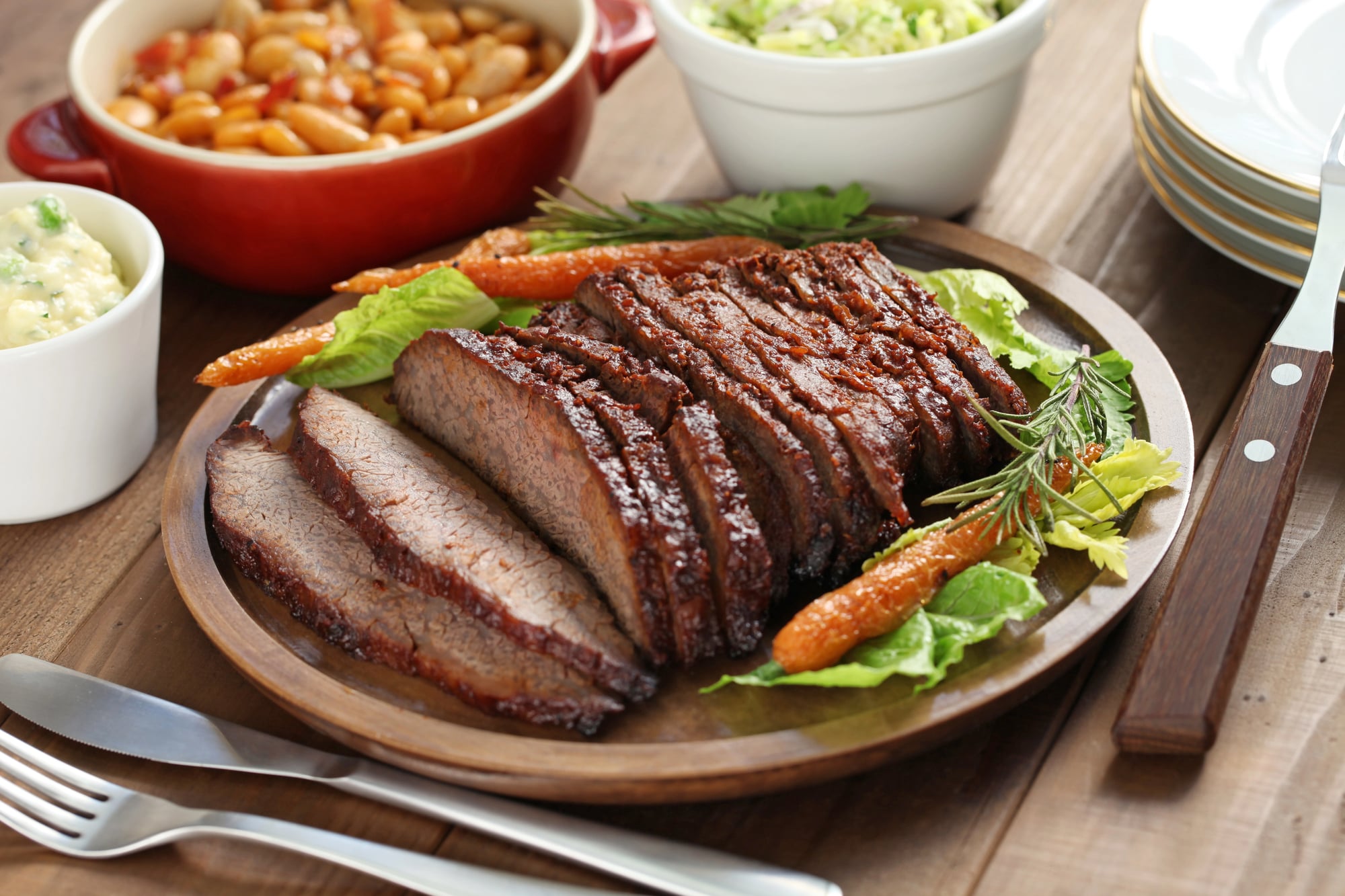
Texas barbecue operates on the principle that good beef doesn’t need to hide behind sauce — it needs time, smoke, and the kind of patience that comes from understanding that some things can’t be rushed. The tradition grew up around cattle ranches where there was always tough meat that became tender if you knew what you were doing with oak or mesquite and had most of a day to spend doing it.
Different regions of Texas argue over technique the way other places argue over politics, but they all agree on the fundamentals. Low heat, long time, respect for the meat.
The sauce, if there is sauce, comes on the side. Because if you did your job right, it doesn’t need help.
Chicago Deep-Dish Pizza
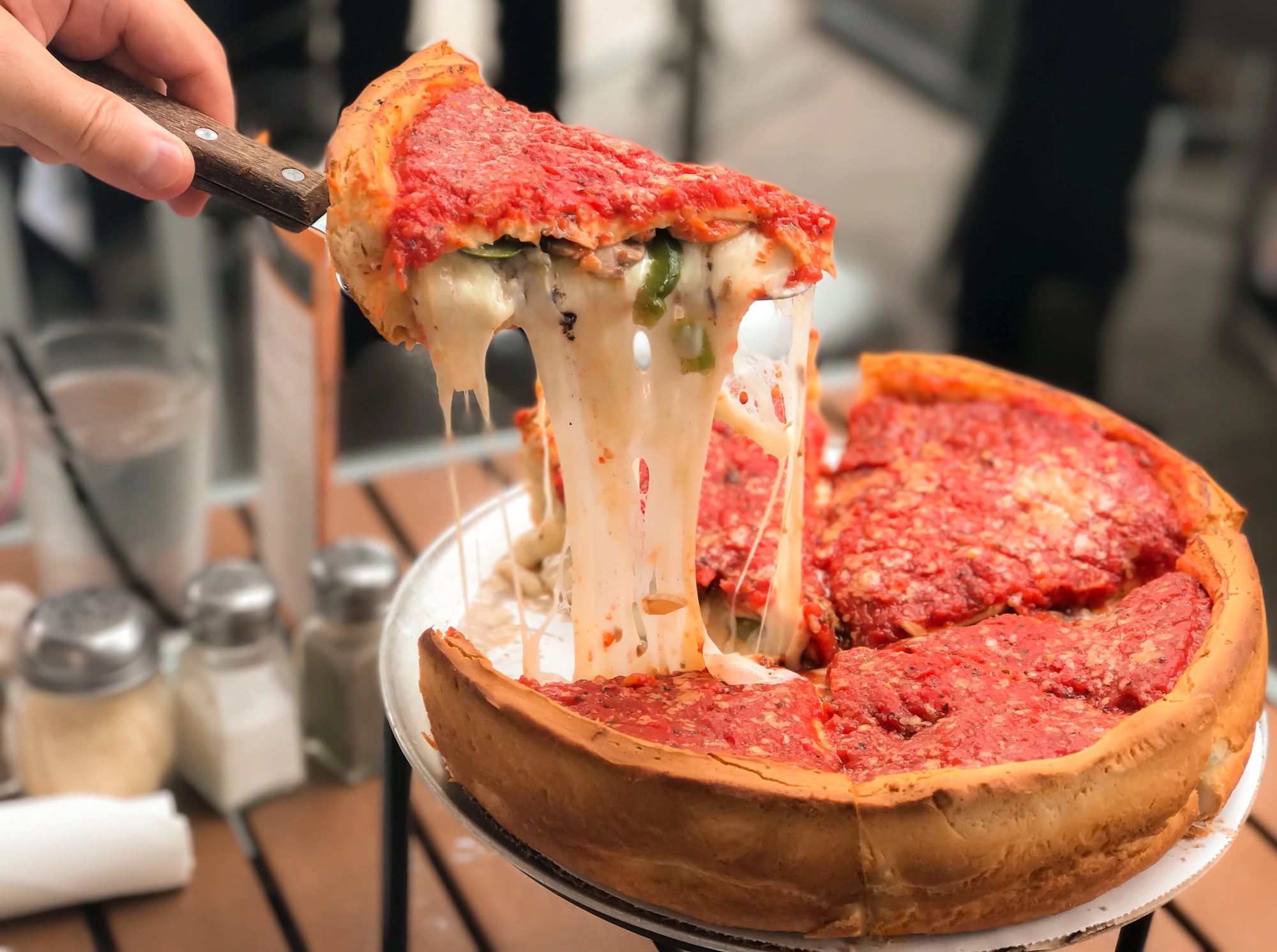
Chicago deep-dish pizza was born from the simple observation that if you’re going to call something pizza, it might as well be substantial enough to matter (and this is where Chicago diverges sharply from New York, which has its own ideas about what pizza should be). The thick crust serves as architecture, holding layers of cheese, sausage, and chunky tomato sauce that would collapse a thinner foundation — but the result isn’t just pizza made bigger, it’s pizza reimagined entirely.
You eat it with a fork, not your hands, and one slice handles what might take three pieces of thin crust to accomplish.
The dish reflects the city’s approach to most things: practical, generous, and unapologetic about taking up space. So when visitors complain that it’s “not real pizza,” locals just shrug and order another slice.
Jambalaya
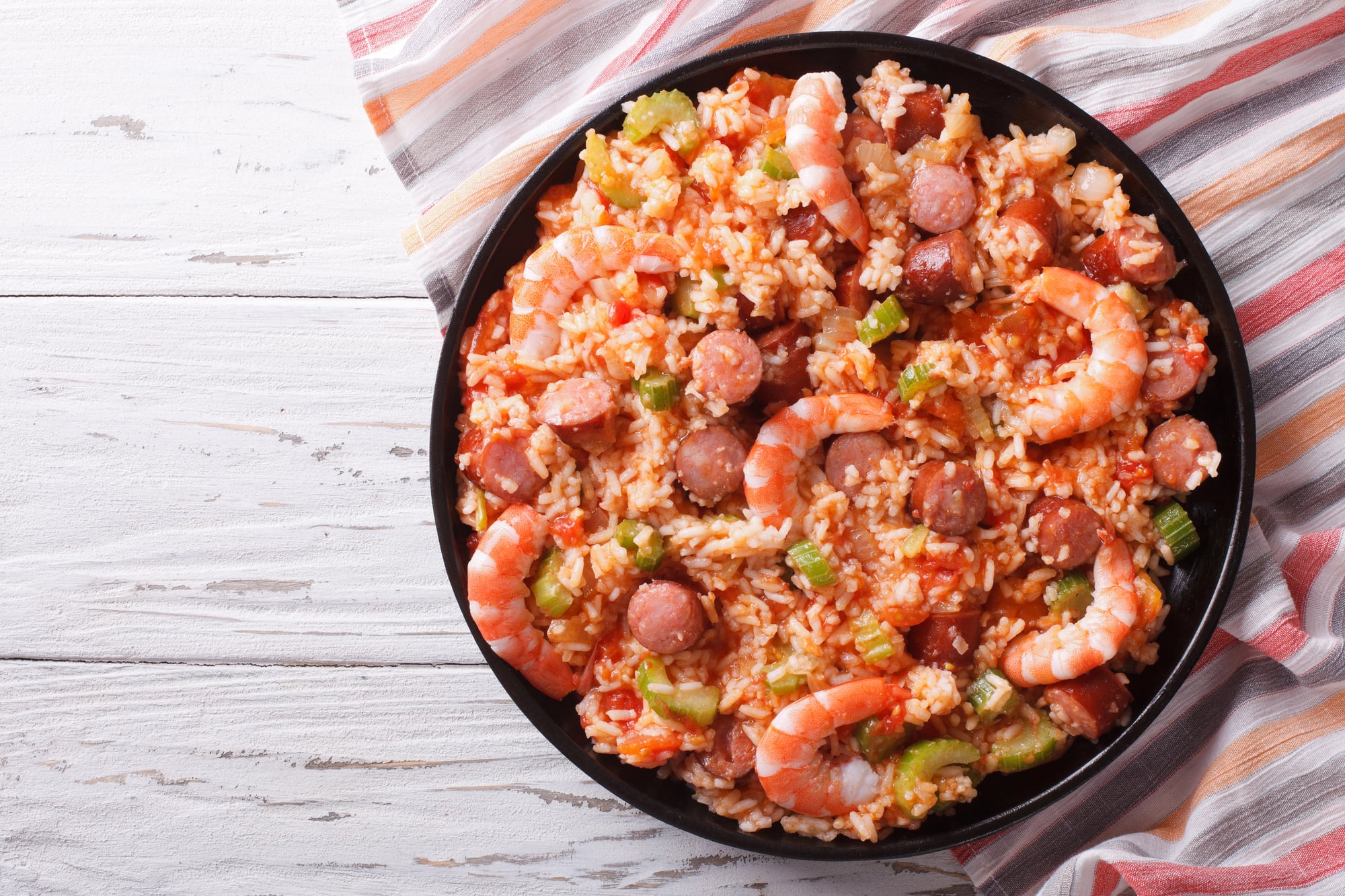
Jambalaya grows out of Louisiana’s gift for making something extraordinary from whatever happens to be around. Rice from the Spanish settlers, seasoning techniques from West Africa, vegetables from French cooking, all thrown together in one pot with whatever protein presented itself — shrimp, chicken, andouille sausage, sometimes rabbit or duck.
The dish adapts to circumstance the way all good regional foods do. Creole jambalaya includes tomatoes and tends toward seafood.
Cajun jambalaya skips the tomatoes and leans into meat. Both versions understand that the rice should absorb the flavors completely, becoming something richer than itself in the process.
Maine Lobster Roll
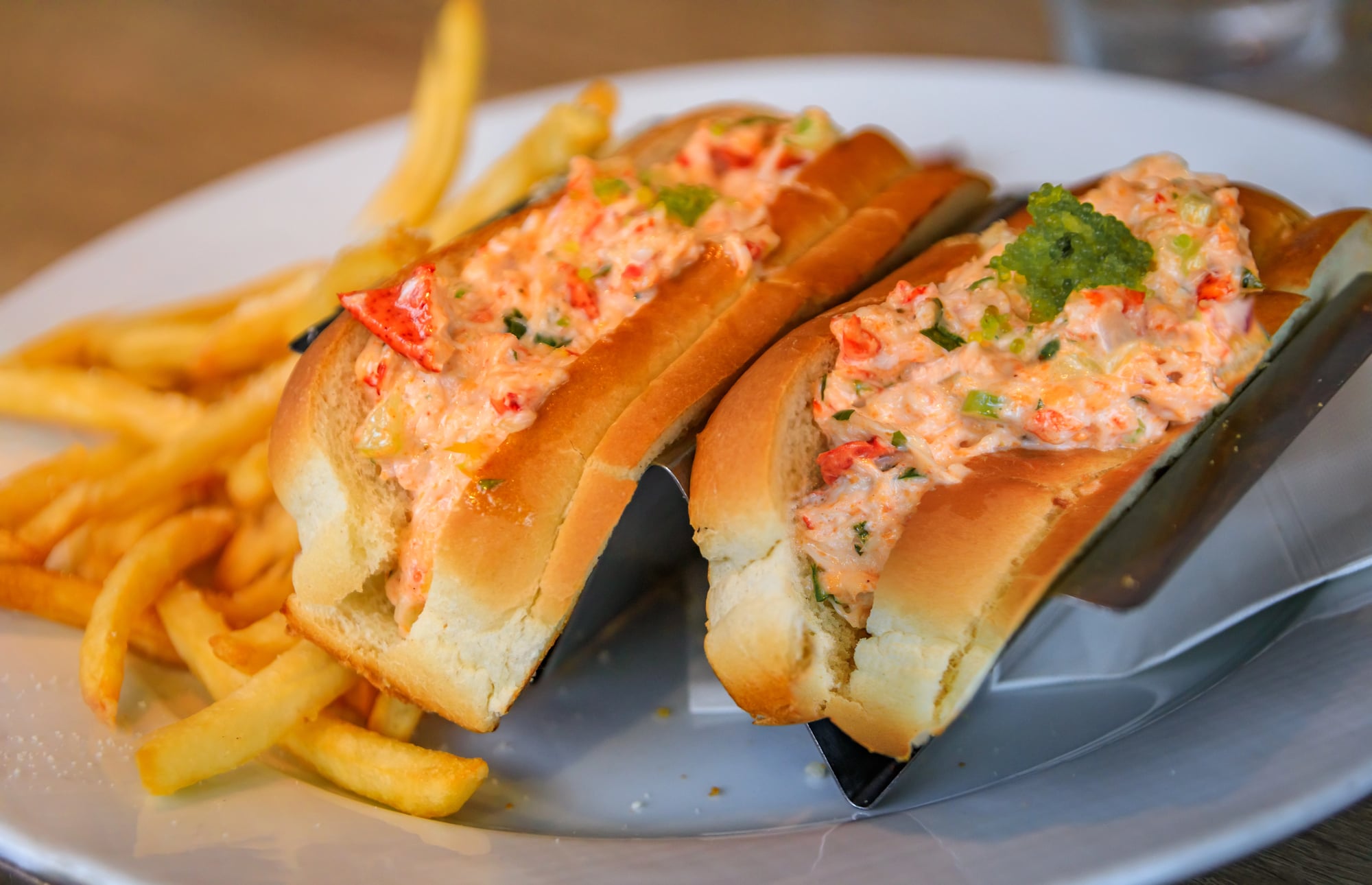
The Maine lobster roll treats lobster the way a good jewelry setting treats a precious stone — with just enough support to show it off properly. Fresh lobster meat, barely dressed with mayonnaise or butter, served cold or warm in a split-top hot dog bun that’s been lightly toasted.
The simplicity is deliberate. When your main ingredient is that good, everything else should step back and let it perform.
Connecticut does a warm version with butter instead of mayo, which starts fights between the states that will probably never end. Both approaches work because both understand the essential point: don’t mess with perfection.
Green Chile Stew
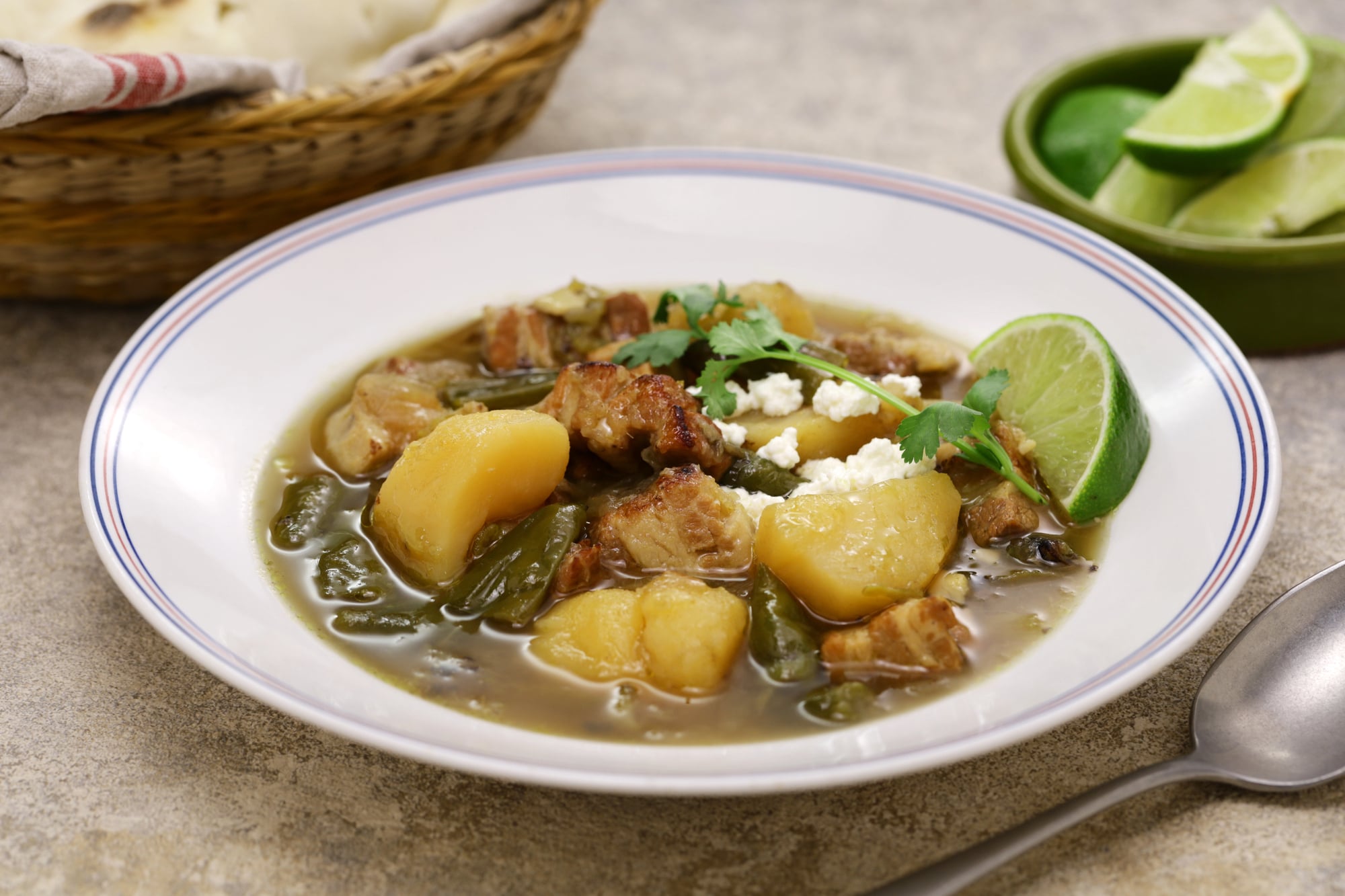
New Mexico’s green chile stew embodies the state’s relationship with heat — not just spiciness, but the kind of warmth that builds slowly and stays with you (because when you live in a place where the temperature drops forty degrees after sunset, you need food that understands the assignment). The dish centers around Hatch green chiles, roasted until their skins char and blister, then peeled and chopped into a stew with pork, potatoes, and onions that simmers until everything breaks down into something that tastes like comfort itself.
And yet the heat varies wildly depending on the year, the weather, even which field the chiles came from.
So ordering green chile stew becomes a small gamble every time — mild enough for tourists or hot enough to make locals pause and reach for more tortilla.
Cincinnati Chili
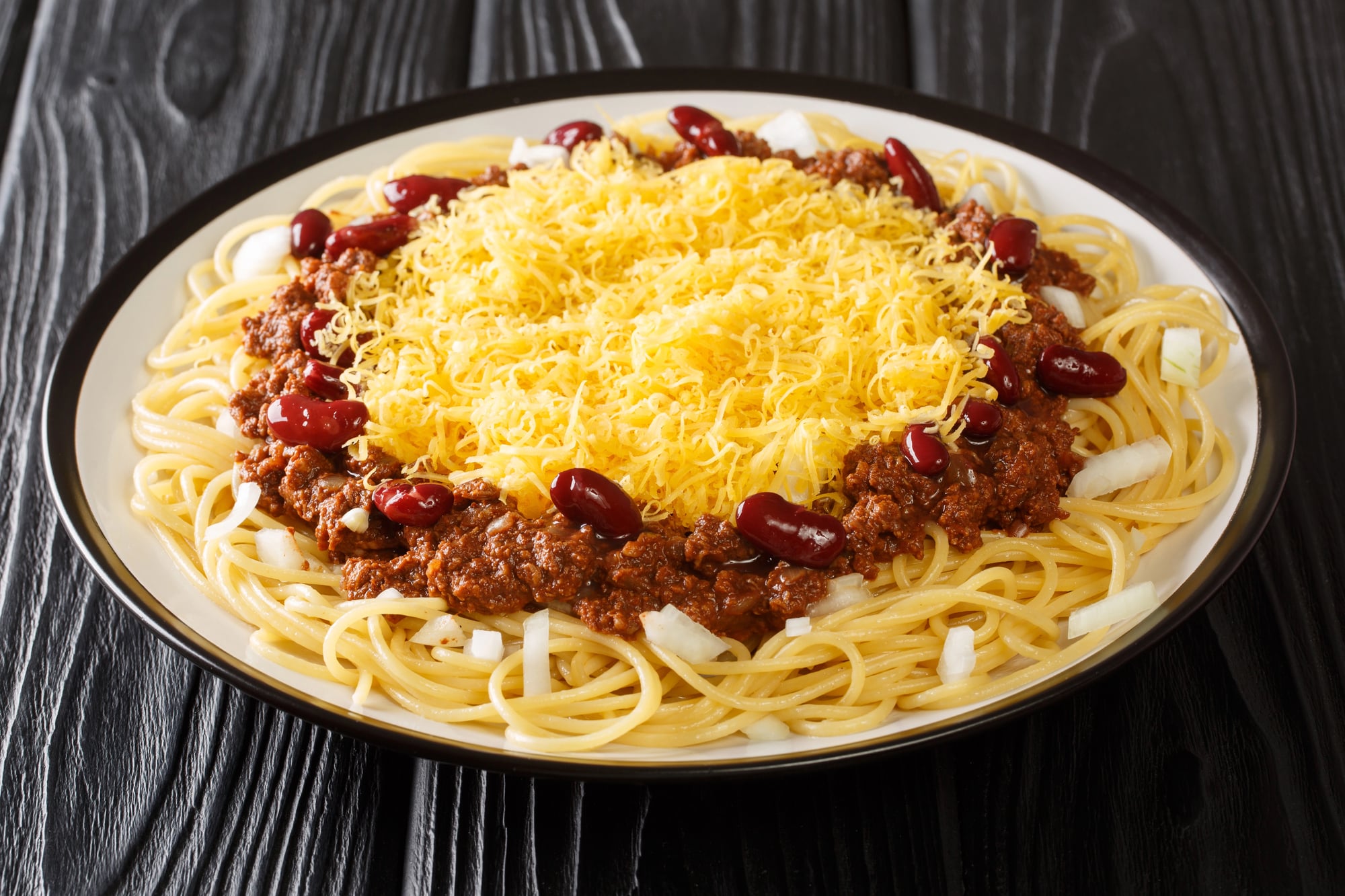
Cincinnati chili makes no sense until you understand that it was never trying to be Texas chili in the first place. Invented by Greek immigrants, the dish layers thin, spiced meat sauce (flavored with cinnamon, allspice, and chocolate) over spaghetti noodles, then tops it with beans, onions, and a mountain of cheese.
The result tastes like nothing else in American cuisine, which is exactly the point.
Locals order it by number: three-way includes spaghetti, chili, and cheese. Four-way adds beans or onions.
Five-way includes both. The system works because everyone knows the code, and outsiders learn it fast or go hungry.
Sourdough Bread
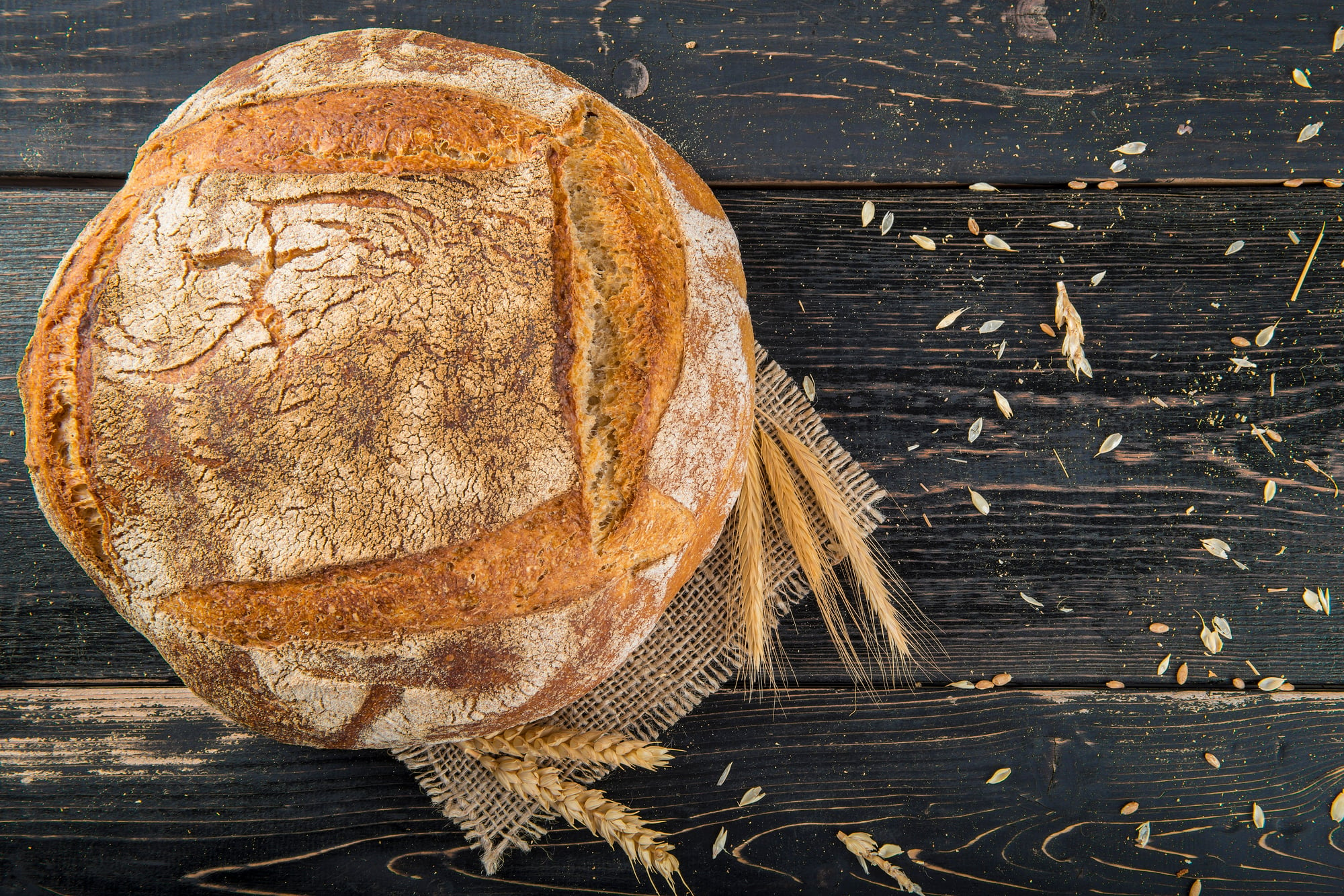
San Francisco sourdough bread owes its distinctive tang to Lactobacillus sanfranciscensis, a wild yeast that thrives in the city’s cool, foggy climate and produces flavors that can’t be replicated anywhere else. The Gold Rush miners who first developed the bread carried starter with them everywhere, sleeping with it to keep it alive in cold mountain camps, treating it like the valuable resource it was.
The bread tastes like the place it comes from in ways that can’t be faked. Bakeries have tried to recreate it in other cities, but the tang always tastes different.
The fog, the temperature, the particular mix of wild yeasts in the air — they all matter more than the recipe.
Fry Bread
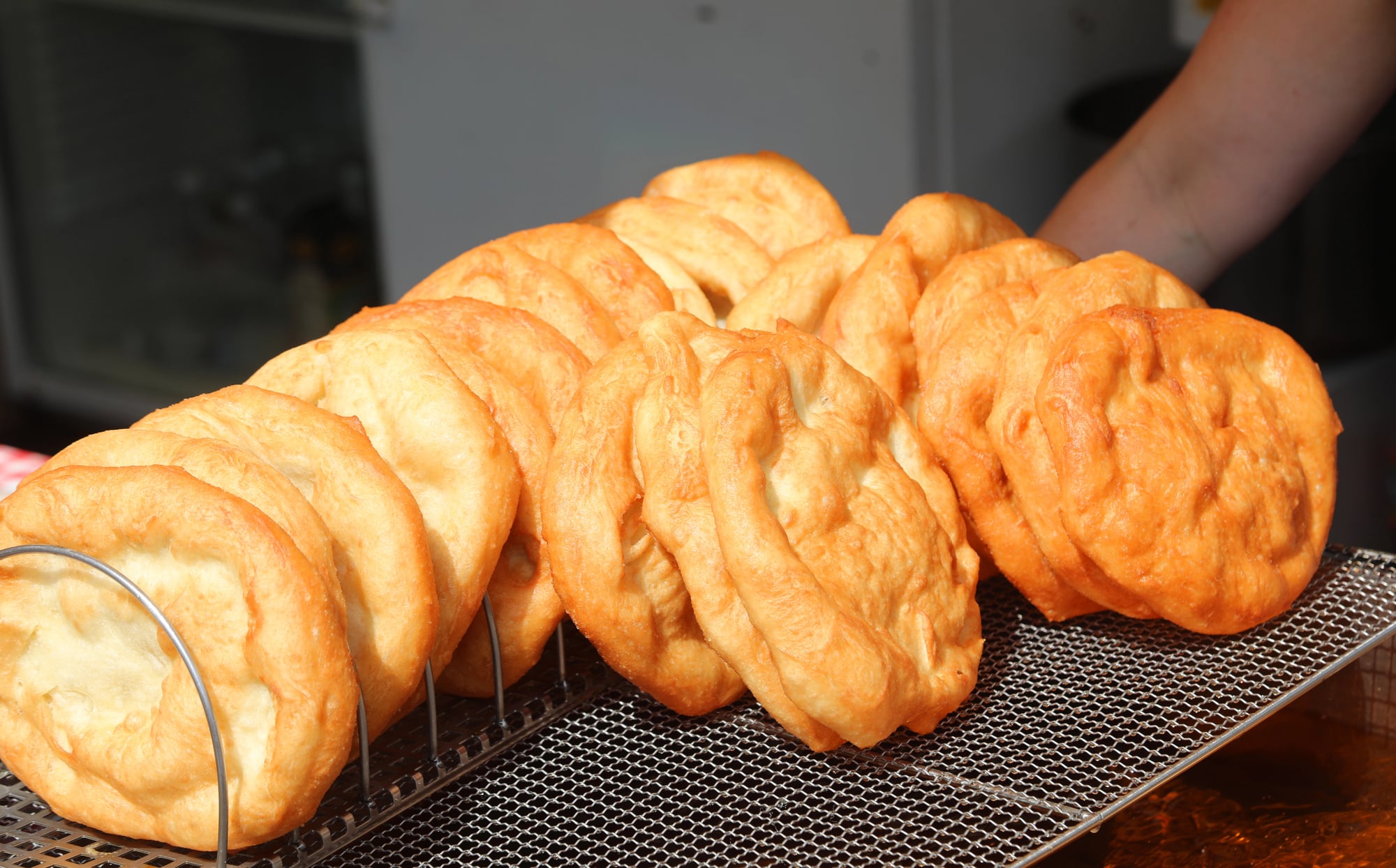
Fry bread carries complicated history in every bite. Created by Native American tribes using white flour, processed sugar, salt, baking powder, and lard — ingredients provided by the U.S. government during forced relocations and reservation life — the bread represents both survival and loss.
Families made something nourishing from commodity foods that replaced their traditional ingredients, turning necessity into sustenance that could feed children and preserve some sense of community around shared meals.
Today, fry bread appears at powwows, family gatherings, and cultural celebrations, served plain or topped with honey, jam, or made into Indian tacos with beans and meat. The bread remembers everything it came from, bitter and sweet together.
Burgoo
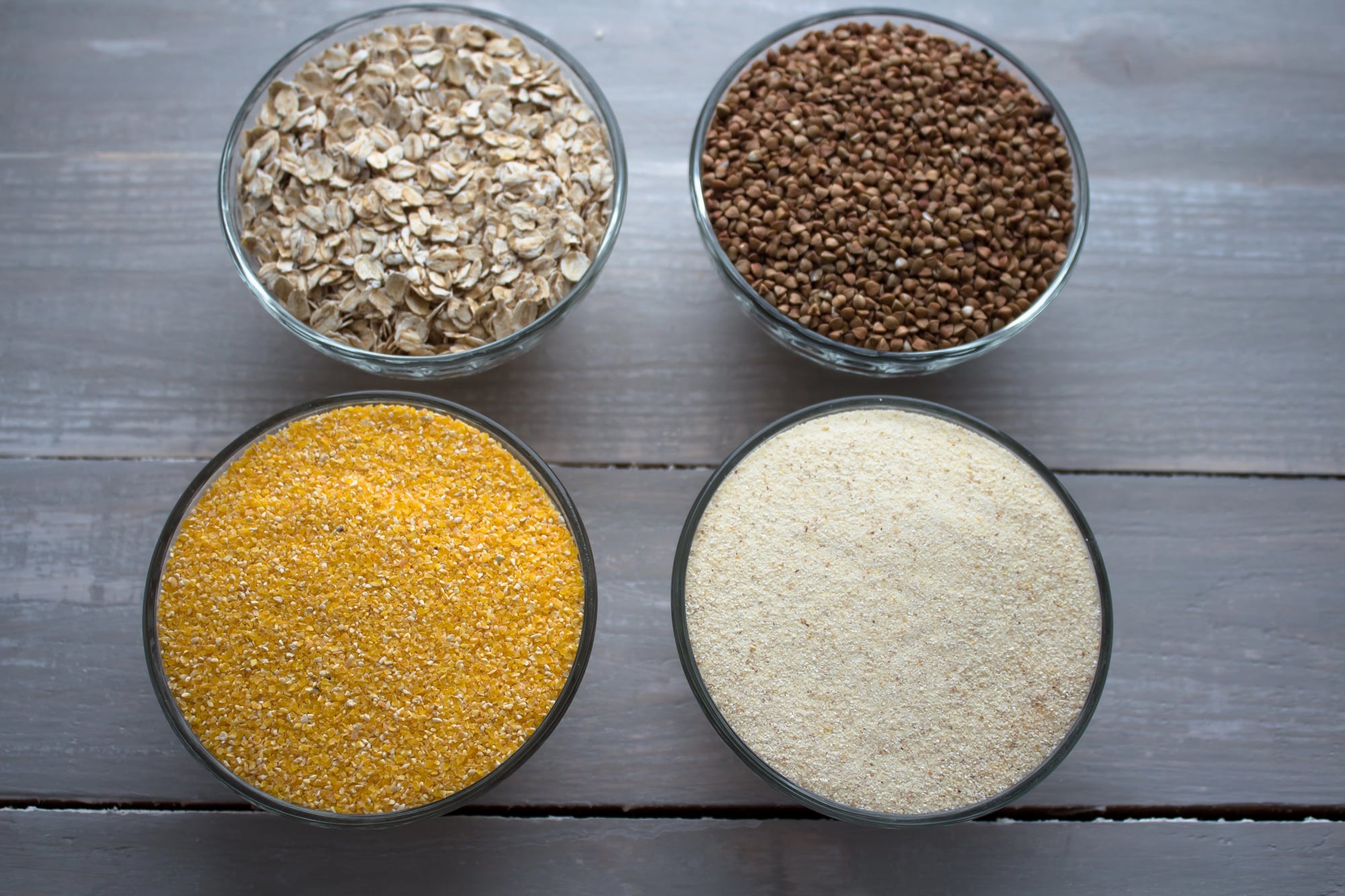
Kentucky burgoo started as whatever-you-had stew, the kind of dish that happens when a community gathers to cook together and everyone brings something to throw in the pot. Traditional versions included whatever game was available — squirrel, rabbit, sometimes mutton — along with corn, lima beans, okra, and tomatoes, all cooked slowly until everything broke down into a thick, hearty stew that could feed a crowd.
The dish appears at political rallies, church gatherings, and Derby parties, always made in huge quantities because burgoo isn’t really burgoo unless there’s enough to share.
The recipe changes depending on who’s cooking and what they have, which is how it’s always been.
Kolaches
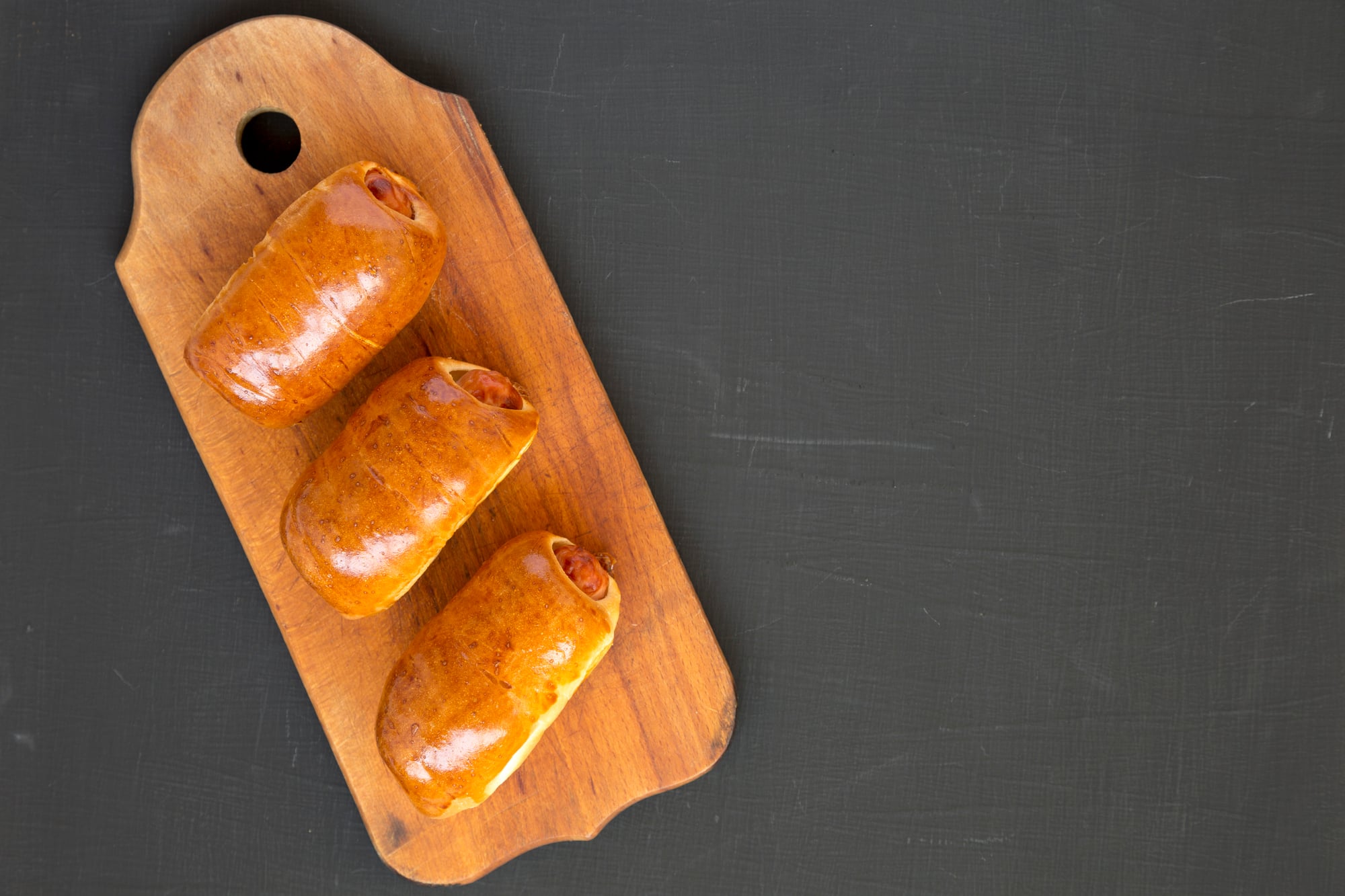
Czech immigrants brought kolaches to Texas in the 1800s, and the pastries found a second home in the state’s German and Czech settlements. Traditional versions feature sweet dough wrapped around fruit fillings — apricot, prune, poppy seed, or cheese — but Texas kolaches evolved to include savory versions stuffed with sausage, eggs, and cheese that make perfect road trip food.
The pastries show up in gas stations and bakeries throughout central Texas, often made by families who’ve been perfecting the dough for generations.
The sweet versions appear at church fundraisers and family celebrations, carrying forward traditions that traveled thousands of miles to take root in new soil.
Shrimp and Grits
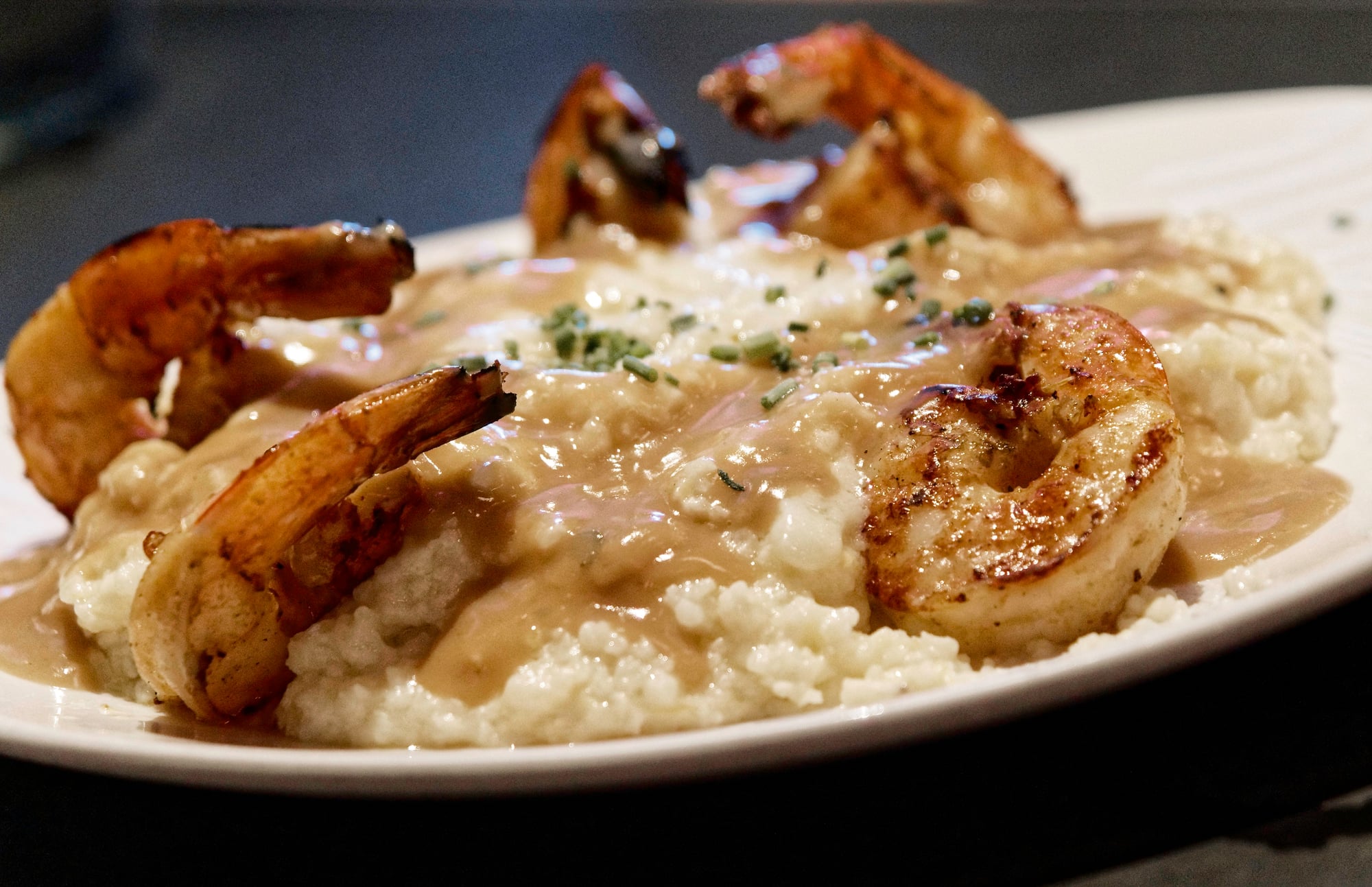
Shrimp and grits began as breakfast for Lowcountry fishermen — quick grits topped with whatever shrimp they’d caught that morning, seasoned with bacon fat and maybe some onions if they had them. The dish made perfect sense for people who needed substantial food before heading out on the water, and it used two ingredients that were always available: corn grits and fresh shrimp.
Fancy restaurants have elevated the dish with tasso ham, cream sauces, and elaborate presentations, but the best versions still understand the original logic: good grits, fresh shrimp, enough seasoning to make both shine.
Simple food that doesn’t try to be anything other than itself.
Pasties
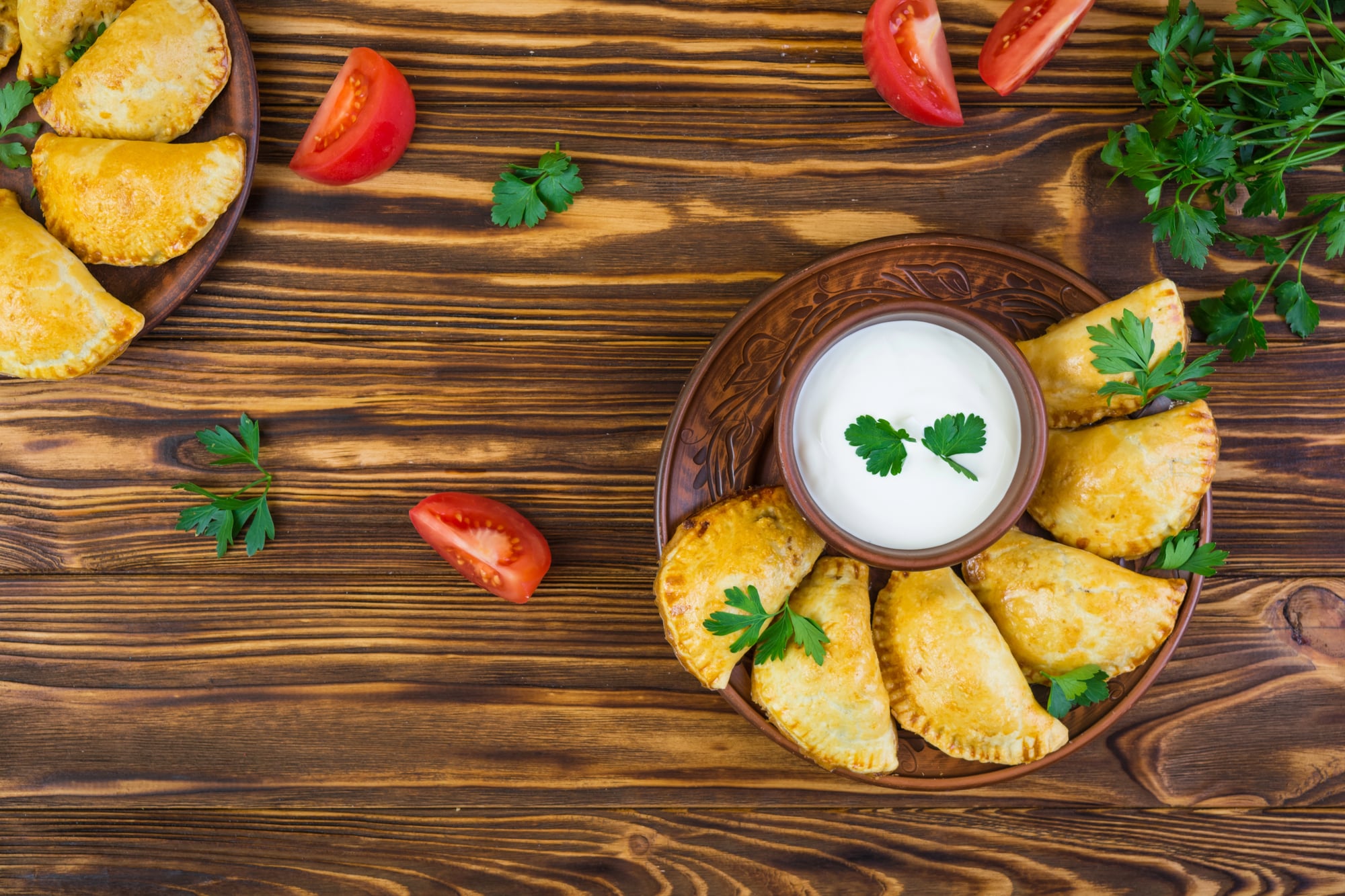
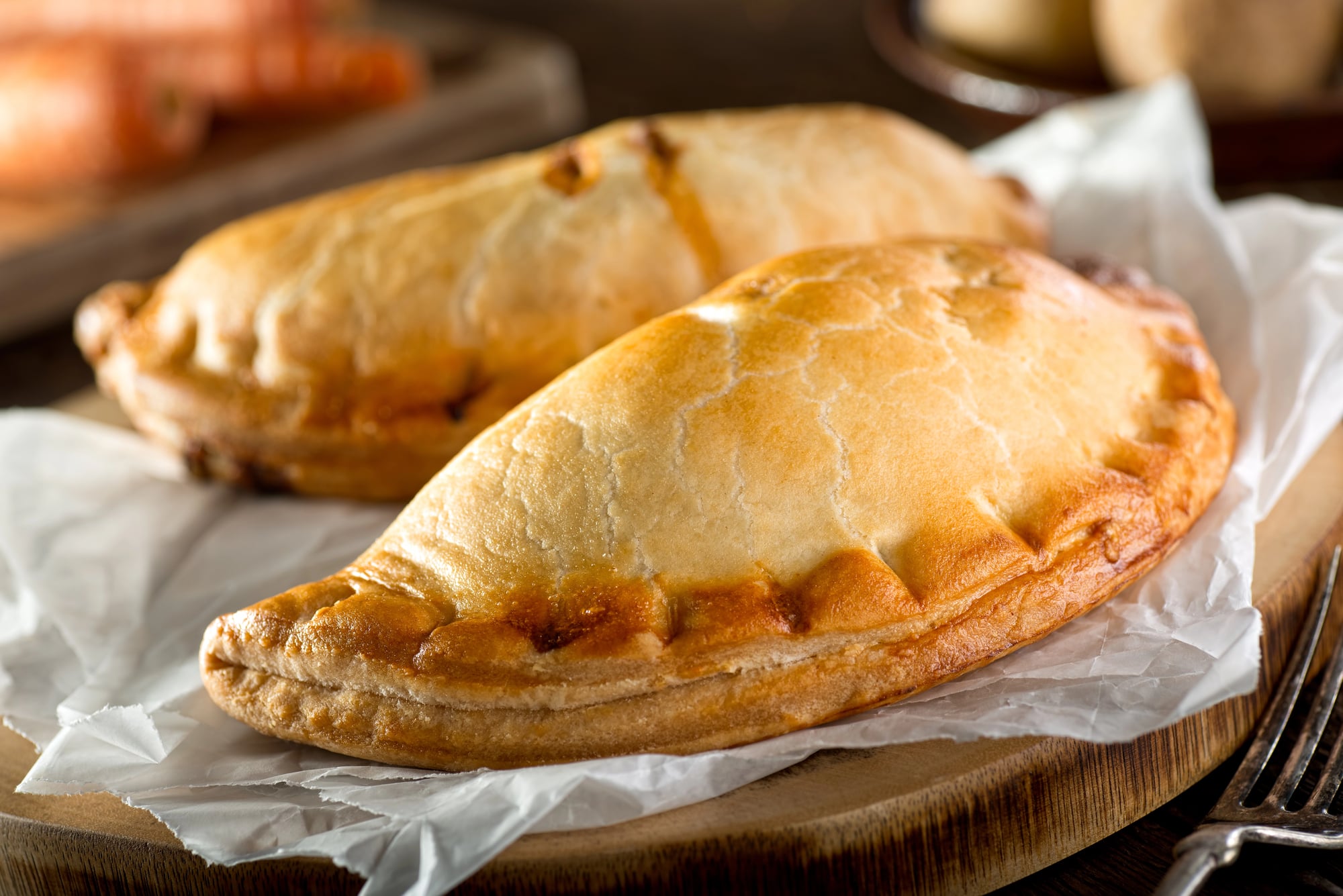
Cornish miners brought pasties to Michigan’s Upper Peninsula in the 1800s, and the hand pies became the perfect lunch for men working underground in copper and iron mines. The thick pastry crust protected the filling — usually beef, potatoes, onions, and rutabaga — from mine dust, while the crimped edge provided a handle that could be thrown away after eating with dirty hands.
The pasties sustained entire mining communities, with wives getting up before dawn to make dozens for their husbands’ lunch pails.
Local bakeries still make them the traditional way, with the filling raw when it goes into the oven so everything cooks together inside the pastry shell.
Maple Syrup
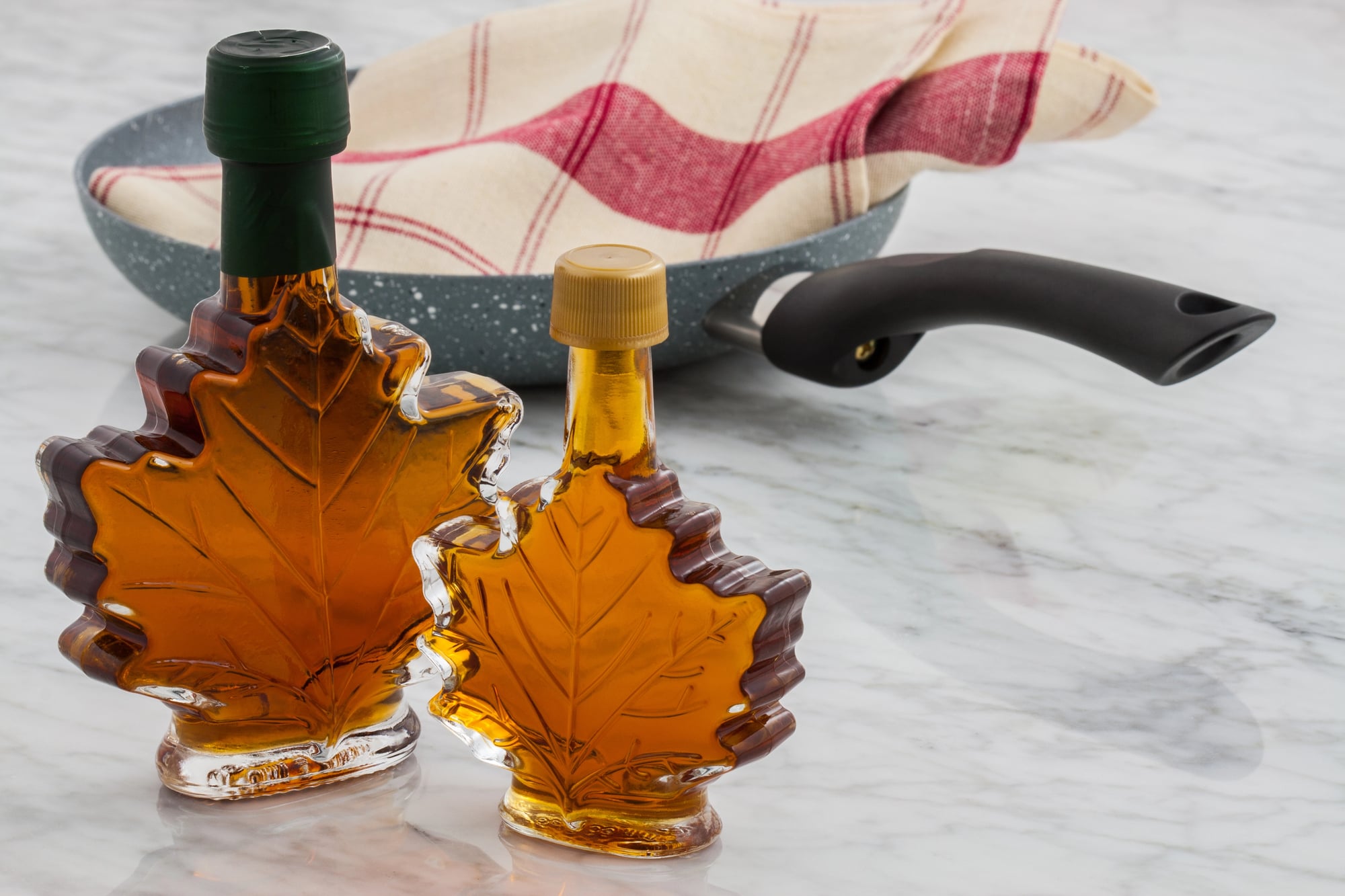
Vermont maple syrup represents the state’s relationship with its landscape — patient, seasonal, and utterly dependent on understanding natural cycles that can’t be rushed or faked. The process requires cold nights and warm days in late winter, when the temperature swings make maple sap flow freely.
It takes about 40 gallons of sap to make one gallon of syrup, which explains why real maple syrup costs what it does and why Vermonters get genuinely annoyed by corn syrup imposters.
The grading system — Grade A Light Amber, Medium Amber, Dark Amber — reflects the progression of the season, with early sap producing lighter, more delicate flavors and late-season sap yielding robust, almost smoky syrup that tastes like the woods it came from.
The Thread That Holds
These foods don’t just feed people — they anchor communities to their stories, creating continuity between what was and what is. They prove that the best traditions aren’t museum pieces but living things that adapt while keeping their essential character intact.
Every time someone makes their grandmother’s gumbo or orders a cheesesteak the right way, they’re participating in something larger than a meal. They’re keeping the conversation going.
More from Go2Tutors!

- The Romanov Crown Jewels and Their Tragic Fate
- 13 Historical Mysteries That Science Still Can’t Solve
- Famous Hoaxes That Fooled the World for Years
- 15 Child Stars with Tragic Adult Lives
- 16 Famous Jewelry Pieces in History
Like Go2Tutors’s content? Follow us on MSN.