17 Forgotten Mending Techniques That Save Money
The sewing box sitting in your closet holds more financial wisdom than most investment guides. Somewhere between disposable everything and fast fashion, the art of fixing things quietly disappeared.
Your grandmother could darn a sock until it outlasted three pairs of shoes, and she never thought twice about it. These repair skills didn’t vanish because they stopped working.
But easy and smart aren’t the same thing — and your bank account knows the difference.
Darning
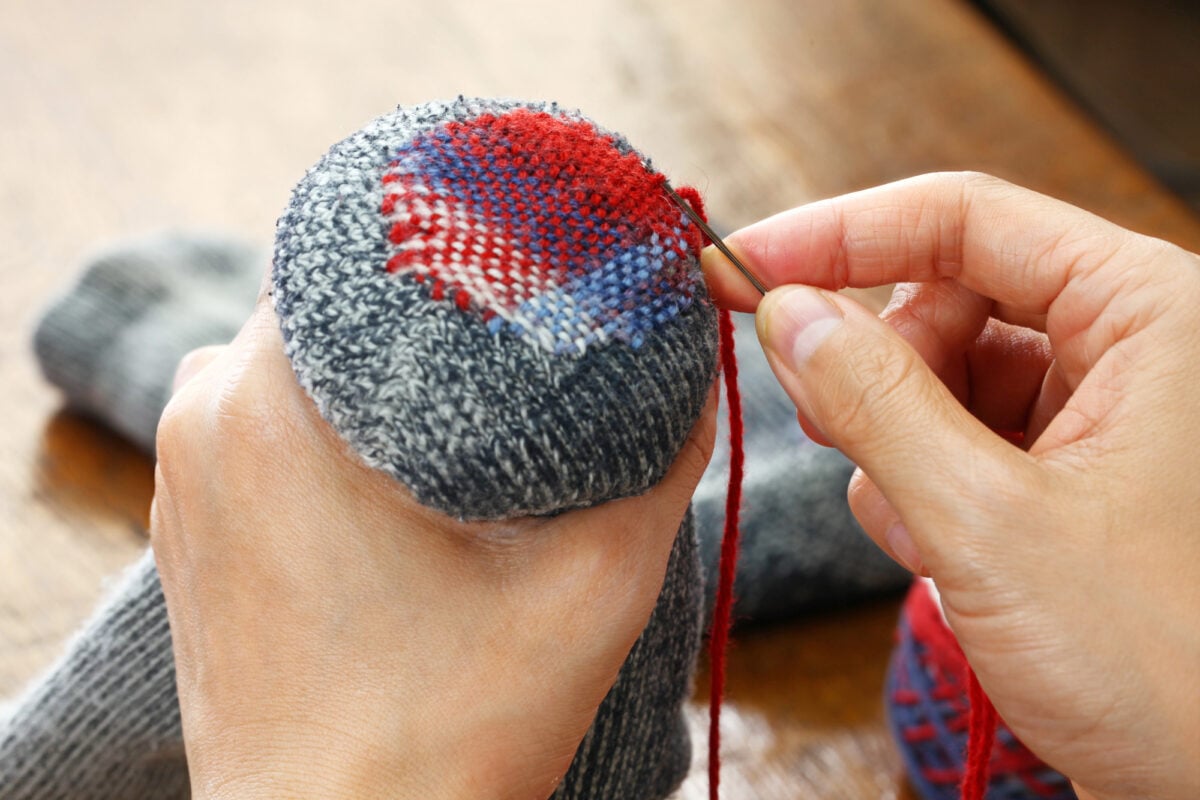
Darning turns worn fabric into something stronger. The technique weaves new threads directly into damaged areas, creating a patch that’s part of the original cloth rather than sitting on top of it.
Most people think darning only works on socks. Wrong.
It fixes elbows on sweaters, knees on pants, anywhere fabric gets thin from use. The repair becomes invisible once you get the tension right.
Patching With Reinforcement
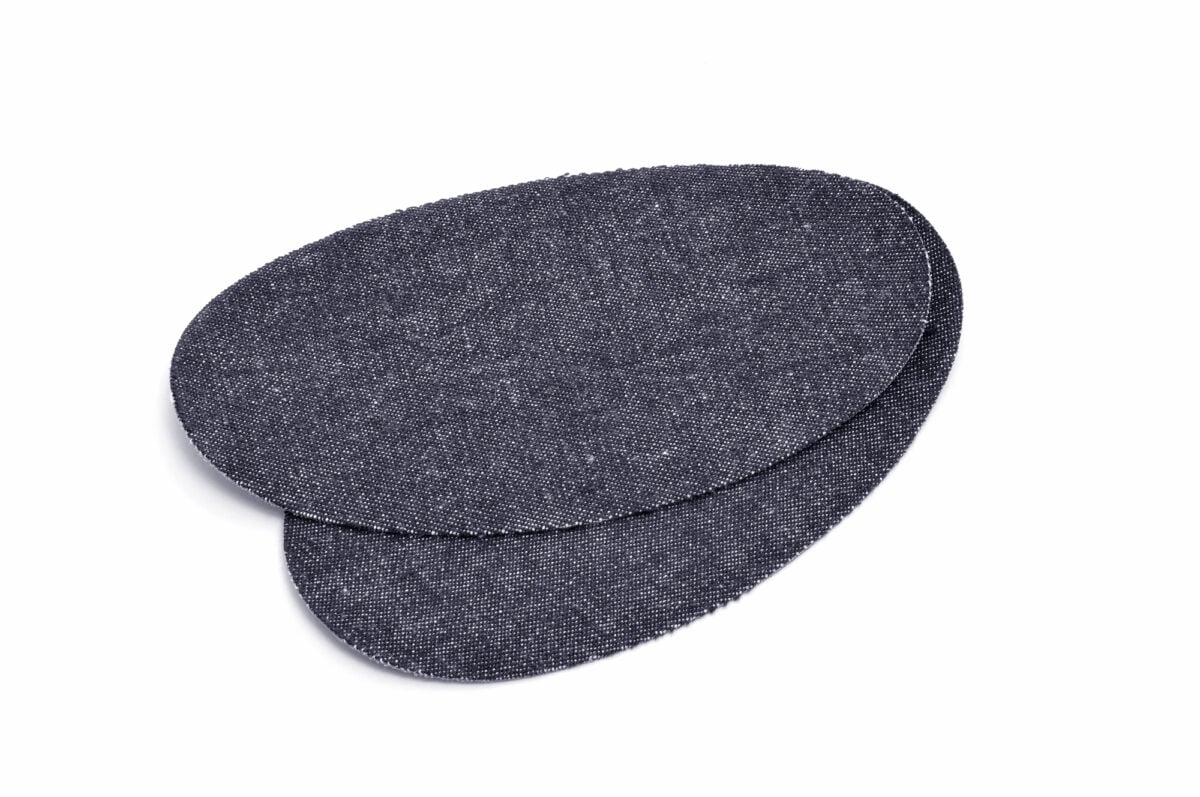
A patch lives longer when it has backup (which most people skip entirely, then wonder why their repair failed after two washes). The trick involves placing a second piece of fabric behind the opening before applying the visible patch — so you’re essentially making a fabric sandwich with the damaged area in the middle.
This double-layer approach works especially well on work clothes and children’s pants where the same spot will take abuse again. And while you’re at it, check for other thin spots nearby — they’re next in line for openings, so reinforcing them now saves another round of mending later.
The extra five minutes of work extends the life of the entire garment rather than just buying time until the next weak spot gives out.
Needle Weaving
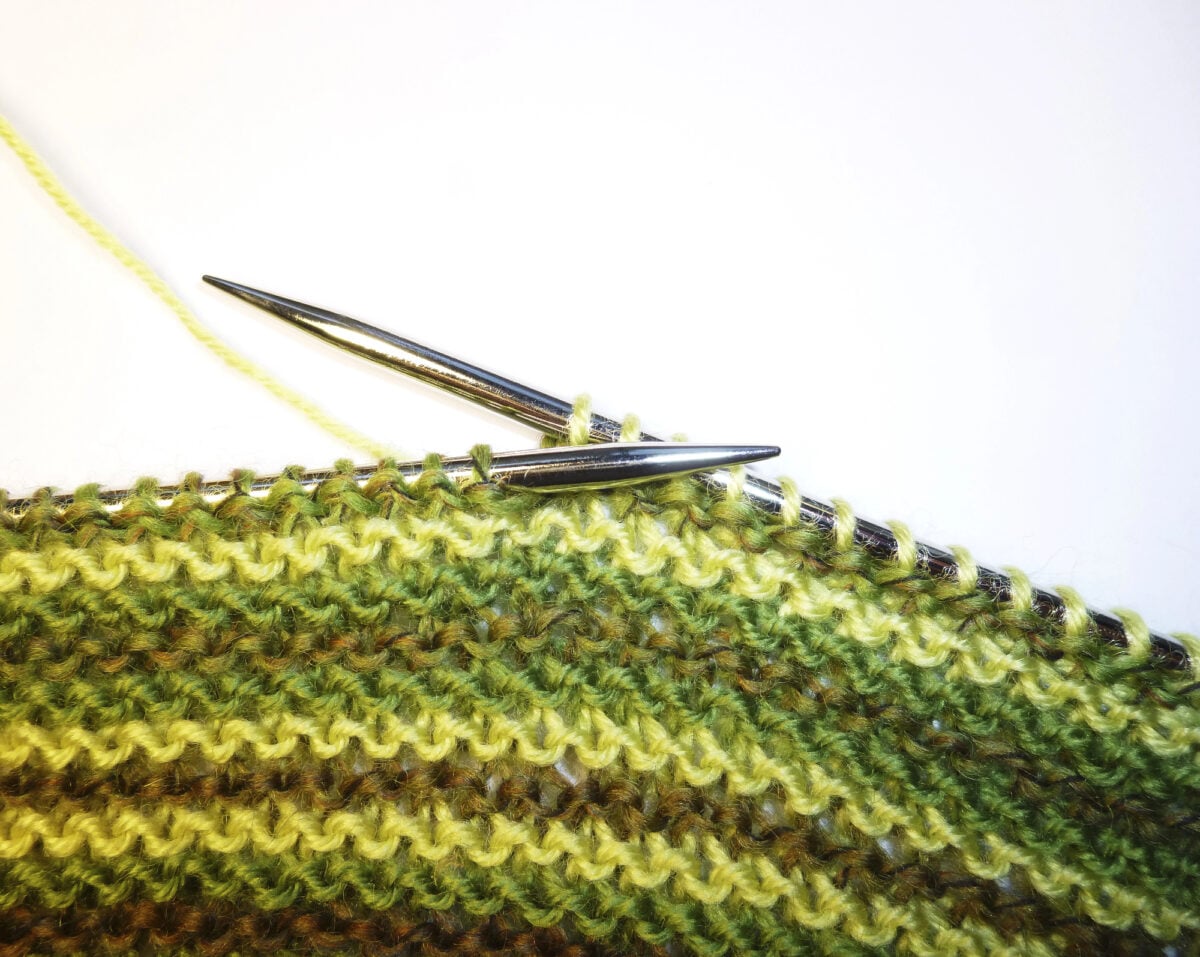
Fabric remembers its original pattern, even after threads break or pull loose. Needle weaving follows those memory lines back to wholeness — you’re essentially continuing the cloth’s own conversation with itself, picking up dropped stitches in the textile’s native language.
The method works like archaeology in reverse. Instead of uncovering what was there, you’re rebuilding it thread by thread.
Watch how the remaining threads want to lie, then help them get there. Wool sweaters respond especially well to this approach because the fibers grab onto each other naturally.
Reweaving Tears
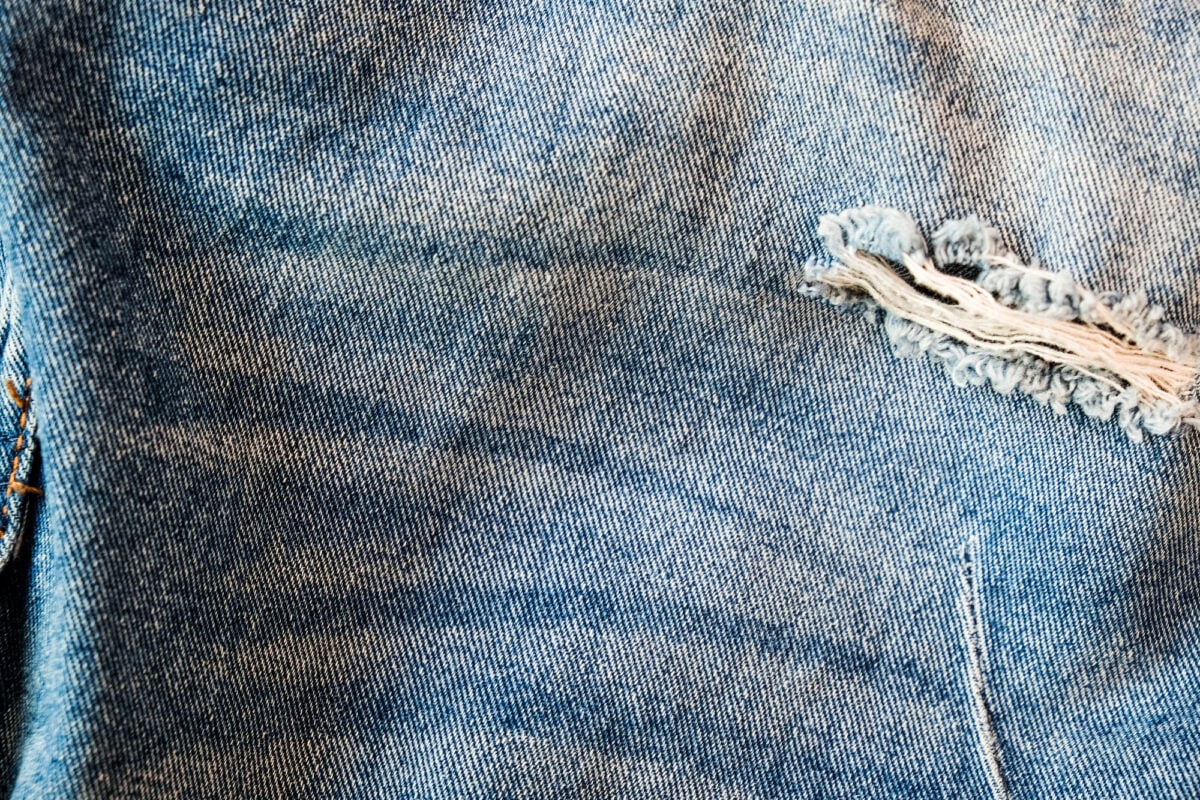
Tears follow the path of least resistance through fabric. They’re not random — they’re showing you exactly where the cloth was already compromised.
Good news: that same predictability makes tears surprisingly fixable. The technique pulls undamaged threads from hidden areas (inside seams, hem allowances) and uses them to rebuild the torn section.
Since the replacement threads came from the same garment, they match perfectly.
Ladder-Back Darning
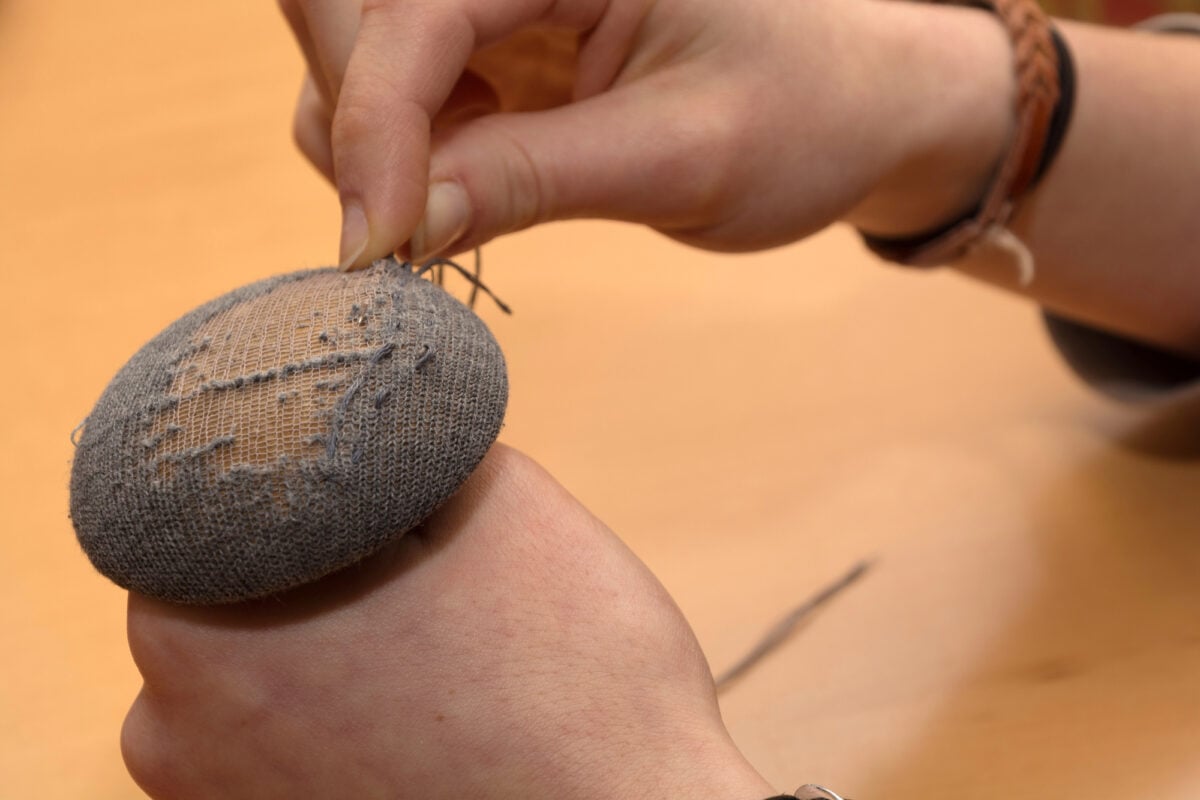
This approach treats openings like broken ladders that need new rungs. You create a framework of parallel threads running one direction, then weave perpendicular threads through them to rebuild the fabric’s grid.
The name comes from how those first parallel threads look — like the sides of a ladder waiting for steps. The beauty of ladder-back darning lies in how methodical it is (which appeals to people who find regular darning too freeform and unpredictable).
Each step builds on the previous one, so there’s no guesswork about what comes next. And because you’re literally rebuilding the fabric’s structure thread by thread, the repair often ends up stronger than the original cloth — something that can’t be said for most modern fixes.
Bias Tape Reinforcement
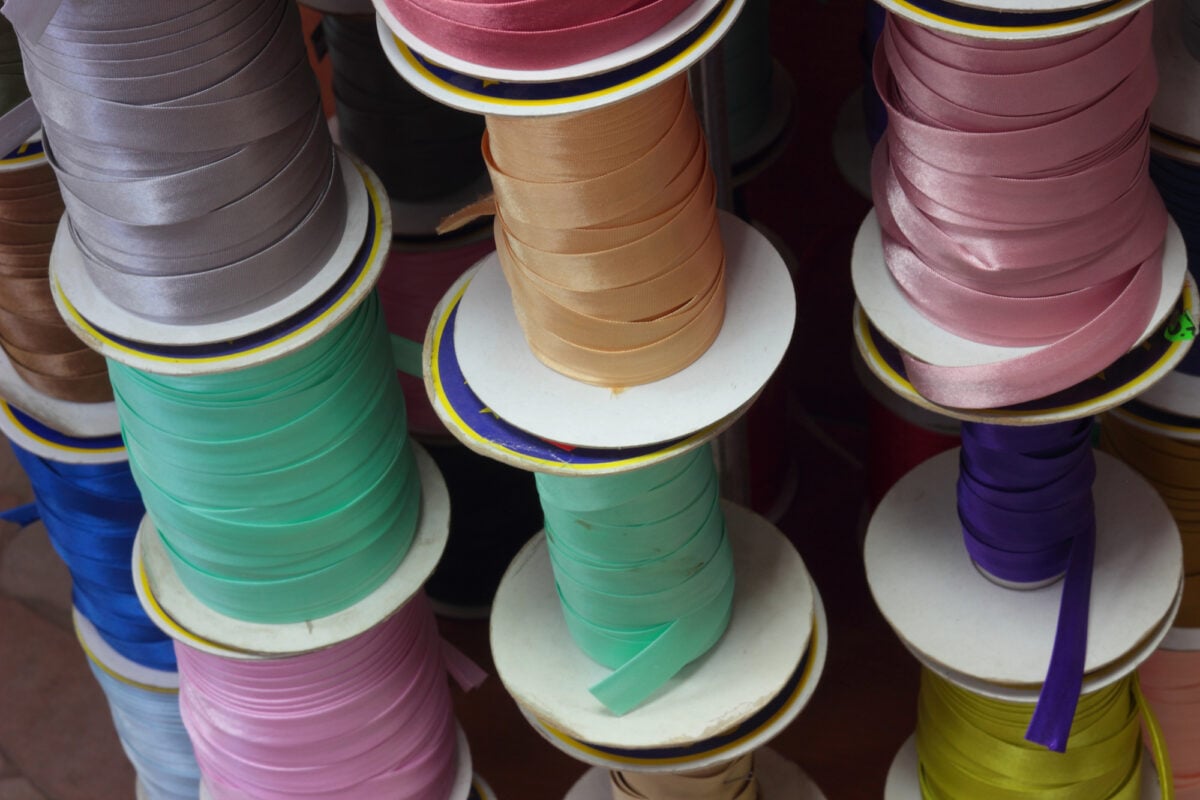
Bias tape doesn’t just cover edges. It saves them.
Cut on the diagonal, bias tape has built-in stretch that moves with fabric instead of fighting it. That flexibility prevents the reinforcement itself from becoming the next point of failure.
Smart tailors use it to strengthen areas before they tear, not after.
Button Shank Extension
Buttons fall off because they don’t have room to breathe. The fabric bunches up, puts stress on the thread, and something gives way.
Creating a thread shank between button and fabric solves this by giving the button space to move without fighting the cloth. The technique wraps extra thread around the base of the button stitches, creating a flexible stem that absorbs the daily push and pull of buttoning and unbuttoning.
Most people skip this step because it feels unnecessary when the button is new — but that’s exactly when prevention matters most.
Turning Collars and Cuffs
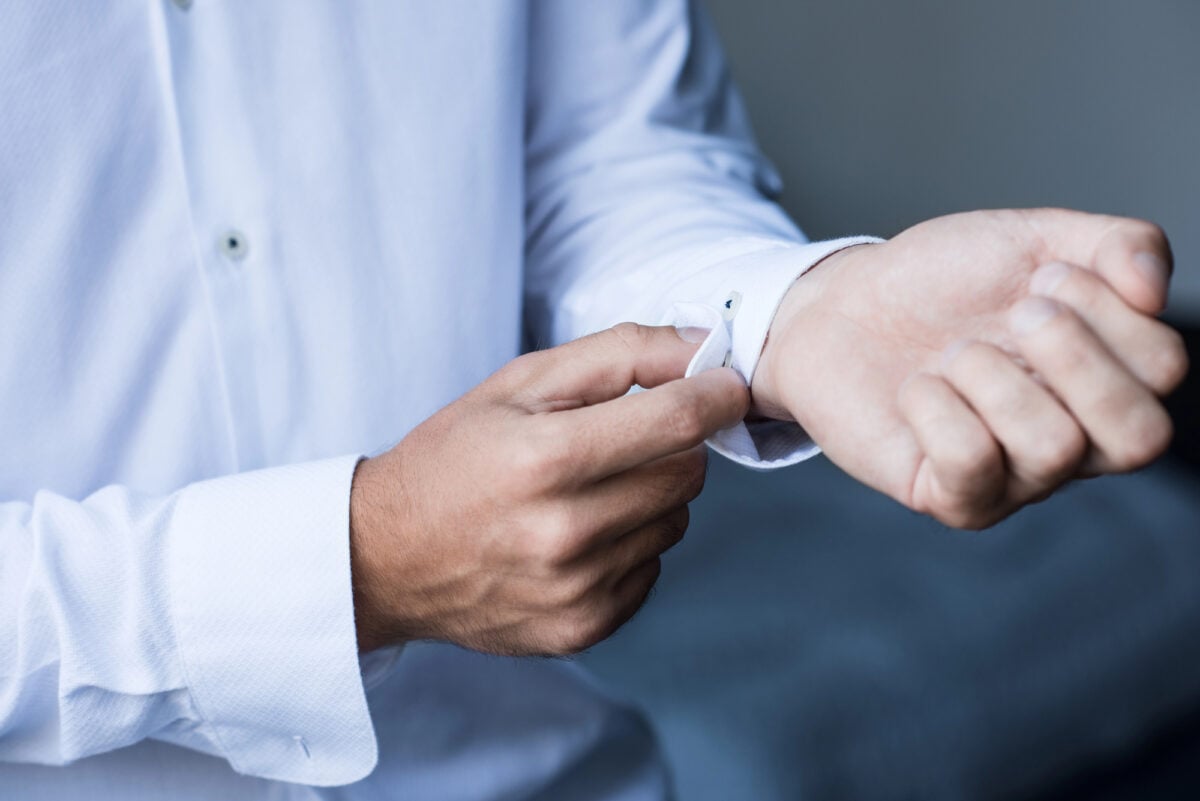
Shirt collars and cuffs wear out in predictable spots, but the hidden side stays perfectly good. Turning involves carefully removing these pieces, flipping them inside-out, then reattaching them so the worn edge becomes the hidden edge.
The technique essentially doubles the life of a dress shirt by using fabric that was there all along (the same mindset that saved fabric scraps for quilts and kept button tins for three generations). This represents the kind of thinking that built wardrobes to last decades rather than seasons — every piece of a garment had potential beyond its original purpose.
It requires more skill than buying new, but the satisfaction of rescuing a perfectly good shirt from a single point of failure has its own rewards.
Let-Down Hems
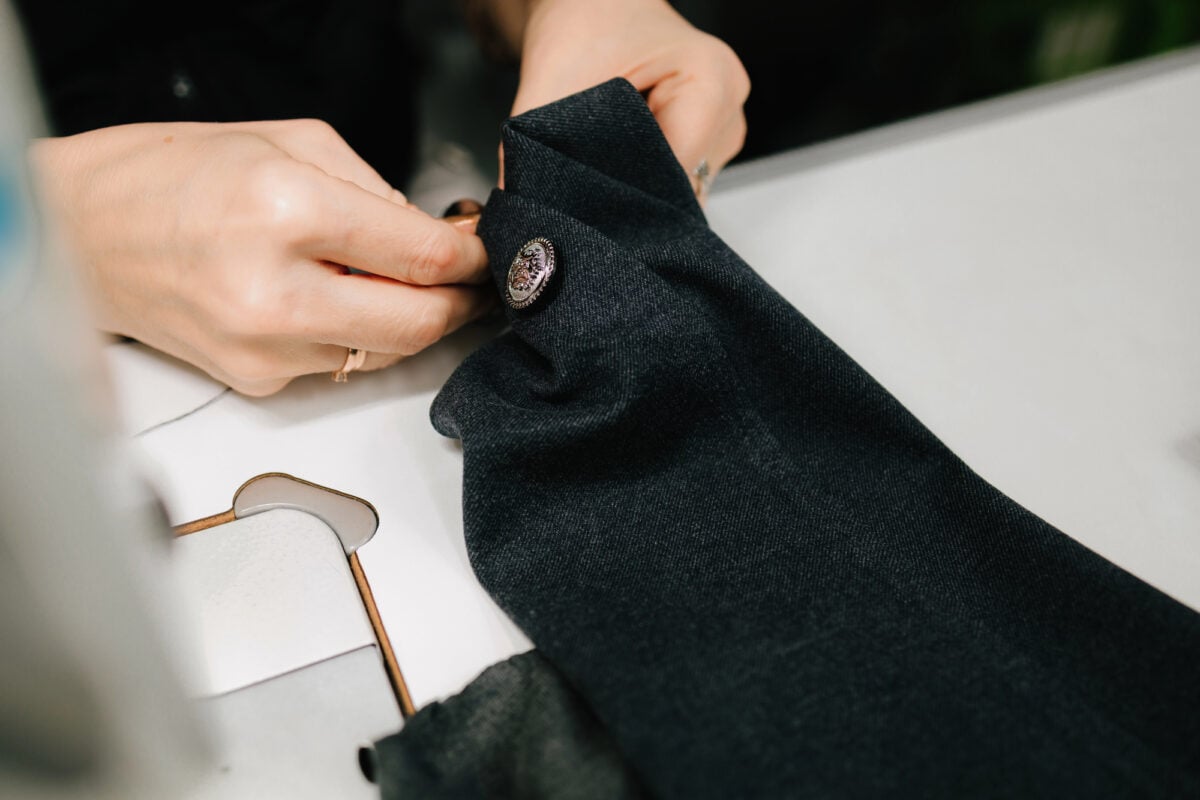
Children grow. Hems don’t have to stay put.
Most pants and skirts have enough extra fabric in the hem to be lengthened at least once, sometimes twice. The process releases the old hem, presses out the crease line, and creates a new one lower down.
Simple alterations that keep clothes fitting properly instead of replacing them every growth spurt.
French Darning
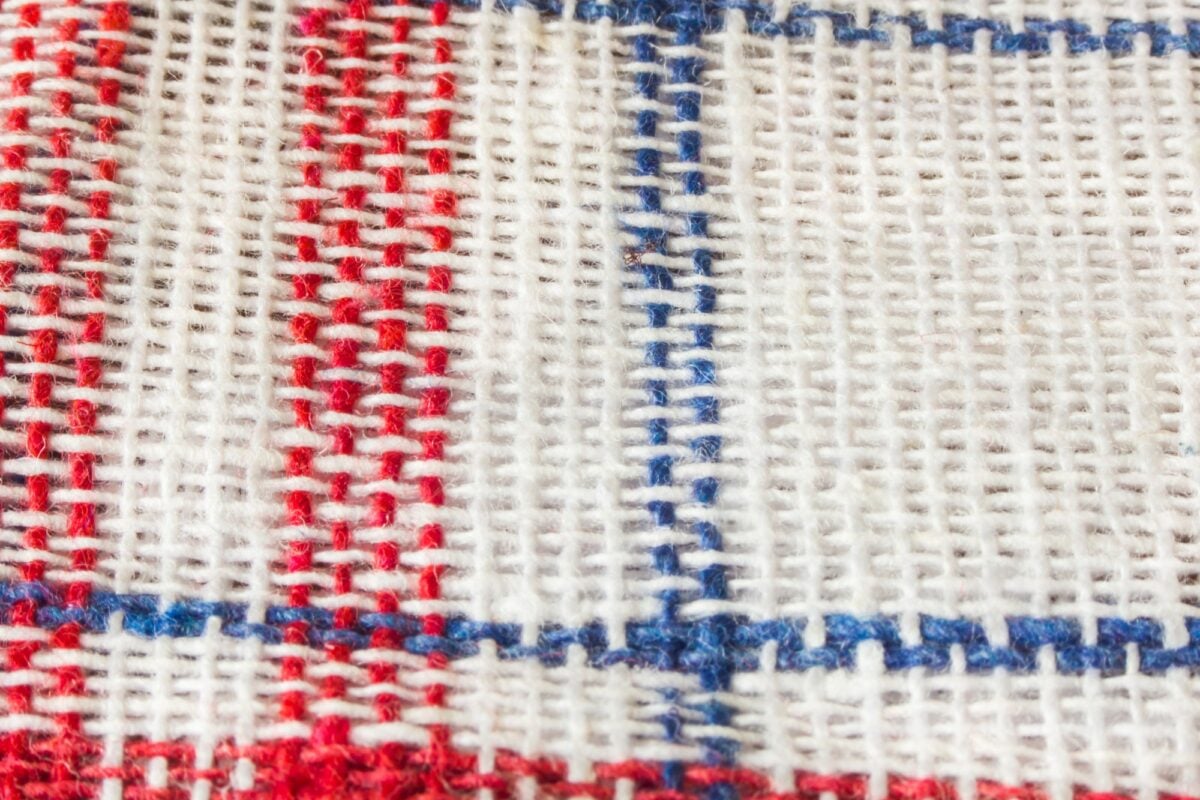
French darning builds repairs that look intentional rather than desperate. The technique uses contrasting thread colors and decorative patterns to turn necessary fixes into design elements — so instead of trying to hide the mend, you make it part of the garment’s character.
This works particularly well on children’s clothes and casual wear where a bit of visible repair adds personality rather than signaling neglect. The same opening that would make a sweater look shabby becomes a unique detail when addressed with confidence and contrasting thread.
Chain Darning
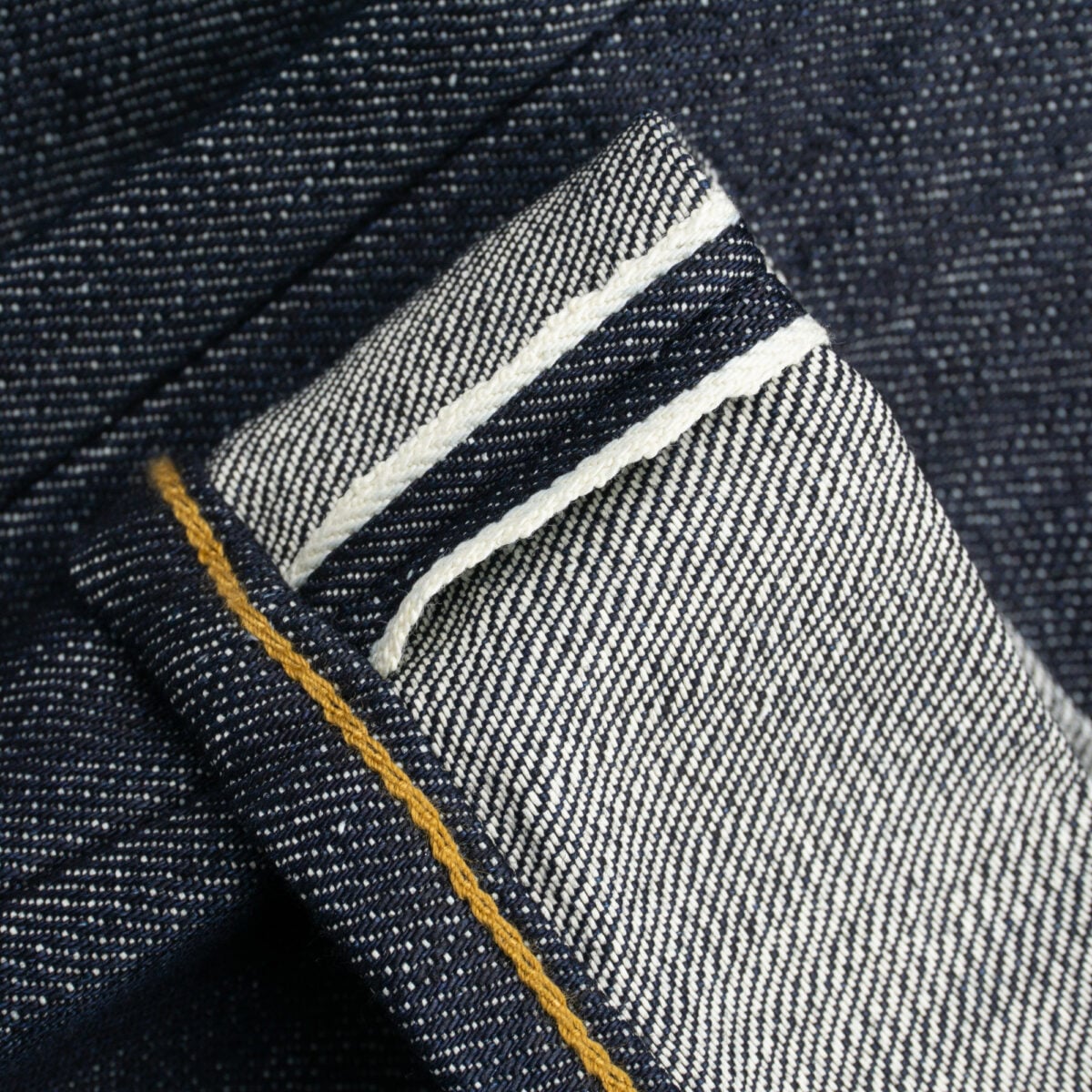
Chain stitch creates its own small rope of thread that can bridge gaps and reinforce weak areas. Unlike regular darning that builds a flat patch, chain darning adds dimension and texture — making it ideal for areas that need both strength and flexibility.
The technique works especially well along stress lines like pocket edges and buttonhole areas where regular patches might feel stiff or bulky. Each chain stitch locks into the next one, creating a continuous line of reinforcement that moves with the fabric instead of restricting it.
Couching Repairs
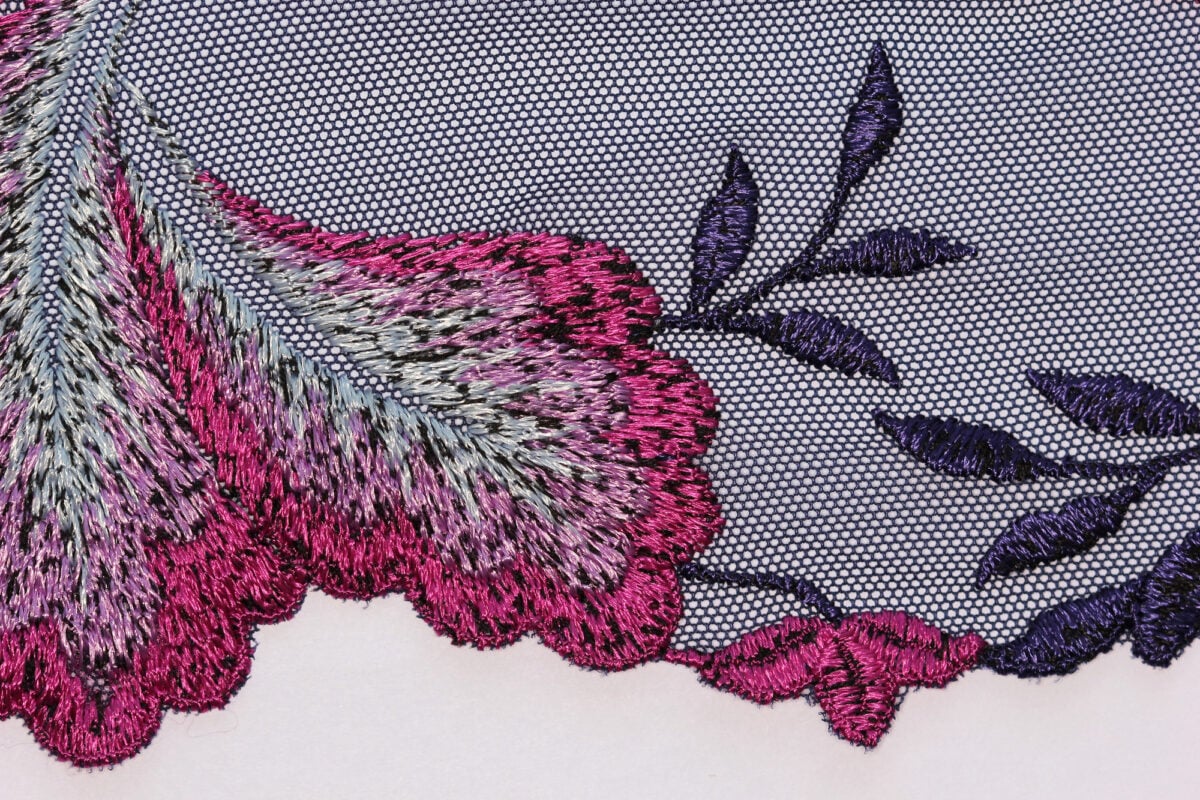
Couching lays down thick threads or yarn and stitches over them with finer thread to hold everything in place. This allows you to use materials that would be too thick to pull through fabric repeatedly — wool yarn, multiple threads at once, even thin strips of leather or fabric.
The holding stitches can be decorative or nearly invisible, depending on what the repair calls for. The method shines when dealing with heavy fabrics or large damaged areas where regular darning would take forever.
Because you’re essentially laying down highways of thread and then anchoring them down, rather than building the repair one thread at a time. It also works well for reinforcing areas that will see heavy use, since the laid threads can be much stronger than what would normally go through a sewing needle.
Appliqué Patching
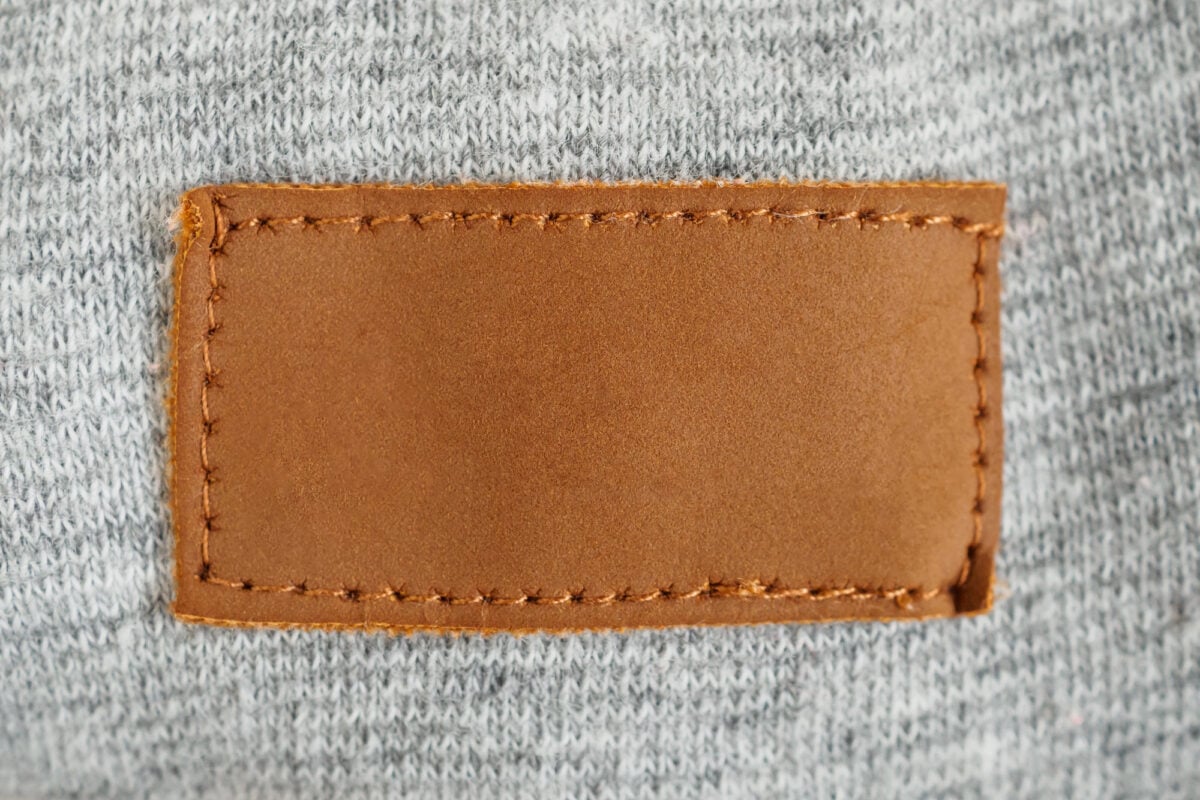
Appliqué turns necessary patches into deliberate design choices. Instead of trying to match the original fabric exactly, the technique uses contrasting materials cut into decorative shapes — flowers, geometric patterns, whimsical designs that transform damage into personality.
This approach works especially well on children’s clothing and casual garments where a bit of whimsy is welcome. The same knee opening that would retire a pair of pants becomes an opportunity for creative expression when covered with a carefully chosen appliqué.
Edge-To-Edge Joining
When fabric tears along a straight line, edge-to-edge joining can make it disappear completely. The technique brings the torn edges together and joins them with tiny stitches that catch just a few threads from each side — so the repair line becomes nearly invisible once pressed flat.
Success depends on careful alignment and consistent stitch tension (which takes practice, but the results justify the effort). The method works best on fine fabrics and straight tears where you can bring the edges together without puckering or distortion.
Stocking Weave
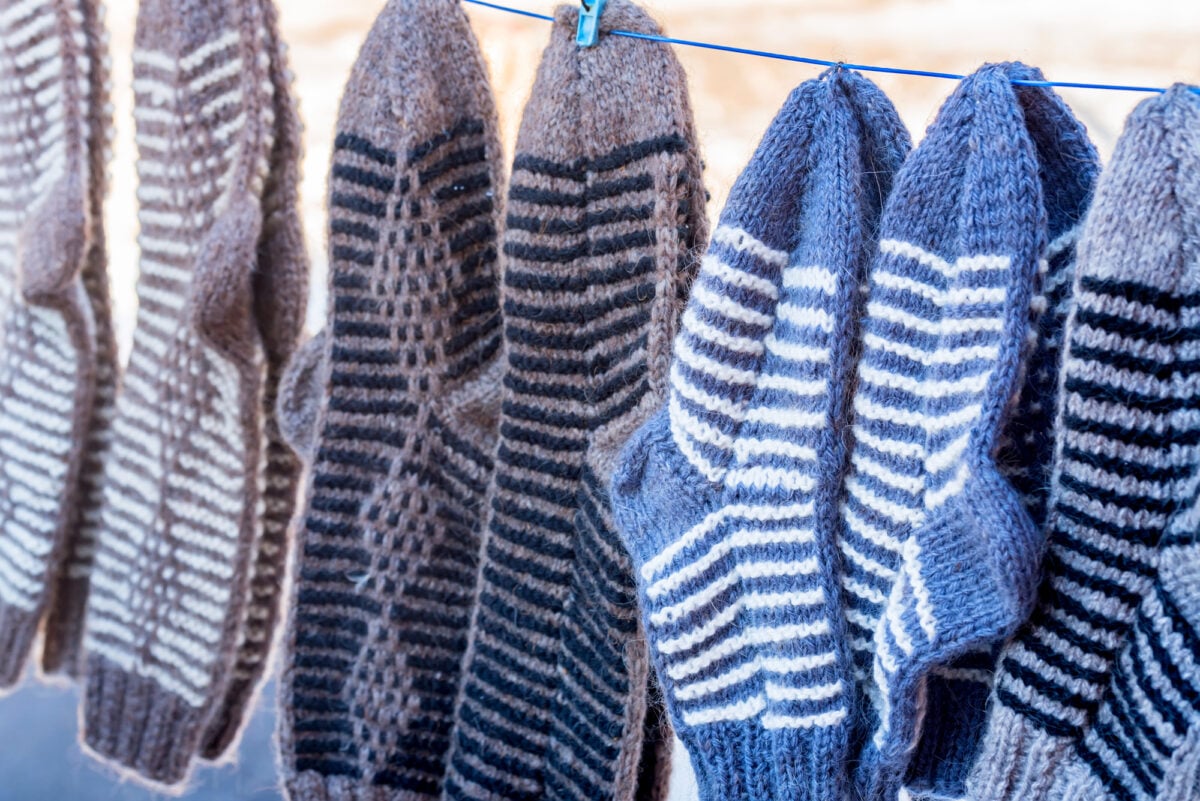
Stocking weave rebuilds the knitted structure of stretched or run stockings and tights. Instead of trying to patch an opening in knitted fabric with woven techniques, this method recreates the original knit stitches using a needle to rebuild the fabric’s natural structure.
The repair becomes practically invisible because you’re speaking the fabric’s native language rather than imposing a foreign fix on it. Each rebuilt stitch connects to its neighbors the same way the original knitting did, so the mend moves and stretches exactly like the surrounding fabric.
Pieced Reconstruction
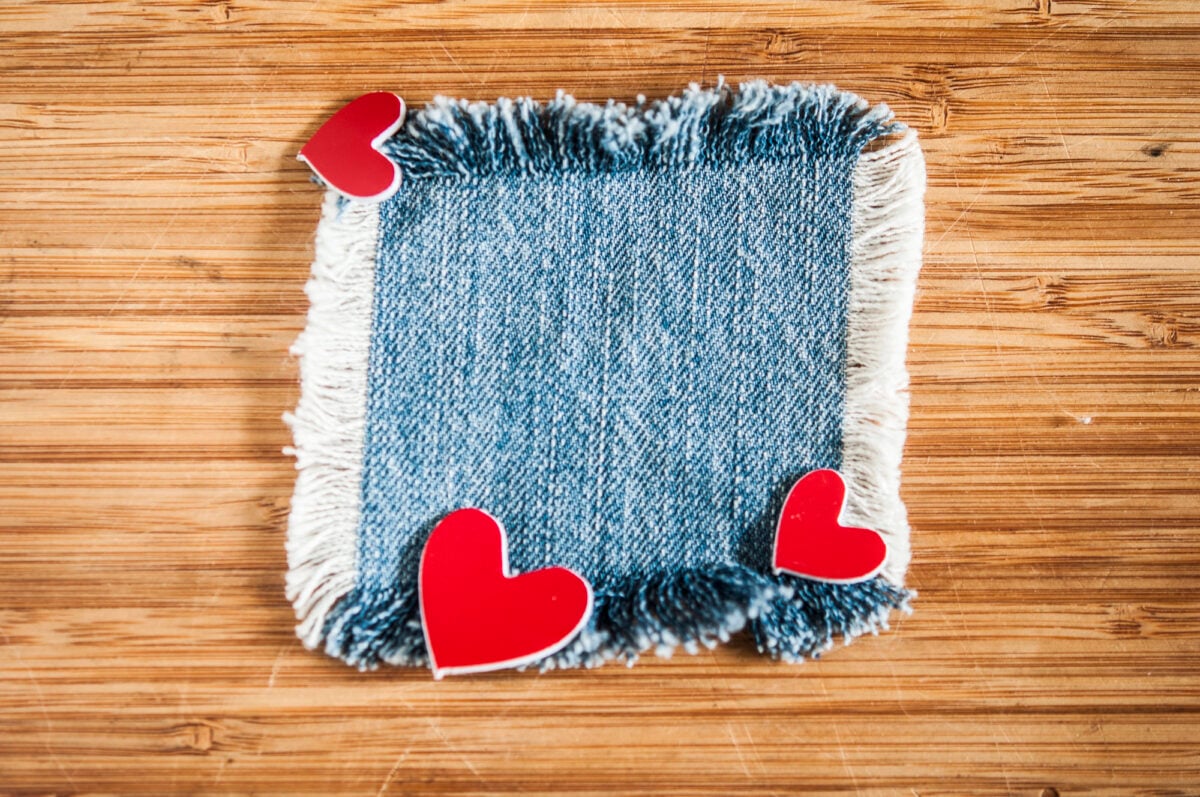
Sometimes damage is too extensive for simple patches, but the garment still has enough good fabric to be worth saving. Pieced reconstruction involves taking apart the damaged sections and rebuilding them using good fabric from hidden areas — inside seams, deep hems, even parts of matching garments that are damaged elsewhere.
This technique requires real sewing skill and careful planning, but it can resurrect clothes that would otherwise be hopeless (which makes it particularly valuable for expensive or sentimental pieces). The approach treats each garment like a collection of raw materials rather than a fixed design, opening up possibilities that simpler repairs can’t match.
Invisible Reweaving
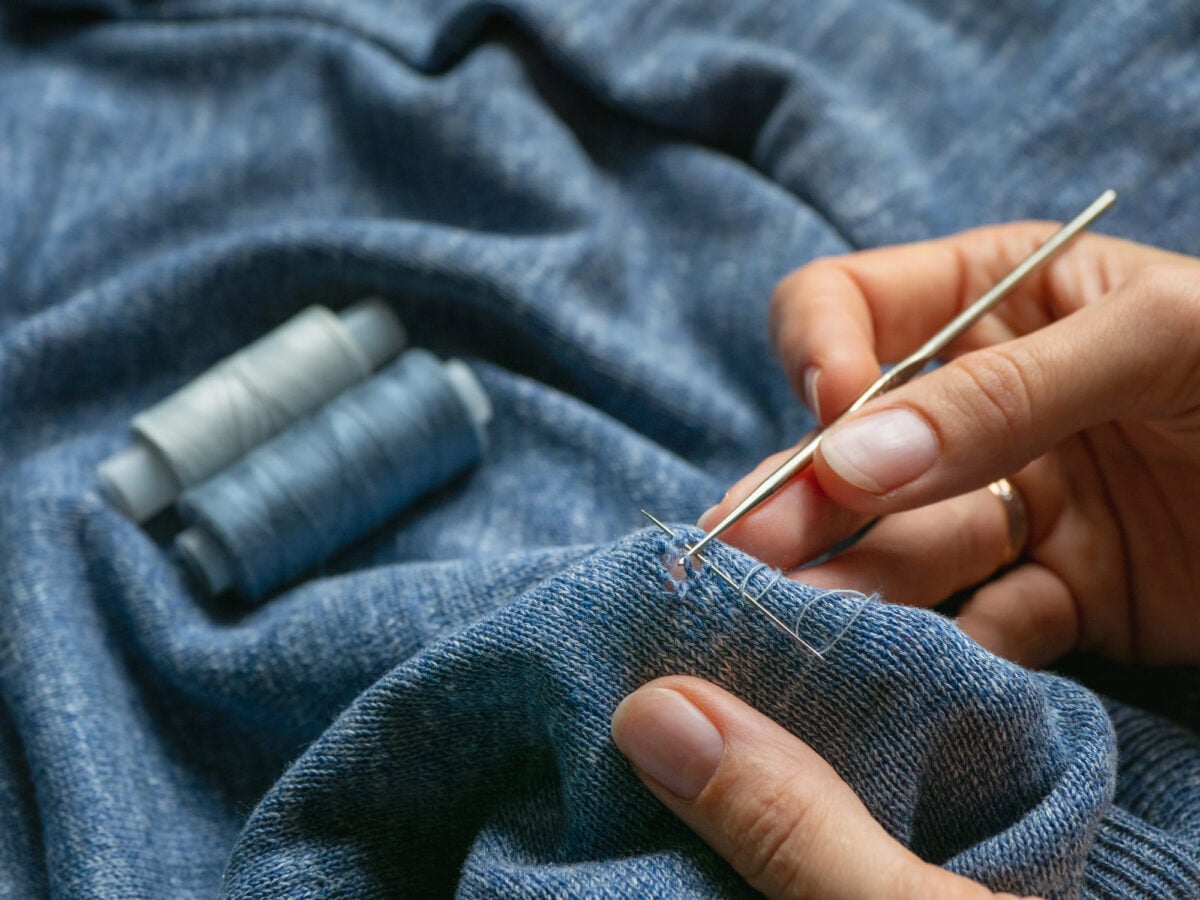
True invisible reweaving rebuilds damaged fabric thread by thread using fibers pulled from the garment itself. The technique matches not just color and weight, but the exact weave pattern and thread composition — creating repairs that even close inspection can’t detect.
This represents the pinnacle of fabric repair skills, traditionally used for expensive suits and formal wear where visible mending wasn’t acceptable. The process takes considerable time and skill, but for valuable garments, it offers complete restoration rather than just acceptable patching.
The Economics Of Repair
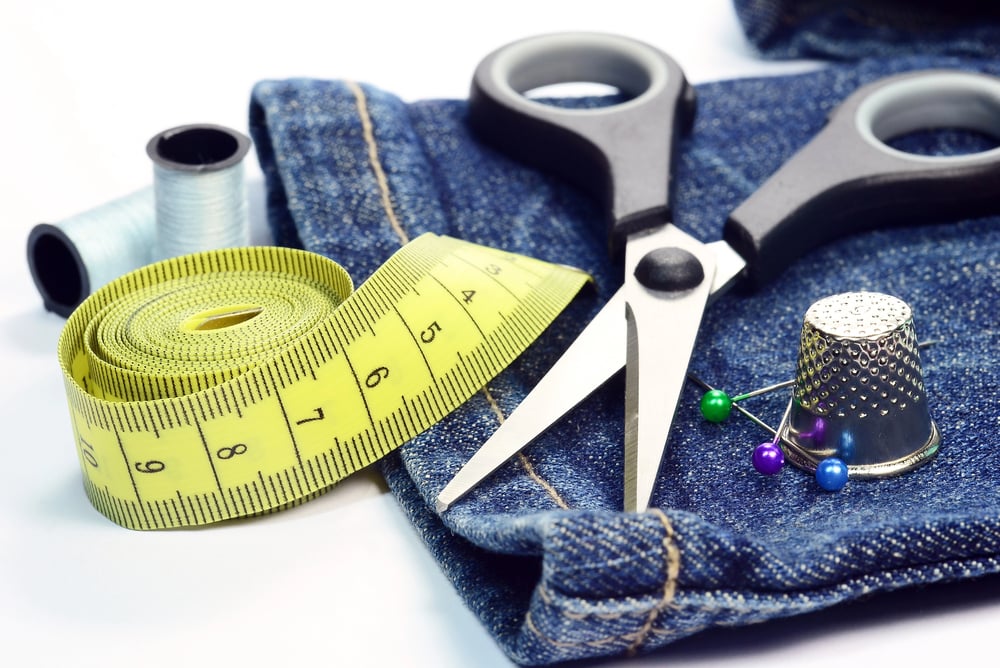
Your sewing box is a savings account that compounds differently than the ones downtown. Every technique you learn reduces your dependence on replacement, and those skills don’t depreciate with market conditions or inflation.
The math is simple enough: a $2 packet of darning thread can extend the life of a $40 sweater by years. But the real value lies in the shift from consumer to curator — from someone who buys solutions to someone who creates them.
That change in perspective affects more than just your clothing budget.
More from Go2Tutors!

- The Romanov Crown Jewels and Their Tragic Fate
- 13 Historical Mysteries That Science Still Can’t Solve
- Famous Hoaxes That Fooled the World for Years
- 15 Child Stars with Tragic Adult Lives
- 16 Famous Jewelry Pieces in History
Like Go2Tutors’s content? Follow us on MSN.