17 Geographic Mysteries That Still Baffle Scientists
Our planet has been home to humans for thousands of years, yet it continues to surprise us with phenomena that defy easy explanation. From moving rocks to vanishing lakes, Earth holds secrets that challenge our understanding of geology, physics, and natural processes.
Despite advances in satellite technology, ground-penetrating radar, and sophisticated scientific instruments, some geographic puzzles remain unsolved. Here is a list of 17 geographic mysteries that continue to perplex researchers around the world.
The Sailing Stones of Death Valley
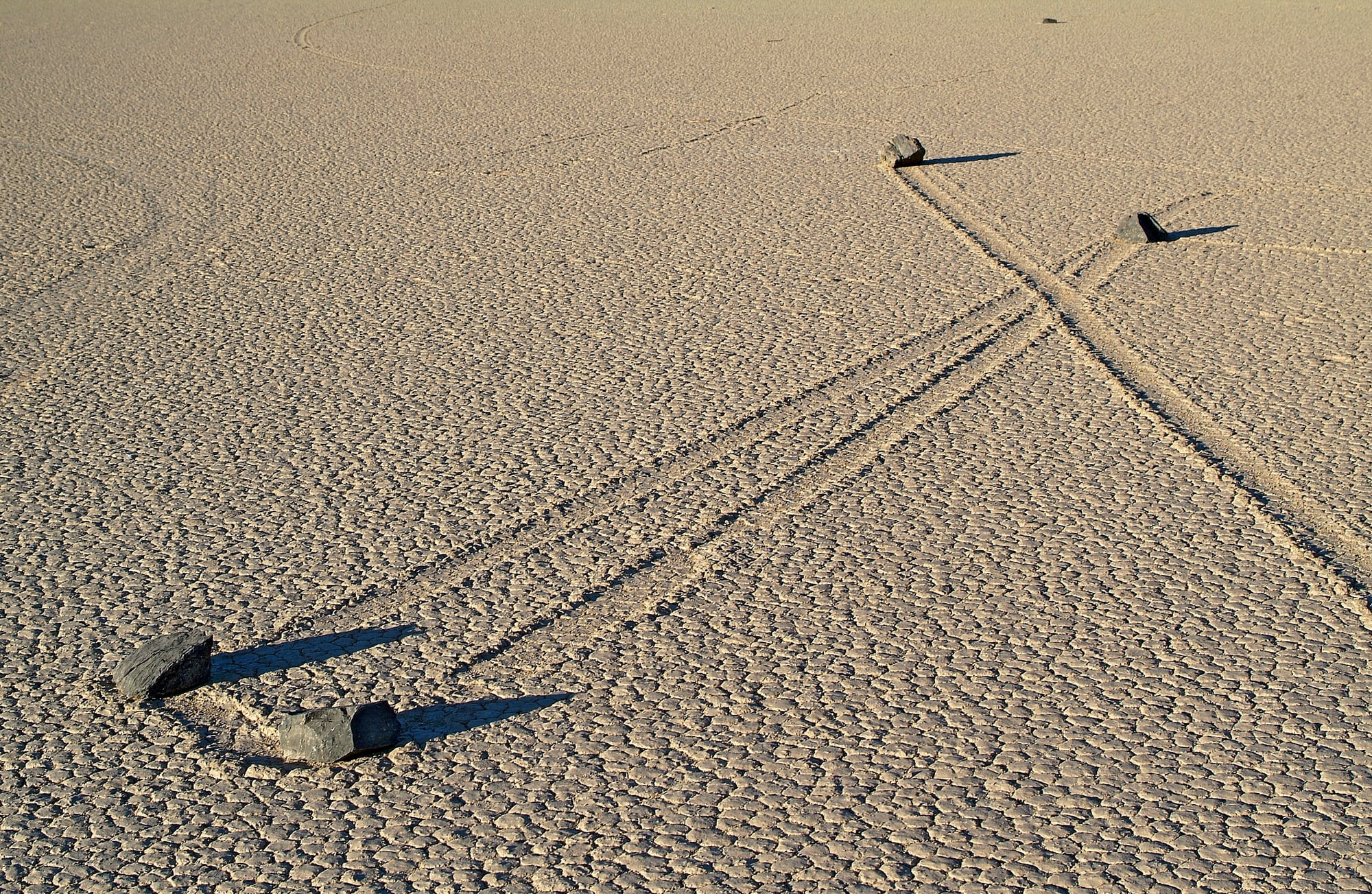
In California’s Death Valley, heavy boulders appear to glide across the desert floor, leaving long, straight trails behind them like breadcrumbs marking their path. These stones, some weighing hundreds of pounds, somehow move without any visible force pushing them.
Scientists have observed the trails for decades, but the actual movement happens so rarely that catching it in action proved nearly impossible until recently.
Researchers finally solved part of this puzzle in 2014 when they witnessed the phenomenon firsthand. Thin sheets of ice form on rare occasions when water floods the valley floor, and morning sun causes this ice to break into floating panels that push the rocks as they’re driven by light winds.
The mystery isn’t completely solved, though, as some trails don’t match this explanation.
Antarctica’s Blood Falls
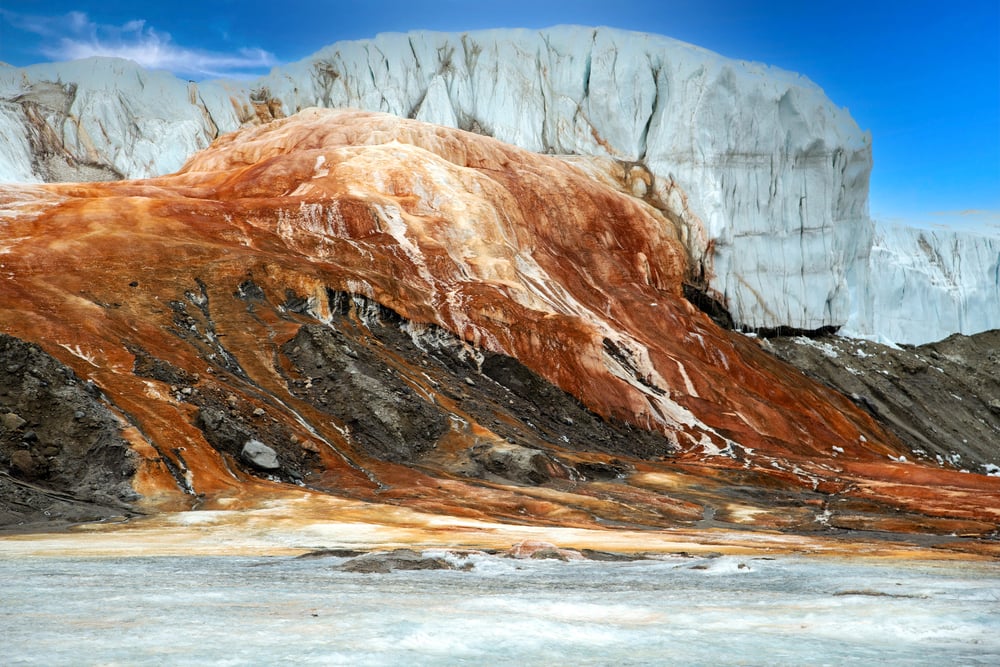
A five-story waterfall in Antarctica appears to bleed crimson liquid from the Taylor Glacier, creating one of the most unsettling sights on the continent. The blood-red cascade flows from what looks like a wound in the pristine white ice, staining the glacier with its eerie color.
This phenomenon has puzzled visitors and scientists since its discovery in 1911. The red color comes from iron-rich saltwater that’s been trapped beneath the glacier for millions of years.
This ancient brine, which contains no oxygen, has developed a unique ecosystem of microbes that survive by metabolizing iron and sulfur compounds. The water is so salty that it doesn’t freeze despite the frigid temperatures, allowing it to seep through cracks in the glacier.
The Mystery of Lake Vostok

Buried beneath two and a half miles of Antarctic ice lies Lake Vostok, a body of water the size of Lake Ontario that has remained liquid for potentially 15 million years. This subglacial lake exists in complete darkness and isolation, cut off from Earth’s atmosphere and surface conditions since before humans evolved.
The immense pressure from the ice above keeps the water from freezing despite temperatures that should turn it solid. Scientists believe the lake might harbor unique life forms that have evolved in this extreme environment, potentially offering insights into how life might exist on other planets.
However, accessing the lake without contaminating it presents enormous challenges, and researchers are still debating the best methods to study this hidden world safely.
Socotra Island’s Alien Landscape
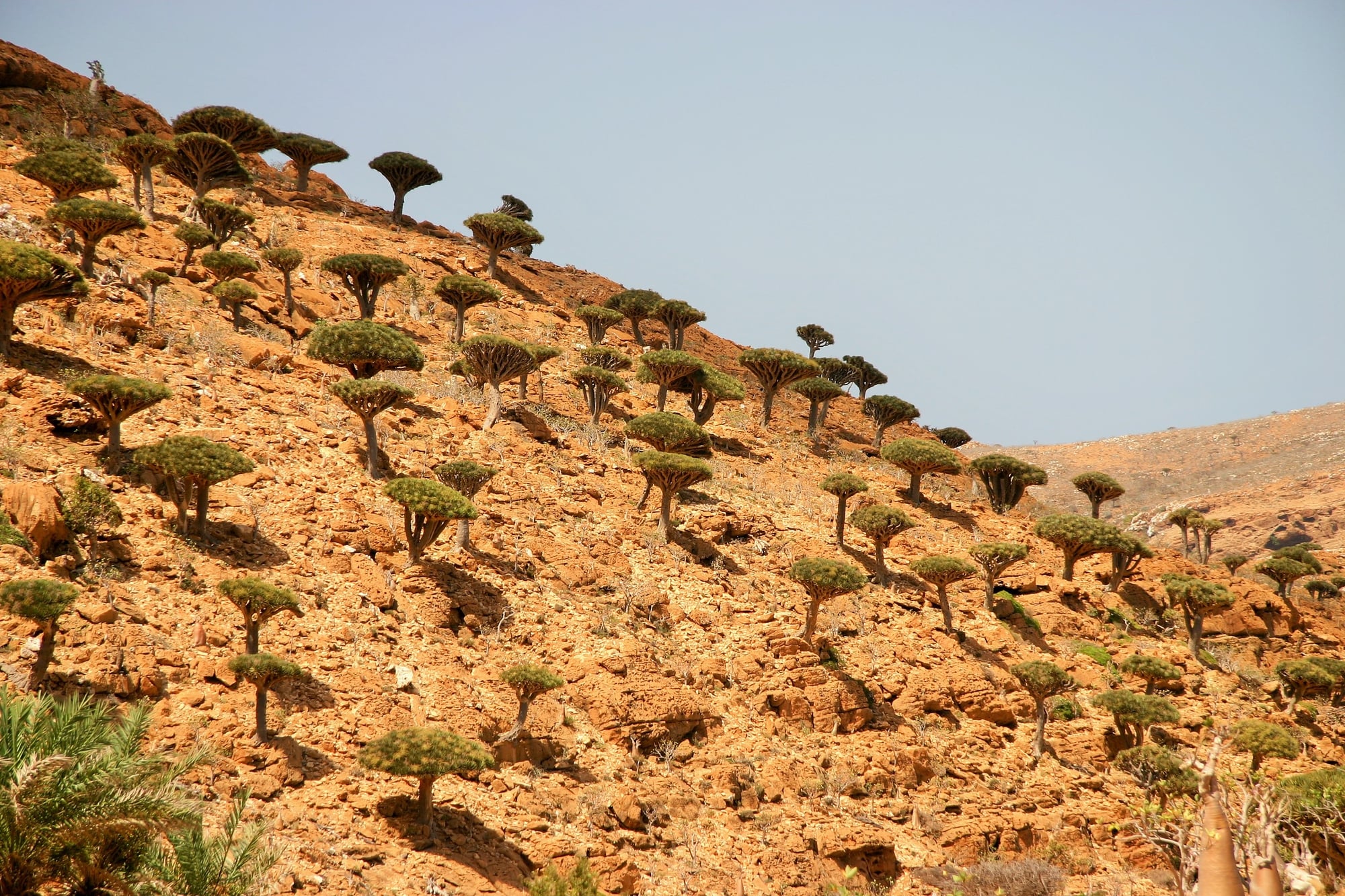
Located off the coast of Yemen, Socotra Island looks like it belongs on another planet rather than Earth. One-third of its plant species exist nowhere else in the world, creating landscapes that seem lifted from science fiction.
The island’s most famous resident is the Dragon’s Blood Tree, which resembles a giant umbrella topped with a crown of sword-like leaves. This biological treasure trove evolved in isolation after separating from the Arabian Peninsula millions of years ago.
The island’s unique climate and geography created perfect conditions for species to develop in ways impossible elsewhere. Scientists continue to discover new species on Socotra, and many suspect the island holds more secrets waiting to be uncovered.
The Taos Hum
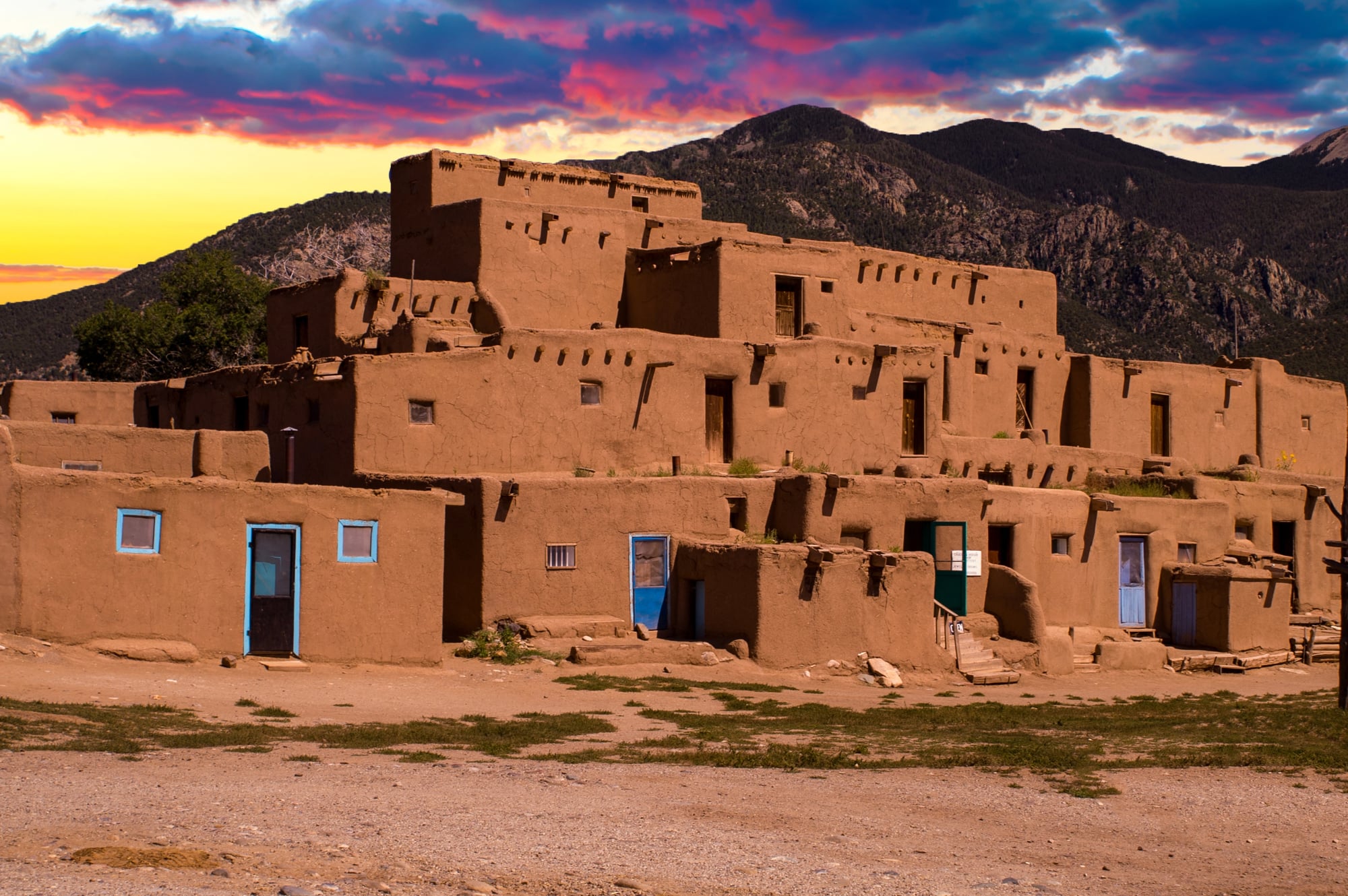
Residents of Taos, New Mexico, report hearing a persistent, low-frequency humming sound that seems to emanate from the earth itself. This mysterious drone affects only about 2% of the population, but those who hear it describe it as maddening and inescapable.
The sound has been investigated by scientists, government agencies, and acoustic experts, but no source has been definitively identified. Theories range from underground geological activity to atmospheric phenomena, but none fully explain why some people hear the hum while others in the same location don’t.
Similar hums have been reported in other locations worldwide, suggesting this might be a global phenomenon rather than something unique to Taos.
The Bermuda Triangle
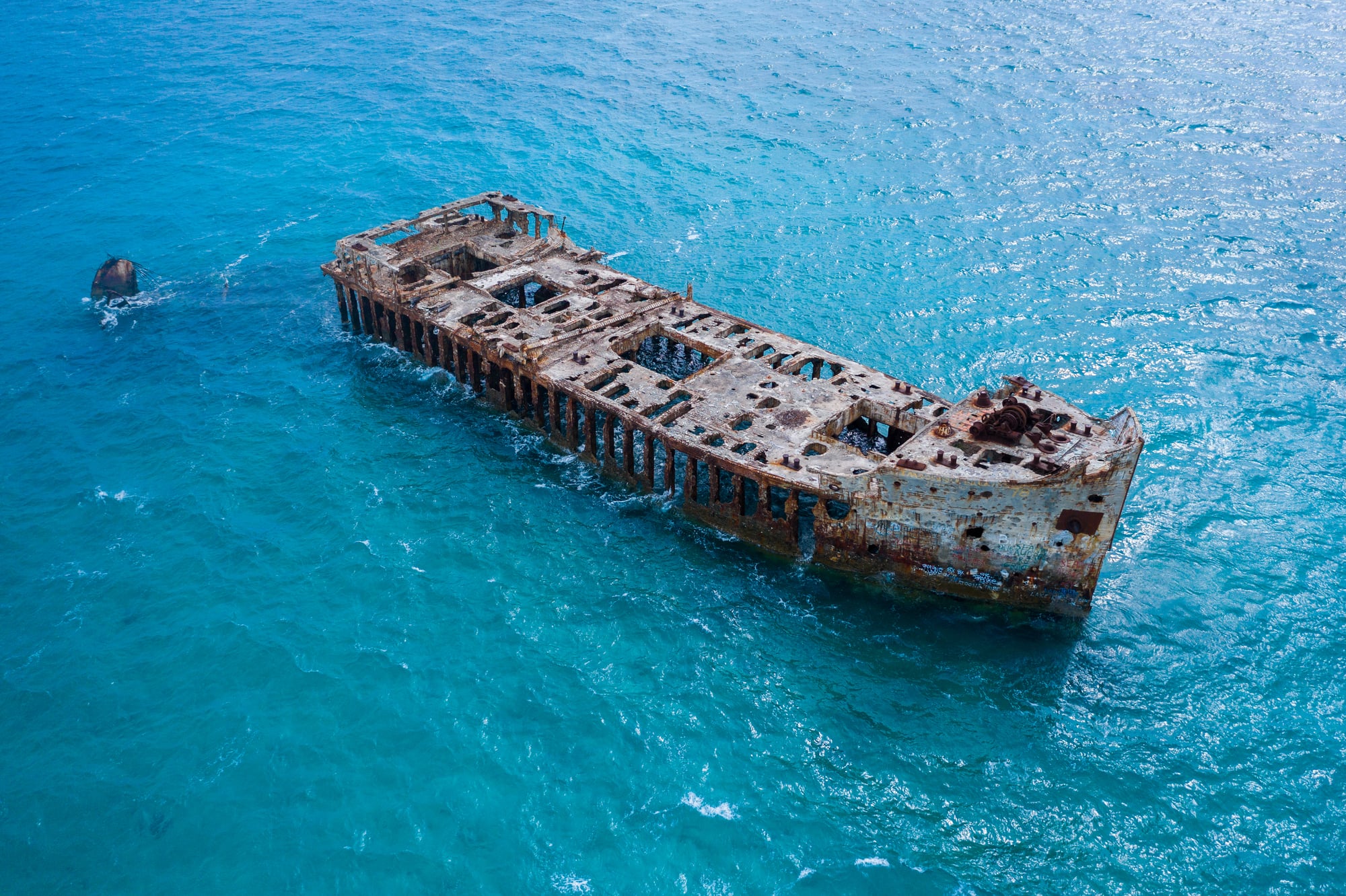
The waters between Florida, Bermuda, and Puerto Rico have gained notoriety for the supposed disappearance of ships and aircraft under mysterious circumstances. While many of the most famous stories have been debunked or explained, the area does experience unusual magnetic variations and unpredictable weather patterns that can challenge navigation systems.
The ocean floor in this region contains methane hydrate deposits that occasionally release gas bubbles, potentially affecting a vessel’s buoyancy. Additionally, the Gulf Stream’s powerful currents can quickly carry debris far from incident sites, making recovery and investigation difficult.
While the Bermuda Triangle isn’t as supernatural as popular culture suggests, it does present legitimate navigational challenges.
The Double Tree of Casorzo
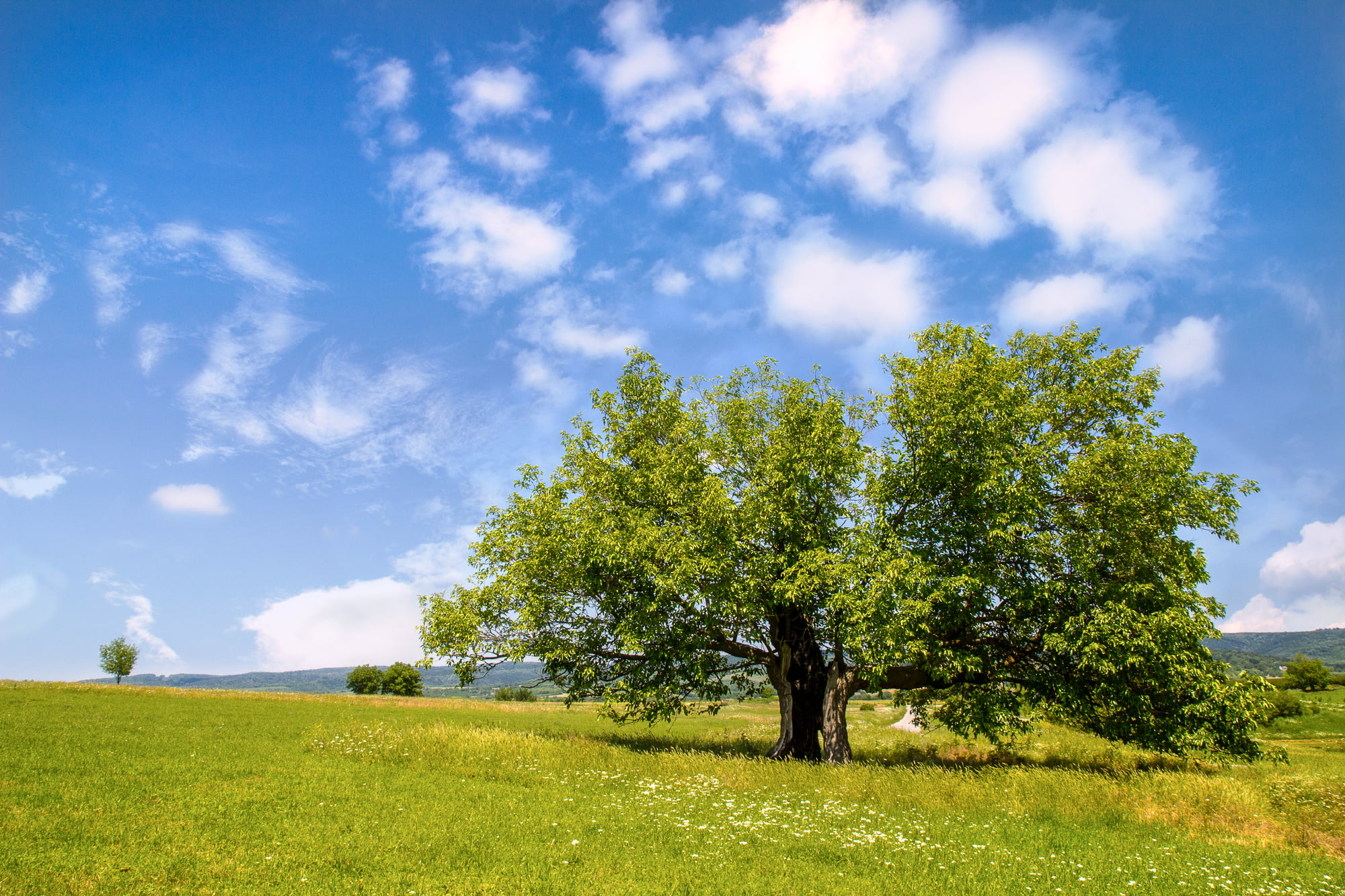
In Northern Italy, a mulberry tree grows directly from the trunk of a cherry tree, creating what appears to be an impossible botanical phenomenon. The mulberry tree, fully mature and healthy, has no contact with the ground and receives all its nutrients through the cherry tree below.
This living arrangement defies conventional understanding of how trees compete for resources. Scientists believe a bird likely deposited mulberry seeds in a hollow of the cherry tree, where they germinated and grew.
The remarkable part is how the two trees have maintained this relationship for decades without the cherry tree being harmed by its passenger. This symbiotic arrangement challenges assumptions about plant competition and cooperation.
The Richat Structure
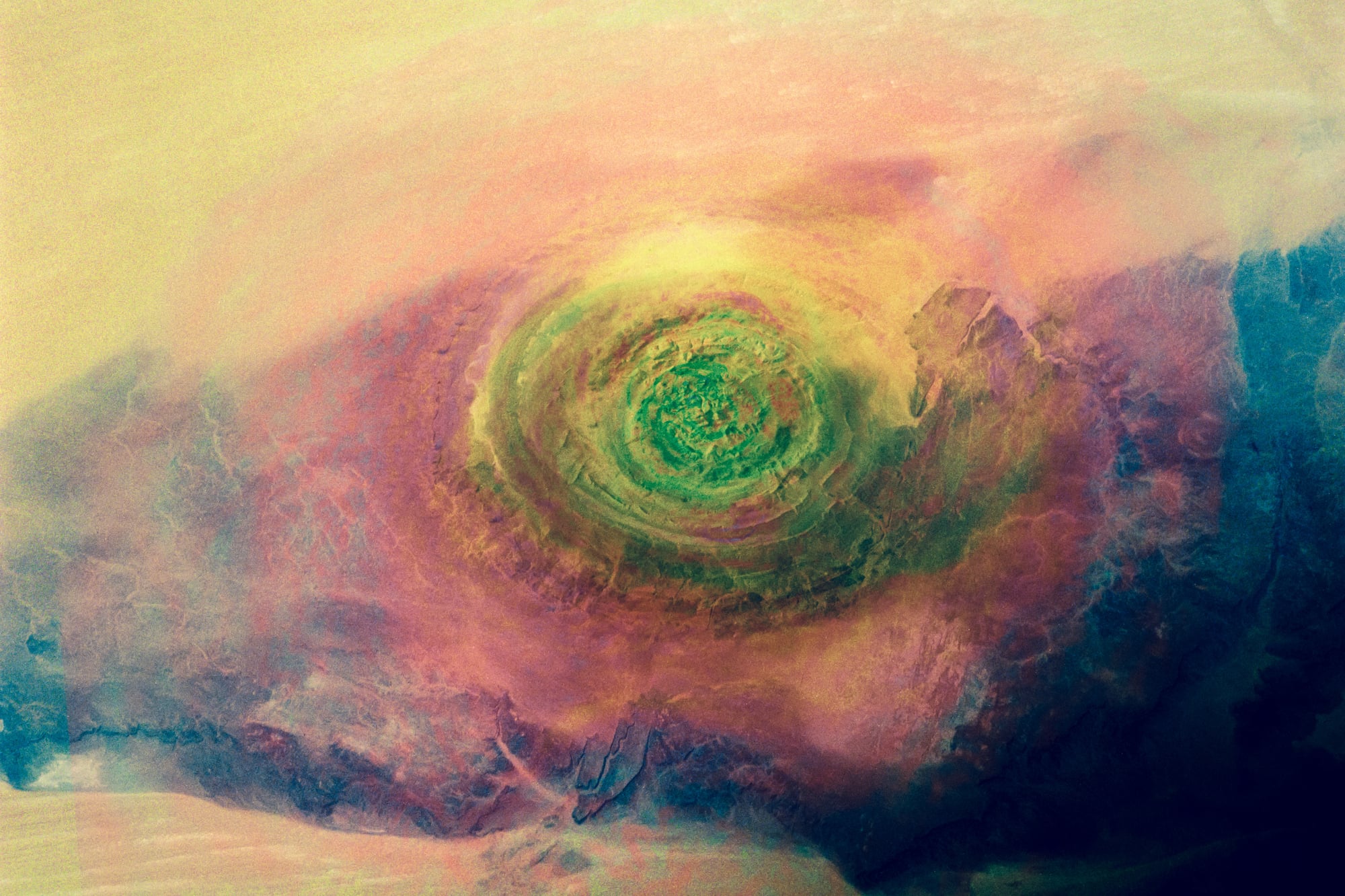
In the Sahara Desert of Mauritania, a massive circular formation stretches nearly 30 miles across, resembling a giant’s eye when viewed from space. Known as the Richat Structure or the Eye of the Sahara, this geological formation consists of concentric circles of different rock types that create distinct rings visible from orbit.
Early theories suggested it was an impact crater from a meteorite or asteroid. Geologists now believe the structure formed through a combination of uplift and erosion over millions of years. Different rock layers weathered at different rates, creating the distinctive circular pattern we see today.
However, the precise mechanisms that created such a perfectly circular structure remain partially mysterious, and the formation continues to intrigue geologists.
The Zone of Silence
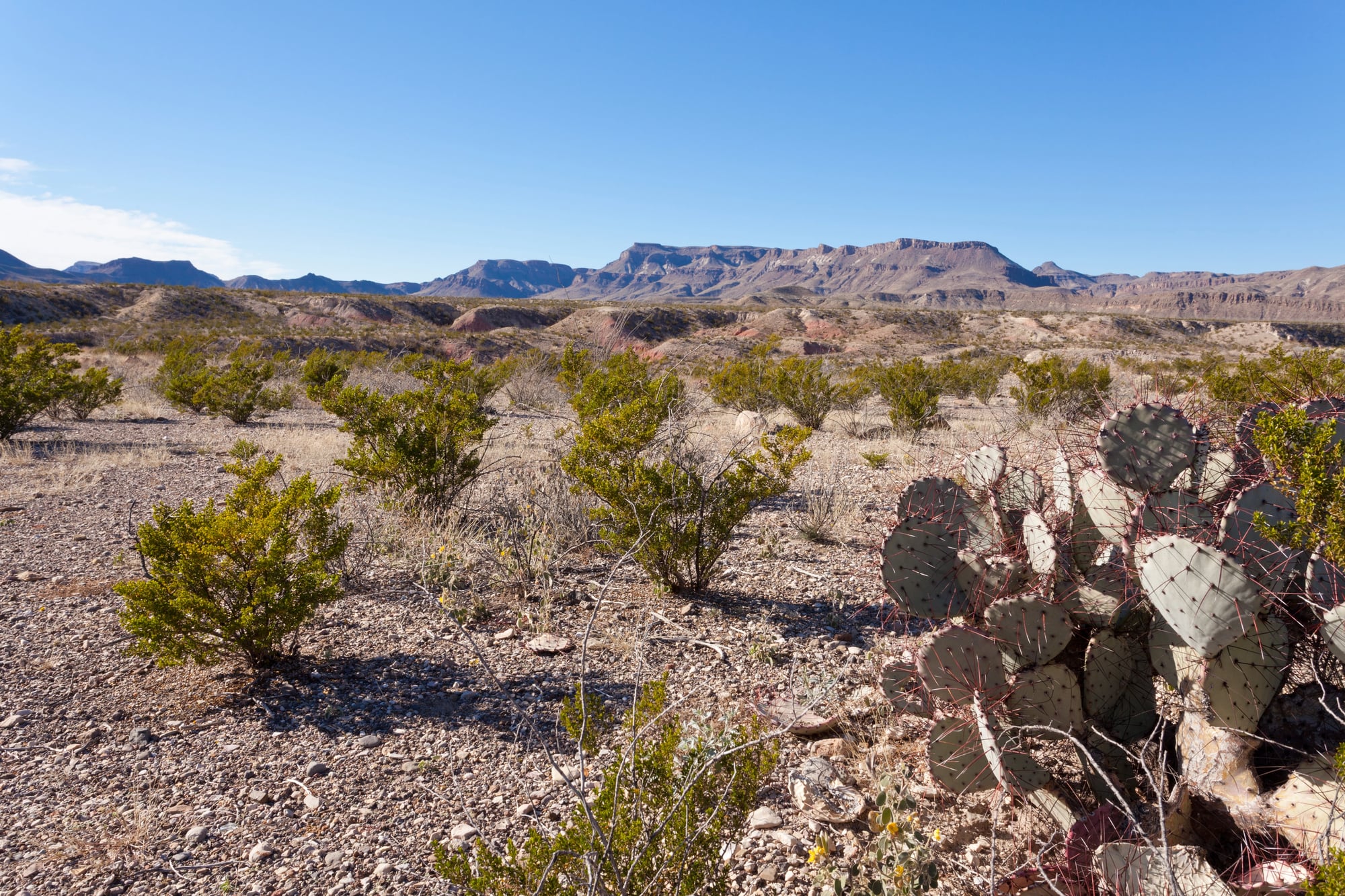
In Mexico’s Chihuahuan Desert lies a region where radio signals allegedly fail to penetrate and compasses spin wildly. Known as La Zona del Silencio (The Zone of Silence), this area has attracted researchers and conspiracy theorists alike.
Local legends claim that meteorites frequently fall here and that unusual plants and animals have evolved in the region. While some of the more sensational claims about the zone have been debunked, the area does experience higher-than-normal meteor activity and contains unique mineral deposits.
The region’s geological composition may create subtle electromagnetic anomalies, though not to the dramatic extent often claimed. Scientists continue to study why this particular area seems to attract cosmic debris.
The Nazca Lines
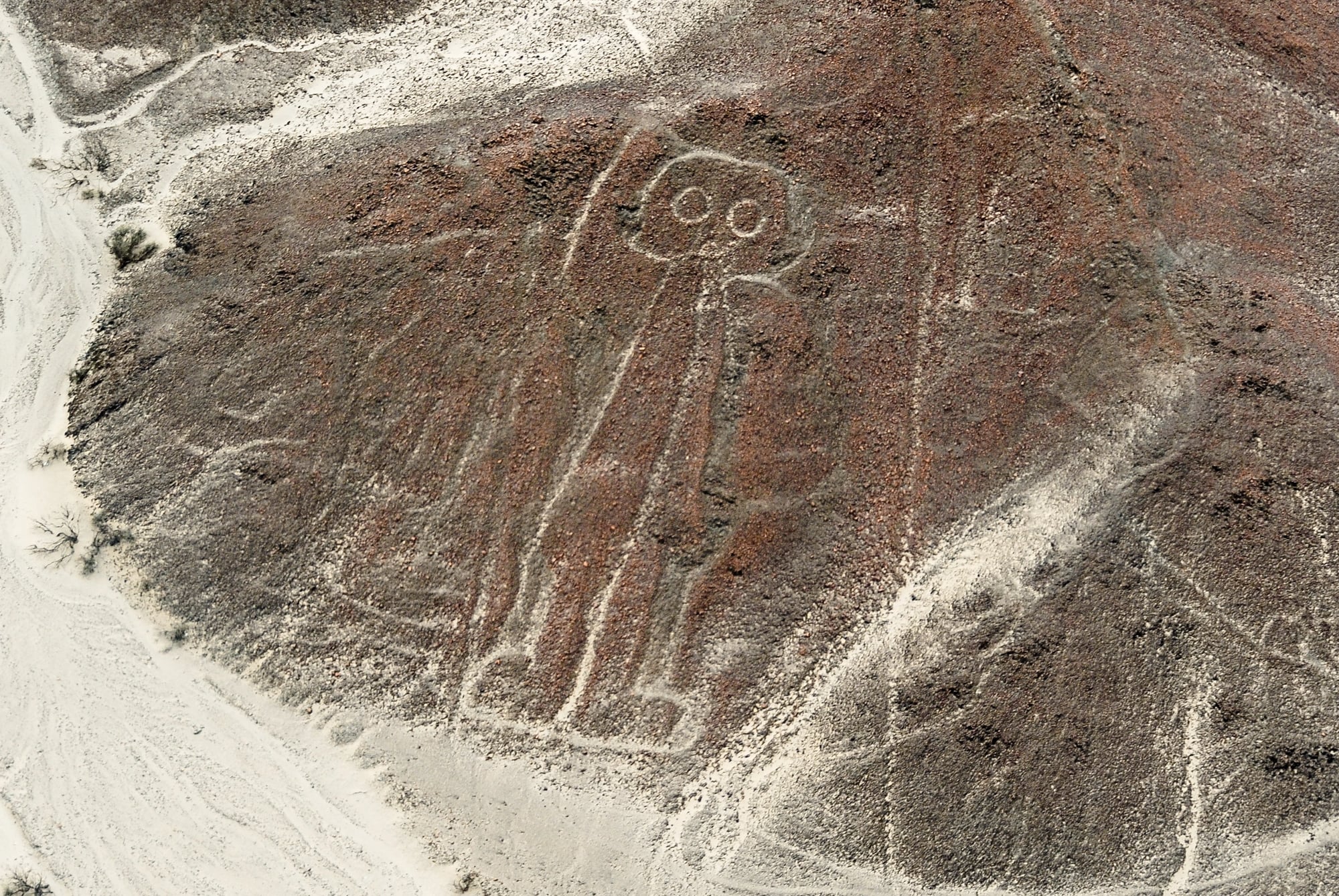
Scattered across Peru’s Nazca Desert are massive drawings etched into the ground, depicting animals, plants, and geometric shapes that can only be fully appreciated from the air. These lines, created by removing dark stones to reveal lighter soil beneath, have survived for over 1,000 years in the desert’s dry climate.
The mystery isn’t just how they were made, but why ancient peoples created artwork visible only from heights they couldn’t reach. Recent discoveries using satellite imagery have revealed thousands of additional lines and figures, suggesting the Nazca culture invested enormous effort in this aerial art.
Some theories propose astronomical or religious purposes, while others suggest the lines served as walking paths for ceremonial processions. The lack of written records from the Nazca people means their true purpose may never be fully understood.
The Sailing Stones of Racetrack Playa
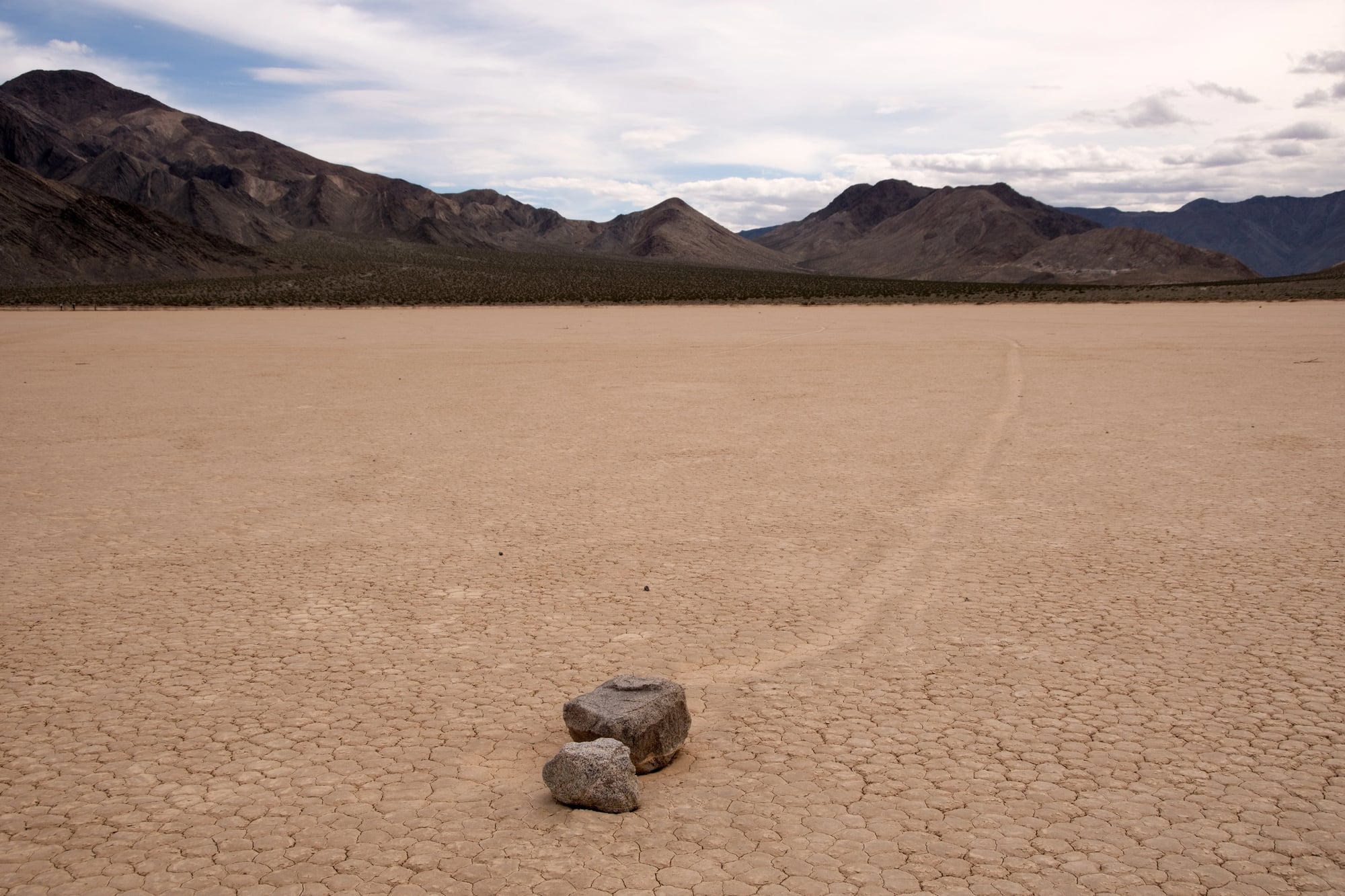
Similar to Death Valley but in a different location, Racetrack Playa in Death Valley National Park features another collection of moving rocks that leave mysterious trails. These stones, some weighing up to 700 pounds, appear to glide across the flat desert floor, creating perfectly straight tracks that can stretch for hundreds of yards.
The phenomenon occurs so infrequently that researchers waited decades to observe it directly. The explanation involves a rare combination of rain, freezing temperatures, and wind that creates thin ice sheets capable of pushing the massive stones.
However, some trails don’t conform to this model, suggesting multiple mechanisms might be at work. The rarity of the conditions required makes this one of the most difficult natural phenomena to study in real-time.
The Hessdalen Lights
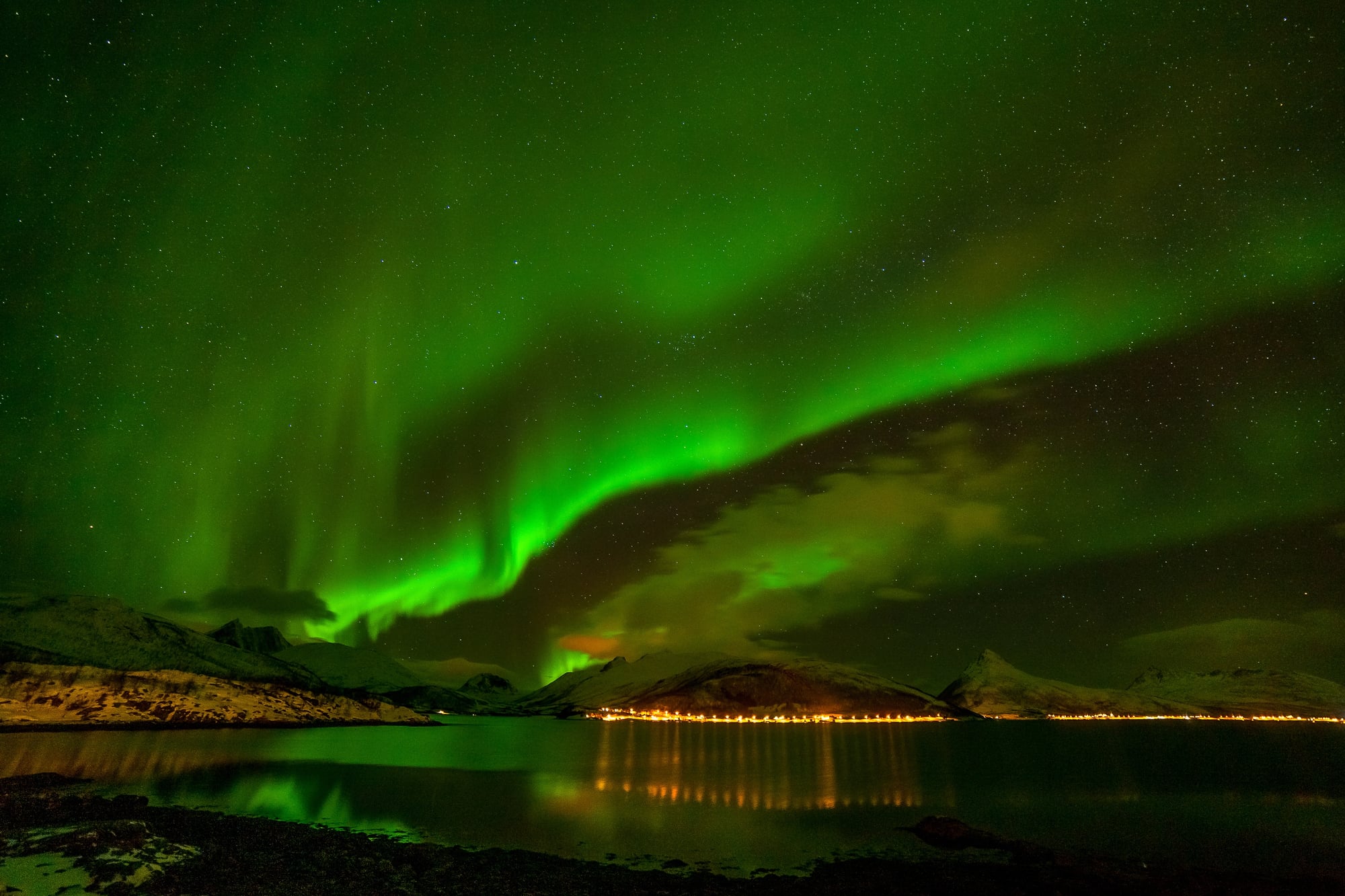
In a remote valley in Norway, mysterious lights have been appearing in the sky for decades, baffling both locals and scientists. These lights, which can be white, yellow, or red, move in patterns that don’t match any known natural or artificial phenomena.
They appear several times per year and can last from seconds to over an hour, sometimes moving at incredible speeds or hovering motionless. Researchers have established a permanent monitoring station in the valley, but the lights’ unpredictable nature makes them difficult to study systematically.
Theories range from atmospheric plasma phenomena to piezoelectric effects from the valley’s geology, but none fully explain all the observed characteristics. The lights continue to appear regularly, making Hessdalen one of the few places where unexplained aerial phenomena can be studied on an ongoing basis.
The Underwater River in Mexico

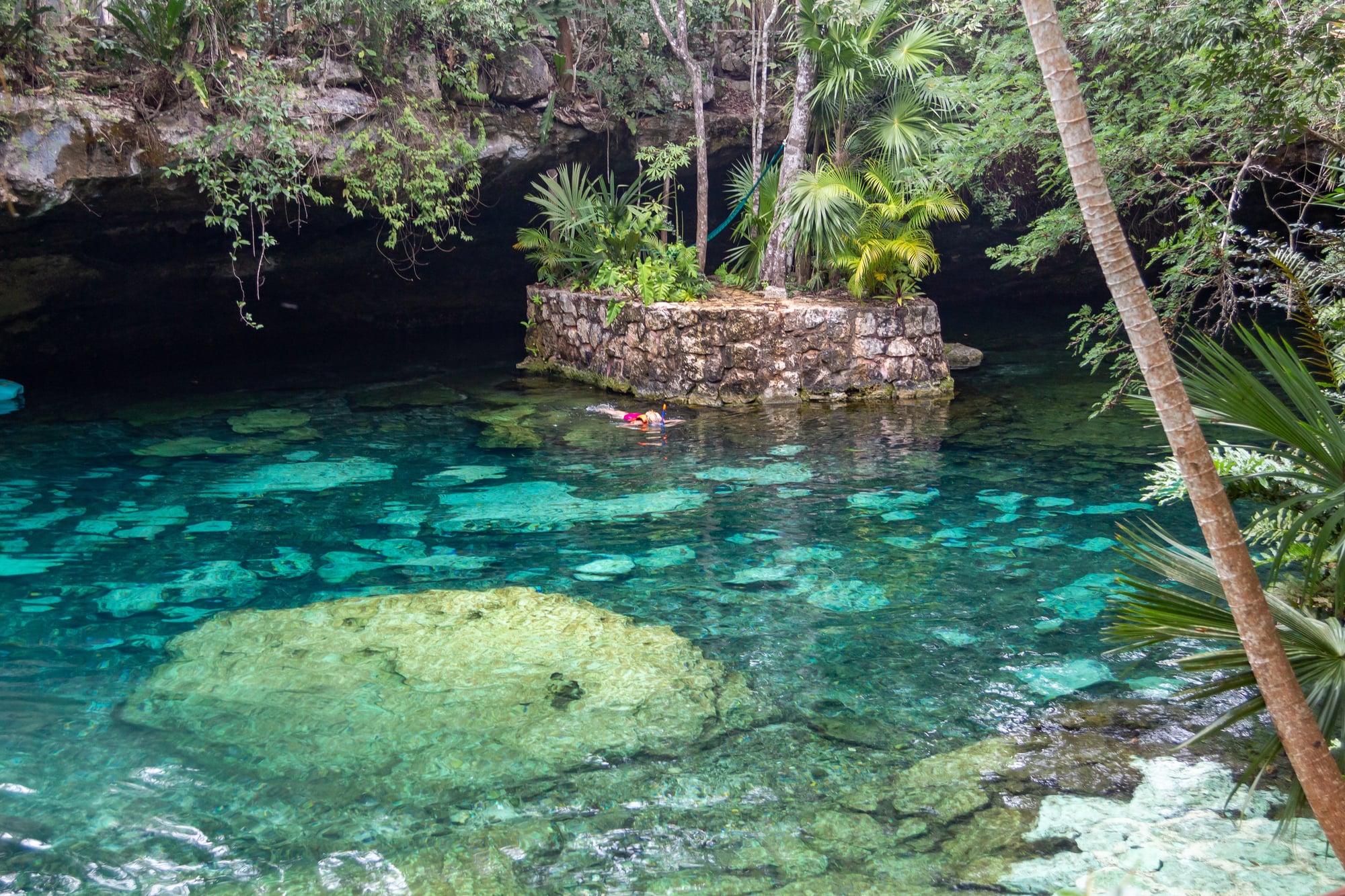
Beneath the surface of the Yucatan Peninsula’s cenotes (underwater caves), what appears to be a river flows along the cave floor, complete with trees and leaves along its banks. This underwater river in Cenote Angelita creates a surreal landscape where scuba divers can swim above what looks like a terrestrial stream.
The phenomenon occurs due to a layer of hydrogen sulfide that creates a distinct boundary between fresh and salt water. The denser salt water sinks to the bottom while the lighter fresh water floats above, creating a visible barrier that resembles a river surface.
Organic matter from the surface accumulates at this boundary, forming the underwater ‘riverbank’ scenery. This natural phenomenon demonstrates how different water densities can create unexpected underwater landscapes.
The Devil’s Kettle Falls
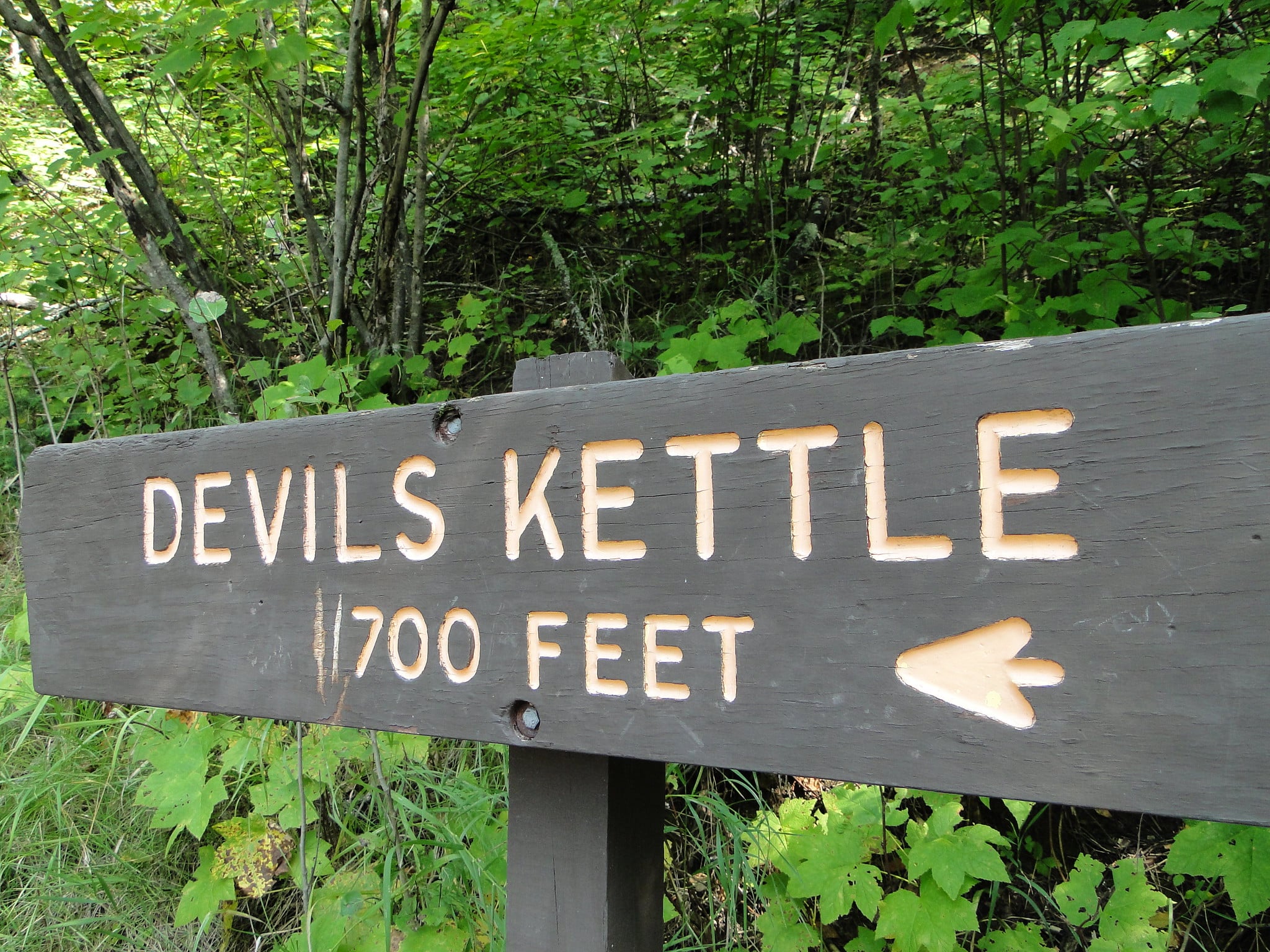
At Judge C.R. Magney State Park in Minnesota, the Brule River splits at a waterfall, with one side flowing normally into the river below while the other half disappears into a large pothole with no visible exit. Known as Devil’s Kettle, this geological feature has puzzled visitors and scientists for decades.
The missing water should emerge somewhere downstream, but despite extensive searches and dye tests, no one has found where it goes. Recent research suggests the water might travel through underground rock formations and rejoin the river much farther downstream than previously thought.
However, the exact path remains unknown, and the volume of water that disappears still doesn’t fully account for what should be flowing through the system. This mystery combines geology, hydrology, and physics in ways that continue to challenge researchers.
The Skeleton Coast
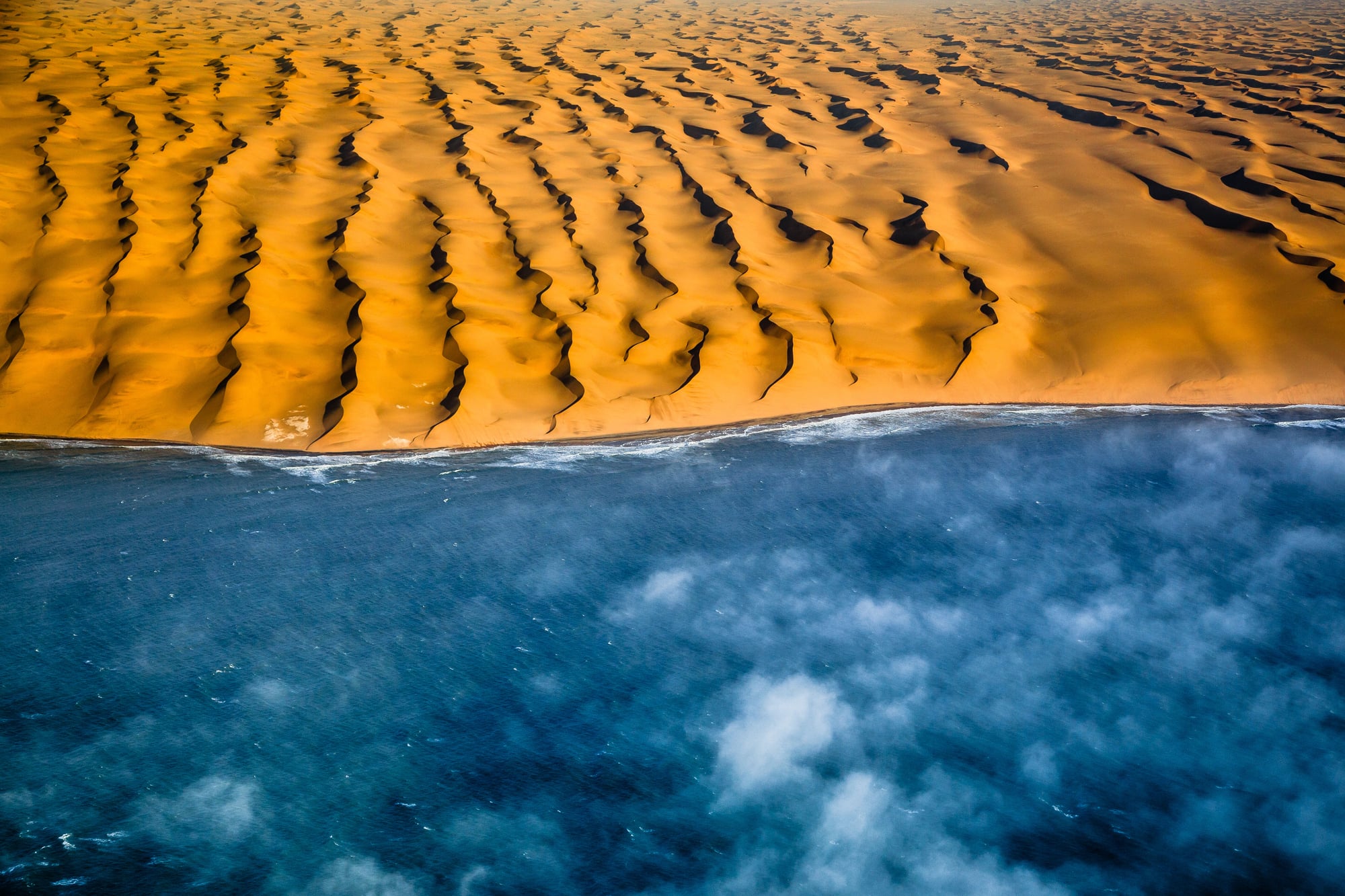
Namibia’s Skeleton Coast earned its ominous name from the countless shipwrecks scattered along its shores and the bleached whale bones that dot its beaches. This stretch of coastline experiences some of the most extreme weather conditions on Earth, where the hot Namib Desert meets the cold Atlantic Ocean.
The collision of these contrasting environments creates dense fog banks that can persist for days and unpredictable currents that have claimed hundreds of vessels. The coast’s unusual ecosystem supports species found nowhere else, including desert-adapted elephants and lions that have learned to survive in this harsh environment.
The area’s microclimate allows some plants to extract moisture directly from fog, creating isolated patches of vegetation in an otherwise barren landscape. Scientists continue to study how life adapts to such extreme conditions.
The Underwater Crop Circles
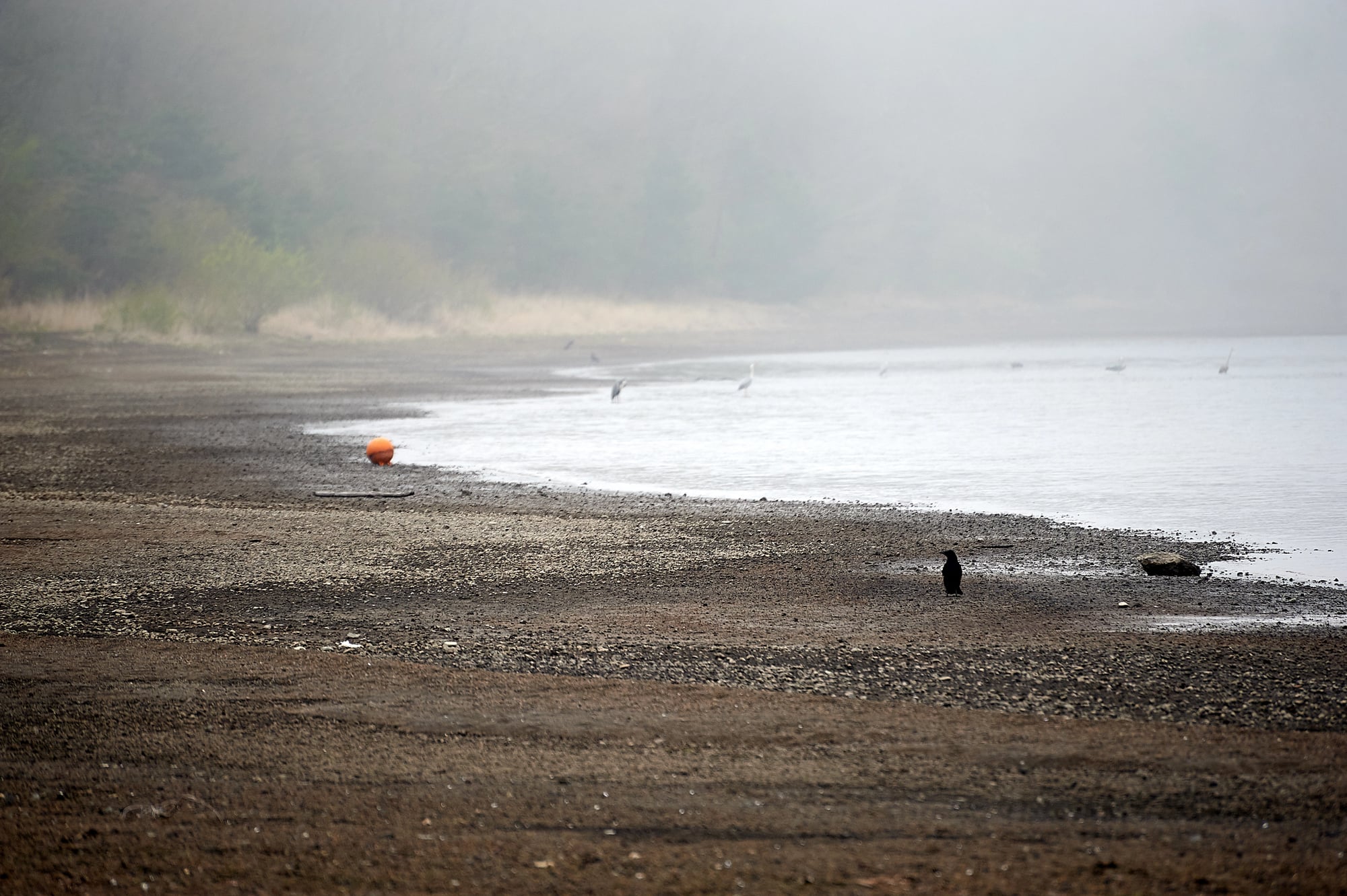
Off the coast of Japan, divers discovered intricate circular patterns carved into the seafloor that resembled crop circles. These geometric designs, measuring about six feet in diameter, featured perfectly symmetrical ridges and valleys that seemed too precise to be natural.
The discovery puzzled marine biologists until they observed the artist at work: a small pufferfish creating these elaborate structures as part of its mating ritual. The male pufferfish spends days carefully sculpting these patterns by swimming in precise circles and manipulating sand with its fins.
The geometric precision of these underwater artworks rivals anything humans might create, demonstrating sophisticated behavioral abilities in a species previously thought to be relatively simple. This discovery has led scientists to reconsider the cognitive abilities of fish and the complexity of their social behaviors.
The Marfa Lights

In the desert near Marfa, Texas, mysterious lights have been appearing on the horizon for over a century, dancing and flickering in patterns that defy easy explanation. These lights, visible from a designated viewing area along Highway 90, appear as bright orbs that move erratically across the landscape, sometimes splitting into multiple lights or changing colors.
Local legends and eyewitness accounts describe the lights as everything from ghost stories to extraterrestrial visitors. Scientific investigations have attributed some sightings to car headlights and atmospheric refraction, but many observations don’t fit these explanations.
The lights appear in areas with no roads, move in ways inconsistent with vehicles, and have been reported since before automobiles existed in the region. Researchers continue to monitor the phenomenon, but the lights’ irregular appearance makes a systematic study challenging.
When Earth Keeps Its Secrets
These geographic mysteries remind us that our planet still holds countless secrets despite centuries of scientific advancement. Each unexplained phenomenon represents a gap in our understanding of Earth’s complex systems, from atmospheric physics to geological processes to biological adaptation.
While some mysteries may eventually yield to technological progress and scientific investigation, others might remain unsolved for generations to come. The persistence of these enigmas doesn’t diminish our scientific achievements but rather highlights the incredible complexity of natural systems and the humbling reality that Earth continues to surprise us.
They serve as reminders that exploration and discovery remain as relevant today as they were when the first humans looked up at the stars and wondered what lay beyond the horizon.
More from Go2Tutors!

- The Romanov Crown Jewels and Their Tragic Fate
- 13 Historical Mysteries That Science Still Can’t Solve
- Famous Hoaxes That Fooled the World for Years
- 15 Child Stars with Tragic Adult Lives
- 16 Famous Jewelry Pieces in History
Like Go2Tutors’s content? Follow us on MSN.