Overpriced Things People Still Spend Money On
Money makes strange things happen to people’s brains. Something about handing over cash triggers justifications that wouldn’t survive five minutes of clear thinking.
The price tag climbs higher, yet the wallet opens wider, and suddenly spending $8 on a small coffee feels completely normal. Logic takes a vacation while the credit card does overtime.
These purchases happen every single day across the country. Millions of people know they’re overpaying but do it anyway, sometimes with a sheepish grin and sometimes with genuine conviction that this particular overpriced item is totally worth it.
Bottled water

Tap water flows freely in most American homes, yet people spend billions annually on plastic bottles filled with the same stuff. The markup on bottled water makes drug dealers look reasonable by comparison.
A gallon of tap water costs fractions of a penny, while bottled versions can run several dollars for the same amount. Blind taste tests consistently show most people can’t tell the difference between tap and bottled, yet the bottles keep flying off shelves.
The environmental cost adds another layer of waste, with millions of plastic bottles ending up in landfills and oceans, but convenience apparently trumps both wallet and planet.
Movie theater popcorn

A bag of kernels costs about $3 and makes enough popcorn to feed a family for a week. Theaters charge $10 or more for a medium bucket that costs them roughly 50 cents to produce.
The butter-flavored topping isn’t even real butter, just flavored oil that costs pennies per gallon. Yet people line up before every showing, fully aware they’re getting fleeced, because watching a movie without overpriced snacks feels wrong somehow.
The smell pumped through theater ventilation systems does its job perfectly, turning reasonable adults into impulse buyers who spend more on snacks than the actual ticket.
Designer coffee drinks

Coffee beans, milk, and ice shouldn’t cost $7, but fancy coffee shops convinced everyone that complicated names and Instagram-worthy presentations justify extreme markups. A basic drip coffee takes seconds to make and costs the shop about 20 cents, yet sells for $4 or $5.
Add some flavored syrup, whipped cream, and a sprinkle of cinnamon, and suddenly it’s a $8 ‘handcrafted beverage’ that took 90 seconds to assemble. Making the same drink at home would cost less than a dollar, but the cafe atmosphere and the feeling of treating yourself keeps people coming back daily, spending enough each month to cover a car payment.
Greeting cards

Folded cardstock with a printed message inside costs $6 to $8 at most stores, despite costing perhaps 30 cents to manufacture. The entire greeting card industry thrives on guilt and social obligation.
People know they’re massively overpaying for something the recipient will look at for 10 seconds before tossing in a drawer, yet skipping the card feels cheap or thoughtless. Dollar stores sell similar cards for a fraction of the price, and making cards at home costs even less, but perceived effort and the ‘nice’ card aisle keep premium prices intact.
The words inside usually don’t even fit the specific situation, requiring people to add their own message anyway, making the whole purchase somewhat pointless beyond fulfilling tradition.
Printer ink

Printer manufacturers practically give away machines, then make their real money selling ink cartridges that cost more than buying a new printer. A set of replacement ink cartridges can run $60 to $100, yet contains only a few milliliters of colored liquid.
By volume, printer ink costs more than vintage champagne or human blood. The chips inside cartridges prevent refilling or using third-party alternatives, forcing consumers into an endless expensive cycle.
Companies design printers to claim cartridges are empty when plenty of ink remains, and some printers refuse to print black-and-white documents if the color cartridge runs low, even though color ink isn’t needed.
Premium gas for regular cars
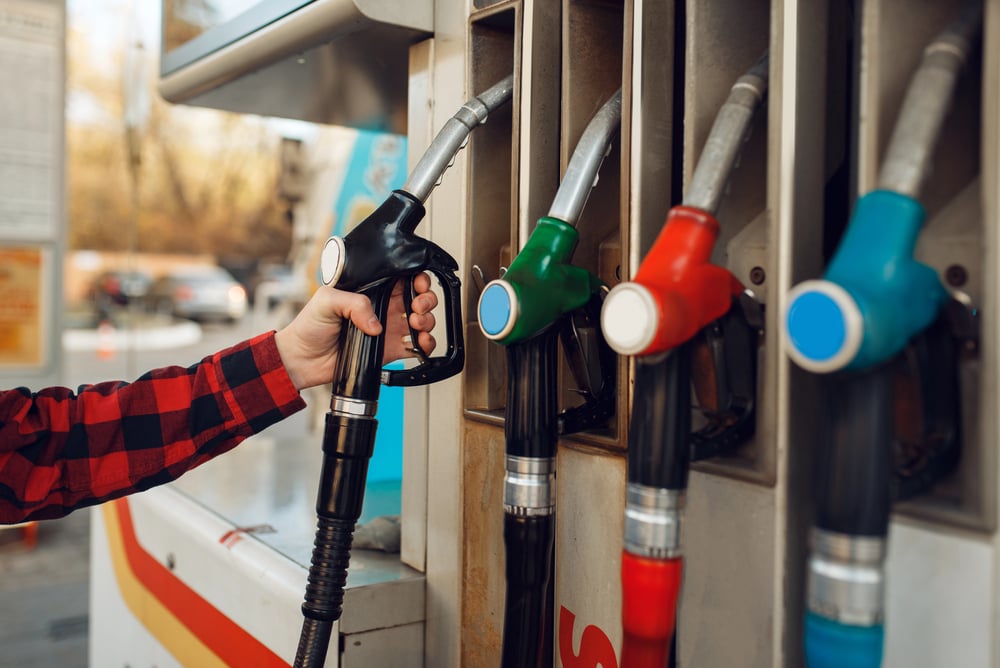
Most vehicles run perfectly fine on regular unleaded gas, yet many drivers insist on using premium despite their owner’s manual saying otherwise. Premium gas costs 50 to 70 cents more per gallon, adding up to hundreds of extra dollars annually for zero benefit.
Unless a car specifically requires premium fuel (which most don’t), using it provides no extra power, better mileage, or engine protection. The ‘premium’ name creates an illusion of quality that overrides actual mechanical needs.
Gas stations love this misconception, as premium fuel often carries higher profit margins while costing them only slightly more than regular.
Brand name medications

Generic medications contain identical active ingredients to name brands, pass the same FDA standards, and work exactly the same way, yet cost a fraction of the price. A bottle of brand name ibuprofen might cost $12 while the generic version sits right next to it for $3.
People pay extra for familiar packaging and advertising they’ve seen on TV, despite pharmacists and doctors confirming generics are equivalent. The price difference becomes even more dramatic with prescription medications, where brand names can cost 10 times more than generics.
Some folks genuinely believe the name brand works better, even though chemistry doesn’t care about marketing budgets.
Airport food and drinks

Captive audiences make perfect targets for price gouging, and airports took that lesson to heart. A bottle of water that costs $1.50 outside security suddenly becomes $5 once past the checkpoint.
Mediocre sandwiches run $15, and a basic breakfast can easily hit $20. The food quality rarely justifies these prices, often coming from the same suppliers as cheaper outside options.
Airports defend high prices by citing expensive rent and operating costs, but passengers are stuck unless they want to fly hungry. Smart travelers eat before security or pack snacks, but many still pay inflated prices out of necessity or poor planning.
Extended warranties
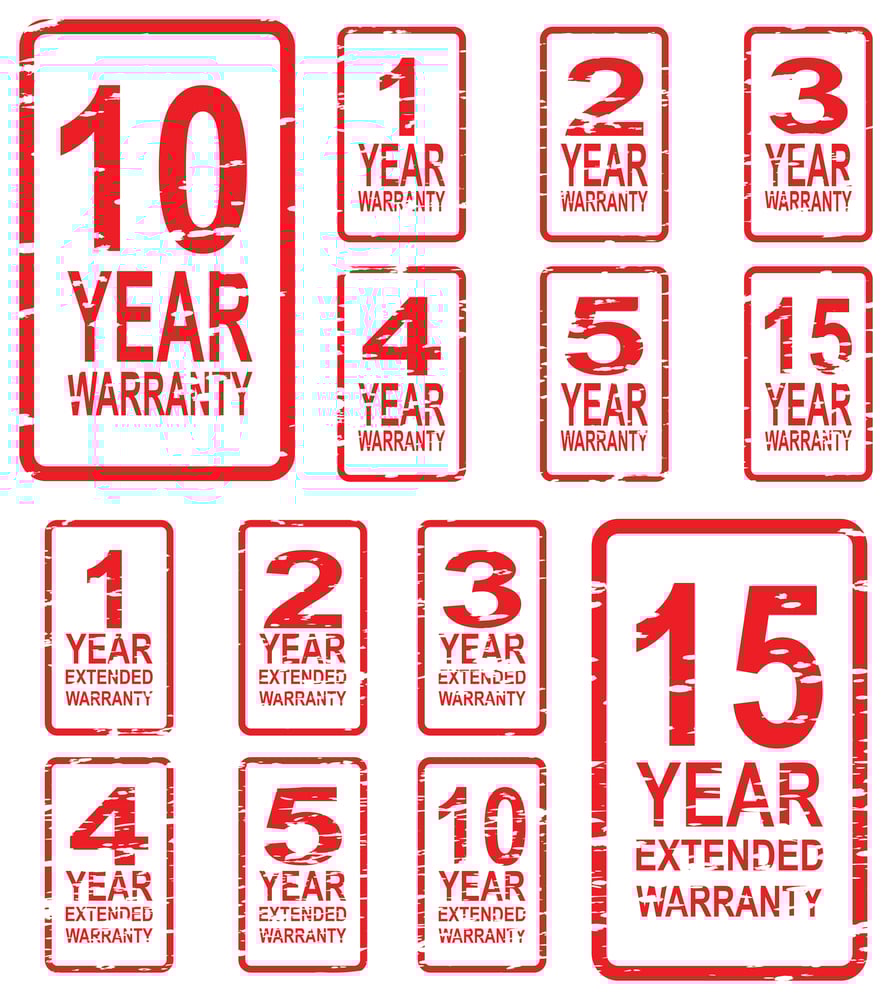
Retailers push extended warranties hard because they’re incredibly profitable, with most consumers never using them. The math rarely works in the buyer’s favor, as warranty costs often approach half the product’s price.
Most electronics either fail quickly (covered by manufacturer warranty) or last well beyond the extended warranty period. Store employees earn commissions on warranty sales, creating incentive to oversell protection plans for items that rarely break.
The terms and conditions often contain so many exclusions that making a successful claim becomes difficult. Consumer Reports consistently advises against extended warranties, yet stores sell billions in coverage annually.
Pre-cut produce
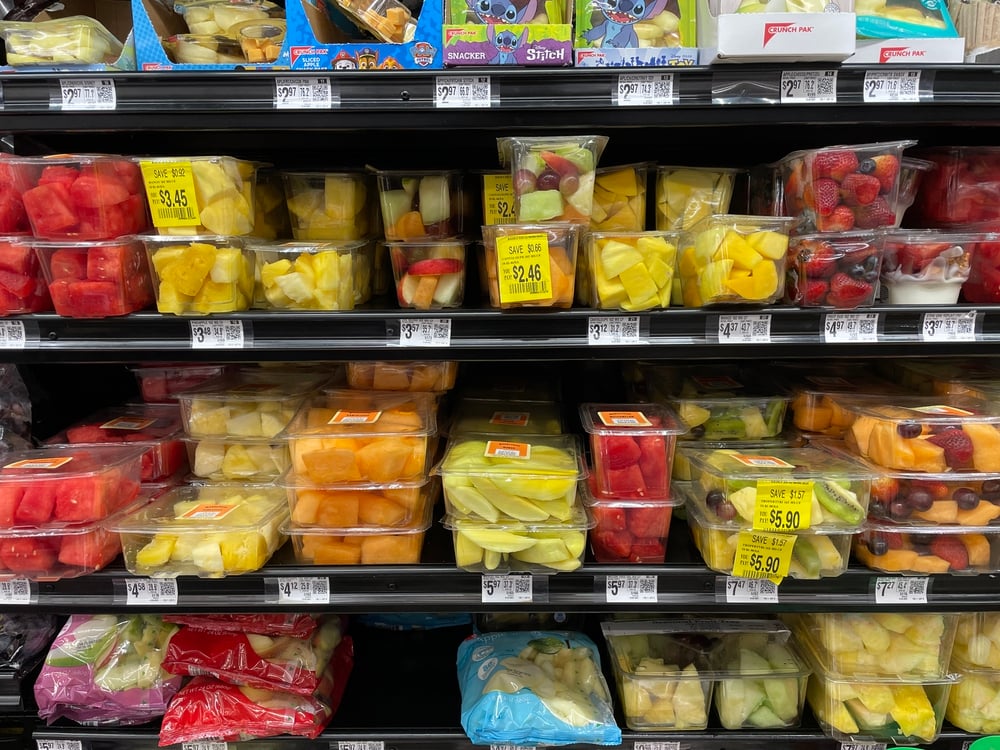
Grocery stores charge double or triple for vegetables and fruits someone else chopped up. A whole watermelon costs $5, while pre-cut chunks of the same melon run $8 for half the amount.
The convenience of avoiding 3 minutes of knife work apparently justifies massive markups. Pre-cut produce also spoils faster since cutting exposes more surface area to air and bacteria, meaning customers pay more for something that lasts less time.
A bag of whole carrots costs $2 while baby carrots (just regular carrots cut small) cost $4. The labor involved takes seconds, yet doubles the price, and people buy pre-cut options in huge quantities despite the obvious waste of money.
Diamonds

The diamond industry built an empire on brilliant marketing rather than actual scarcity. Diamonds aren’t particularly rare, but companies control supply carefully to maintain artificially high prices.
A diamond ring loses half its value the moment someone walks out of the store, making it one of the worst investments possible. The entire engagement ring tradition, including the ‘two months salary’ guideline, came from advertising campaigns in the 1930s and 1940s.
Lab-created diamonds are chemically identical to mined ones, cost far less, and avoid ethical issues around mining, yet natural diamonds still command premium prices based purely on perception. Resale markets for diamonds are terrible, proving their inflated retail prices don’t reflect true value.
Luxury handbags

A leather bag costing $50 to manufacture sells for $3,000 because of a logo and brand prestige. The materials aren’t dramatically different from more affordable bags, and functionality remains identical.
Designer brands create artificial scarcity through limited releases and carefully controlled distribution. People buy these bags as status symbols, willing to pay extreme premiums to signal wealth or fashion awareness.
The markup percentages on luxury handbags exceed almost every other consumer product category. Some folks justify purchases by claiming bags are investments, but most designer bags depreciate significantly unless they’re extremely rare styles that might appreciate over decades.
Weddings

The average American wedding costs over $30,000, yet marriage success rates show no correlation with ceremony expenses. Vendors quote higher prices once they hear the word ‘wedding’ compared to identical services for regular parties.
Flowers, photography, venues, and catering all carry wedding premiums despite being the same product. The emotional nature of weddings makes couples vulnerable to overspending, feeling pressure to create a ‘perfect day’ regardless of cost.
Many couples start married life deep in debt from a single party that lasts a few hours. Smaller, simpler weddings can be just as meaningful while costing a fraction, but social expectations and family pressure often override financial sense.
Fancy water in eateries

Restaurants sell sparkling water for $8 to $12 a bottle – costs them roughly a buck – or swap in pricey imports that taste no different than local ones at half the price. Profit? Huge, especially compared to slim returns on meals.
Tap water’s free, sure, yet seems basic even though it’s safe to drink almost everywhere in the U.S. Fancy spots sometimes hire “water experts” who seriously explain tiny taste differences in what’s basically just clear liquid.
It works because people believe more costly means better, even when there’s zero proof behind the splash.
Hotel minibars

A candy bar priced at $1.50 in a gas station jumps to $6 inside a hotel minibar; meanwhile, a tiny vodka bottle goes from $2 in shops to $15 behind closed doors. Once you touch something, sensors tag your bill – no need to actually use it.
Staying put seems worth triple or even five times the cost – for some folks anyway. A Coke can, costing hotels roughly 40 cents, gets marked up straight past $5.
Wise tourists grab snacks from a local shop first – and end up paying for an extra dinner later. Lodging spots charge high prices inside their mini-fridges, banking on tired visitors who’d rather skip thinking about cost, particularly if work covers the bill.
Brand name HDMI cables

Electronics shops charge between fifty and a hundred bucks for HDMI cords – same ones you can get online for five dollars. Either the signal works fine or it fails completely; pricey wires won’t give sharper images.
Store workers insist pricier options are superior because of thicker insulation, shiny gold tips, yet none of this actually helps at home. Companies like Monster Cable got big by making folks think fancy cables boost their TV experience.
The price tag on these cords often jumps over 1,000%, so they’re some of the biggest moneymakers in tech shops. Still, tons of real-world checks show budget ones perform the same – yet sellers keep pushing pricier picks to folks unaware.
Workout supplements
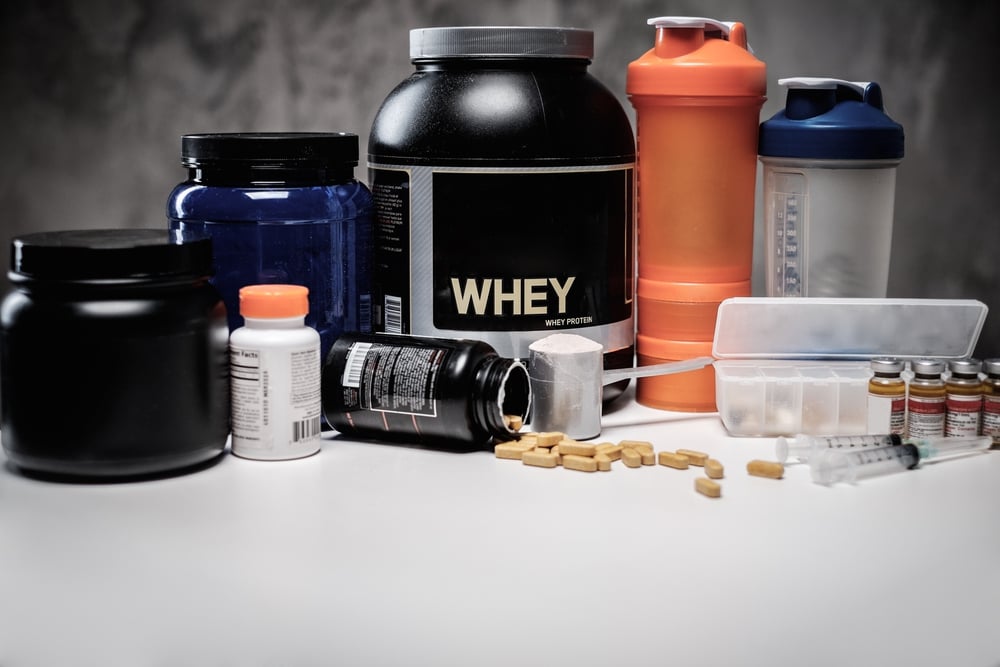
The fitness supplement world pushes powders, pills, and shakes at sky-high prices – barely watched by regulators. A tub of protein labeled $60 might hold just $8 of actual whey; everything else? Overhead plus ad spending.
Stuff like pre-workout blends caffeine with B vitamins along with amino acids, turning basic ingredients into $40 bottles offering what black coffee and good food already do. Since the FDA treats these differently than medicines, brands can hype results without real proof.
Research suggests nearly all these products add no real gain once you factor in solid eating habits. Bodybuilders who get cash to back certain items often push them hard online, fueling endless waves of excitement about pills and powders that usually flop in real use.
Instead, regular groceries deliver those same vitamins and minerals at a lower cost – plus your body soaks them up more easily.
The truth about how money gets used
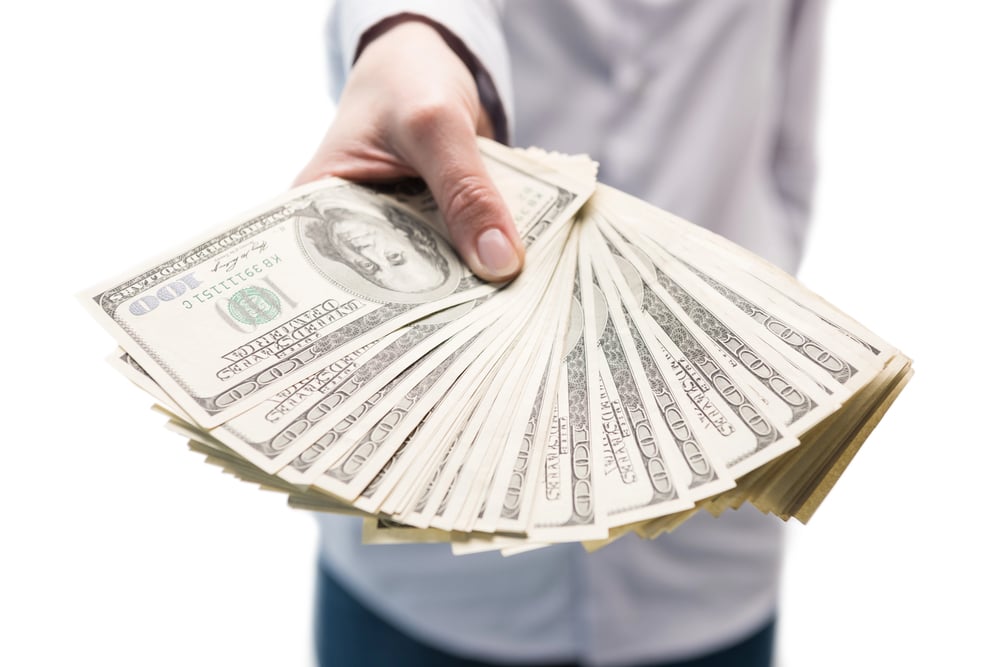
People still buy pricey stuff ’cause emotions often beat reason. Comfort counts, peer vibes play a role, while some folks simply crave small joys – no math needed.
Sellers get what pushes buttons; buyers don’t always see why they spend. Ads shape how valuable something feels, ditching real utility, meanwhile routine grows from random indulgences gone repeat.
Everyone doesn’t have to grab expensive stuff nonstop, yet little splurges now and then add flavor – despite what logic says. Staying alert matters more than being flawless, noticing impulse buys as they happen while weighing if the joy’s worth the price
More from Go2Tutors!

- The Romanov Crown Jewels and Their Tragic Fate
- 13 Historical Mysteries That Science Still Can’t Solve
- Famous Hoaxes That Fooled the World for Years
- 15 Child Stars with Tragic Adult Lives
- 16 Famous Jewelry Pieces in History
Like Go2Tutors’s content? Follow us on MSN.