17 Historic Military Bases Around the World
Throughout history, military bases have served as silent witnesses to humanity’s greatest conflicts and turning points. From ancient Roman fortifications to Cold War strongholds, these strategic outposts shaped nations and decided the fate of empires. Here’s a list of seventeen historic military bases that left their mark on world history.
Fort Knox
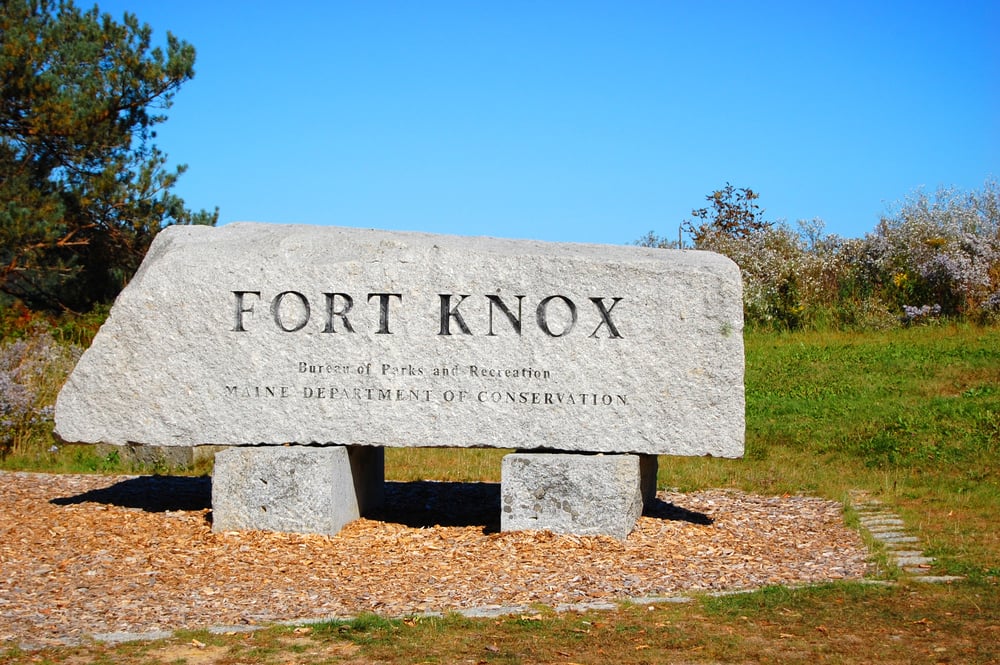
The gold vault gets all the attention, but Fort Knox started as a frontier military post in 1918. Located in Kentucky, this sprawling installation trained millions of soldiers during both world wars. Tank crews practiced maneuvers across its rolling hills while the sound of artillery echoed through the countryside.
The base housed German and Italian prisoners of war during World War II. Today, it remains one of America’s most secure military installations.
Gibraltar

Britain’s “Rock” controlled the Mediterranean gateway for over three centuries. This limestone fortress withstood fourteen sieges, including the Great Siege that lasted nearly four years. Spanish and French forces threw everything they had at Gibraltar’s defenses.
And they failed every time. The base’s strategic position made it practically invincible, earning it the nickname “the key to the Mediterranean.”
Sevastopol
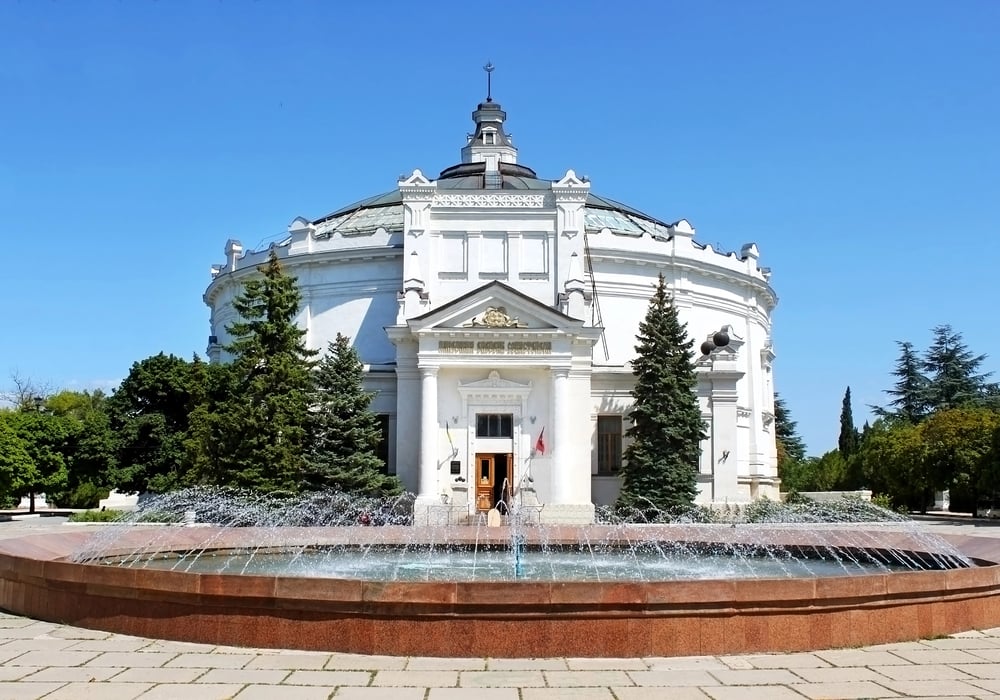
Russia’s Black Sea naval fortress endured two of history’s most brutal sieges. The Crimean War siege lasted eleven months and claimed hundreds of thousands of lives. But the World War II siege was worse. Much worse.
German forces surrounded the city for 250 days. Soviet defenders held underground positions carved from solid rock while the city above turned to rubble.
Pearl Harbor
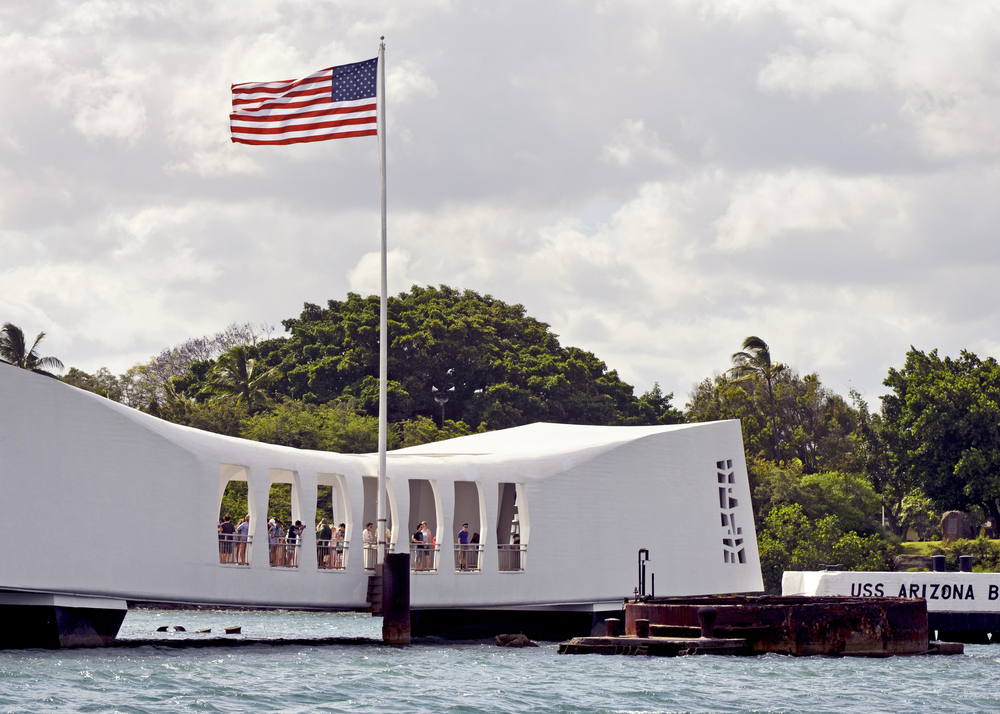
December 7, 1941 changed everything for this Hawaiian naval base. Before the surprise attack, Pearl Harbor served as America’s Pacific fleet headquarters in relative peacetime. The morning assault sank four battleships and killed over 2,400 personnel.
The base’s dry docks and repair facilities proved crucial for the Pacific war effort. Ships damaged in battles across the Pacific limped back to Pearl Harbor for repairs and refitting.
Maginot Line
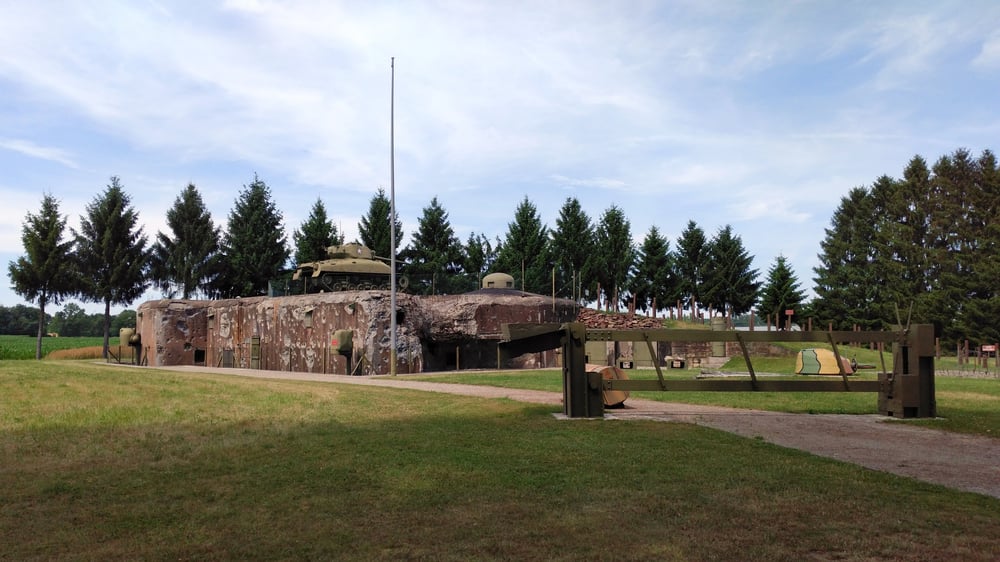
— Photo by neymanjr
France built this elaborate defensive system to prevent another German invasion. The line stretched 280 miles along the German border and included:
- Underground railways connecting fortifications
- Self-sufficient bunkers with their own power plants
- Anti-tank obstacles and artillery positions
- Living quarters for thousands of soldiers
Still, German forces simply went around it through Belgium. The most expensive defensive project in history became irrelevant in days.
Hadrian’s Wall

Roman Emperor Hadrian ordered this 73-mile barrier built across northern England in 122 AD. Sixteen major forts anchored the wall’s defenses, housing around 9,000 soldiers from across the empire. These troops came from modern-day Germany, Spain, and even Syria.
The wall marked the northern frontier of Roman civilization for nearly 300 years. Local farmers later used its stones to build houses and field walls.
Verdun
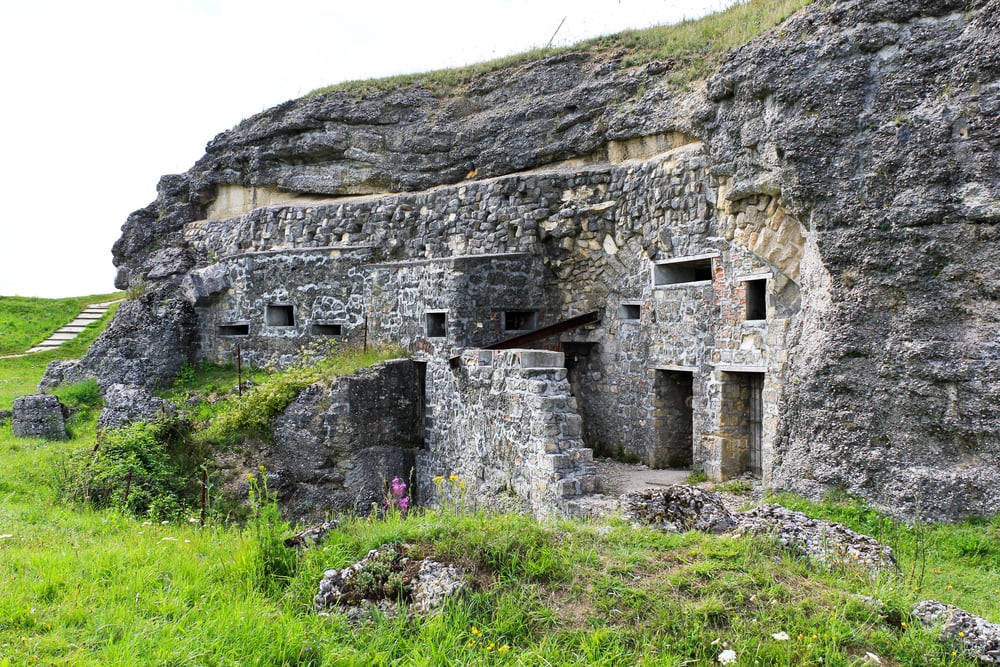
This French fortress city became synonymous with World War I’s brutal stalemate warfare. The Battle of Verdun lasted 302 days and consumed over 700,000 casualties from both sides. Underground galleries carved into the hills sheltered thousands of soldiers.
The citadel’s bakery produced 28,000 loaves daily during the siege. French forces nicknamed the supply route to Verdun “the Sacred Way.”
Guantanamo Bay
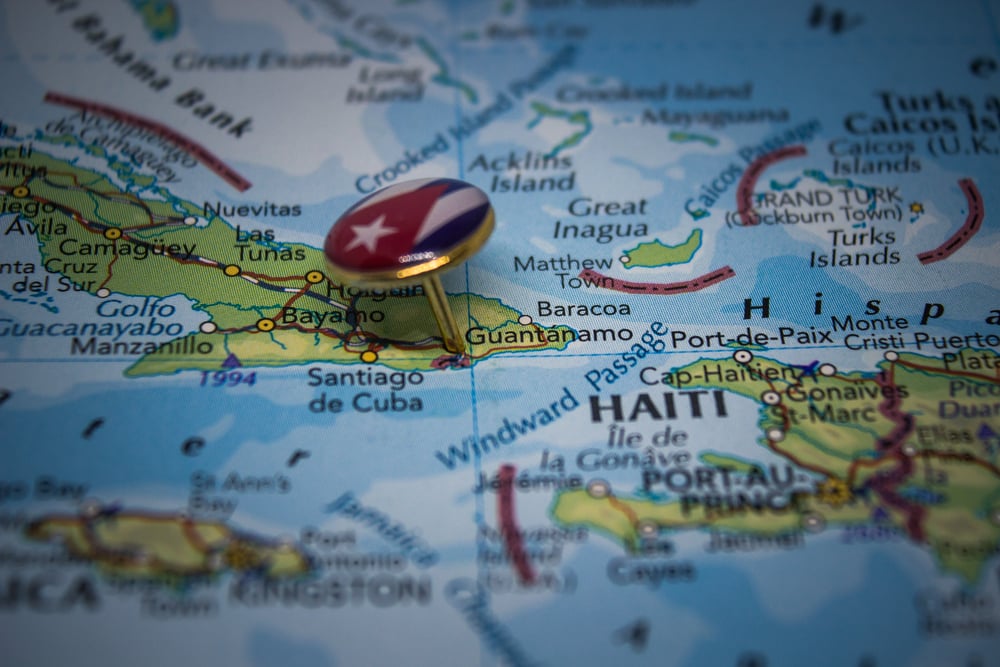
America’s oldest overseas naval base sits on Cuban soil through a lease agreement dating to 1903. The base survived the Cuban Revolution, the missile crisis, and decades of hostile relations between the two nations. Castro reportedly refused to cash the annual lease checks as a form of protest.
The facility covers 45 square miles of tropical coastline. Despite political tensions, both sides have generally respected the base’s boundaries.
Malta
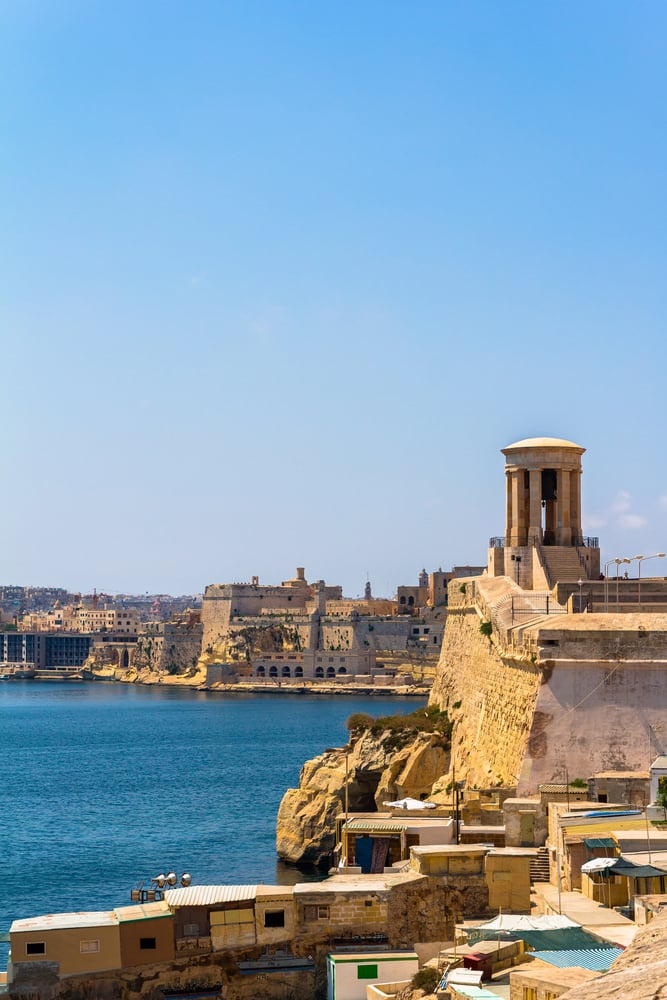
Britain’s Mediterranean stronghold earned the entire island a collective George Cross during World War II. The base endured over 3,000 air raids while serving as a crucial supply hub for Allied operations in North Africa. Submarines operating from Malta’s harbors sank countless Axis supply ships.
Food shortages became so severe that residents survived on 1,500 calories per day. But Malta never surrendered.
Singapore Naval Base

Britain spent twenty years and enormous sums building this “Gibraltar of the East” in the 1920s and 1930s. The base featured the world’s largest dry dock and could service the entire Royal Navy fleet. Its massive guns pointed seaward to defend against naval attack.
But Japanese forces attacked overland through the jungle instead. The base fell in 1942 after just one week of fighting.
Dien Bien Phu
— Photo by taneso99o
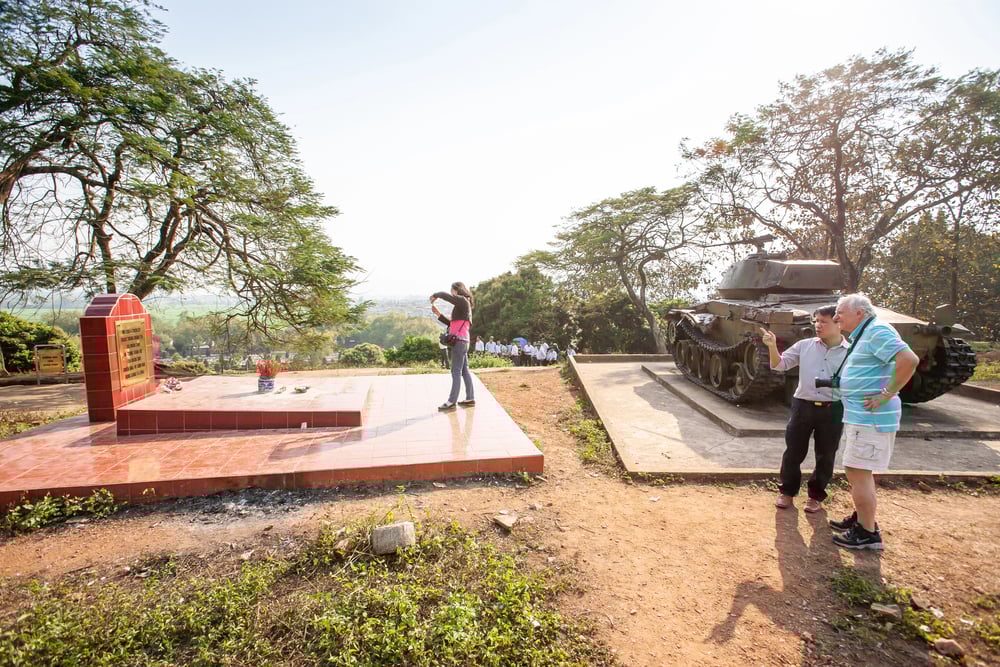
This remote valley in northern Vietnam became France’s final stand in Indochina. French paratroopers established a fortified base to cut off Viet Minh supply lines. The strategy backfired spectacularly when Vietnamese forces surrounded the valley with artillery.
The 57-day siege ended with France’s surrender and withdrawal from Vietnam. American military advisors watched the battle closely and learned important lessons they would later ignore.
Alamein
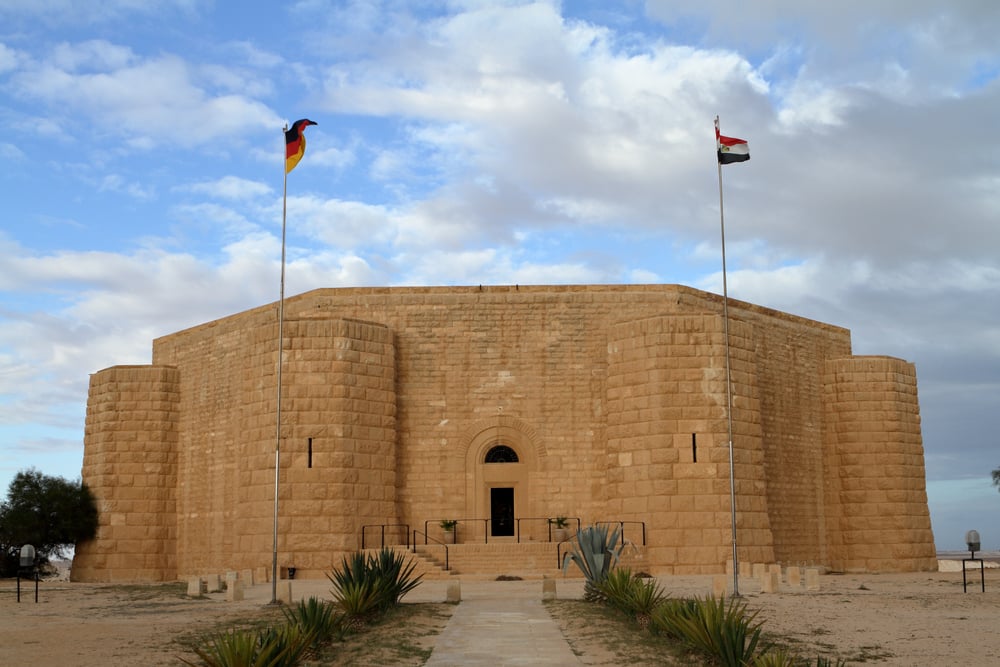
British forces used this Egyptian railway station as an anchor point for their desert defense line. The position blocked German advances toward Cairo and the Suez Canal during World War II’s North African campaign. Tank battles raged across the surrounding desert for months.
Montgomery’s victory at El Alamein marked the beginning of Germany’s retreat from Africa. Churchill later wrote that before Alamein, Britain never had a victory.
Stalingrad

The city bearing Stalin’s name became the turning point of the Eastern Front. German forces controlled 90 percent of the urban area at one point, fighting room by room through factory districts and apartment buildings. Soviet defenders held narrow strips along the Volga River.
Winter changed everything. German supply lines stretched thin while Soviet reinforcements crossed the frozen river. The siege lasted 200 days and cost both sides over two million casualties.
Corregidor

This tiny island fortress guarded Manila Bay and the Philippines’ capital during World War II. American and Filipino forces held out for four months after the main islands fell to Japanese invasion. The garrison survived on half rations while enemy artillery pounded their positions daily.
General MacArthur escaped from Corregidor’s tunnels before the final surrender. The island’s fall marked America’s darkest hour in the Pacific.
Normandy Atlantic Wall
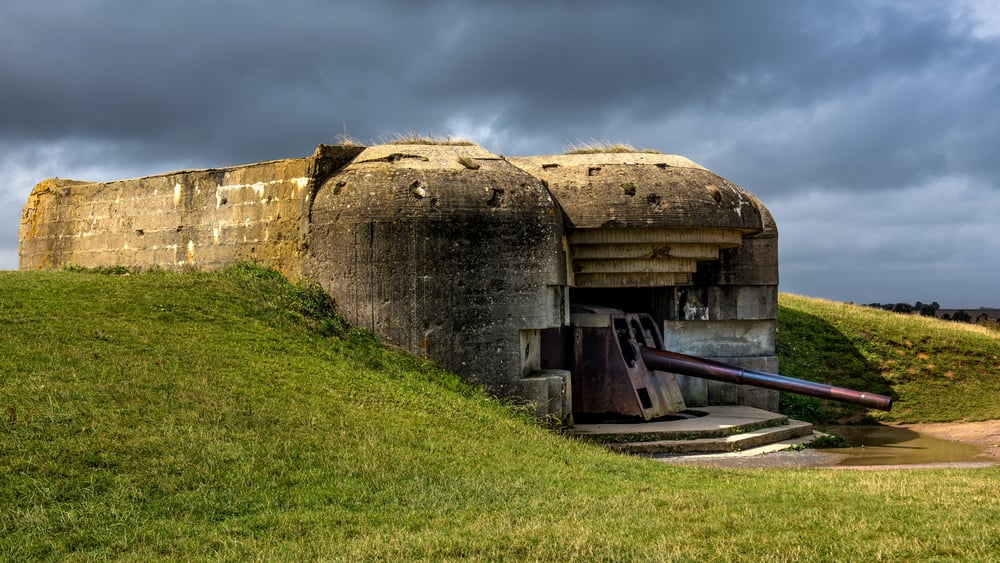
Hitler’s “impregnable” coastal defense system stretched from Norway to Spain’s border. German engineers built thousands of bunkers, gun emplacements, and obstacles along potential invasion beaches. The project consumed millions of tons of concrete and steel.
And it failed on the first day. Allied forces breached the Atlantic Wall at multiple points during the D-Day landings, proving that static defenses couldn’t stop determined attackers.
Leningrad

The Soviet Union’s second city endured history’s longest and deadliest siege during World War II. German forces surrounded Leningrad for 872 days, cutting off nearly all supplies to the city’s three million residents. Citizens survived on bread rations made from sawdust and glue.
Over one million people died from starvation and disease. But the city never surrendered, and its survival became a symbol of Soviet resistance.
Alcatraz
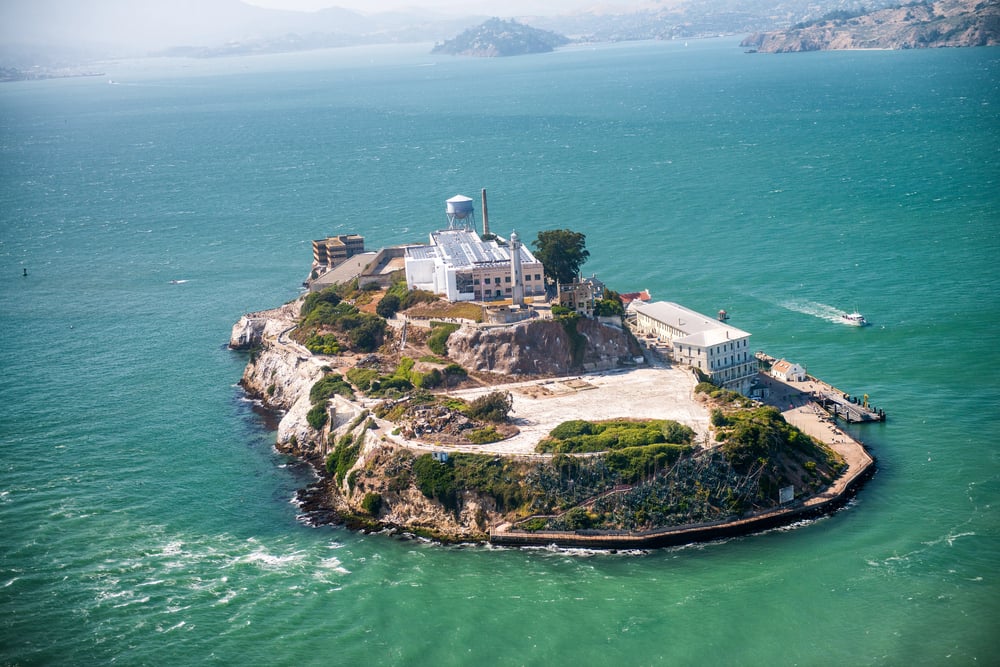
Before becoming America’s most famous prison, this San Francisco Bay island served as a military fortress for over 80 years. The first West Coast fortification, Alcatraz mounted heavy cannons to defend the bay during the Civil War era. No enemy ever attacked the fortress.
The military converted it to a disciplinary barracks for problem soldiers before transferring it to federal prison authorities. The island’s isolation made it perfect for holding the country’s most dangerous criminals.
Echoes of Strategic Power

These historic bases remind us that military strategy often comes down to geography and timing rather than just firepower and technology.
More from Go2Tutors!

- 16 Historical Figures Who Were Nothing Like You Think
- 12 Things Sold in the 80s That Are Now Illegal
- 15 VHS Tapes That Could Be Worth Thousands
- 17 Historical “What Ifs” That Would Have Changed Everything
- 18 TV Shows That Vanished Without a Finale
Like Go2Tutors’s content? Follow us on MSN.