17 Historical Women Whose Achievements Were Credited to Men
History has a way of airbrushing women out of their own stories. Discoveries that changed the world, inventions that shaped entire industries, and breakthroughs that saved countless lives — all attributed to male colleagues, husbands, or supervisors who happened to be in the room when recognition was handed out.
These women didn’t just contribute to their fields; they revolutionized them. Yet for decades, sometimes centuries, their names were footnotes while men received the accolades, the Nobel Prizes, and the place in textbooks.
The pattern repeats with stunning consistency across every field imaginable. Science, technology, literature, medicine — no discipline was immune to this systematic erasure. Some of these women saw their work published under male pseudonyms.
Others watched as their discoveries were presented by male colleagues at conferences they weren’t allowed to attend. Many toiled in laboratories where they couldn’t hold official positions, only to see their breakthroughs credited to the men who employed them.
Today, the record is slowly being set straight. These are their stories.
Rosalind Franklin
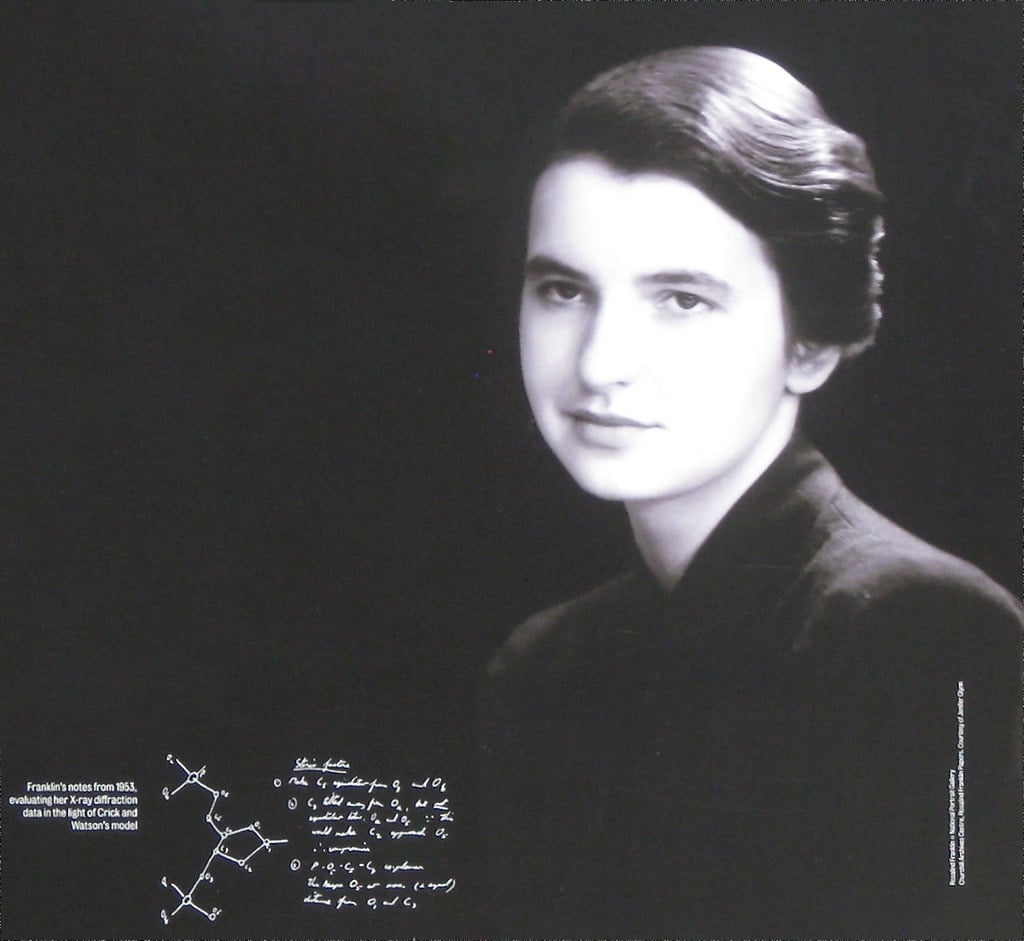
X-ray crystallography doesn’t lie. When Franklin captured Photo 51 — the image that revealed DNA’s helical structure — she had no idea her work would be shared without her knowledge, leading to one of science’s most famous discoveries credits going elsewhere.
Watson and Crick used her data to build their model of DNA. They won the Nobel Prize.
Franklin died of cancer at 37, four years before the award was announced.
Lise Meitner
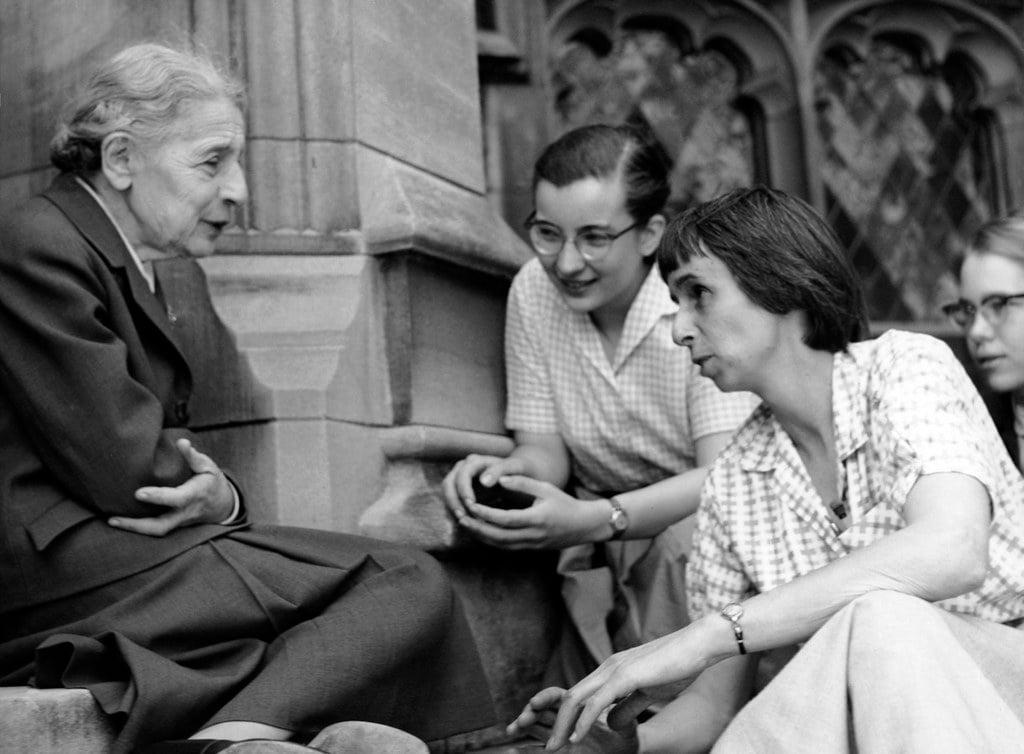
The discovery of nuclear fission should have made Meitner a household name. Instead, her research partner Otto Hahn received the 1944 Nobel Prize in Chemistry while her contributions were overlooked entirely (despite the fact that she had fled Nazi Germany and continued the theoretical work that explained what Hahn had observed in his lab, providing the crucial insight that made the discovery meaningful).
And here’s what makes it even more frustrating: Hahn himself admitted later that Meitner’s theoretical framework was essential to understanding the process — but the Nobel Committee had already moved on. So Meitner, who coined the term “nuclear fission” and explained the physics behind it, watched from the sidelines as her colleague became famous for work they had done together.
The irony is almost unbearable: her insights eventually led to both nuclear power and nuclear weapons, reshaping the entire 20th century, yet most people have never heard her name.
Element 109 was eventually named meitnerium in her honor. Better late than never.
Katherine Johnson
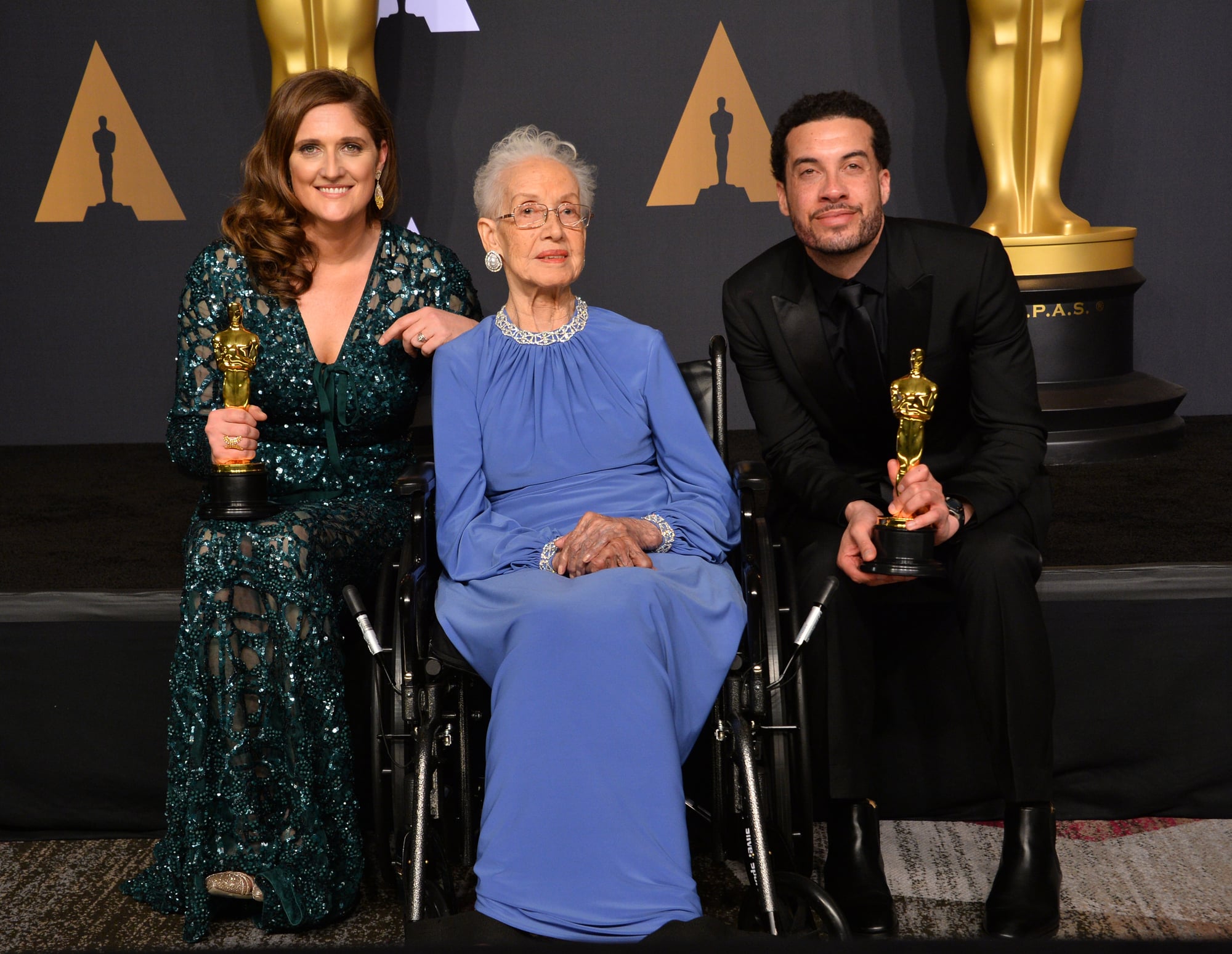
Numbers don’t care about your gender, but NASA apparently did. Johnson calculated the trajectories for the Mercury and Apollo missions — the math that got Americans to the moon and back safely.
Yet for decades, her work remained largely unrecognized while the astronauts and mission directors became household names. John Glenn specifically requested that Johnson double-check the computer calculations for his orbital mission.
“If she says the numbers are good,” he said, “I’m ready to go.” The first American to orbit Earth trusted her math more than the machines.
Johnson worked at NASA for 33 years. She didn’t receive widespread recognition until she was in her 90s.
Chien-Shiung Wu
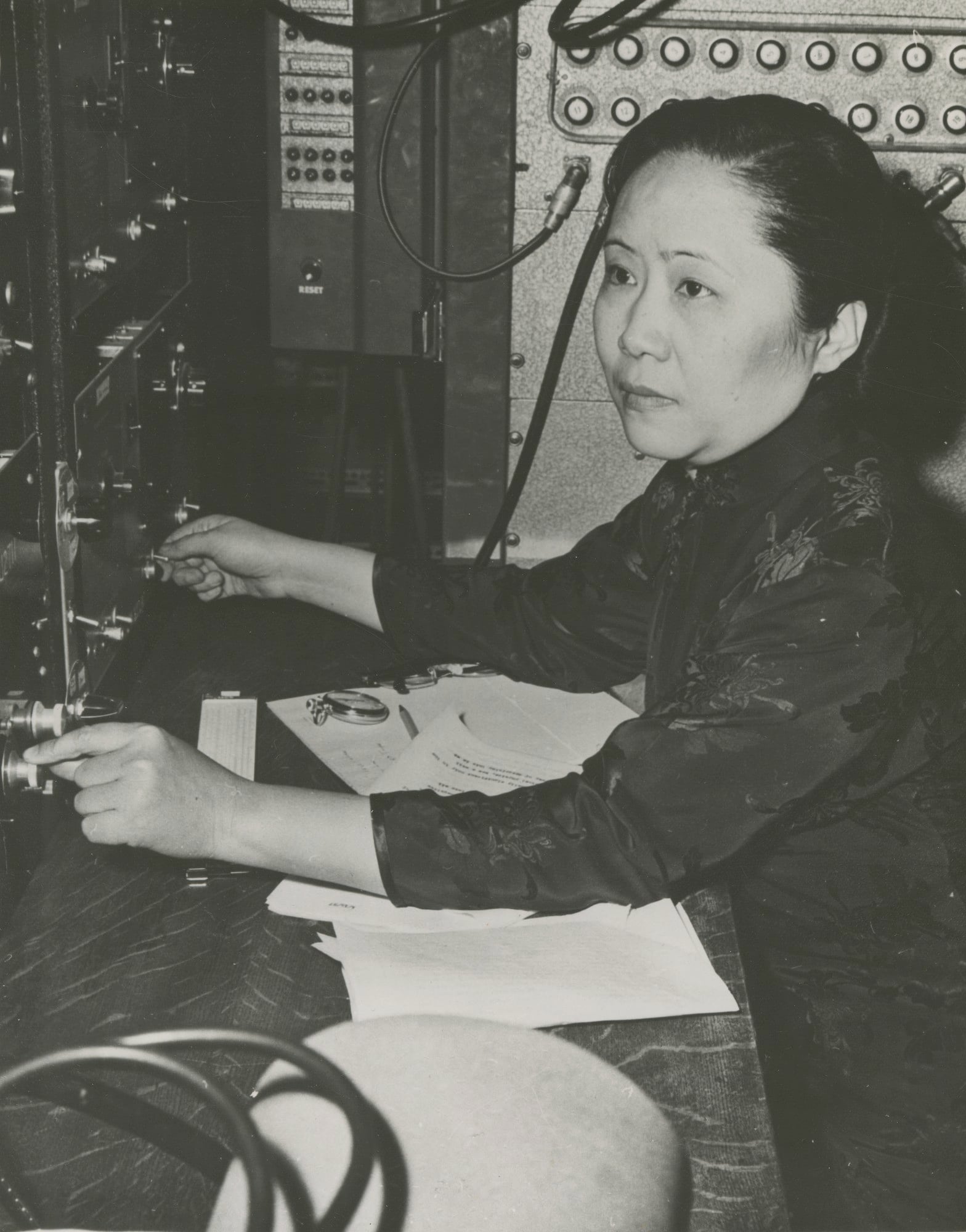
Picture this: you design and execute one of the most elegant physics experiments of the 20th century, working through Christmas in a laboratory so cold you can see your breath, proving that one of the fundamental assumptions about the universe (that nature doesn’t distinguish between left and right, a principle called parity conservation) is completely wrong.
Your experiment shatters a basic law of physics that everyone took for granted. And then (because science conferences don’t typically schedule themselves around lab work, and certainly not around the schedules of women who aren’t invited to present anyway), you watch as your male colleagues present your findings, win the Nobel Prize, and accept congratulations for overturning the laws of physics — without your name attached.
That’s exactly what happened to Wu. Her experiment on weak nuclear force was groundbreaking.
The Nobel Committee gave the 1957 Physics Prize to her theoretical collaborators.
Jocelyn Bell Burnell
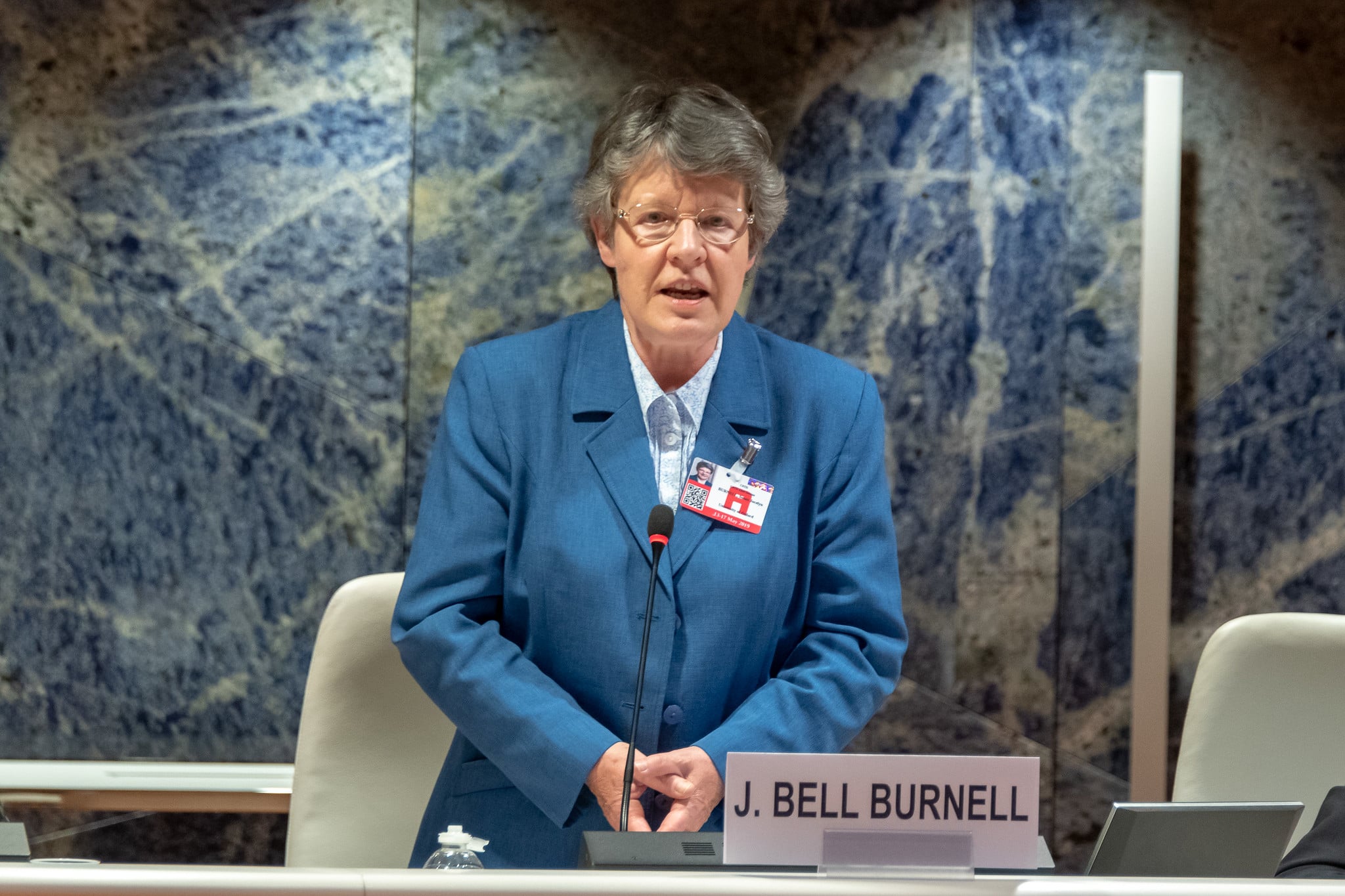
Pulsars — those rotating neutron stars that emit regular pulses of radiation — were first detected by Bell Burnell as a graduate student. She noticed an unusual signal in radio telescope data that her supervisor initially dismissed as interference.
But Bell Burnell kept investigating, eventually discovering that these signals were coming from space. Her supervisor, Antony Hewish, won the 1974 Nobel Prize in Physics for the discovery.
Bell Burnell wasn’t included.
The astronomy community was outraged. Bell Burnell handled it with characteristic grace, later saying that prizes are usually given to senior researchers anyway.
She continued her work and eventually became one of the most respected astronomers of her generation.
Alice B.
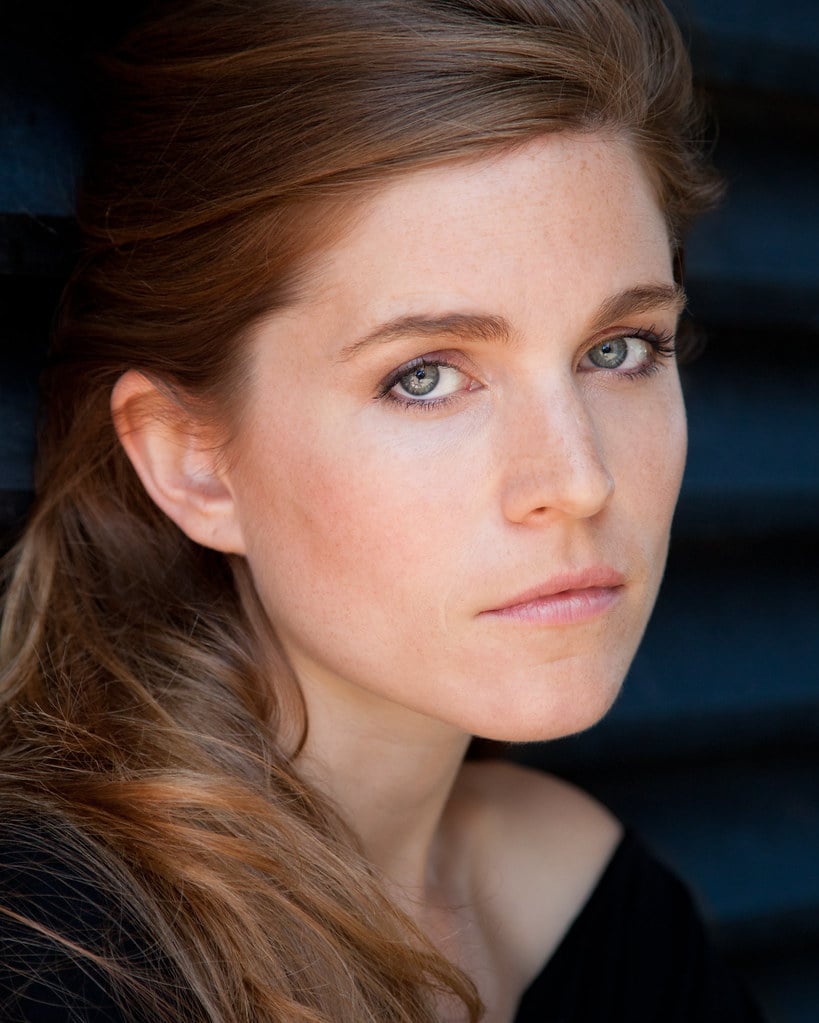
Leprosy was essentially a death sentence until Alice developed the first effective treatment. At just 23 years old, she figured out how to make chaulmoogra oil — previously too thick to inject — into an injectable compound that could actually reach the infection.
Alice died unexpectedly at 24, before she could publish her work. Her department head, Arthur Dean, continued her research and published the findings without crediting her contributions.
The “Dean Method” became the standard leprosy treatment for decades.
The University of Hawaii didn’t acknowledge Alice’s work until the 1970s. A plaque in her honor wasn’t installed until 2000.
Marthe Gautier
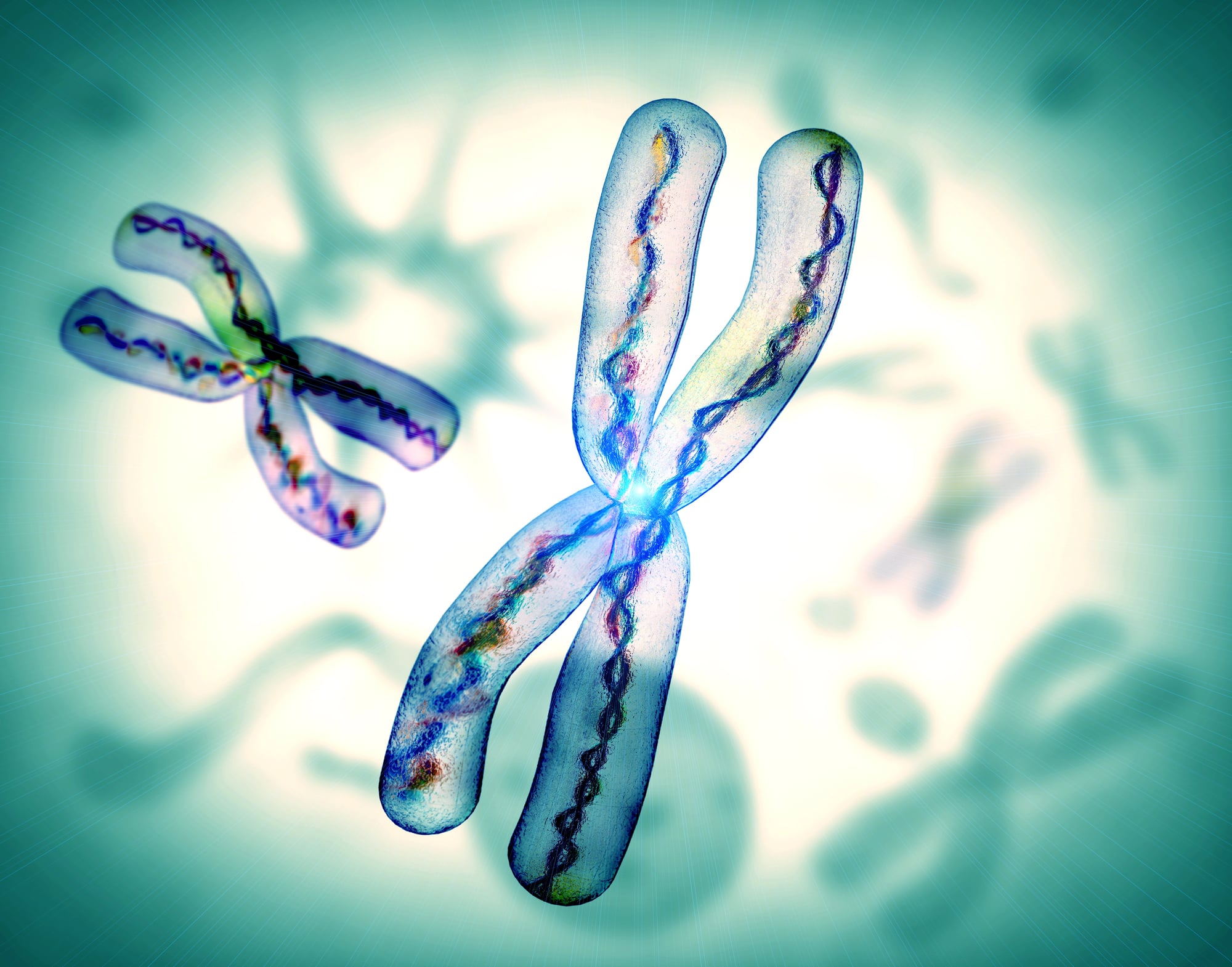
Down syndrome’s genetic cause was a mystery until Gautier successfully cultured the cells that revealed the extra chromosome. Working in a cramped Paris laboratory, she developed the technique that made the discovery possible — but when the findings were published, her male colleagues received the credit.
The paper listed Gautier as the third author. The first two authors, both men, were invited to present the discovery at conferences around the world.
Gautier wasn’t invited anywhere.
She spent the rest of her career fighting for recognition of her foundational work. The medical community eventually acknowledged her contributions, but it took decades.
Mary Anning
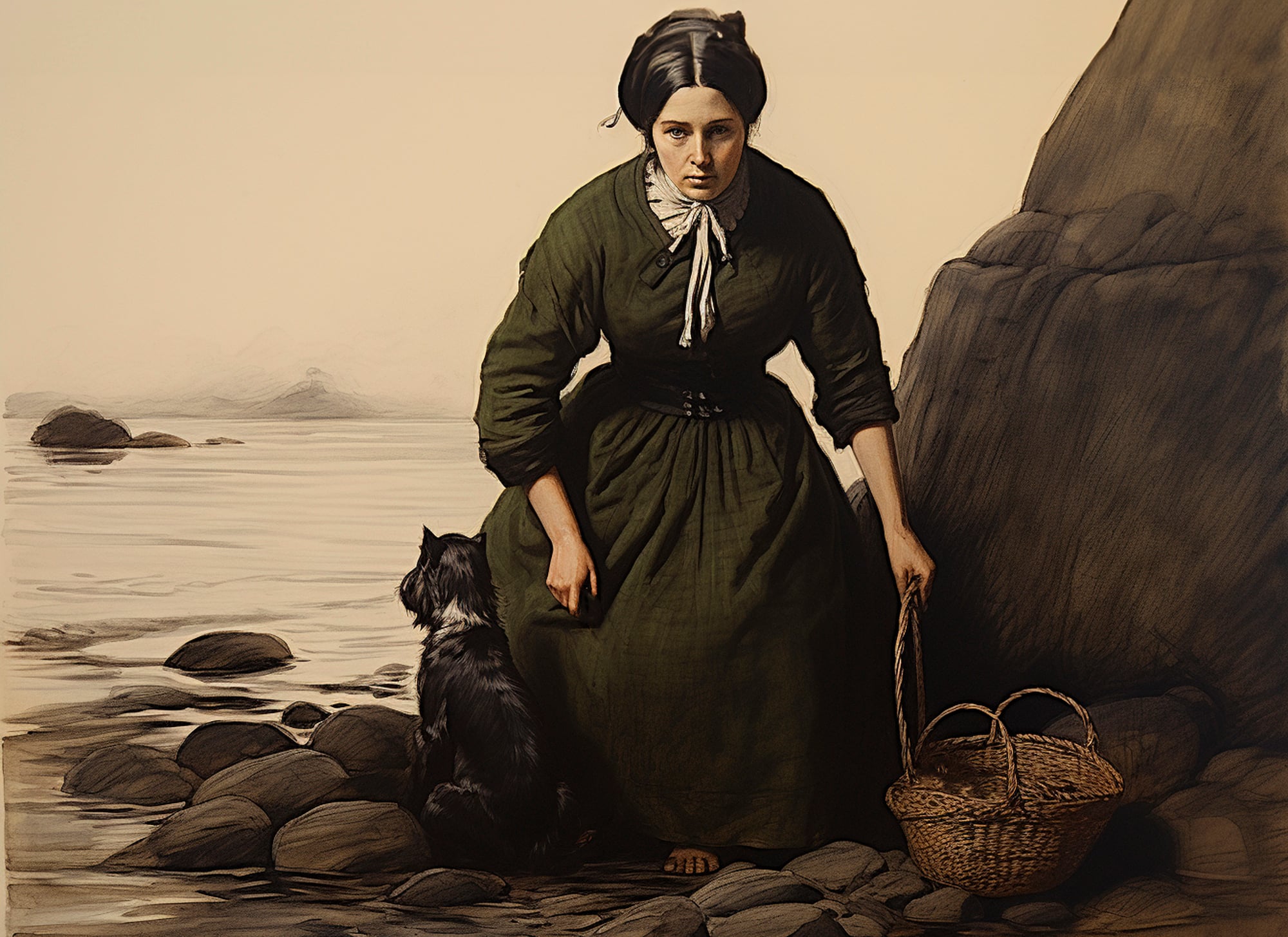
Fossil hunting was supposed to be a hobby for rich gentlemen, not a career for a working-class woman (though Anning, who started collecting fossils as a child to help support her family after her father died, probably didn’t get that memo about hobbies being reserved for the wealthy). She discovered the first correctly identified ichthyosaur when she was just ten years old, then went on to find the first plesiosaur and the first pterosaur found in Britain — discoveries that fundamentally changed how scientists understood prehistoric life and the history of Earth itself.
But because she was a woman, and worse, a woman from the wrong social class, Anning couldn’t join the Geological Society of London or attend the scientific meetings where her discoveries were discussed. So she watched as wealthy male collectors bought her fossils, presented them to learned societies, and published papers about them without mentioning her name — turning her groundbreaking field work into their academic credentials.
Charles Lyell and Louis Agassiz, among others, built their reputations partly on fossils Anning had discovered. She received little credit during her lifetime.
The Royal Society didn’t admit women until 1945, more than a century after Anning’s death.
Dorothy Hodgkin

X-ray crystallography is like solving a three-dimensional puzzle where you can only see the shadows. Hodgkin was better at it than almost anyone alive, determining the structures of important biological molecules including vitamin B12 and penicillin.
Her work was groundbreaking — she won the Nobel Prize in Chemistry in 1964, making her the third woman ever to win a Nobel in the sciences. But even Nobel Prize winners aren’t immune to having their achievements diminished.
Newspapers reporting her win described her as a “mother of three” and focused more on her domestic life than her scientific breakthroughs. The assumption seemed to be that her real job was raising children; the chemistry was just a side project.
Hodgkin’s insulin structure determination took 35 years to complete. It was one of the most complex molecular puzzles ever solved.
Ida Tacke
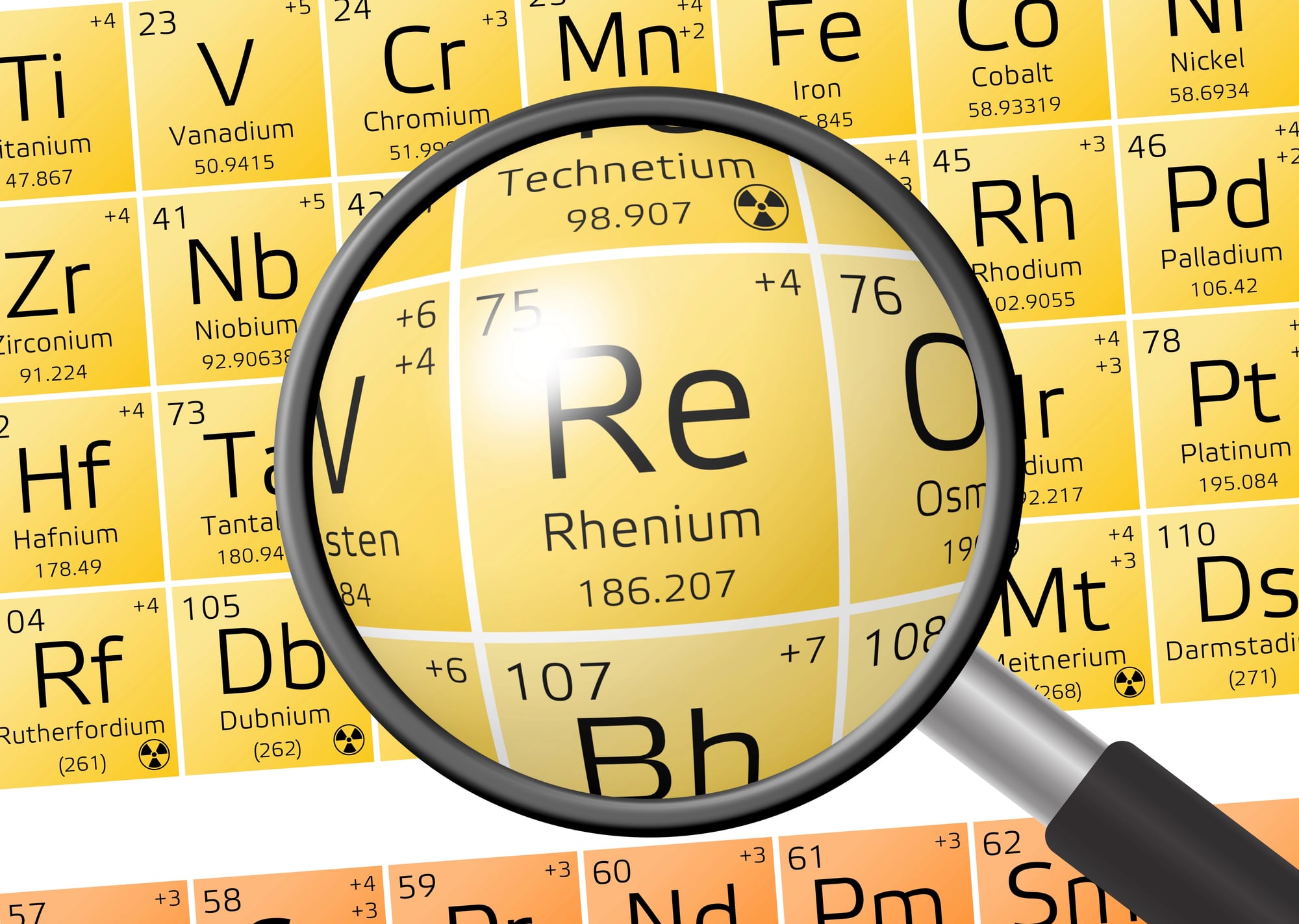
Finding new elements isn’t easy. Tacke discovered rhenium in 1925.
When Hahn and Meitner confirmed nuclear fission in 1938, Tacke’s earlier theoretical work on the topic was overlooked by the scientific establishment, including Enrico Fermi. She had made significant contributions, but being right doesn’t matter if no one listens to you.
Tacke became the first woman to discover a chemical element. Rhenium was named after the Rhine River.
Henrietta Swan Leavitt
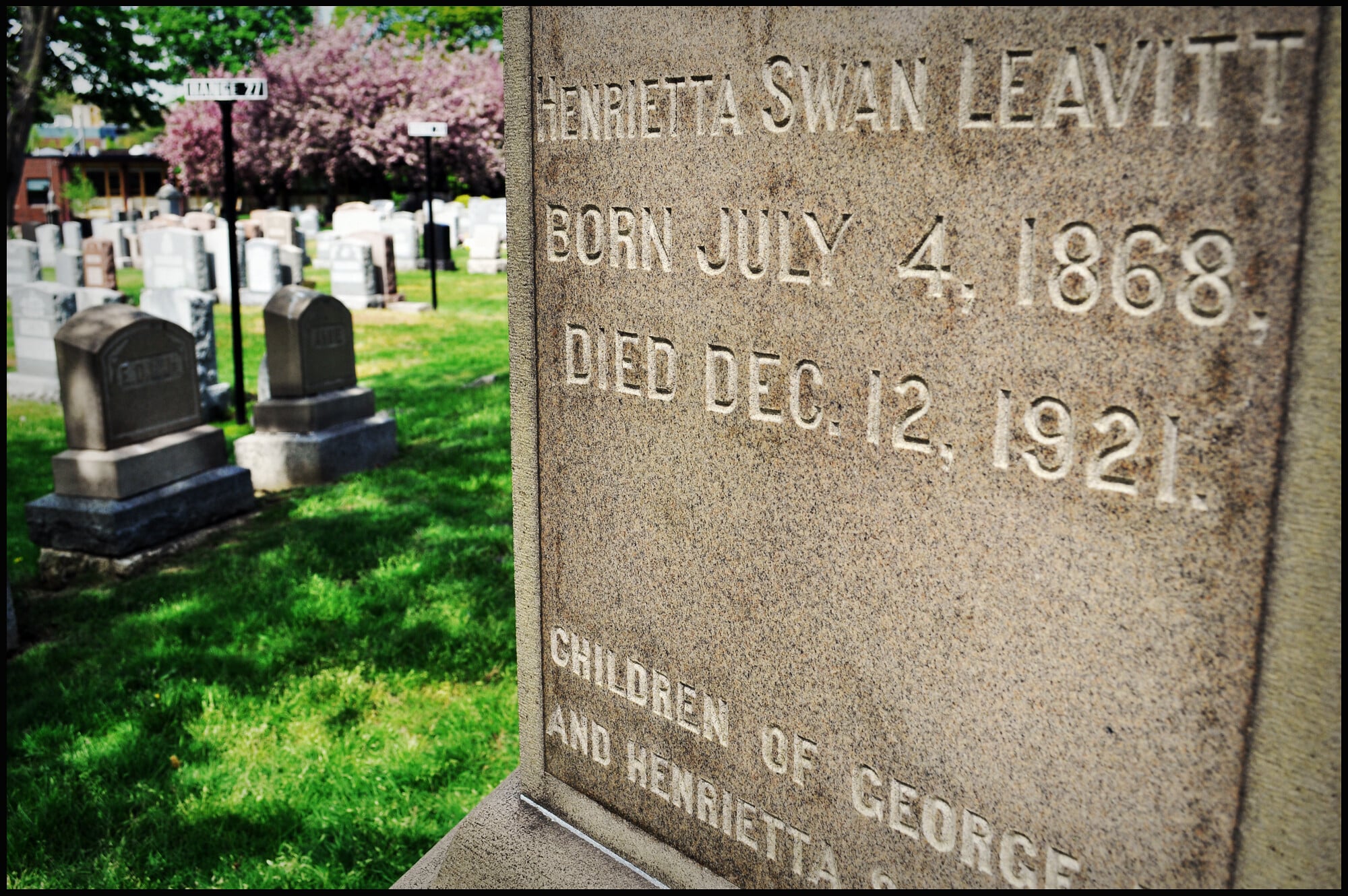
The universe is bigger than anyone imagined, and Leavitt proved it. She discovered the relationship between the brightness and period of Cepheid variable stars — a finding that became the cosmic ruler for measuring distances in space.
Her work laid the foundation for Edwin Hubble’s discovery that the universe is expanding. Leavitt worked at the Harvard Observatory as a “computer” — one of the women hired to catalog and analyze astronomical data for a fraction of what male astronomers earned.
She made one of the most important discoveries in astronomy while being paid to do routine calculations.
Hubble won fame for discoveries that built directly on Leavitt’s work. She died in 1921, largely unknown outside astronomical circles.
Esther Lederberg

Bacterial genetics exists because of techniques Lederberg developed (including lambda phage, fertility factor F, and replica plating — innovations that sound technical but basically gave scientists the tools to understand how bacteria reproduce, exchange genetic material, and develop resistance to antibiotics). Her replica plating method alone revolutionized microbiology, making it possible to study bacterial mutations in a systematic way.
But working alongside her Nobel Prize-winning husband Joshua created an impossible situation: their joint discoveries were consistently attributed to him alone, as if brilliant insights about bacterial conjugation simply materialized in the lab without any contribution from the woman who designed many of the key experiments. And here’s the thing about scientific collaborations between married couples in the 1950s: the assumption was always that the wife was just helping her husband’s career, not pursuing her own groundbreaking research.
She founded an entire field of study but remained in her husband’s shadow. Their divorce in 1966 finally allowed her work to be recognized independently.
Eunice Newton Foote

Climate science has its roots in Foote’s 1856 experiments with atmospheric gases. She was the first person to discover that carbon dioxide traps heat — the fundamental principle behind greenhouse gas theory.
Her experiments with glass cylinders and thermometers proved that CO2-rich atmospheres become significantly warmer than normal air. Three years later, John Tyndall conducted similar experiments and received credit for discovering the greenhouse effect.
Foote’s work was forgotten for over a century.
The American Association for the Advancement of Science didn’t allow women to present papers, so Foote’s findings were read by a male colleague at the 1856 meeting.
Nettie Stevens
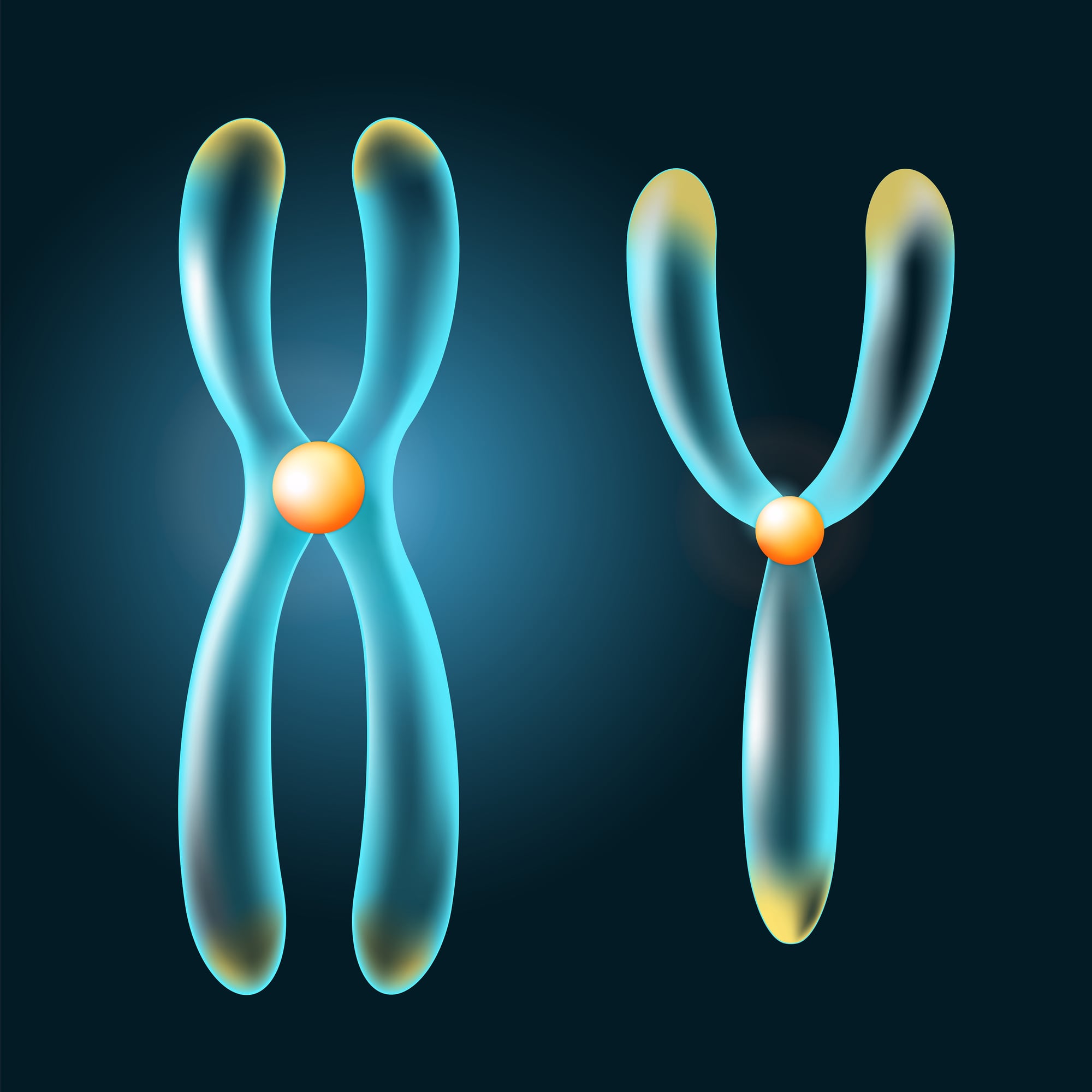
Chromosomes determine whether you’re born male or female, and Stevens figured out how. Her meticulous observations of beetle and worm chromosomes revealed the XY identity-determination system that applies to most mammals, including humans.
Stevens worked with minimal funding and primitive equipment, yet her discoveries were fundamental to understanding heredity. Thomas Hunt Morgan, working with better resources and more recognition, built on her findings to develop modern genetics.
Morgan won the Nobel Prize in 1933 for work that was largely based on Stevens’ chromosomal discoveries. Stevens had died 16 years earlier, still relatively unknown.
Cecilia Payne-Gaposchkin
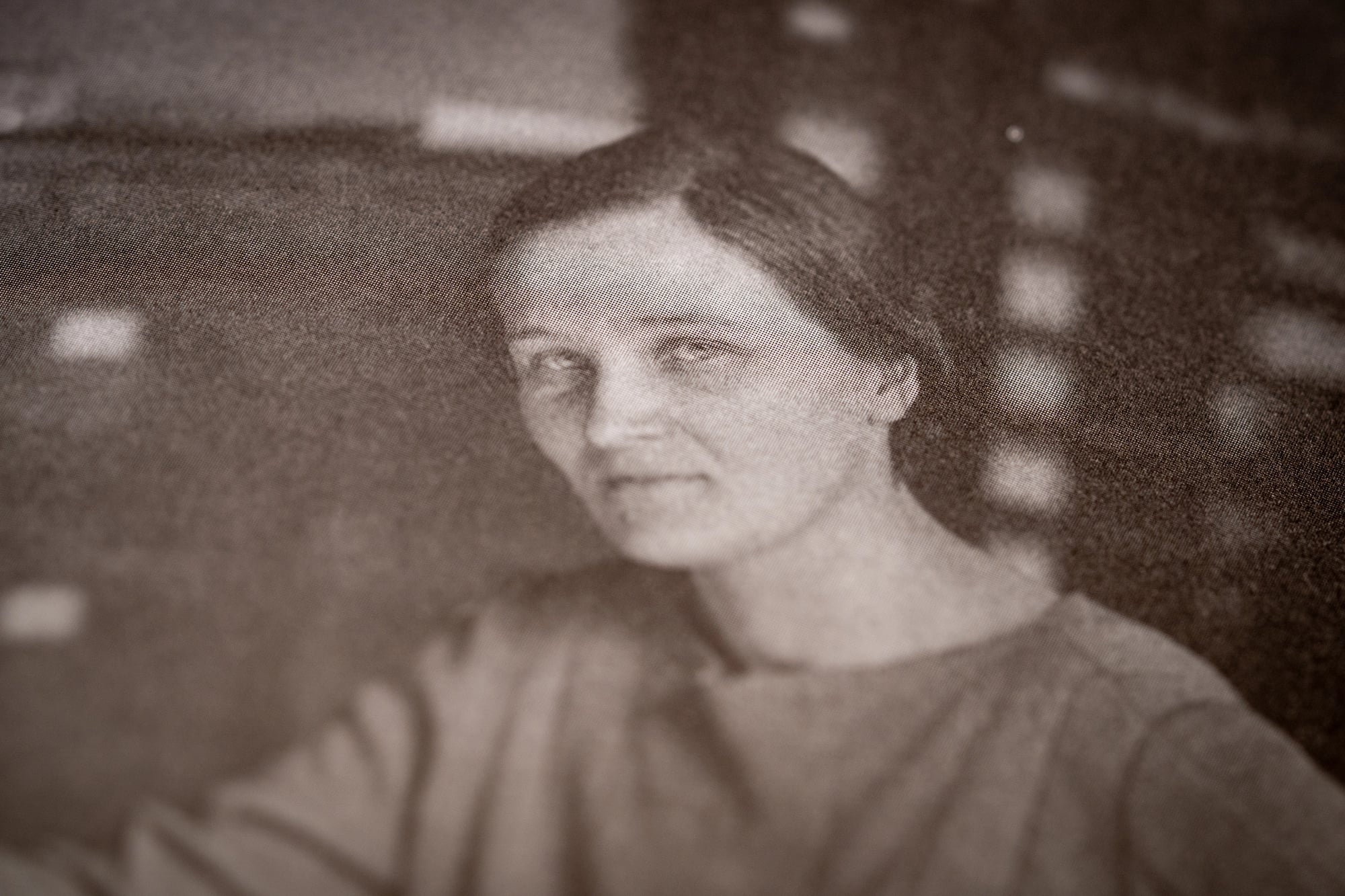
Stars are made mostly of hydrogen and helium — a fact so basic to astronomy that it’s hard to imagine anyone ever thought otherwise. But until Payne-Gaposchkin’s 1925 doctoral thesis, scientists believed stars had roughly the same composition as Earth.
Her analysis of stellar spectra revealed the true nature of stellar composition, fundamentally changing how we understand the universe. Her thesis advisor convinced her to downplay her conclusions, calling them “clearly impossible.”
Four years later, a male astronomer reached the same conclusions and received credit for the discovery.
Payne-Gaposchkin became the first woman to become a full professor at Harvard, but not until 1956 — three decades after her groundbreaking thesis.
Barbara McClintock
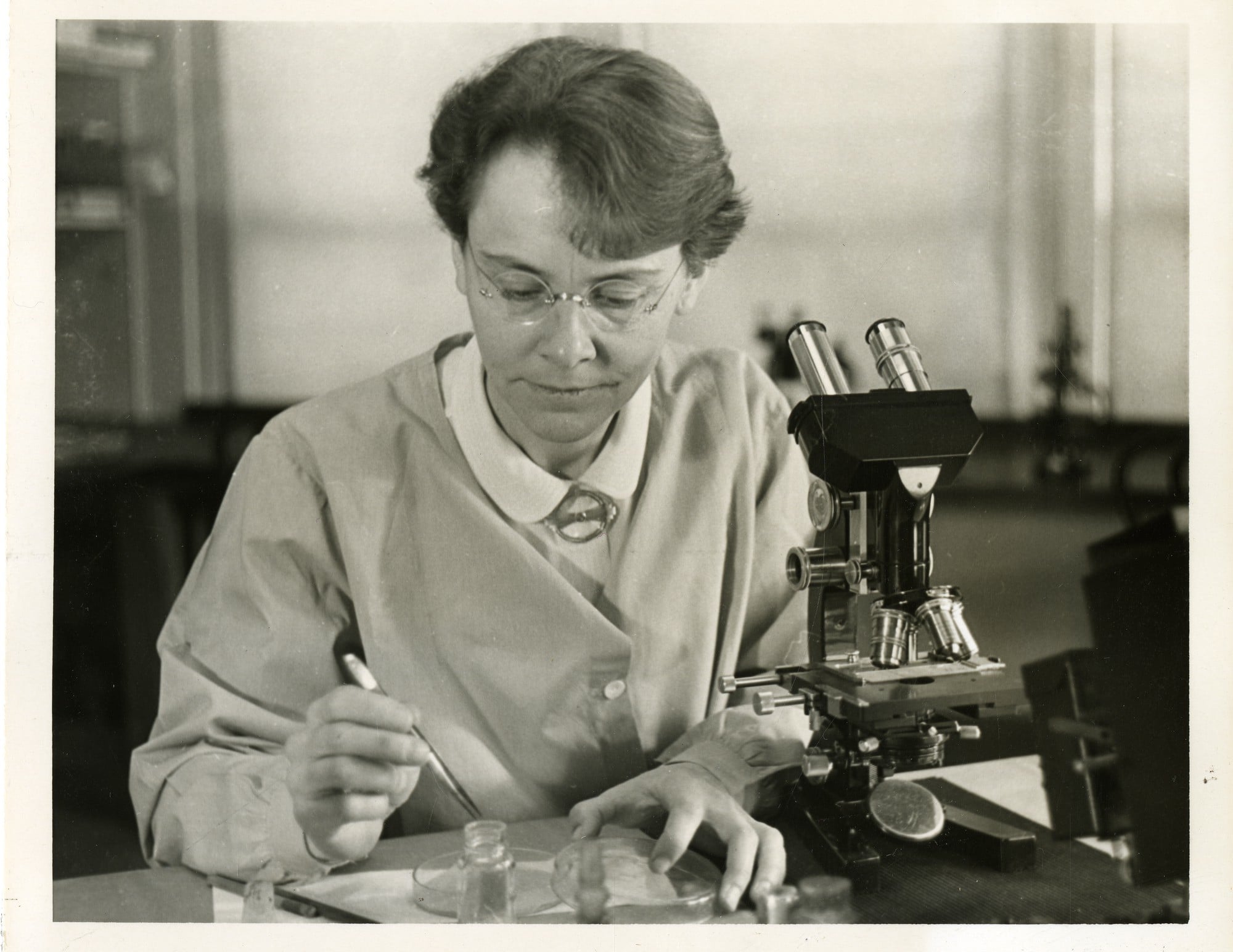
Genes can move around chromosomes, jumping from one location to another and turning other genes on or off. McClintock discovered this “jumping gene” phenomenon in corn plants during the 1940s, but the genetics community dismissed her work as impossible.
Mobile genetic elements contradicted everything scientists thought they knew about heredity. McClintock’s meticulous research was ignored for decades while she continued working in relative isolation.
She finally received recognition in the 1970s when molecular biology confirmed her discoveries.
McClintock won the Nobel Prize in 1983, becoming the first woman to win an unshared Nobel in Physiology or Medicine.
Margaret Knight

The flat-bottomed paper bag — the kind that stands up on its own and makes grocery shopping possible — was Knight’s invention. She built the machine that could mass-produce these bags, revolutionizing packaging and retail.
While Knight was working on her patent application, a man named Charles Annan saw her machine, built his own version, and tried to patent it first. Knight had to go to court to prove the invention was hers, bringing witnesses and her original wooden prototype to establish her claim.
She won the case and received the patent in 1871, but the legal battle cost her time and money that a male inventor likely wouldn’t have faced.
The Record Speaks for Itself

These stories share an uncomfortable pattern that says more about the institutions of their time than the women themselves. Brilliant minds working in labs they couldn’t officially join, making discoveries they couldn’t present, and watching as their insights became someone else’s legacy.
The irony cuts deep: many of these women were doing the actual work while the men who received credit were often in administrative or supervisory roles.
What strikes you most isn’t the injustice, though that’s certainly there. It’s the persistence.
These women kept working, kept discovering, kept pushing forward despite knowing their contributions might never be acknowledged. They changed the world anyway, credit or no credit.
And now, decades later, we’re finally learning their names.
More from Go2Tutors!

- The Romanov Crown Jewels and Their Tragic Fate
- 13 Historical Mysteries That Science Still Can’t Solve
- Famous Hoaxes That Fooled the World for Years
- 15 Child Stars with Tragic Adult Lives
- 16 Famous Jewelry Pieces in History
Like Go2Tutors’s content? Follow us on MSN.