Most Successful Comeback Stories in Sports
Some athletes don’t just play the game—they redefine what it means to fight back. Injuries, age, personal struggles, or public doubt couldn’t stop them.
Their comebacks became lessons in resilience, showing that a strong mind can outlast almost anything. It’s time to revisit the most unforgettable moments when the world counted someone out and they showed up anyway—stronger, sharper, and ready to win again.
Michael Jordan

After retiring from basketball in 1993, Michael Jordan swapped the court for baseball, trying something new while grieving the loss of his father. But the competitive fire never left him.
When he returned to the Chicago Bulls in 1995, he wasn’t the same player—he was smarter, calmer, and even more determined. Within two years, he led the Bulls to three straight championships.
His comeback wasn’t just about basketball; it was about reclaiming purpose and proving that greatness doesn’t fade—it evolves.
Tiger Woods

Tiger Woods’ fall from grace was one of the most publicized in sports. Multiple back surgeries, personal setbacks, and years of struggling to make a cut had many believing his best days were behind him.
Yet, in 2019, he silenced everyone by winning the Masters at Augusta. The emotion on his face said it all—redemption had come full circle.
His journey became a reminder that success isn’t always about how fast you rise, but how strongly you return after falling.
Serena Williams
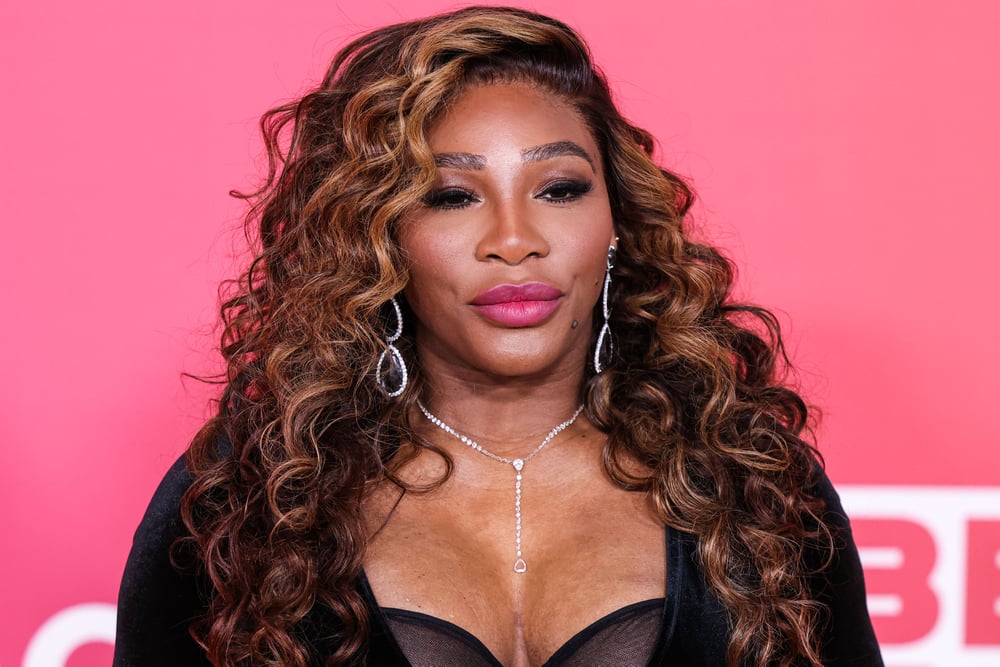
After a complicated childbirth and months away from the sport, Serena Williams made her return to tennis with the same intensity she always had. Balancing motherhood and professional competition wasn’t easy, but she made it look possible.
She reached multiple Grand Slam finals post-maternity, breaking barriers for women in sports. Her comeback wasn’t only physical—it reshaped how the world views strength, both on and off the court.
Peyton Manning

When Peyton Manning underwent neck surgery in 2011, doctors warned he might never play again. The Indianapolis Colts released him, ending an era that many thought defined his career.
But he refused to be defined by injury. Signing with the Denver Broncos, Manning shattered records, including the single-season touchdown record, and capped it all off with a Super Bowl win.
His return proved that intelligence and preparation can overcome physical limits.
Muhammad Ali
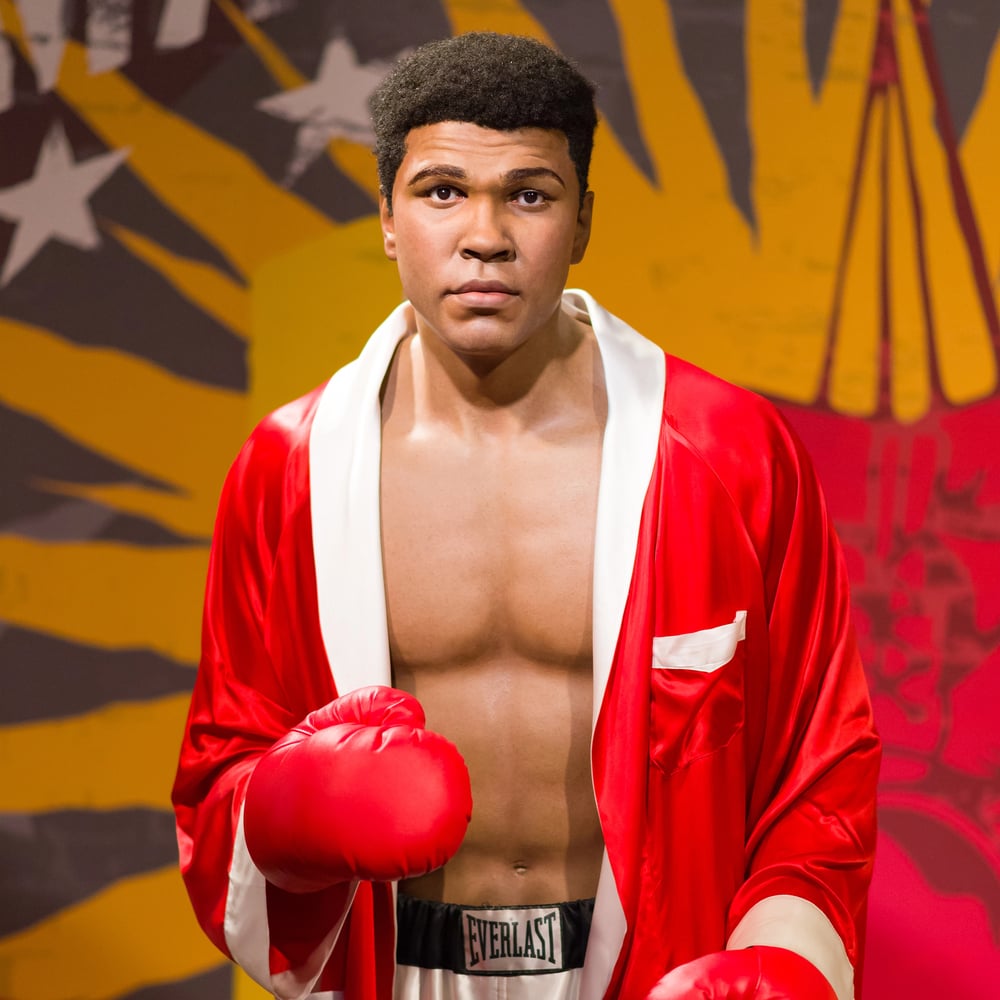
When Muhammad Ali was stripped of his title for refusing military service, his career paused for over three years. Most athletes never recover from such a gap, especially in a sport as punishing as boxing.
Yet in 1974, he faced George Foreman in the ‘Rumble in the Jungle’ and shocked the world by reclaiming his heavyweight crown. His strategy, known as ‘rope-a-dope,’ outsmarted his opponent and reminded everyone why he called himself ‘The Greatest.’
His comeback wasn’t just athletic—it was cultural and moral, standing as a symbol of conviction.
Bethany Hamilton

At 13, Bethany Hamilton’s future seemed lost after a shark attack cost her left arm. Surfing again looked impossible, but she refused to accept that.
Within a year, she returned to competitive surfing, training to adapt to her new reality. Over time, she won national titles and inspired millions through her story.
Her resilience turned tragedy into triumph, showing that passion is stronger than fear.
Alex Smith

Alex Smith’s leg injury in 2018 was horrific, leading to multiple surgeries and life-threatening infections. Many doubted he would even walk again, let alone play football.
But two years later, he returned to start for Washington, moving carefully yet confidently. Every snap he took symbolized something much bigger than football—it was a victory of human endurance.
His story became an example of what true bravery looks like.
George Foreman
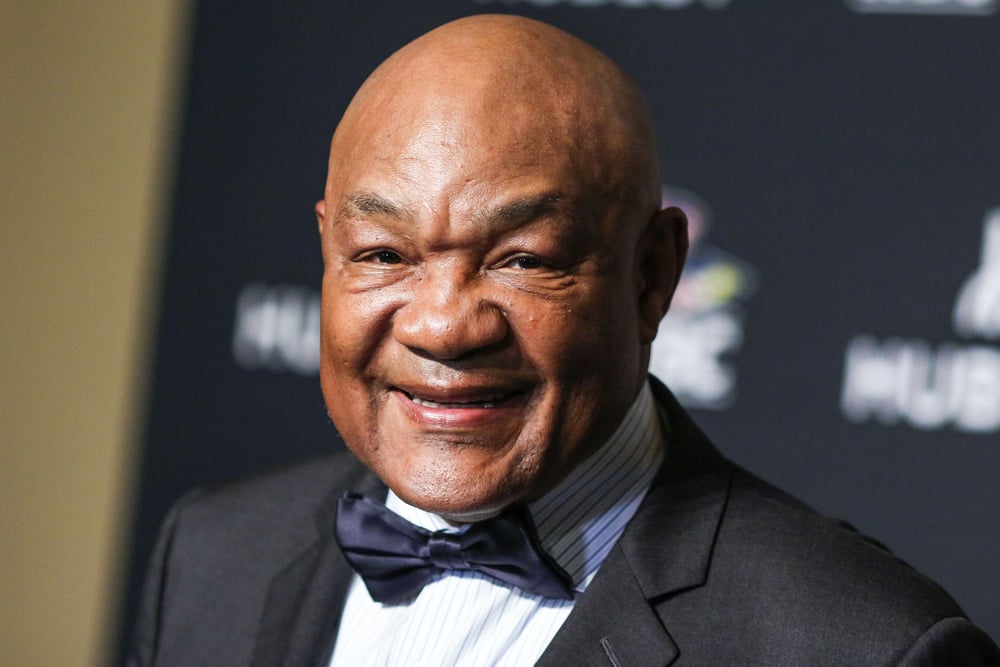
George Foreman retired in the 1970s after a legendary career, turning his focus to family and business. Yet a decade later, he shocked the boxing world by stepping back into the ring.
Most thought it was a gimmick, but at 45, he knocked out Michael Moorer to become the oldest heavyweight champion ever. His comeback wasn’t fueled by anger or revenge—it was pure love for the sport.
And yes, the grill business didn’t hurt either.
Monica Seles

Monica Seles was one of tennis’s brightest young stars when tragedy struck—she was attacked by a fan during a match in 1993. The physical wounds healed faster than the emotional ones.
After two long years away, she returned to the court, playing with courage and grace. Her 1996 Australian Open win showed that emotional scars don’t define an athlete’s limits.
Her story reminded the world of resilience beyond rankings or trophies.
Adrian Peterson

When Adrian Peterson tore his ACL and MCL in 2011, most predicted he’d lose his explosiveness. But less than a year later, he came back stronger, nearly breaking the single-season rushing record with 2,097 yards.
His recovery amazed doctors and players alike. Peterson’s comeback wasn’t just a return—it set a new standard for what modern athletes could do with sheer determination and work ethic.
Kim Clijsters

Kim Clijsters stepped away from tennis in 2007 to focus on family life, assuming her career had run its course. Yet two years later, she felt the spark return.
Without much preparation, she entered the 2009 U.S. Open and went on to win the entire tournament, beating top-ranked players. Her win wasn’t just impressive—it was historic, proving that motherhood and championship-level competition could coexist.
Lance Armstrong
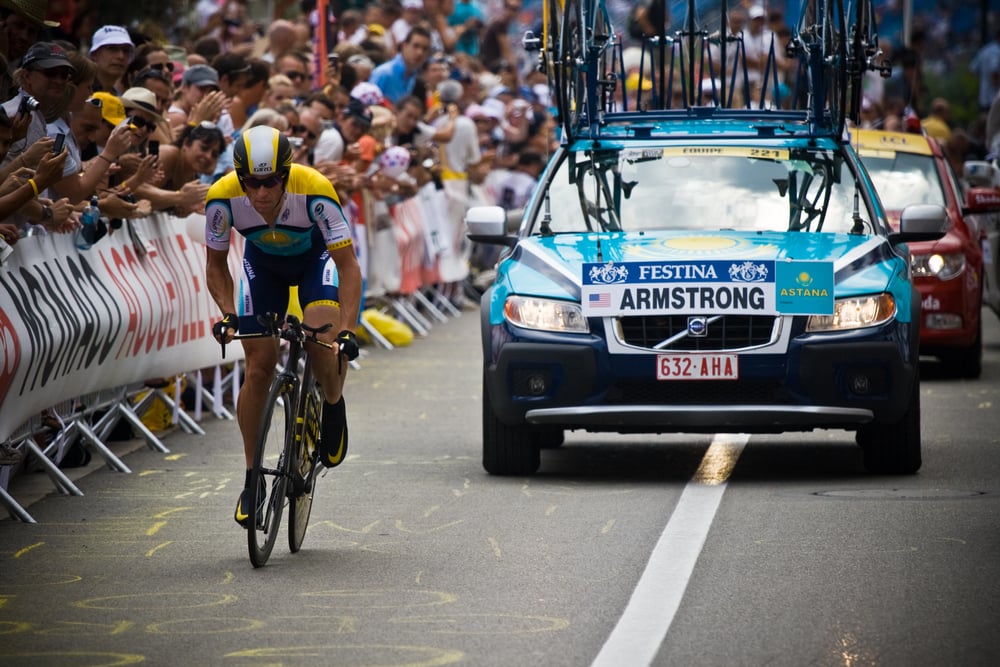
Before his later controversies, Lance Armstrong’s physical comeback from cancer was one of the most remarkable stories in sports. His cancer had spread to his lungs and brain, yet he battled through treatments that left him frail and weak.
Against all odds, he returned to professional cycling and dominated the Tour de France for seven straight years. While his legacy later became complicated, the comeback itself remains an unmatched feat of endurance and mental toughness.
Kurt Warner
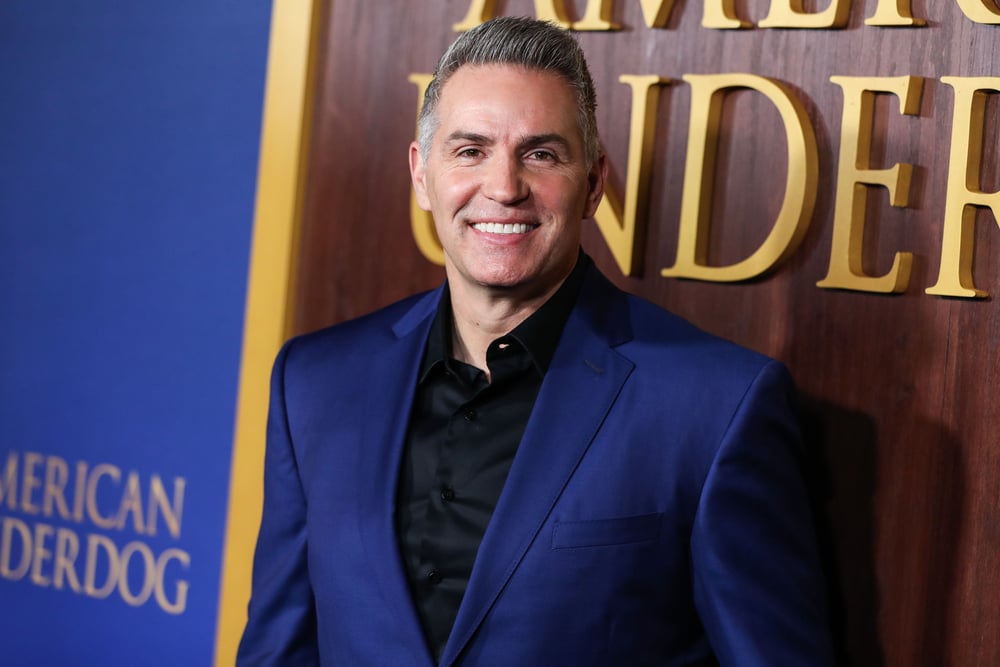
Kurt Warner’s journey reads like a movie script. After going undrafted, he stocked shelves at a grocery store to support himself.
Years later, he got his shot with the St. Louis Rams and led the team to a Super Bowl victory, earning MVP honors. His rise from overlooked to unstoppable is one of the NFL’s greatest comeback tales, proving that preparation meets opportunity in the most unexpected ways.
Andre Agassi
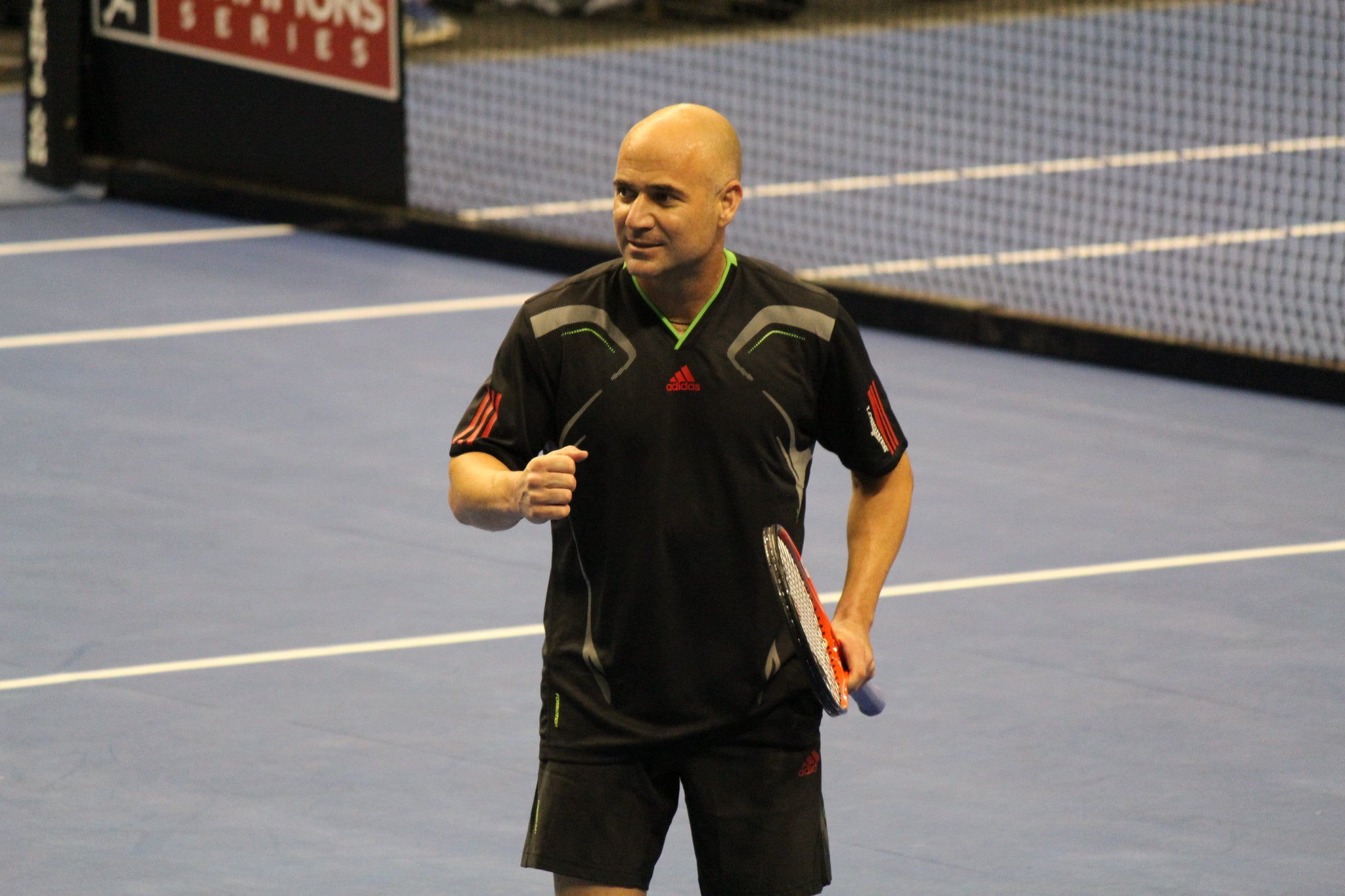
By the late 1990s, Andre Agassi’s career had crumbled under poor results and personal struggles. His ranking fell outside the top 100, and critics wrote him off as done.
Instead of quitting, he rebuilt from scratch—new training, new mindset, new goals. Within a few years, he reclaimed Grand Slam titles and earned the respect of fans who once doubted him.
His comeback showed that humility and persistence can reinvent even the most fallen stars.
Kerri Strug

During the 1996 Olympics, Kerri Strug faced an impossible choice after injuring her ankle on her first vault. Her team needed one more strong landing to secure gold.
She limped back to the runway, sprinted, vaulted, and landed on one foot—perfectly. The crowd erupted, and the U.S. women’s team won gold.
Her determination that day became an instant symbol of courage and team spirit.
Ben Hogan
Ben Hogan’s car crash in 1949 was so severe that doctors doubted he would ever walk properly again. Yet within 16 months, he returned to competitive golf.
Over the next few years, he won six more major championships, including three in a single season. Hogan’s ability to channel pain into precision made him a quiet legend in golf’s history books.
His comeback wasn’t loud—but it was unforgettable.
U.S. men’s hockey team (1980)

In 1980, the U.S. hockey team was made up mostly of college players, facing the seemingly unbeatable Soviet Union. The odds were laughable, but the Americans played with unmatched energy and unity.
When they pulled off the victory, it became known as the ‘Miracle on Ice.’ That game wasn’t just about winning—it captured a nation’s spirit during a time of uncertainty and proved that belief can bridge any gap.
Monica Puig
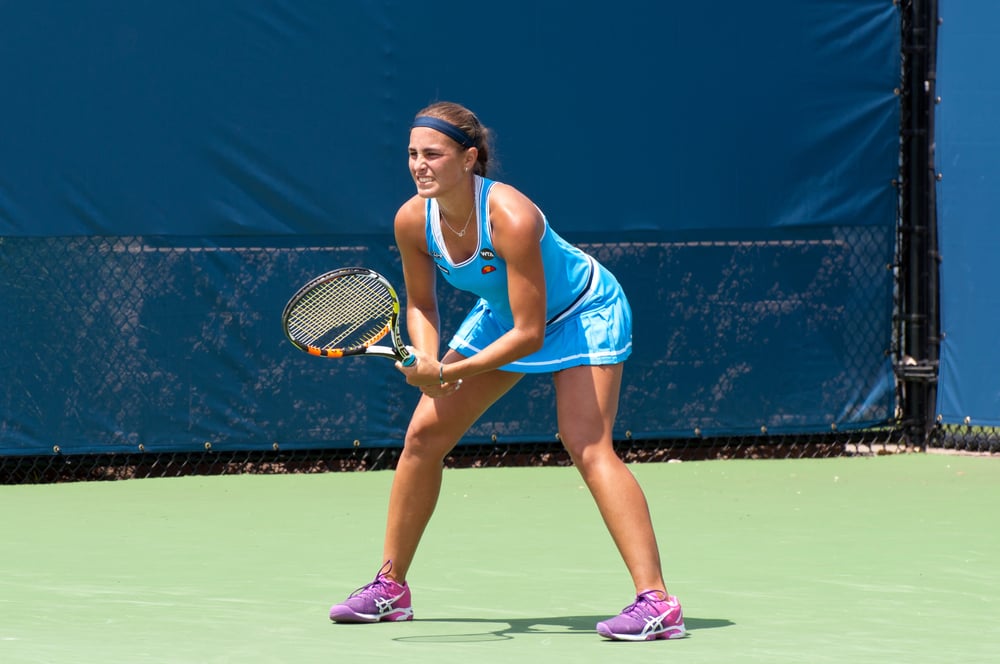
Monica Puig wasn’t a household name before the 2016 Olympics. Ranked outside the top 30, she entered the tournament as an underdog.
Match after match, she played with fearless precision and unmatched heart. When she won gold for Puerto Rico, she made history as the country’s first Olympic champion.
Her victory was both a personal comeback and a national celebration of pride and perseverance.
The fight to stay in the game

Comebacks in sports are more than highlight reels or trophies. They’re living proof that resilience can outlast failure and doubt.
Each of these athletes faced moments when giving up looked easier, but they pushed through pain, uncertainty, and criticism. Their stories remind us that success isn’t measured only by victory, but by the courage to keep moving forward.
The fight to stay in the game never really ends—it just changes shape.
More from Go2Tutors!

- The Romanov Crown Jewels and Their Tragic Fate
- 17 Halloween Costumes Once Considered Taboo
- Famous Hoaxes That Fooled the World for Years
- 15 Child Stars with Tragic Adult Lives
- 16 Famous Jewelry Pieces in History
Like Go2Tutors’s content? Follow us on MSN.