17 Homework Strategies From Before the Internet
Back when dial-up was cutting-edge technology, students had completely different ways of tackling homework. No instant answers, no copy-paste solutions. Just you, some books, and whatever creativity you could muster. These weren’t backup plans—they were the only plans.
And honestly? Some of them worked better than what we’ve got now. Here is a list of 17 homework strategies that somehow got entire generations through school.
The Encyclopedia Hunt

Those massive encyclopedia sets weren’t just expensive bookshelf decorations—they were treasure maps. You’d start looking up one thing and end up reading about something completely different three volumes later.
The cross-references were like rabbit pits, with ‘See also: meteorites’ sending you digging through more books. Your parents probably spent a fortune on those Britannica sets, but they were worth every penny for curious kids who could lose themselves for hours jumping from topic to topic.
Library Card Catalogs
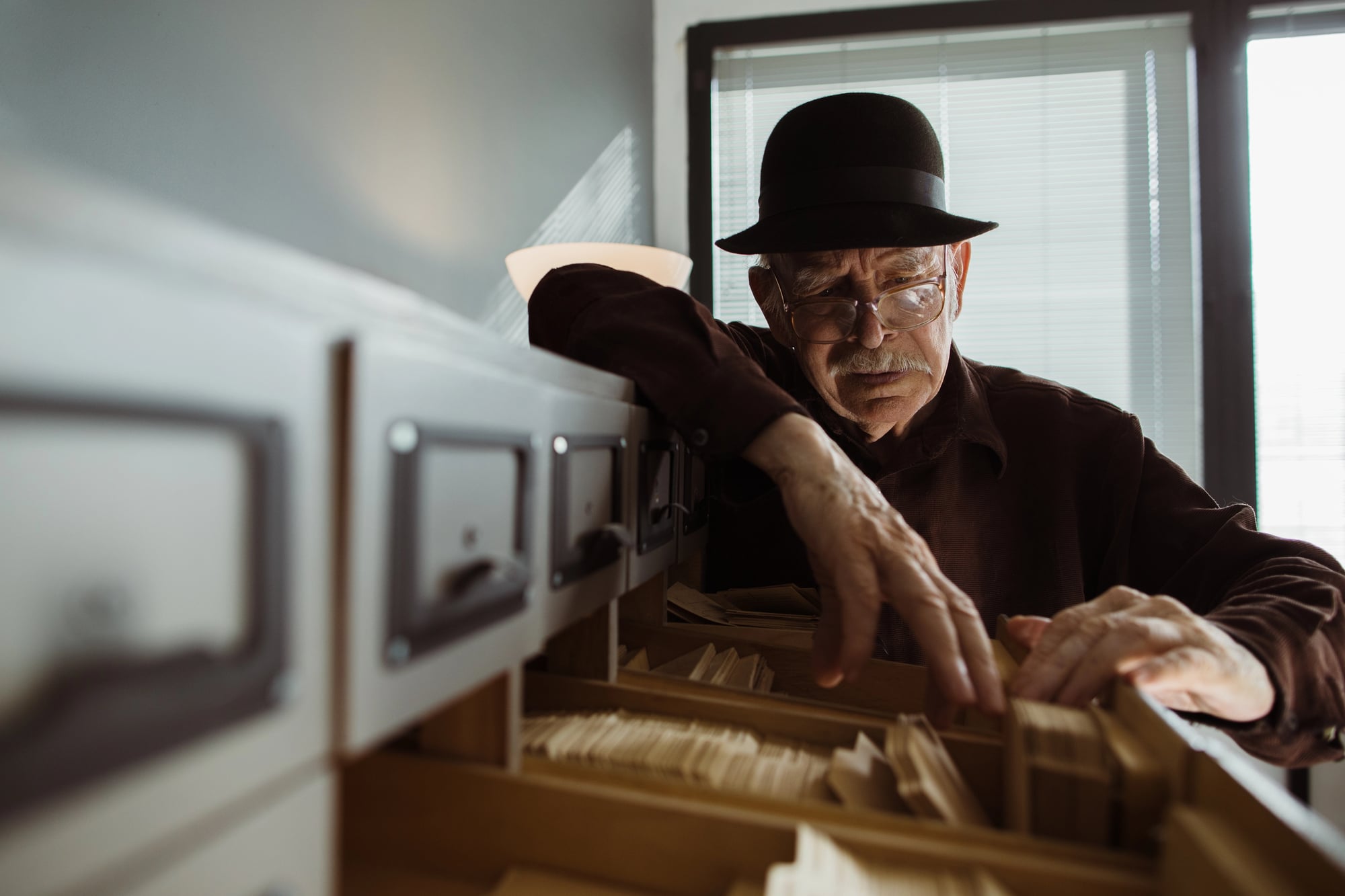
Picture this: thousands of tiny drawers filled with index cards, organized by some system that librarians understood but nobody else did. You’d flip through card after card, hoping to find something relevant to your topic.
The Dewey Decimal System seemed like a foreign language at first, but once you cracked the code, you felt like you’d unlocked some secret library knowledge that most people never bothered learning.
Like Go2Tutors’s content? Follow us on MSN.
Study Group Phone Trees

Before group texts existed, there were phone trees where someone would call someone else, who’d call the next person, and so on. Information traveled slower but somehow felt more important.
These calls often turned into impromptu study sessions where you’d end up explaining algebra to your friend while your mom yelled at you to get off the phone because she was expecting a call.
Index Card Systems

Students created elaborate filing systems using nothing but index cards and colored pens—history dates on blue cards, vocabulary on white, math formulas on yellow. It was like building your own personal database, one card at a time.
The beauty was in the flexibility since you could reorganize everything instantly, plus writing each card by hand meant you’d already started memorizing before you even began studying.
The Trusty Highlighter Method

Highlighters were sacred tools where you couldn’t just mark everything yellow because that was amateur hour. Serious students had color-coded systems that would make a rainbow jealous: yellow for main ideas, pink for definitions, green for examples.
It forced you to actually think about what you were reading instead of just letting your eyes wander across the page, turning passive reading into an active decision-making process.
Like Go2Tutors’s content? Follow us on MSN.
Physical Flashcards

Making flashcards was tedious work, but that tedium was actually the secret weapon since by the time you finished writing them all out, you’d already learned half the material. You could study anywhere—waiting for the bus, during lunch, hiding them inside your regular textbook during boring classes.
The satisfaction of moving a card from the ‘don’t know’ pile to the ‘mastered’ pile was oddly addictive and gave you a real sense of progress.
Dictionary and Thesaurus Marathons

Looking up words meant committing to the process where you’d open that heavy dictionary, find your word, and inevitably discover five other interesting words along the way. The thesaurus became your writing companion, and instead of settling for ‘good’ or ‘bad,’ you’d hunt for the perfect synonym.
Sometimes you’d spend more time finding the right word than writing the actual sentence, but that perfectionism often led to better writing overall.
The Poster Board Presentation

Science fair season meant one thing: a trip to the art supply store for poster boards, markers, and those plastic letters that never stuck properly. You’d lay everything out on the kitchen table and hope the family cat didn’t walk across your masterpiece.
Size limitations forced creativity since you had to fit everything important onto a 3×4 foot board, which meant every word and image had to earn its place through careful planning and design.
Like Go2Tutors’s content? Follow us on MSN.
Typewriter Draft Systems

Typewriters were ruthless teachers where one mistake meant starting the whole page over or dealing with that messy correction fluid that never quite matched the paper color. This forced you to think before you typed, planning your sentences and organizing your thoughts while actually outlining your essays.
The rhythmic clicking sound was strangely motivating once you got into a groove, creating a meditative writing experience that many authors still prefer.
Library Reserve Desk Strategy

The most popular books for assignments lived behind the circulation desk like precious artifacts, available for just a few hours at a time, which meant you had to read fast and take good notes. This scarcity made information feel valuable, so when you finally got your hands on that reserved book, you didn’t waste time scrolling through your phone—you absorbed every relevant page.
Competition for these materials created urgency that motivated efficient study habits you’d carry into other subjects.
The Xerox Copy Method
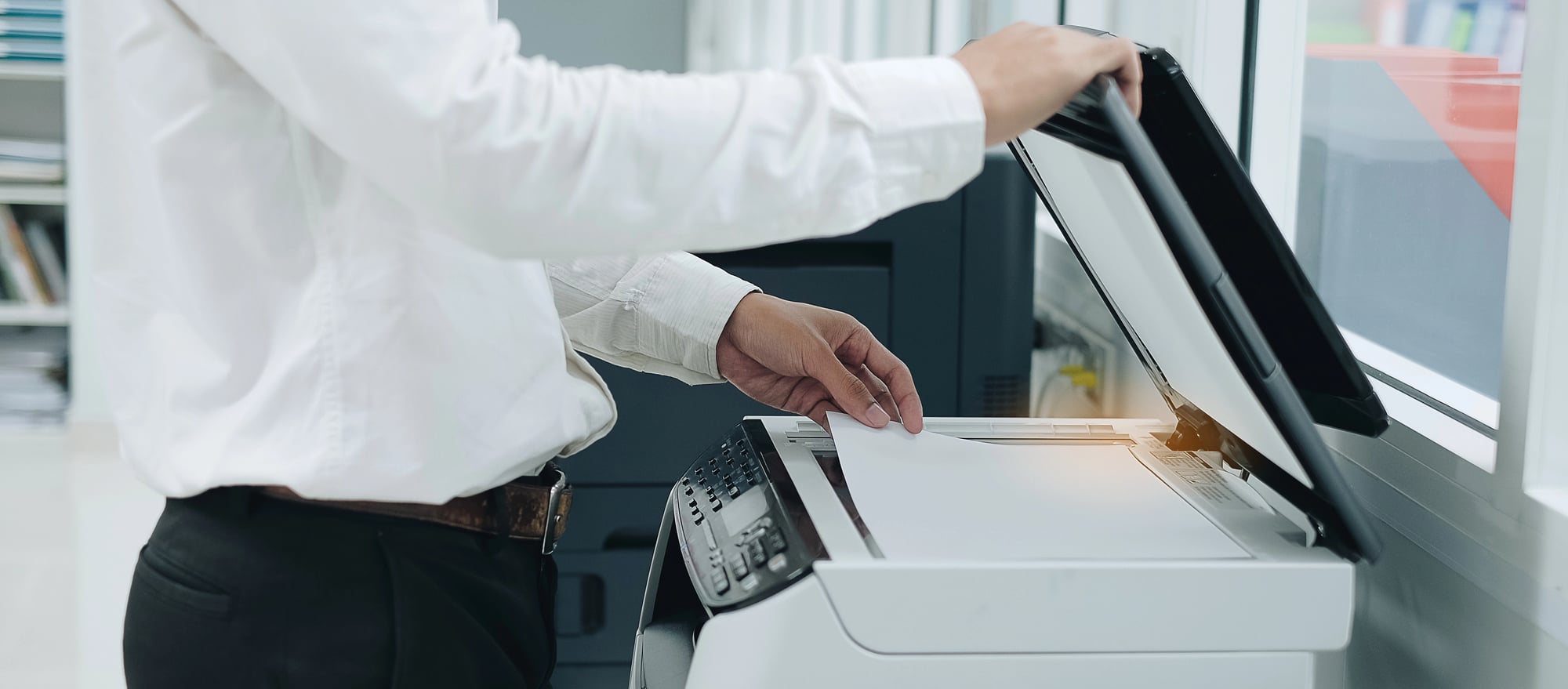
Photocopying cost real money—usually a dime per page—so you had to budget for research, which meant choosing your copied pages carefully without copying entire chapters just because you might need them later. This financial constraint taught excellent prioritization skills while you organized your copies into custom study packets, creating personalized textbooks for each subject.
The physical act of handling and organizing these materials helped with retention in ways that digital files somehow don’t match.
Like Go2Tutors’s content? Follow us on MSN.
Handwritten Note Systems

Taking notes by hand during lectures was like simultaneous translation where you couldn’t write down everything the teacher said, so you had to listen, process, and summarize in real-time. Different students developed their own shorthand systems—some used arrows and symbols, others created elaborate organizational methods.
The slower pace of handwriting actually helped with retention since your brain had to work harder to process and filter information before committing it to paper.
The Study Buddy System

Study partnerships were built on mutual dependence where you couldn’t just send a quick text canceling because you’d made a commitment to meet at someone’s house or the library. These face-to-face sessions created real accountability where you’d quiz each other, explain difficult concepts, and actually work through problems together.
Many of these study relationships lasted well beyond graduation, turning academic partnerships into lifelong friendships built on shared intellectual struggles.
Physical Timeline Creation

History timelines required actual measuring skills where you’d calculate the space between events, use rulers to draw straight lines, and color-code different historical periods. This hands-on approach helped you visualize chronological relationships while the physical process of measuring decades and centuries made historical time periods feel more concrete and understandable.
The spatial learning involved in creating these timelines often helped students remember dates better than digital alternatives.
Like Go2Tutors’s content? Follow us on MSN.
The Reference Section Deep Dive

Reference sections were sanctuaries of serious research containing almanacs, atlases, and specialized encyclopedias—all the good stuff that couldn’t leave the library, forcing you to work efficiently since you couldn’t take anything home. The quiet atmosphere encouraged deep focus with no notifications or distractions, just you and whatever information you needed to absorb before closing time.
This environment created a ritual around research that made the process feel more important and scholarly.
Audio Recording Study Sessions

Some students discovered that hearing their own voice reading notes aloud helped with memorization, so they’d record themselves on cassette tapes and play them back during car rides or before bed. The process of making these recordings also reinforced the material through repetition while engaging multiple senses improved memory retention.
It was basic technology, but the principle was solid—auditory learners especially benefited from this self-created study tool that worked anywhere you had a tape player.
The Multiple Draft Approach

Without digital editing, most students wrote multiple complete drafts of important essays where each version improved as you refined ideas and fixed organizational problems. You could literally see your progress by comparing drafts—the first attempt usually messy, the second draft clearer, and the final version polished.
This labor-intensive process taught that good writing rarely happens on the first try while creating a tangible record of improvement that motivated students to keep refining their work.
Like Go2Tutors’s content? Follow us on MSN.
What We Lost and Found
These pre-internet methods created students who could work independently and think critically without algorithmic assistance, developing patience, organizational skills, and the ability to synthesize information from multiple sources. Modern technology has certainly made information more accessible, but these old-school techniques remind us that effective learning often requires slowing down and engaging deeply with materials.
The students who mastered these strategies carried their methodical approach into their careers, proving that strong study habits matter more than the specific tools used to develop them, and sometimes the most sophisticated solution is also the simplest one.
More from Go2Tutors!

- 18 Unexpectedly Valuable Collectibles You Might Have Lying Around
- 20 Little-Known Historical Battles That Had Huge Consequences
- 20 Historical Artifacts That Scientists Can’t Explain
- 15 Inventions That Were Immediately Banned After Being Created
- 20 Actors Who Were Almost Cast in Iconic Roles
Like Go2Tutors’s content? Follow us on MSN.