25 Most Dangerous Jobs in America
Every morning, millions of Americans head to work knowing the day ahead carries real risk. Some jobs involve heights that make your stomach drop.
Others put workers face-to-face with heavy machinery, extreme weather, or unpredictable situations. The paycheck comes with hazards most of us never think about twice.
These aren’t abstract dangers either. Real people get hurt or worse doing work that keeps society running.
Someone has to fix power lines during storms. Someone needs to harvest timber.
Someone climbs onto roofs in summer heat or winter ice. Understanding which jobs carry the highest risks sheds light on the people who take them on every day.
Logging Workers
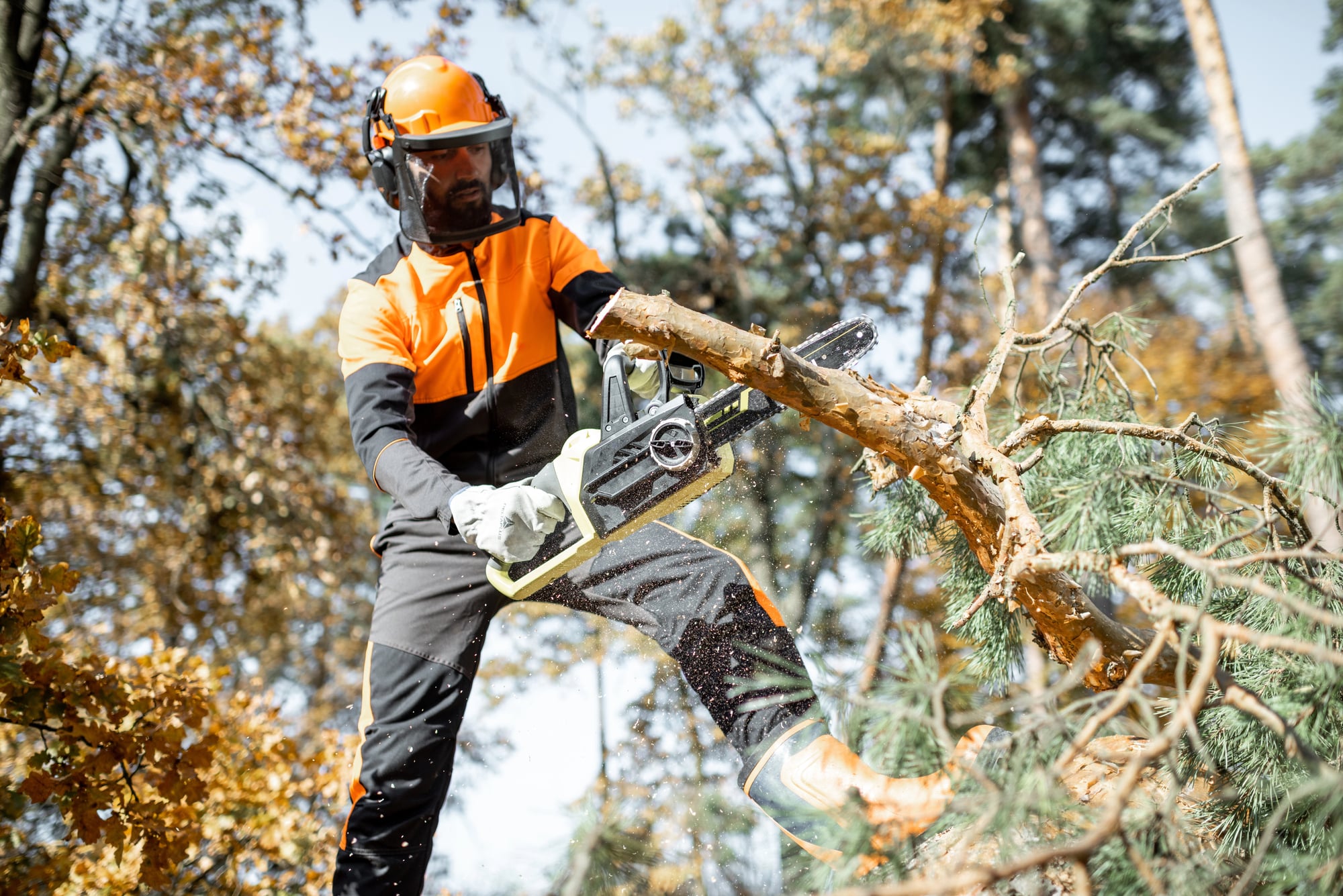
Loggers face the most dangerous job in America. Trees weigh thousands of pounds and fall unpredictably.
Chain saws operate at high speeds. Weather changes fast in forested areas, turning stable ground into slippery hazards.
The work happens in remote locations where help takes time to arrive. Equipment malfunctions or a miscalculation about where a tree will land can turn fatal in seconds.
Loggers spend their days in environments where nature itself becomes the primary threat.
Fishers And Related Workers
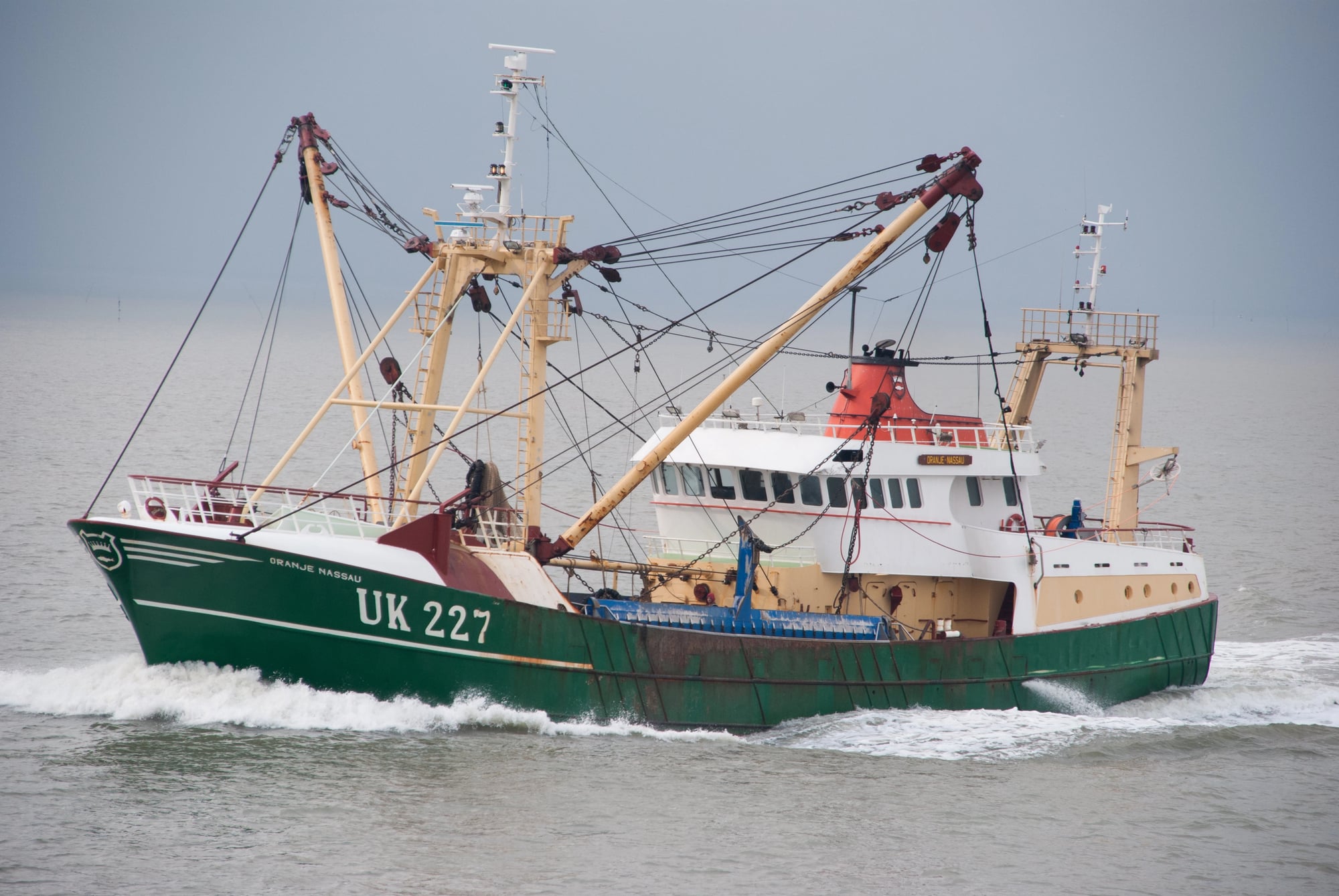
Commercial fishing takes workers far from shore in conditions that change without warning. Waves toss boats around.
Heavy equipment swings across wet decks. Fishers work long hours in freezing temperatures, often through the night.
Machinery used to haul nets and process catches can trap limbs or cause crushing injuries. The isolation of being miles offshore means accidents that might be survivable on land become deadly at sea.
Weather systems move in fast, and fishing crews sometimes have no choice but to work through dangerous conditions to bring in their catch.
Roofers
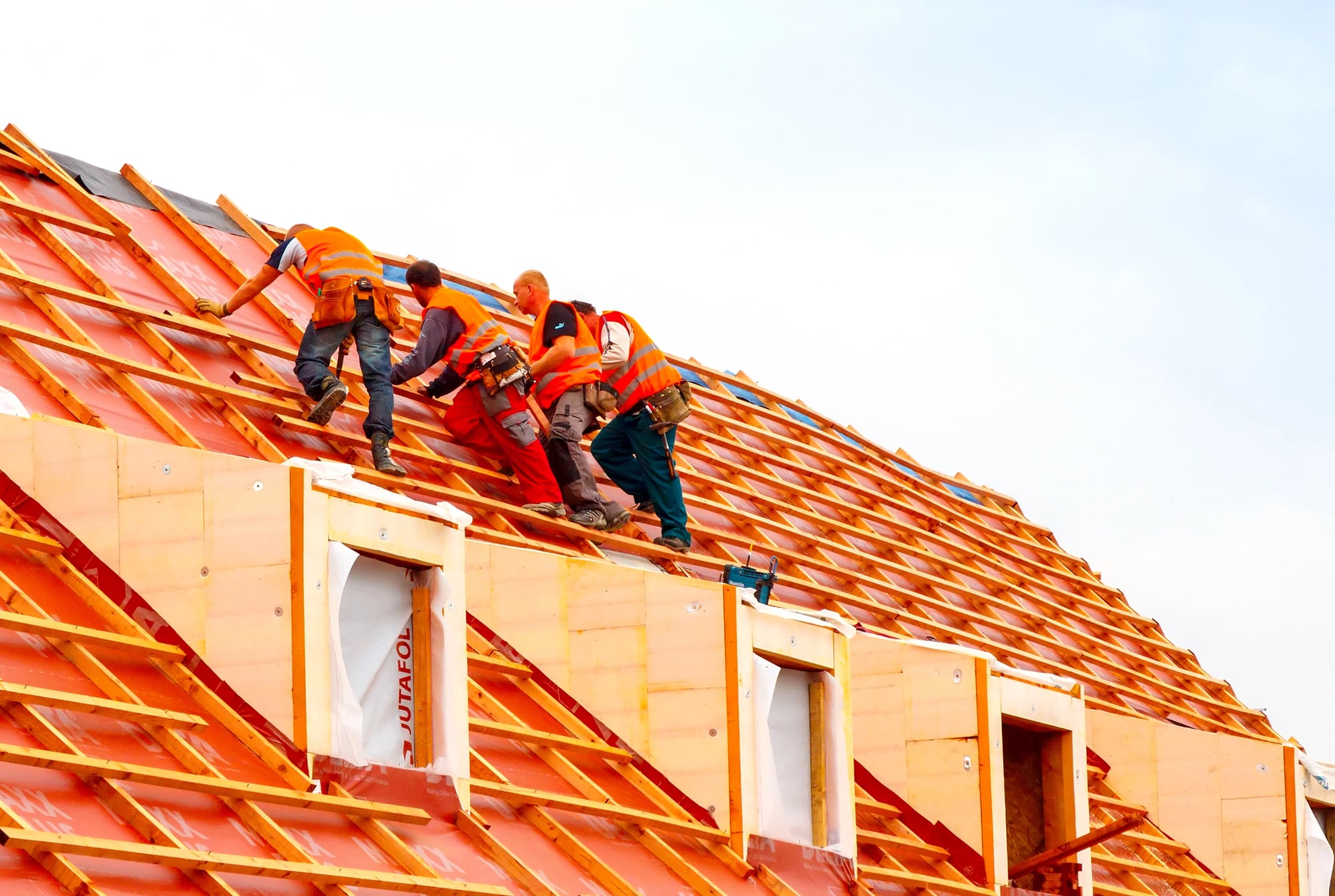
Roofers spend entire shifts on sloped surfaces dozens of feet in the air. One wrong step, a loose shingle, or a moment of inattention sends someone tumbling.
Summer heat makes roofs unbearable, with surface temperatures reaching levels that cause heat exhaustion. Falls account for most roofing injuries, but the work also involves carrying heavy materials up ladders and handling hot tar or other chemicals.
The constant exposure to sun and weather wears on the body. Safety equipment helps, but it can’t eliminate the fundamental risk of working high above the ground day after day.
Aircraft Pilots And Flight Engineers
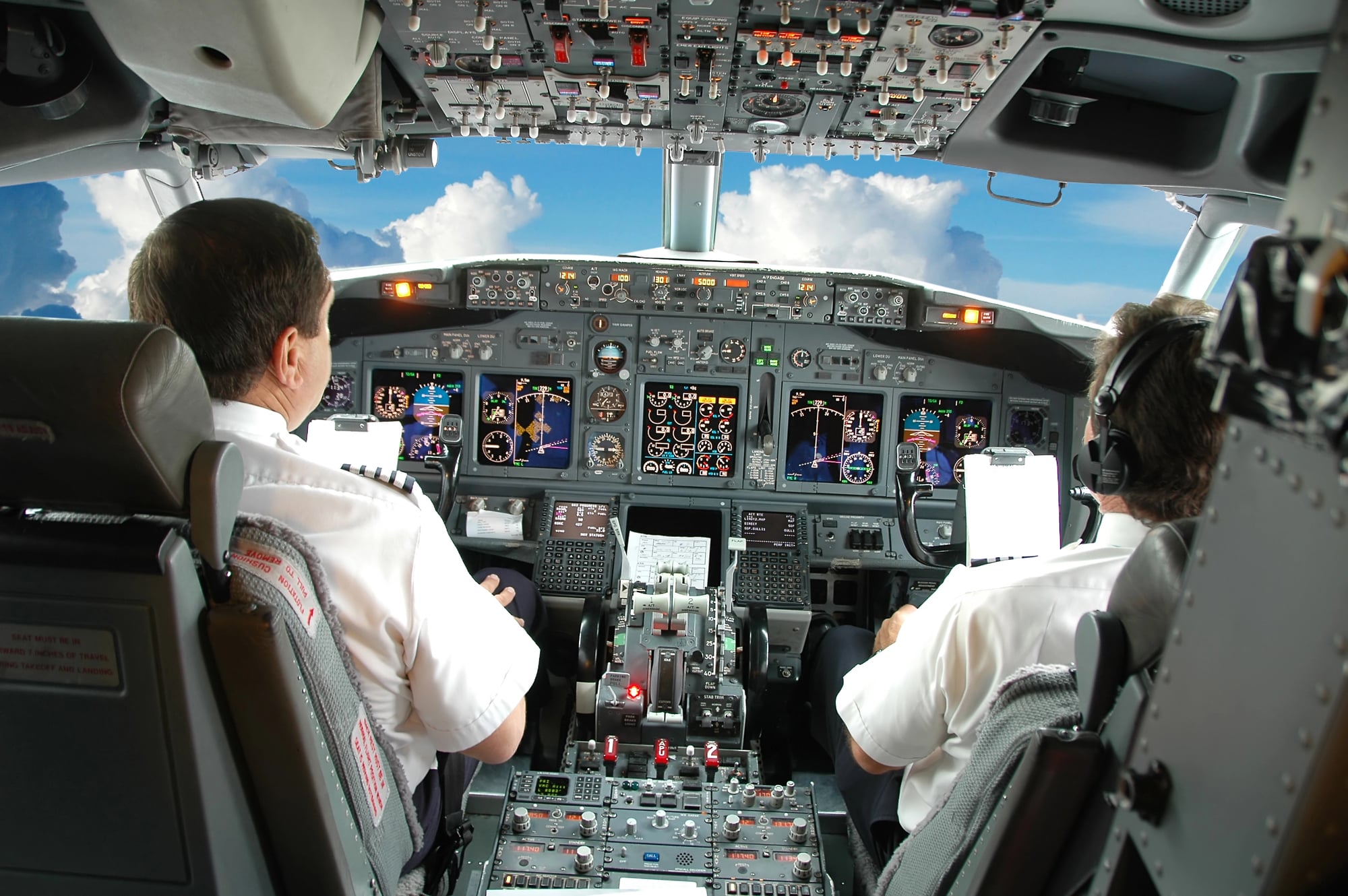
Flying sounds glamorous until you consider what happens when systems fail at 30,000 feet. Pilots handle extreme stress, irregular schedules, and equipment that needs perfect maintenance to stay safe.
Small aircraft pilots face particularly high risks flying in poor weather or landing on short runways. Helicopter pilots deal with additional dangers.
They often fly low in challenging conditions for rescue operations, medical transport, or construction work. The margin for error shrinks dramatically when operating near power lines, in mountain terrain, or during emergencies.
Every flight requires split-second decisions that determine whether everyone lands safely.
Structural Iron And Steel Workers
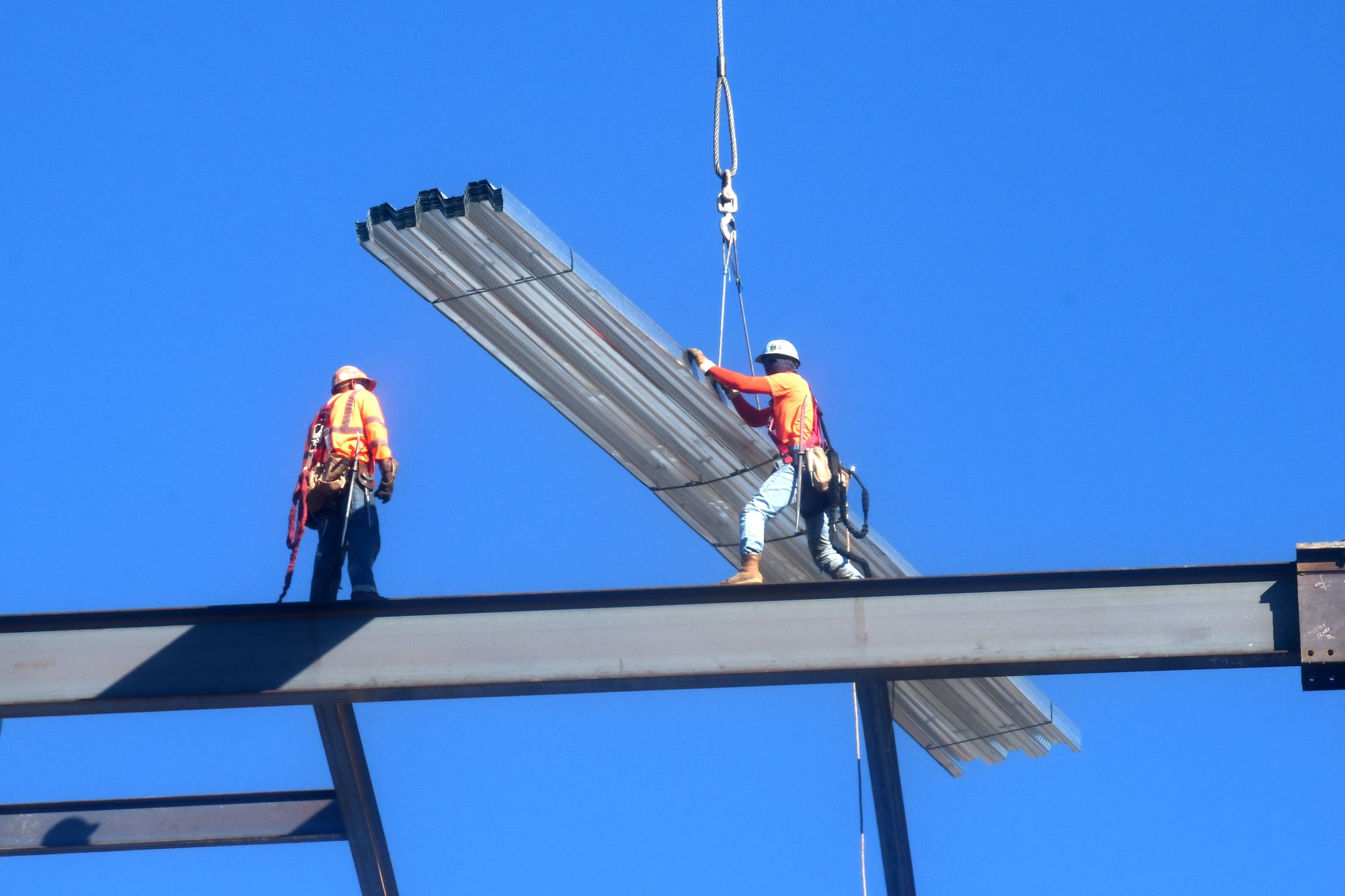
Building skyscrapers means walking on narrow beams hundreds of feet up. Structural iron workers balance, climb, and maneuver heavy steel pieces in positions where falling means death.
Wind at those heights pushes against workers and materials.
The work demands physical strength and mental focus that can’t slip even for a moment. Dropped tools become deadly projectiles.
Welding equipment adds burn risks and fumes. These workers literally build the skylines of American cities while risking their lives on every shift.
Garbage Collectors
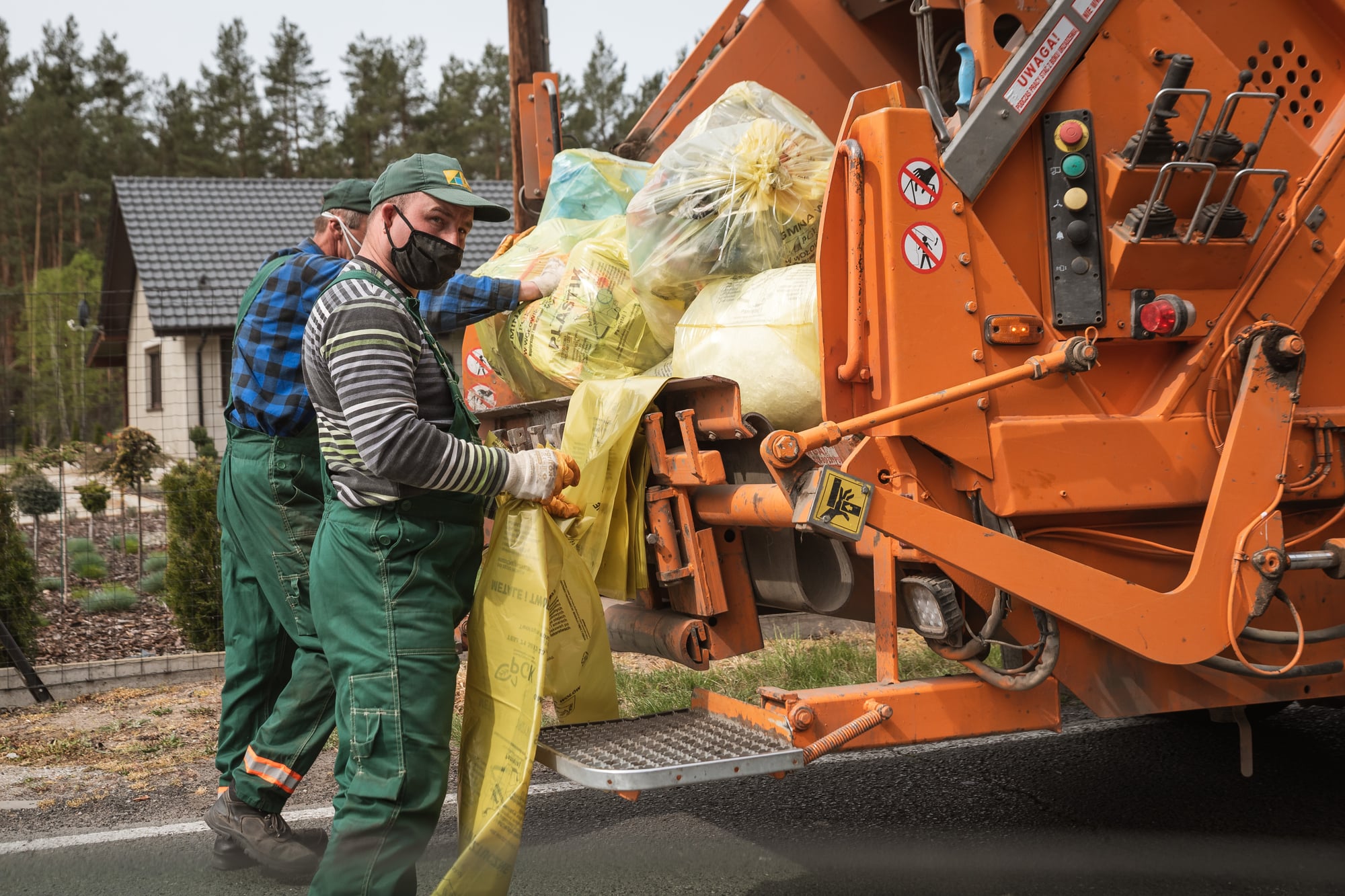
Trash collection seems routine until you see what the job actually involves. Workers jump on and off moving trucks dozens of times per shift.
They handle containers filled with unknown hazards—broken glass, needles, chemicals, and sharp metal. Traffic presents constant danger.
Drivers don’t always see garbage trucks or give them enough space. Workers get caught between vehicles and bins.
The physical strain of lifting thousands of pounds of trash daily leads to injuries. Early morning darkness adds another layer of risk.
This essential service most people take for granted ranks among the most hazardous occupations.
Farmers And Ranchers
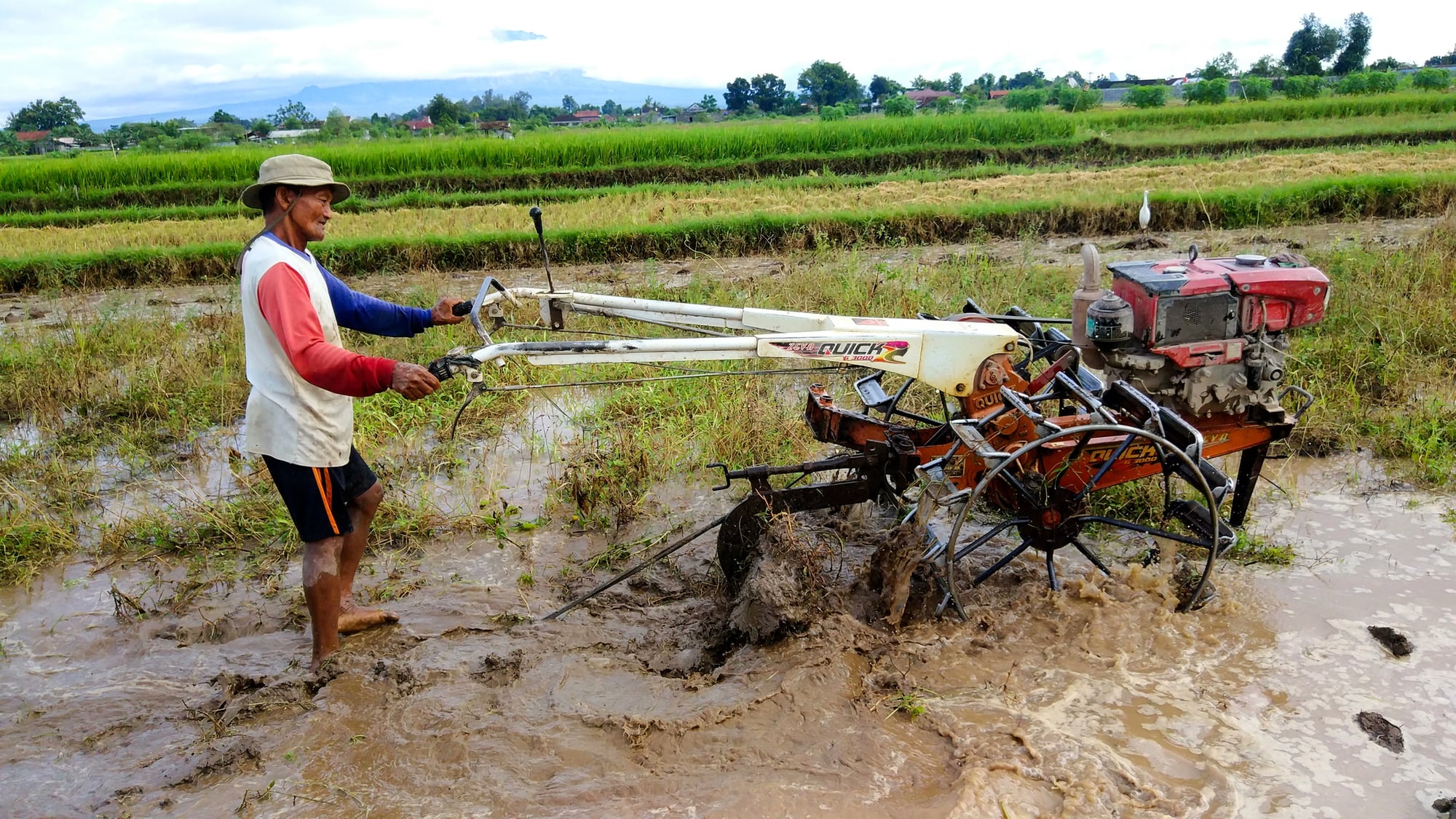
Farms operate with heavy machinery that crushes, cuts, or traps workers. Tractors flip over.
Grain silos suffocate anyone who falls in. Animals kick, bite, or trample people trying to care for them.
Hours stretch long during planting and harvest seasons, leading to fatigue and mistakes. Pesticide exposure creates health risks.
Working alone in remote fields means injuries that could be treated quickly elsewhere become serious fast. The romantic image of farm life hides brutal physical demands and dangers lurking in daily tasks.
First-Line Supervisors Of Construction Trades
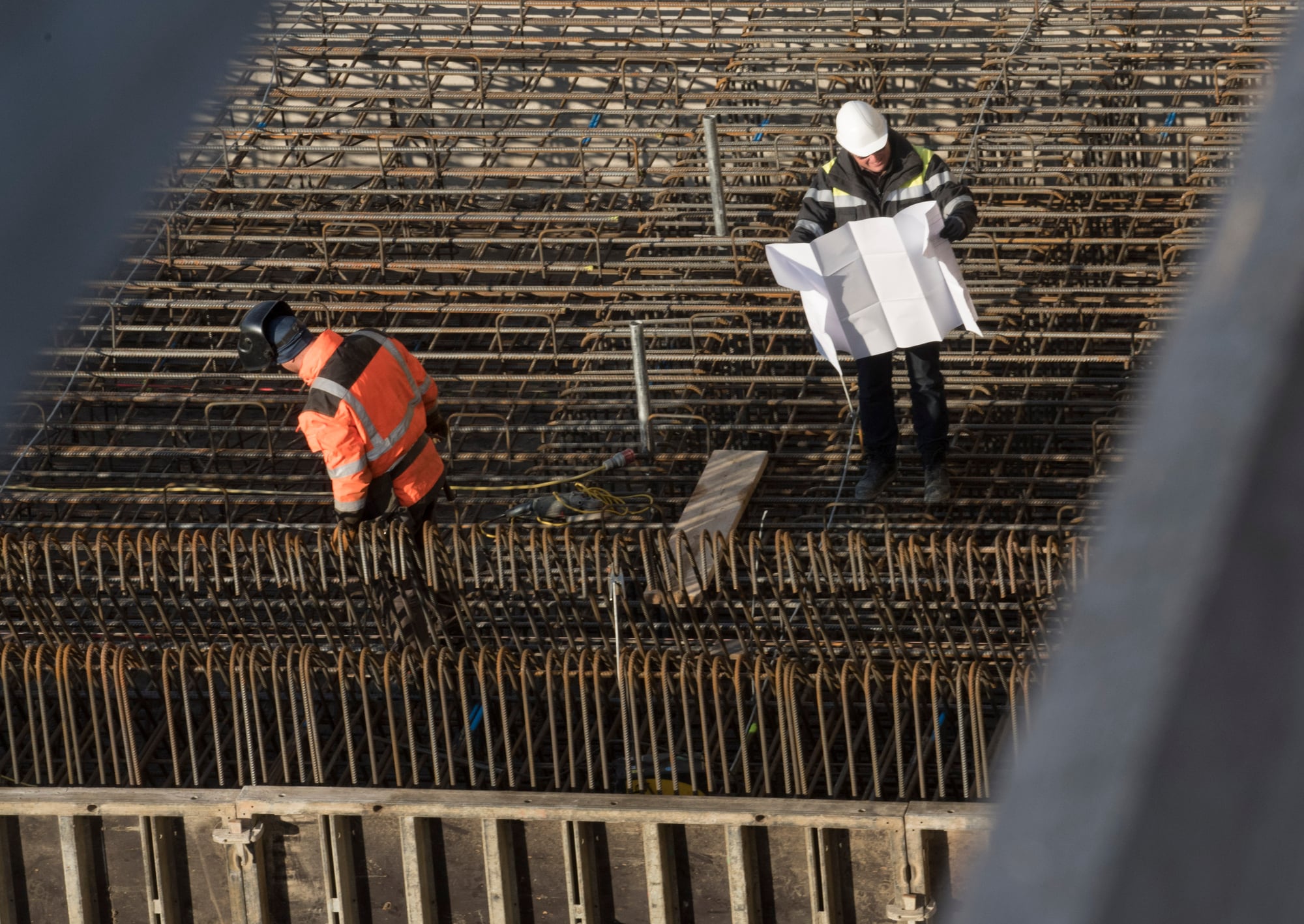
Construction supervisors walk job sites filled with hazards. They coordinate workers operating heavy equipment, working at heights, and handling dangerous materials.
The responsibility for safety falls on their shoulders while they navigate the same risks as their crews. These supervisors balance production pressure against safety protocols.
They make decisions about whether conditions are safe enough to continue work. A bad call puts everyone at risk.
The job combines physical dangers with stress that comes from being accountable for other people’s lives.
Grounds Maintenance Workers
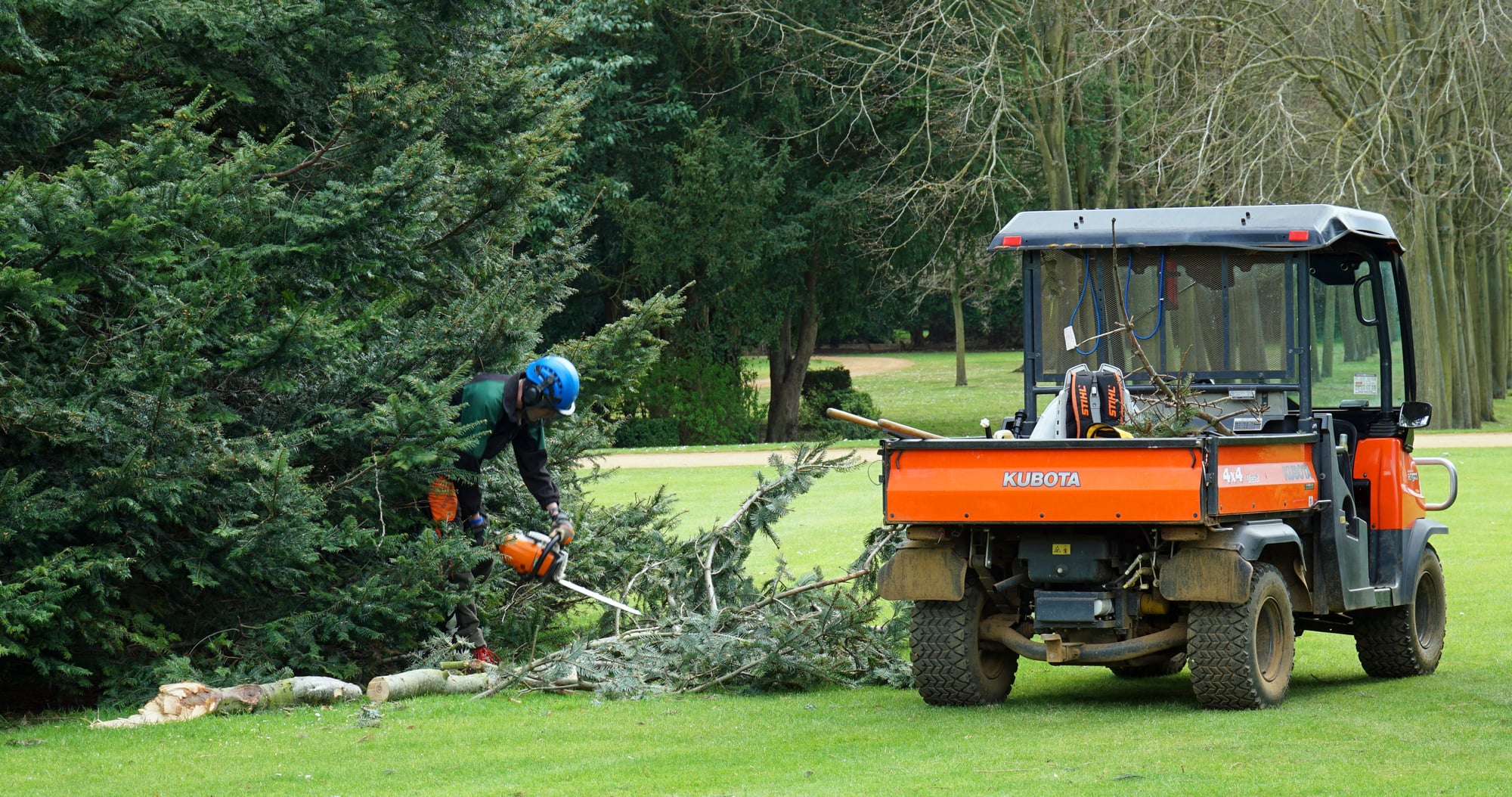
Landscaping involves more danger than most people realize. Commercial mowers can sever limbs.
Tree branches fall on workers. Equipment like wood chippers and hedge trimmers cause devastating injuries when things go wrong.
Workers spend hours exposed to extreme heat, cold, and weather. Pesticides and fertilizers pose chemical risks.
The job requires operating various machines, often in tight spaces near buildings, fences, or traffic. What looks like simple yard work becomes hazardous when done eight hours a day with industrial equipment.
Electrical Power-Line Installers And Repairers
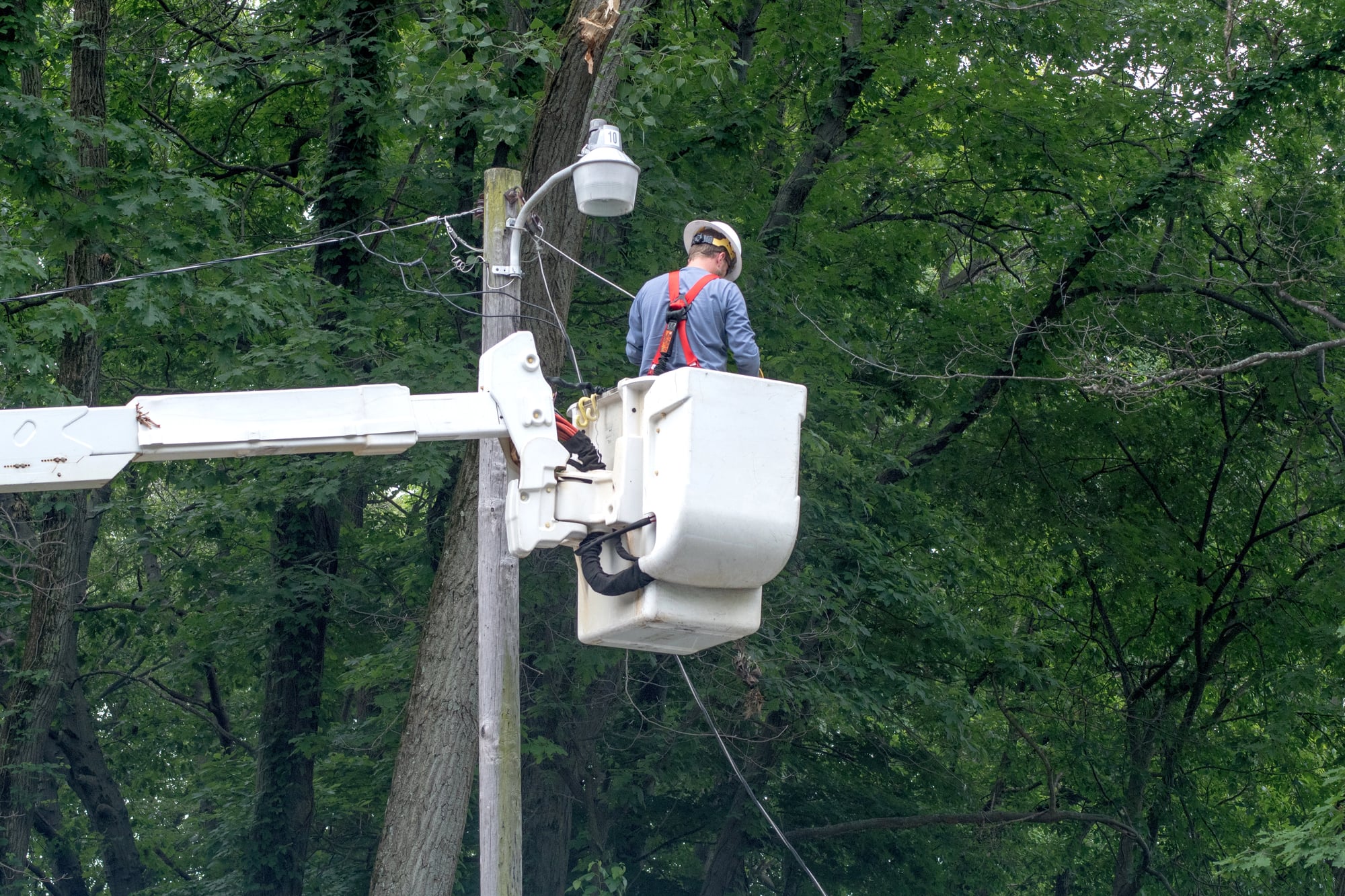
Electricity doesn’t give second chances. Line workers climb poles and towers to work with currents that kill instantly on contact.
They repair lines during storms when power is out and everyone else stays inside. Heights combine with electrical danger.
Bad weather makes already risky work more treacherous. Workers must stay focused while exhausted, knowing one mistake proves fatal.
The job requires specialized training because the margin between doing it right and dying is razor thin. Every time you flip a light switch, someone risked their life to make that power available.
Truck Drivers
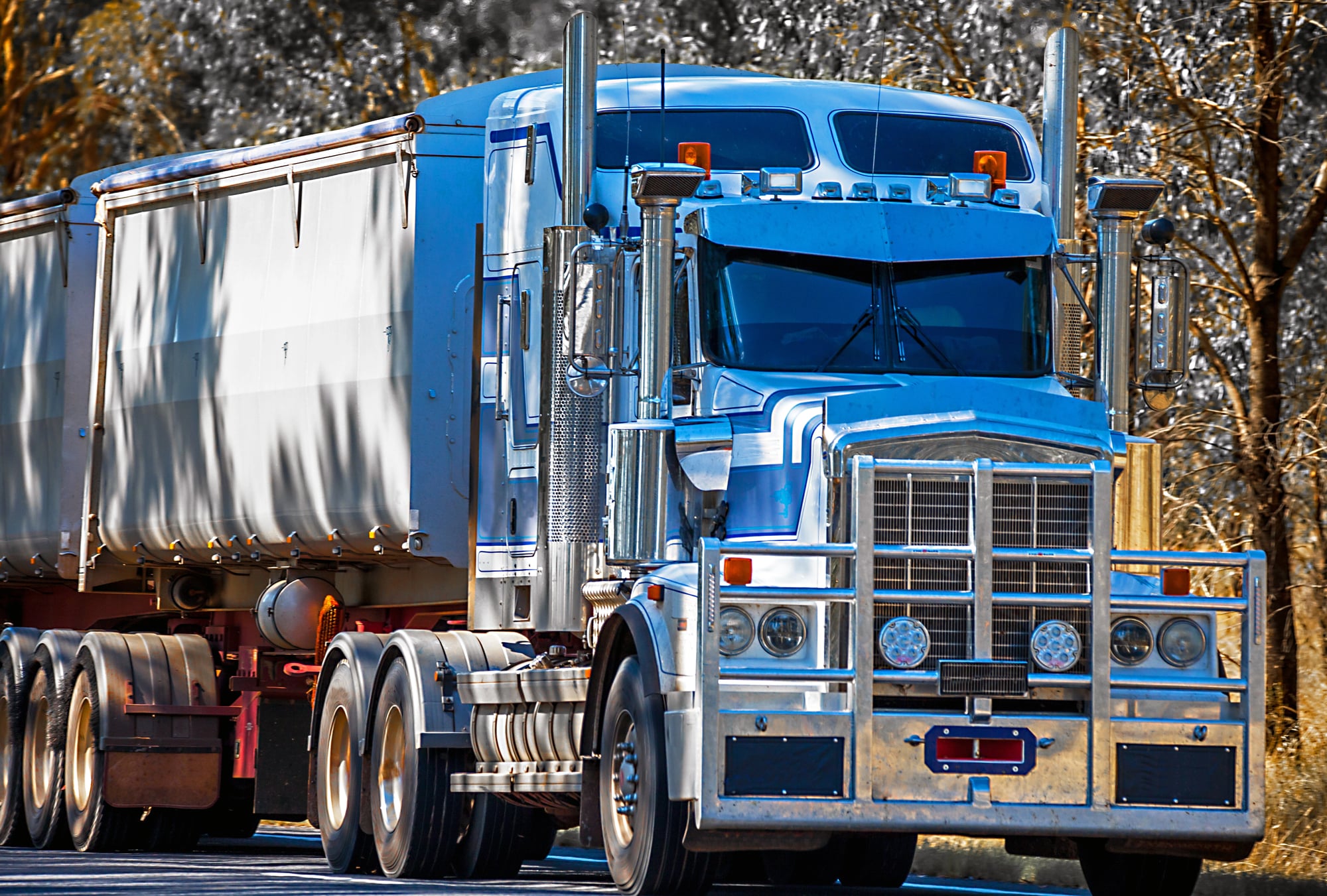
Long hours behind the wheel lead to fatigue. Other drivers make unpredictable moves.
Weather conditions change. Mechanical failures happen at highway speeds.
Commercial trucks weigh 20 times more than regular cars but stop less easily. Drivers face pressure to meet delivery schedules that push them to keep going when they should rest.
Loading and unloading cargo adds physical risk. The isolation of being on the road alone for days affects mental health and alertness.
Traffic accidents involving trucks often turn catastrophic.
Construction Laborers
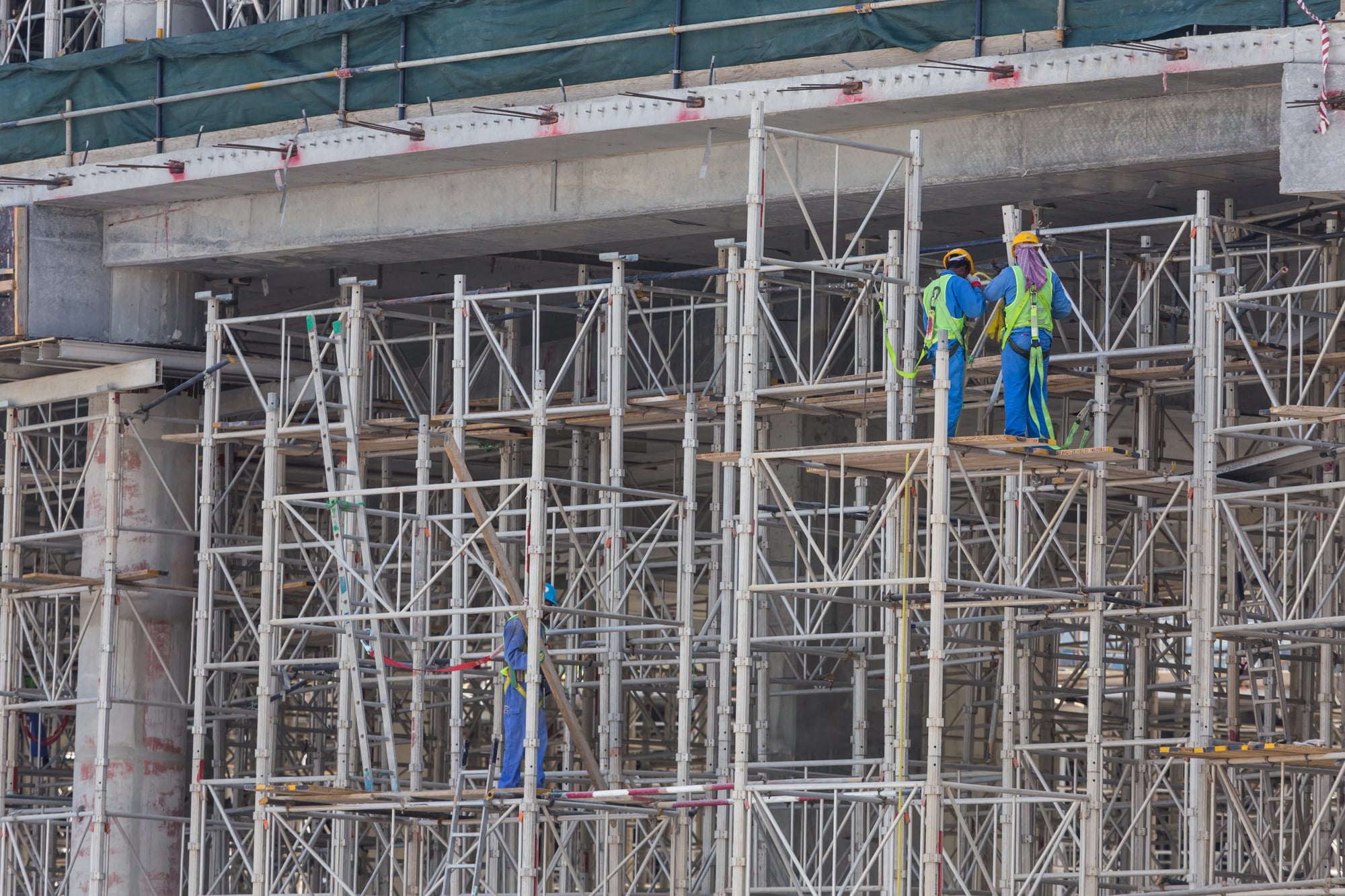
General construction work exposes laborers to every hazard on a job site. They dig trenches that can collapse.
They work near heavy equipment. They carry materials, climb scaffolding, and handle tools that cause serious injuries.
The work changes daily, so workers adapt to new risks constantly. The temporary nature of construction sites means conditions stay rough.
Weather exposure, repetitive strain, and physical demands take a toll. Laborers form the backbone of every building project while facing dangers from multiple directions simultaneously.
Police Officers
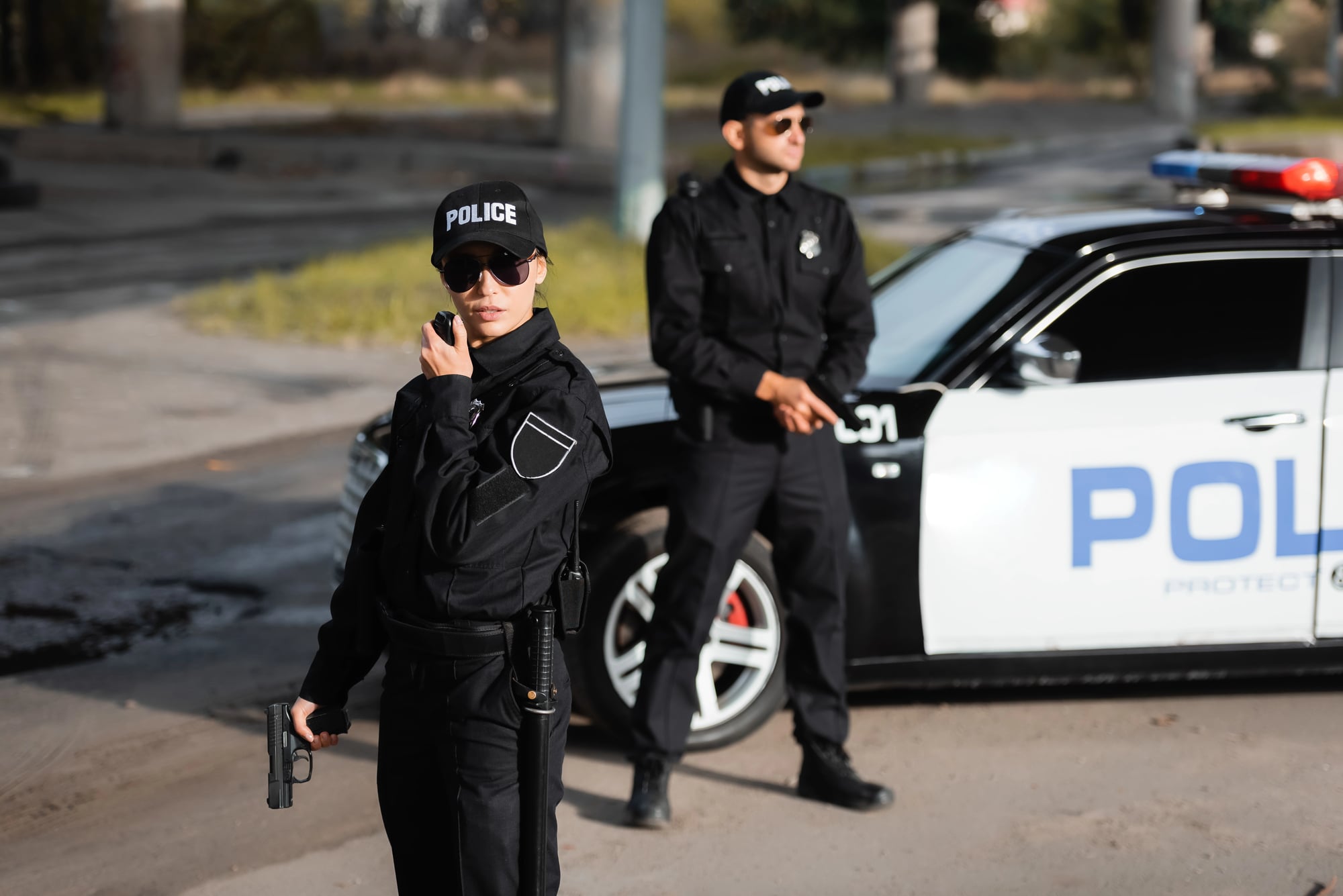
Law enforcement puts officers in situations that turn violent without warning. Traffic stops escalate.
Domestic calls become dangerous. Pursuing suspects means chasing people who want to escape at any cost.
The stress extends beyond physical danger. Officers deal with traumatic scenes that affect mental health.
They make split-second decisions under intense scrutiny. Every shift brings encounters with people at their worst, in crisis, or actively hostile.
The uniform makes officers targets, and the job requires confronting danger while others run from it.
Firefighters
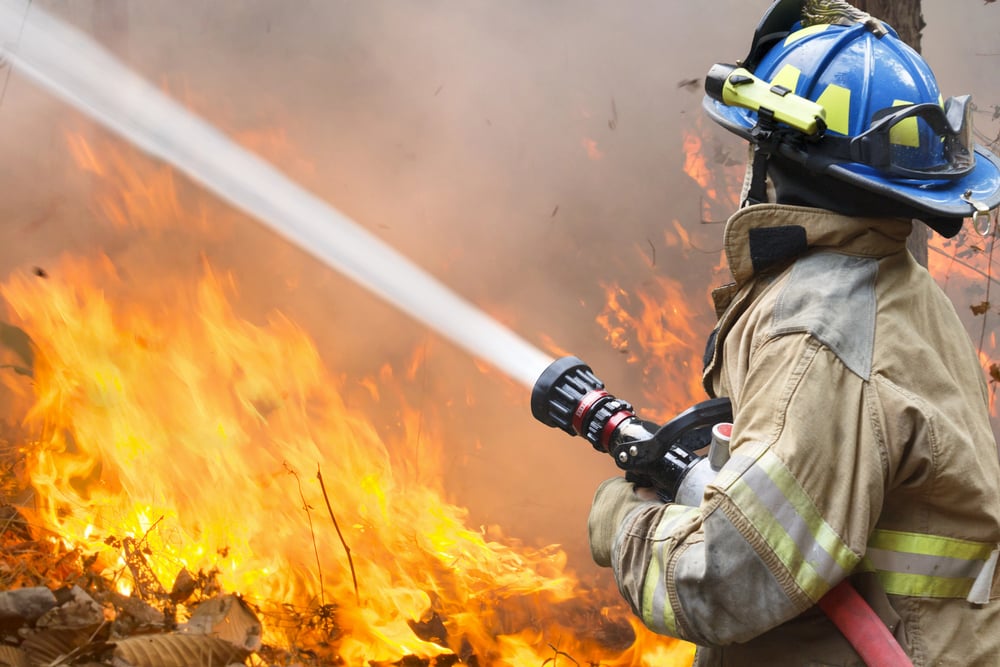
Running into burning buildings goes against every survival instinct. Firefighters face extreme heat, collapsing structures, and toxic smoke.
They carry heavy gear while navigating unfamiliar layouts in zero visibility. Medical calls expose them to diseases.
Car accidents involve fire, chemicals, and trapped victims. The unpredictable nature of emergencies means firefighters never know what they’ll encounter.
Physical demands remain intense throughout careers that span decades. The job requires courage most people can’t imagine, repeated daily.
Mining Machine Operators
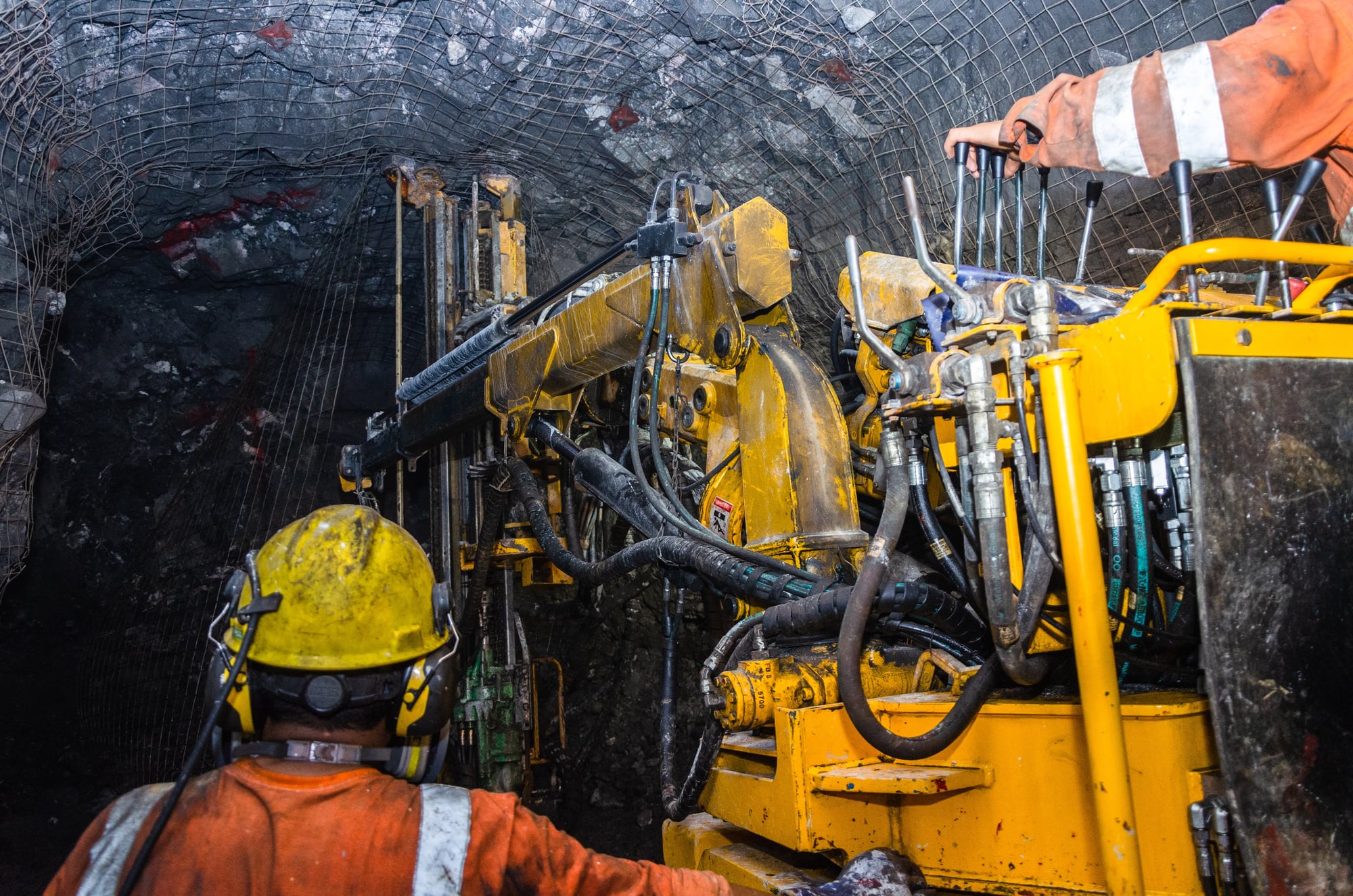
Underground mining traps workers in tight spaces filled with dust, chemicals, and the constant threat of collapse. Equipment operates in confined areas where visibility stays poor.
Roof falls, flooding, and equipment failures can trap entire crews. Operators spend shifts in darkness surrounded by machinery that crushes anything in its path.
The work is physically demanding and takes place in an environment hostile to human survival. Mining extracts resources society needs, but the people who do that work face conditions that seem medieval by modern standards.
Taxi Drivers And Chauffeurs

Driving strangers around puts taxi and rideshare drivers at risk from passengers. Robberies happen.
Assaults occur. Drivers work late nights in areas they might not know well.
Traffic accidents remain a constant threat. Long hours behind the wheel lead to fatigue.
Drivers face pressure to keep picking up fares even when exhausted. The job combines the dangers of driving with the unpredictability of dealing with unknown people in your vehicle.
Payment disputes can escalate into violence.
Athletes And Sports Competitors

Professional sports push the human body beyond normal limits. Concussions cause lasting brain damage.
Joints break down from repeated impacts. Careers end from injuries that happen in seconds.
The pressure to perform while hurt leads athletes to hide injuries. Training regimens strain bodies in ways that create long-term problems.
Combat sports like boxing and MMA involve deliberate attempts to hurt opponents. Even sports that seem safer, like gymnastics or skiing, involve speeds and heights that turn mistakes fatal.
The glory of competition masks real physical destruction.
Industrial Machinery Installation Workers
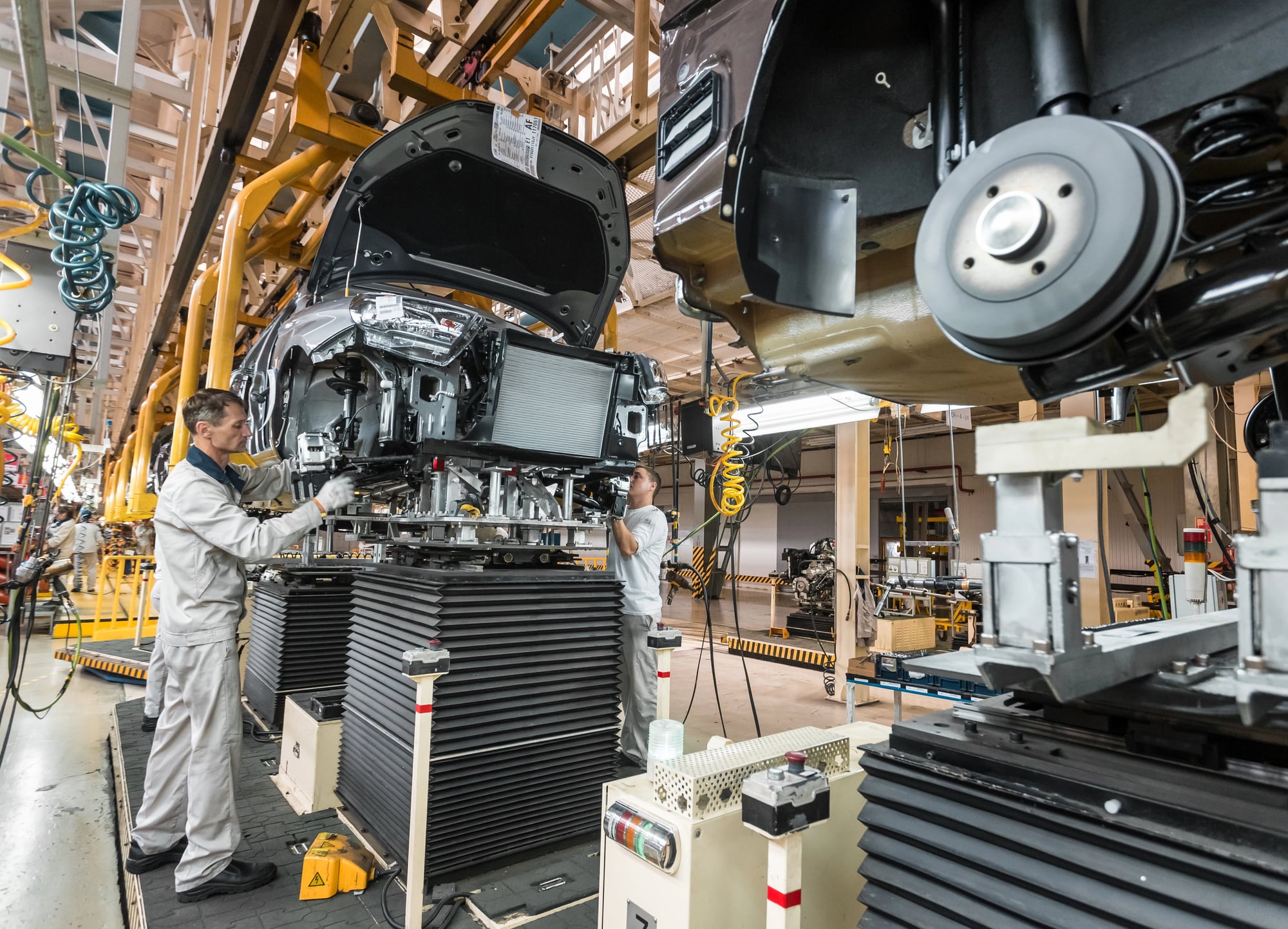
Installing heavy machinery requires precision in dangerous conditions. Equipment weighs thousands of pounds.
Workers position massive pieces using cranes and rigging that can fail catastrophically. Confined spaces in factories limit movement.
Workers coordinate complex installations where poor communication leads to crushed limbs or worse. The machinery itself presents hazards even when not yet operational.
One miscalculation during installation can kill multiple workers instantly.
Painters (Construction)
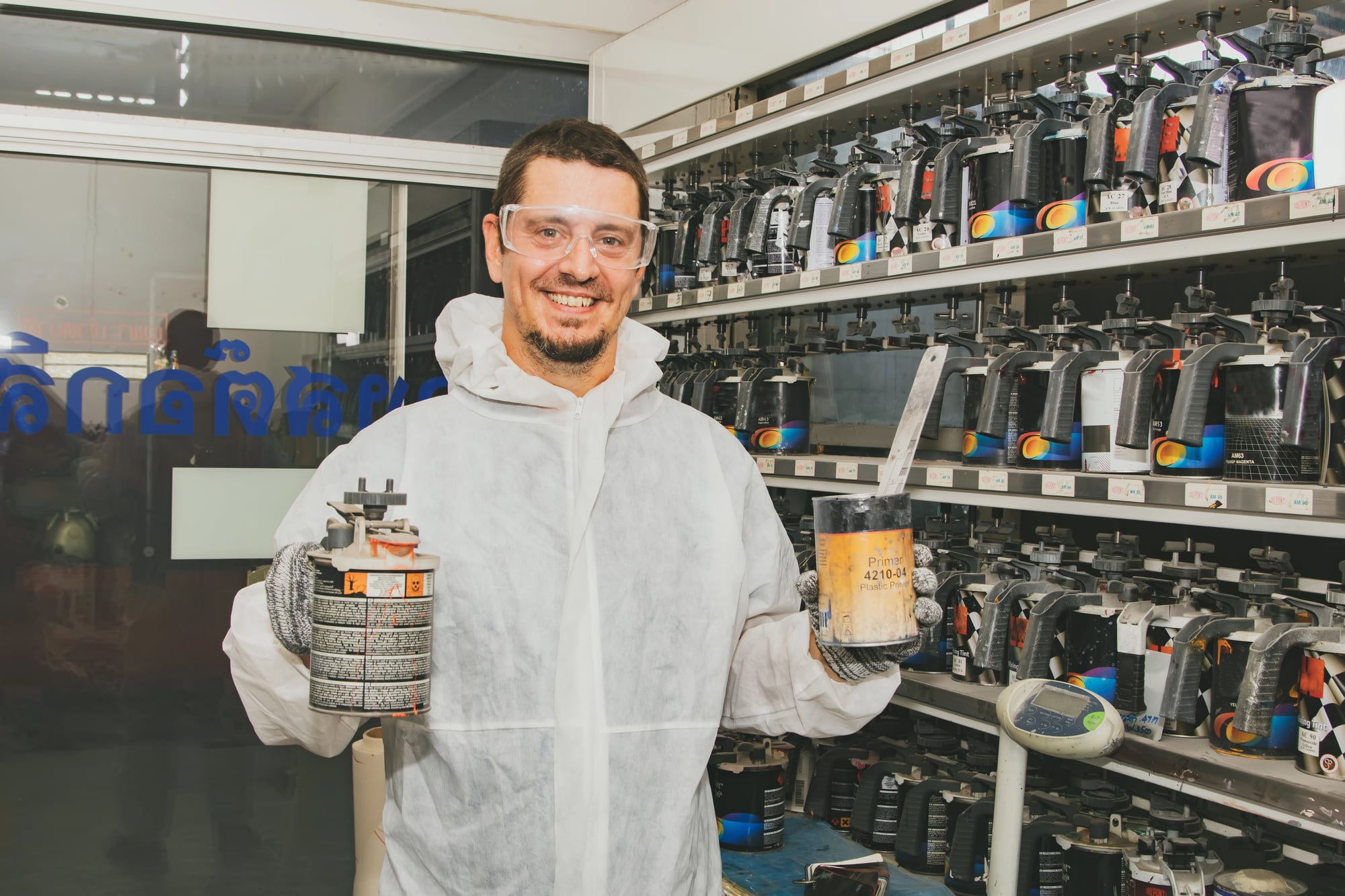
Working on ladders and scaffolding puts painters at risk of falls. Chemical exposure from paints, solvents, and strippers affects long-term health.
Painters work in extreme heat and cold, often in poorly ventilated spaces. They handle spray equipment under pressure.
Work above streets or in high-rise buildings adds danger. The repetitive nature of the work leads to overuse injuries.
Confined spaces where fumes concentrate can cause immediate health crises. What seems like straightforward work involves constant exposure to multiple hazards.
Highway Maintenance Workers
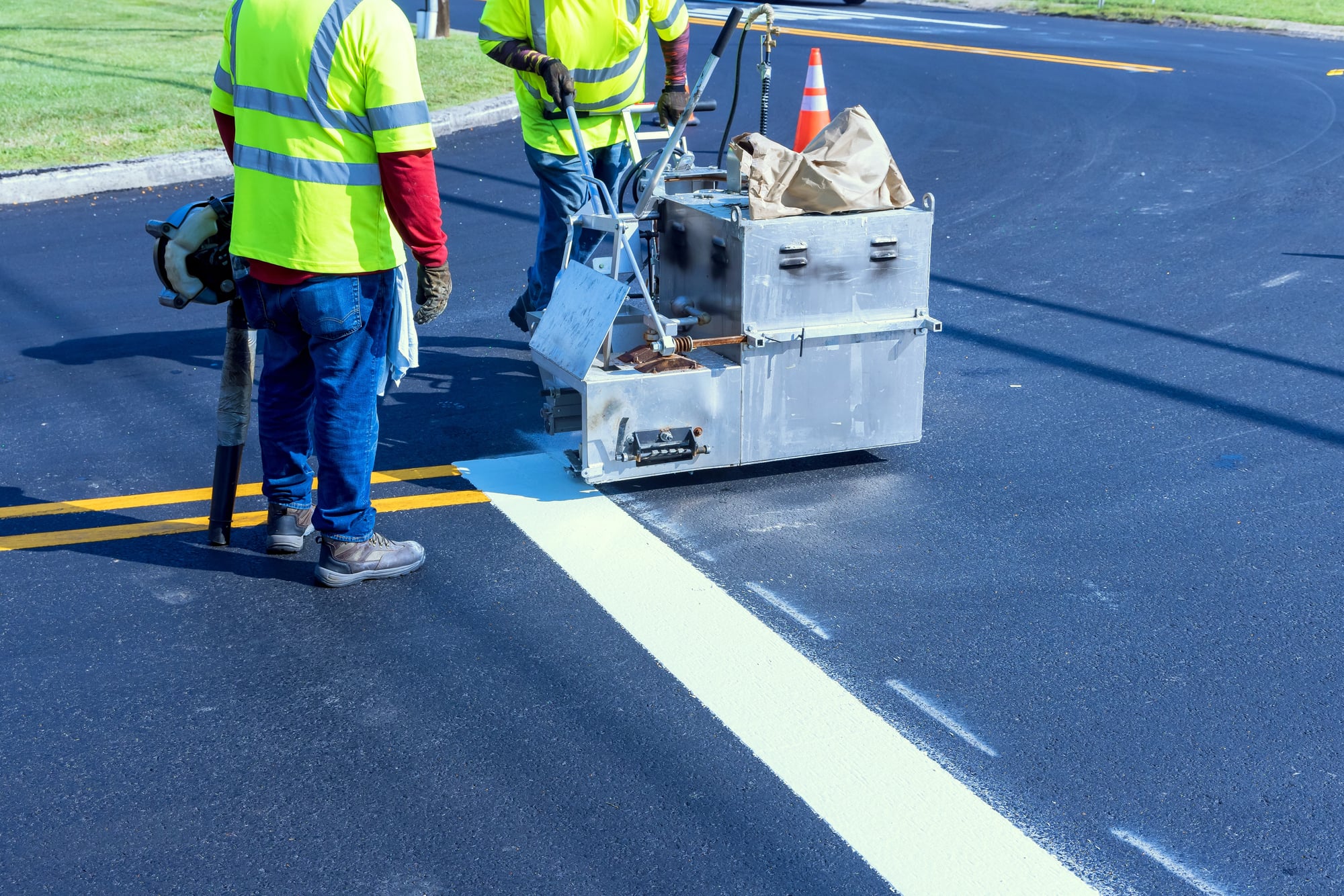
Fixing roads requires working next to traffic moving at deadly speeds. Drivers don’t always slow down or pay attention to work zones.
Workers face constant risk of being struck by vehicles. Weather makes highway work more dangerous.
Rain, snow, and fog reduce visibility right when workers need drivers to see them most. The job involves heavy equipment, hot materials like asphalt, and exposure to exhaust fumes.
Someone has to maintain the roads everyone uses, but doing that work means standing feet from cars traveling 60 miles per hour.
Tree Trimmers And Pruners
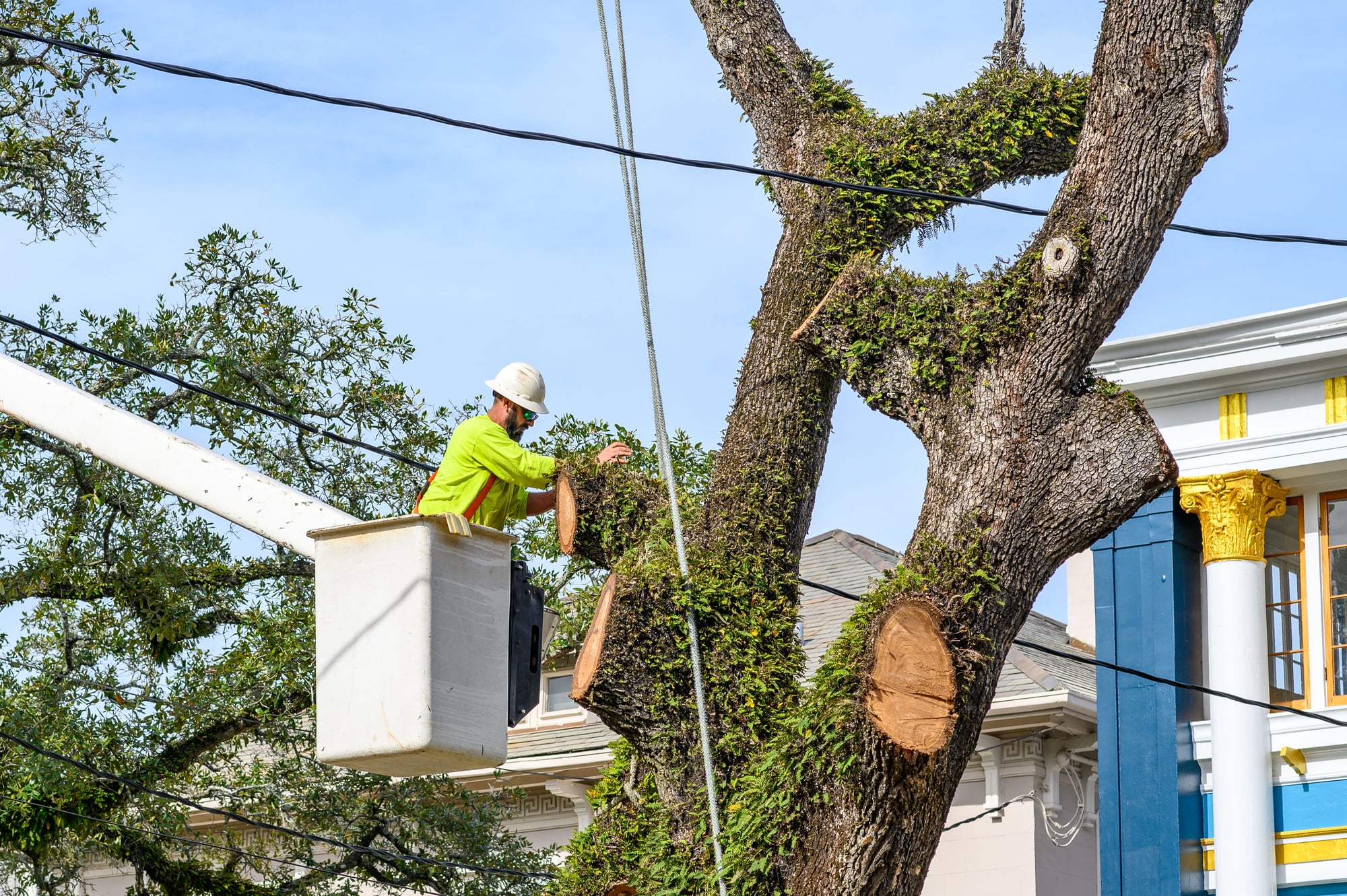
Climbing trees while carrying a chain saw ranks high on the list of objectively dangerous activities. Workers operate in unstable positions with cutting tools.
Branches fall unpredictably. Power lines run through many trees, adding electrocution risk.
Ground crews face danger from falling limbs and equipment. Weather affects tree stability in ways that aren’t always visible.
A tree weakened by disease can collapse without warning. Wood chippers process branches at speeds that mangle anything that gets caught.
The work keeps neighborhoods safe and attractive but puts workers in harm’s way constantly.
Crane Operators
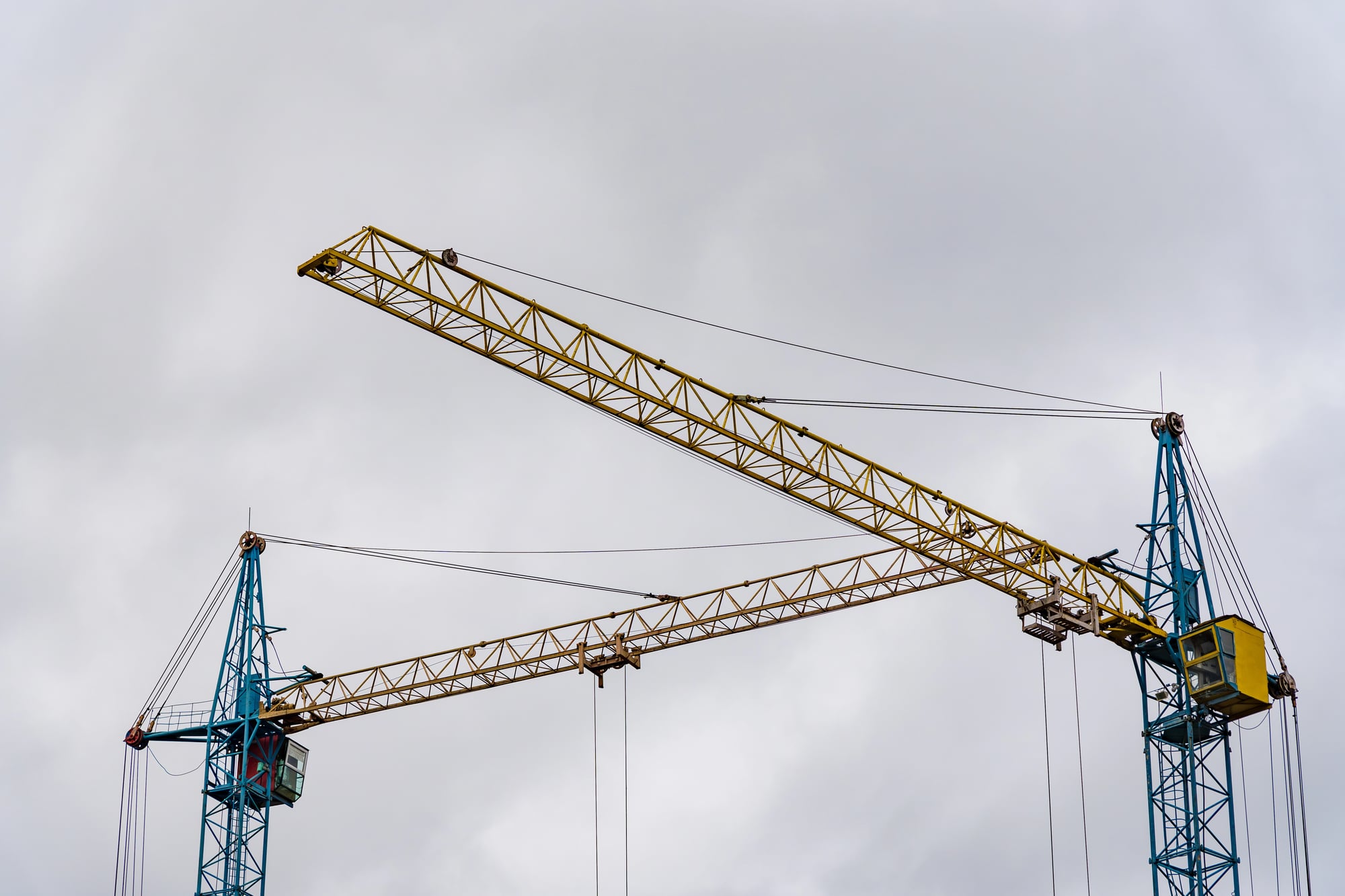
Controlling machines that lift tons of material requires absolute focus. Crane operators make decisions that affect everyone on a construction site.
Load calculations must be perfect. Wind changes how cranes handle.
A dropped load kills people below. Equipment failure brings down the entire crane.
Operators work in cabs dozens or hundreds of feet in the air. The responsibility for safety combines with physical danger from heights and machinery.
Every lift involves multiple things that could go catastrophically wrong.
Underground Mining Workers
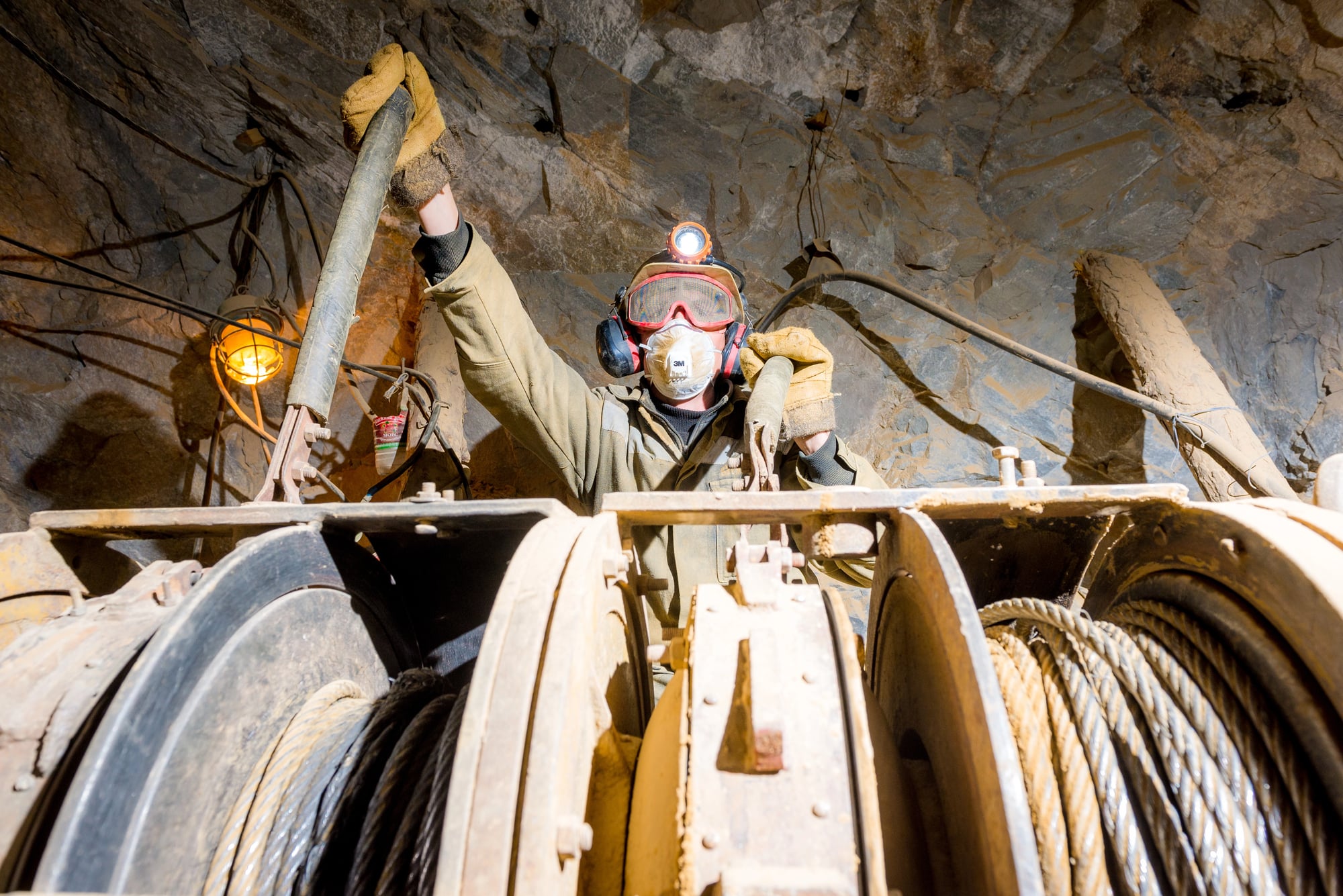
Working underground means accepting that rock could cave in at any moment. Ventilation systems must work perfectly or toxic gases accumulate.
Flooding can trap miners with no escape route. The darkness and isolation create psychological stress on top of physical danger.
Equipment operates in cramped tunnels where there’s no room to get clear if something goes wrong. Mine collapses make headlines, but everyday dangers from dust, chemicals, and machinery cause steady harm.
These workers extract coal and minerals from places humans weren’t meant to be.
Oil And Gas Extraction Workers
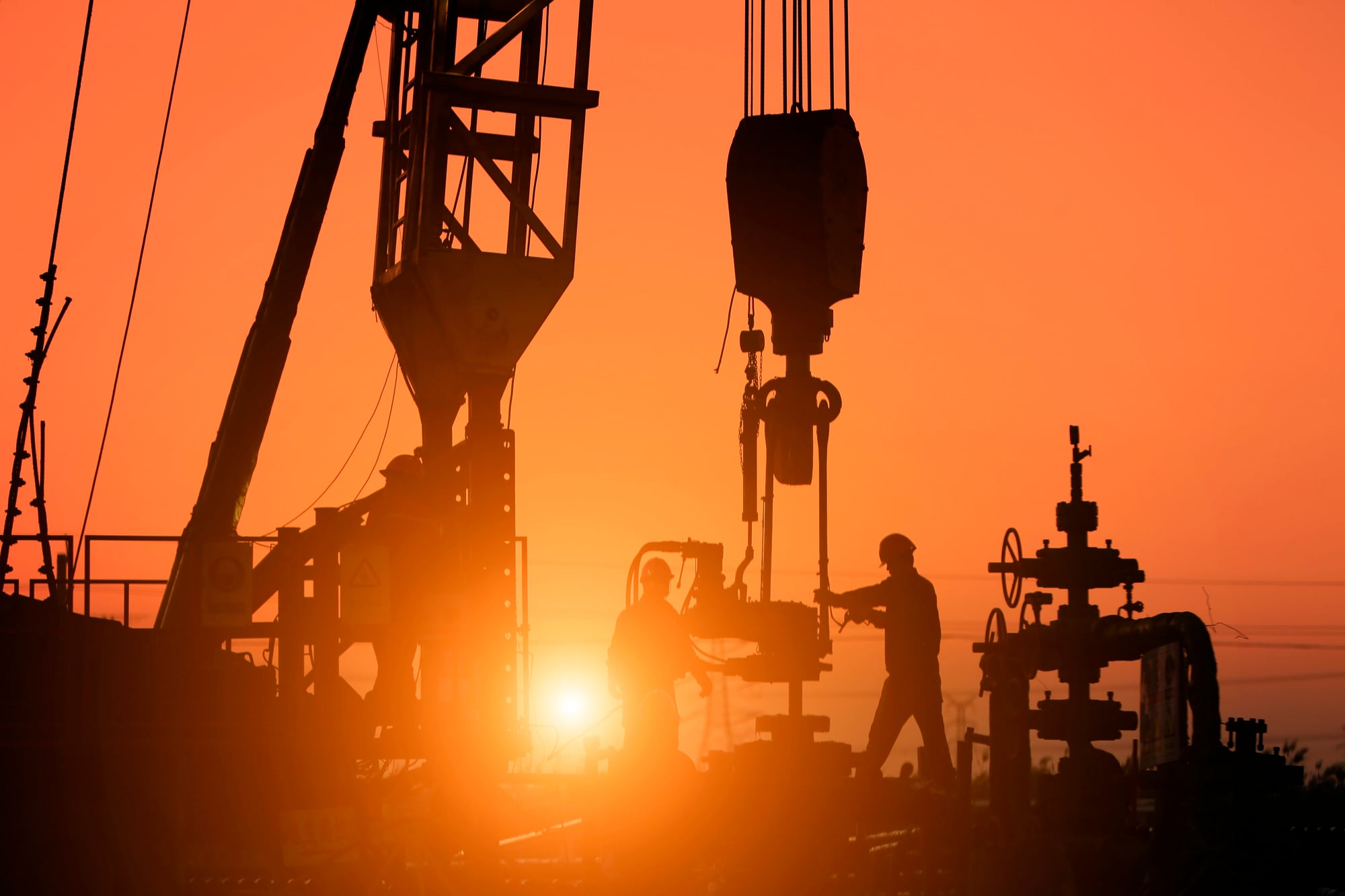
Oil rigs operate with high-pressure systems, explosive materials, and heavy machinery. Workers handle equipment that can cause fires, explosions, or toxic exposure.
Offshore platforms add isolation and weather risks. Shifts run long in harsh conditions.
Physical demands stay intense throughout careers that take a toll on bodies. The industry requires specialized skills but puts workers in situations where errors prove fatal.
Blowouts, equipment failures, and fires kill workers even when safety protocols are followed. Energy production depends on people willing to face serious danger.
Commercial Divers
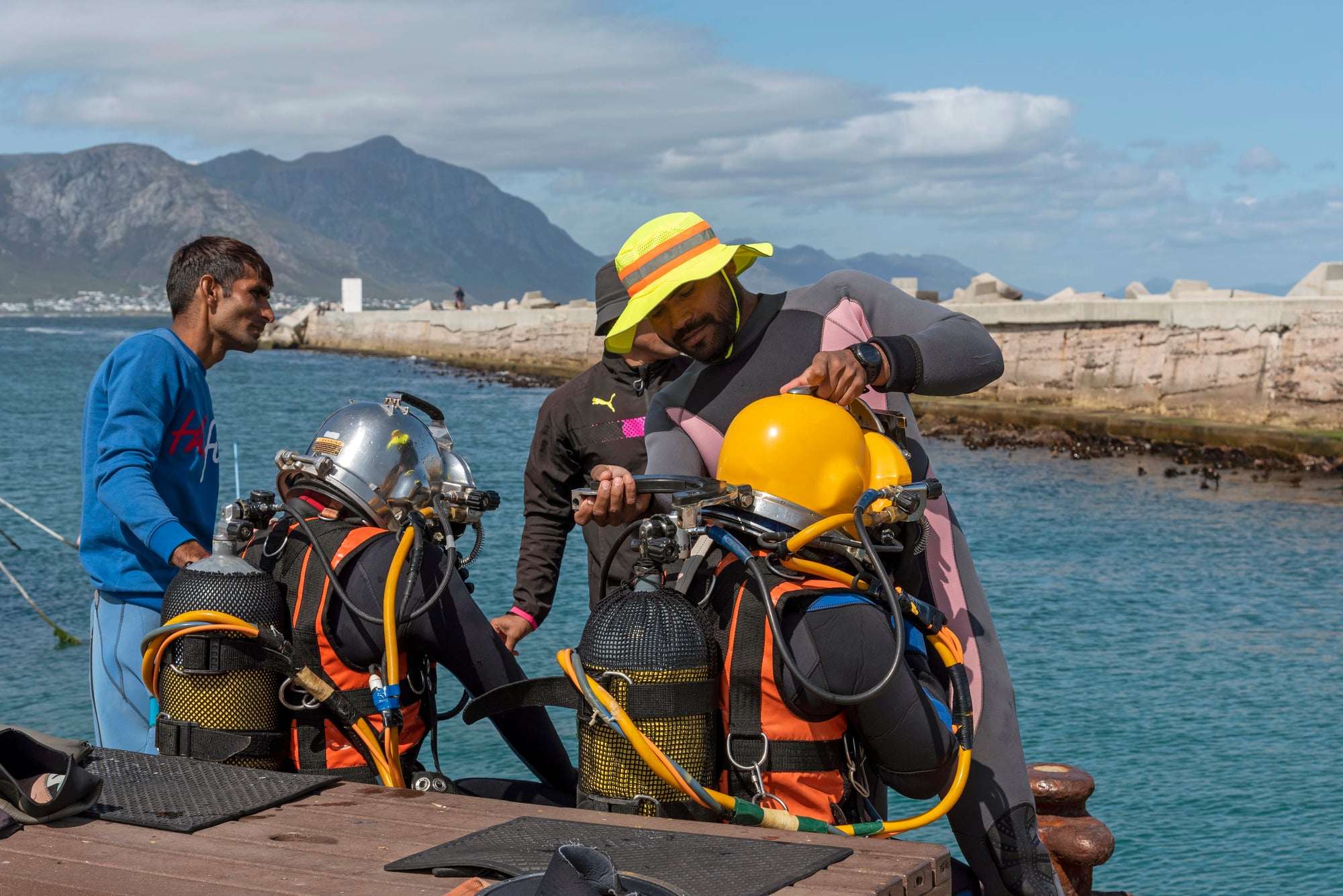
Down there, every breath ties to a thin line between safety and running out of air. What happens up top – storms, wind – reaches down whether you’re ready or not.
Machines meant to keep life flowing might stop without warning. Rising fast tricks the body into thinking it’s safe, when bubbles begin forming inside.
The job itself adds pressure on top of pressure. Down there, eyes struggle to see much at all.
Currents yank hard without warning. Cold seeps in fast, biting deeper than expected.
Structures hide beneath murk, needing hands to check what machines miss. Tools fail now and then, leaving one person to fix it solo.
Voices cannot travel well between surface and depth. Help might take too long if things go sideways.
Bodies break easier under pressure. Tasks get done slow, piece by piece, even so.
The People Behind The Work
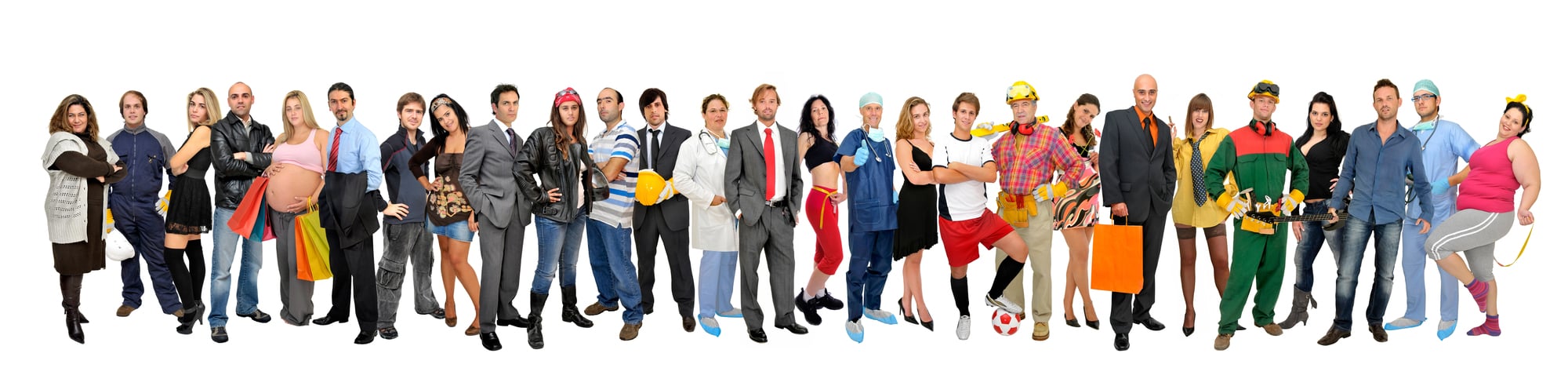
Not everyone can handle the pressure, yet some choose paths where danger is part of the day. Lights stay on because certain tasks get done, even when risky.
Food reaches tables thanks to effort behind the scenes. Structures remain upright due to labor others avoid.
Facing hazards head-on becomes routine for those who sign up. They see the threats clearly – still walk into the role.
Sometimes risk feels personal, yet situations shift too. Money needs to push certain folks toward risky jobs.
Still, meaning or pride pulls others into roles many steer clear of. Each injury number hides someone deciding – whether they had real choices or not.
Seeing the hazard makes clearer why those facing it matter more than we admit.
More from Go2Tutors!

- The Romanov Crown Jewels and Their Tragic Fate
- 13 Historical Mysteries That Science Still Can’t Solve
- Famous Hoaxes That Fooled the World for Years
- 15 Child Stars with Tragic Adult Lives
- 16 Famous Jewelry Pieces in History
Like Go2Tutors’s content? Follow us on MSN.