17 Human Mistakes That Caused Disasters
Throughout history, simple human errors have triggered some of the world’s most devastating catastrophes. A misread gauge here, a skipped safety check there, and suddenly thousands of lives hang in the balance.
These aren’t stories of malicious intent or deliberate sabotage — they’re sobering reminders of how even small mistakes can snowball into monumental disasters. Here are 17 human mistakes that changed the course of history.
Chernobyl Nuclear Disaster

The April 1986 Chernobyl disaster stands as the worst nuclear accident in history, caused by a flawed reactor design combined with human error. Operators conducted a safety test that required shutting down most of the reactor’s safety systems.
When power dropped unexpectedly, they made a fatal decision to continue the test anyway. Attempting to shut down the reactor in those conditions resulted in a dramatic power surge.
The explosion and fire released radioactive material across Europe.But here’s the thing — the control room operators had been working for hours without proper rest.
The disaster cost untold lives and hundreds of billions of dollars, making it the costliest disaster in human history.
Space Shuttle Challenger Explosion

Engineers worried about cold weather affecting rubber seals called O-rings. The Space Shuttle Challenger exploded shortly after takeoff, killing all seven crew members.
Management ignored multiple warnings about launching in freezing temperatures. The disaster was caused by a failed O-ring seal, which was a result of poor design and inadequate safety testing.
Millions watched on live television. Not great for NASA’s reputation.
Titanic Disaster

Captain Edward Smith altered the ship’s course to head south in an attempt to avoid an area with icebergs. However, he didn’t reduce the ship’s speed, ignored a subsequent warning from a nearby ship, and ultimately wasn’t able to steer away from an iceberg quickly enough to avoid a collision.
The ship was racing to maintain its reputation for speed and punctuality. The crew were warned of icebergs in the vicinity several times that fateful day on April 14, 1912, but these warnings were largely ignored.
The sinking of the RMS Titanic resulted in over 1,500 deaths. The “unsinkable” ship sank in just over two hours.
Three Mile Island Nuclear Accident
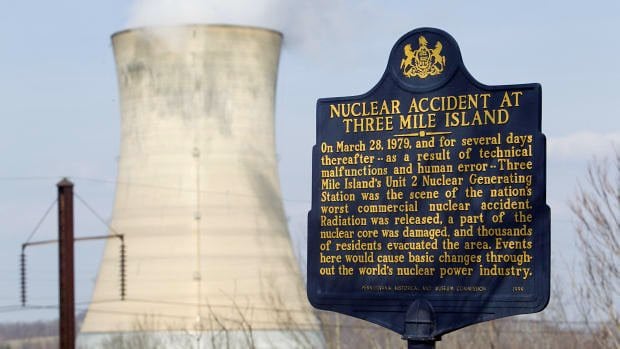
At 4:00 a.m. on March 28, 1979, an automatically operated valve in the Unit 2 reactor mistakenly closed, shutting off the water supply to the main feedwater system. A hidden indicator light led an operator to manually override the automatic emergency cooling system for the reactor because he mistakenly believed there was too much coolant water in the reactor — the opposite proved to be true.
A series of equipment and instrument malfunctions, human errors in operating procedures, and mistaken decisions in the ensuing hours led to a serious loss of water coolant from the reactor core and a partial core meltdown. And this was supposed to be the safe reactor design.
Deepwater Horizon Oil Spill

On the night of April 20 a surge of natural gas blasted through a concrete core recently installed by contractor Halliburton in order to seal the well for later use. Both cores were likely too weak to withstand the pressure because they were composed of a concrete mixture that used nitrogen gas to accelerate curing.
The gas traveled up the rig’s riser to the platform, where it ignited. The explosion and sinking resulted in the death of 11 workers on the Deepwater Horizon and the largest spill of oil in the history of marine oil drilling operations.
Four million barrels of oil flowed from the damaged Macondo well over an 87-day period.
Bhopal Gas Tragedy

The 1984 disaster in India killed thousands instantly and injured hundreds of thousands more. Water entered a storage tank containing methyl isocyanate at a Union Carbide pesticide plant.
The plant was poorly maintained and lacked proper safety measures. Workers had been using water to clean pipes connected to the tank — a decision that proved catastrophic when the water mixed with the deadly chemical.
Poor training and inadequate safety protocols turned a routine cleaning into mass death.
Exxon Valdez Oil Spill

Captain Joseph Hazelwood had been drinking and left an inexperienced third mate in charge of the massive oil tanker. The ship ran aground on Bligh Reef in Prince William Sound, Alaska, on March 24, 1989.
The crew failed to properly navigate around known hazards.Over 11 million gallons of crude oil spilled into pristine Alaskan waters.
Still affecting wildlife today: • Thousands of seabirds died immediately • Sea otters and marine mammals suffered massive losses
• Commercial fishing was devastated for years • Some species still haven’t fully recovered
Tenerife Airport Disaster

This disaster on Spain’s Canary Islands in March 1977 remains the deadliest accident in aviation history, costing 583 lives. Dense fog had rolled into Los Rodeos Airport.
KLM Flight 4805 took off in the fog and crashed into Pan Am Flight 1736, which was still taxiing on the runway.An investigation found that the accident resulted from critical miscommunication between KLM Captain Jacob Veldhuyzen van Zanten and air traffic control.
The captain thought he had clearance to take off. He didn’t.
2024 CrowdStrike Incident

CrowdStrike made an update to its Falcon Sensor software, but a bug caused the software to crash. Systems running Microsoft Windows crashed, resulting in the largest outage in world history.
Airlines grounded flights, hospitals canceled surgeries, and banks shut down.It’s amazing how much damage just one day can do.
A single software update brought the global economy to its knees.
Herald of Free Enterprise Ferry Disaster

On March 6, 1987, the car ferry capsized just outside Zeebrugge harbor in Belgium. The crew forgot to close the bow doors before departure.
Water rushed into the car deck as soon as the ship moved forward. 193 people died in the freezing waters.The assistant bosun had fallen asleep and failed to close the doors.
The first officer didn’t check. The captain couldn’t see the bow doors from the bridge.
Hyatt Regency Walkway Collapse

Two suspended walkways at the Kansas City hotel collapsed during a crowded tea dance on July 17, 1981. A design change during construction doubled the load on a single set of bolts.
Engineers had approved a walkway design that couldn’t handle the weight of people.114 people died when the walkways pancaked onto the crowded lobby below. The sound of bending steel still haunts survivors.
Tacoma Narrows Bridge Collapse
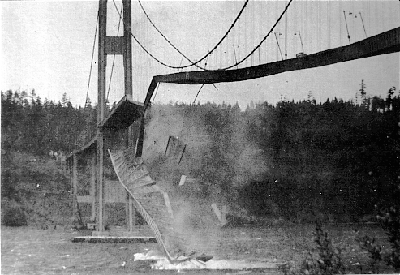
The bridge opened on July 1, 1940, and collapsed just four months later. Engineers ignored wind tunnel testing that showed dangerous oscillations. The bridge earned the nickname “Galloping Gertie” because it bounced and swayed in moderate winds.
On November 7, 1940, 40-mph winds created a twisting motion that tore the bridge apart. One car fell with the span — its driver and his cocker spaniel both died.
Equifax Data Breach

The Equifax data breach on March 10, 2017, was one of the most significant cybersecurity incidents in history, exposing sensitive data on over 140 million Americans. Former Equifax CEO Richard F.
Smith testified that one mistake by a single employee caused the technology department to ignore security warnings.A simple software patch that wasn’t applied left the company vulnerable.
Credit scores, Social Security numbers, and financial data — all exposed by human negligence.
Air France Flight 447 Crash

On June 1, 2009, the Airbus A330 crashed into the Atlantic Ocean, killing all 228 people aboard. Ice crystals blocked the pitot tubes, giving false airspeed readings.
The autopilot disengaged, and the co-pilot pulled back on the controls instead of pushing forward.The plane stalled and fell 35,000 feet into the ocean. Pilot training had focused on preventing stalls at low altitude, not recognizing them at cruising height.
Swiss Cheese Model Failure — Lac-Mégantic Train Disaster
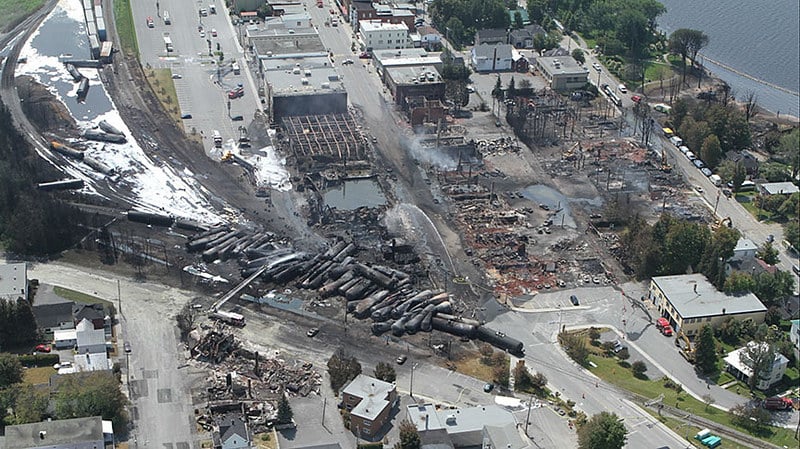
July 6, 2013, in Quebec, Canada. A runaway oil train derailed and exploded in the town center, killing 47 people. The engineer parked the train on a slope and didn’t set enough hand brakes.
He shut down the locomotive’s engine, which powered the air brakes.As the air pressure dropped, the train began rolling downhill toward town.
Multiple safety systems failed — each one opening in Swiss cheese that lined up perfectly for disaster.
Buffalo Creek Flood

On February 26, 1972, a makeshift coal waste dam collapsed in West Virginia, releasing 132 million gallons of black water. Mining company officials knew the dam was dangerous but called it an “impoundment” to avoid safety regulations.
They built it from mining waste rather than proper materials.125 people died, and 4,000 lost their homes.
The company claimed it was an “act of God.” The survivors knew better.
Columbia Space Shuttle Disaster

February 1, 2003. During launch, a piece of foam broke off the external fuel tank and struck Columbia’s wing. NASA engineers raised concerns but were overruled by managers who didn’t think the damage was serious.
They’d seen foam strikes before with no major consequences.The damaged wing allowed superheated gases to enter during reentry.
Columbia broke apart over Texas, killing all seven crew members. NASA had normalized a dangerous condition.
When Small Mistakes Become Big Disasters

These disasters share a common thread — they started with decisions that seemed reasonable at the time. Captains trying to maintain schedules, engineers under pressure to meet deadlines, operators working long shifts without adequate rest.
Each mistake built upon previous ones until catastrophe became inevitable.The human element remains the weakest link in even our most sophisticated systems.
But it’s also our greatest strength when we learn from these failures and build better safeguards for the future.
More from Go2Tutors!

- The Romanov Crown Jewels and Their Tragic Fate
- 13 Historical Mysteries That Science Still Can’t Solve
- Famous Hoaxes That Fooled the World for Years
- 15 Child Stars with Tragic Adult Lives
- 16 Famous Jewelry Pieces in History
Like Go2Tutors’s content? Follow us on MSN.