16 Music Genres That Vanished Almost Overnight
Music evolves constantly. Some genres endure for decades, becoming generational anthems, while others flash brilliantly before vanishing into cultural memory.
The industry’s history is packed with movements that seemed unstoppable one moment, forgotten the next. Here’s a list of 16 music genres that experienced meteoric rises only to disappear almost as quickly as they emerged.
Disco

Disco ruled the late 1970s through its infectious four-on-the-floor rhythm and glamorous nightclub scene. Artists like Donna Summer, the Bee Gees, and Chic created massive hits — transforming dance floors into glittering temples of rhythm.
Yet by 1979, the infamous ‘Disco Demolition Night’ at Chicago’s Comiskey Park marked the beginning of the end, with rock fans literally exploding disco records in a stadium bonfire that symbolized America’s abrupt rejection of the entire movement.
New Jack Swing
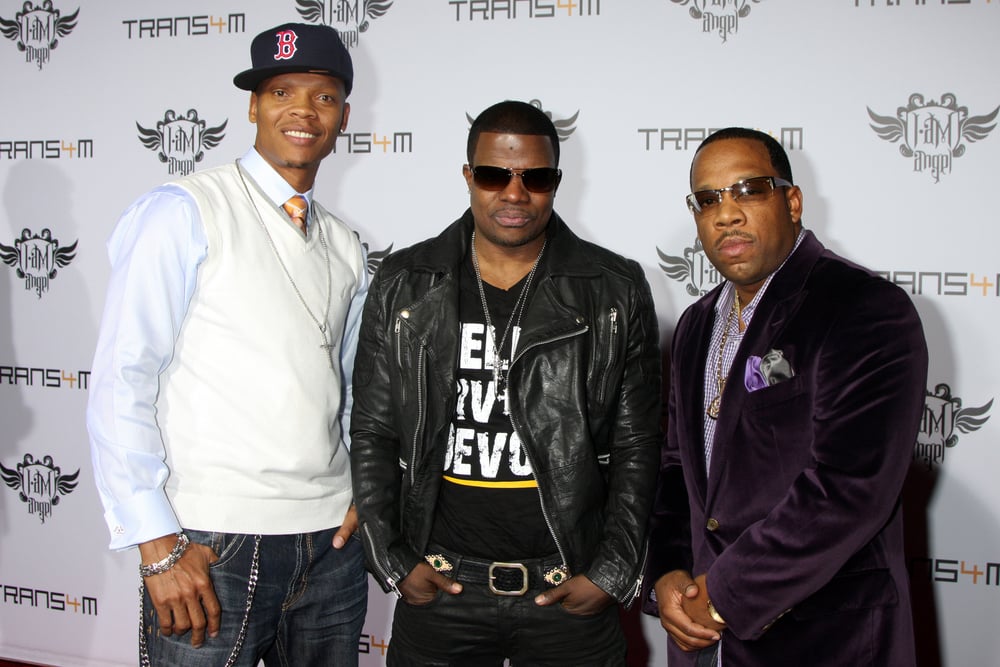
This fusion of hip-hop beats with R&B melodies dominated the late 1980s and early 1990s via artists like Bobby Brown, Bell Biv DeVoe, plus Keith Sweat. Producer Teddy Riley pioneered the sound that got everyone dancing — sharp, syncopated rhythms paired with smooth vocals.
However, by the mid-1990s, hip-hop had evolved beyond needing R&B as a dance partner, making the genre fade as quickly as those high-top fade haircuts that defined the era.
Like Go2Tutors’s content? Follow us on MSN.
Nu Metal
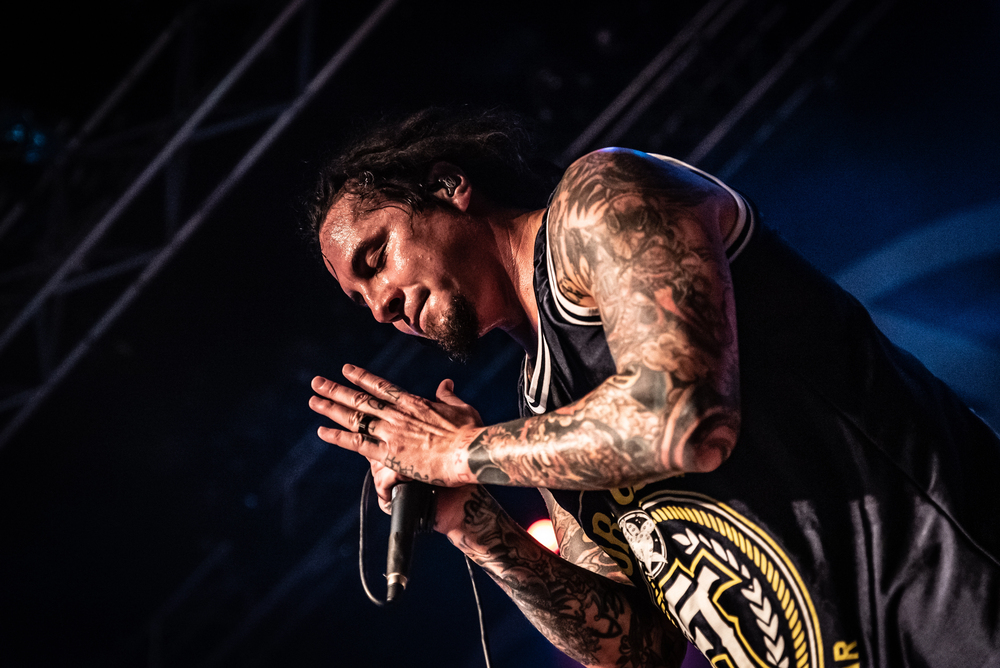
The late 1990s and early 2000s belonged to bands like Limp Bizkit, Korn, along with Linkin Park — groups that mixed heavy metal with rap vocals plus electronic elements. The genre captured teenage angst perfectly through its aggressive sound and rebellious attitude, creating stars out of guys in baggy pants wearing backwards baseball caps.
After hitting peak popularity around 2001, nu metal’s commercial appeal dropped faster than a mosh pit crowd-surfer, largely replaced by cleaner pop-punk and alternative rock sounds.
Grunge
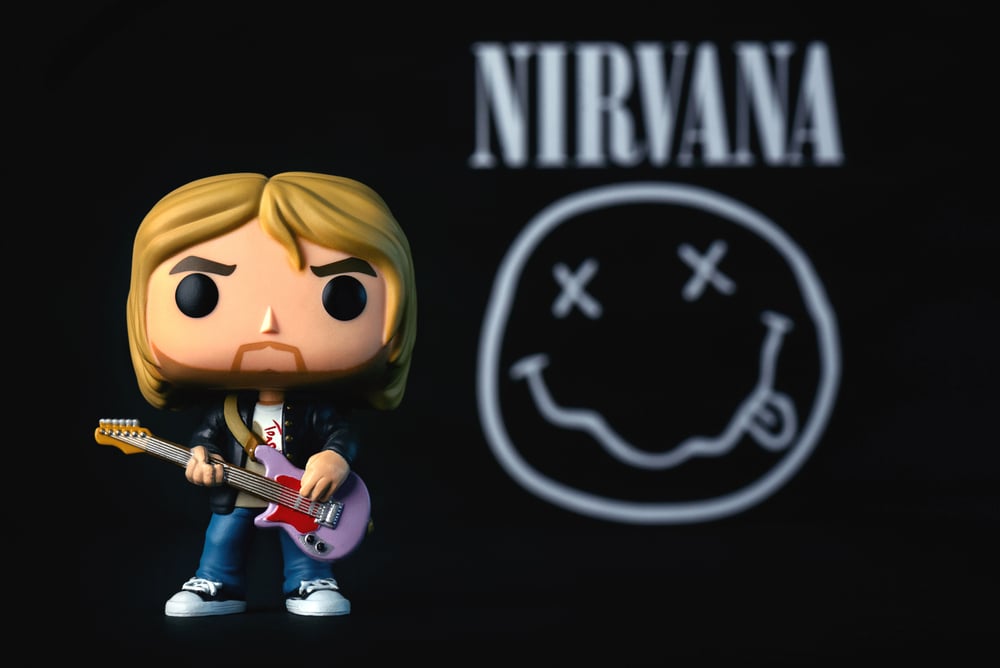
Seattle’s gift to the world emerged in the early 1990s with Nirvana, Pearl Jam, and Soundgarden leading the charge against hair metal’s excesses. The genre’s raw, unpolished sound plus thrift store aesthetic matched Generation X’s disillusionment with mainstream culture perfectly.
Kurt Cobain’s death in 1994 essentially marked the genre’s funeral — the remaining bands either evolved their sound or watched imitators dilute what made grunge special originally.
Trip Hop
This atmospheric blend of hip-hop beats, electronic sounds, plus moody vocals emerged from Bristol, England, during the early 1990s through acts like Massive Attack, Portishead, and Tricky. The genre created perfect late-night soundscapes — like wandering through a foggy city after midnight.
Despite critical acclaim and influence on electronic music, trip hop never achieved mainstream staying power, becoming more cultural footnote than a lasting movement.
Like Go2Tutors’s content? Follow us on MSN.
Swing Revival
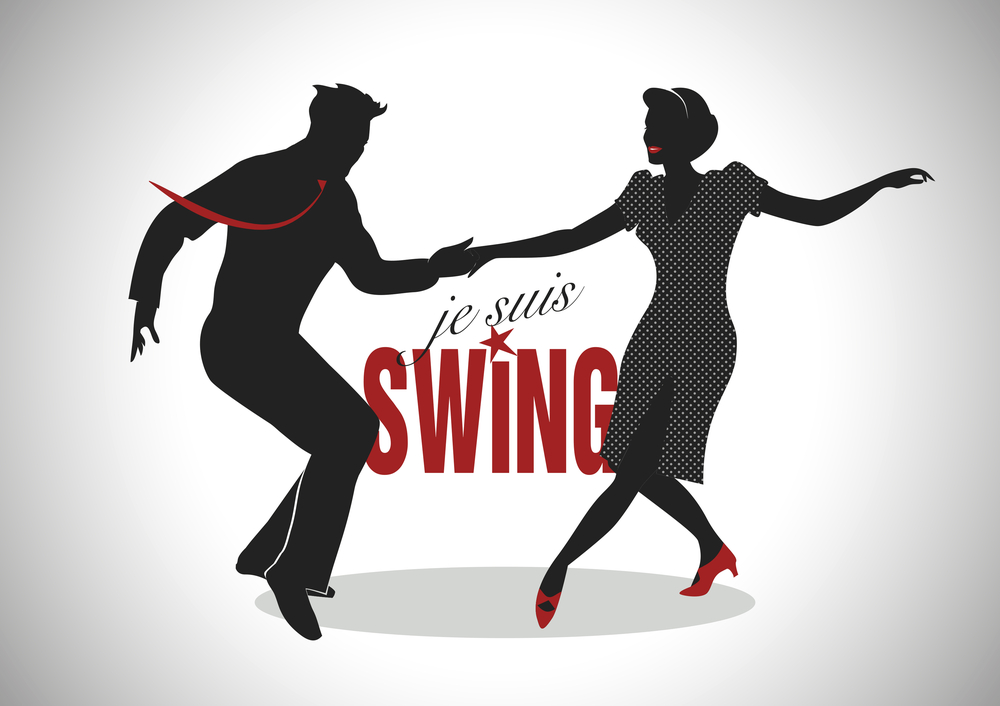
The late 1990s witnessed an unexpected resurrection of 1940s big band swing music, led by bands like Big Bad Voodoo Daddy plus the Cherry Poppin’ Daddies. Young people suddenly started learning the Lindy Hop and dressing in vintage zoot suits — creating a bizarre yet entertaining collision between past and present.
The novelty wore off by 2001, proving that nostalgia alone can’t sustain a musical movement when the original cultural context no longer exists.
Dubstep
Electronic music’s most polarizing offspring emerged from South London around 2005, characterized by syncopated drum patterns plus prominent bass drops that could shake buildings. Artists like Skrillex brought the genre to American mainstream audiences — making ‘the drop’ a cultural phenomenon that dominated festivals and radio alike.
By 2014, though, even dedicated electronic music fans had grown tired of predictable build-ups and earth-shaking bass drops, relegating dubstep to nostalgic playlist territory.
Emo Rap
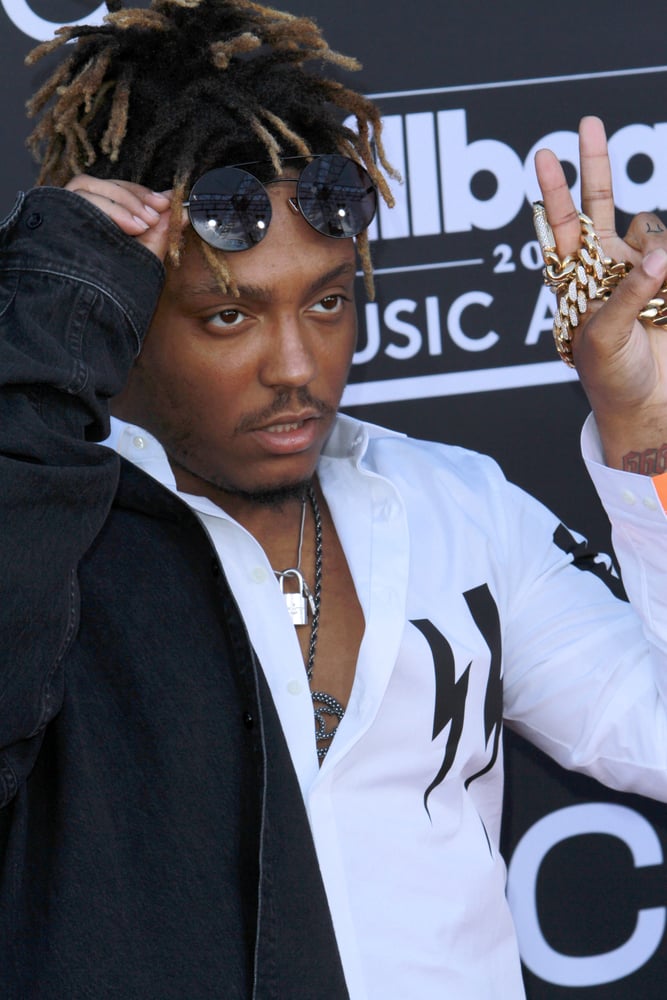
The mid-2010s witnessed rap artists like Lil Peep, XXXTentacion, and Juice WRLD blending hip-hop with emotional vulnerability plus rock influences. This genre gave voice to a generation struggling with mental health issues, addiction, along with relationship problems — in ways traditional rap often avoided.
The tragic early deaths of several prominent artists, combined with the genre’s inherently unsustainable emotional intensity, led to its rapid decline by 2020.
Like Go2Tutors’s content? Follow us on MSN.
Hair Metal
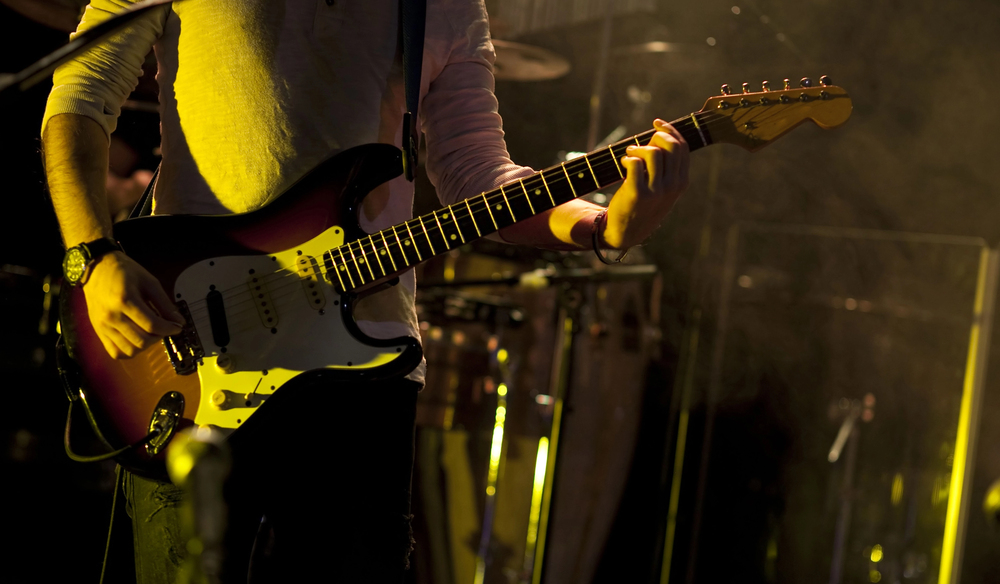
The 1980s belonged to bands with teased hair, leather pants, plus guitar solos that lasted longer than most pop songs today. Groups like Poison, Warrant, and Cinderella dominated MTV through their combination of heavy riffs with radio-friendly choruses.
Grunge’s arrival in the early 1990s made hair metal seem as outdated as shoulder pads — proving that authentic rebellion could easily overpower manufactured rebellion.
Electroclash
This early 2000s genre combined punk attitude with cheap electronic equipment — creating a lo-fi aesthetic that felt both retro and futuristic. Artists like Peaches, Fischerspooner, and Miss Kittin made music that sounded like robots having nervous breakdowns in the best possible way.
The genre’s deliberately amateurish production plus confrontational lyrics were too niche for mainstream success, burning out by 2004 when electronic music moved toward more polished productions.
Ska Punk

The 1990s ska revival brought brass sections back to punk rock through bands like The Mighty Mighty Bosstones, Reel Big Fish, and Less Than Jake. These groups created an irresistibly upbeat sound that made even the angst-ridden 1990s feel optimistic for three-minute stretches.
The genre’s inherent cheerfulness became a liability as music moved toward more serious tones in the early 2000s, making ska punk feel like a relic from more innocent times.
Like Go2Tutors’s content? Follow us on MSN.
Acid House
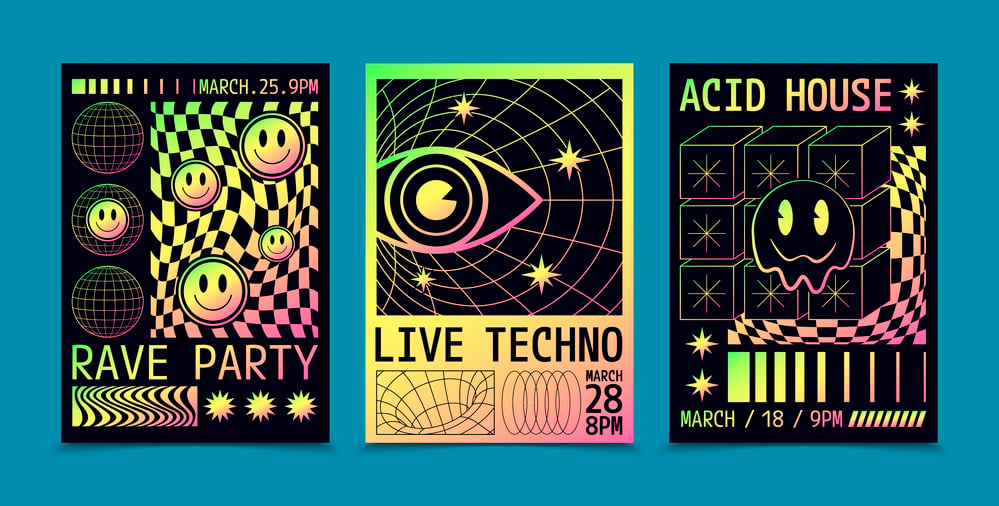
Late 1980s Britain experienced a cultural revolution when acid house merged electronic beats with psychedelic influences, creating the soundtrack for massive illegal rave parties. The Roland TB-303 synthesizer became the genre’s signature sound, producing those squelchy, hypnotic basslines that defined countless summer nights.
Government crackdowns on rave culture and the genre’s narrow sonic palette limited its lifespan, though its influence on electronic dance music remains undeniable.
Celtic Punk
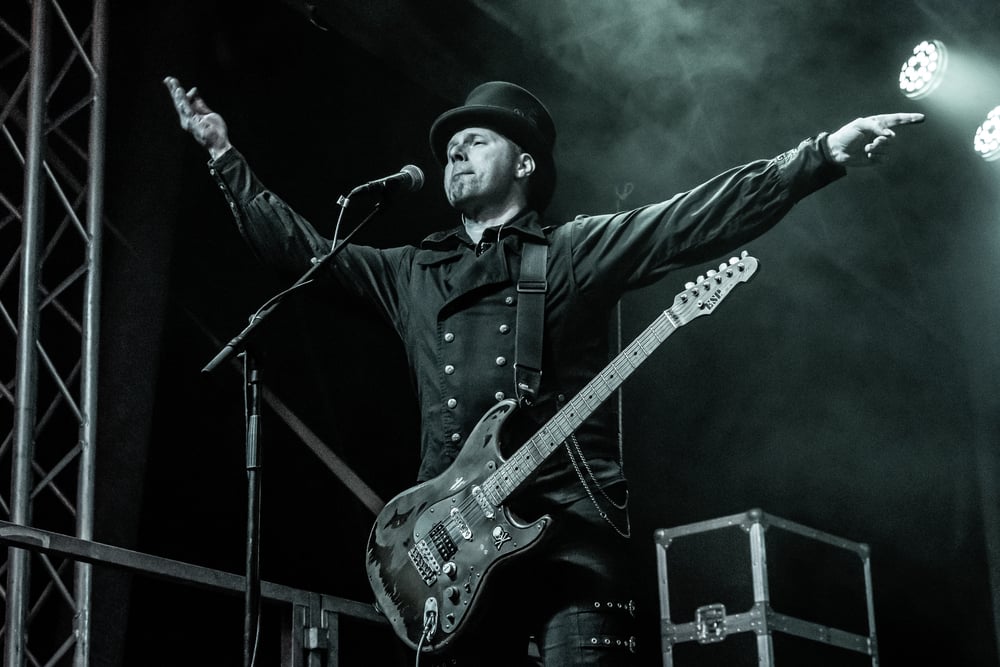
The Pogues pioneered this fusion of traditional Irish folk music with punk rock energy in the 1980s, inspiring bands like Flogging Molly and Dropkick Murphys to carry the torch into the 1990s and 2000s. The genre captured the romantic rebelliousness of Irish culture while maintaining punk’s political edge and DIY ethics.
Despite passionate fan bases, Celtic punk remained too specialized for widespread adoption, thriving mainly in specific regional scenes rather than achieving global dominance.
Crunk
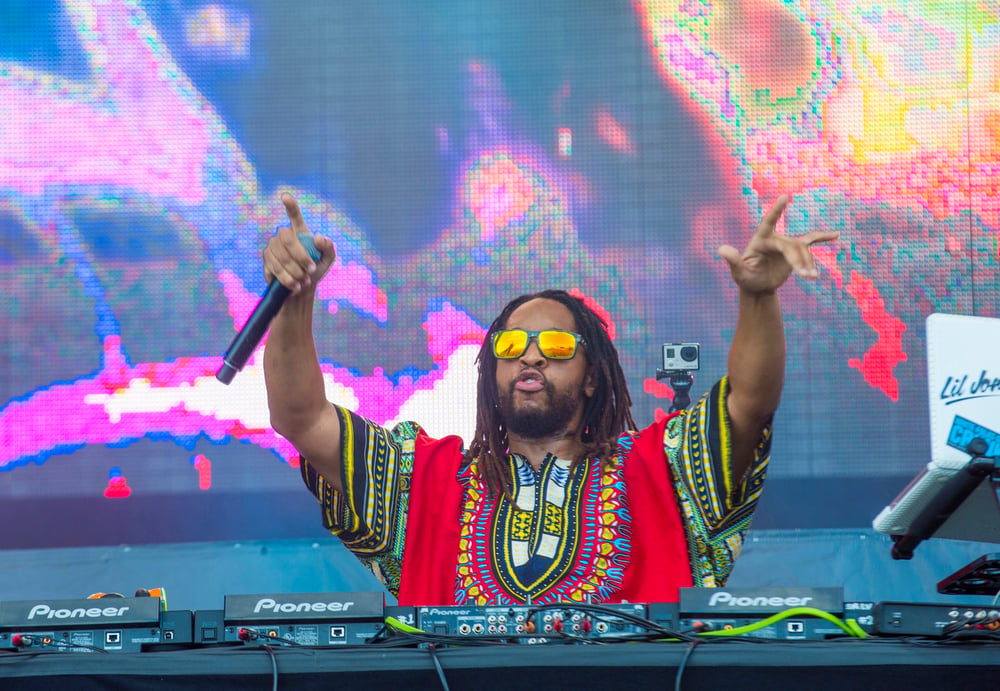
This Southern hip-hop subgenre exploded in the early 2000s with Lil Jon’s signature yells and bass-heavy production that turned every song into a party anthem. Artists like Three 6 Mafia and Ying Yang Twins created music specifically designed to make people lose their minds on dance floors across America.
The genre’s limited lyrical range and repetitive production style made it vulnerable to rapid burnout, fading as hip-hop moved toward more complex storytelling and varied production techniques.
Like Go2Tutors’s content? Follow us on MSN.
Synthpop
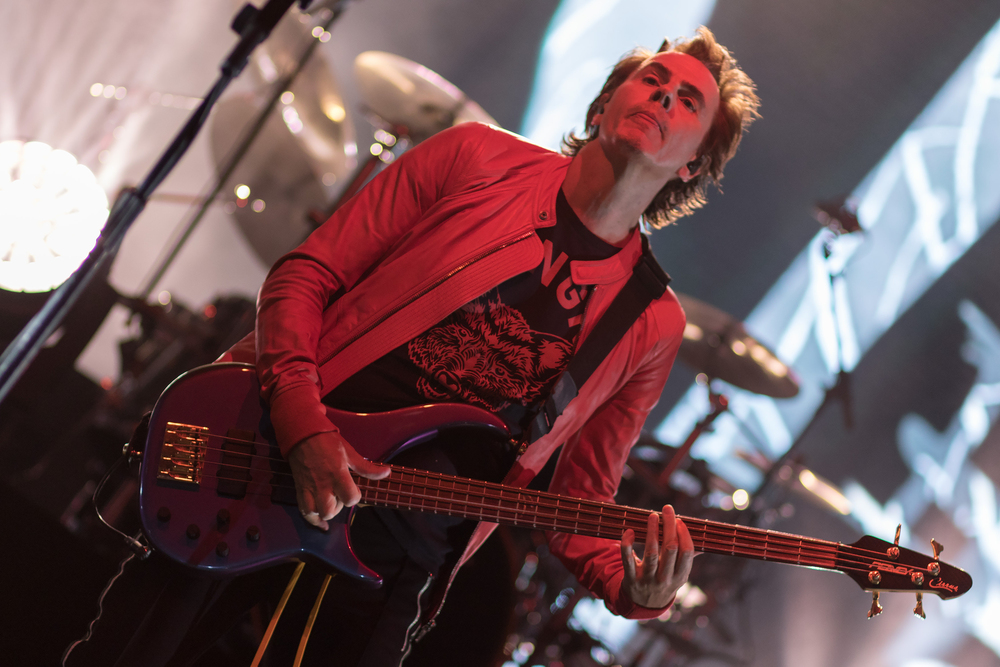
The early 1980s belonged to bands like Depeche Mode, New Order, and Duran Duran, who replaced traditional rock instruments with synthesizers and drum machines. This genre defined the decade’s futuristic optimism, creating a soundtrack for a world that believed technology would solve all problems.
While influential artists continued evolving their sound, pure synthpop became a historical curiosity by the decade’s end, unable to compete with the emotional authenticity of emerging alternative rock.
Riot Grrrl

This feminist punk movement emerged from the Pacific Northwest in the early 1990s through bands like Bikini Kill, Bratmobile, and Sleater-Kinney. The genre combined punk’s raw energy with explicitly political lyrics addressing women’s issues, creating a space for female voices in male-dominated punk scenes.
Despite its cultural importance and lasting influence on feminist discourse, riot grrrl’s deliberately confrontational approach limited its commercial appeal, making it more of a crucial moment than a sustainable genre.
The Echo Chamber Effect

These vanished genres remind us that musical movements often reflect specific cultural moments that can’t be artificially recreated or extended. Each genre served its purpose, providing the perfect soundtrack for particular times, places, and emotional states before the world moved on to new sounds.
While streaming services keep these genres alive for nostalgic exploration, their brief lifespans prove that authenticity and timing matter more than marketing budgets or industry support. The next genre to vanish overnight is probably being created right now in someone’s bedroom studio, destined for its own brief moment of glory before joining this list of beautiful musical casualties.
Like Go2Tutors’s content? Follow us on MSN.
More from Go2Tutors!

- 16 Restaurant Chains That Went Too Fast
- 12 Things Sold in the 80s That Are Now Illegal
- 15 Strange Things People Have Tried to Ban (And Failed)
- 16 Collectibles People Tossed Out Too Soon
- 17 Myths from Your Childhood That Were Actually Based on Real Things
Like Go2Tutors’s content? Follow us on MSN.