17 incredible ways bones rival steel in strength and design
Your skeleton might seem fragile compared to steel girders, but pound for pound, bone is actually one of nature’s most impressive engineering materials. While a steel beam sits static and unchanging, your bones are living structures that constantly adapt, repair themselves, and optimize their architecture based on the loads you put them through. Scientists and engineers have spent decades studying bone tissue, and what they’ve discovered is genuinely remarkable.
Let’s dig into the specific ways your skeleton holds its own against one of humanity’s favorite construction materials. Here is a list of 17 incredible ways bones rival steel in strength and design.
Superior strength-to-weight ratio
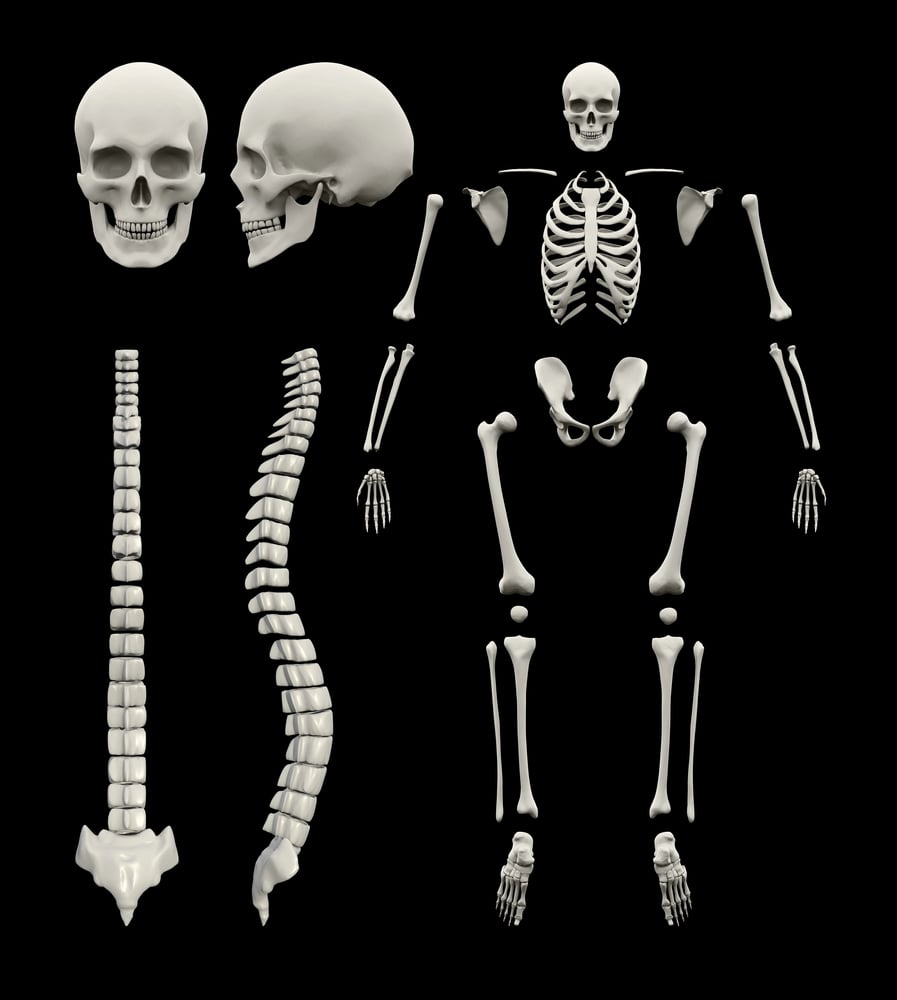
Bone has compressive strength similar to stainless steel while being three times lighter. This makes bone incredibly efficient for its purpose. When you compare materials by their weight rather than raw volume, bone actually outperforms steel in many scenarios. Think about it: if your skeleton were made of steel with the same strength characteristics, you’d be carrying around triple the weight just in your frame alone. Compact bone specimens have compressive strengths in the range of 1,400–2,100 kg per square cm, which puts them in the same ballpark as many industrial metals but without the crushing weight penalty.
Composite architecture

Bone combines collagen and hydroxyapatite as its main constituents, creating a two-phase material that borrows the best properties from both components. The mineral crystals provide hardness and compressive strength, while the collagen fibers add flexibility and tensile strength. This intimate association of minerals with collagen confers on bone many properties exhibited by two-phase materials such as fiberglass and bamboo, preventing the propagation of stress failure through brittle material. Steel is just steel, but bone is a sophisticated blend that changes its behavior depending on how it’s loaded.
Twelve levels of hierarchical organization

Bone has a hierarchical structure spanning at least 12 levels from nanoscale to macroscale. At the smallest scale, needle-shaped mineral units merge to form platelets, which stack into larger aggregates that span multiple collagen fibrils. These stacks coalesce into aggregates exceeding the lateral dimensions of collagen fibrils and spanning adjacent fibrils as continuous, cross-fibrillar mineralization. Each level of organization contributes specific mechanical properties, creating a material that’s optimized from the atomic level all the way up to the whole bone structure. Steel’s crystalline structure is relatively simple by comparison.
Self-repair capability

Bone healing involves complex stages including hematoma formation, granulation tissue formation, callus formation, and bone remodeling. When you crack a steel beam, it stays cracked until someone welds it or replaces it entirely. Break a bone, and your body immediately begins an orchestrated repair process involving multiple cell types and signaling molecules. Stress fractures heal through rapid formation and densification of woven bone, sometimes restoring functional strength within weeks. No metal can claim that capability.
Adaptive remodeling

Bone modifies its structure by adjusting size, shape, and architecture to increase cross-sectional area and moment of inertia as mechanisms to improve load tolerability and fatigue resistance. Your bones essentially redesign themselves based on the stresses they experience. Take up running, and your leg bones will gradually add material where it’s needed most. Small amounts of material apposition can significantly improve structural strength because bending and torsional strength are exponential to cross-sectional moment of inertia. Steel structures remain exactly as the engineer designed them, for better or worse.
Crack deflection mechanisms
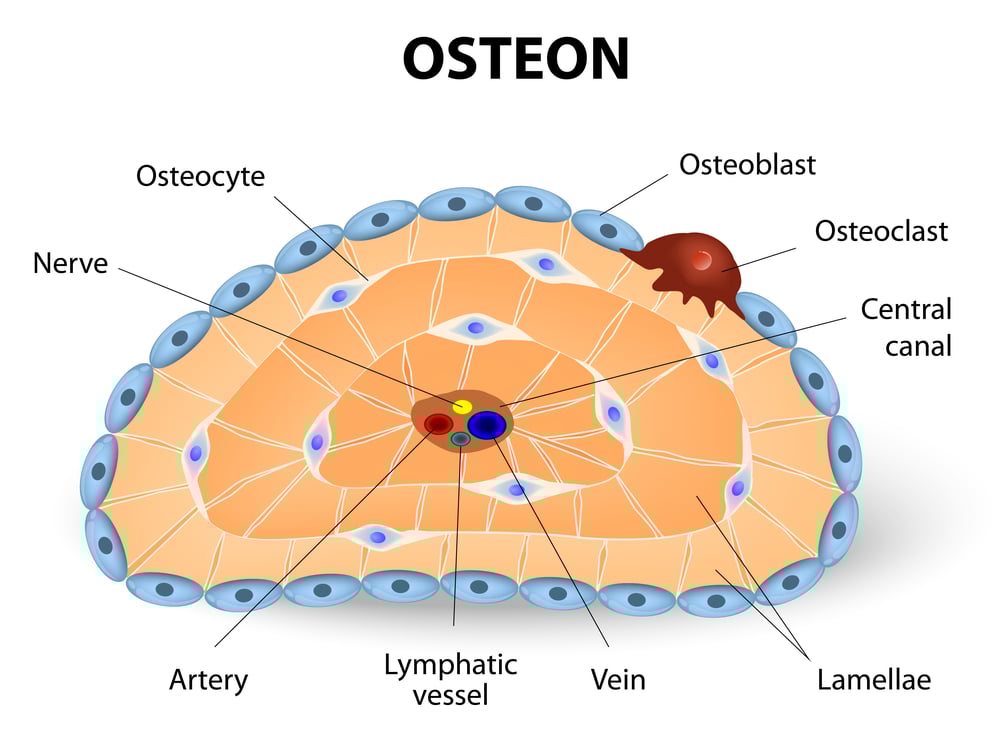
The most potent extrinsic toughening mechanisms in bone are crack deflection and twist at cement lines and uncracked ligament bridging. When a crack starts propagating through bone, it doesn’t travel in a straight line like it would through steel. Instead, the crack gets deflected along weak interfaces between structural units called osteons. This deflection requires progressively higher driving force for further crack extension, causing the toughness of the material to increase. The crack has to take the long way around, burning up energy and preventing catastrophic failure.
Collagen fiber bridging
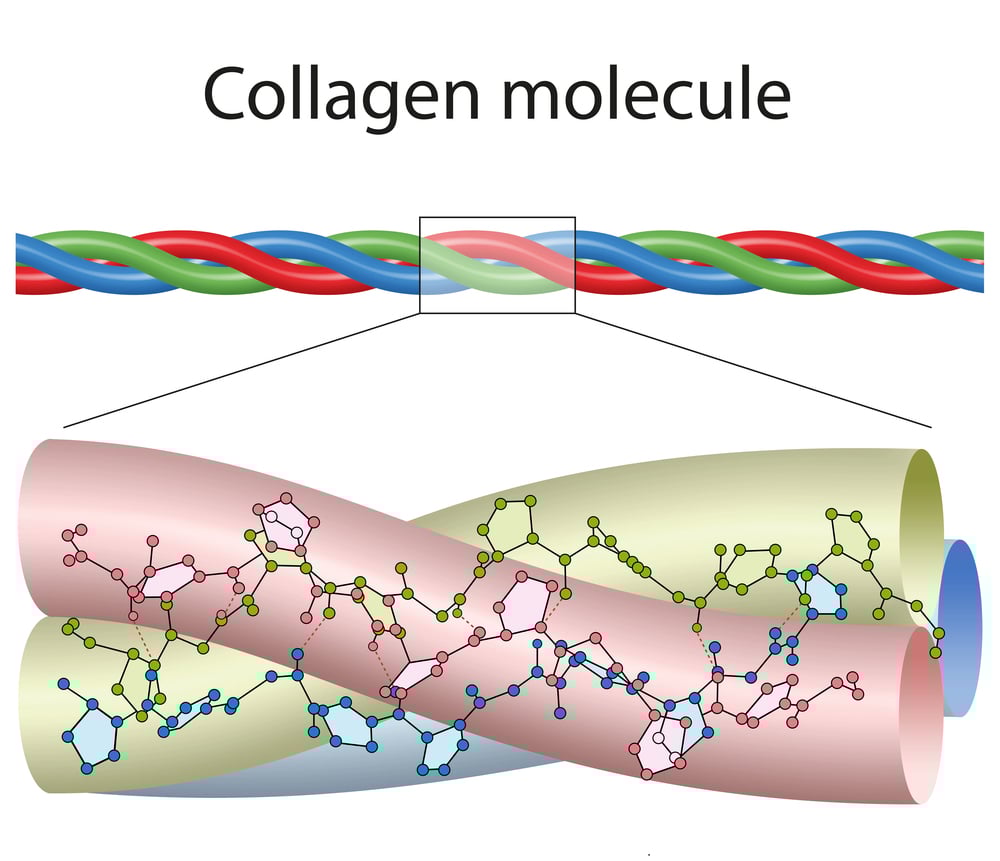
Beyond crack deflection, bone employs another clever trick. Collagen fiber bridging and microcracking contribute to bone’s intrinsic toughness. As a crack opens up, collagen fibers span across the gap like tiny suspension bridges, physically holding the two sides together. Crack bridging serves to resist crack opening, resulting in lower compliance and increased stiffness. This bridging mechanism dissipates energy and prevents the crack from opening wider, giving bone a level of damage tolerance that brittle materials like ceramics could never achieve.
Controlled elasticity

Estimates of modulus of elasticity of bone samples are in the order of 420 to 700 kg per square cm, a value much less than steel, indicating the much greater elasticity of bone. This might sound like a weakness, but it’s actually a feature. Bone’s elasticity allows it to absorb impacts without breaking, functioning like a sophisticated shock absorber. Perfect elasticity exists with loads up to 30 to 40 percent of breaking strength, above which creep or gradual deformation occurs. Steel’s higher stiffness means it transfers more shock to whatever it’s supporting, which in the case of your body would be joints and organs.
Directional strength optimization

The material behavior of cortical bone is anisotropic, with strength and moduli along the longitudinal direction greater than those along radial and circumferential directions. Your bones are stronger in the directions they’re most commonly loaded. The long bones in your legs, for example, are optimized to resist forces running along their length because that’s how you use them when walking or running. Nature has clearly designed bone to be most fracture resistant in the orientation corresponding to the most severe form of loading. Steel is typically isotropic, meaning it has the same properties in all directions, which is less efficient.
Porosity without weakness

Bone achieves its impressive properties despite being porous. Cortical bone has a porosity of 5% to 15%, whereas trabecular bone porosity ranges from 40% to 95%. These pores house blood vessels and bone marrow, making bone a living tissue rather than just a structural material. The trabecular bone inside your bones is essentially a foam, with struts oriented along stress lines to maximize strength while minimizing weight. A steel structure with 95% porosity would crumble instantly, but your bones handle it just fine.
Rising resistance curves

Bone displays rising R-curve behavior, meaning the fracture toughness increases as a function of crack extension. This is the opposite of what happens in most engineering materials. As a crack grows in bone, it actually becomes harder to propagate, not easier. Rising R-curve fracture toughness behavior indicates that extrinsic toughening mechanisms are active in the crack wake. Steel typically shows flat or falling R-curves, meaning once a crack starts, it tends to keep going with roughly constant or decreasing resistance.
Sacrificial bonds at nanoscale

At small length-scales less than 1 micrometer, plasticity is generated through sliding mechanisms between fibrils facilitated by sacrificial bonds such as non-collagenous proteins and cross-links within the extrafibrillar matrix. These molecular-level connections break before the main structural components fail, absorbing energy and preventing catastrophic fracture. Think of them as molecular fuses that blow to protect the circuit. Studies using animal models with deficiencies in non-collagenous proteins have found significant decreases in fracture toughness and nanoscale damage. Steel has no equivalent mechanism at the molecular level.
Microcrack management
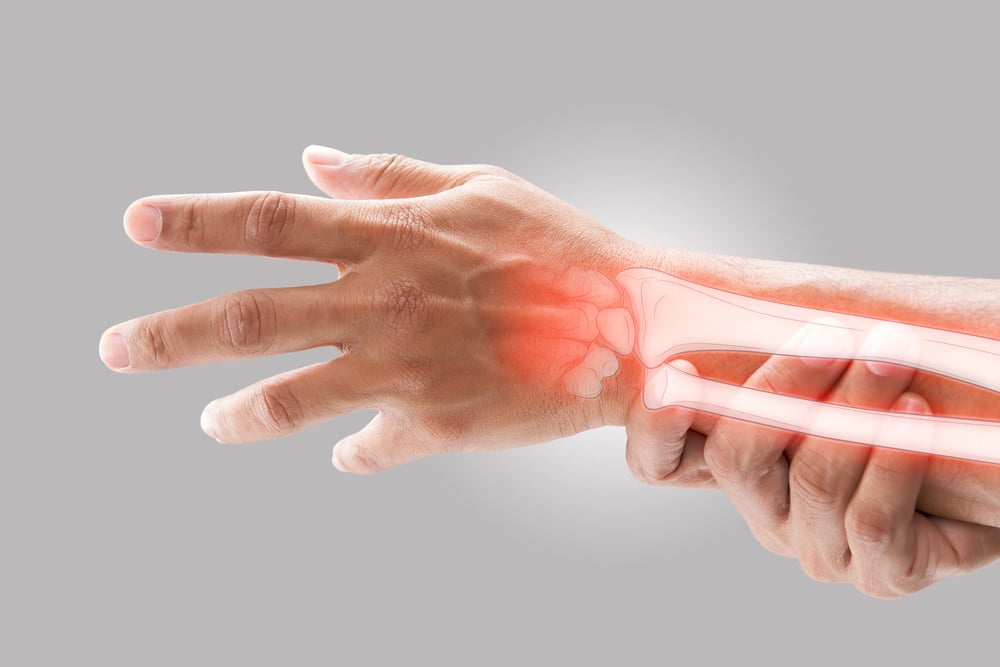
In vitro studies have noted that microdamage can increase resistance to crack growth, particularly if the damage is in the form of linear microcracks ahead of a larger crack. Bone actually uses tiny cracks to its advantage. When microcracks form around the tip of a larger crack, they relieve stress and prevent the main crack from propagating. The formation of microcracks before and in the wake of the crack tip can delay crack propagation. This is like deliberately creating controlled leaks in a dam to prevent it from bursting catastrophically. Steel accumulates microcracks as pure damage with no beneficial effect.
Longevity under cyclic loading
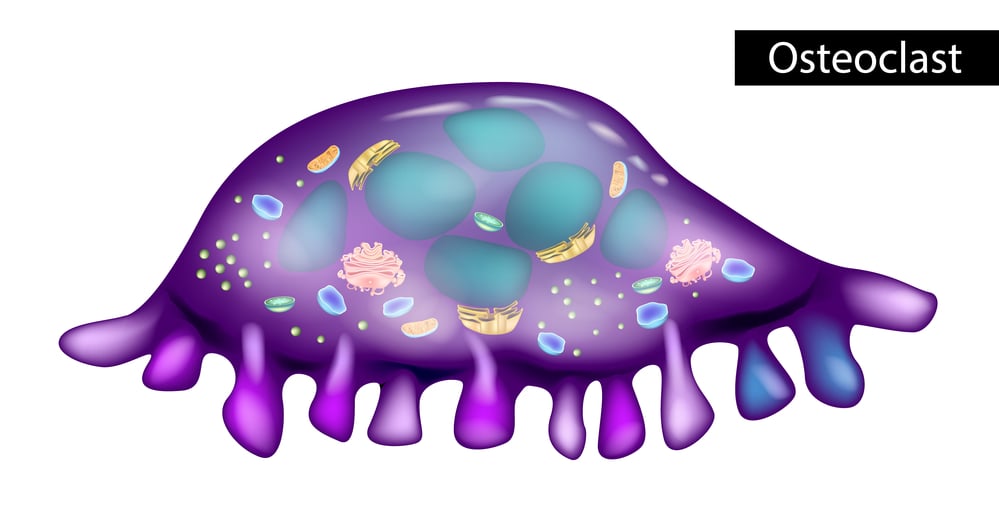
A typical knee joint could last 60 to 80 years while an artificial one could last 15 to 20 years. Your bones handle millions of loading cycles over your lifetime without failing, constantly repairing any accumulated damage through the remodeling process. Five to seven percent of bone mass is being recycled every week through the processes of bone deposition by osteoblasts and bone resorption by osteoclasts. Steel structures fatigue over time as microscopic damage accumulates, and there’s no biological process to fix it. The fact that bone constantly replaces itself means it never accumulates the kind of fatigue damage that eventually brings down bridges and buildings.
Optimized mineral distribution
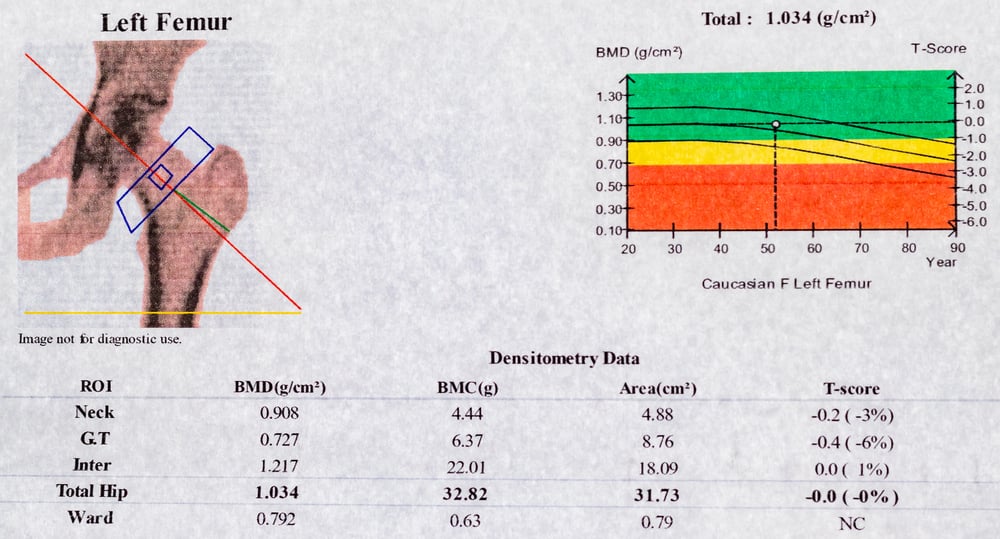
Bone mass asymmetrically and rotationally distributes around the cortex, predominating in areas of high stress, resulting in undulating periosteal and endosteal contours. Your bones don’t just add material randomly; they put it exactly where it’s needed based on stress patterns. Multi-planar bending and torsional forces lead to irregularly distributed increases in diameter and thickness, altering bone size and shape to increase cross-sectional area and moment of inertia. Steel beams are manufactured with uniform cross-sections because it’s cheaper and easier, not because it’s optimal. Bone takes the harder path of custom-optimizing every region.
Rapid stress fracture response
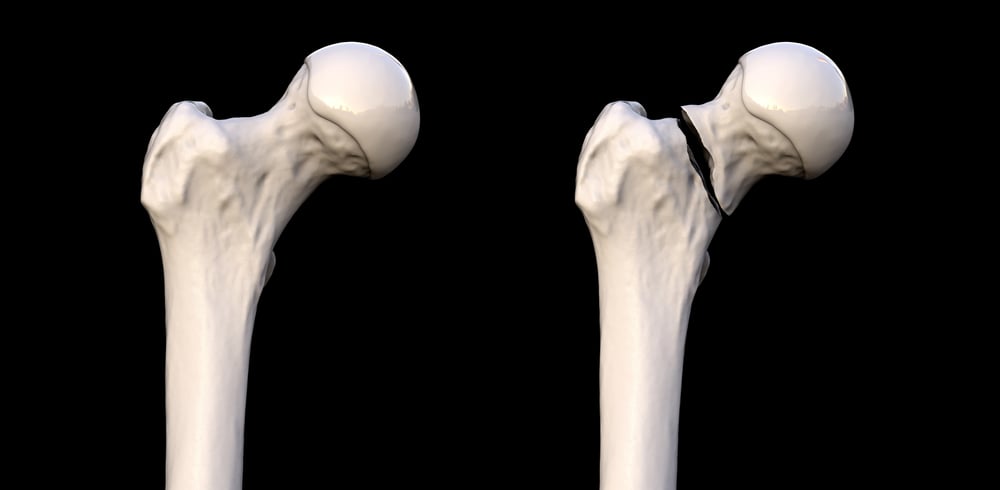
Periosteal woven bone forms in proportion to the level of bone damage, resulting in rapid recovery of whole-bone strength independent of stress fracture severity. When you develop a stress fracture from overuse, your bone doesn’t just repair the damage—it actively reinforces the area. The body lays down new bone tissue rapidly at the site of injury, often restoring functional strength faster than you’d expect. Stress fractures of varying severity create periosteal woven bone formation that leads to rapid functional healing. If a steel component develops a fatigue crack, it only gets worse until someone notices and intervenes.
Integrated blood supply

Unlike steel, bone is a living tissue with its own blood supply running through those pores we mentioned earlier. Blood supply and the biological environment are the most important local factors affecting the fracture healing process, with blood supply reaching its highest at two weeks after fracture. This vascular network delivers nutrients, removes waste, and brings in the cells needed for remodeling and repair. The blood vessels also sense mechanical loading and help coordinate the adaptive response. Steel is inert and dependent on external maintenance, while bone maintains itself from within through this integrated circulatory system.
The living advantage

When you step back and look at the complete picture, bone isn’t just competing with steel—it’s playing a different game entirely. Steel wins on raw strength per unit volume and absolute stiffness, which is why we still build skyscrapers and bridges from it. But for a material that needs to be lightweight, self-repairing, adaptive, and capable of lasting a human lifetime while being constantly loaded and unloaded millions of times, bone is in a league of its own. Your skeleton represents hundreds of millions of years of evolutionary optimization, and engineers are still trying to catch up to what biology figured out long ago.
More from Go2Tutors!

- The Romanov Crown Jewels and Their Tragic Fate
- 13 Historical Mysteries That Science Still Can’t Solve
- Famous Hoaxes That Fooled the World for Years
- 15 Child Stars with Tragic Adult Lives
- 16 Famous Jewelry Pieces in History
Like Go2Tutors’s content? Follow us on MSN.