Smartest Dog Breeds Ranked According to Experts
You probably already think your dog is brilliant. The way they know exactly when dinner time arrives, or how they sprint to the door the moment you pick up their leash—these little moments of canine genius happen every day.
But some breeds take intelligence to another level entirely. Research shows that dogs are about as smart as a two-year-old human.
That’s impressive on its own, but certain breeds consistently outperform others when it comes to learning commands, solving problems, and understanding what their humans want from them. Stanley Coren, a canine psychology researcher at the University of British Columbia, spent years studying dog intelligence and created rankings that experts still reference today.
His research looked at three types of intelligence: instinctive abilities that come naturally to a breed, adaptive problem-solving skills, and how well dogs learn from humans. The breeds that made it to the top of his list can pick up new commands in fewer than five repetitions and follow instructions correctly over 95% of the time on the first try.
Border Collie: The Undisputed Champion
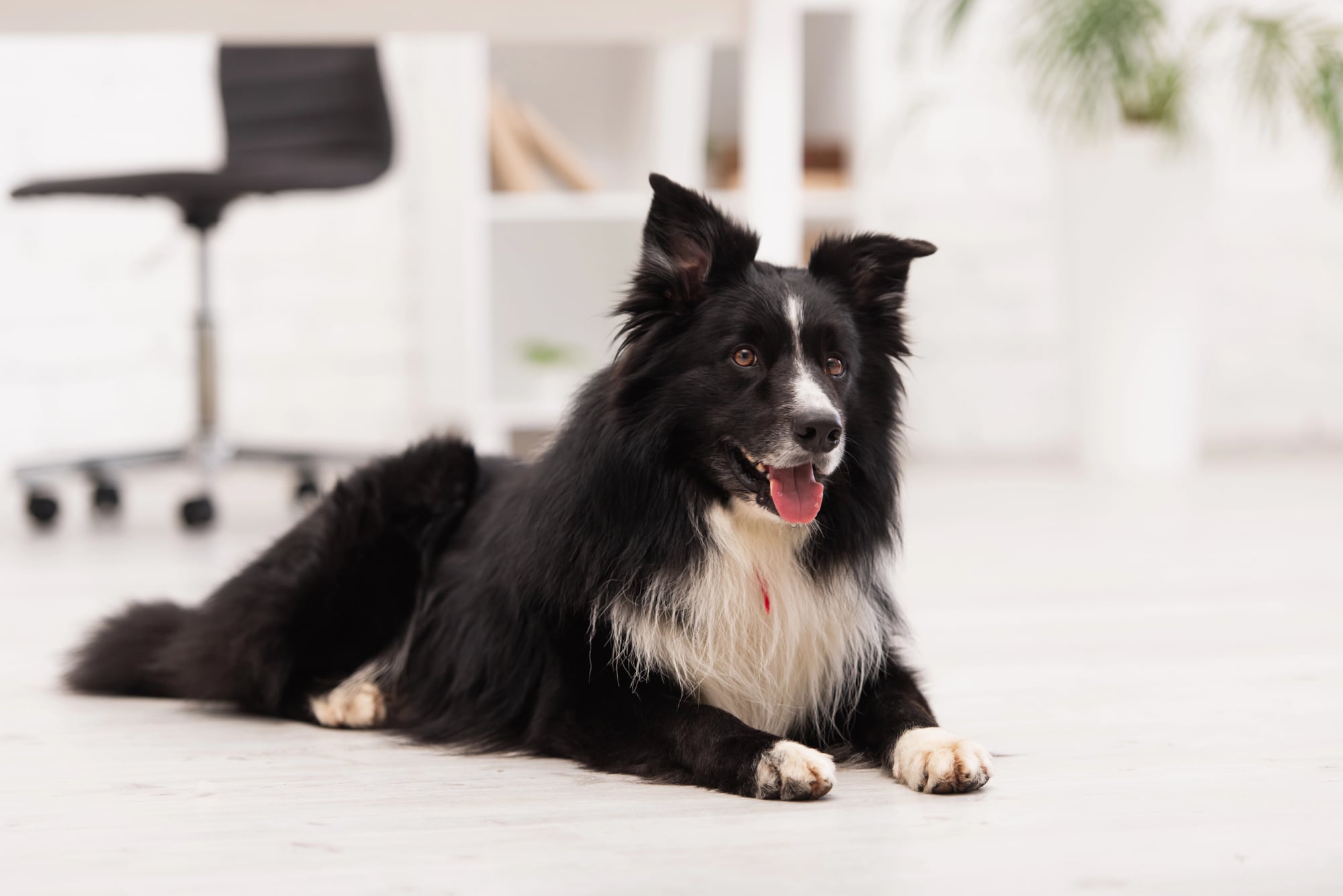
The Border Collie holds the top spot when experts rank dog intelligence. This isn’t just about being trainable—these dogs strategize.
One Border Collie named Chaser recognized over 1,000 different words, which gives you an idea of what this breed can accomplish. Originally bred to herd sheep across the rocky terrain between England, Scotland, and Wales, Border Collies needed both athletic ability and mental sharpness to survive harsh conditions.
That combination stuck around. Today, they approach every task like it’s a puzzle that needs solving.
But here’s the reality: if you bring home a Border Collie, you’re signing up for daily mental and physical challenges. These dogs don’t just want exercise—they need jobs.
Without proper stimulation, they’ll invent their own activities, and you might not love their creative choices.
Poodle: Brains Behind the Fancy Haircut

People see the elaborate grooming and assume Poodles are all about appearance. That’s a mistake.
Poodles rank as the second smartest dog breed, and their intelligence shows up in everything they do. Standard Poodles started out as hunting dogs that retrieved waterfowl.
The qualities that made them excel in cold water—athleticism, eagerness to please, sharp minds—still define the breed. Miniature and Toy Poodles inherited these same traits in smaller packages.
These dogs pick up training fast, but they need owners who can keep up with them. Without proper guidance and mental engagement, a Poodle will quickly decide they’re in charge.
They’re not interested in following rules they find pointless.
German Shepherd: The Working Dog Standard
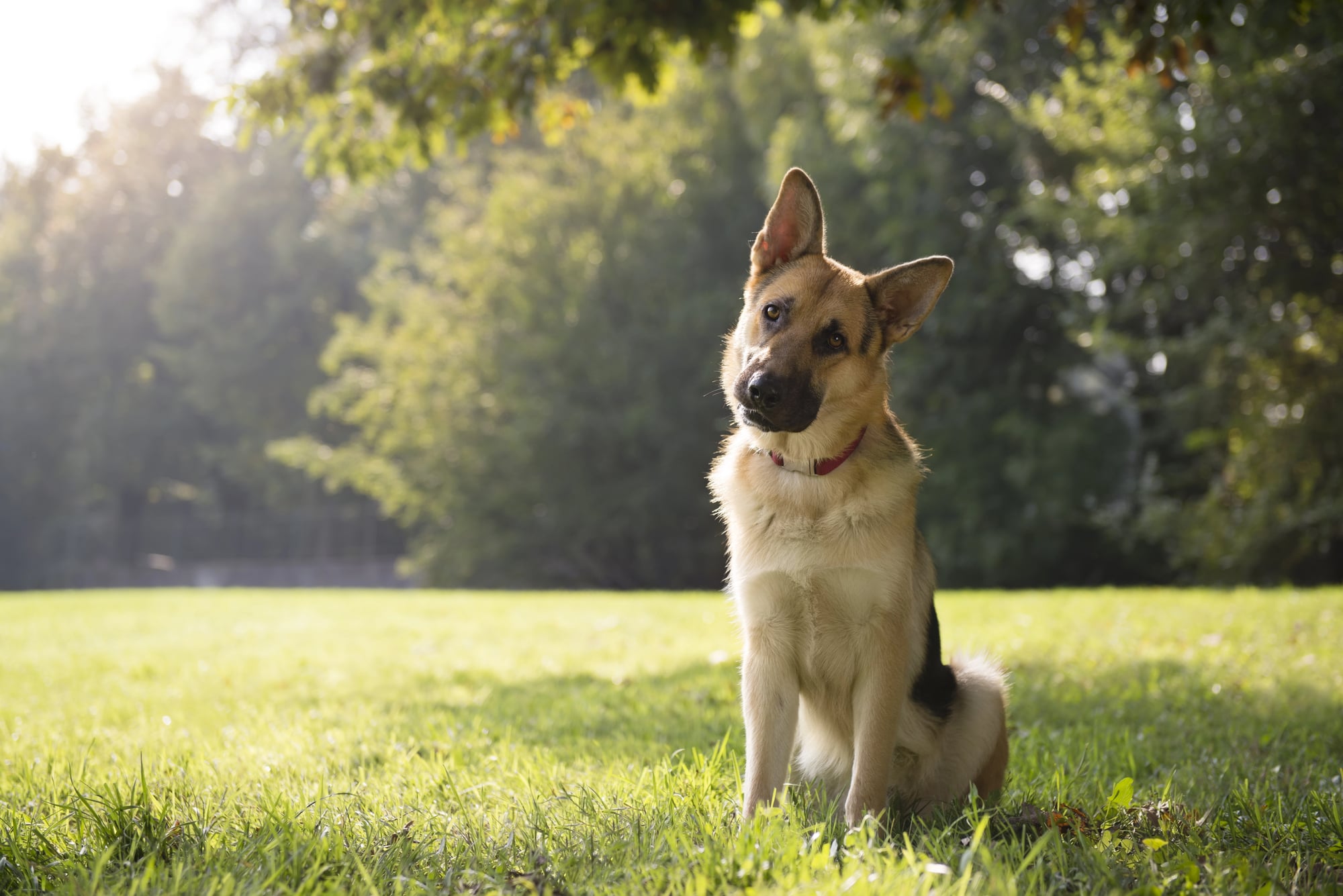
German Shepherds have made their mark as one of the world’s leading police and military dogs, and their placement as the third smartest breed explains why. These dogs absorb information quickly and apply what they learn across different situations.
The breed was developed in Germany in the late 1800s specifically to herd and protect sheep. That required a dog that could think independently, assess threats, and respond appropriately.
Modern German Shepherds still carry those instincts, which makes them natural protectors. Their versatility sets them apart.
German Shepherds work in law enforcement, serve as guide dogs, perform search and rescue operations, and fit into active family life. They adapt to whatever role they’re given, as long as their humans provide clear leadership and plenty of activity.
Golden Retriever: The People Pleaser
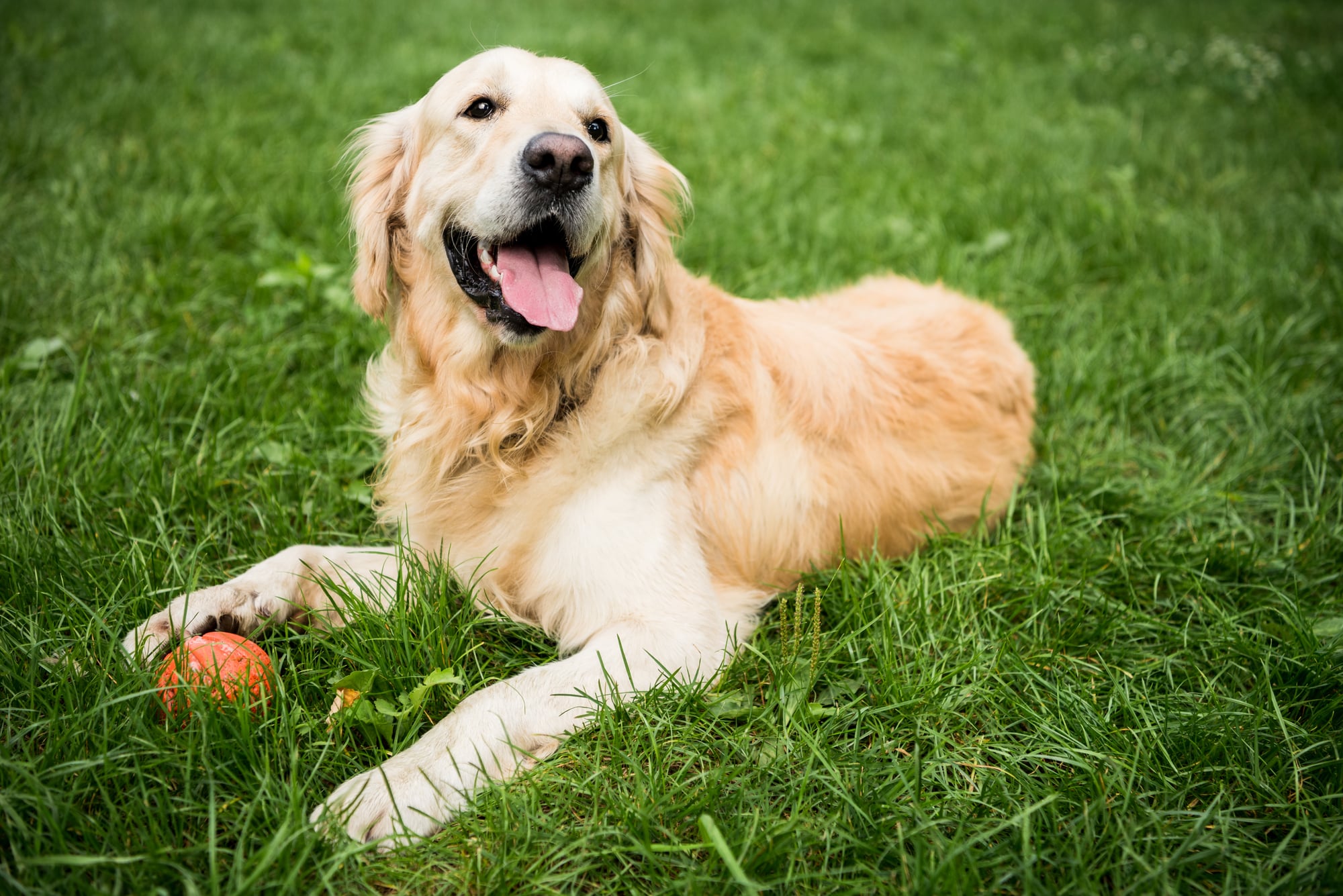
Golden Retrievers earned their fourth-place ranking through their willingness to comply with commands and tasks. Their first impulse is to make their humans happy, which makes training straightforward.
These dogs work as therapy animals, service dogs for people with disabilities, and family pets. Their thick, water-resistant coat and strong build support their natural athleticism.
But it’s their temperament that makes them so dependable. Goldens read human emotions and body language with surprising accuracy.
They know when you’re sad, anxious, or excited, and they adjust their behavior accordingly. This emotional intelligence, combined with their eagerness to learn, explains why they show up consistently in roles that require both obedience and sensitivity.
Doberman Pinscher: The Alert Guardian
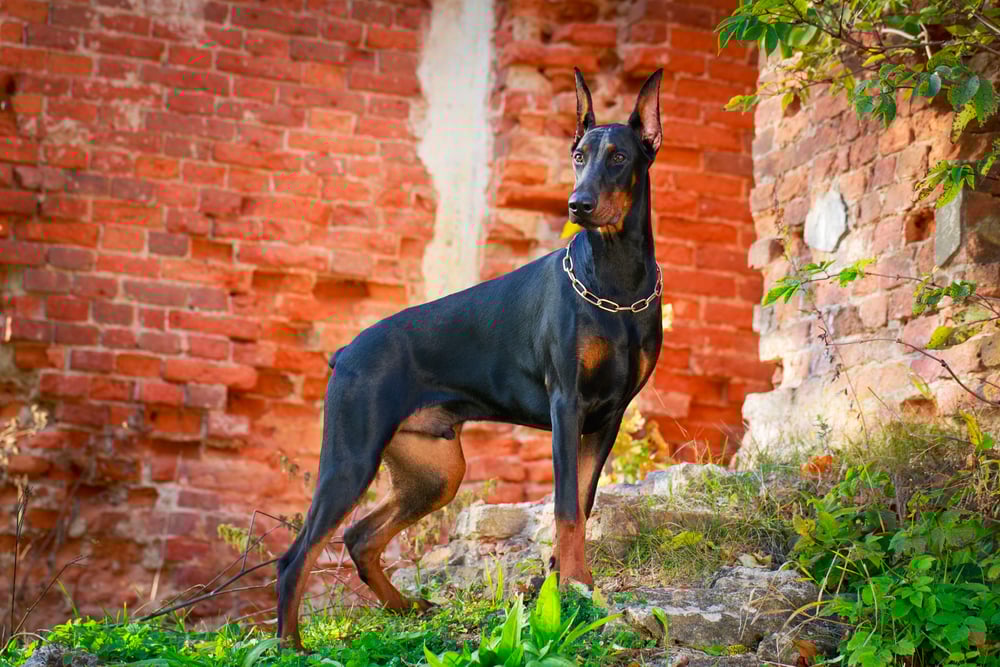
Louis Dobermann developed this breed to be a fearless protector, and Doberman Pinschers live up to that legacy. These dogs are exceptionally intelligent, loyal, and trainable.
They excel in obedience competitions and protective work. Dobermans stay constantly aware of their surroundings.
They notice new smells, unusual sounds, and potential threats before most people register anything unusual. This environmental intelligence makes them excellent guard dogs.
But it also means they need proper socialization and training from puppyhood. Their physical appearance intimidates people.
But Dobermans form deep bonds with their families. They’re affectionate and playful with people they trust.
The key is channeling their intelligence and energy into constructive activities. A bored Doberman will find ways to entertain themselves that you probably won’t appreciate.
What Intelligence Really Means
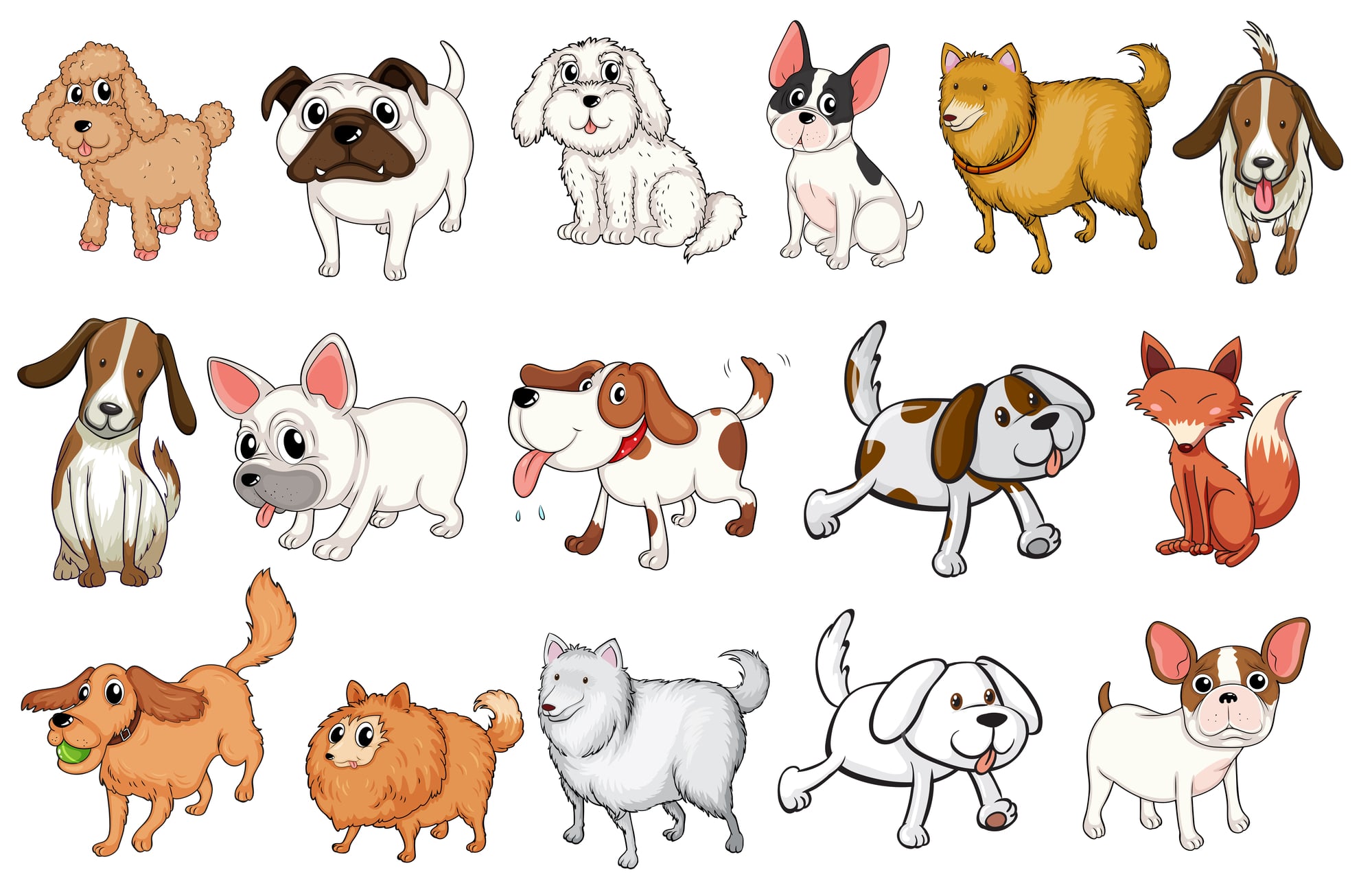
Dog intelligence isn’t one-dimensional. A Border Collie might learn new commands faster than other breeds.
But a Beagle’s nose can detect scents no Border Collie would notice. Each breed developed specific skills based on the work they were bred to perform.
Training any dog, regardless of breed, requires patience, consistency, and understanding of what motivates them. Even the smartest breeds need proper guidance to reach their potential.
And dogs that rank lower on intelligence lists can still learn everything they need to know. They just might need more repetitions.
The real measure of a good match between dog and owner isn’t just intelligence. It’s whether the dog’s natural abilities, energy level, and temperament fit with your lifestyle.
A brilliant dog in the wrong home becomes frustrated and difficult. A less intense breed with an owner who appreciates their pace creates a happy partnership.
Finding Your Match
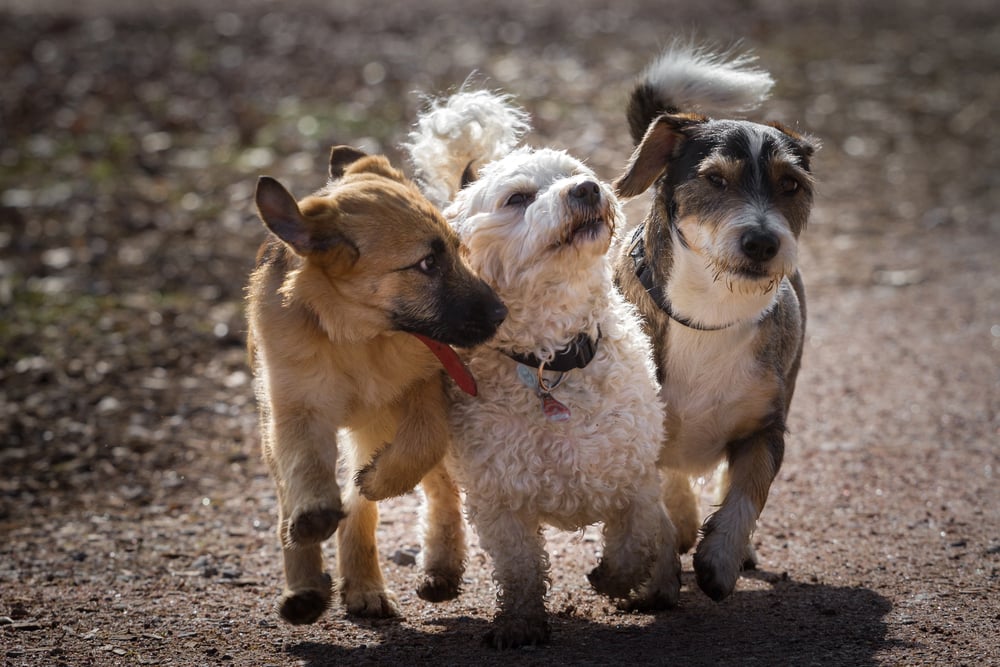
Barking up the wrong tree happens when picking a pup just by IQ scores. Sure, Border Collies shine in problem solving.
Yet leave them bored and your house pays the price. Belgian Malinois catch on fast.
Though their energy demands can drown a laid-back household. Golden Retrievers charm everyone while learning quickly.
However, without daily movement, restlessness follows. Labrador energy thrives outdoors.
Even so, cramped apartments turn into chaos zones. Picture your days unfolding with a dog at your side.
Maybe agility trials fill weekends, with runs through obstacle courses under open skies. Perhaps muddy boots and wide fields call for an animal that pulls its weight.
Otherwise, a quiet presence near children and meals might matter most. Something steady during homework and holidays.
A dog’s brainpower doesn’t decide if it fits your life. What matters is how well its rhythm lines up with yours.
Your pace, your routine, the time you can give. Potential comes from smarts, true.
Yet daily peace grows only where care and temperament meet. Mismatched needs turn cleverness into chaos.
A bond changes everything, even if you never expected it. That look in a dog’s eyes might be the start of something solid.
Connection often comes down to how their habits line up with your days. Smarts help, true.
Yet they won’t fill every gap. Fit shapes more than facts ever could.
More from Go2Tutors!

- The Romanov Crown Jewels and Their Tragic Fate
- 13 Historical Mysteries That Science Still Can’t Solve
- Famous Hoaxes That Fooled the World for Years
- 15 Child Stars with Tragic Adult Lives
- 16 Famous Jewelry Pieces in History
Like Go2Tutors’s content? Follow us on MSN.



