17 Inventions that Revolutionized Communication
Think about how we communicate today compared to, say, 200 years ago. Back then, sending a message across the country meant weeks of waiting. Now? You can video chat with someone in Tokyo while sitting in your pajamas. It’s pretty wild when you think about it.
Each breakthrough in communication didn’t just make things faster or easier – it completely changed how societies worked, how relationships formed, and how ideas spread around the world. Here is a list of 17 inventions that revolutionized communication and turned us into the hyperconnected species we are today.
Writing Systems
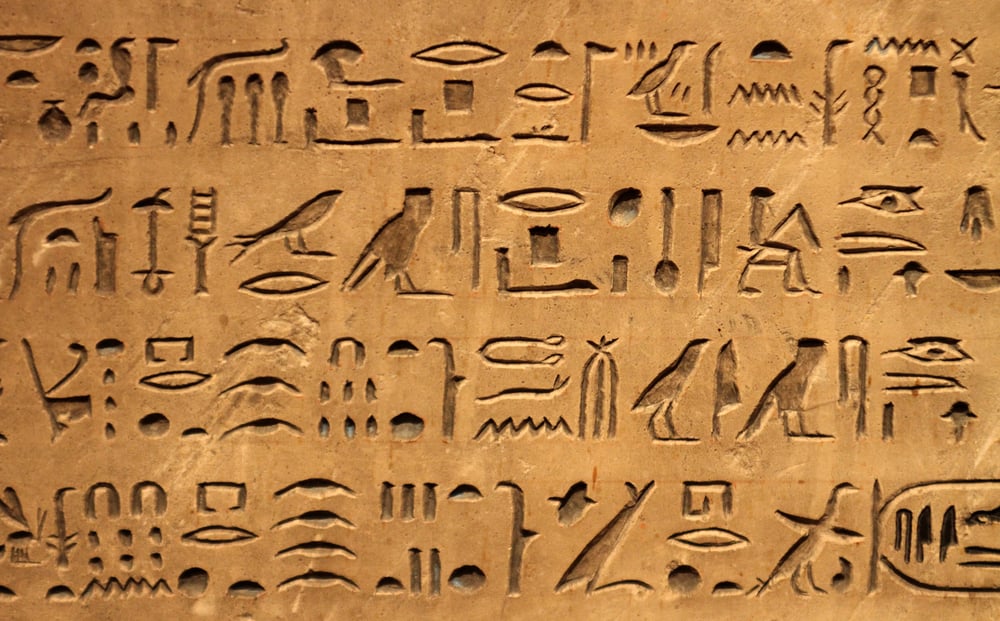
Picture this: you’re a Sumerian farmer around 5000 BCE, and someone figures out how to scratch marks on clay that actually mean something. That’s basically how writing started – simple marks that let people record stuff beyond what they could remember.
Those wedge-shaped marks in clay tablets weren’t just random doodles. They were the beginning of human history as we know it, because suddenly knowledge didn’t die with the person who had it.
Alphabet

Before alphabets came along, writing was incredibly complicated – imagine having to memorize thousands of different symbols just to read a grocery list. The Phoenicians had a brilliant idea around 1200 BCE: what if we just used a small set of letters to represent sounds instead?
The Greeks improved on this by adding vowels, and boom – suddenly regular people could learn to read and write. No more exclusive club of scribes who hoarded all the knowledge.
Like Go2Tutors’s content? Follow us on MSN.
Printing Press
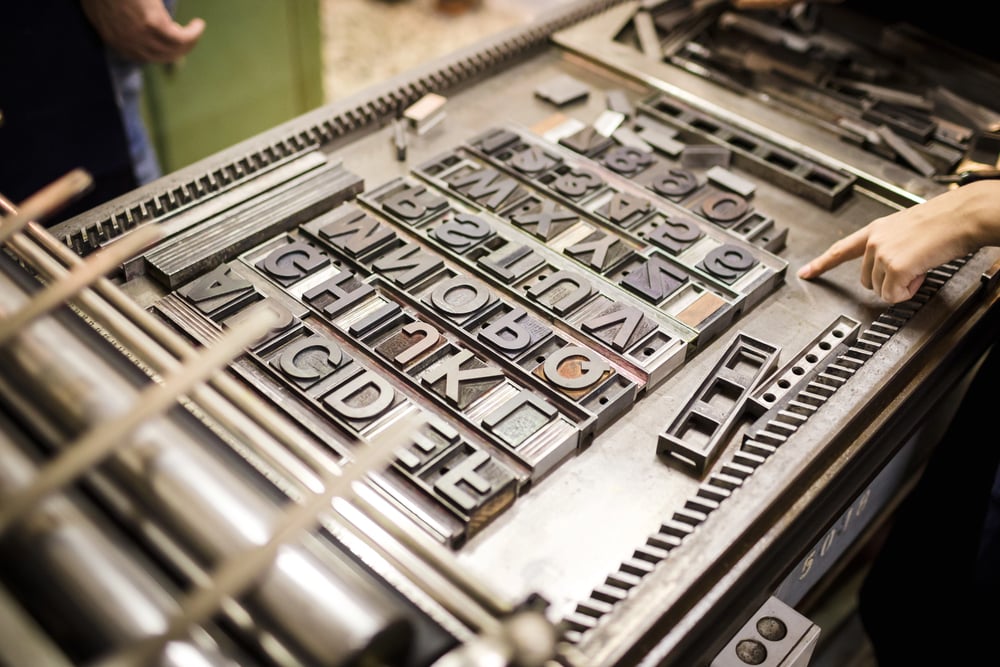
Johannes Gutenberg basically broke the medieval information monopoly when he perfected his printing press around 1450. Before this, books were hand-copied by monks, making them incredibly expensive and rare.
Gutenberg’s metal movable type meant you could crank out hundreds of identical books relatively quickly. His famous Bible proved the concept, and within decades, printing presses were everywhere in Europe. The Catholic Church wasn’t thrilled about people being able to read controversial ideas for themselves.
Telegraph
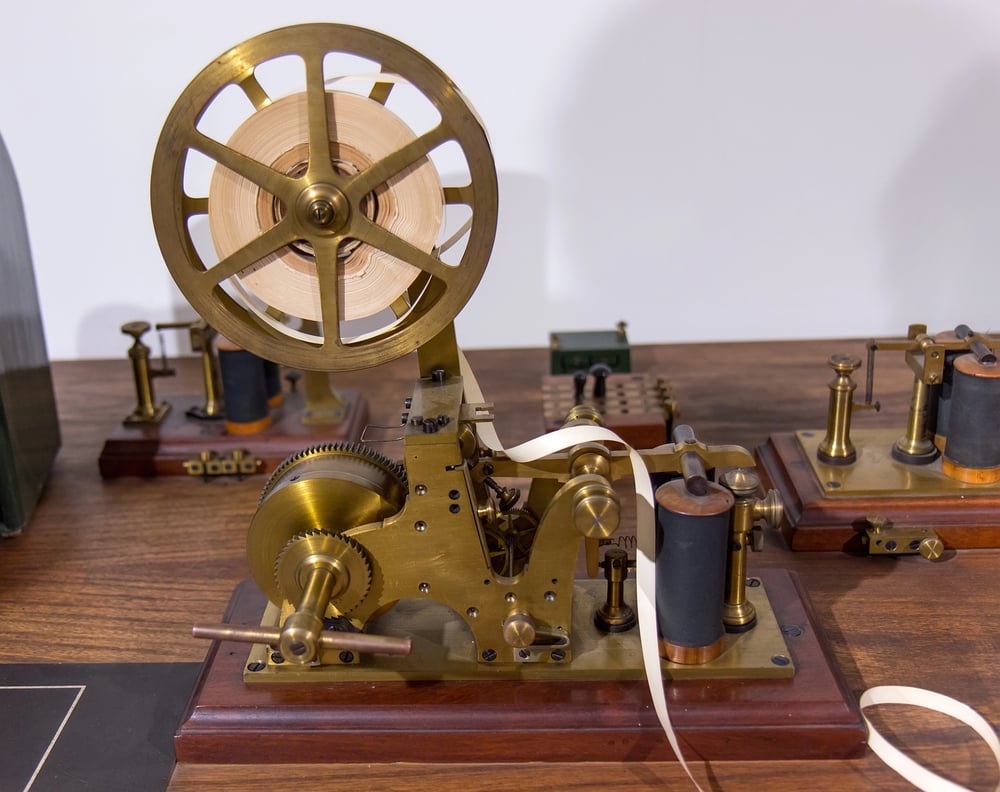
When Samuel Morse sent ‘What hath God wrought?’ from Washington to Baltimore in 1844, he basically shrunk the planet. Think about it – before the telegraph, news traveled only as fast as a horse could run.
Suddenly, you could send a message across the continent in minutes using dots and dashes over copper wires. By 1861, you could send a telegram from New York to California, and by 1866, cables under the ocean connected America to Europe.
Telephone
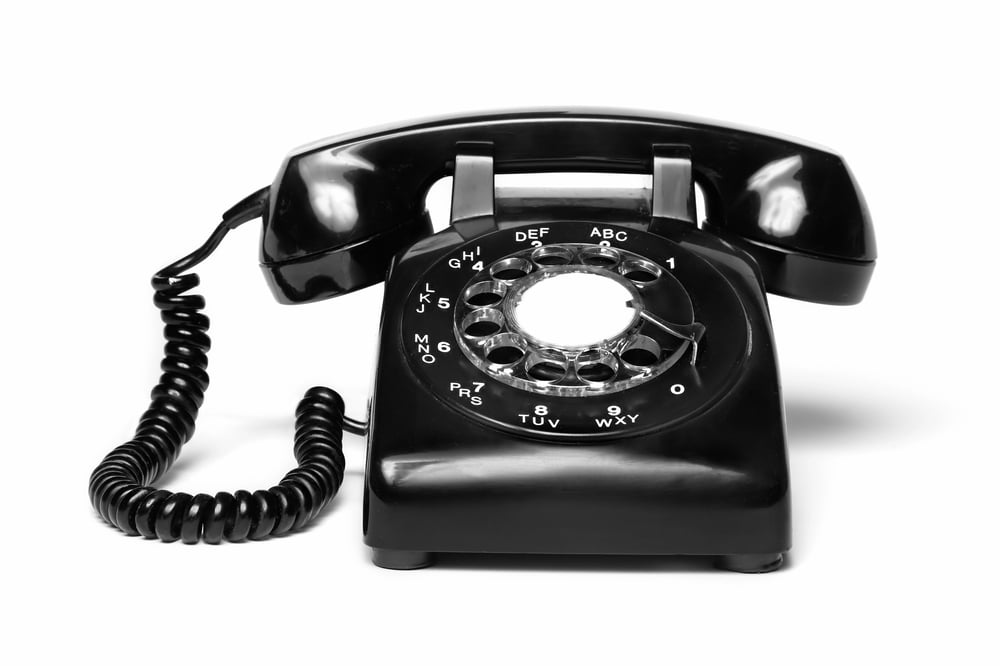
Alexander Graham Bell’s telephone in 1876 did something the telegraph couldn’t – it let you actually hear someone’s voice from far away. No more decoding dot-dash messages; you could have real conversations with all the emotion and nuance that written words miss.
President Hayes supposedly said ‘That’s amazing, but who would ever want to use one?’ when he first saw it. Within 50 years, telephones were everywhere, completely changing how people did business and maintained relationships.
Like Go2Tutors’s content? Follow us on MSN.
Radio

Guglielmo Marconi figured out how to send messages through thin air in the 1890s, which was mind-blowing at the time. His first wireless transmission only went half a mile, but by 1901 he was sending signals across the Atlantic Ocean.
Radio evolved beyond just sending coded messages – suddenly you could broadcast voices and music to millions of people at once. The 1920s radio boom brought families together around their living room sets, creating the first truly shared mass media experience.
Television

TV took radio’s wireless magic and added moving pictures, creating something nobody had ever seen before – live visual broadcasts to millions of people simultaneously. Multiple inventors worked on this throughout the 1920s and 1930s, but World War II put everything on hold.
When TV finally took off, it changed everything – politics, entertainment, even how we thought about the world. Watching the moon landing or JFK’s assassination wasn’t just hearing about it; you were right there.
Transistor

The transistor might not look like much – a tiny semiconductor device invented at Bell Labs in 1947 – but it replaced those huge, hot vacuum tubes that made early electronics so bulky and unreliable. This little component made everything smaller, cheaper, and way more reliable.
Without transistors, we’d never have gotten portable radios, personal computers, or smartphones. It’s one of those inventions that enabled everything else we take for granted today.
Like Go2Tutors’s content? Follow us on MSN.
Satellite Communication

Arthur C. Clarke predicted in 1945 that satellites could relay communications around the globe, and people probably thought he was nuts. But by the 1960s, satellites like Syncom and Early Bird were doing exactly that – bouncing signals off space-based relay stations to connect any two points on Earth.
The 1964 Tokyo Olympics became the first live global TV broadcast, showing the world what satellites could do. Suddenly, geography didn’t matter as much for communication.
Internet

What started in 1969 as ARPANET – basically four university computers talking to each other – eventually became the Internet that connects billions of devices today. The genius was in the packet-switching design that could route around problems automatically.
Unlike older communication systems controlled by single companies or governments, the Internet was built to be nearly impossible to shut down or censor. It became the foundation for pretty much everything digital we use now.
Mobile Phone
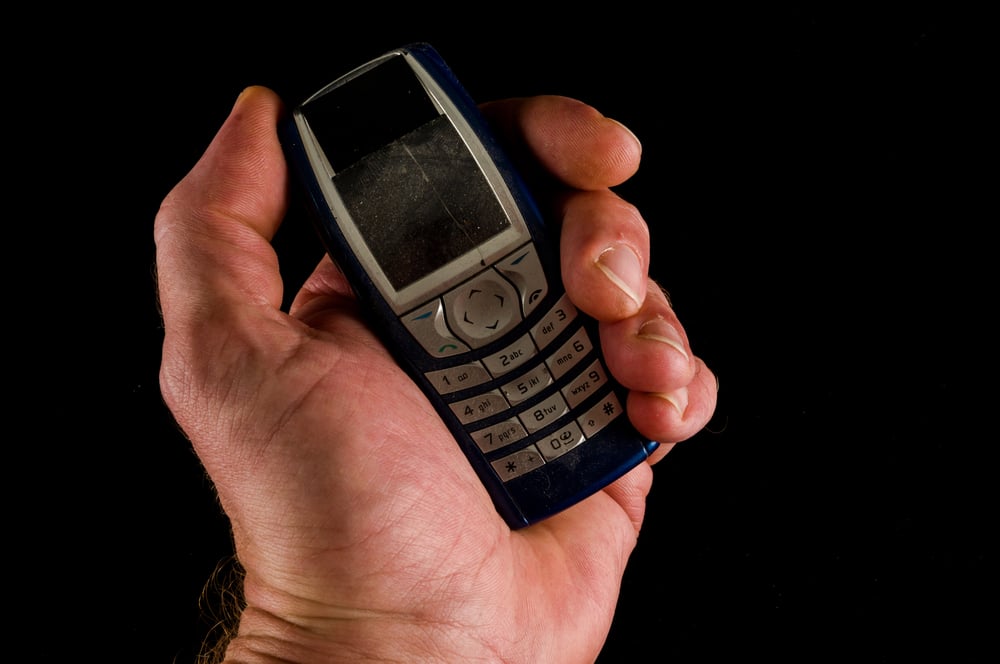
Martin Cooper from Motorola made the first mobile phone call in 1973 using a 2.5-pound brick of a phone to call his competitor at Bell Labs. Early cell networks carved up areas into hexagonal cells with towers that could hand off your call as you moved around.
This freed people from being tied to landlines and completely changed how we think about communication. Mobile phones went from expensive executive toys to something practically everyone carries.
Like Go2Tutors’s content? Follow us on MSN.
Fiber Optic Cables
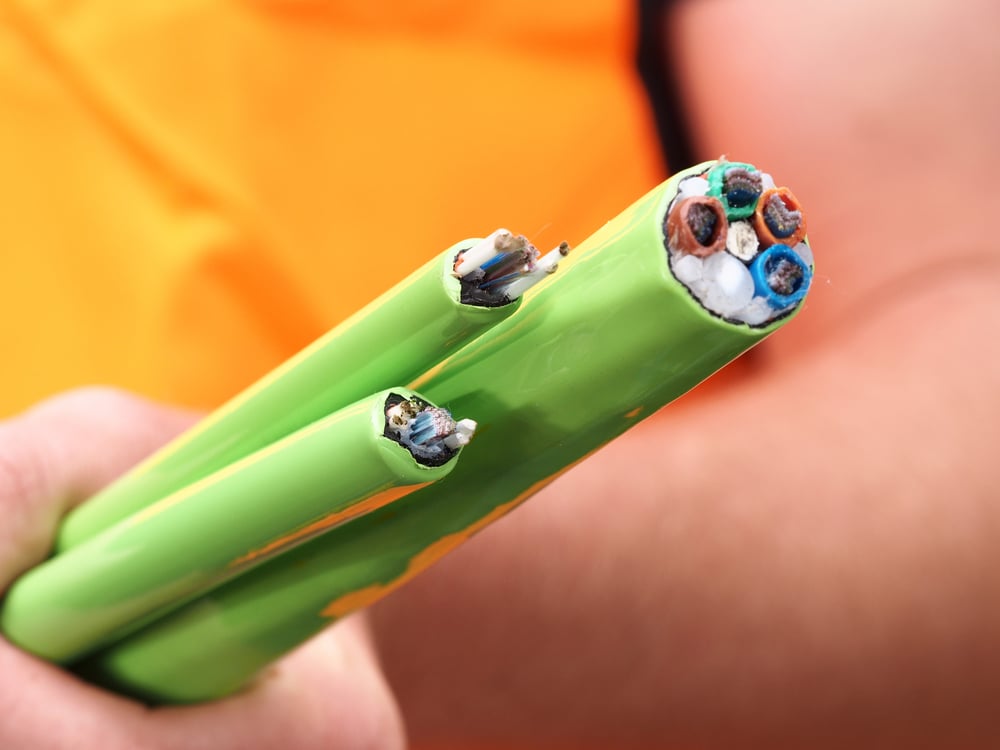
Fiber optics sounds fancy, but it’s basically shooting light pulses through glass threads thinner than hair to carry massive amounts of information. Charles Kao figured out in the 1960s that ultra-pure glass could carry light signals over long distances without losing much signal.
One fiber cable can handle 25,000 phone calls at once, way more than old copper wires ever could. This technology powers the high-speed internet that lets you stream videos and download files instantly.

Ray Tomlinson sent the first network email in 1971 and chose the @ symbol to separate usernames from computer addresses – a decision that affects billions of people daily. Email combined the speed of phone calls with the convenience of letters, arriving in seconds instead of days.
It could go to multiple people at once, something regular mail couldn’t do efficiently. Email became the first ‘must-have’ application that drove people to get computers and internet connections at home.
World Wide Web

Tim Berners-Lee invented the World Wide Web at CERN in 1989, creating the websites, links, and browsers that made the internet usable for regular people. Before the Web, the internet was mainly for computer experts who knew arcane commands.
Berners-Lee’s system of web pages, hyperlinks, and addresses turned the internet into something anyone could navigate by clicking. Within a decade, ordinary people could publish information globally and access knowledge from anywhere.
Like Go2Tutors’s content? Follow us on MSN.
Smartphone

The iPhone’s 2007 launch showed what happened when you crammed a phone, computer, camera, and internet into one pocket-sized device. Smartphones didn’t just make calls – they handled texts, emails, web browsing, photos, videos, and apps all in one gadget.
They enabled completely new ways to communicate, like sharing photos instantly or sending your location to friends. Smartphones became the primary way billions of people connect with the world, fundamentally changing human behavior.
Social Media Platforms
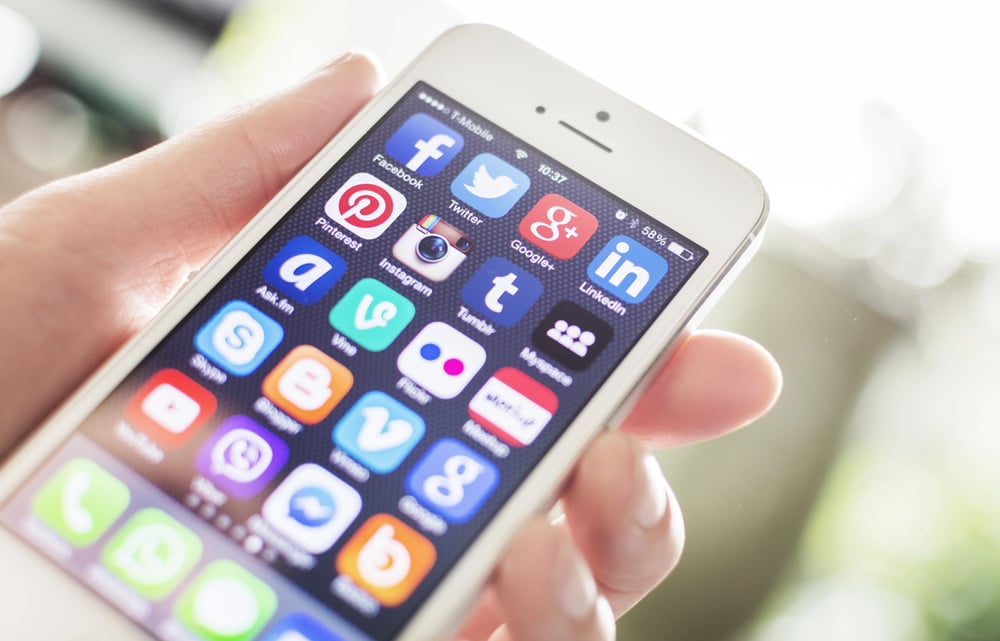
Facebook, Twitter, YouTube and similar platforms let ordinary people broadcast to global audiences without needing a TV station or newspaper. These platforms turned everyone into potential content creators, activists, or influencers who could reach millions without traditional gatekeepers.
Social media changed politics, marketing, relationships, and social movements in ways nobody predicted. Events like the Arab Spring showed how these platforms could organize real-world action and shape public opinion instantly.
Video Calling

Video calling went from expensive, clunky systems in the 1960s to free apps on smartphones that work better than the original designers ever imagined. Early video phones were novelties that required special equipment and cost a fortune.
Internet-based video calling changed that, making face-to-face conversations accessible to anyone with a computer or phone. The COVID pandemic proved how essential video calls had become when they suddenly replaced in-person meetings, classes, and family gatherings worldwide.
Like Go2Tutors’s content? Follow us on MSN.
The Connected Future

These 17 breakthroughs created a chain reaction that took us from cave paintings to instant global communication in just a few thousand years. Each inventor probably had no idea how their creation would eventually change the world.
Today, you can video chat with someone on the other side of the planet, access pretty much all human knowledge, and share your thoughts with millions – stuff that would’ve seemed like pure magic to earlier generations. The communication revolution keeps accelerating, and who knows what’s coming next.
More from Go2Tutors!

- 16 Historical Figures Who Were Nothing Like You Think
- 12 Things Sold in the 80s That Are Now Illegal
- 15 VHS Tapes That Could Be Worth Thousands
- 17 Historical “What Ifs” That Would Have Changed Everything
- 18 TV Shows That Vanished Without a Finale
Like Go2Tutors’s content? Follow us on MSN.